
It is frustrating to see a beautiful design lose its color. You spend time and money on a project, but the result looks dull or washes out after a few weeks. If you are asking, “Why is my sublimation print fading aluminum?” you are not alone.
Fading usually happens for a few specific reasons. It could be the temperature, the quality of the aluminum sheet, or the way the metal was stored.
Understanding the Role of the Aluminum Alloy
The metal underneath the coating matters more than most people think. Not all aluminum sheets are the same. Some alloys hold heat better, while others are more resistant to bending. If the metal does not reach the right temperature evenly, the ink will not bond properly. This leads to fading.
Table 1: Common Aluminum Alloys for Sublimation
| Alloy Type | Common Temper | Main Feature | Best Application |
|---|---|---|---|
| 1050/1100 | H14 | Pure aluminum, very soft | Decorative indoor tags |
| 3003 | H14/H24 | Stronger, standard choice | Photo panels, wall art |
| 5052 | H32 | High corrosion resistance | Outdoor signs, marine use |
The 3003 alloy is the industry standard. It offers a balance of strength and cost. If your prints are fading on outdoor signs, you might need to switch to the 5052 alloy because it handles environmental stress much better.
Why the Coating Quality is Key
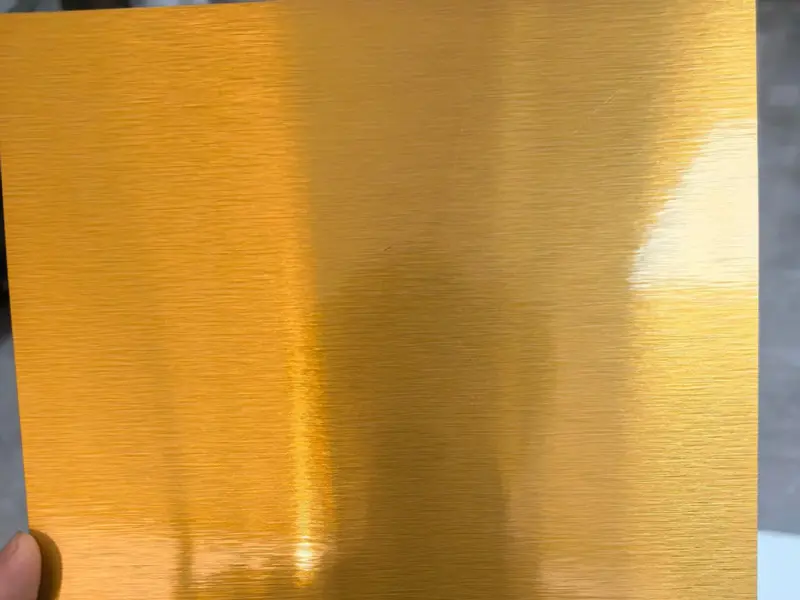
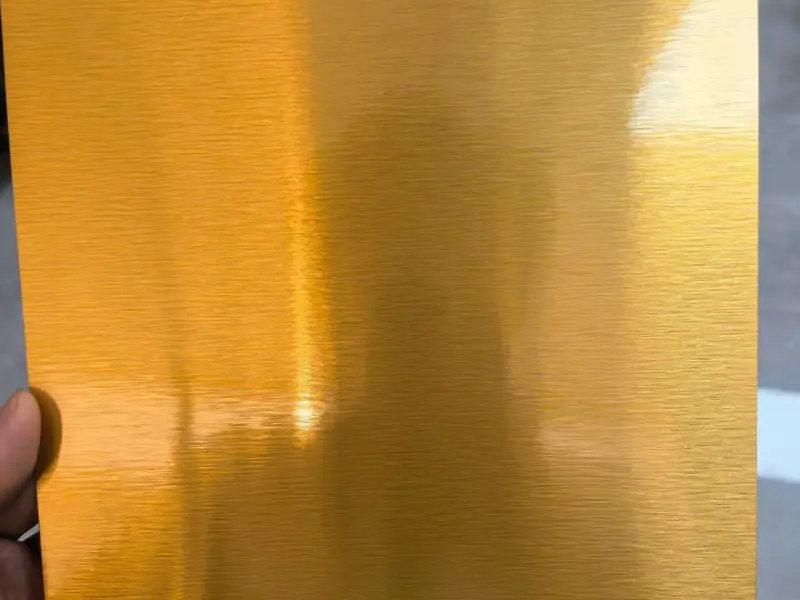
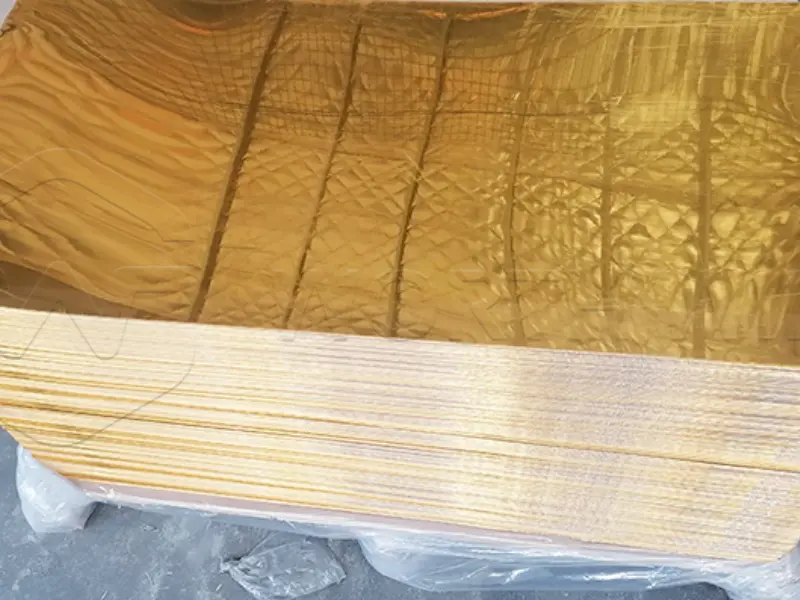
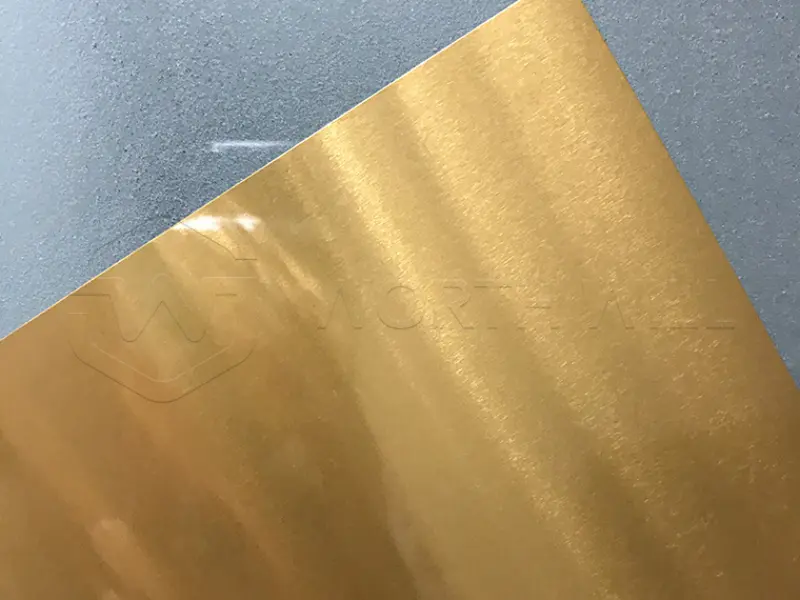
Sublimation ink does not actually stick to the aluminum. It sticks to a polyester coating on top of the metal. If this coating is too thin or of poor quality, the ink has nowhere to go.
- Coating Thickness: A thicker coating (60−80 microns) allows for deeper color.
- UV Protection: Without UV inhibitors in the coating, the sun will bleach the ink in months.
- Adhesion: If the coating doesn’t stick to the metal, it will peel and take the print with it.
Table 2: Coating Types and Their Fading Risk
| Finish Type | Gloss Level | Fading Resistance | Visual Impact |
|---|---|---|---|
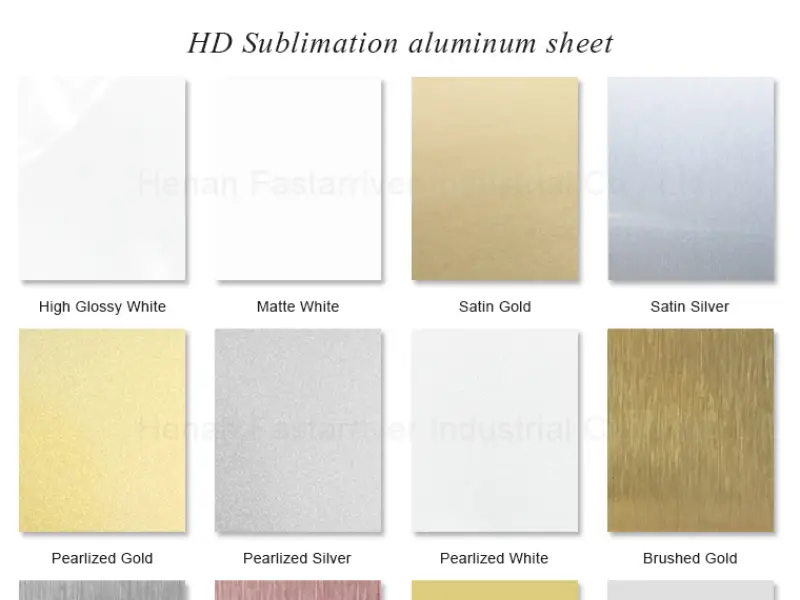
| High Gloss White | 90%+ | Excellent | High contrast, vibrant |
| Matte White | 10−20% | Very Good | No glare, professional |
| Clear Gloss | 85%+ | Good | Shows metallic grain |
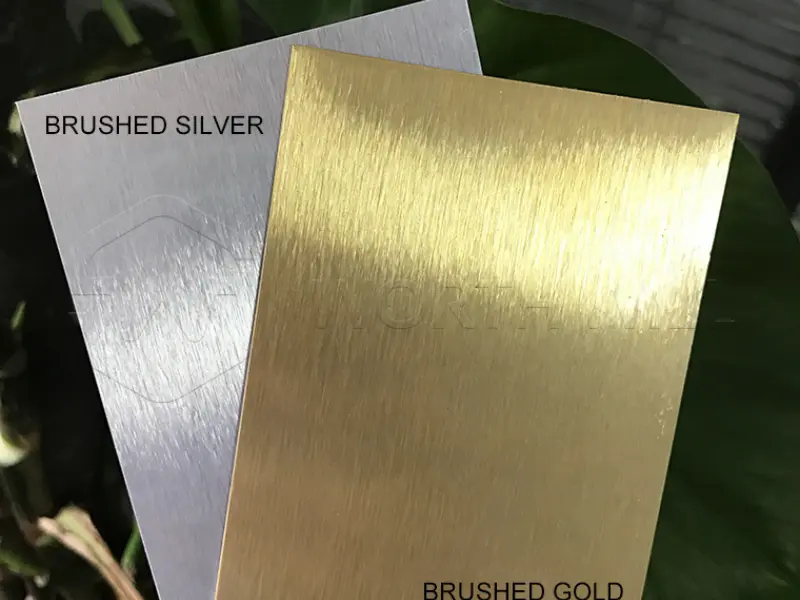
| Brushed Silver | N/A | Good | Modern, industrial look |
Solving Fading Through Correct Parameters
One of the biggest causes of sublimation print fading aluminum is “under-cooking.” If the heat press does not stay closed long enough, the gas does not fully penetrate the coating. This results in a print that looks okay at first but fades quickly because the ink is only on the surface.
Table 3: Digital Specifications for Pressing
| Aluminum Thickness | Press Temp (∘F) | Press Temp (∘C) | Time (Seconds) |
|---|---|---|---|
| 0.22mm (Business Card) | 385∘F | 196∘C | 30−35 |
| 0.50mm (Standard Sheet) | 390∘F | 199∘C | 45−55 |
| 0.70mm (Medium Plate) | 400∘F | 204∘C | 60−70 |
| 1.10mm (Heavy Panel) | 400∘F | 204∘C | 90−120 |
Note: Always use medium pressure. Too much pressure can squeeze the coating out of the edges.
Different Product Types for Sublimation Aluminum
There are many products you can create. Choosing the right “blank” helps prevent fading for specific uses.
1. Photo and Art Panels
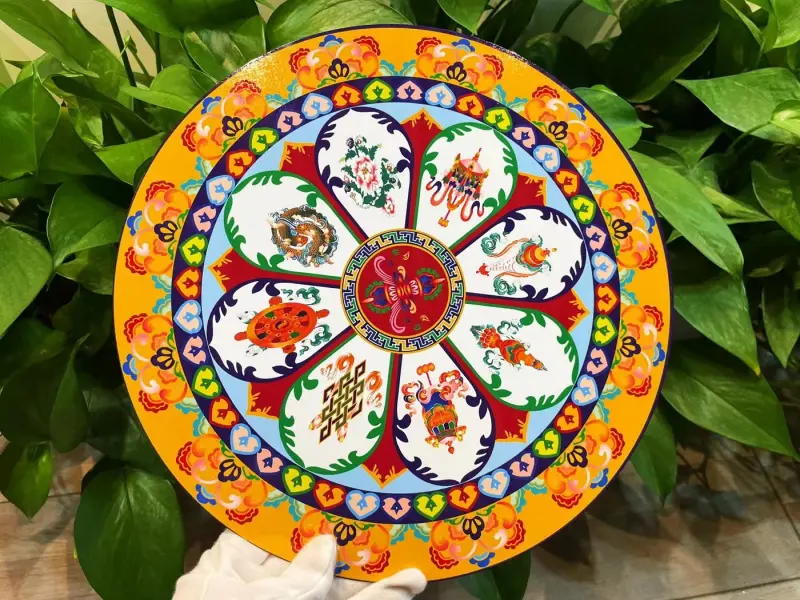
These are high-end products. They usually use the 3003 alloy. They have a thick, high-gloss coating and are perfect for wedding photos or gallery prints.
2. Industrial Nameplates and Tags
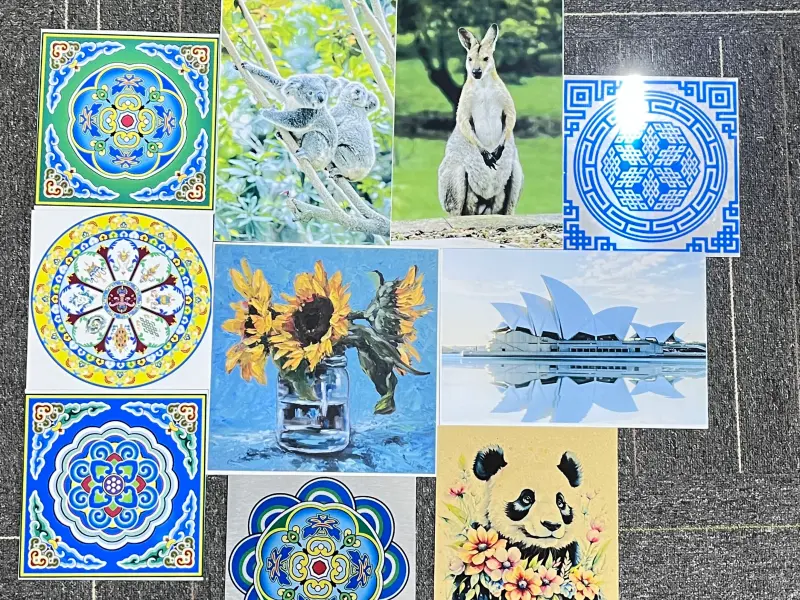
These use thinner aluminum (0.5mm or less). They are often used for machinery labels. They need to be durable and resistant to oils.
3. Outdoor Wayfinding Signs
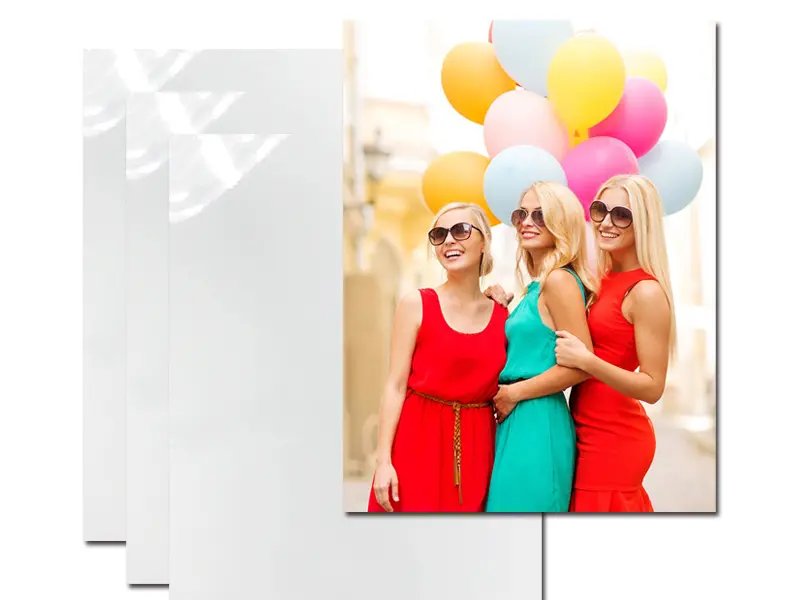
These require the 5052 alloy and special UV-protected coatings. They are built to withstand rain, wind, and sun without the sublimation print fading aluminum.
4. Trophy and Award Plates
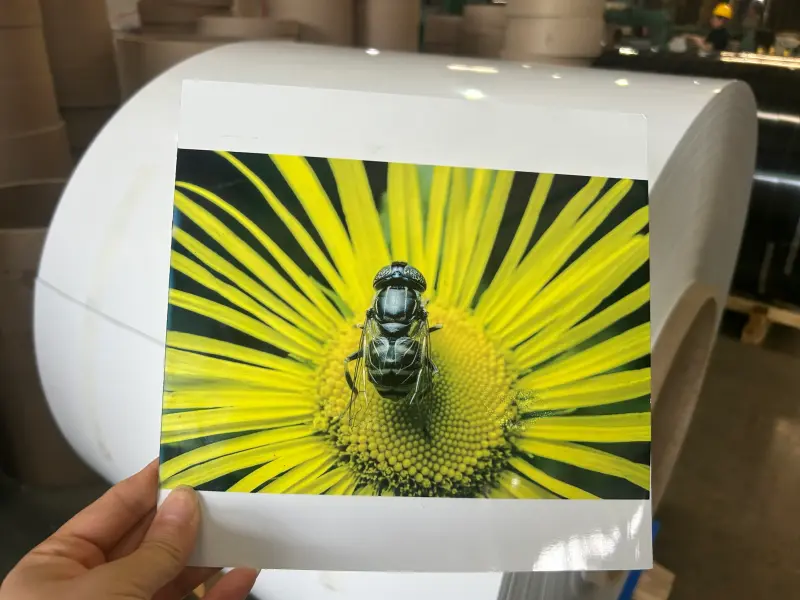
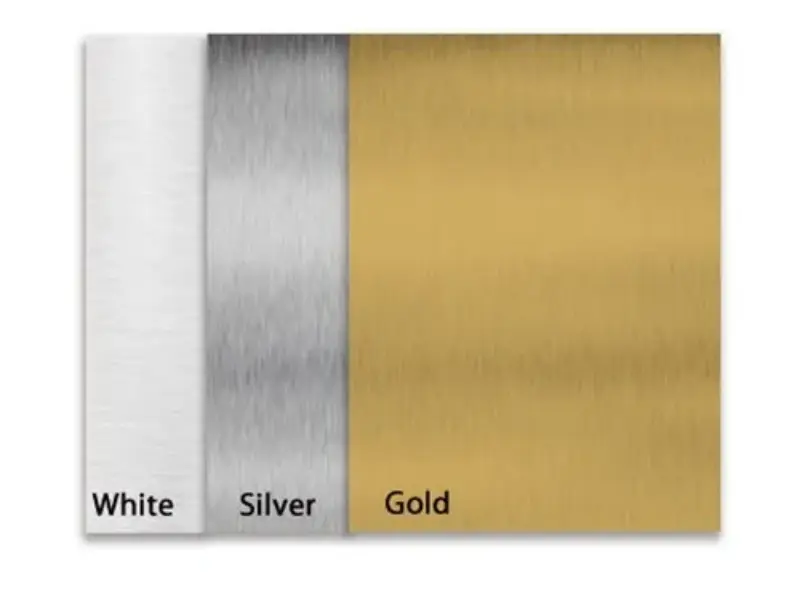
These are usually very thin (0.3mm) and come in gold, silver, or bronze finishes. They are meant for indoor use only.
Top Reasons for Print Fading and How to Fix Them
Incorrect Storage of Blanks
If your aluminum sheets sit in a damp warehouse, they can absorb moisture. When you heat them, that moisture turns to steam. This creates “pockmarks” or faded white spots in your print.
- Solution: Store your aluminum in a cool, dry place. Pre-press the metal for 5 seconds to remove moisture.
Low-Quality Sublimation Ink
Not all inks are made the same. Cheap inks have less pigment. They might look bright on paper but fade on metal.
- Solution: Use a reputable brand of sublimation ink designed for hard surfaces.
Over-Heating the Metal
If you leave the aluminum in the press for too long, you can “burn” the polyester coating. Once the coating is damaged, it cannot hold the ink properly. This makes the image look blurry and brown.
- Solution: Stick to the times listed in Table 3. Use a digital thermometer to check your heat press accuracy.
Technical Specifications for Sourcing
When buying aluminum sheets, use these digitized specs to ensure you get the best quality:
- Material Grade: Aluminum Alloy 1000, 3000, or 5000 series.
- Standard Thicknesses: 0.45mm, 0.55mm, 0.7mm, 1.1mm.
- Sheet Sizes: 300×600mm, 600×1200mm, or custom cuts.
- Protective Film: Ensure the sheets have a PE protective film on the printable side to prevent scratches during shipping.
- Corner Finish: Radius (rounded) corners (2mm,5mm) or Square corners.
Application Areas for High-Quality Aluminum
Using the right materials prevents fading in these common areas:
- Hospitality: Room numbers and hotel lobby art.
- Photography: High-definition landscape prints.
- Advertising: Point-of-sale displays and indoor banners.
- Awards: Corporate plaques and sports trophies.
- Architecture: Decorative elevator panels and wall cladding.
Final Tips to Prevent Sublimation Print Fading on Aluminum
To get the best results, you must treat sublimation like a science.
- Test your equipment: Every heat press is different. Test a small corner of your aluminum first.
- Check your pressure: Use enough pressure so the paper cannot move, but not so much that you dent the metal.
- Peel immediately: Most professionals recommend “hot peeling” the paper as soon as you open the press to avoid ghosting.
- Cooling: Place the hot metal on a flat, cool surface. Do not put it on a cold metal table, or it might warp. A wooden table or a heat pad is best.
By following these steps and choosing the right aluminum sheet alloy, you can stop the fading and start producing professional-grade prints that last a lifetime. High-quality materials and precise timing are the best defense against dull colors.
Leave a Reply
You must be logged in to post a comment.