
Sublimation Temperature and Time for Aluminum Sublimation on aluminum is a popular way to create high-quality, durable prints. Whether you are making outdoor signs, photo panels, or small nameplates, getting the sublimation temp aluminum right is the most important step. If the heat is too low, the colors look dull. If the heat is too high, you might burn the coating.
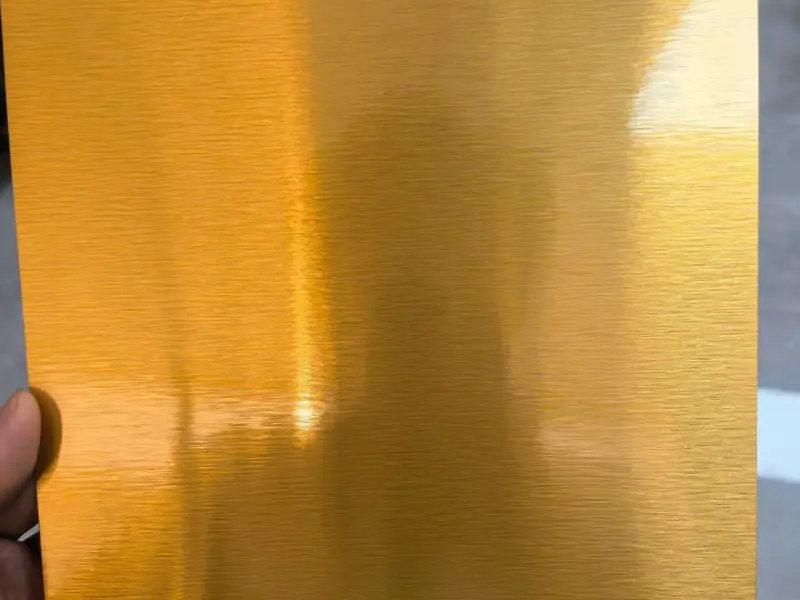
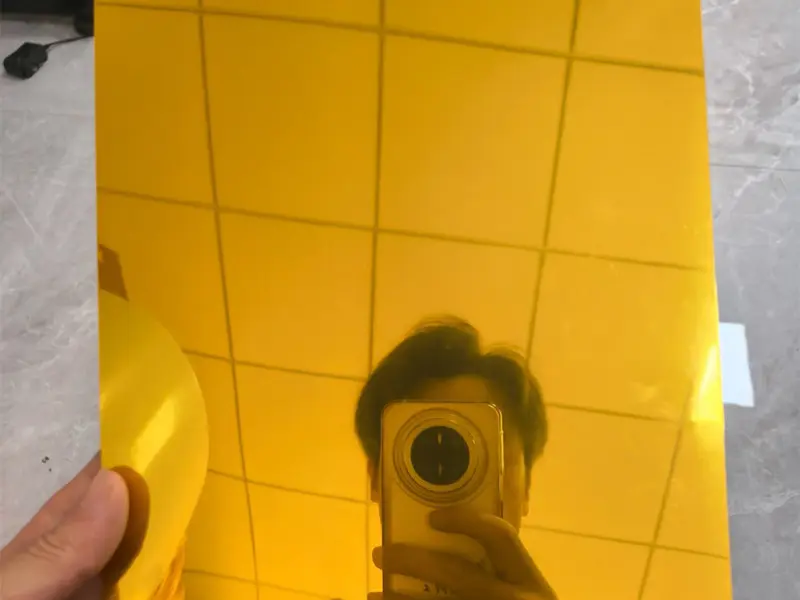
Core Parameters for Aluminum Sublimation
To start, you need a quick reference for your heat press. These settings vary slightly based on the thickness of the metal and the brand of the coating.
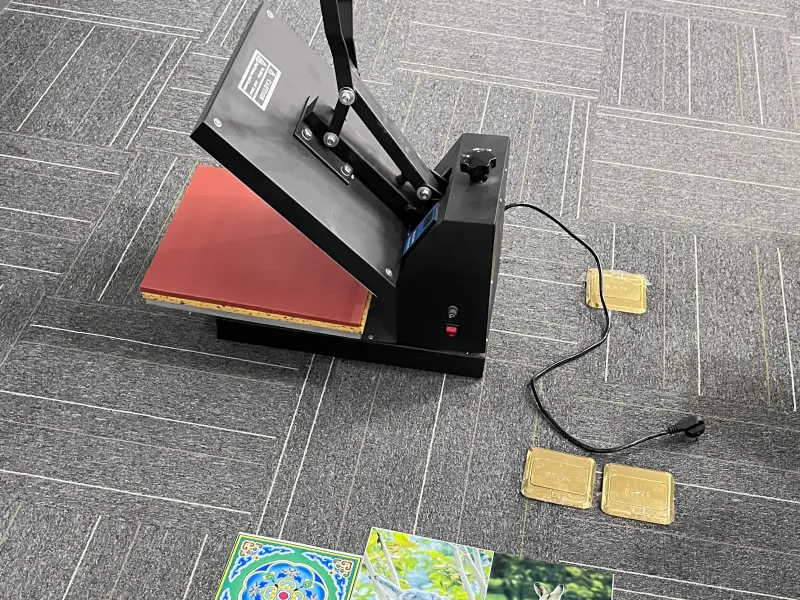
Table 1: Standard Sublimation Settings by Thickness
| Material Thickness | Temperature (∘F) | Temperature (∘C) | Time (Seconds) | Pressure |
|---|---|---|---|---|
| Thin (0.020″ / 0.5mm) | 385∘F−400∘F | 196∘C−204∘C | 40−50 seconds | Medium |
| Medium (0.030″ / 0.75mm) | 385∘F−400∘F | 196∘C−204∘C | 50−65 seconds | Medium |
| Thick (0.045″ / 1.1mm) | 400∘F | 204∘C | 70−90 seconds | Medium/Heavy |
| Large Photo Panels | 400∘F | 204∘C | 120−180 seconds | Heavy |
Why Temperature and Time Matter
Sublimation is a chemical process. The ink turns into a gas and bonds with the polyester coating on the aluminum.
- Temperature: Most aluminum blanks require a sublimation temp aluminum of at least 385∘F. This ensures the pores of the coating open up to receive the gas.
- Time: Metal acts as a heat sink. It takes a few seconds for the aluminum itself to reach the target temperature. Thicker metal needs more time to “soak” in the heat.
- Pressure: If the pressure is too light, the gas will escape, causing “ghosting” or blurry edges.
Aluminum Alloy Types and Specifications
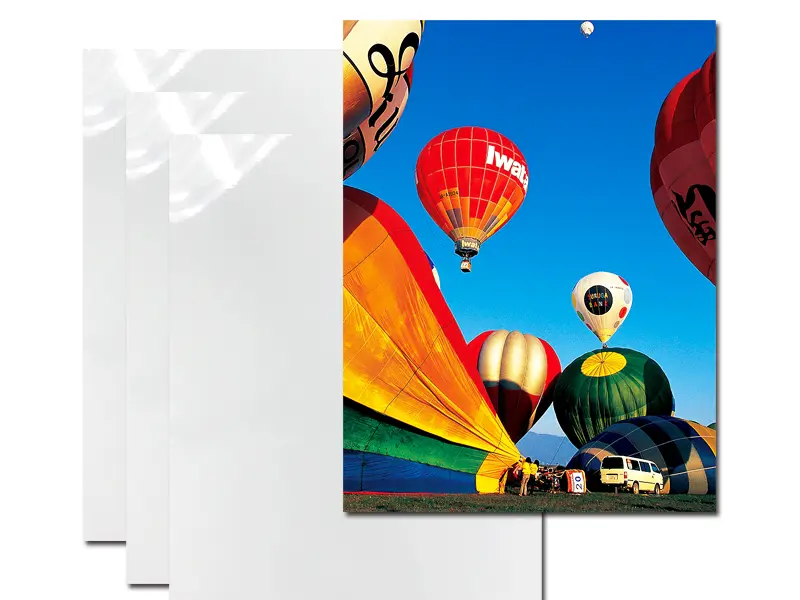
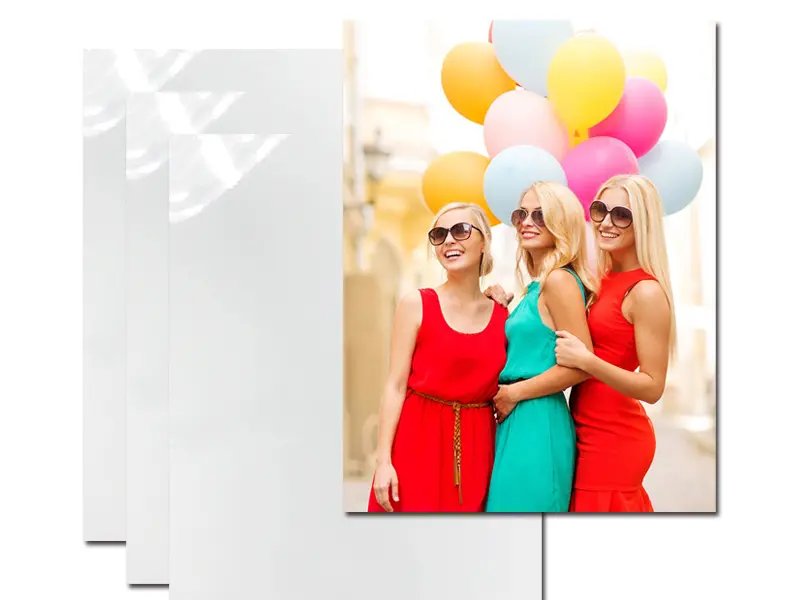
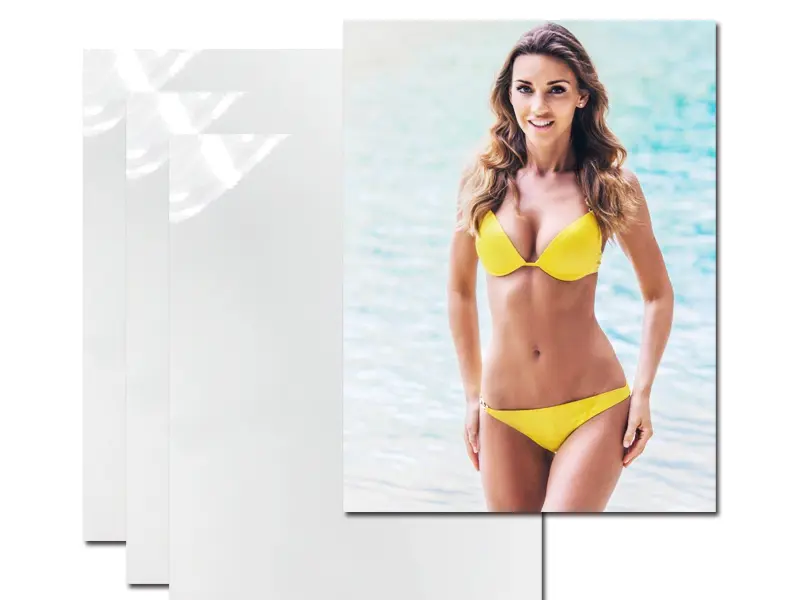
Not all aluminum is the same. The alloy type determines how the metal reacts to heat and how flat it remains after cooling.
Common Alloy Series for Sublimation
- 1000 Series (Pure Aluminum): These are very soft and have high conductivity. They are great for small tags but can bend easily under high heat.
- 3000 Series (Manganese Alloy): This is the most common for sublimation sheets. It is stronger than the 1000 series and stays flat.
- 5000 Series (Magnesium Alloy): Used for premium outdoor signage. It is very resistant to corrosion and holds the coating well in extreme weather.
Table 2: Technical Specifications of Aluminum Blanks
| Alloy Grade | Common State (Temper) | Yield Strength (MPa) | Thermal Conductivity | Best Use Case |
|---|---|---|---|---|
| 1100 | H14 | 95−125 | Very High | Decorative Tags |
| 3003 | H14 | 140−160 | High | Photo Panels |
| 5052 | H32 | 190−210 | Medium | Outdoor Signage |
Popular Product Types for Sublimation
Aluminum is versatile. Depending on the finish and the alloy, you can create many different products.
1. High-Definition Photo Panels
These are usually thicker (around 0.045″). They have a thick white or clear coating that makes colors pop. They are the top choice for professional photographers.
2. Commercial Signage
Often made from 3003 or 5052 alloys. These signs are used for “No Parking” notices, wayfinding, and office directories. They need a high sublimation temp aluminum to ensure the ink goes deep into the coating for weather resistance.
3. Small Promotional Items
- Business Cards: Very thin aluminum (0.2mm). They require very short press times (30−35 seconds).
- License Plates: Standardized size, usually with a UV-resistant coating.
- Keychains: Often double-sided. You must press one side, let it cool, then press the other.
Step-by-Step Guide to Pressing Aluminum
Preparation
- Remove the Film: Almost all sublimation aluminum has a clear or blue plastic film. You must remove this before pressing. If you forget, the plastic will melt onto your heat press.
- Clean the Surface: Use a microfiber cloth to remove dust or fingerprints.
Setting Up the Press
- Set your heat press to 400∘F.
- Place a sheet of parchment paper on the bottom platen.
- Place your transfer paper face up.
- Place the aluminum blank face down on top of the paper (Metal-on-top method).
- Note: Many professionals prefer placing the metal on top so the heat hits the aluminum directly.
Table 3: Troubleshooting Common Issues
| Problem | Cause | Solution |
|---|---|---|
| Faded Colors | Low Temp or Short Time | Increase time by 10 seconds. |
| Brown/Burnt Edges | Too Much Heat | Reduce temp to 385∘F. |
| Ghosting (Blurry) | Paper Shifted | Use heat-resistant tape. |
| Tiny Bubbles | Moisture | Pre-press the paper for 5 seconds. |
Advanced Tips for Professional Results
Managing Heat Sink Effects
Because aluminum draws heat away from the press, if you are doing a large production run, the temperature of your press might drop. Always wait for the press to return to the target sublimation temp aluminum before starting the next piece.
Cooling the Metal
Aluminum stays hot for a long time. Once the timer is up, use heat-resistant gloves to move the piece. Do not stack hot aluminum pieces on top of each other, as they can “re-sublimate” and ruin the images.
Indoor vs. Outdoor Use
- Indoor Coatings: Usually give the highest color brilliance but will fade in direct sunlight within 1−2 years.
- Outdoor Coatings: Specially formulated with UV inhibitors. These can last 3−10 years outdoors. Make sure to check the specs of your supplier.
Summary of Specifications for Buyers
If you are sourcing aluminum for your business, look for these digitized specifications:
- Standard Sizes: 4″×6″, 8″×10″, 11″×14″, 12″×18″, 24″×36″
- Surface Finishes:
- Gloss White: Best for photos.
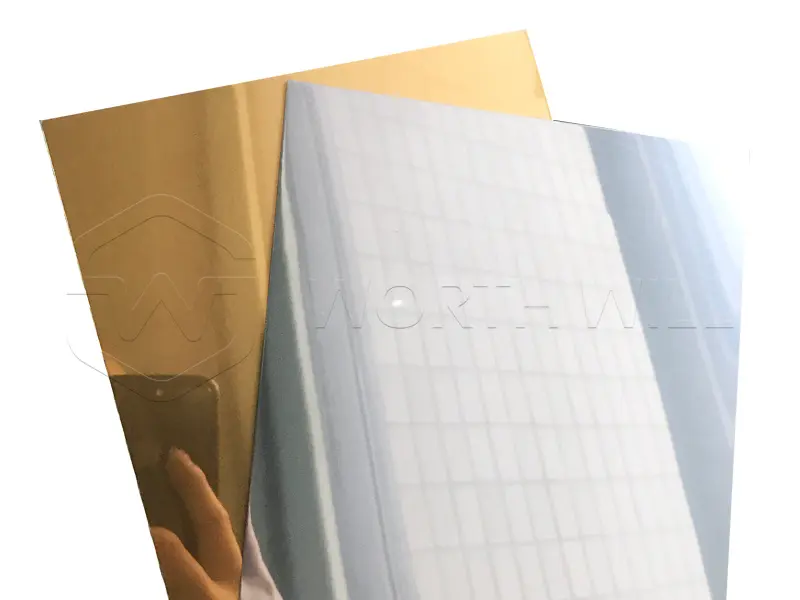
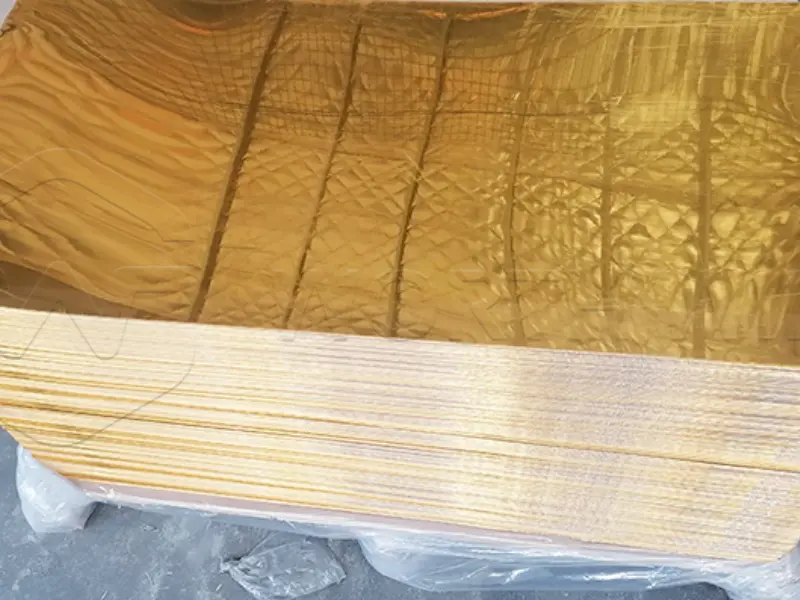
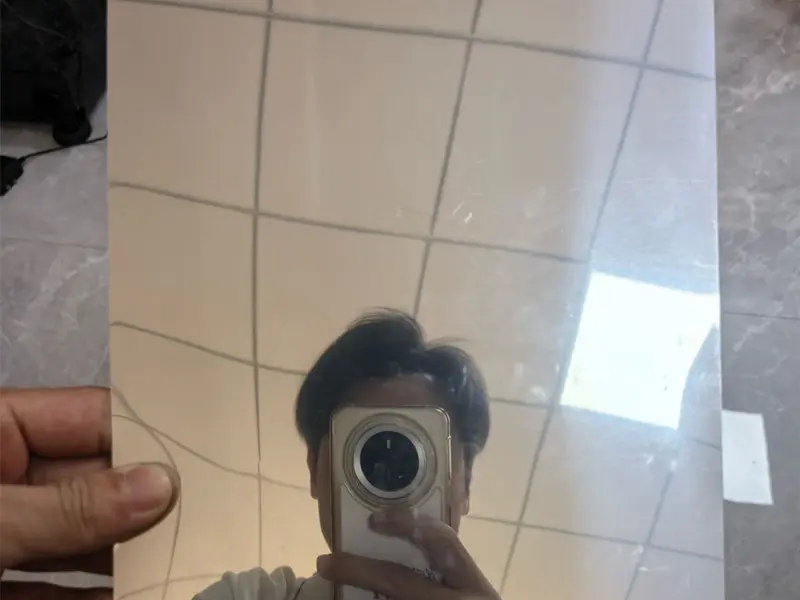
- Clear/Brushed Silver: Best for a modern, “metallic” look.
- Matte White: Best for areas with high glare (office signs).
- Corner Types: Square corners or rounded corners (1/8″ or 1/4″ radius).
- Hole Configuration: Optional pre-drilled holes for easy mounting.
Sublimation Temperature and Time for Aluminum
Finding the perfect sublimation temp aluminum is the key to a successful business. By using a temperature of around 400∘F and adjusting the time based on the thickness of the metal, you can produce stunning, durable items. Always remember to use high-quality alloys like the 3003 series for the best balance of strength and print quality.
With the right settings and high-quality aluminum blanks, your prints will look professional and last for years. Stay consistent with your timing, use firm pressure, and always test a small piece when trying a new supplier.
Leave a Reply
You must be logged in to post a comment.