
How to Make Aluminum Sublimation Blanks Creating your own aluminum sublimation blanks is a great way to save money and customize your products. Aluminum is the perfect material for sublimation because it is durable, lightweight, and takes color beautifully.
Whether you are making small keychains or large photo panels, understanding the technical side of the metal is key to getting professional results.
Understanding the Material: The Best Aluminum Alloys
Not all aluminum is the same. To make high-quality blanks, you need to choose the right alloy. The alloy affects how the metal bends, how flat it stays, and how it reacts to heat.
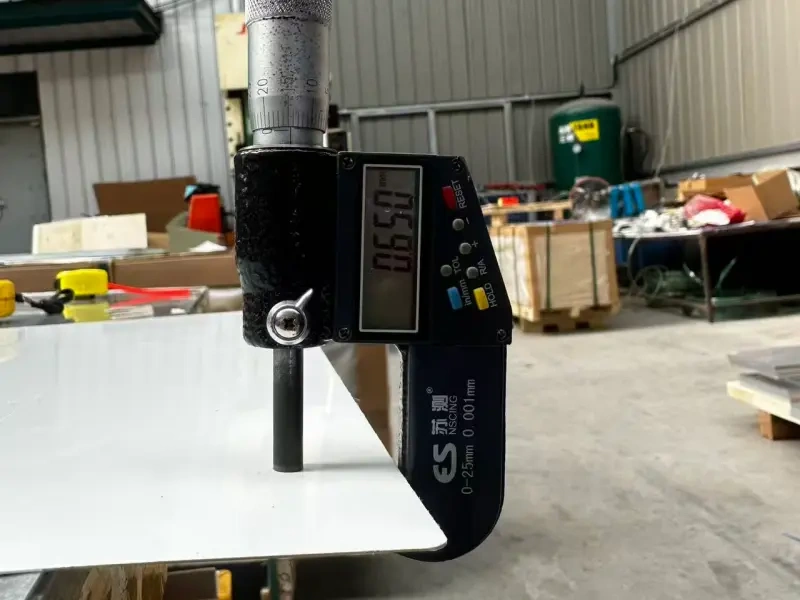
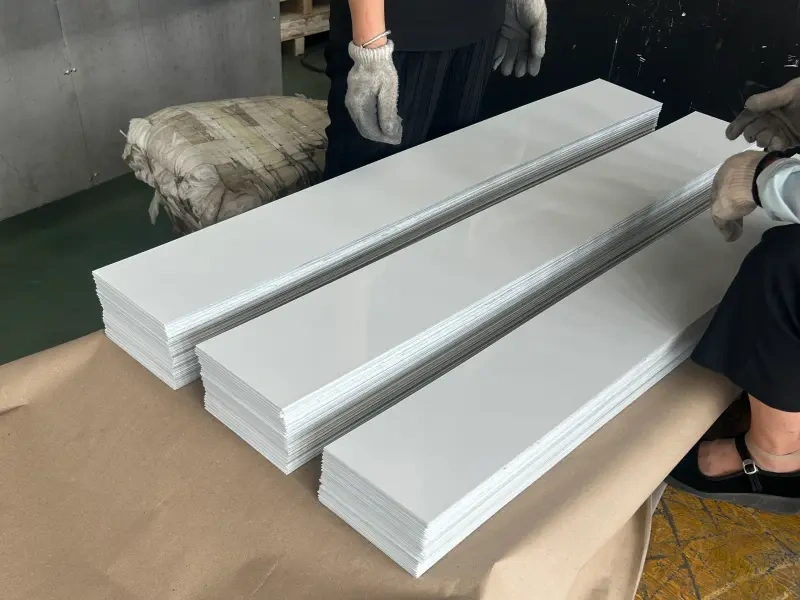
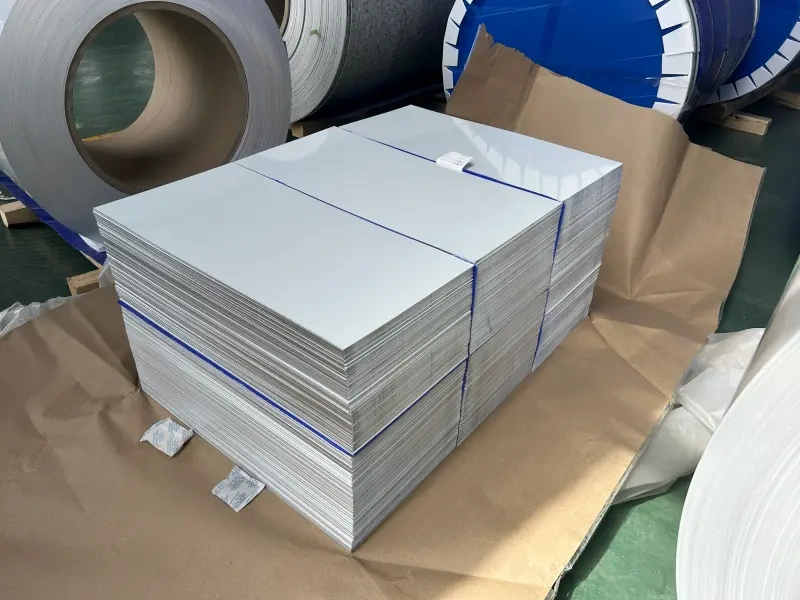
Common Alloys for Sublimation
- Alloy 1050/1060: This is very pure aluminum. It is soft and easy to cut. It is great for small, simple shapes.
- Alloy 3003: This is the most popular choice. It contains manganese, which makes it stronger than the 1000 series. It stays flat during the heating process.
- Alloy 5052: This is a premium choice. It has magnesium, making it very strong and resistant to corrosion. It is best for high-end outdoor signs.
Technical Specifications Table
| Feature | 3003 Alloy (Standard) | 5052 Alloy (Premium) |
| Strength | Medium | High |
| Corrosion Resistance | Good | Excellent |
| Heat Stability | Very Good | Excellent |
| Typical Temper | H14 or H24 | H32 or H34 |
How to Make Aluminum Sublimation Blanks Step-by-Step
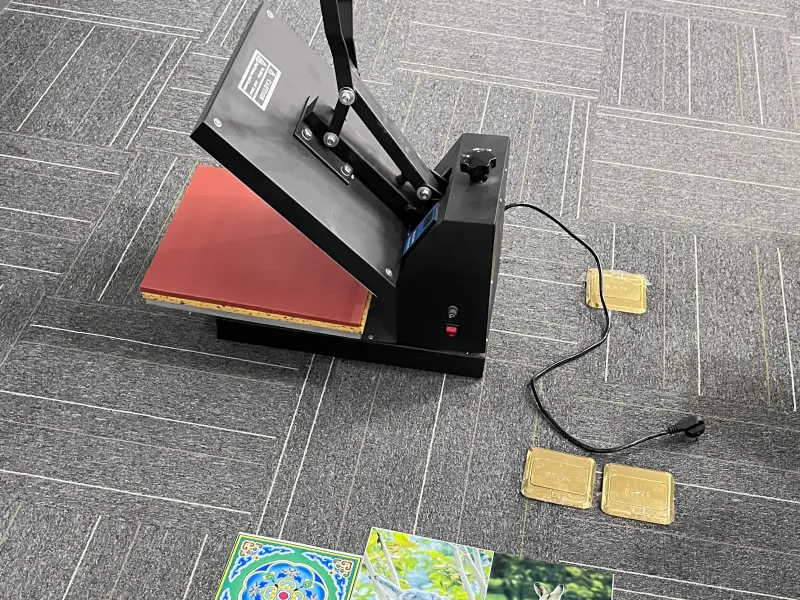
Making a blank involves more than just cutting metal. The most important part is the polyester coating. Sublimation ink turns into gas and needs a polymer layer to “lock” into.
Step 1: Choosing the Metal Sheet
Start with a flat aluminum sheet. For most crafts, a thickness of 0.5mm to 1.1mm is ideal.
Step 2: Cleaning and Pre-treatment
The metal must be perfectly clean. Remove all oil, dust, and fingerprints. If the metal is not clean, the coating will peel off later.
Step 3: Applying the Sublimation Coating
You can apply the coating by spraying or using a roller.
- Clear Coating: Shows the metallic texture of the aluminum.
- White Coating: Makes the colors pop and look very bright.
Step 4: Curing
The coated metal must be baked in an oven. This hardens the polyester layer so it is ready to receive the ink.
Different Types of Aluminum Sublimation Blanks
To attract more customers, you should offer a variety of finishes. Different projects require different “looks.”
1. White Gloss Finish
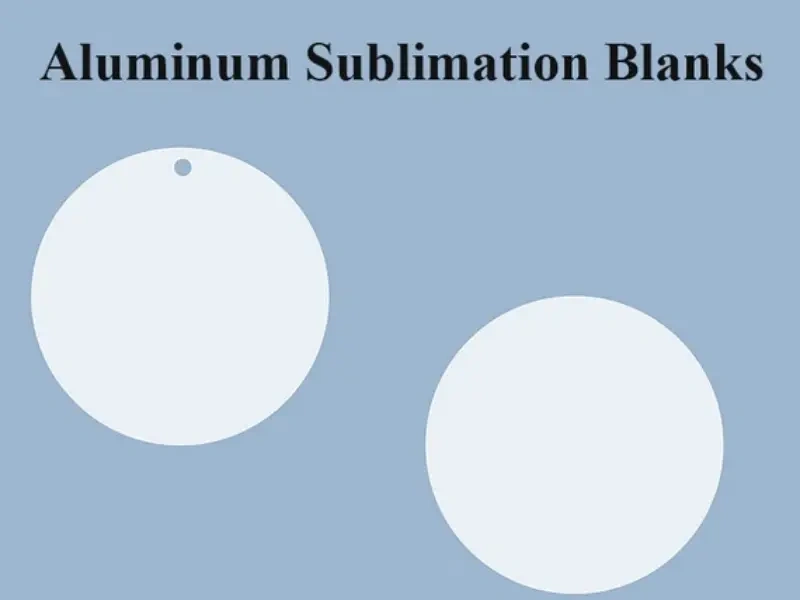
This is the standard type. It has a bright white base. When you transfer an image, the colors look exactly like a high-definition photograph. It is the best seller for family photos.
2. Brushed Silver Finish
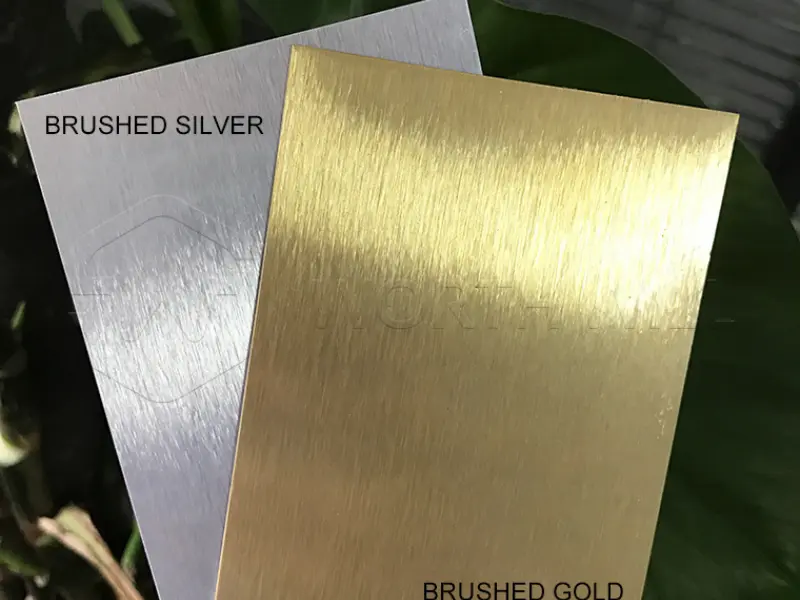
This blank shows the grain of the aluminum. It gives a modern, industrial look. It is very popular for office nameplates and luxury awards.
3. Matte Finish

A matte finish does not reflect light. It is perfect for signs placed under bright lights or outdoors where glare is a problem.
4. Double-Sided Blanks
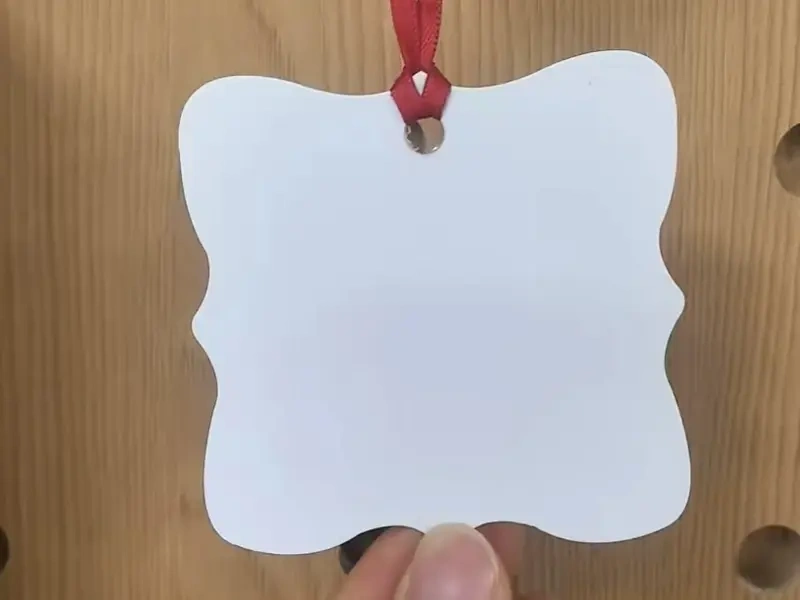
These are coated on both sides. They are mostly used for ornaments, keyrings, and hanging tags.
Alloy Types and Temper States
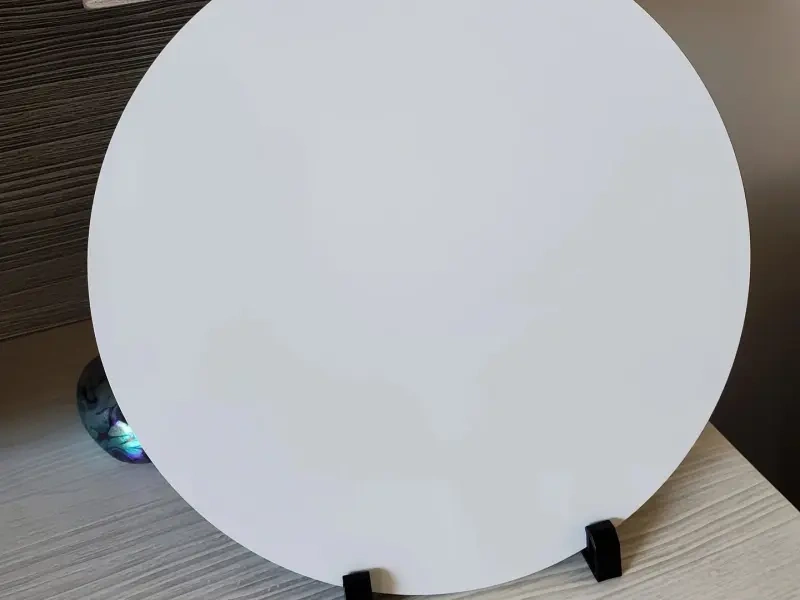
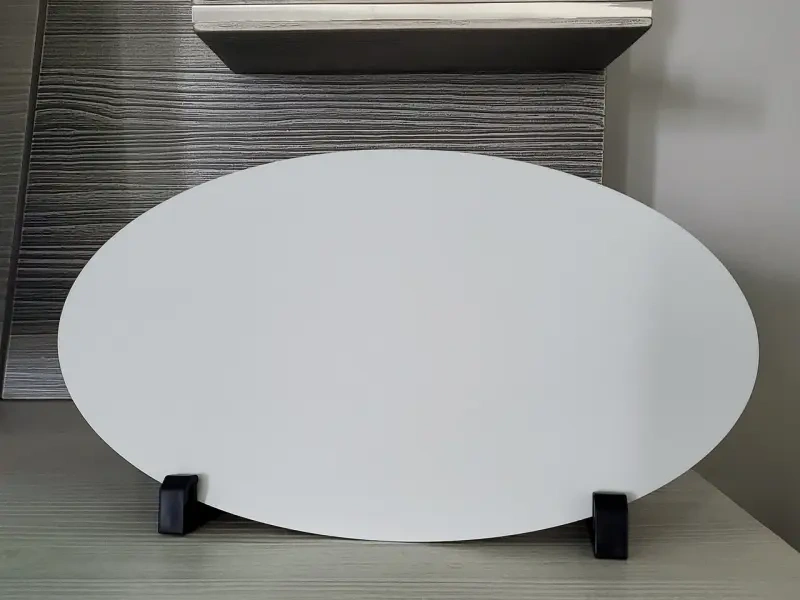
The metal core defines the blank. The alloy gives strength. The temper gives flatness. Flatness matters for framing. Flatness matters for heat press plates. Not all alloys work the same. Some bend too easy. Some hold shape too tight. The right combo saves problems. Here is a quick reference table.
| Alloy Grade | Main Element | Corrosion Rating | Flexibility | Best Use Case |
|---|---|---|---|---|
| Aluminum 1050 | Pure Al (99.5%) | Standard | High | Flat plates, coasters |
| Aluminum 3003 | Mn alloy | Good | Medium | General printing, sheets |
| Aluminum 5052 | Mg alloy | High | Medium-High | Outdoor items, keychains |
| Aluminum 1100 | Pure Al | Standard | High | Thin films, lightweight blanks |
Temper state changes the metal state. The state letter and number matter.
O temper means annealed. The metal is soft. It shapes easy. It bends easy and fits curved blanks.
H14 temper means half-hard. It holds flatness. It resists dents and suits flat frames.
H18 temper means fully hard. It stays rigid. It resists warping and suits press pads and bases.
Workers label the tempers clearly. Buyers check the label. Wrong temper breaks the print. Right temper makes assembly easy.
Product Types and Digital Specifications
The coating line produces many shapes. The shapes depend on the mold. The mold cuts and folds the metal. Each shape has exact numbers. Numbers help buyers order. Numbers help factories cut and match heat presses. Here is a clear spec table.
| Product Type | Thickness (mm) | Weight (g) | Print Area (mm) | Surface Finish |
|---|---|---|---|---|
| Coasters | 0.4 – 0.5 | 18 – 22 | 100 x 100 | Matte |
| Mug Plates | 0.6 – 0.8 | 28 – 35 | 120 x 65 | Glossy |
| Phone Cases | 0.3 – 0.4 | 12 – 15 | 150 x 45 | Soft-touch |
| Pen Tubes | 0.2 | 8 – 10 | 180 x 18 (rolled) | Satin |
| Keyring Tabs | 0.5 | 6 – 9 | 40 x 60 | Bright |
| Lapel Pins Base | 0.3 | 3 – 5 | 25 x 25 | Polished |
The paragraph below explains the types. The paragraph breaks down real use.
Flat sheets and plates cover the biggest share. They print logos. They print photos and print menus. The sheets stay flat after pressing. They frame easily.
Rolled tubes and pens take full-wrap prints. The ink wraps around. The image stays continuous. The tube spins during loading. The press heat melts the dye. The dye fills the coat. The tube shows color.
Small tabs and pins need tight tolerances. The size range is small. The print area is precise. They sell in bulk. They move fast.
Curved blanks and mugs require bent sheets. The bend breaks straight lines. The machine shapes the sheet. The coating follows the curve. The blank accepts sublimation gas. The shape holds the heat.
Product Specifications for Buyers
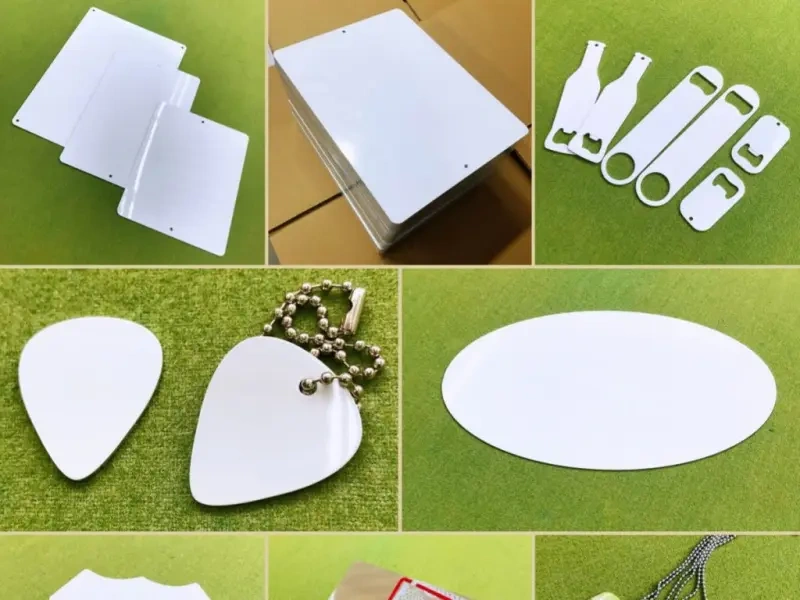
If you are looking to buy or manufacture these blanks, here are the common digital specifications:
| Product Type | Thickness (mm) | Common Sizes (inch) | Surface Option |
| Photo Panel | 1.1 mm | 8×10, 11×14, 16×20 | High Gloss White |
| Business Card | 0.2 mm | 3.5 x 2.0 | Brushed Gold/Silver |
| Road/Street Sign | 0.8 mm | 12 x 18 | UV Resistant White |
| Small Tag/Keychain | 1.0 mm | Custom Shapes | Double-Sided Gloss |
Applications: Where to Use Aluminum Blanks
Aluminum sublimation products are used everywhere. Because they don’t rust, they are better than wood or steel for many jobs.
- Interior Decor: High-definition metal prints for modern homes and galleries.
- Photography: Professional wedding and landscape photos.
- Commercial Branding: Office door signs, employee ID tags, and branded coasters.
- Outdoor Signage: Garden signs, parking signs, and information boards.
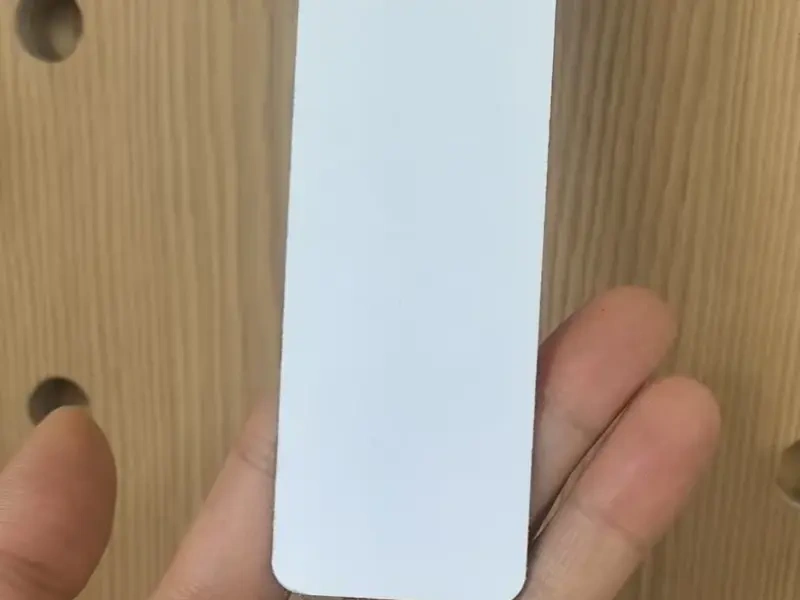
- Personalized Gifts: Custom luggage tags, ornaments, and bookmarks.
Comparison: DIY vs. Factory-Made Blanks
Should you make them yourself or buy them ready-made?
DIY Blanks
- Pros: Low cost for small batches; you can cut custom shapes.
- Cons: Hard to get a perfectly smooth coating without a cleanroom.
Factory-Made Blanks
- Pros: Perfect “mirror” finish; consistent coating thickness; higher durability.
- Cons: Higher initial cost; limited to standard sizes unless ordered in bulk.
Maintenance and Storage Tips
To keep your aluminum sublimation blanks in top condition before printing:
- Keep the Film On: Most blanks come with a clear plastic film. Do not peel it off until the very second you are ready to heat press.
- Avoid Humidity: Store in a cool, dry place to prevent the coating from softening.
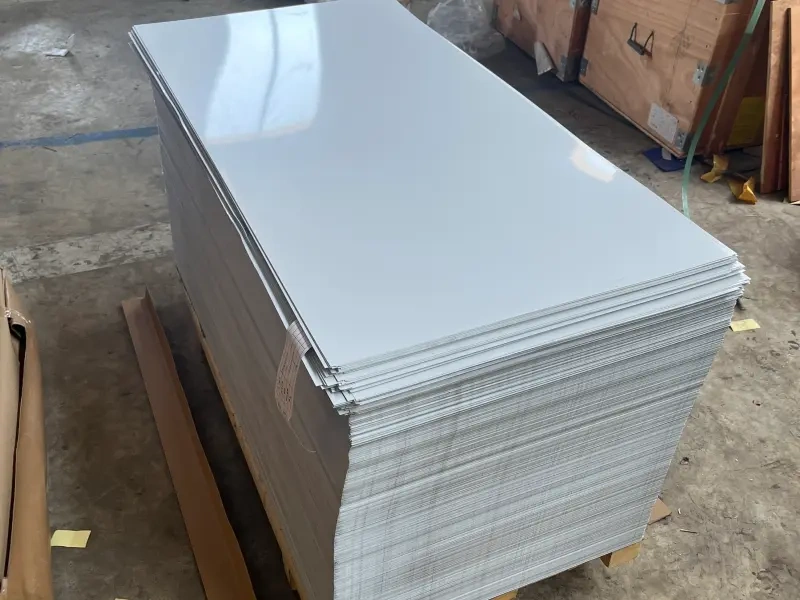
- Flat Stacking: Always store sheets flat. If they lean against a wall, they might warp over time.
How to Make Aluminum Sublimation Blanks
Learning how to make aluminum sublimation blanks opens up many business opportunities. By choosing the right alloy like 3003 H14 and applying a high-quality polyester coating, you can create products that last a lifetime. Whether you prefer the bright look of white gloss or the sleek feel of brushed silver, aluminum is the best canvas for your designs.
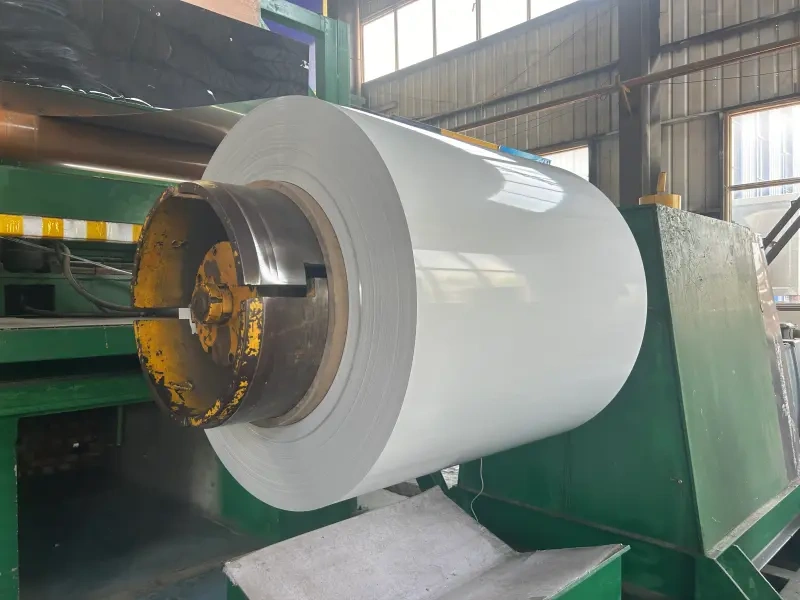
If you are looking for high-quality aluminum coils or sheets to start your production, contact us for professional material support.
How to Choose the Right Blank
Buyers need clear rules. The rules save money. The rules save time.
- Check alloy first. Flat items need 3003-H14. Curved items need 1050-O.
- Check coating grade. Sun exposure needs premium. Indoor needs standard.
- Check press size. The blank must match the heat press. Too small wastes time. Too big burns edges.
- Check packaging. Wrap each unit. Stack flat. Avoid friction. Friction scratches coat.
- Check supplier tests. Ask for scratch results. Ask for fade results. Ask for thickness logs.
- Check MOQ. Factories set minimums. Low MOQ costs more. High MOQ saves cost. Balance both.
Follow these steps. The order goes smooth. The print goes sharp. The customer stays happy.
Leave a Reply
You must be logged in to post a comment.