
Buying aluminum sublimation sheets in bulk can cut your costs by 30 to 50 percent. But not all sheets are the same. Alloy, coating, thickness, and supplier terms change the final price.

What Makes a Good Sublimation Aluminum Sheet
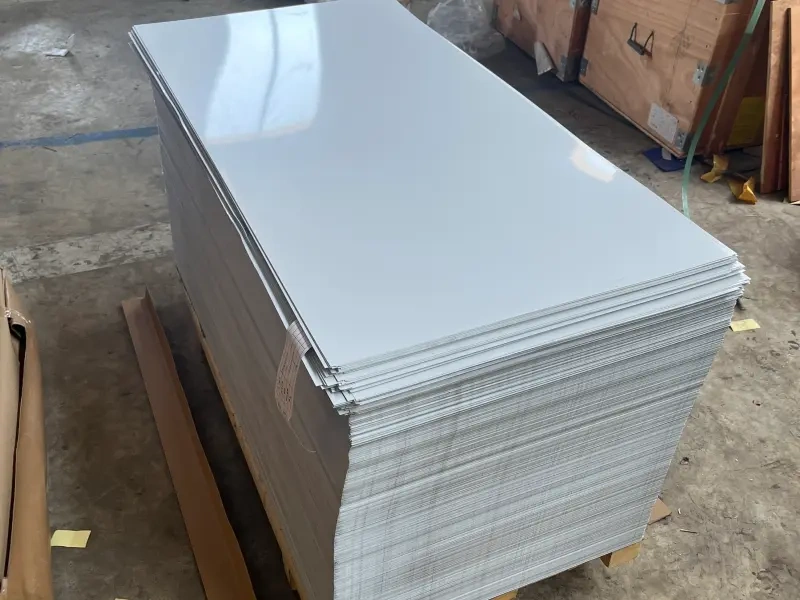
Sublimation printing uses heat to transfer dye into a polymer coating. The aluminum base must stay flat during this process. If the sheet warps, the image blurs. If the coating is thin, colors look dull. Good sheets have three things: a pure aluminum core, an even white coating, and clean edges.
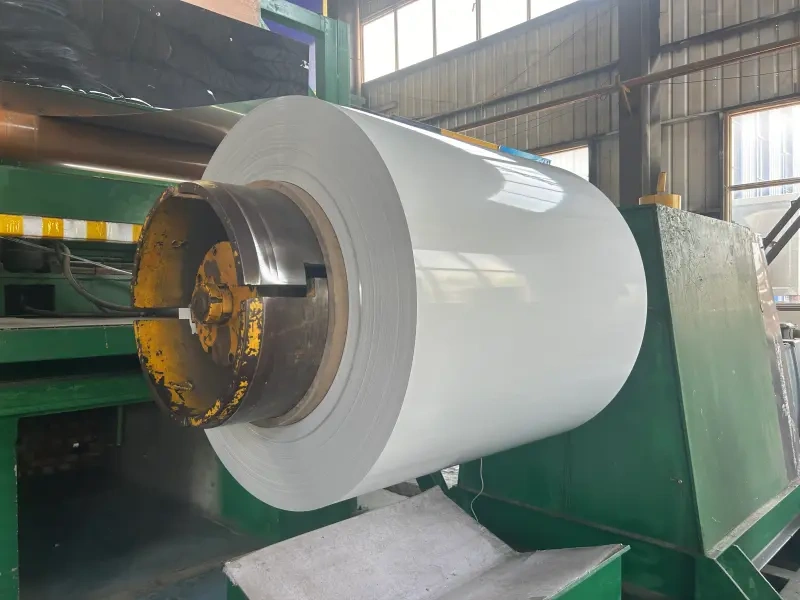
Factories that make sublimation aluminum sheets in bulk test every roll. They check coating weight, gloss level, and adhesion strength. Ask for a test pack before you commit to a full container.
Alloy Types and Their Impact on Price
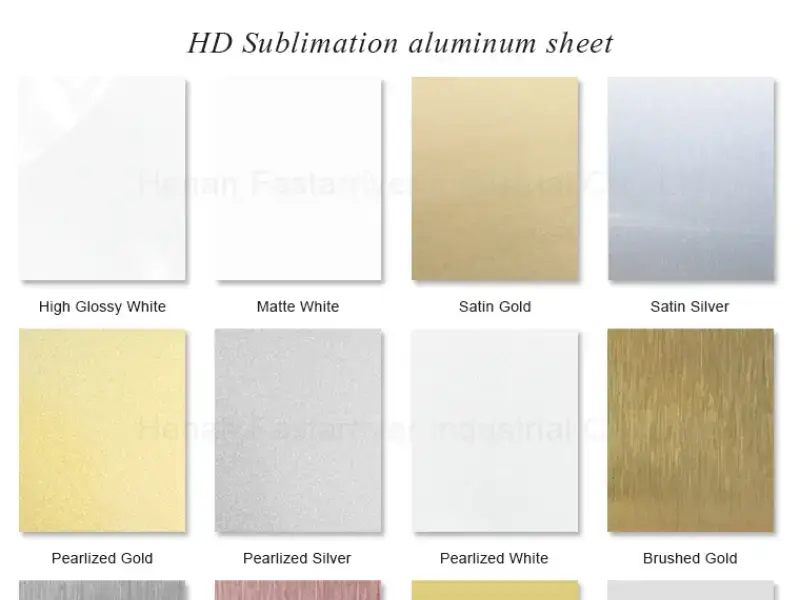
The alloy affects how the sheet takes dye and how long it lasts. Here is how common alloys compare:
| Alloy | Purity | Coating Quality | Bulk Price Tier | Best For |
|---|---|---|---|---|
| 1050 | 99.5% pure | Very smooth, high dye uptake | Premium | Photo panels, fine art prints |
| 1060 | 99.6% pure | Excellent color transfer | Premium | Gallery work, awards |
| 1070 | 99.7% pure | Superior surface, best for detail | Top premium | Luxury photo products |
| 3003 | Manganese alloy | Good, slightly harder surface | Mid-range | Signs, nameplates, tags |
| 1100 | 99.0% pure | Acceptable for basic prints | Budget | Promotional items, low-cost gifts |
Pure alloys cost more but give better results. If you sell to photographers, use 1050 or 1060. If you make cheap giveaways, 1100 saves money. Most bulk buyers split orders: 70 percent pure alloy for main sales, 30 percent budget alloy for entry-level lines.
Thickness Breakdown for Bulk Buyers
Thickness changes weight, shipping cost, and rigidity. Thicker sheets cost more per piece but reduce damage in transit.
| Thickness | MM | Inches | Weight per m² | MOQ Typical | Common Use |
|---|---|---|---|---|---|
| Ultra thin | 0.3 | 0.012 | 0.8 kg | 5,000 pcs | Flexible magnets, bookmarks |
| Thin | 0.45 | 0.018 | 1.2 kg | 3,000 pcs | Small photo panels, keychains |
| Standard | 0.5 | 0.020 | 1.4 kg | 2,000 pcs | Wall prints, awards, plaques |
| Medium | 0.65 | 0.026 | 1.8 kg | 1,500 pcs | Desk displays, outdoor signs |
| Thick | 0.8 | 0.032 | 2.2 kg | 1,000 pcs | Large panels, structural mounts |
| Heavy | 1.0 | 0.040 | 2.7 kg | 500 pcs | Outdoor boards, heavy frames |
Standard 0.5 mm sheets are the sweet spot for bulk orders. They ship well, hang flat, and work with most heat presses. If you export by sea, 0.45 mm cuts freight cost. If you sell large wall art, 0.8 mm prevents customer complaints about bending.
Temper States and Formability
Temper tells you how hard the metal is. It matters if you need to punch holes, cut shapes, or bend edges.
| Temper | Hardness | Can You Cut It | Can You Bend It | Bulk Price Impact |
|---|---|---|---|---|
| H12 | Quarter hard | Very easy | Yes, clean radius | Standard |
| H14 | Half hard | Easy | Yes, slight springback | Standard |
| H16 | Three-quarter hard | Moderate | Hard, may crack coating | Minus 3% |
| H18 | Full hard | Hard, needs power tools | No, coating will flake | Minus 5% |
| O | Soft annealed | Very easy | Yes, any shape | Plus 2% |
Most bulk buyers choose H14. It is flat enough for printing but soft enough for cutting. H18 costs less but cracks if you try to shape it. Only pick H18 if you sell flat panels with no post-processing.
Coating Types: Gloss vs Matte vs Satin
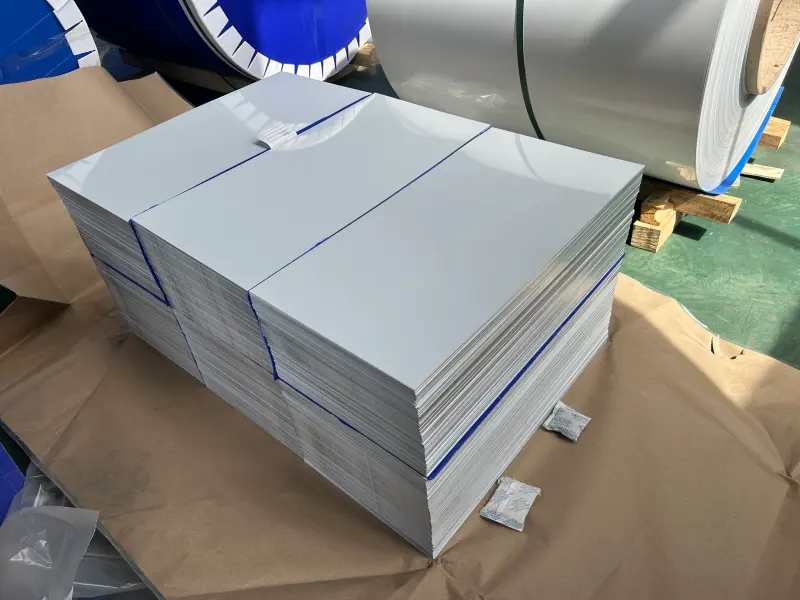
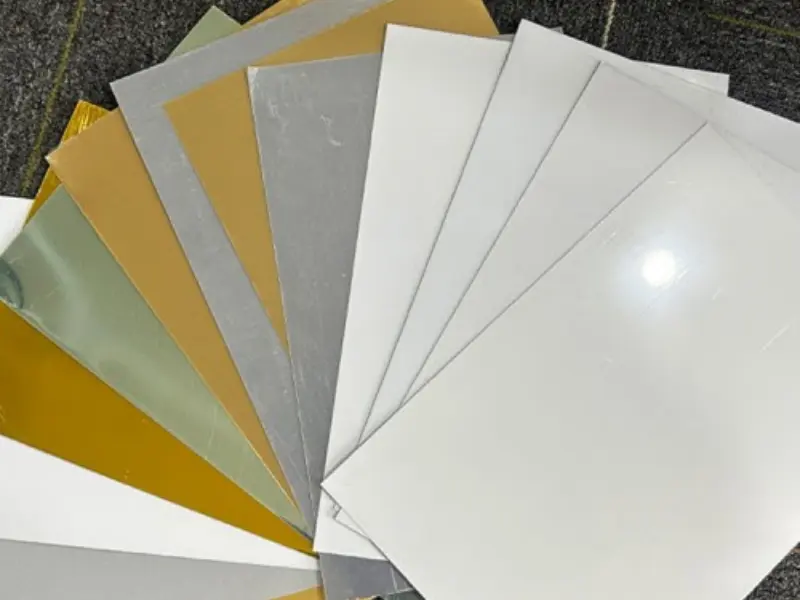
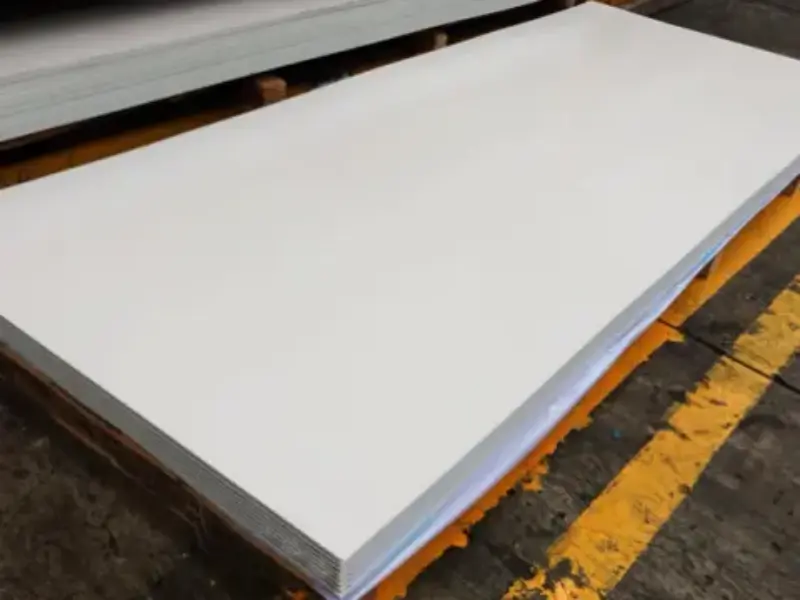
The top layer decides how the final print looks. Factories offer three main finishes:
| Finish | Gloss Level | Color Pop | Fingerprint Resistance | Bulk Price per m² |
|---|---|---|---|---|
| High gloss | 85+ GU | Maximum | Poor, shows marks | Base price |
| Semi gloss | 50-70 GU | Strong | Moderate | Base price |
| Satin | 20-35 GU | Soft | Good | Plus 5% |
| Matte | 5-15 GU | Muted | Excellent | Plus 8% |
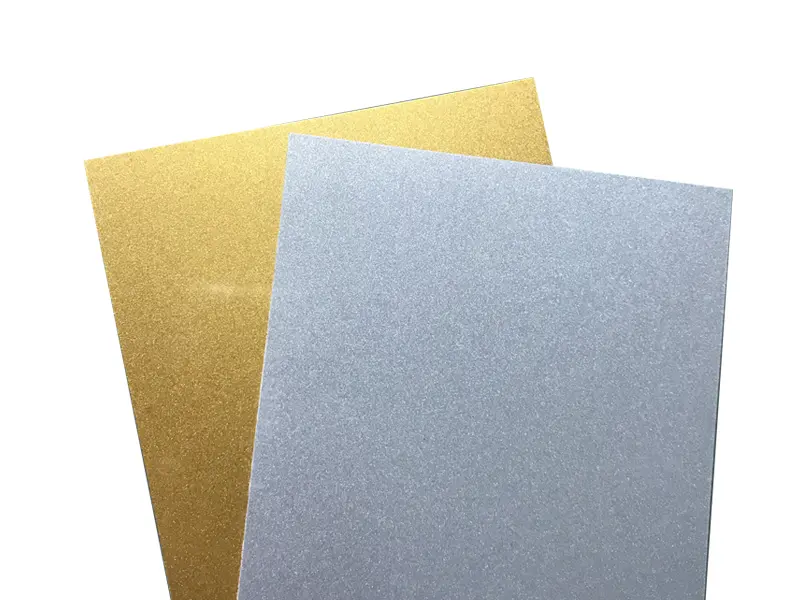
| Sparkle | Variable | High with texture | Good | Plus 12% |
High gloss moves fastest in bulk. It makes colors jump. But matte is rising in art markets. Some buyers order 60 percent gloss, 40 percent matte to cover both segments. Sparkle coating costs more but sells at a premium for wedding and baby photos.
White Base vs Clear Base vs Silver Base
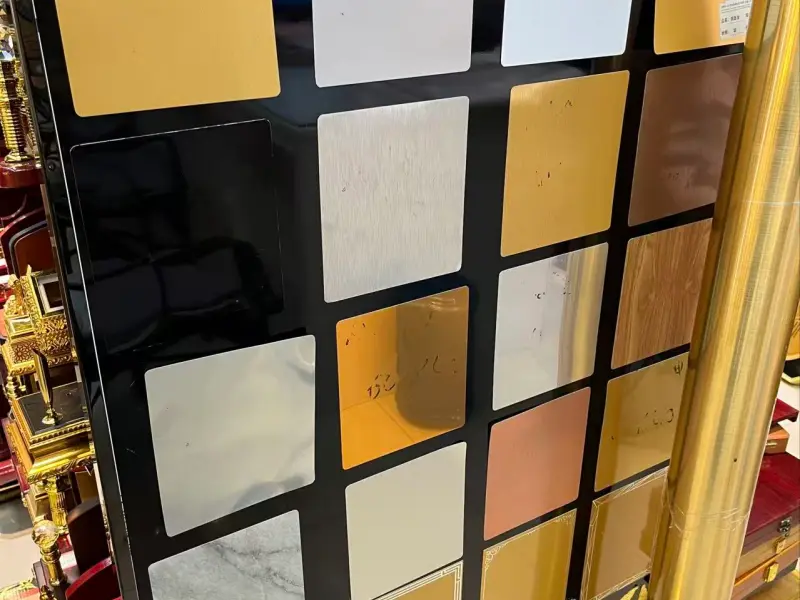
The coating color under the dye changes the final image. This is a key choice for bulk orders.
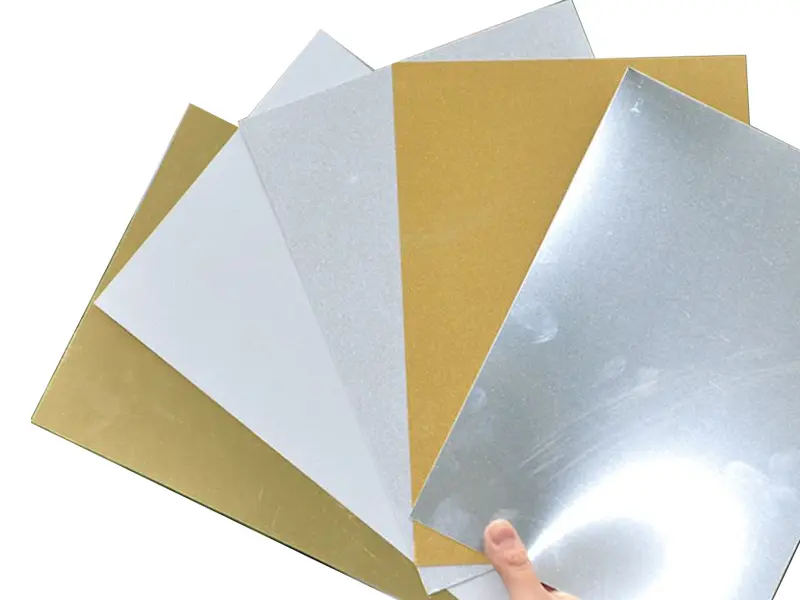
| Base Color | How Colors Look | White Areas | Best For | Bulk Notes |
|---|---|---|---|---|
| White | Bright, accurate | Pure white | Most photos, standard prints | 80% of bulk orders |
| Clear | Metallic tint on lights | See through to metal | Industrial art, metal look | Niche, 5% of orders |
| Silver brushed | Metallic sheen in highlights | Brushed metal shows | Luxury prints, black and white | Premium tier, 10% |
| Gold brushed | Warm metallic glow | Gold metal shows | Awards, high-end decor | Premium tier, 5% |
White base is the safe choice for first-time bulk buyers. You can print any image without adjusting files. Silver and gold bases need file prep. Light areas become metal. Not all photos work well. Test ten images before you order a full batch of metallic base sheets.
Sheet Sizes and How They Affect Price
Factories cut sheets from large master coils. Standard sizes keep cost down. Custom sizes add waste and labor.
| Size Category | Common Sizes | Sheets per Master Coil | Waste Factor | Bulk Price Impact |
|---|---|---|---|---|
| Standard small | 4×6, 5×7, 8×10 inches | High yield | Under 5% | Best price |
| Standard medium | 11×14, 12×18, 16×20 inches | Good yield | 5-8% | Standard price |
| Standard large | 20×30, 24×36 inches | Moderate yield | 8-12% | Plus 5% |
| Custom small | Any non-standard under 12 inches | Low yield | 15-25% | Plus 15% |
| Custom large | Any non-standard over 24 inches | Very low yield | 20-35% | Plus 25% |
If you want factory price, stick to standard sizes. A 4×6 inch sheet costs less per piece than a 5×7 inch sheet because the factory gets more pieces from the coil. Custom sizes under 5000 pieces rarely make sense for bulk pricing.
MOQ and Price Tiers
MOQ means minimum order quantity. It is the smallest batch a factory will run. Price drops as volume rises.
| Volume Tier | Sheet Count | Price vs Retail | Payment Terms | Lead Time |
|---|---|---|---|---|
| Trial order | 100-500 | Minus 20% | 100% upfront | 7-10 days |
| Small bulk | 1,000-3,000 | Minus 35% | 50% deposit, 50% before ship | 10-14 days |
| Medium bulk | 5,000-10,000 | Minus 45% | 30% deposit, 70% before ship | 14-21 days |
| Large bulk | 20,000-50,000 | Minus 55% | 30% deposit, 70% LC at sight | 21-30 days |
| Container load | 50,000+ | Minus 60% | Negotiable, often quarterly | 30-45 days |
A trial order lets you test quality without big risk. But the real savings start at 5,000 pieces. At that level, factories schedule your run on their main line. They do not charge setup fees. Lead times stay under three weeks for standard specs.
Packaging for Bulk Shipments
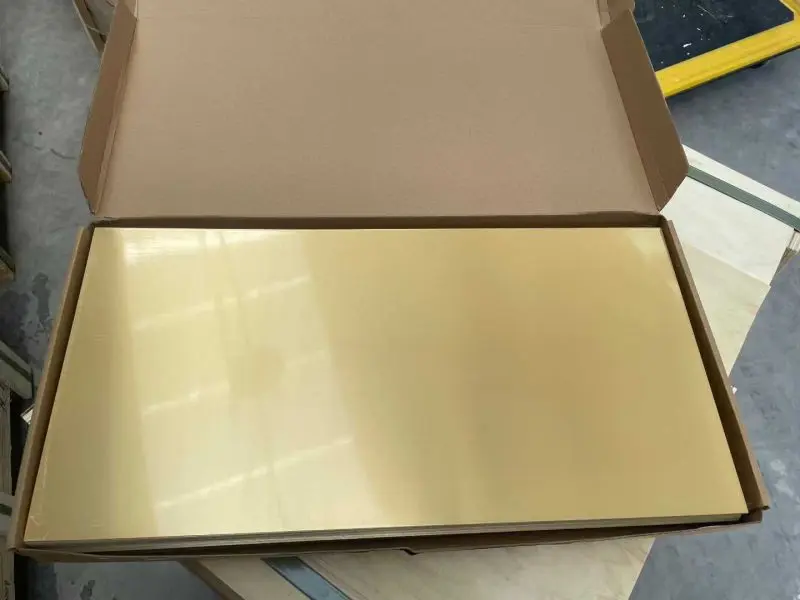
How sheets arrive matters. Bad packing causes scratches and bent corners. Good packing adds cost but cuts losses.
| Pack Level | What Is Inside | Protection Level | Added Cost per Sheet | Best For |
|---|---|---|---|---|
| Basic | Paper interleave, plastic wrap | Low | Zero | Short truck routes, tough customers |
| Standard | Foam sheet between layers, corner guards | Medium | Plus 2% | Sea freight, standard handling |
| Export | PE foam, corrugated dividers, wooden pallet | High | Plus 5% | Long sea routes, humid climates |
| Premium | Vacuum seal, anti-rust film, custom crate | Maximum | Plus 10% | High-gloss sheets, luxury clients |
For aluminum sublimation sheets shipped by sea, choose export packing. Humidity in containers reaches 80 percent. Basic paper wrap absorbs moisture and stains the coating. The extra five percent cost prevents ten percent loss from damaged sheets.
How to Vet a Supplier
Not every factory that claims bulk pricing delivers quality. Check these points before you send money.
- Coating test report: Ask for gloss meter readings, adhesion tape test results, and coating weight in grams per square meter
- Sample batch: Order 20 to 50 sheets first. Print your own images. Check color accuracy, edge straightness, and flatness after heat press
- Factory video: Request a short video of the coating line and cutting station. Look for dust control and clean floors
- Certification: ISO 9001 shows process control. RoHS compliance proves no toxic metals in the coating
- Payment safety: Use Alibaba Trade Assurance or a similar escrow for first orders. Never wire 100 percent to a new supplier
- Reference check: Ask for two buyer contacts in your country. Call them. Ask about defect rates and how the factory handled problems
Hidden Costs to Watch
The sheet price is only part of the total. Add these before you compare quotes:
- Tooling fee: Custom sizes need new cutting dies. Cost runs 200 to 800 dollars per size
- Color match fee: If you need exact Pantone white, factories charge 100 to 300 dollars for lab work
- MOQ surcharge: Orders below the factory MOQ carry 10 to 20 percent penalty
- Inland freight: From factory to port in China costs 300 to 1,000 dollars per container
- Import duties: US buyers pay 0 to 7.5 percent on aluminum sheets. EU buyers pay 6 percent. Check your HS code
- Warehousing: If you cannot unload a full container at once, storage fees add up fast
Product Types You Can Source in Bulk
Standard Photo Panels
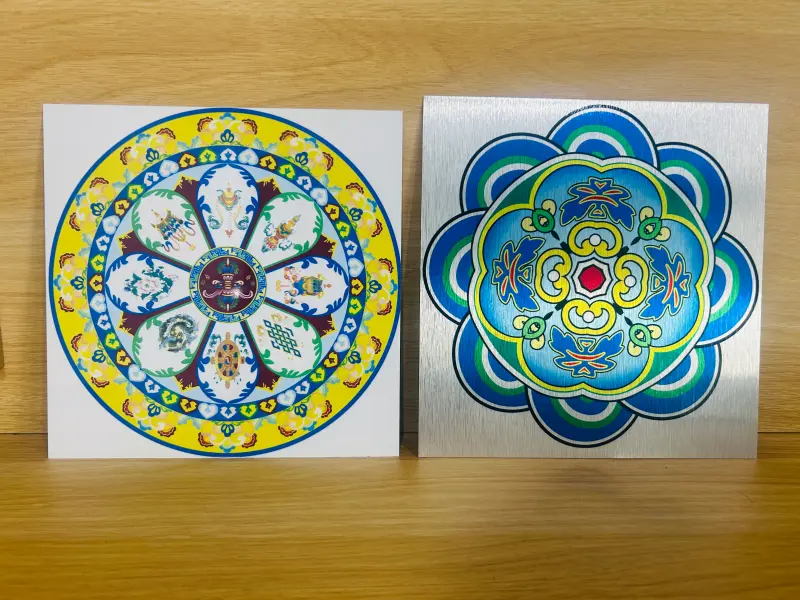
These are the bread and butter of sublimation. Sizes from 4×6 to 24×36 inches. White gloss coating. Rounded corners. Pre-drilled holes for hanging. Most bulk orders are 70 percent standard photo panels. They sell to photographers, gift shops, and online print services.
Keychain Blanks
Small rectangles, circles, or hearts. Size around 2×3 inches. Thickness 0.3 to 0.45 mm. They come with a keyring hole pre-punched. Some include a clear film overlay. MOQ is high because they are tiny, but price per piece is low. Good for promotional giveaways and souvenir shops.
Ornament Blanks
Seasonal shapes like snowflakes, bells, and rounds. Used for Christmas and holiday markets. Thickness 0.45 mm. They hang by a small ribbon hole. Bulk orders spike in July through September for holiday season stock. Plan six weeks ahead.
Mouse Pad Blanks
Round or rectangular with a rubber base. The top is sublimation aluminum, thin and flexible. Size around 8×9 inches. The rubber layer adds grip. These need special packaging because rubber compresses. Factories usually pack them flat with cardboard backers.
Luggage Tag Blanks
Small rectangles with a slot for a strap. One side prints, the other stays plain metal or gets a clear coat. Thickness 0.5 mm. They need a strap or loop included. Some factories bundle straps for a small extra cost. Good for travel agencies and corporate gifts.
Bookmark Blanks
Long thin strips, about 1×6 inches. Often with a tassel hole. Very light, easy to ship. Popular with bookstores, libraries, and schools. Because they are narrow, cutting waste is high. Order in large batches to get factory price.
Name Badge Blanks
Standard 3×4 inches with a pin or magnet back. Used at conferences and corporate events. Some include a slot for an insert. The magnet version costs more but looks professional. Bulk buyers often order pin backs for price, magnet backs for premium lines.
Wall Sign Blanks
Larger panels with pre-drilled holes or adhesive backing. Used for home decor, office signs, and retail displays. Thickness 0.8 to 1.0 mm. They can include a foam core or standoff mounts. These are heavier, so shipping cost per piece is higher. But selling price is also higher.
Applications and End Markets

- Photo labs: Online and retail print services that offer metal prints to consumers
- Wedding photographers: Albums, wall collections, and parent gifts in metal
- Pet photographers: Portrait panels and memorial plaques for pet owners
- Sports teams: Player plaques, championship boards, and locker tags
- Schools and universities: Graduation plaques, donor walls, and achievement awards
- Corporate events: Name badges, speaker gifts, and team recognition
- Tourism boards: Souvenir magnets, keychains, and postcard-style panels
- Real estate agents: Sold signs, agent profile boards, and closing gifts
- Interior designers: Custom art panels, kitchen backsplashes, and feature walls
- Promotional companies: Branded giveaways, trade show items, and client gifts
Timing Your Bulk Order
Factory capacity changes through the year. Chinese factories slow down for Spring Festival in January or February. They also get busy before Christmas shipping season. Order in March through May or August through October for best lead times and price negotiation room. Avoid December and January if you need fast turnaround.
FAQ: Common Bulk Buying Questions
What is the safest first order size?
Start with 500 to 1,000 sheets in one standard size. This tests quality and shipping without tying up too much cash. If the batch works, scale to 5,000 or more for real savings.
Can I mix sizes in one bulk order?
Yes, but with limits. Most factories allow up to five sizes per bulk run. Each size change adds setup time. If you want ten sizes, expect a 5 to 10 percent surcharge. Group sizes by thickness and coating to minimize changeovers.
How do I check coating quality on arrival?
Print a test image with known colors. A standard test file includes skin tones, gradients, and fine text. Compare the print to your screen. Check edges for coating voids. Press the sheet at normal time and temperature. If it warps or blisters, the coating is bad.
Should I buy pre-cut or cut myself?
Pre-cut saves labor and reduces waste if you have standard sizes. Cutting yourself gives flexibility but needs a shear or CNC router. For bulk, pre-cut is almost always cheaper when you add labor and equipment cost. Only cut yourself if you sell many custom sizes.
What if my supplier sends bad sheets?
Document everything. Take photos of the packaging, labels, and defects. Email the supplier within seven days of delivery. Good factories offer replacement or credit. If they refuse, escrow services like Trade Assurance protect your payment. Always inspect before the final payment clears.
How long does bulk stock last in storage?
Coated sheets stored in a dry room last two to three years. After that, coating adhesion may drop. Keep them flat, away from heat sources, and out of direct sun. Do not stack more than 50 sheets without a divider. Humidity above 70 percent causes edge corrosion on unprotected cuts.
Can I get my logo printed on the back?
Some factories offer screen printing on the reverse side. Cost is low for large runs: about 0.02 dollars per sheet. It adds branding and looks professional. Minimum for custom back print is usually 3,000 pieces.
Is it worth paying extra for faster shipping?
Air freight costs five to ten times more than sea freight. For a 5,000 sheet order, sea freight adds about 0.10 dollars per sheet. Air freight adds 0.50 to 1.00 dollars. Only use air for urgent restocks or high-value rush orders. Plan inventory so sea freight covers 90 percent of your volume.
What HS code do I use for import?
Most countries classify coated aluminum sheets under 7606.11 or 7606.12. Check with your customs broker. The code affects duty rate and whether anti-dumping rules apply. Some buyers import as “printing blanks” to get a lower rate. This is risky if customs disagrees.
Can I visit the factory before ordering?
Yes, and you should for orders over 20,000 dollars. A factory visit reveals more than any video. Check raw material storage, coating line speed, and how they handle rejects. Most factories in Guangdong and Zhejiang welcome buyers. Plan two days: one for the tour, one for negotiation.
How to Buy Aluminum Sublimation Sheets in Bulk: Factory Price
Buying aluminum sublimation sheets in bulk cuts cost and secures supply. The key is knowing what to specify. Choose the right alloy for your market. Pick thickness that ships well and prints flat. Select coating finish based on what your customers prefer. Understand MOQ tiers and price breaks.
Start small with a test batch. Vet the supplier through samples, references, and factory video. Factor in hidden costs like tooling, packing, and duties. Time your order for factory slow seasons. With these steps, you get factory price without factory risk.
The sublimation market keeps growing. Photo panels, awards, and personalized gifts drive demand. Position yourself with good stock bought right. Your margin and your customers will thank you.
Leave a Reply
You must be logged in to post a comment.