
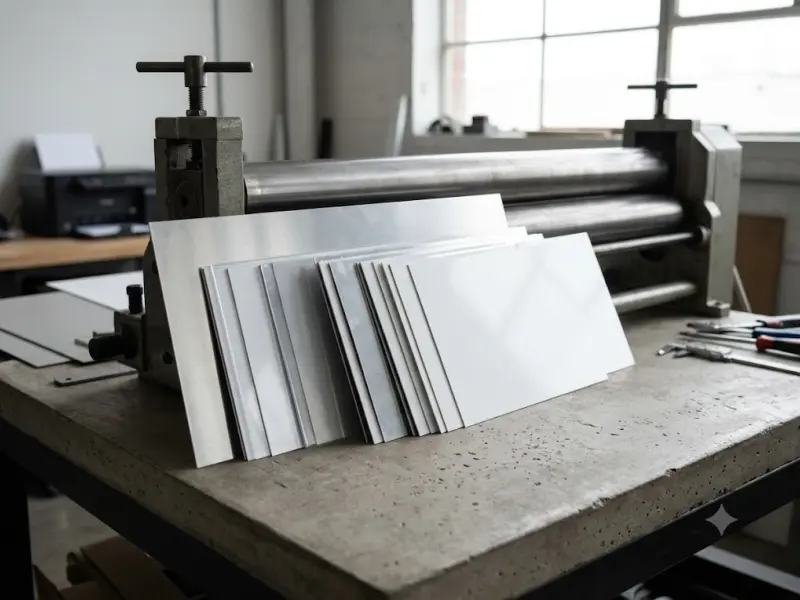
Metal photo printing blanks turn digital images into durable wall art. They are not paper. For they are not canvas. They are rigid aluminum sheets with a special coating. That coating grabs ink or dye and locks it in place. The result is a photo that lasts for decades.
If you run a print shop, a gift business, or a sign company, you need the right blanks. The wrong alloy warps in the heat press. The wrong coating rejects ink.
sale!
What Are Metal Photo Printing Blanks?
Why Metal Beats Paper and Canvas for Certain Jobs
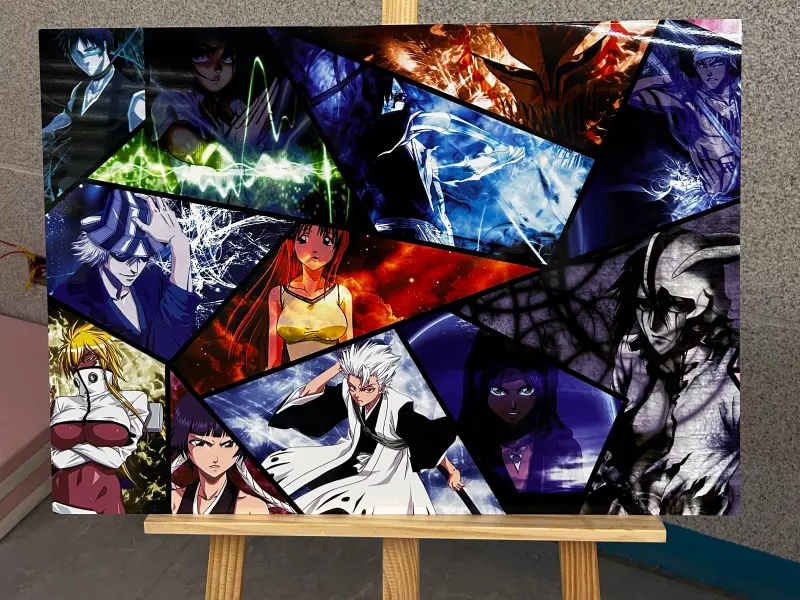
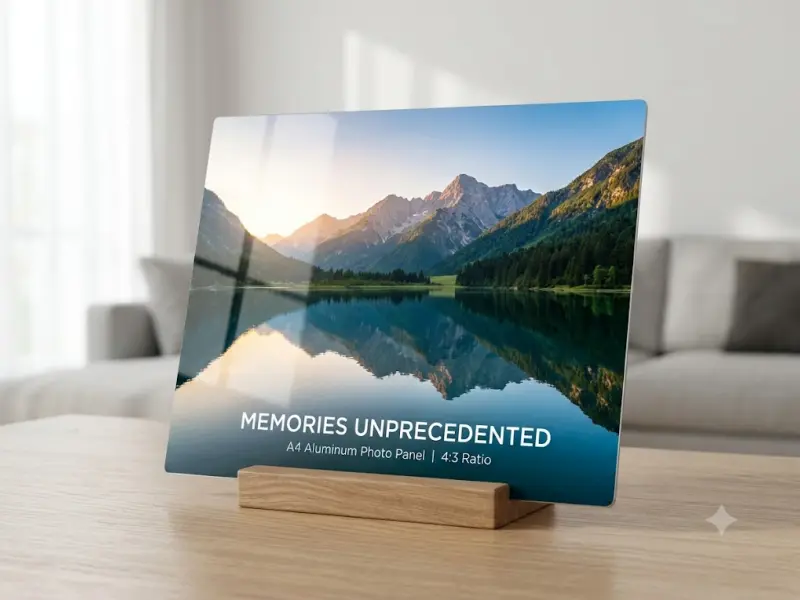
Metal prints do something that paper cannot. They reflect light from behind the image. This gives colors a glow. It makes blacks look deeper. It makes whites look brighter.
No glass needed. The surface is already rigid and wipeable.
No frame needed. The panel mounts flush to the wall.
Waterproof. Spills do not damage the image.
Scratch resistant. The coating protects the picture.
Long color life. Dye sub metal prints resist fading for 60 years or more in normal indoor light.
These are flat aluminum panels made for image transfer. They come with a factory-applied coating. That coating is usually white, silver, or clear. It is designed to receive dye sublimation ink or UV-cured ink.
The blank is the starting material. You print on it. Then you sell it. The quality of the blank decides how good the final photo looks.
| Feature | Description |
|---|---|
| Base material | Aluminum sheet or coil |
| Coating | Polyester or polymer based |
| Typical alloys | 1100, 3003, 5052 |
| Common thickness | 0.45 mm to 3.0 mm |
| Standard shapes | Rectangle, square, round |
| Custom shapes | Keychains, ornaments, nameplates |
Core Material Types Behind the Coating
The coating gets all the attention. But the aluminum underneath matters too. It affects heat transfer, flatness, and cost.
1100 Alloy: The Budget Workhorse
This is almost pure aluminum. It is soft. For it takes the coating well. It is cheap. For small photo panels and gift items, 1100 is the standard.
| Property | Value |
|---|---|
| Purity | 99.0% aluminum |
| Temper | H14 typical |
| Tensile strength | 90–145 MPa |
| Heat conductivity | Excellent |
| Best for | Small panels, keychains, ornaments |
Because it is soft, 1100 can warp if your heat press runs too hot. Keep temperatures steady. Do not exceed recommended dwell time.
3003 Alloy Metal Photo Printing Blanks: The Balanced Choice
Manganese gives this alloy more strength. It resists warping better than 1100. It still costs less than 5052. Most mid-size photo panels use 3003.
| Property | Value |
|---|---|
| Main alloy | Manganese (1.0–1.5%) |
| Temper | H14 typical |
| Tensile strength | 110–200 MPa |
| Flatness after heating | Very good |
| Best for | Wall panels, desktop prints, signage |
5052 Alloy Metal Photo Printing Blanks: The Premium Base
Magnesium makes this alloy tough. It does not warp easily. It handles high heat and pressure. Large panels need this stability.
| Property | Value |
|---|---|
| Main alloy | Magnesium (2.2–2.8%) |
| Temper | H32 typical |
| Tensile strength | 170–305 MPa |
| Rigidity | High |
| Best for | Large wall art, outdoor panels, commercial displays |
Thickness Breakdown for Every Project Size
Thickness changes how the panel feels. It changes how it mounts. It changes the price.
| Thickness | Weight (per sq ft) | Feel | Best Use |
|---|---|---|---|
| 0.45 mm (0.018″) | 0.22 lbs | Very thin, lightweight | Keychains, small ornaments |
| 0.65 mm (0.025″) | 0.32 lbs | Thin but rigid | Photo gifts, small panels |
| 1.0 mm (0.040″) | 0.49 lbs | Standard, solid | Desktop prints, wall panels up to 11×14 |
| 1.14 mm (0.045″) | 0.56 lbs | Slightly heavier | Common ChromaLuxe alternative size |
| 1.5 mm (0.060″) | 0.74 lbs | Substantial | Large wall art, 16×20 and up |
| 2.0 mm (0.080″) | 0.98 lbs | Heavy, premium feel | Gallery pieces, outdoor signs |
| 3.0 mm (0.125″) | 1.47 lbs | Very rigid, plate-like | Commercial displays, architectural art |
Thinner blanks heat up faster in a press. That saves time. But they can bend if you grab them wrong. Thicker blanks feel expensive. They hang flat on the wall. They do not drum or resonate when tapped.
Metal Photo Printing Blanks Surface Styles That Sell
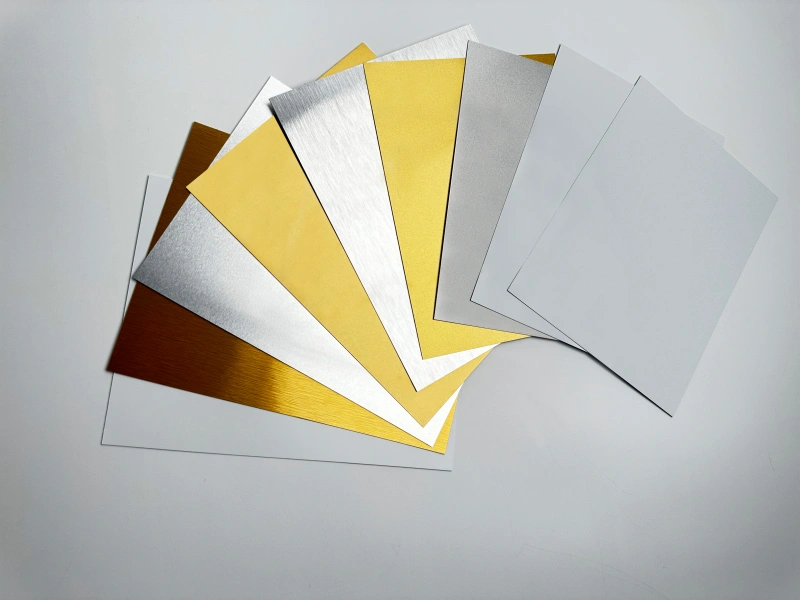
The coating color and finish decide the look of the final print. Not every job wants a white background.
White Gloss Coating
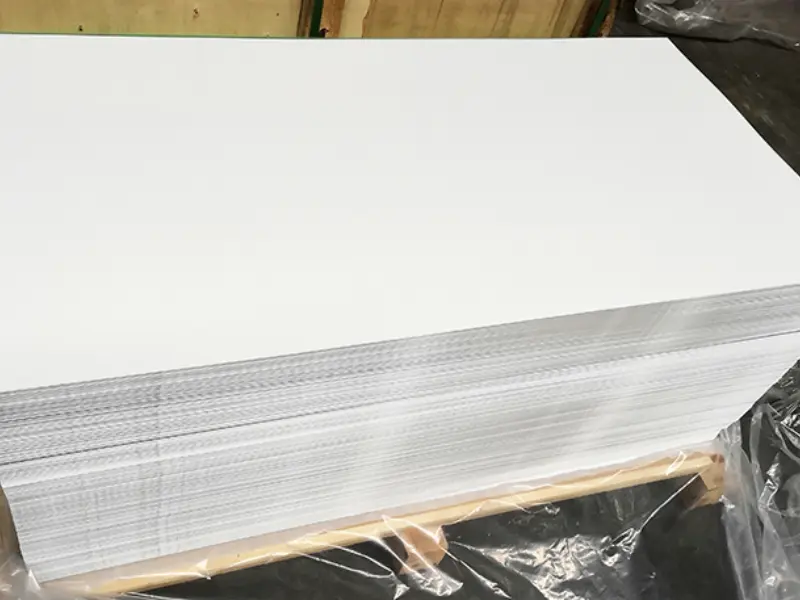
This is the most popular option. Colors pop. Contrast is high. The gloss surface reflects light like a traditional photo paper. It is the safe choice for portraits and landscapes.
| Feature | Detail |
|---|---|
| Surface | High gloss |
| Color base | Pure white |
| Ink compatibility | Dye sublimation, UV |
| Best images | Portraits, vibrant color photos |
| Cost | Standard |
White Matte Coating
Matte cuts down reflections. It is better for bright rooms with windows. It also hides fingerprints during handling.
| Feature | Detail |
|---|---|
| Surface | Non-reflective |
| Color base | White |
| Ink compatibility | Dye sublimation, UV |
| Best images | Black and white, fine art |
| Cost | Slightly above gloss |
Silver Brushed Finish
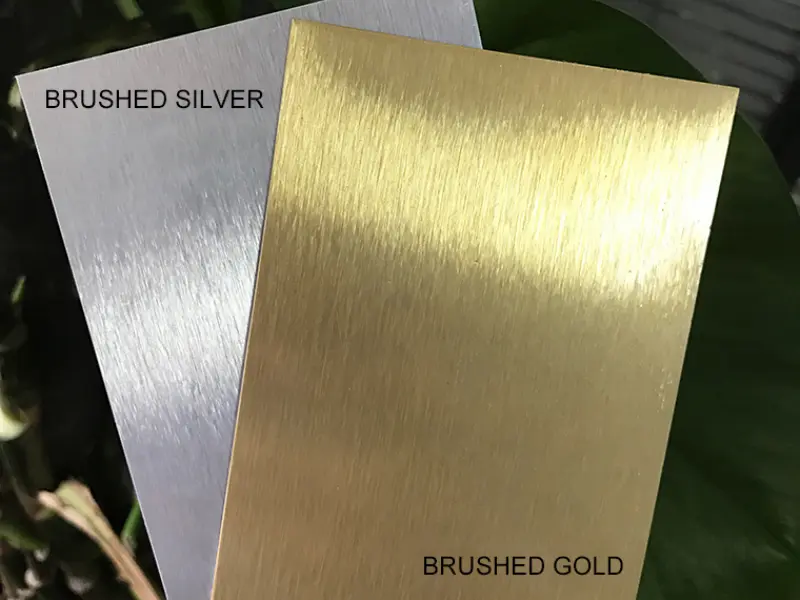
The image prints on a metallic silver background. Whites become silver. Colors float over the metal texture. This style is modern. It is popular for architecture and automotive photography.
| Feature | Detail |
|---|---|
| Surface | Brushed aluminum visible |
| Color base | Silver metallic |
| Ink compatibility | Dye sublimation |
| Best images | Architecture, cars, industrial subjects |
| Cost | Medium |
Gold and Copper Finishes
These warm-toned metals give a vintage look. They work for sepia images. They work for wedding photos with a classic feel.
| Feature | Detail |
|---|---|
| Surface | Brushed gold or copper tone |
| Color base | Warm metallic |
| Ink compatibility | Dye sublimation |
| Best images | Sepia, warm portraits, vintage scenes |
| Cost | Premium |
Mirror Polish Metal Photo Printing Blanks
This is a reflective chrome-like surface. The image sits on top of a mirror. It creates a unique depth effect. It is harder to photograph for online sales because it reflects everything.
| Feature | Detail |
|---|---|
| Surface | Mirror reflective |
| Color base | Silver reflective |
| Ink compatibility | Dye sublimation |
| Best images | High contrast, artistic shots |
| Cost | High |
Shape Categories You Can Stock
Rectangles sell. But other shapes drive impulse buys.
| Shape | Common Sizes | Typical Use |
|---|---|---|
| Rectangle | 4×6, 5×7, 8×10, 11×14, 16×20, 20×30 | Wall art, portraits |
| Square | 6×6, 8×8, 10×10, 12×12 | Instagram prints, modern decor |
| Round | 4″, 6″, 8″, 12″ diameter | Clock faces, ornaments, coasters |
| Oval | 5×7, 8×10 oval | Traditional portraits |
| Heart | 4″, 6″, 8″ | Valentine’s gifts, weddings |
| Puzzle | A4, A3, custom | Interactive photo gifts |
| Keychain | 1.5×2″, 2×3″ | Promotional items, pet tags |
| Door hanger | 3×6″, 4×8″ | Hotels, room signs |
| License plate | 6×12″ | Car clubs, novelty gifts |
| Ornament | 3″, 3.5″ round with hole | Christmas, memorial keepsakes |
Coating Chemistry: What Makes the Ink Stick
There are two main coating families.
Polyester Coating for Dye Sublimation
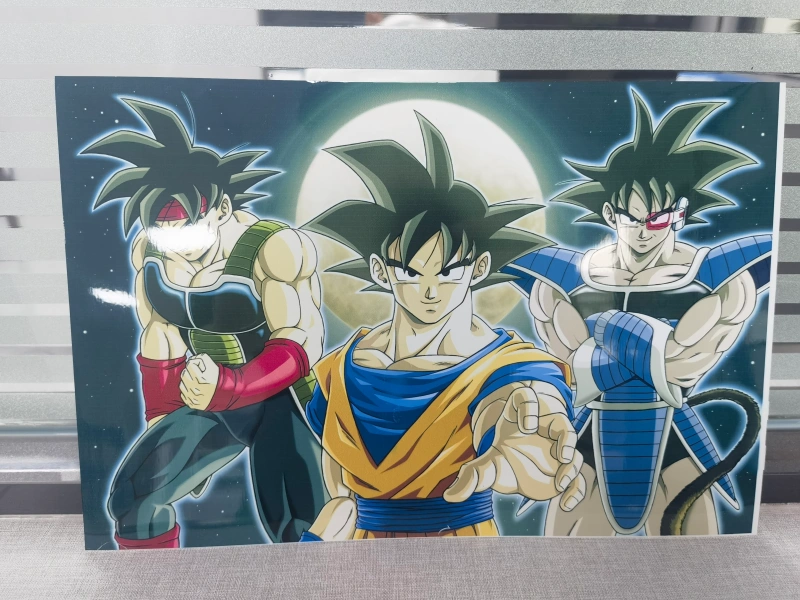
This is the standard. The coating contains polyester resins. When heated to 380–400°F (193–204°C), the resin pores open. The gasified dye enters. When it cools, the pores close. The dye is trapped inside. It is not on top. It is inside. That is why it lasts so long.
| Property | Value |
|---|---|
| Activation temp | 380–400°F |
| Press time | 60–90 seconds |
| Peel | Hot or cold depending on brand |
| Durability | 60+ years indoor |
| Best ink | Dye sublimation ink |
Polymer Coating for UV Printing
UV printers spray ink directly. Then UV lamps cure it instantly. The coating for UV needs to be ink-receptive. It does not need heat. It is a different chemistry.
| Property | Value |
|---|---|
| Activation | None, room temp |
| Press time | Instant cure |
| Ink type | UV-cured ink |
| Durability | 5–10 years indoor, less outdoor |
| Best use | Short-run custom jobs, variable data |
Some blanks work for both. Others are optimized for one method. Always check the product sheet.
Printing Methods That Work on Metal Blanks
Not every printer can handle these blanks.
| Method | How It Works | Best Blank Type | Volume |
|---|---|---|---|
| Dye sublimation heat press | Transfer paper + heat + pressure | Polyester coated, white or silver | Medium to high |
| UV flatbed printer | Direct inkjet + UV lamps | UV-coated or uncoated metal | Low to medium |
| Laser transfer | Toner + heat press | Specialty laser-coated blanks | Very low |
| Screen printing | Mesh + squeegee + ink | Uncoated or pre-treated metal | High volume, simple colors |
Dye sublimation gives the best photo quality. UV gives the most flexibility. You can print one item at a time. No transfer paper needed.
Side-by-Side: Metal Photo Blanks vs. Other Substrates
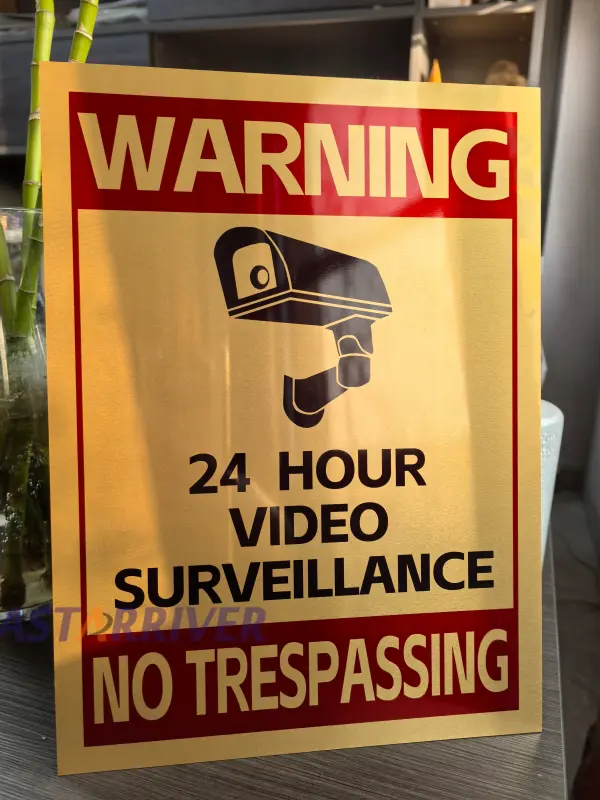
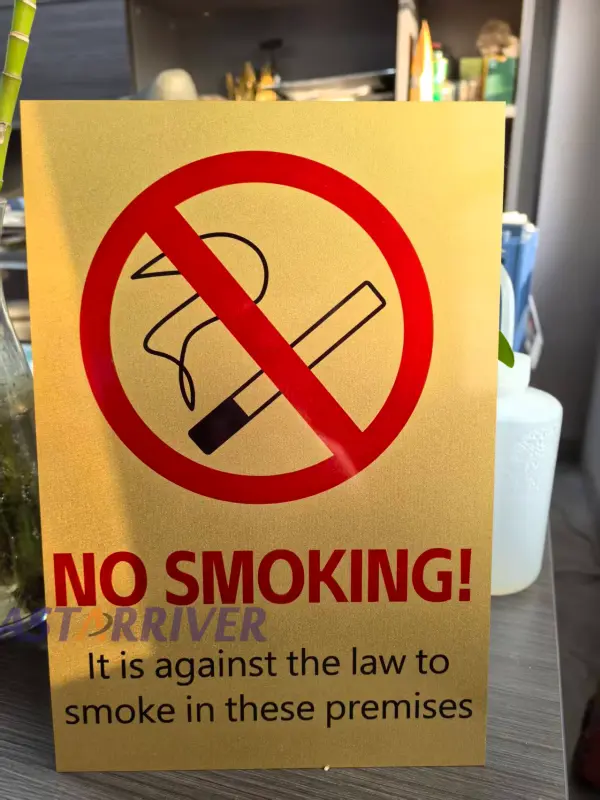
Your customer may ask why metal costs more. Here is how to answer.
Metal vs. Paper Photo Print Metal Photo Printing Blanks
| Factor | Metal Photo Blank | Paper Photo Print |
|---|---|---|
| Lifespan | 60+ years | 10–20 years |
| Water resistance | Yes | No |
| Frame needed | No | Yes |
| Glass needed | No | Usually |
| Scratch resistance | High | None |
| Cost per piece | Higher | Lower |
| Hanging weight | Light to medium | Light with frame |
For Metal vs. Canvas Print
| Factor | Metal Photo Blank | Canvas Print |
|---|---|---|
| Surface | Rigid, smooth | Fabric texture |
| Reflection | Gloss or matte options | Matte only |
| Cleaning | Wipe with damp cloth | Vacuum or brush only |
| Sag over time | No | Possible |
| Modern look | Yes | Traditional |
| Outdoor use | Possible with right coating | No |
Metal vs. Acrylic Print
| Factor | Metal Photo Blank | Acrylic Print |
|---|---|---|
| Depth | Thin, flat | Thick, dimensional |
| Weight | Lighter | Heavier |
| Break risk | None | Can crack if dropped |
| Color vibrancy | High | Very high |
| Cost | Medium | Higher |
| Installation | Simple mount | Standoffs usually |
Who Buys These Blanks? Real Market Applications
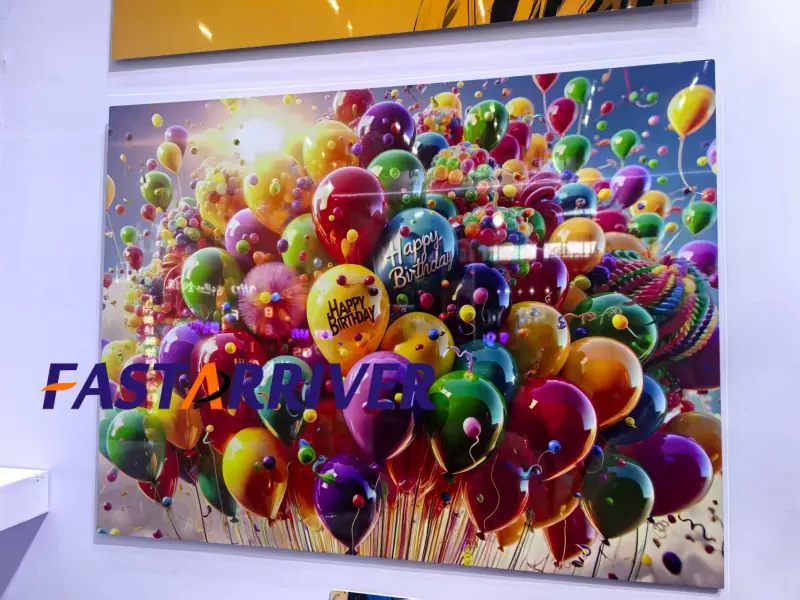
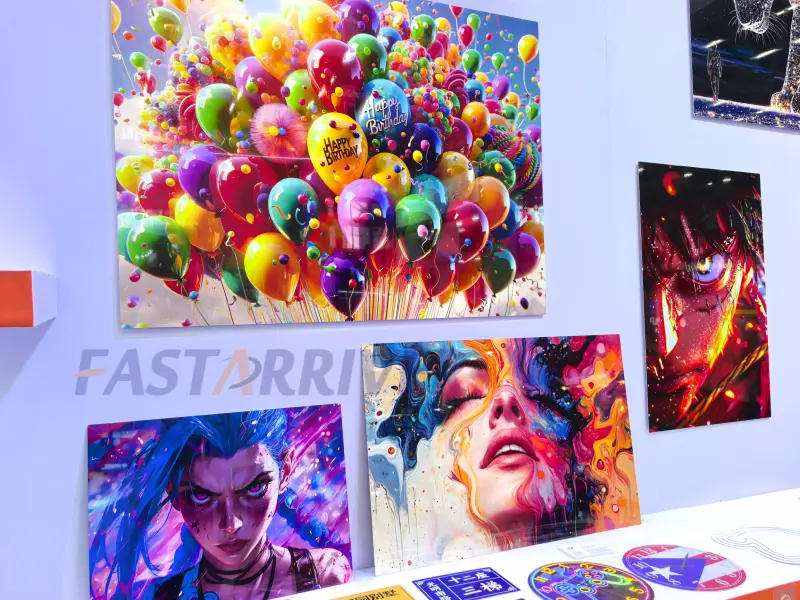
The market is bigger than you think.
- Portrait studios. Senior photos, family portraits, and pet photos on metal sell at high margins.
- Wedding photographers. Albums are standard. Metal prints are the upsell.
- Real estate offices. Large lobby prints of luxury listings.
- Hotels and resorts. Room art, lobby displays, and directional signage.
- Hospitals and clinics. Calming wall art that can be sanitized.
- Restaurants. Menu boards, wall decor, and branded art.
- Car and motorcycle dealers. Vehicle photography on silver brushed metal.
- Sports teams. Action shots on metal for booster clubs.
- Memorial services. Cemetery plaques, remembrance ornaments.
- Corporate offices. Logo walls, mission statement panels.
- Retail kiosks. Mall carts selling personalized keychains and pet tags.
- Gift shops. Tourist destinations sell local scenery on metal panels.
- Architectural firms. Building photos printed on silver or copper for model displays.
- Schools and universities. Graduation gifts, donor recognition walls.
- Military and law enforcement. Unit photos, memorial panels, badge displays.
How to Choose the Right Blank for Your Order
Use this decision tree.
For a standard family portrait to hang in a living room:
- Alloy: 3003
- Thickness: 1.0 mm
- Coating: White gloss
- Size: 11×14 or 16×20
- Method: Dye sublimation
With a modern office building lobby:
- Alloy: 5052
- Thickness: 2.0 mm or 3.0 mm
- Coating: Silver brushed
- Size: 24×36 or larger
- Method: Dye sublimation
- Mounting: Float mount or standoffs
For a tourist gift shop keychain:
- Alloy: 1100
- Thickness: 0.65 mm
- Coating: White gloss or silver
- Size: 2×3 inches
- Method: Dye sublimation
- Packaging: Poly bag with insert card
For an outdoor real estate sign:
- Alloy: 5052
- Thickness: 2.0 mm
- Coating: White gloss UV-rated
- Size: 18×24
- Method: UV print or dye sub with protective clear coat
Cutting and Fabrication Notes
Most blanks come pre-cut. But sometimes you need custom sizes.
Shearing
A standard metal shear cuts aluminum up to 3 mm. Clean edges. No burr if the blade is sharp. 1100 and 3003 shear easily. 5052 needs more force.
Sawing
A chop saw with an aluminum blade gives clean cuts. A table saw with a non-ferrous blade also works. Use wax or oil to prevent chip buildup.
Metal Photo Printing Blanks Punching
Round corners look professional. A corner rounding punch takes off the sharp edge. This is common for photo panels that will be handled often.
Drilling
Mounting holes need precision. Use a drill press. Back the panel with scrap wood. This prevents burrs on the back side. For 1.0 mm and thinner, a hand drill works fine.
Bending
Some displays need a bent foot or a folded edge. Use a sheet metal brake. 1100 and 3003 bend easily. 5052 needs a larger radius.
| Alloy | Min Bend Radius (× thickness) |
|---|---|
| 1100-H14 | 1× |
| 3003-H14 | 1× to 2× |
| 5052-H32 | 2× to 3× |
Packing and Storage Tips
The coating is sensitive. Scratches show. Fingerprints can bake in during pressing.
| Storage Rule | Why It Matters |
|---|---|
| Stack face-to-face | Prevents coating scratches |
| Use paper interleaving | Extra scratch protection |
| Store flat | Prevents bowing, especially in thin blanks |
| Keep dry | Humidity can affect coating adhesion over time |
| Avoid direct sun | UV can pre-cure some coatings |
| Wear gloves | Skin oils transfer to coating |
| Use original boxes | Factory packing is designed for the product |
If a blank arrives with a protective film, leave it on until just before printing. That film prevents handling damage.
Frequently Asked Questions
What is the best metal alloy for sublimation photo printing?
For most jobs, 3003-H14 is the best balance. It stays flat under heat. By it costs less than 5052. It is stronger than 1100. If you print very large panels, move up to 5052-H32.
Can I use UV ink on metal photo blanks?
Yes, but only if the blank has a UV-compatible coating. Dye sublimation blanks often have a polyester coating that may not accept UV ink well. Buy blanks labeled for UV. Or buy uncoated aluminum and use a UV primer.
How thick should a metal photo panel be?
For desk prints and small wall art, 1.0 mm is standard. By large gallery pieces, use 1.5 mm to 2.0 mm. For outdoor signs or architectural displays, go with 2.0 mm to 3.0 mm. Thicker panels feel premium. They also resist bending during shipping.
What is the difference between white and silver metal blanks?
A white blank gives you a true white background. Colors look exactly like they do on paper. A silver blank lets the metal show through. Whites in your image become silver. This creates a metallic effect that works great for cars, buildings, and high-contrast art.
Do metal photo prints fade in sunlight?
Dye sublimation metal prints resist fading very well indoors. For direct sunlight, choose a blank with added UV protection. Or use an outdoor-rated coating. Standard indoor blanks will fade faster if placed in a south-facing window with no curtain.
Can I cut metal photo blanks after printing?
You can, but it is risky. The coating may chip at the cut edge. The image will not wrap around the edge. It is better to cut the blank first, then print. If you must cut after printing, use a shear or a fine-tooth saw. File the edge smooth.
What sizes sell best for retail photo gifts?
8×10 and 11×14 are the top sellers for wall art. 5×7 sells well for desk frames. 4×6 and 6×6 are popular for gifts. Keychains at 2×3 move fast at checkout counters. Round ornaments sell well in Q4.
Is aluminum better than steel for photo printing?
Yes, for most photo work. Aluminum is lighter. It does not rust. It conducts heat evenly in a press. Steel is heavier. It can rust at the edges. It also holds heat longer, which can slow down production. Steel is only used for very heavy-duty magnetic or industrial signs.
How do I clean metal photo blanks before printing?
Wipe with a lint-free cloth. Use isopropyl alcohol if needed. Do not use ammonia-based cleaners. They can leave a film. Do not use water alone. It may leave mineral spots. Let the blank dry completely before pressing.
What is the MOQ for custom-sized blanks?
Stock sizes have no minimum. You can buy one piece. Custom sizes usually need 50 to 500 pieces depending on the factory. Custom shapes need a die charge. That cost spreads over the run. For small shops, stock sizes are the way to start.
Product Quick Reference Table
| Alloy | Temper | Thickness | Coating | Best Size Range | Application |
|---|---|---|---|---|---|
| 1100 | H14 | 0.45 mm | White gloss | 2×3 to 5×7 | Keychains, ornaments |
| 1100 | H14 | 0.65 mm | White gloss | 4×6 to 8×10 | Small gifts, desk prints |
| 3003 | H14 | 1.0 mm | White gloss | 5×7 to 11×14 | Standard wall art |
| 3003 | H14 | 1.0 mm | White matte | 8×10 to 16×20 | Fine art, black and white |
| 3003 | H14 | 1.14 mm | White gloss | 11×14 to 20×30 | Premium photo panels |
| 3003 | H14 | 1.5 mm | Silver brushed | 8×10 to 24×36 | Modern decor, automotive |
| 5052 | H32 | 2.0 mm | Silver brushed | 16×20 to 40×60 | Large gallery prints |
| 5052 | H32 | 2.0 mm | Gold / Copper | 11×14 to 24×36 | Warm tone art, weddings |
| 5052 | H32 | 3.0 mm | White gloss UV | 18×24 to 48×96 | Outdoor signs, commercial |
Final Thoughts
Metal photo printing blanks are a high-margin product. They turn simple photos into premium goods. The key is buying the right blank for the job. Match the alloy to the size. For match the coating to the image. Match the thickness to the display location.
Start with standard sizes. Test your heat press settings. Then expand into custom shapes and finishes. Your customers will notice the difference.
Leave a Reply
You must be logged in to post a comment.