
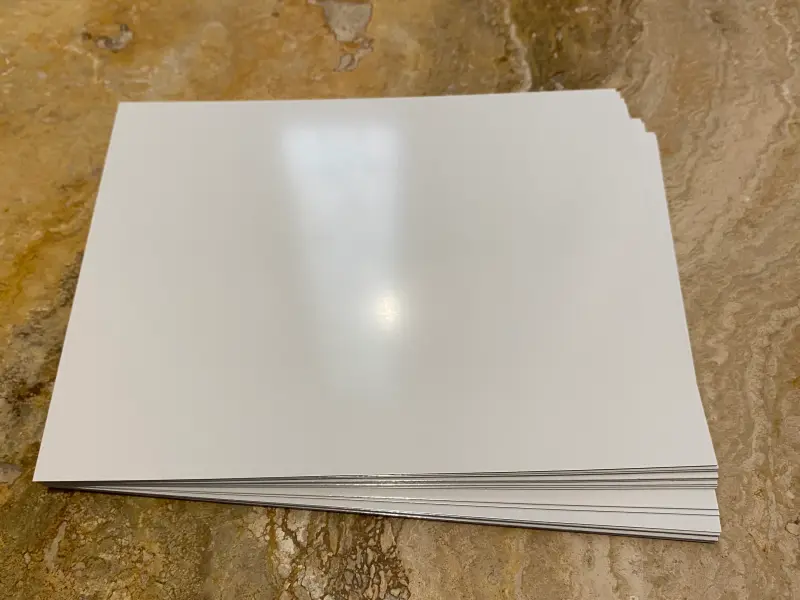
Gloss white sublimation aluminum is the most popular substrate for metal photo printing. It gives the sharpest colors, the cleanest whites, and the most photo-realistic results of any sublimation surface.
What Is Gloss White Sublimation Aluminum
How It Differs from Plain Aluminum Sheet
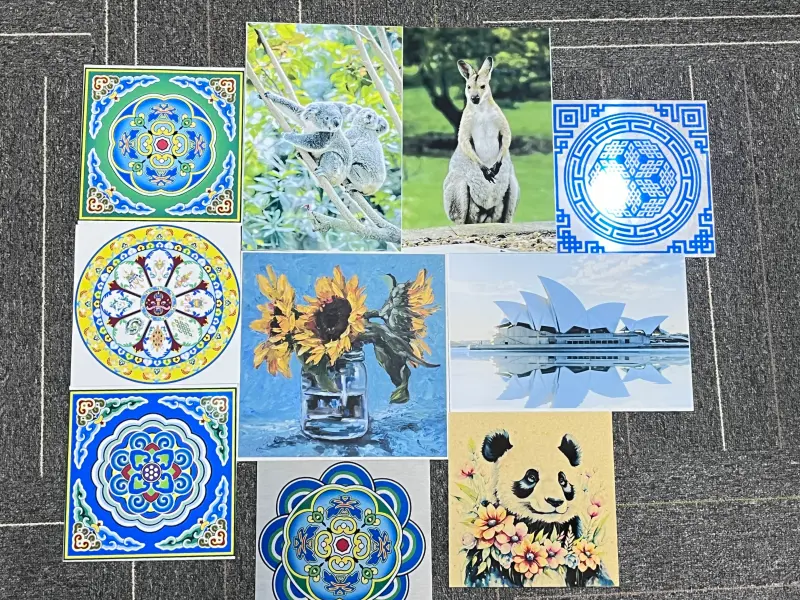
Plain aluminum sheet cannot accept sublimation ink. The ink has nothing to bond to on bare metal. Gloss white sublimation aluminum has a white polyester coating applied to the aluminum surface. When sublimation ink on transfer paper is heated under pressure, the ink turns to gas and bonds into the coating permanently. The result is a full-color image embedded in the surface — not sitting on top of it.
| Feature | Plain Aluminum Sheet | Gloss White Sublimation Aluminum |
|---|---|---|
| Surface coating | None | White polyester coating |
| Sublimation printing | Not possible | Yes — full color |
| Image permanence | N/A | 5–10+ years |
| Surface appearance | Dull silver | Bright, clean white gloss |
| Use for printing | Cannot be used | Ready to print |
Three-Layer Structure
Every quality gloss white sublimation aluminum sheet has three distinct layers working together:
| Layer | Material | Function |
|---|---|---|
| Base layer | Aluminum alloy (1050/1060/1100) | Structural strength, flatness, heat conduction |
| Coating layer | White polyester, 20–25 microns | Accepts sublimation ink, creates white background |
| Protective film | PE film | Prevents surface scratches before printing |
The coating thickness matters. At 20–25 microns, the polyester coating absorbs enough ink for deep, rich color. Below 15 microns, colors print light and washed out. Above 30 microns, heat transfer slows and edges can look soft.
Why Gloss Outperforms Other White Finishes
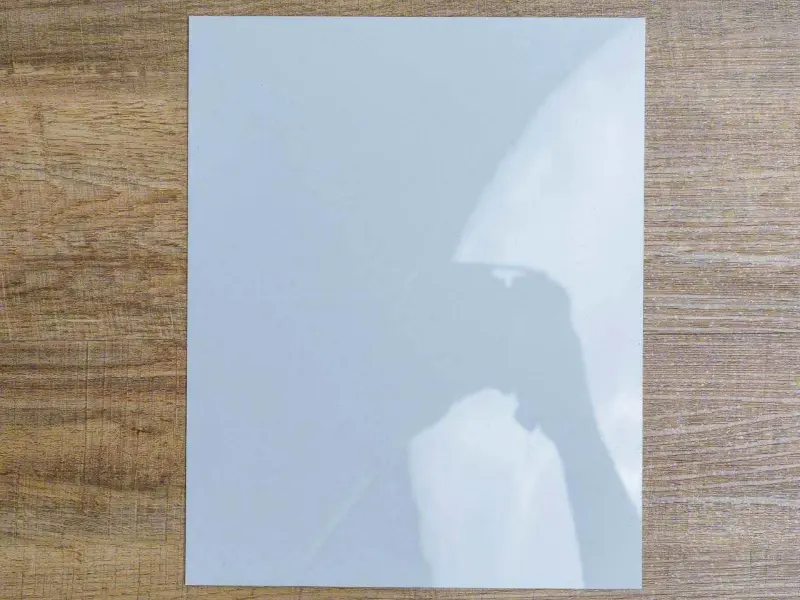
The gloss coating reflects light back off the surface evenly. This makes printed colors appear more saturated and bright — the same way a glossy photo print looks more vivid than a matte print. For photo panels, portrait prints, and any product where image quality drives the sale, gloss is the right choice.
→ Higher color saturation than matte finish → Sharper edge definition on fine details → Better contrast between light and dark areas → Closer to what the customer sees on screen
How Sublimation Printing Works on Gloss White Aluminum
The Basic Principle
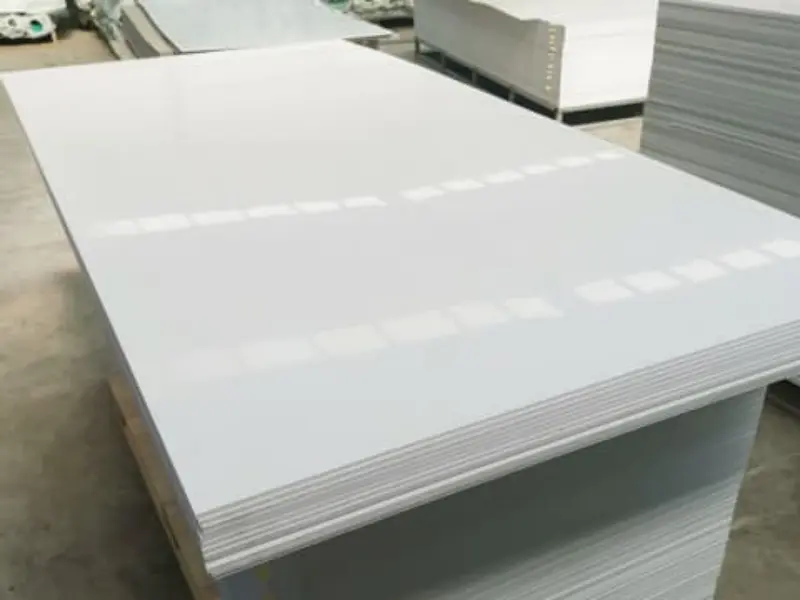
Sublimation dye turns from solid to gas when heated. At the right temperature, the polyester coating temporarily opens its molecular structure. The gas-phase dye enters the coating and bonds permanently when the surface cools. No ink sits on top of the surface — it is inside the coating.
Printing Process Step by Step
Step 1 — Design Preparation
Work in RGB color mode. Print resolution should be 150–300 dpi minimum. For panels viewed close-up (photo gifts, portrait panels), use 300 dpi. Add 2–3mm bleed on all edges to account for small position shifts on the press.
Step 2 — Print the Transfer Paper
Use sublimation-specific paper rated for your ink. Print the image mirrored (flipped left to right). Do not touch the printed face — skin oils affect transfer quality.
Step 3 — Heat Press Transfer
| Parameter | Recommended Setting |
|---|---|
| Temperature | 180–200°C |
| Time | 45–90 seconds |
| Pressure | Medium (35–45 psi) |
| Paper position | Face down on coated surface |
Temperature and time work together. Higher temperature needs less time. Thicker panels (1.0mm+) need slightly longer press time — the aluminum mass takes longer to heat through.
Step 4 — Peel and Inspect
Peel the paper immediately while the panel is still warm. Hot peel gives cleaner edges. Let the panel cool flat — never stack warm panels face to face.
Check: even color coverage, no cold spots (white patches where ink didn’t transfer), clean sharp edges.
Specifications — Alloys, Thickness, and Sizes
Aluminum Alloys Used
The base alloy affects surface quality, formability, and how cleanly the coating adheres. Three alloys cover most gloss white sublimation sheet production.
| Alloy | Purity | Surface Quality | Flatness | Cost |
|---|---|---|---|---|
| 1050 | 99.5% | Excellent | Very good | Low |
| 1060 | 99.6% | Excellent | Excellent | Low |
| 1100 | 99.0% | Very good | Good | Low–mid |
1060 is the standard choice. Its high purity gives the cleanest surface for coating adhesion. The coating bonds without blemishes, and the final white surface has consistent brightness across the whole sheet. 1100 is sometimes used for thicker panels where a marginally higher strength is needed.
Thickness Options and What Each Suits
| Thickness | Weight per m² | Panel Rigidity | Best Application |
|---|---|---|---|
| 0.2mm | ~0.54 kg | Very flexible | Thin tags, flexible wraps |
| 0.3mm | ~0.81 kg | Light | Small photo panels, A5 gifts |
| 0.45mm | ~1.22 kg | Moderate | Standard gift panels (most popular) |
| 0.5mm | ~1.35 kg | Good | General photo and sign panels |
| 0.8mm | ~2.16 kg | Firm | Small outdoor signs |
| 1.0mm | ~2.71 kg | Rigid | Medium outdoor signs, display panels |
| 1.5mm | ~4.05 kg | Very rigid | Large outdoor displays |
| 2.0mm | ~5.40 kg | Structural | Commercial signage, large format |
0.45mm is the single most ordered thickness for photo gifts and retail sublimation blanks. It stays flat under the heat press and resists flex when handled after printing. For outdoor signs above 300×400mm, move to 1.0mm or thicker.
Standard Sheet Sizes
| Size | Dimensions | Common Use |
|---|---|---|
| A5 | 148 × 210 mm | Small gift panels, coasters |
| A4 | 210 × 297 mm | Photo panels, certificates |
| A3 | 297 × 420 mm | Portrait prints, menu panels |
| 8 × 10 in | 203 × 254 mm | Standard photo panel |
| 5 × 7 in | 127 × 178 mm | Desk frame insert, small gifts |
| 12 × 18 in | 305 × 457 mm | Custom retail and event signs |
| 18 × 24 in | 457 × 610 mm | Poster-size display |
| 24 × 36 in | 610 × 914 mm | Large commercial sign |
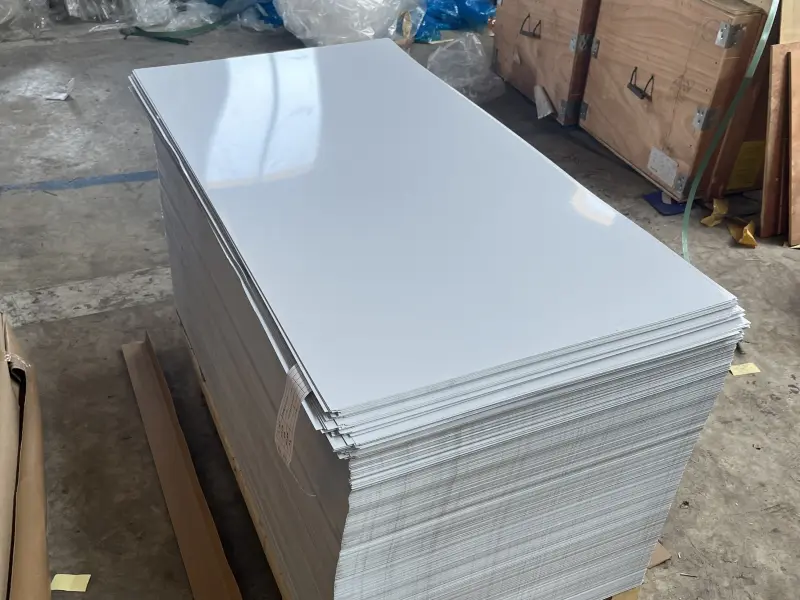
| 4 × 8 ft | 1220 × 2440 mm | Full sheet — cut to size in-house |
Custom sizes are available from most Chinese manufacturers. MOQ for custom sizes is typically 200–500 sheets. Round corners and mounting holes can be added with small tooling fees.
Applications — Where Gloss White Sublimation Aluminum Is Used
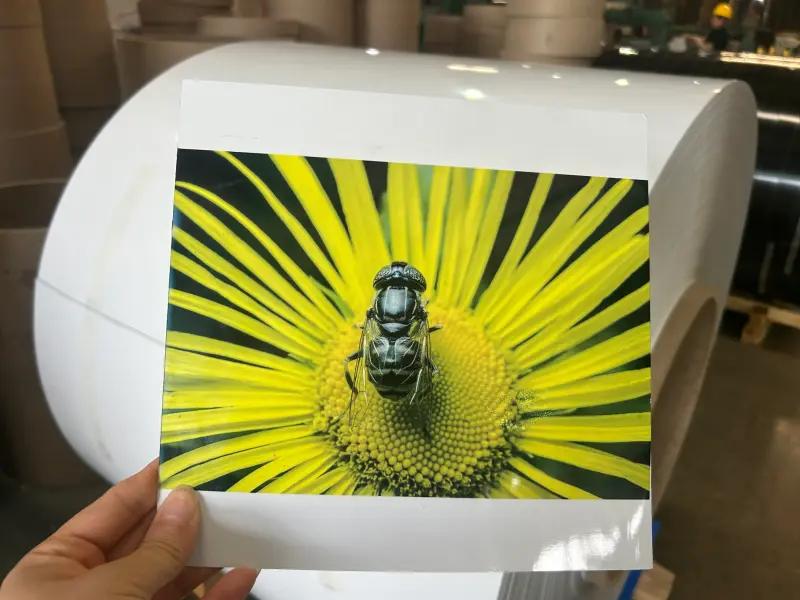
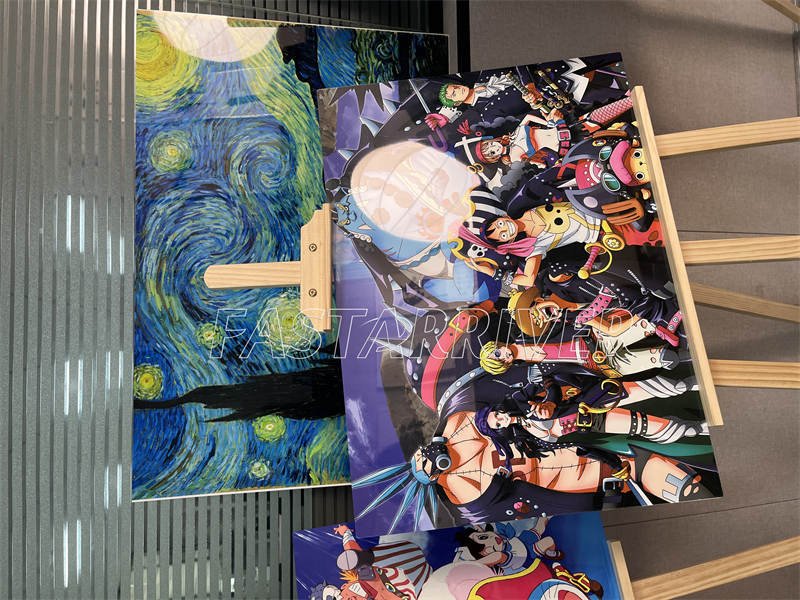
Photo Printing and Personalized Products
The largest single market for gloss white sublimation sheets. The bright white base makes colors pop the same way a white photo paper does. Common products:
- Family portrait and pet photo panels for wall display
- Custom graduation and wedding photo panels
- Personalized name plates and door signs
- Baby announcement and nursery décor panels
- Memorial and keepsake photo plaques
Signage and Advertising
- Business name boards for retail storefronts
- Directional and wayfinding signs for offices and buildings
- Menu boards and price displays
- Open/closed and operating hours signs
- Event signage and promotional boards
Awards, Plaques, and Recognition Products
- Employee of the month and achievement awards
- Sports event plaques and competition medals
- Academic achievement boards
- Corporate milestone and anniversary plaques
- Custom trophies and recognition panels
Home Décor and Wall Art
- Canvas-alternative metal wall art panels
- Abstract and landscape prints on metal
- Kitchen and living room decorative prints
- Custom quote and typography panels
- Gallery-style multiple panel sets
Commercial and Exhibition Displays
- Trade show display graphics and backdrops
- Brand wall panels in office reception areas
- Product information displays
- Real estate agent property marketing panels
- Retail product display boards
Gloss White vs Other Sublimation Aluminum Finishes
Choosing the right finish starts with knowing how each one performs. Here is a direct comparison.
| Finish Type | Surface Look | Color Vibrancy | Light Reflection | Best Use |
|---|---|---|---|---|
| Gloss white | Bright white | Highest | High | Photo panels, retail gifts |
| Matte white | Soft white | High | Low (no glare) | Office signs, exhibition displays |
| Brushed silver | Metallic texture | High (metallic depth) | Medium | Awards, corporate gifts |
| Brushed gold | Warm gold texture | High (warm tone) | Medium | Trophies, premium gifts |
| Mirror | Full reflective | Premium depth | Very high | Luxury décor, art panels |
| Double-sided gloss | Gloss both sides | Highest | High | Hanging signs, dual displays |
When to Choose Gloss Over Matte
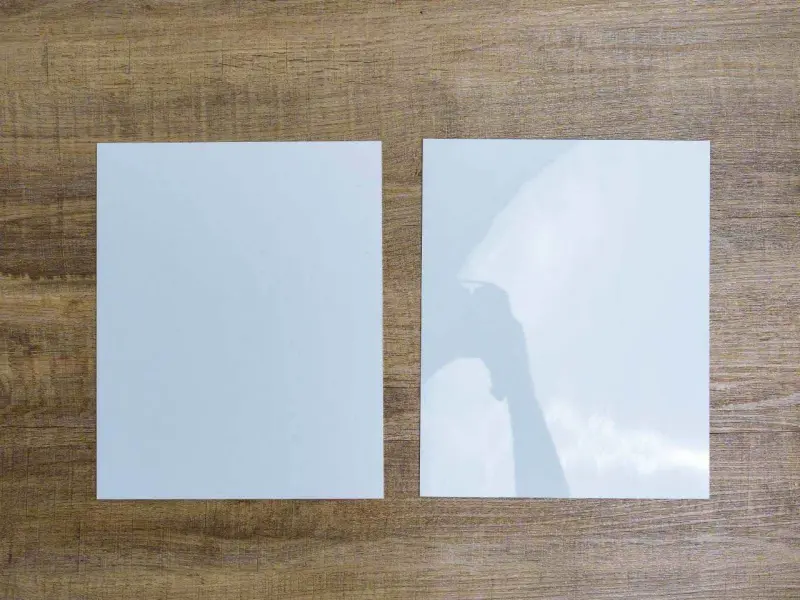
Choose gloss when the product needs to look like a photograph — vivid, saturated, sharp. Choose matte when the panel is displayed under strong lighting where gloss would create distracting reflections. In practice, most photo gift products use gloss. Most office and exhibition signage uses matte.
Gloss White Sublimation Aluminum vs Other Substrates
vs MDF Sublimation Boards
| Feature | Gloss White Aluminum | MDF Board |
|---|---|---|
| Outdoor durability | 5–10 years | Under 1 year |
| Water resistance | Excellent | Very poor |
| Print sharpness | Photo grade | Good |
| Weight | Light | Heavy |
| Recyclable | Yes | No |
| Cost per panel | Medium | Low |
MDF suits very low-cost indoor products where price drives the decision. Any outdoor or humid environment destroys MDF fast. Aluminum lasts.
vs PVC Sublimation Sheets
| Feature | Gloss White Aluminum | PVC Sheet |
|---|---|---|
| Heat resistance | Excellent (no warp) | Poor (can warp) |
| Outdoor UV resistance | Excellent | Moderate |
| Print sharpness | Photo grade | Good |
| Scratch resistance | Higher | Lower |
| Environmental impact | Recyclable | Not recyclable |
PVC is lightweight and cheap, but it warps slightly in the heat press at higher temperatures. Aluminum stays flat every time.
vs Acrylic Sublimation Panels
| Feature | Gloss White Aluminum | Acrylic |
|---|---|---|
| Breakage risk | Very low | Higher (brittle) |
| Print method | Direct sublimation | UV print on surface |
| Color depth | Inside coating | Surface print |
| Weight | Lighter | Similar |
| Outdoor durability | Better | Moderate |
Acrylic backlit panels have a different visual style. For direct heat-press sublimation printing, aluminum is the practical choice.
Price Guide for Gloss White Sublimation Aluminum
What Drives the Price Per Sheet
| Factor | Price Impact |
|---|---|
| Thickness | Each 0.5mm step adds ~30–40% per sheet |
| Sheet size | Larger sheets cost more per piece, less per m² |
| Coating quality (PE grade) | Standard vs premium coating: +10–20% |
| Order quantity | 10,000 pieces vs 500 pieces: 30–50% difference |
| Custom cut sizes | Adds USD 0.05–0.20 per sheet |
Factory Direct Price Reference (per sheet, gloss white, 1060 alloy)
| Size | Thickness | Price Range (USD) |
|---|---|---|
| A5 (148 × 210mm) | 0.45mm | 0.12–0.22 |
| A4 (210 × 297mm) | 0.45mm | 0.18–0.35 |
| A4 (210 × 297mm) | 1.0mm | 0.32–0.55 |
| 8 × 10 in | 0.45mm | 0.22–0.40 |
| 12 × 18 in | 0.8mm | 0.65–1.10 |
| 24 × 36 in | 1.0mm | 2.20–3.50 |
| 4 × 8 ft | 1.0mm | 7.50–12.00 |
Prices above are factory direct at 1,000+ piece MOQ. Retail platform pricing (Amazon, local suppliers) runs 3–6× higher.
How to Reduce Your Cost Per Panel
→ Buy full 4×8 ft sheets and cut in-house — lowest cost per final panel size → Order standard A4 and 8×10 sizes to avoid custom-cut charges → Combine gloss white and matte white in one order to reach MOQ faster → Set up a quarterly frame order with a fixed factory price → Order 0.45mm as default — it suits most gift applications at the lowest cost
Manufacturing Process
Step 1 — Coil Selection and Preparation
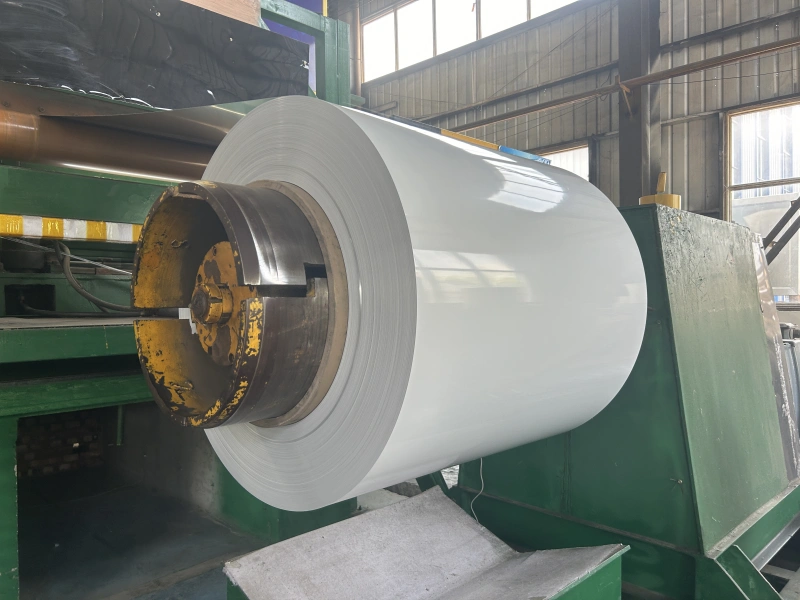
High-purity 1060 aluminum coil is selected. The surface must be free of rolling marks, edge burrs, and oil contamination before entering the coating line.
Step 2 — Cleaning and Surface Treatment
The coil passes through a multi-stage alkaline cleaning bath and rinse. A chromate or chrome-free conversion coating is applied to improve polyester adhesion and add a corrosion-resistance layer between the aluminum and the coating.
Step 3 — White Coating Application
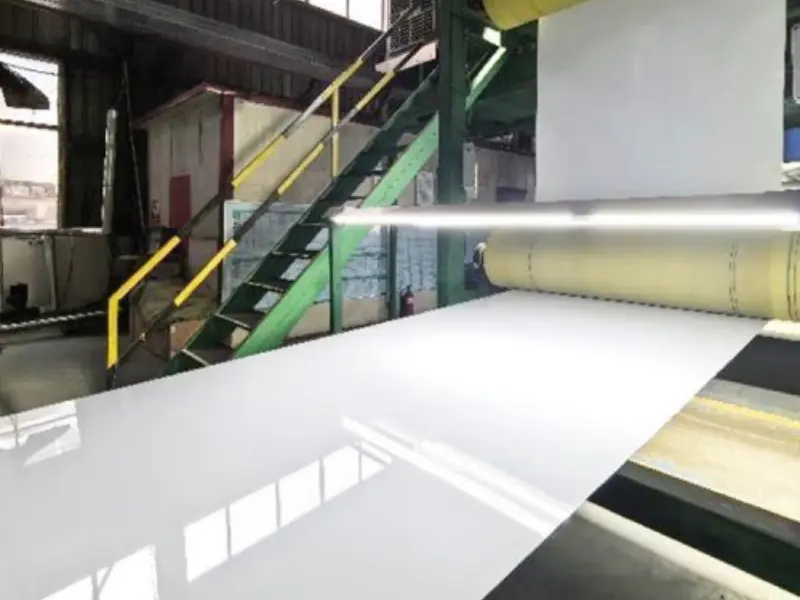
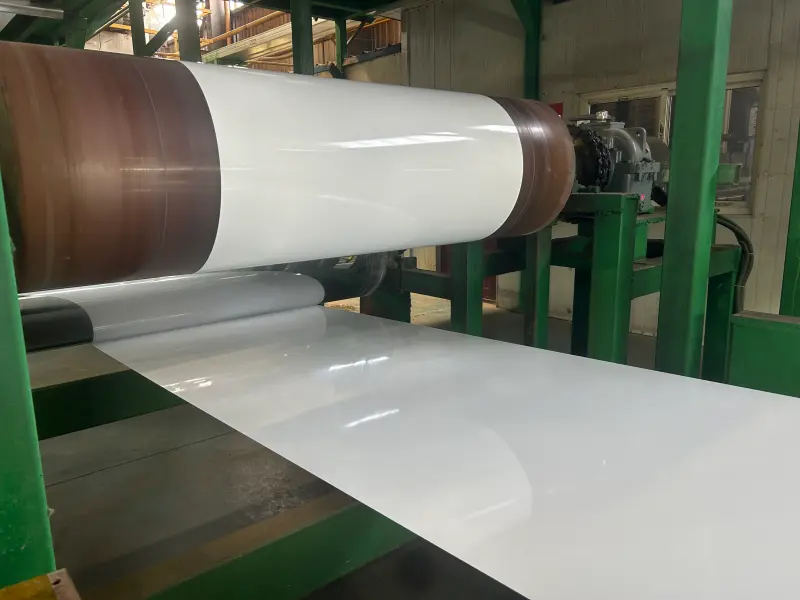
White polyester basecoat is applied by a precision roller coater. Coating weight is controlled to 20–25 microns. The white pigment loading determines surface brightness — higher TiO₂ loading gives a whiter, brighter surface.
Step 4 — High-Temperature Curing
The coated coil passes through a curing oven at 220–260°C for a set dwell time. This permanently bonds the polyester coating to the surface. Undercured coating peels; overcured coating becomes brittle.
Step 5 — Cutting and Inspection
The coil is cut to the ordered sheet size on a shear or CNC line. Each batch is inspected for gloss level, color consistency, coating adhesion, and surface flatness.
Step 6 — Protective Film Application
PE film is applied immediately after cutting. The film protects the coated surface from scratches during packing, shipping, and handling. The buyer peels it just before printing.
Quality Standards and Testing
Tests That Matter for Gloss White Sublimation Sheet
| Test | Method | Standard Target |
|---|---|---|
| Coating adhesion | Cross-cut ASTM D3359 | Grade 5B — zero removal |
| Gloss level | 60° gloss meter | ≥ 85 GU for gloss white |
| Color of white coating | Spectrophotometer | L* ≥ 95, whiteness index ≥ 90 |
| Sublimation transfer | Press test 200°C / 60 sec | Sharp image, no color shift |
| Scratch hardness | Pencil ASTM D3363 | H to 2H |
| Surface flatness | Ruler check per 1000mm | ≤ 1.5mm bow |
Choosing a Supplier — What to Check
Manufacturing Capability Questions to Ask
→ Do you own the coating line, or do you outsource coating? → What is your coating weight per sheet (in g/m² or microns)? This→ Can you share spectrophotometer data for the white coating brightness? → What is the minimum coating quality level you guarantee for sublimation use? → Can you send a 10–20 sheet sample before a bulk order?
Red Flags in a Quote
- Price significantly lower than market without explanation
- Refusal to share the MTR or coating technical data sheet
- PE film that leaves adhesive residue on the coating after removal
- White surface that looks off-white or cream in photos
- Lead time longer than 20 days for standard in-stock sizes
Certifications Worth Asking For
| Certification | Why It Matters |
|---|---|
| ISO 9001 | Quality management system |
| SGS or BV inspection | Independent batch verification |
| RoHS compliance | Required for EU and many US buyers |
| REACH declaration | Chemical safety for EU imports |
Buying from China — Process and Packaging
Why Chinese Manufacturers Offer Lower Prices

China’s integrated aluminum industry — from smelter to rolling mill to coating line — allows factory-direct pricing that North American and European distributors cannot match. The price difference on standard gloss white sublimation sheet runs 50–70% below local retail in most markets.
Import Process Step by Step
- Inquiry — send size, thickness, alloy, quantity, destination port
- Quotation — receive price, payment terms, lead time, MOQ
- Sample — order 10–20 sheets for press testing (most factories charge a nominal fee)
- Bulk order — sign proforma invoice, pay 30% deposit
- Production — 7–20 days for standard sizes
- Inspection — request SGS or self-inspection photos before loading
- Shipping — sea freight for orders above 100kg; express for samples
Export Packaging Standard
- PE film on every sheet (coated face)
- Interleaved kraft or silicone paper between sheets
- Stacked in cartons, max 15–20 kg per carton
- Cartons on fumigated export wooden pallets
- Moisture barrier bag inside carton for sea freight orders
Common Problems and How to Fix Them

Uneven Color After Pressing
Cause: Cold spots on the platen — temperature not even across the press surface. Fix: Use a heat-resistant pad under the panel. Check platen temperature at corners and center with a pyrometer before production runs.
Poor Ink Transfer — Colors Look Light
Cause: Press temperature too low, or coating too thin (under 15 microns). Fix: Raise temperature to 195–205°C. If still poor, test a different supplier’s sheet — some cheap sheets use very thin coating that cannot hold enough dye.
Coating Peeling After Pressing
Cause: Epoxy coating instead of polyester, or undercured coating from the factory. Fix: Always confirm “polyester coating” in writing before ordering. Ask for the curing temperature spec in the technical data sheet.
Scratches on the Surface Before Printing
Cause: PE film too thin, no interleaving paper, or sheets sliding in the box during shipping. Fix: Specify double-layer PE film and interleaved paper in the packing requirements when ordering.
Panel Warps During Pressing
Cause: Panel too thin for the size being pressed, or uneven pressure. Fix: Use minimum 0.8mm for panels above 300×400mm. Apply even weight across the panel during cooling. Never stack hot panels.
Frequently Asked Questions
What Is Gloss White Sublimation Aluminum
Gloss white sublimation aluminum is a flat aluminum sheet coated with a white polyester layer that accepts sublimation ink when heat and pressure are applied. The white gloss surface gives the brightest, most photo-realistic print results of any sublimation substrate. It is the standard material for metal photo gifts, printed panels, and decorative signs.
Is Gloss White Better for Photo Printing Than Matte
Yes, for most photo applications. The gloss coating gives higher color saturation, sharper detail, and better contrast — similar to the difference between a glossy and matte photo print. Matte suits office or exhibition environments where overhead lighting causes glare on gloss surfaces. For gift products and wall art, gloss almost always looks better.
What Printer Is Used for Sublimation Aluminum
Any dye-sublimation inkjet printer works — Epson, Sawgrass, and Mimaki are common brands used by gift and sign shops. The printer prints onto sublimation transfer paper. You then use a heat press to transfer the image from paper to the aluminum sheet. The printer does not print directly onto the aluminum.
Can Gloss White Sublimation Aluminum Be Used Outdoors
Yes, with the right specification. A polyester coating on 1060 aluminum handles sun, rain, and temperature changes for 5–10 years in most climates. For coastal environments with salt spray, use a UV-resistant polyester grade and consider thicker panels (1.0mm+) for better rigidity. Cheap epoxy-coated blanks should not be used outdoors — they fade fast.
What Thickness Is Best for Printed Signs
For indoor signs up to A3 size: 0.45–0.5mm works well. About indoor signs above A3: use 0.8mm. For outdoor signs up to 30×40cm: 1.0mm is the minimum. In addition for outdoor signs above 60×90cm: use 1.5mm or 2.0mm to prevent wind flex and maintain flatness on the mounting surface.
Can Manufacturers Customize Sizes and Coatings
Yes. Standard services from most Chinese factories include custom sheet sizes (any dimensions, with a 200–500 sheet minimum run), round corner cutting, hole drilling for mounting, and custom coating colors (background colors other than white require 1–2 ton minimum per color). Coating type and thickness can also be specified if you need a different performance level than the standard product.
Final Notes for Buyers
Gloss white sublimation aluminum is a straightforward product when you know what to check. Coating type (polyester — not epoxy), coating weight (20–25 microns), alloy (1060), and thickness (0.45mm for gifts, 1.0mm+ for signs) are the four numbers that determine whether the sheet prints well.
Order a sample and press it on your own equipment before scaling up. Check color, edge definition, and coating adhesion after pressing. If it looks right on your press at your settings, the product is right.
For regular large orders, a frame agreement with a factory gives you stable pricing, consistent coating batches, and priority production scheduling.