
Outdoor sublimation metal signs
Why Metal Beats Plastic and Wood Outside
With Outdoor sublimation metal signs, Plastic cracks in the sun. Wood warps in the rain. Outdoor sublimation metal signs do neither.
They stay flat, keep their color, and shrug off weather year after year.
The image is not stuck on top. It is baked into a special coating that becomes part of the metal.
That is why cities, stores, and resorts choose metal for street signs, building plaques, and parking lot markers.
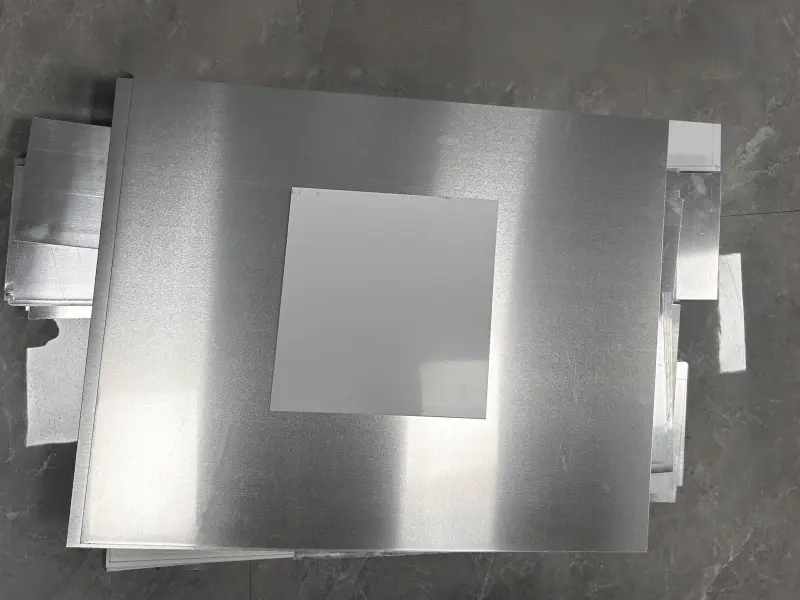
Outdoor sublimation metal signs
Aluminum is the most common base for these signs. It is light, easy to hang, and does not rust. A printed metal sign can last five to seven years outdoors with a good UV coating. Some premium systems push past ten years. Compare that to vinyl banners that fade in one summer or wooden signs that rot in two.
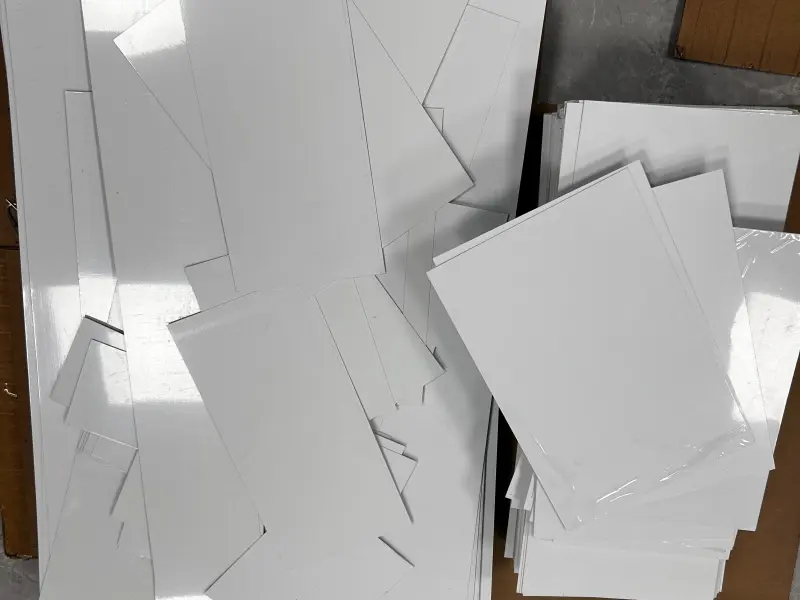
Alloy Breakdown: The Metal Under the Image
Not all aluminum is the same. The alloy number tells you what metals were mixed in. This changes strength, heat behavior, and how the sign survives outdoors.
1050 and 1060 Outdoor sublimation metal signs: Indoor Favorites
These are nearly pure aluminum. 1050 contains 99.5% aluminum. 1060 reaches 99.6%.
Both have very smooth surfaces. The coating sticks evenly. Colors look bright and uniform.
The problem is strength. Thin sheets in these alloys bend easily in wind. They also heat up faster in the sun and can warp over time. For outdoor sublimation metal signs, 1050 and 1060 work only in small sizes or sheltered spots.
1100 Outdoor sublimation metal signs: The Budget Option
1100 is commercially pure aluminum with 99% minimum content. It is soft and cheap.
The surface is good enough for basic printing. However, it warps more than 1050 under heat. It also shows more roller marks from the mill. For outdoor use, 1100 is a gamble unless the sign is thick and backed by a frame.
3003 Outdoor sublimation metal signs: The Outdoor Standard
3003 adds manganese. That makes it roughly 20% stronger than the 1000 series.
For it resists warping during the heat press. It stays flat on large panels. It also handles temperature swings better. Most outdoor sublimation metal signs use 3003 as the base because it balances cost and durability.
5052 Outdoor sublimation metal signs: Coastal and Heavy-Duty Grade
5052 contains magnesium. It is the strongest of the common sublimation alloys.
It resists salt spray, acid rain, and physical bumps. If your sign will face ocean air, road salt, or heavy wind, 5052 is the safer bet. It costs more than 3003. It is also slightly harder to cut with hand tools. But for long-life outdoor signage, the extra price pays off.
| Alloy | Purity | Strength | Outdoor Rating | Best Use |
|---|---|---|---|---|
| 1050 | 99.5% Al | Low | Fair | Small sheltered signs, indoor |
| 1060 | 99.6% Al | Low | Fair | Premium indoor, light outdoor |
| 1100 | 99.0% Al | Low | Poor to Fair | Budget indoor, giveaways |
| 3003 | 96.75% Al | Medium | Good | Standard outdoor signs, wall panels |
| 5052 | Balance Al + Mg | High | Excellent | Coastal, industrial, large monuments |
H32 is the stabilized temper for 5000 series alloys. It gives 5052 the same flatness and stability that H24 gives 3003. If you order 5052 base metal, specify H32.
| Temper | Hardness | Heat Press Stability | Best For |
|---|---|---|---|
| O | Very soft | Poor | Deep drawn shapes, indoor crafts |
| H14 | Half hard | Fair | Small signs, nameplates |
| H24 | Half hard, stabilized | Excellent | 3003 outdoor panels |
| H32 | Quarter hard, stabilized | Excellent | 5052 outdoor panels |
Thickness Guide: Thin Tags vs Thick Monuments
Thickness changes how the sign feels, weighs, and fights the wind.
| Thickness | mm | Inch | Weight Class | Best Outdoor Use |
|---|---|---|---|---|
| 0.45 | 0.45 | 0.018 | Light | Small tags, sheltered wall signs |
| 0.60 | 0.60 | 0.024 | Standard | General outdoor wall signs |
| 0.80 | 0.80 | 0.031 | Heavy | Building plaques, trail markers |
| 1.15 | 1.15 | 0.045 | Monument | Entrance signs, memorials |
| 1.50+ | 1.50+ | 0.059+ | Structural | Free-standing displays |
Surface Finishes: What Works Best Outside
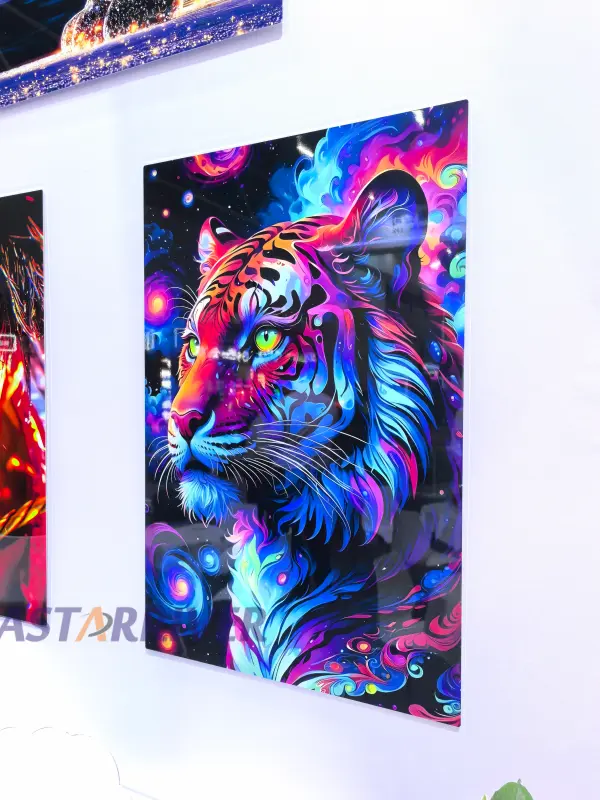
The coating finish changes how the image looks and how it handles glare and weather.
Outdoor vs Indoor Sublimation Signs: Know the Difference
Many buyers try to use indoor blanks outside. That is a mistake. Here is why.
| Factor | Indoor Sublimation Sign | Outdoor Sublimation Metal Sign |
|---|---|---|
| Base alloy | 1050, 1060 | 3003, 5052 |
| Temper | O or H14 | H24 or H32 |
| Coating UV resistance | Low or none | High, 3 to 5 year minimum |
| Thickness | 0.22–0.45 mm | 0.60–1.15 mm |
| Expected life | 1–3 years outside | 5–10 years outside |
| Edge sealing | None | Often needed for moisture |
Indoor blanks use softer metal and lighter coating. The image may look perfect at first. After one summer of UV and rain, the colors fade and the metal warps. Always specify outdoor-grade stock for exterior jobs.
Product Types: What You Can Actually Buy
Manufacturers have turned basic blanks into several formats for outdoor use.
Flat Wall Panels
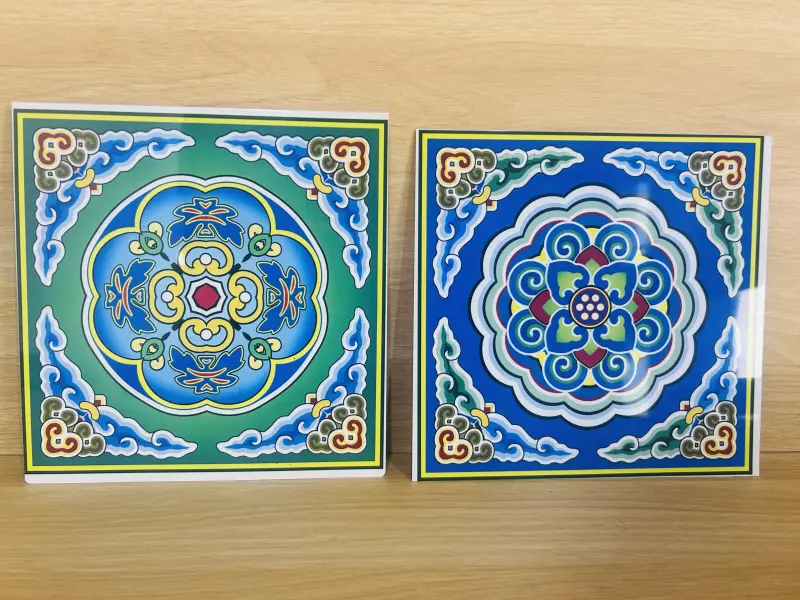
The classic rectangle or square. Holes are pre-drilled or the sign mounts with adhesive standoffs. Sizes range from 8 by 10 inches up to 4 by 8 feet. These are used for building directories, parking signs, and retail storefronts.
Street and Traffic Signs
Pre-cut shapes like octagons, arrows, and shields. These use 5052 H32 at 0.80 mm or thicker. The sublimation coating is applied over a reflective or white base. Cities use these for custom neighborhood signs and private road markers.
Trail and Park Markers
Narrow vertical panels with rounded corners. Often 0.60 mm to 0.80 mm thick. They mount on wooden posts or metal stakes. Campgrounds, nature reserves, and golf courses order these in bulk.
Monument and Entrance Signs
Large thick panels, often 1.15 mm or more. They may be single sheets or layered composites. These sit at property entrances, business parks, and historical sites. Some include brushed metal borders or etched text.
ADA-Compliant Signs
Outdoor sublimation metal signs can include raised text and Braille. The base is 0.80 mm or thicker to meet tactile requirements. A clear protective overlay seals the printed image while allowing the raised elements to function.
Magnetic and Reusable Signs
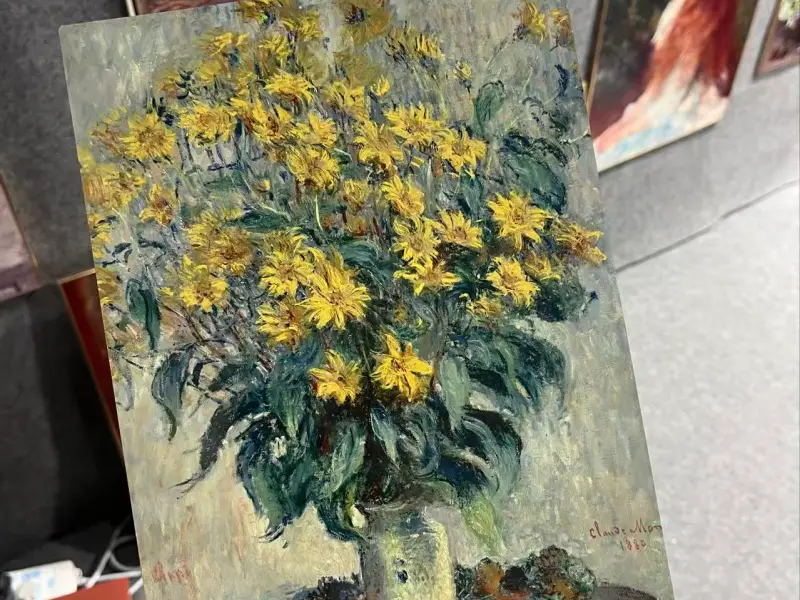
Thin 0.45 mm panels with magnetic backing. These stick to vehicles, dumpsters, or temporary barriers. They are not for permanent outdoor exposure but work well for seasonal promotions and construction site branding.
| Product Type | Thickness | Mounting | Best For |
|---|---|---|---|
| Flat wall panel | 0.60–0.80 mm | Standoffs, screws | Storefronts, offices |
| Street sign | 0.80–1.15 mm | Post bracket | Roads, parking lots |
| Trail marker | 0.60–0.80 mm | Stake or post | Parks, campgrounds |
| Monument panel | 1.15–1.50 mm | Bolted frame | Entrances, memorials |
| ADA sign | 0.80–1.15 mm | Wall mount | Public buildings |
| Magnetic sign | 0.45 mm | Magnetic backing | Temporary vehicle ads |
Size Formats That Move the Market
Outdoor signs need to be readable from a distance. Here are standard sizes that fabricators keep in stock.
| Size (inches) | Size (mm) | Typical Use | Viewing Distance |
|---|---|---|---|
| 8 × 10 | 203 × 254 | Door signs, room numbers | Under 10 feet |
| 12 × 18 | 305 × 457 | Parking signs, warnings | 10–20 feet |
| 18 × 24 | 457 × 610 | Retail specials, notices | 20–30 feet |
| 24 × 36 | 610 × 914 | Building directories, menus | 30–50 feet |
| 36 × 48 | 914 × 1219 | Monument faces, large murals | 50–100 feet |
| 48 × 96 | 1219 × 2438 | Wall wraps, giant displays | 100+ feet |
Custom sizes are easy to order. Just remember that very large thin panels need thicker metal or a backing frame to stay flat.
Printing and Pressing for Outdoor Durability
The transfer process is the same as indoor signs, but outdoor blanks need more care.
Temperature and Time
Most outdoor sublimation metal signs press at 200°C for 60 to 90 seconds. Thicker panels may need 90 seconds to let the heat soak through. Do not exceed 210°C. High heat can yellow the UV coating.
Pressure
Use medium to high pressure. The coating needs full contact with the paper. Any air gap creates a faded spot.
Edge Sealing
After pressing, some shops seal the cut edges with a clear lacquer. This stops moisture from wicking under the coating at the edges. It is especially important for signs that face rain directly.
| Parameter | Standard Setting | Range |
|---|---|---|
| Temperature | 200°C | 190–205°C |
| Time | 75 seconds | 60–90 seconds |
| Pressure | Medium-high | Medium to high |
| Paper | Sublimation for hard substrates | Standard or fast-dry |
Installation Tips for Long Life


How you mount the sign matters as much as what you print on it.
- Use standoffs for wall panels. They let air flow behind the sign and prevent moisture trapping.
- Pre-drill holes before pressing if possible. Drilling after printing can chip the coating near the hole.
- Use stainless steel screws and anchors. Galvanized steel can react with aluminum and leave rust streaks.
- Seal the top edge with silicone if the sign sits under a drip edge. Water running behind the panel can lift the coating over time.
- Face signs away from direct southern sun when possible. Even UV-rated coatings last longer in shade.
- Clean with mild soap and water. Do not use pressure washers close to the surface. Do not use ammonia or bleach.
Cost Factors: What Moves the Price Tag
Not all outdoor sublimation metal signs cost the same. Here is what changes the invoice.
| Factor | Budget Choice | Premium Choice | Price Impact |
|---|---|---|---|
| Alloy | 3003 | 5052 | +15–25% |
| Thickness | 0.60 mm | 1.15 mm | +50–80% |
| Coating | Basic UV PE | High-grade UV PVDF | +20–40% |
| Size | 12 × 18 inches | 48 × 96 inches | Scales with area |
| Finish | Gloss white | Brushed or custom | +10–20% |
| Quantity | One-off custom | Bulk 50+ units | –20–30% per unit |
For a standard 12 by 18 inch outdoor sign in 3003 H24 at 0.60 mm, expect to pay more than an indoor blank but less than a routed acrylic sign. The value comes from the lifespan. A metal sign lasts five to ten years. A vinyl sign may need replacement in two.
Frequently Asked Questions
What alloy is best for outdoor sublimation signs?
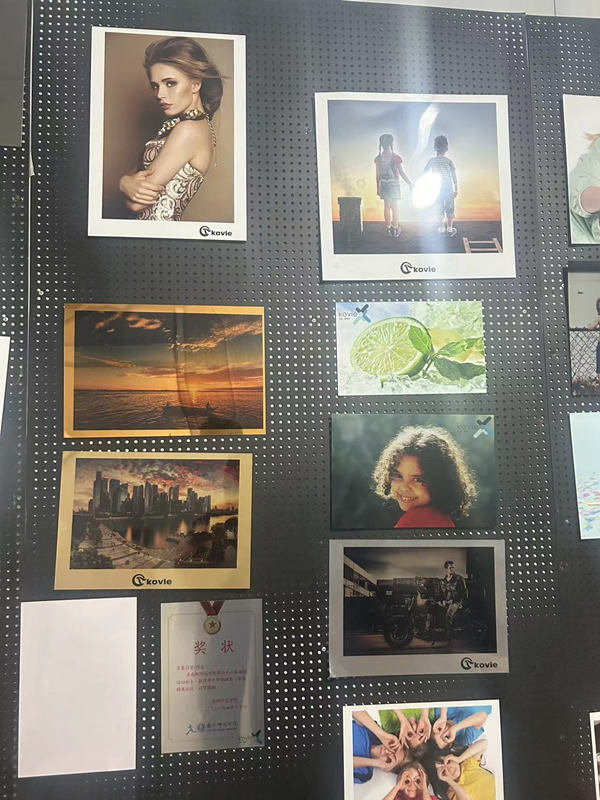
Alloy 3003 in H24 temper is the standard for most outdoor work. It stays flat and resists atmospheric corrosion. For coastal or industrial areas, upgrade to 5052 H32.
How thick should an outdoor metal sign be?
For wall-mounted signs, 0.60 mm is the minimum. For post-mounted or high-wind areas, use 0.80 mm or thicker. Monument signs should be 1.15 mm or more.
Will the image fade in direct sunlight?
All dyes fade eventually. A quality outdoor sublimation metal sign with UV-resistant coating holds its color for 3 to 5 years in full sun. Premium coatings can push that to 7 years. Matte finishes fade slightly slower than glossy ones.
Can outdoor sublimation signs handle rain and snow?
Yes. The polyester coating is waterproof. The aluminum base does not rust. To maximize life, seal the edges and mount the sign so water does not pool behind it.
Glossy or matte: which finish is better outside?
Matte is usually better for full-sun locations. It eliminates glare and hides dust. Glossy works well for covered entryways and shaded walls where you want extra color pop.
How do I mount a metal sign on a brick wall?
Use standoffs with masonry anchors. Drill the brick, insert a lead or plastic anchor, then attach the standoff. Do not screw directly into mortar. It crumbles.
Can I use 1050 aluminum for outdoor signs?
You can, but only for small signs in sheltered locations. 1050 is too soft for large panels and too prone to heat warping. For anything bigger than a door plaque, use 3003 or 5052.
What is the largest outdoor sign size available?
Stock blanks go up to 4 by 8 feet. Larger sizes can be custom ordered but may require seam welding or composite backing. For seamless single-sheet signs, 48 by 96 inches is the practical limit.
How long do outdoor sublimation signs last?
With proper alloy, thickness, and UV coating, five to seven years is typical. In mild climates with partial shade, ten years is possible. Coastal salt air may shorten that to three to five years unless you use 5052 alloy.
Are outdoor metal signs recyclable?
Yes. Aluminum is 100% recyclable. The coating burns off during re-melting. At end of life, the sign can be sold as scrap. This makes outdoor sublimation metal signs a greener choice than PVC or composite alternatives.
Leave a Reply
You must be logged in to post a comment.