
Blanks for printing are flat, ready-to-print materials designed for modern printing processes. They are widely used in sublimation printing, UV printing, screen printing, and digital photo printing.
Aluminum Sublimation Blanks for Printing
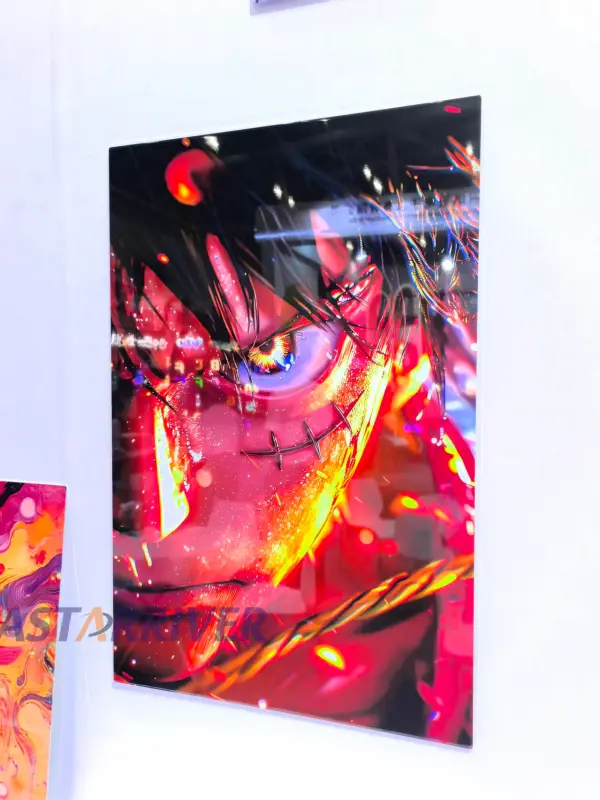

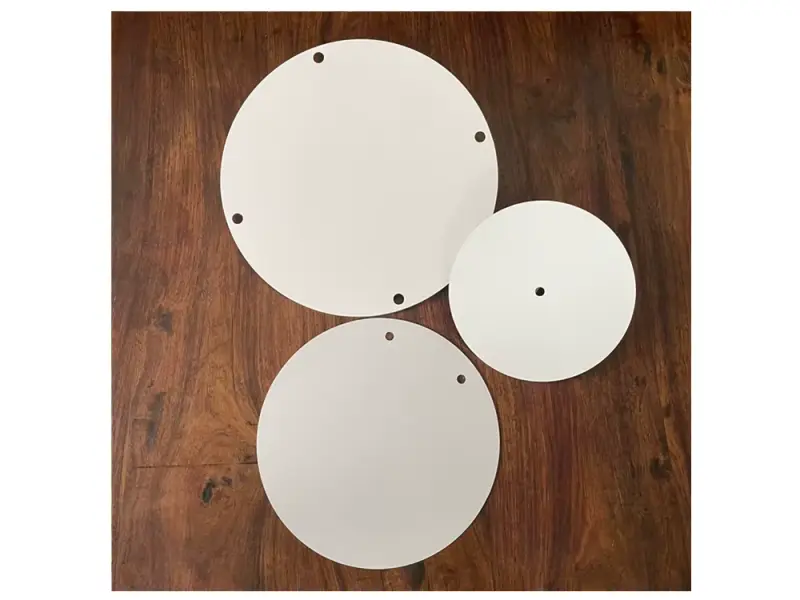
These printing blank offer a smooth surface, stable quality, and strong color performance. They help printers create long-lasting images with clear details and vibrant colors.
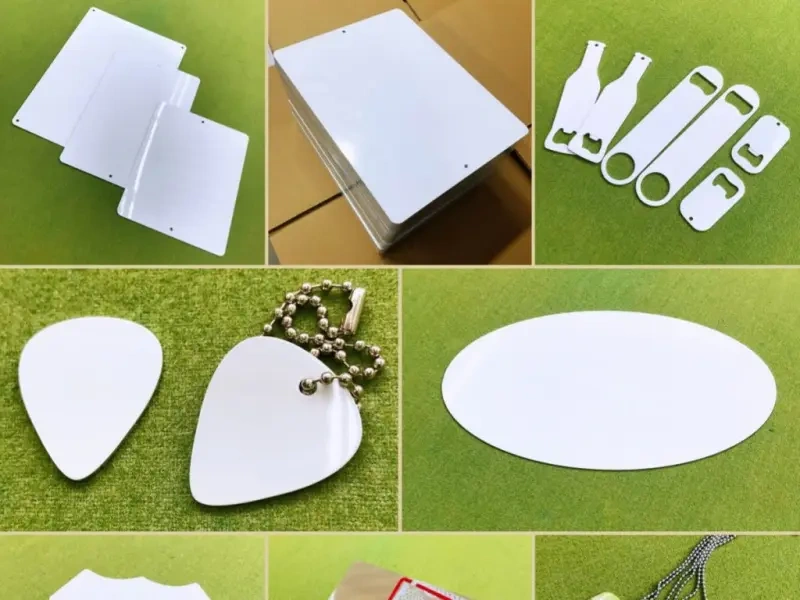
Whether you are a professional printer, a signage maker, or a promotional product supplier, choosing the right blank for printing is the key to high-quality results.

What Are Blanks for Printing?
Printing blanks are unfinished sheets or panels made for printing and customization. They are usually coated or treated to accept ink, dye, or heat transfer.
Common features of printing blank include:
Blanks for printing are available in metal, plastic, MDF, and composite materials. Among them, aluminum printing blank are the most popular for professional use.
Common Materials Used for Printing Blank
Different printing methods require different blank materials. Below is a simple comparison table:
| Material Type | Printing Method | Key Features |
|---|---|---|
| Aluminum blanks | Sublimation, UV | Durable, sharp image, waterproof |
| Plastic blanks | UV, screen printing | Lightweight, low cost |
| MDF blanks | Sublimation | Smooth surface, indoor use |
| Acrylic blanks | UV printing | Glossy look, modern style |
For long-term use and high image quality, aluminum blank for printing are often the first choice.
Aluminum Blank for Printing
Aluminum blank for printing are specially coated to work with heat transfer or UV ink. They are widely used in photo printing, signage, and decorative panels.
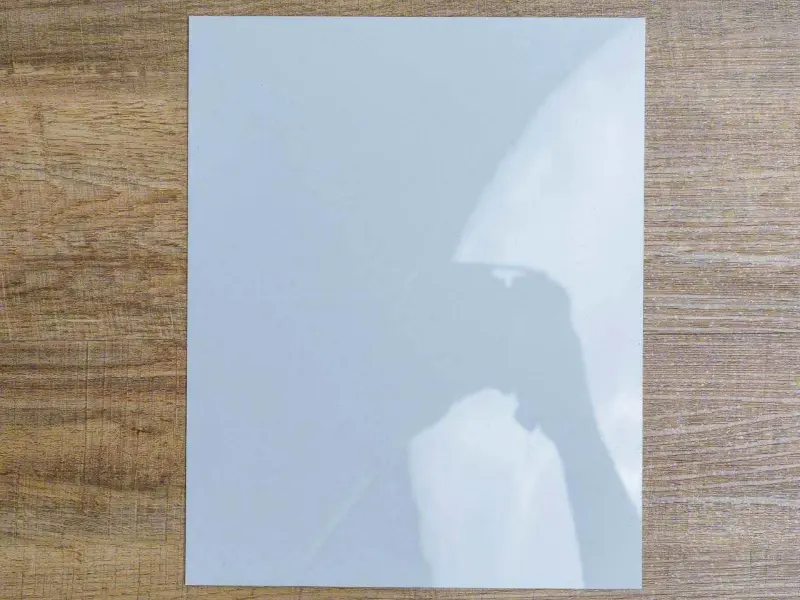
Key advantages of aluminum printing blank:
- Excellent color reproduction
- Scratch and moisture resistance
- Long service life
- Easy to clean
- Suitable for indoor and outdoor use
These features make aluminum blanks ideal for commercial and industrial printing projects.
Types
Different applications need different printing blanks. Below are the most common types:
- Sublimation aluminum blanks
- Printable aluminum sheets
- Metal photo printing blanks
- Sign blanks for printing
- Decorative printing panels
Each type is designed to meet specific printing and usage needs.
Popular Product Types and Shapes
We offer a wide variety of product configurations to match your business needs. Here are some of our most popular product types.
Metal Sign Blanks
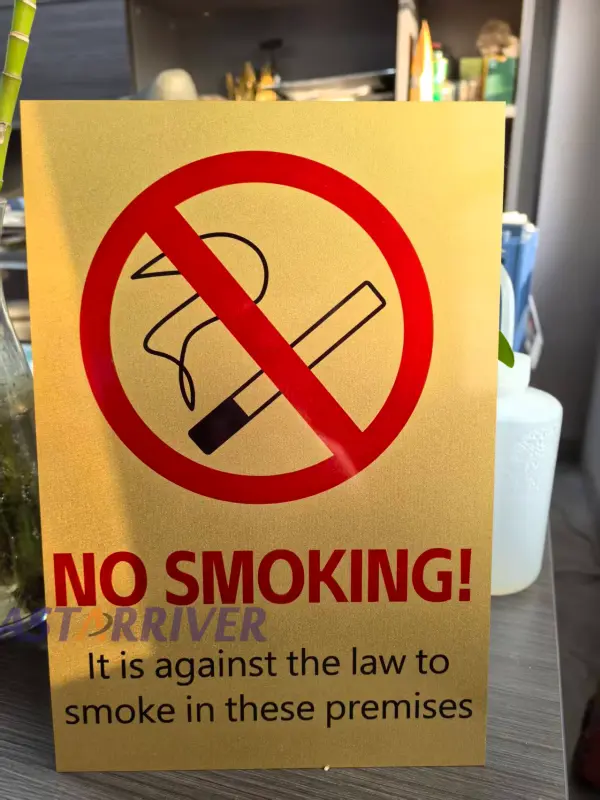
These are large-format metal sheets designed for signs. They are usually made of Aluminum 3003 with a thickness of t=1.0 mm or t=1.5 mm. They often come with pre-drilled holes in the corners for quick mounting.
Standard sizes include 300 mm×450 mm and 600 mm×600 mm. The edges are carefully rounded with a corner radius of r=12.7 mm to prevent injury.
Aluminum Sublimation For printing
Business Card and Nameplate Blanks
Metal business cards are highly popular for premium branding. These blanks are usually very thin, with a thickness of t=0.2 mm to t=0.4 mm. This ensures they fit easily into wallets.
Standard dimensions are 85.6 mm×54 mm, which matches a credit card. They are available in brushed gold, brushed silver, matte black, and gloss white finishes
License Plate and Tag Blanks
We supply blanks for car license plates, motorcycle plates, and bicycle tags. These blanks are pre-stamped with outer border rims to increase structural rigidity.
We also offer small round and oval tags for pet identification, valve labeling, and keychains. These small tags range in diameter from d=20 mm to d=50 mm.
Custom Shape and Cut-to-Size Blanks
If you need a unique shape, we can cut metal sheets using advanced laser cutters or CNC routing machines. We can produce stars, shields, hexagons, and custom company logos.
You send us your CAD design or vector file, and we will cut the metal blanks to your exact specifications.
Sublimation Blank for Printing
Sublimation blanks are coated with a special polyester layer. This coating allows the dye to bond with the surface under high temperature and pressure.
Typical sublimation conditions:
| Item | Value |
|---|---|
| Temperature | 180–200°C (356–392°F) |
| Time | 45–90 seconds |
| Pressure | Medium |
Sublimation printing blank are perfect for high-resolution photos and custom designs.
Printable Aluminum Sheet Specifications
Below is a small table showing common specifications for aluminum blank for printing:
| Thickness (mm) | Size (inch) | Finish |
|---|---|---|
| 0.5 mm | 12″ × 18″ | Glossy / Matte |
| 0.8 mm | 24″ × 36″ | White coated |
| 1.0 mm | 4′ × 8′ | Sublimation coating |
| 1.2 mm | Custom size | UV printable |
Custom sizes and thicknesses are available for bulk orders.
Surface Finishes for Printing Blank
The surface finish affects image quality and visual effect.
Common finishes include:
- Glossy finish – bright colors, photo-quality look
- Matte finish – low reflection, soft appearance
- Satin finish – balanced texture and clarity
- Brushed aluminum – modern and industrial style
Choosing the right finish helps improve customer satisfaction and final product value.
Applications
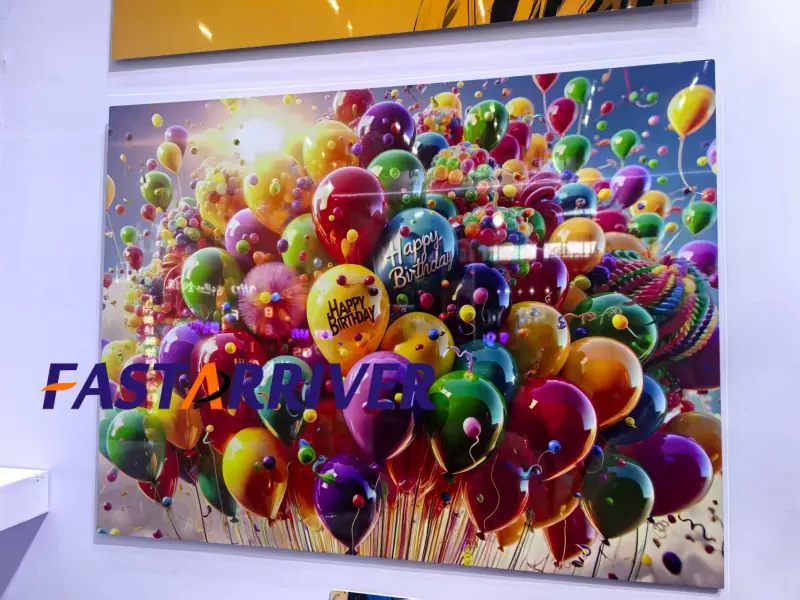
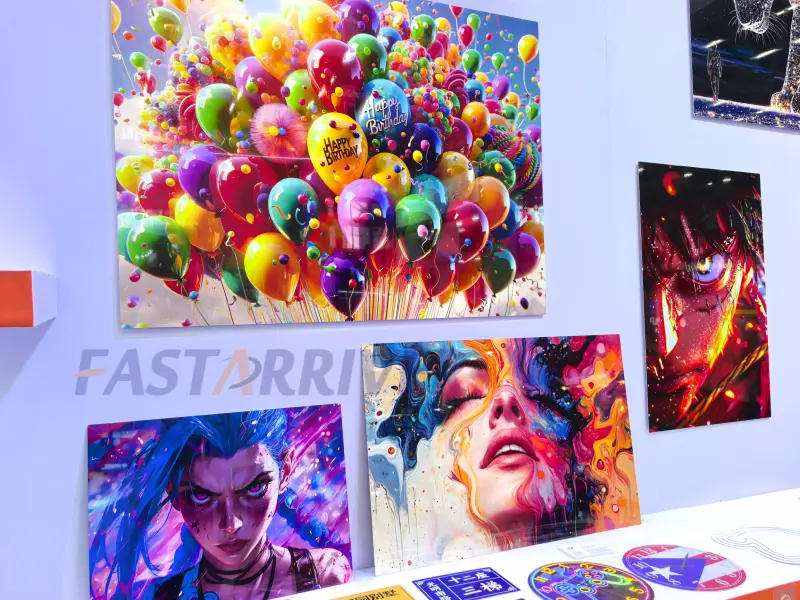
Printing blank are used in many industries. Common application areas include:
- Photo printing and wall art
- Advertising signs and nameplates
- Promotional gifts and souvenirs
- Interior decoration panels
- Commercial displays
- Personalized home décor
These applications show the flexibility of blanks for printing in both B2B and B2C markets.
Common Alloy Types for Printing Blanks
The type of metal alloy you choose affects the weight, strength, and appearance of your printed product. Here are the most common alloys used for printing blanks.
Aluminum Alloys for Sublimation and UV Printing
Aluminum is the most popular metal for printing blanks. It is lightweight, does not rust, and is highly cost-effective.
- Aluminum 1050 and 1060: These are high-purity aluminum alloys. They are very soft and easy to bend or shape. They are great for simple tags and indoor labels.
- Aluminum 3003: This is an aluminum-manganese alloy. It is stronger than the 1000 series and has excellent corrosion resistance. This is the industry standard for outdoor signs and license plates.
- Aluminum 5052: This is an aluminum-magnesium alloy. It offers very high strength and superior resistance to saltwater. Choose this alloy for marine environments and heavy-duty industrial labels.
Brass and Copper Blanks for Premium Looks
Brass and copper blanks are perfect when you need a classic, luxurious appearance.
- Brass (C26000 and similar): Brass has a beautiful, warm golden color. It is highly valued for high-end office nameplates, commemorative plaques, and decorative tags. It works beautifully with rotary engraving and UV printing.
- Copper: Copper offers a unique reddish-gold look. Over time, it can develop a natural patina, which gives it a vintage style. It is often used for premium custom labels, jewelry blanks, and art prints.
Stainless Steel Blanks for Maximum Durability
Stainless steel is the strongest material option. It resists scratches, deep impacts, and harsh chemicals.
- Grade 304: This is the most common stainless steel grade. It offers excellent corrosion resistance and is highly durable. It is widely used for industrial asset tags and food-service signs.
- Grade 316: This marine-grade stainless steel contains molybdenum. It resists corrosion from chlorine and saltwater. It is the best choice for chemical plants, offshore oil rigs, and ocean shipping labels.
Technical Specifications and Alloy States
Aluminum Alloy Grades and Tempers
| Alloy Grade | Common Temper | Surface Hardness | Best Printing Method | Common Applications |
|---|---|---|---|---|
| Aluminum 1050 | H14 | Soft / Medium | Sublimation, UV | Small nameplates, indoor tags |
| Aluminum 3003 | H14 | Medium | UV, Screen Print | License plates, road signs |
| Aluminum 5052 | H32 | Medium / Hard | Laser, Screen Print | Marine labels, industrial signs |
| Brass C26000 | H02 | Hard | UV, Engraving | Luxury door plaques, awards |
| Stainless Steel 304 | 2B / No. 4 | Very Hard | Fiber Laser, Etching | Chemical tags, machinery plates |
Thickness Ranges and Visual Guides
Thickness is represented by the variable t. Choosing the right thickness ensures your blank is rigid enough for its environment without adding unnecessary weight.
| Thickness (t) | Weight Class | Rigidity Level | Best For | Typical Products |
|---|---|---|---|---|
| 0.3 mm−0.5 mm | Ultra Light | Low | Small items, curves | Business cards, pet tags, labels |
| 0.8 mm−1.0 mm | Medium | Moderate | Flat mounting | License plates, door signs, photos |
| 1.5 mm−2.0 mm | Heavy Duty | High | Free-hanging | Street signs, industrial panels |
| 3.0 mm+ | Extra Heavy | Extreme | High-impact areas | Heavy machinery plates, structural signs |
Surface Finish Options
The surface finish of the metal determines how light reflects off your print.
| Finish Name | Visual Appearance | Texture | Best Printing Method |
|---|---|---|---|
| Gloss White | Bright, shiny white | Smooth and glossy | Dye sublimation, UV printing |
| Matte White | Clean white, no glare | Smooth and flat | Dye sublimation, UV printing |
| Brushed Silver | Classic metallic grain | Linear brushed lines | UV flatbed, laser engraving |
| Mirror Polish | Highly reflective, like a mirror | Glass-smooth | Laser etching, premium UV print |
| Anodized Black | Deep matte black | Chemical oxide layer | Fiber laser engraving (reveals silver) |
Categorizing Printing Blanks by Printing Method

Sublimation Printing Blanks
Sublimation blanks are coated with a special polyester layer. During the sublimation process, you print your design onto transfer paper using sublimation inks. Then, you press the paper onto the blank using a heat press at a temperature of around 180∘C to 200∘C for 60 to 120 seconds.
The heat turns the ink into a gas. This gas penetrates the polyester coating and locks inside it. The result is a vibrant, scratch-resistant, and permanent image that will not peel or crack.
UV Flatbed Printing Blanks
UV printing uses ultraviolet light to cure special inks instantly as they are deposited on the metal surface. These blanks do not need a polyester coating. However, they must be extremely clean and grease-free.
We offer blanks with a specialized primer or treated surface that improves UV ink adhesion. This prevents the cured ink from scratching off during handling or cutting.
These blanks are designed for material removal rather than ink addition. Anodized aluminum blanks are perfect for CO2 and fiber lasers. The laser beam vaporizes the colored anodized layer, leaving a bright silver contrast.
For stainless steel and brass, fiber lasers can engrave directly into the metal. This creates deep, dark, or clean metallic marks that can withstand extreme wear and tear.
Screen Printing Metal Blanks
Screen printing is an excellent, cost-effective choice for large production runs. It uses a mesh screen to transfer liquid ink onto the metal surface.
Blanks for screen printing are usually raw, brushed, or painted metals. They have highly consistent flat surfaces to ensure the ink squeegee moves smoothly across the plate.
Why Choose Aluminum Blanks for Printing?
Compared with other materials, aluminum blanks offer better performance and durability.
Main reasons to choose aluminum printing blank:
- Long-lasting color stability
- Strong resistance to moisture and heat
- Professional appearance
- Easy maintenance
- High value for commercial use
This makes them suitable for high-end printing projects and large-scale production.
Comprehensive Comparison of Printing Blanks
Choosing the right combination of alloy, thickness, and finish can be challenging. Use these comparisons to make an informed purchasing decision.
Aluminum vs. Stainless Steel vs. Brass
| Feature | Aluminum | Stainless Steel | Brass |
|---|---|---|---|
| Material Cost | Low to Moderate | High | Very High |
| Weight | Very Light | Heavy | Heavy |
| Corrosion Resistance | Excellent (Does not rust) | Outstanding (Acid & chemical proof) | High (Tarnishes slowly over time) |
| Ease of Cutting/Drilling | Very Easy | Difficult (Requires hard tools) | Moderate |
| Aesthetics | Modern, clean, colorful | Industrial, cold, strong | Premium, classic, warm gold |
| Outdoor Lifespan | 5−10 Years | 20+ Years | 10+ Years |
Thickness Comparison: Light Weight vs. Heavy Duty
Using the right thickness saves money and ensures performance. Here is how they compare:
- Thin Blanks (t≤0.5 mm): These are highly flexible and low-cost. They are easy to punch, cut, or bend by hand. However, they can bend easily under wind pressure or physical impact. Use these for indoor labels, business cards, and small decorative items.
- Thick Blanks (t≥1.5 mm): These are highly rigid and heavy. They resist bending, denting, and high wind loads. They require heavy machinery to cut or punch holes. Use these for large outdoor signs, wall-mounted building directories, and structural plates.
Quality Control for Printing Blanks
High-quality blank for printing require strict quality control during production.
Key control points include:
- Coating thickness consistency
- Surface flatness
- Color uniformity
- Edge cutting accuracy
- Packing protection
Stable quality helps printers reduce waste and improve printing efficiency.
How to Choose the Right Blank for Your Project
To ensure you get the best performance and lowest cost, follow these three simple steps when choosing your printing blanks.
Step 1: Identify Your Printing Technology
Your printing machine dictates the coating you need. If you use dye sublimation, you must purchase polyester-coated blanks. If you use a UV flatbed printer, uncoated or primed metal blanks are ideal. For laser engraving, anodized aluminum or polished stainless steel works best.
Step 2: Select the Right Alloy and Temper
Think about where the product will be installed. For dry indoor offices, simple Aluminum 1050 or standard brass works beautifully. For outdoor streets, choose Aluminum 3003. By marine, chemical, or mining environments, choose Grade 316 stainless steel to prevent rust and corrosion.
Step 3: Determine the Ideal Thickness
For small tags or items mounted flat against a wall, thin metal (t=0.5 mm to t=0.8 mm) is perfect and keeps shipping costs low. For hanging signs that experience high winds, select a thickness of at least t=1.5 mm or t=2.0 mm to prevent bending.
Packing and Delivery Options
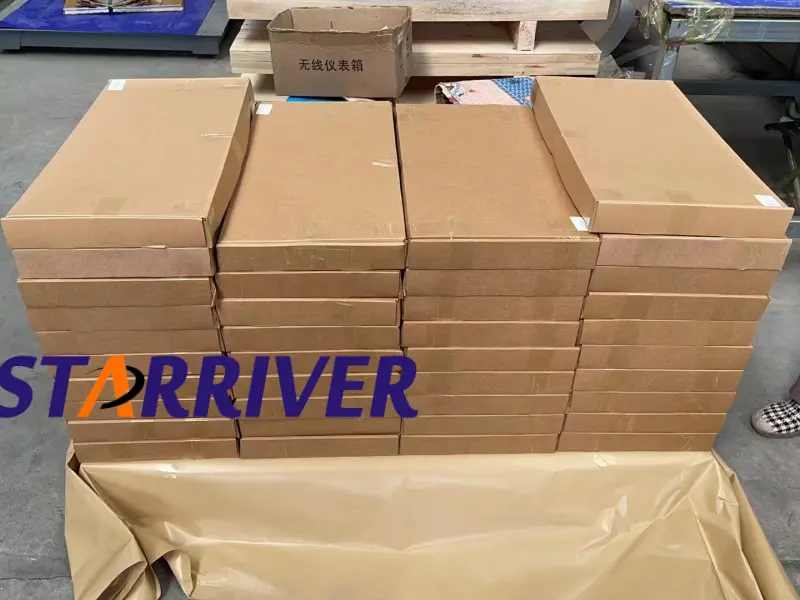
Printing blanks are usually packed to prevent scratches and bending.
Common packing methods:
- Protective film on surface
- Paper interleaving
- Wooden pallet packing
- Custom export cartons
Safe packing ensures the blanks arrive ready for printing.
How to Choose the Right Blank for Printing
Before buying printing blanks, consider the following factors:
- Printing method (sublimation, UV, screen)
- Required size and thickness
- Indoor or outdoor use
- Surface finish preference
- Order quantity
Choosing the right blanks helps improve print quality and production speed.
On Blank for Printing Projects
Blanks for printings are essential materials for modern printings businesses. With the right material, size, and surface finish, you can achieve high-quality, professional results.
Aluminum blanks for printings stand out for their durability, color performance, and wide application range. They are a smart choice for photo printing, signage, and customized products.
By selecting reliable printing blanks, your printing projects can achieve better value, better quality, and better customer satisfaction.
FAQ About Blanks for Printing
Here are the answers to the most common questions our customers ask about our products.
What is the best metal alloy for dye sublimation printing?
Aluminum is the absolute best alloy for dye sublimation. It absorbs and holds heat evenly across its entire surface during the press process. This ensures consistent color transfer without hot or cold spots. We recommend Aluminum 1050 or 3003 with a specialized high-gloss polyester coating for the brightest color payoff.
Can I use aluminum printing blanks outdoors without them rusting?
Yes, aluminum is highly resistant to weather. It does not rust like iron or steel. When exposed to air, aluminum naturally forms a thin protective oxide layer that stops deeper corrosion. For extreme outdoor environments like coastal roads, we recommend using Aluminum 3003 or 5052 alloys.
Do these printing blanks come with a protective film?
Yes. To protect the smooth surfaces from scratches and dirt during cutting, packaging, and transit, we apply a thin PE (polyethylene) protective film to one or both sides of each blank. You simply peel this plastic film off right before you start the printing process.
Can I cut or drill these blanks after they are printed?
Yes, you can cut or drill aluminum and brass blanks after printing if you use sharp tools and handle them gently. However, we highly recommend purchasing blanks that are already pre-cut to your final shape and have pre-drilled holes. This prevents the printed ink or coating from cracking or chipping along the cut edges.
How do I clean metal blanks before printing?
For sublimation blanks, you do not need to clean them if you peel the protective film off immediately before printing. For raw UV printing blanks, wipe the metal surface with high-purity isopropyl alcohol and a lint-free microfiber cloth. This removes skin oils, fingerprints, and storage dust, which dramatically improves ink adhesion.
Do you support custom dimensions and shapes?
Yes, we provide full customization services. We can cut sheet metals to any specific length (l), width (w), or thickness (t) you require. We can also drill holes of any diameter, round the corners to your desired radius, and stamp out custom geometric shapes.
Leave a Reply
You must be logged in to post a comment.