
Sublimation Aluminum Sheet vs Steel Sheet: Which Metal Delivers Better Prints
Choosing between Sublimation Aluminum Sheet vs Steel Sheet is a common decision for print shops, photographers, and gift makers.
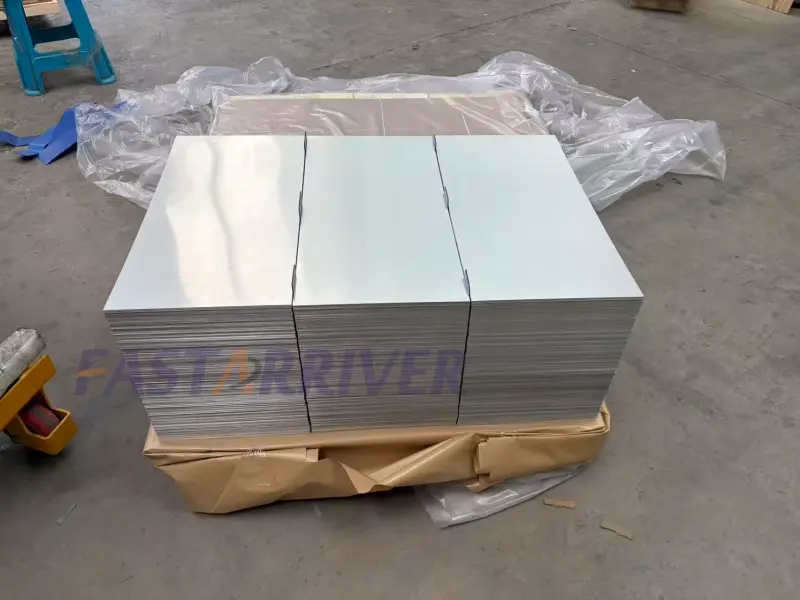
Aluminum dominates the sublimation market for good reasons. It is light, heats fast, and costs less. Steel has its own strengths. It resists dents and scratches better. It feels more premium in the hand. Some buyers prefer steel for heavy-duty signs and industrial nameplates. The choice depends on your budget, equipment, and end use.
How Sublimation Works on Metal Surfaces
Both aluminum and steel need a special coating before sublimation. Raw metal will not accept dye-sublimation ink. The coating is usually a polyester or polymer layer that bonds with the metal. When heated to 180°C to 200°C, the ink turns to gas and penetrates this coating. After cooling, the image is locked inside.
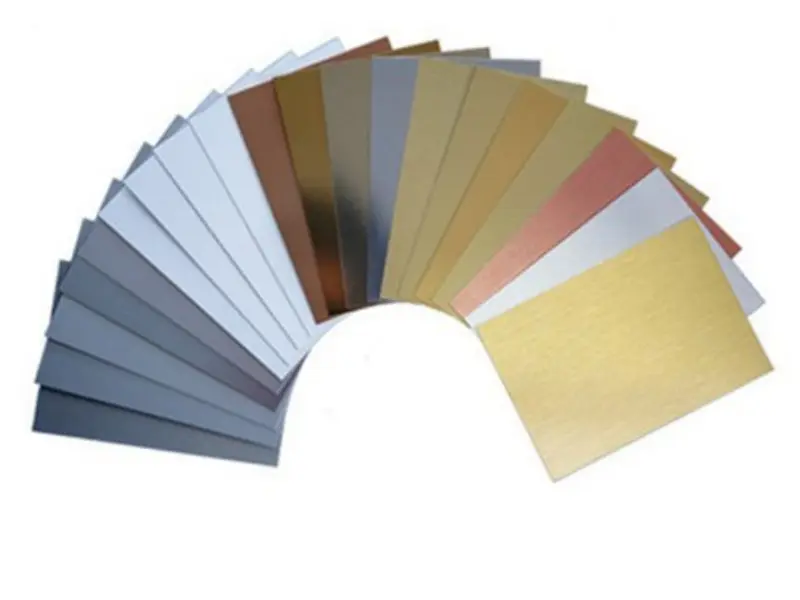
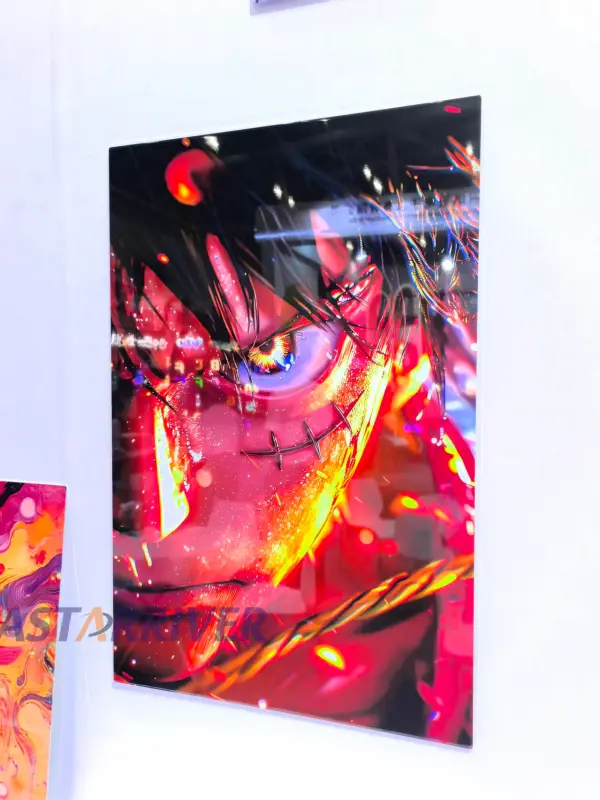
The metal itself does not absorb the ink. It acts as a rigid carrier for the coating. This means the metal properties affect heat distribution, panel weight, and durability. But the coating quality determines color vibrancy and scratch resistance.
Key Requirements for Sublimation Metal
- A polyester-based coating applied to the surface
- Ability to withstand 180°C to 200°C without warping
- Smooth surface for even ink transfer
- Dimensional stability under heat and pressure
- Corrosion resistance for long-term display
Weight Comparison: Why Aluminum Wins on Portability
Weight is the most obvious difference between these two metals. Aluminum is about one-third the weight of steel. This matters for shipping, wall mounting, and handling large panels.
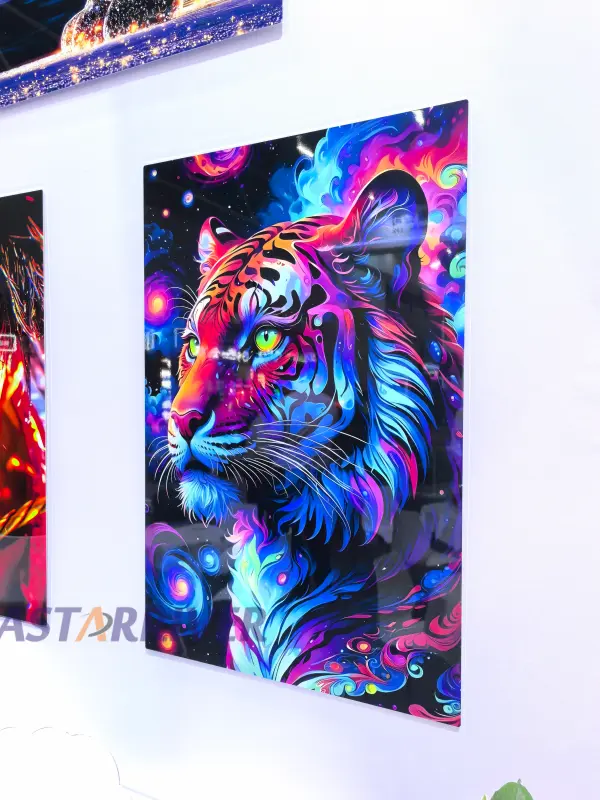
A 60×90 cm photo panel in 0.65 mm aluminum weighs about 950 grams. The same size in 0.5 mm stainless steel weighs around 2,800 grams. That is nearly three times heavier. For gallery walls with multiple panels, aluminum is easier to hang. For shipping, aluminum cuts freight costs.
Steel panels feel more substantial. Some customers associate weight with quality. For awards and trophies, the heft of steel adds perceived value. But for everyday photo panels, aluminum is the practical choice.
| Panel Size | Aluminum 0.65 mm Weight | Steel 0.5 mm Weight | Weight Difference |
|---|---|---|---|
| 10×15 cm | 26 g | 78 g | Steel is 3× heavier |
| 20×30 cm | 105 g | 315 g | Steel is 3× heavier |
| 30×40 cm | 210 g | 630 g | Steel is 3× heavier |
| 40×60 cm | 420 g | 1,260 g | Steel is 3× heavier |
| 60×90 cm | 950 g | 2,800 g | Steel is 2.9× heavier |
Heat Conductivity: How It Affects Print Quality
Heat conductivity determines how evenly the panel warms during pressing. Aluminum conducts heat about four times faster than steel. This means aluminum panels reach the target temperature quickly and evenly. Hot spots are rare. Color transfer is consistent across the whole surface.
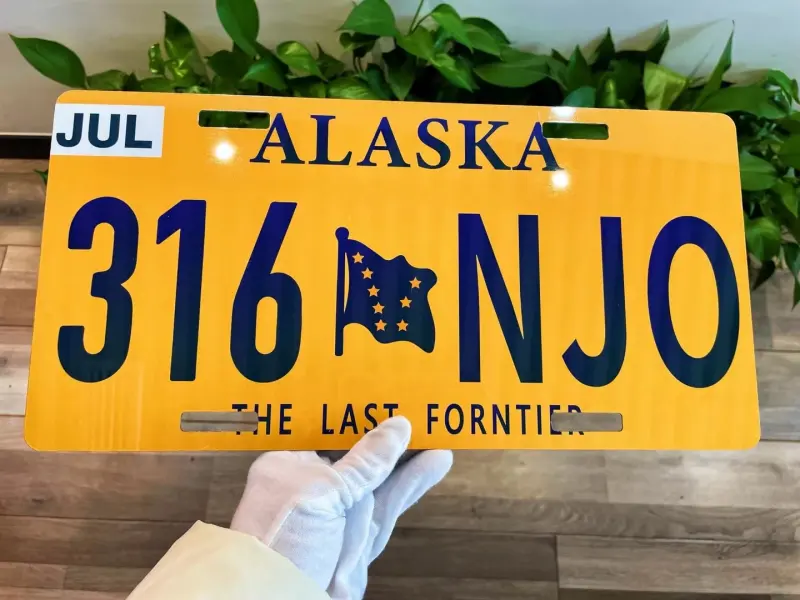
Steel heats more slowly. The center of a large steel panel may lag behind the edges. This can cause color shifts or incomplete transfer. You may need longer press times or higher temperatures for steel. But too much heat can damage the coating.
For small items like keychains and tags, the difference is minor. For large wall panels over 40×60 cm, aluminum gives more reliable results.
| Property | Aluminum | Steel (Stainless 304) |
|---|---|---|
| Thermal Conductivity | 237 W/(m·K) | 16 W/(m·K) |
| Heat-Up Speed | Fast, even heating | Slower, uneven heating |
| Recommended Press Temp | 385–400°F (196–204°C) | 380°F (193°C) |
| Recommended Press Time | 45–90 seconds | 60–80 seconds |
| Risk of Hot Spots | Low | Moderate on large panels |
Alloy Types: What Each Metal Offers
Both aluminum and steel come in many grades. The alloy affects surface quality, strength, corrosion resistance, and cost.
Common Aluminum Alloys for Sublimation
1050 is the most popular alloy for sublimation blanks. It is 99.5% pure aluminum. The surface is smooth and accepts coating well. It is also the cheapest option. 1100 is similar but slightly less pure. It is widely available and works for most applications.
3003 adds manganese for extra strength. It resists warping in large panels. 5052 adds magnesium for even higher strength. It is used for outdoor signs and marine applications. 5005 sits between 3003 and 5052 in performance and price.
Aluminum Alloy Comparison
| Alloy | Purity / Key Element | Tensile Strength | Best Use |
|---|---|---|---|
| 1050 | 99.5% Al | 60 – 95 MPa | Budget photo panels, small gifts |
| 1060 | 99.6% Al | 55 – 90 MPa | Premium smooth surface panels |
| 1100 | 99.0% Al | 75 – 110 MPa | General purpose blanks |
| 3003 | 1.0–1.5% Mn | 95 – 135 MPa | Large panels, outdoor signs |
| 5005 | 0.8% Mg | 120 – 170 MPa | Medium strength outdoor use |
| 5052 | 2.5% Mg | 170 – 215 MPa | Heavy-duty signs, marine |
Common Steel Types for Sublimation
304 stainless steel is the standard for sublimation steel blanks. It contains 18% chromium and 8% nickel. This gives it excellent corrosion resistance. The surface is harder than aluminum and resists scratches better.
316 stainless steel adds molybdenum for even better corrosion resistance. It is used in coastal or chemical environments. 430 stainless steel is magnetic and costs less. It is used for refrigerator magnets and magnetic signs. Carbon steel is rarely used for sublimation because it rusts without heavy coating.
Steel Type Comparison
| Steel Type | Key Elements | Corrosion Resistance | Best Use |
|---|---|---|---|
| 304 Stainless | 18% Cr, 8% Ni | Very good | Standard sublimation steel blanks |
| 316 Stainless | 16% Cr, 10% Ni, 2% Mo | Excellent | Coastal, marine, chemical exposure |
| 430 Stainless | 16–18% Cr | Good | Magnetic signs, budget blanks |
| Galvanized Steel | Zinc coating | Moderate | Outdoor signs, budget options |
Surface Finish and Coating Options
Both metals can carry the same types of sublimation coatings. But the base metal affects how the coating looks and performs.
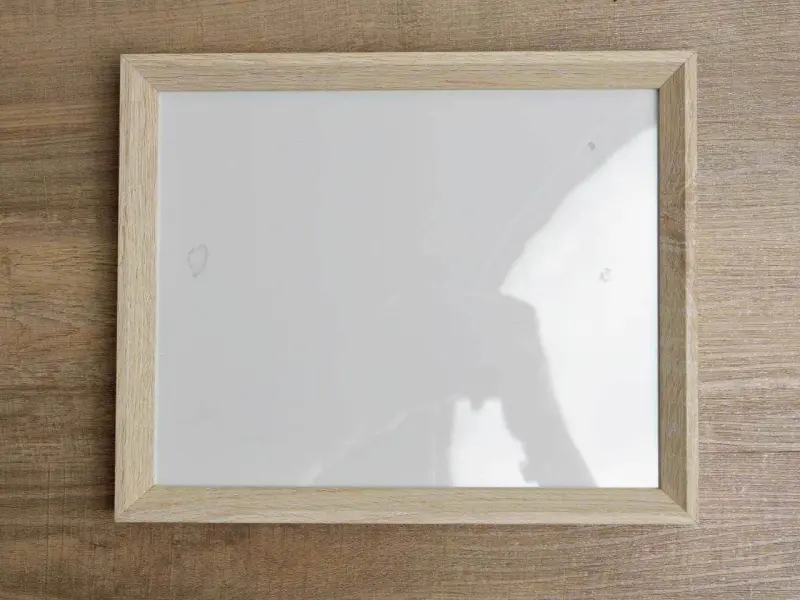
White Glossy Coating
This is the most common finish for both metals. On aluminum, the white looks bright and pure because the base metal is light-colored. On steel, the darker base can slightly dull the white. The difference is subtle but visible when panels are side by side.
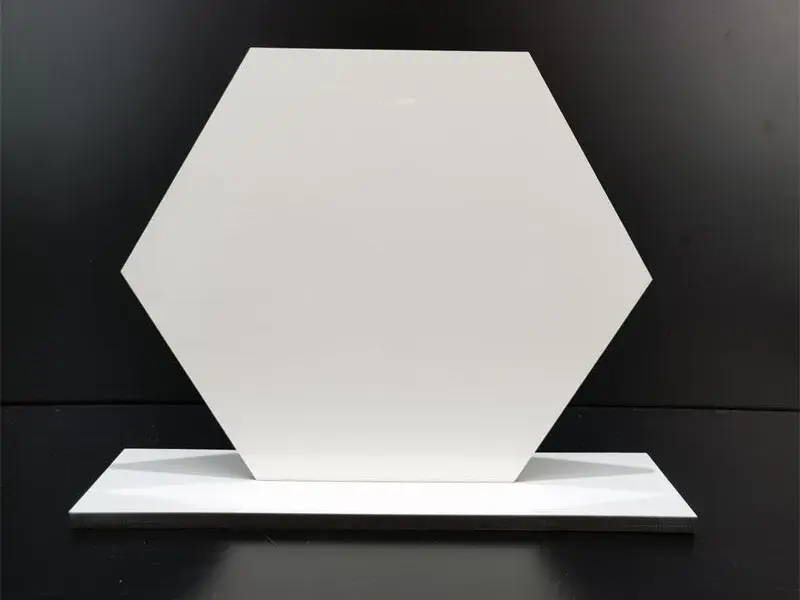
White Matte Coating
Matte finish reduces glare on both metals. Aluminum matte panels feel slightly warmer to the touch. Steel matte panels feel cooler and harder. Both work well under bright lights.
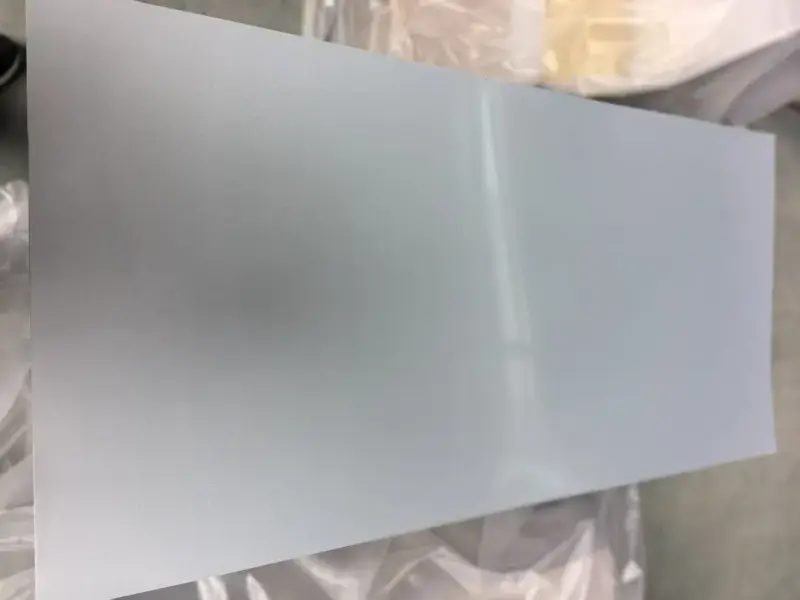
Silver and Clear Coating
Clear coating on aluminum shows the natural silver of the metal. The result is bright and reflective. On steel, clear coating shows a darker, grayer base. The metallic effect is less pronounced. For mirror-like silver prints, aluminum is the better choice.
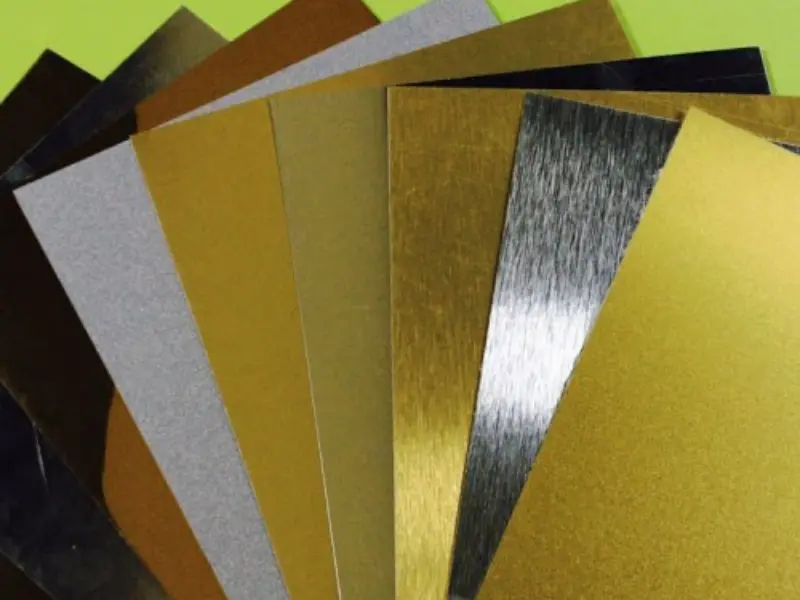
Brushed and Textured Finishes
Brushed aluminum has a soft, satin look. Brushed steel looks more industrial and rugged. Both hide fingerprints well. Steel brushed finishes feel more scratch-resistant in daily use.
Gold and Specialty Finishes
Gold coating over aluminum gives a warm, bright tone. Over steel, the tone is deeper and richer. Some buyers prefer the steel gold for awards and luxury items. Others prefer the aluminum gold for photo panels because it makes skin tones look warmer.
| Finish Type | On Aluminum | On Steel |
|---|---|---|
| White Glossy | Bright, pure white | Slightly duller white |
| White Matte | Warm, soft look | Cool, crisp look |
| Silver / Clear | Bright, highly reflective | Darker, less reflective |
| Brushed | Soft satin appearance | Industrial, rugged look |
| Gold | Warm, bright tone | Deep, rich tone |
| Mirror | Very high reflectivity | High reflectivity, harder surface |
Durability and Long-Term Performance
Both metals produce prints that last decades indoors. But their physical durability differs.


Scratch Resistance
Steel wins on scratch resistance. The harder surface resists keys, coins, and cleaning cloths better than aluminum. For items that will be handled daily, like luggage tags or keychains, steel holds up longer. For wall art that stays untouched, aluminum is fine.
Dent Resistance
Steel also resists dents better. A steel panel dropped on a hard floor may survive with no mark. An aluminum panel of the same thickness may dent. Thicker aluminum, like 1.0 mm or 1.5 mm, reduces this gap.
Corrosion Resistance
Both metals resist corrosion well. Aluminum forms a natural oxide layer that protects it. Stainless steel resists rust through its chromium content. In coastal areas with salt air, 316 stainless steel outperforms aluminum. In normal indoor conditions, both last equally well.
UV and Fade Resistance
The coating, not the metal, determines fade resistance. Quality polyester coatings on either metal resist UV for 15 to 20 years outdoors. Cheap coatings fade faster regardless of the base metal. Always ask your supplier for UV test data.
Fire Resistance
Aluminum melts at 660°C. Steel melts at around 1,400°C. In a fire, steel panels survive longer. But sublimation coatings degrade well below these temperatures. For fire safety, the coating is the weak point on both metals.
| Durability Factor | Aluminum | Steel | Winner |
|---|---|---|---|
| Scratch Resistance | Moderate | High | Steel |
| Dent Resistance | Low to moderate | High | Steel |
| Corrosion Resistance (indoor) | Excellent | Excellent | Tie |
| Corrosion Resistance (coastal) | Good | Very good (316 grade) | Steel |
| UV Fade Resistance | Depends on coating | Depends on coating | Tie |
| Fire Resistance | Melts at 660°C | Melts at 1,400°C | Steel |
| Impact Resistance | Lower | Higher | Steel |
Cost Comparison: Budget Impact for Print Shops
Cost is often the deciding factor. Aluminum blanks cost less than steel blanks across all sizes. The difference ranges from 30% to 60% depending on the alloy and finish.
Raw aluminum costs about $2,500 to $3,000 per metric ton. Raw stainless steel costs $3,500 to $5,000 per metric ton. The coating process adds similar cost for both metals. But the base material gap remains.
Shipping also favors aluminum. A box of 50 aluminum panels weighs less than a box of 50 steel panels. Freight costs drop. Storage is easier. Handling requires less effort.
For premium projects where cost is not the main concern, steel adds perceived value. Customers may pay more for a steel award or plaque. But for high-volume photo panels, aluminum keeps margins healthy.
| Cost Factor | Aluminum | Steel |
|---|---|---|
| Raw Material Cost | Lower | Higher |
| Coated Blank Cost (20×30 cm) | $2 – $4 | $4 – $8 |
| Shipping Cost per Panel | Lower | Higher (3× weight) |
| Storage Space | Less (lighter stacks) | More (heavier stacks) |
| Breakage Risk | Higher (dents easier) | Lower |
| Customer Perceived Value | Moderate | High |
Product Types: What Each Metal Is Best For
Different applications favor different metals. Here is how the two compare across common product categories.

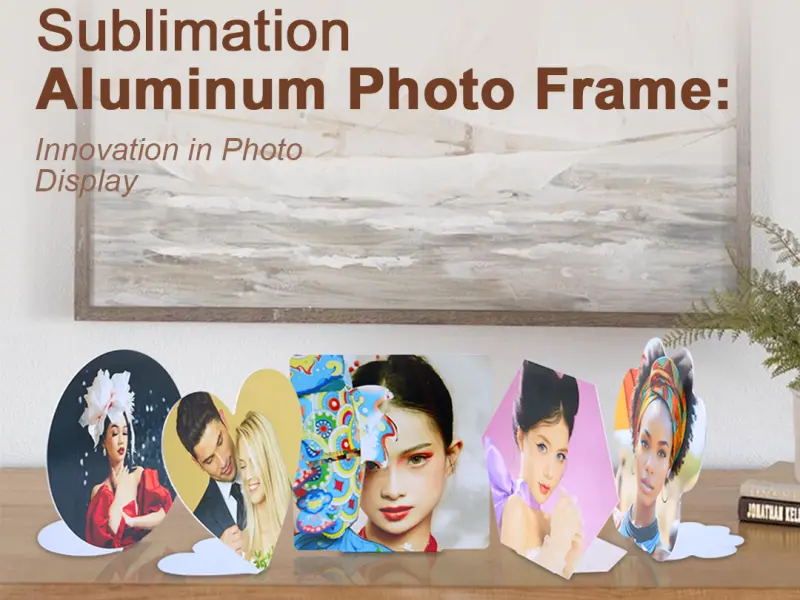
Photo Panels and Wall Art
Aluminum is the clear winner. It is light, easy to hang, and heats evenly for consistent color. Most gallery prints and home decor panels use 0.45 mm to 0.65 mm aluminum. Steel is rarely used for large wall art because of weight.
Awards and Trophies
Steel has an edge here. The extra weight feels more prestigious. A steel plaque on a desk makes a stronger impression than aluminum. Many award makers use 0.5 mm to 1.0 mm stainless steel for trophies and recognition plaques.
Keychains and Small Gifts
Aluminum dominates this market. The low cost allows competitive pricing. The light weight makes keychains comfortable to carry. Steel keychains exist but cost more and feel heavier in a pocket.
Business Cards and Name Cards
Both metals work. Aluminum cards are more common because they are cheaper and easier to produce in bulk. Steel cards stand out as premium items. Some executives prefer the heft of a steel business card.
Outdoor Signs and Nameplates
Steel performs better in harsh weather. 316 stainless steel resists salt air and chemical exposure. Aluminum works for mild outdoor conditions but may pit in coastal areas over time. For marine nameplates, steel is the safer choice.
Industrial Labels and Equipment Tags
Steel is the standard for industrial applications. It survives abrasion, chemicals, and high temperatures. Aluminum tags are used where weight matters, such as on aircraft or racing equipment.
Refrigerator Magnets
Steel wins because it is magnetic. 430 stainless steel or galvanized steel can hold a magnet directly. Aluminum needs a separate magnetic backing glued to the rear. Steel magnet blanks are simpler to produce.
Kitchen and Bathroom Decor
Both metals resist moisture. Aluminum is lighter and easier to mount on tile walls. Steel is more rigid and stays flatter in humid conditions. For backsplash panels, aluminum is more popular due to ease of installation.
| Product Type | Best Metal | Why |
|---|---|---|
| Photo panels | Aluminum | Light, easy to hang, even heating |
| Awards and trophies | Steel | Heft adds perceived value |
| Keychains | Aluminum | Low cost, light weight |
| Business cards | Both | Aluminum for budget, steel for premium |
| Outdoor signs | Steel (316 grade) | Better corrosion resistance |
| Industrial tags | Steel | Scratch and chemical resistant |
| Refrigerator magnets | Steel (430 grade) | Magnetic base material |
| Kitchen decor | Aluminum | Easy to mount, waterproof |
Pressing and Production Differences
Your heat press setup affects which metal works better.
Heat Press Temperature
Aluminum panels press at 385°F to 400°F (196°C to 204°C). Steel panels use slightly lower temperatures, around 380°F (193°C), but need longer press times. If your press runs hot, aluminum is more forgiving. Steel coatings can yellow if overheated.
Press Time
Standard aluminum panels need 45 to 90 seconds. Steel panels need 60 to 80 seconds. The extra time compensates for slower heat conductivity. For high-volume production, the extra seconds add up. Aluminum allows faster throughput.
Pressure Settings
Both metals use medium pressure, around 35 to 40 psi. Steel needs firm, even pressure because the surface is less forgiving of gaps. Aluminum conforms slightly under pressure, which helps compensate for minor press bed irregularities.
Cooling Time
Aluminum cools faster after pressing. You can handle it sooner. Steel retains heat longer. You need to wait before peeling the transfer paper. In a busy shop, faster cooling means faster production.
| Production Factor | Aluminum | Steel |
|---|---|---|
| Press Temperature | 385–400°F (196–204°C) | 380°F (193°C) |
| Press Time | 45–90 seconds | 60–80 seconds |
| Pressure | Medium (35–40 psi) | Medium (35–40 psi) |
| Cooling Time | Faster | Slower |
| Production Speed | Higher | Lower |
| Error Forgiveness | Higher | Lower |
Environmental Impact and Recycling
Both metals are recyclable. Aluminum recycling uses 95% less energy than primary production. Steel recycling also saves significant energy. From a sustainability view, both are good choices.
Aluminum has a lower carbon footprint per kilogram because it melts at a lower temperature. But steel lasts longer in harsh conditions, which may reduce replacement frequency. For indoor photo panels that last decades, the difference is small.
How to Choose Between Aluminum and Steel
Use this decision guide to pick the right metal for your next project.
Choose Aluminum When
- You need light, easy-to-hang panels
- Cost control is important
- You print large wall art or gallery pieces
- You run high-volume production
- You want fast, even heat transfer
- The item will not face heavy physical abuse
Choose Steel When
- You need maximum scratch and dent resistance
- The item is an award, trophy, or premium gift
- The panel will face outdoor or marine exposure
- You need magnetic properties
- The customer values heft and perceived durability
- The item will be handled frequently
Frequently Asked Questions
Can I use the same heat press for both metals
Yes. Both aluminum and steel sublimation blanks work in standard flat heat presses. Adjust temperature and time based on the metal. Use 385°F to 400°F for aluminum and 380°F for steel. Extend press time for steel by 15 to 30 seconds.
Does steel print color better than aluminum
No. Color quality depends on the coating, not the base metal. Both metals can produce vivid, accurate colors with quality polyester coating. Aluminum may show slightly brighter whites due to its lighter base color.
Is steel safer for outdoor use
316 stainless steel is safer for coastal and chemical environments. It resists pitting and rust better than aluminum. For normal outdoor use in dry climates, aluminum with quality coating works fine.
Why do steel blanks cost more
Raw steel costs more per ton than aluminum. Steel is also harder to cut and shape. The manufacturing process takes more energy. These factors add up to a higher blank price.
Can I bend or shape sublimation steel
Steel is harder to bend than aluminum. For curved panels or formed shapes, aluminum is the better choice. If you need rigid, flat panels, steel works well. For 3D shapes, use aluminum or very thin steel.
Which metal is better for beginners
Aluminum is better for beginners. It is cheaper, lighter, and more forgiving with heat press settings. Mistakes cost less. Production is faster. Most starter kits use aluminum blanks for these reasons.
Do both metals need the same coating
Yes. Both need a polyester or polymer coating designed for sublimation. The coating formula may differ slightly between metals. Always buy blanks from a supplier who specifies the metal type on the coating.
Can I mix aluminum and steel in one project
Yes. Some creators use steel for focal pieces and aluminum for supporting elements. For example, a steel award plaque with aluminum photo inserts. Just keep press settings separate for each metal.
How do I store aluminum and steel blanks
Store both flat in a dry place. Keep them away from direct sunlight before printing. Stack with protective paper between sheets. Steel is less likely to scratch during storage because of its harder surface.
Which metal do customers prefer
Most customers do not know or care about the base metal. They judge the final print quality and appearance. For wall art, aluminum is preferred because it is easy to hang. For gifts, steel may be preferred because it feels more substantial.
Which Metal Works Best for Dye-Sub Printing
Both sublimation aluminum sheet and steel sheet produce durable, vibrant prints. Aluminum wins on cost, weight, heat conductivity, and ease of production. It is the right choice for photo panels, wall art, and high-volume gifts. Steel wins on scratch resistance, dent resistance, and perceived value. It is the right choice for awards, outdoor signs, and industrial tags.
For most print shops, aluminum should be the default stock. It covers 80% of applications at lower cost. Keep steel on hand for premium projects and harsh environments. With quality coating on either metal, your sublimation prints will look professional and last for years.
Leave a Reply
You must be logged in to post a comment.