
Why Does Sublimation Aluminum Fade Outdoors?
Sublimation on metal is beautiful. It is shiny, sharp, and modern. However, many users ask a tough question:
Why does sublimation aluminum fade outdoors?
If you hang a beautiful metal print in the sun, it might lose its color in a few months.
The Main Reason: UV Radiation and Ink Chemistry
UV Light Attack: The sun emits ultraviolet (UV) rays. These rays carry high energy. They hit the ink molecules embedded in the polymer coating.
Photodegradation: This is a fancy word for “light breaking things down.” The UV rays break the chemical bonds of the sublimation ink.
Color Loss: Once the bonds break, the color disappears. Red and yellow inks usually fade first. Blue and black last a bit longer.
Why Does Sublimation Aluminum Fade Outdoors?
Technical Specs: Choosing the Right Alloy for Outdoors
The metal base matters for structural strength. If the aluminum is too soft, it will warp in the heat. If it is the wrong alloy, it might rust or corrode near the ocean.
Comparison of Common Aluminum Alloys
| Alloy Series | Chemical Component | Outdoor Strength | Best Use |
|---|---|---|---|
| Alloy 1100 | 99% Pure Aluminum | Low | Indoor gifts and small tags. |
| Alloy 3003 | Added Manganese | Medium | Standard outdoor signage. |
| Alloy 5005 | Added Magnesium | High | Premium architectural panels. |
Understanding the “State” (Temper)
The temper tells you how hard the metal is.
- H14: This is “Half Hard.” It is the most common state for sublimation aluminum. It is easy to cut and stays flat.
- H24: This is “Annealed and Hardened.” It is better for very large outdoor signs that must face strong winds.
Product Comparison: Indoor vs. Outdoor Coatings
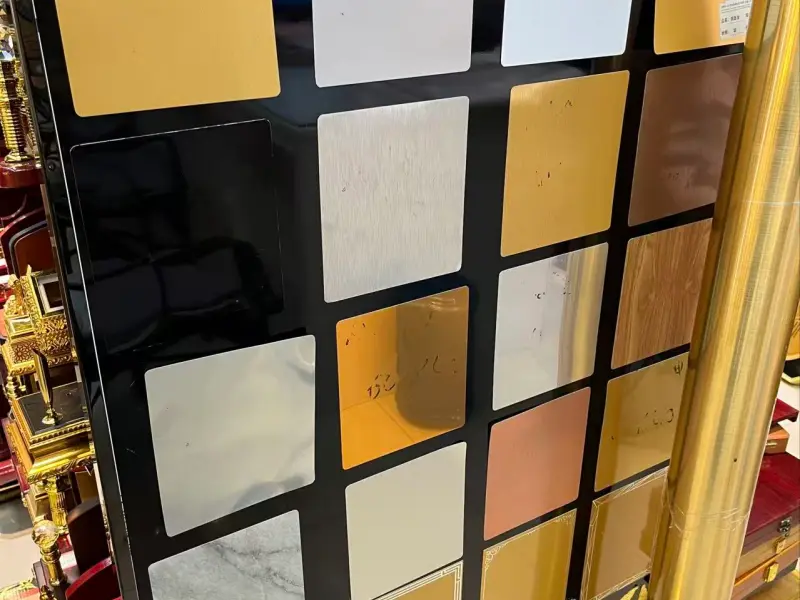
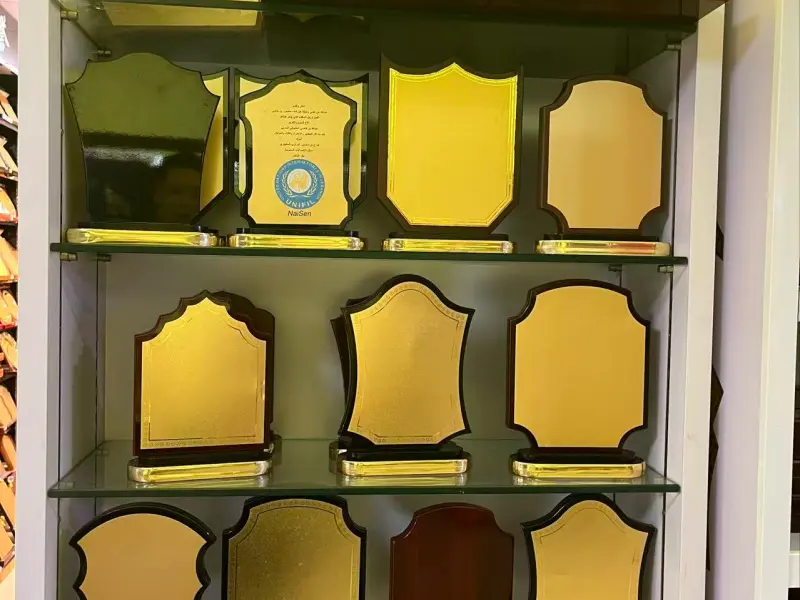
The coating is the “shield” for your image. Not all coatings are created equal.
| Feature | Standard Indoor Coating | Extended Outdoor Coating |
|---|---|---|
| UV Protection | Low (None) | High (UV Inhibitors added) |
| Finish Type | Very Glossy | Satin or Semi-Gloss |
| Lifespan (Sun) | 3−6 Months | 2−5 Years |
| Hardness | 2H−3H | 4H+ (Very Scratch Resistant) |
| Cost | Budget Friendly | Premium Price |
Different Types of Sublimation Aluminum Products
To attract more customers, you should offer different types of metal sheets. Each has a different “job” outdoors.
1. Ultra-UV White Gloss
This sheet looks like a standard photo panel. However, the polymer layer has “UV blockers” mixed in. It is designed for house numbers and garden signs.
2. Clear Silver Outdoor Grade
This is Satin Silver Sublimation Aluminum but built for the exterior. It has no white base. The metal reflects the sun, which helps keep the panel cool.
3. Perforated Aluminum Panels
These sheets have tiny holes. They are used for large building wraps. The holes allow wind to pass through so the sign doesn’t fly away.
4. Heavy-Gauge Commemorative Plates
These are very thick (1.1 mm to 1.5 mm). They are used for park benches or historical markers. They are built to survive rain, snow, and sun.
Thickness and Dimensions for Outdoor Use
Outdoor panels need to be thicker than indoor ones. Thin metal can “flutter” in the wind and eventually crack.
| Thickness (mm) | Digital Spec (Inches) | Best Application |
|---|---|---|
| 0.5 mm | 0.020″ | Small mailbox labels, garden tags. |
| 0.7 mm | 0.028″ | Standard outdoor wall art. |
| 1.1 mm | 0.045″ | Commercial signs and industrial plates. |
| 1.5 mm | 0.060″ | Large-scale murals and architectural use. |
Popular Outdoor Sizes:
- Small: 150×200 mm (6×8 inches)
- Medium: 300×450 mm (12×18 inches)
- Large: 600×900 mm (24×36 inches)
Why Does Sublimation Aluminum Fade Outdoors?
However, some customers may notice that sublimation aluminum fades after long-term outdoor exposure.
The main reason is not the aluminum itself. The fading problem usually comes from:
UV exposure from sunlight
Low-quality sublimation coating
Poor ink quality
Incorrect printing temperature
Unsuitable application environment
Understanding why sublimation aluminum fades outdoors can help customers choose the right material and improve product lifespan.
What Is Sublimation Aluminum?
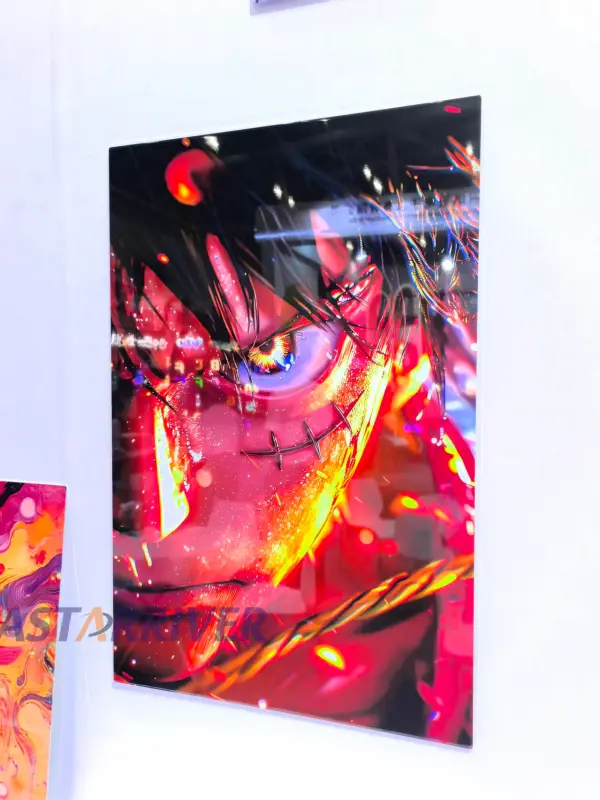
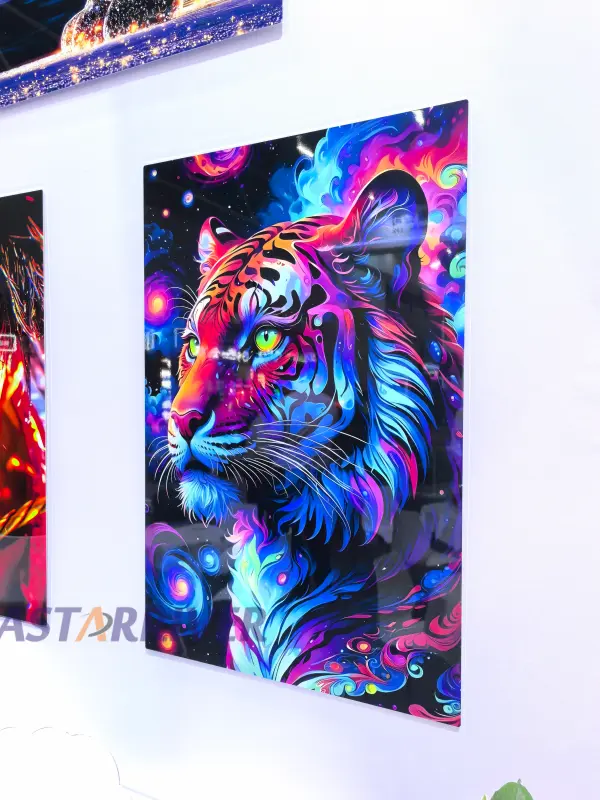
Sublimation aluminum is an aluminum sheet with a special coating designed for heat transfer printing.
During the sublimation process:
- The image is printed on sublimation paper.
- Heat transfers the ink into the coating.
- The ink becomes part of the coated surface.
This process creates a durable image with:
- High color brightness
- Smooth surface
- Scratch resistance
- Water resistance
- Easy cleaning
Common products include:
| Product | Application |
|---|---|
| Sublimation aluminum sheet | Photo printing |
| Sublimation aluminum panel | Wall decoration |
| Aluminum sign blanks | Outdoor signs |
| Metal photo panel | Personalized products |
Main Reasons Why Sublimation Aluminum Fades Outdoors
UV Radiation Damage
The biggest cause of outdoor fading is ultraviolet light.
Sunlight contains UV rays that can break down ink molecules over time.
Long-term UV exposure may cause:
- Color fading
- Loss of brightness
- Yellowing
- Image contrast reduction
UV Exposure Comparison
| Environment | UV Impact |
|---|---|
| Indoor | Very low |
| Covered outdoor area | Medium |
| Direct sunlight | High |
| Coastal outdoor area | Very high |
For outdoor sublimation aluminum, UV protection is an important factor.
Low Quality Sublimation Coating
The coating layer directly affects image durability.
A high-quality sublimation coating provides:
- Better ink absorption
- Stronger color protection
- Higher UV resistance
Poor coating may cause:
- Fast color fading
- Uneven printing
- Weak image adhesion
Coating Quality Comparison
| Feature | High Quality Coating | Low Quality Coating |
|---|---|---|
| Color retention | Excellent | Limited |
| UV resistance | Strong | Weak |
| Image clarity | High | Lower |
| Outdoor life | Longer | Shorter |
Incorrect Sublimation Printing Process
The printing process also affects outdoor performance.
Common problems include:
- Wrong temperature
- Wrong heating time
- Uneven pressure
- Poor transfer paper
Incorrect settings may result in:
- Weak color bonding
- Uneven image
- Reduced durability
How Long Does Sublimation Aluminum Last Outdoors?
The outdoor lifespan depends on many factors.
Important factors include:
- Coating quality
- Ink type
- UV exposure
- Weather conditions
- Installation location
Typical performance:
| Application | Expected Outdoor Life |
|---|---|
| Standard sublimation aluminum | 1-3 years |
| High-quality coated aluminum | 3-5 years |
| Protected outdoor installation | Longer |
For long-term outdoor projects, customers should choose materials designed for exterior use.
Sublimation Aluminum vs Other Outdoor Printing Materials
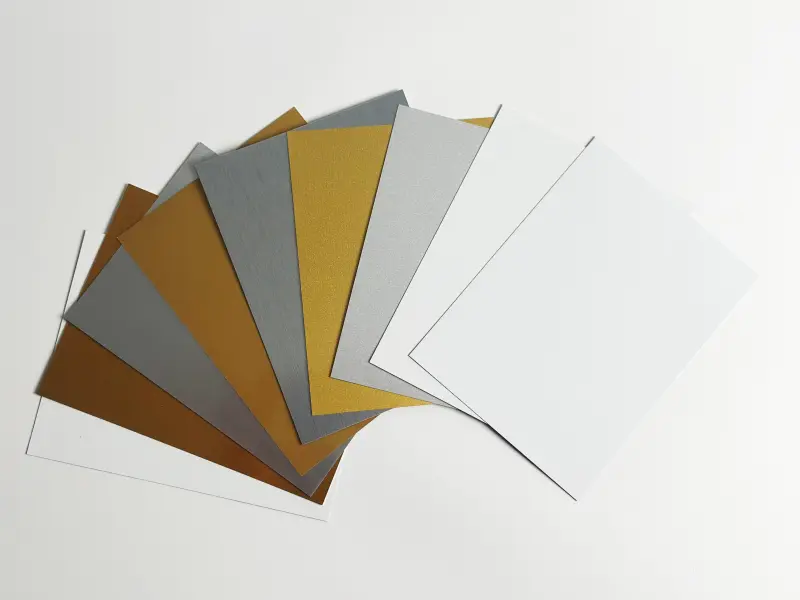
Sublimation Aluminum vs PVC Board
| Feature | Sublimation Aluminum | PVC Board |
|---|---|---|
| Strength | High | Medium |
| Water resistance | Excellent | Good |
| Outdoor durability | Better | Medium |
| Surface quality | Premium | Normal |
| UV performance | Better | Depends on material |
Aluminum provides better long-term stability for outdoor applications.
Sublimation Aluminum vs Acrylic
| Feature | Aluminum | Acrylic |
|---|---|---|
| Weight | Lightweight | Medium |
| Impact resistance | High | Lower |
| Metal appearance | Yes | No |
| Outdoor performance | Excellent | Good |
Sublimation Aluminum vs Traditional Ink Printing
| Feature | Sublimation Aluminum | Traditional Printing |
|---|---|---|
| Image bonding | Inside coating | Surface layer |
| Scratch resistance | High | Lower |
| Color stability | Better | Depends on ink |
| Cleaning | Easy | More sensitive |
Which Sublimation Aluminum Is Better for Outdoor Use?
Outdoor Grade Sublimation Aluminum Sheet
Outdoor applications require higher-quality materials.
Recommended features:
- UV-resistant coating
- Durable surface layer
- High-quality sublimation ink
- Weather-resistant aluminum base
Recommended Aluminum Alloys for Outdoor Sublimation
Different alloys provide different performance.
| Alloy | Characteristics | Application |
|---|---|---|
| 1050 | Excellent surface quality | Decorative panels |
| 1060 | Good printing surface | Photo panels |
| 3003 | Higher strength | Outdoor signs |
| 5052 | High durability | Harsh environments |
Best Surface Finishes for Outdoor Sublimation Aluminum
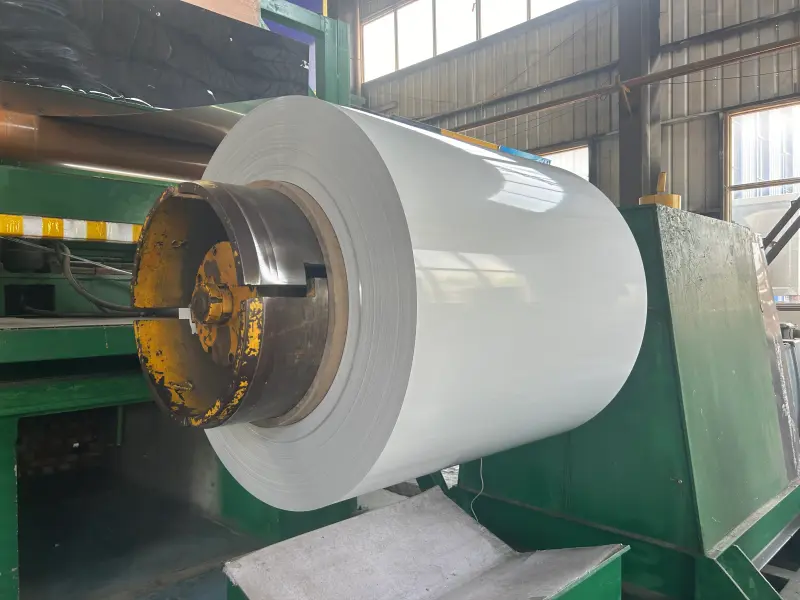
White Glossy Sublimation Aluminum
White glossy panels are popular because they provide:
- Bright colors
- High contrast images
- Smooth appearance
Applications:
- Advertising signs
- Outdoor displays
- Photo panels
Matte Sublimation Aluminum
Matte surfaces reduce reflection.
Advantages:
- Better viewing under strong light
- Professional appearance
- Less glare
Applications:
- Museum displays
- Office signs
- Premium artwork
Brushed Aluminum Sublimation Panels
Brushed aluminum provides a metallic background effect.
Applications:
- Awards
- Nameplates
- Decorative products
How to Prevent Sublimation Aluminum from Fading Outdoors
Choose UV Resistant Sublimation Materials
The first step is selecting a suitable product.
Look for:
- Outdoor-grade coating
- UV-resistant surface
- Quality aluminum supplier
Use High Quality Sublimation Ink
Ink quality directly affects color life.
Better inks provide:
- Stronger color stability
- Better UV resistance
- More accurate images
Select the Right Installation Location
Installation location affects service life.
Comparison:
| Location | Fading Risk |
|---|---|
| Indoor | Very low |
| Under roof | Low |
| Partial sunlight | Medium |
| Direct sunlight | High |
Add Protective Coatings
Some applications require additional protection.
Options include:
- UV protective coating
- Clear protective layer
- Outdoor protective film
These methods can improve outdoor durability.
Outdoor Applications of Sublimation Aluminum
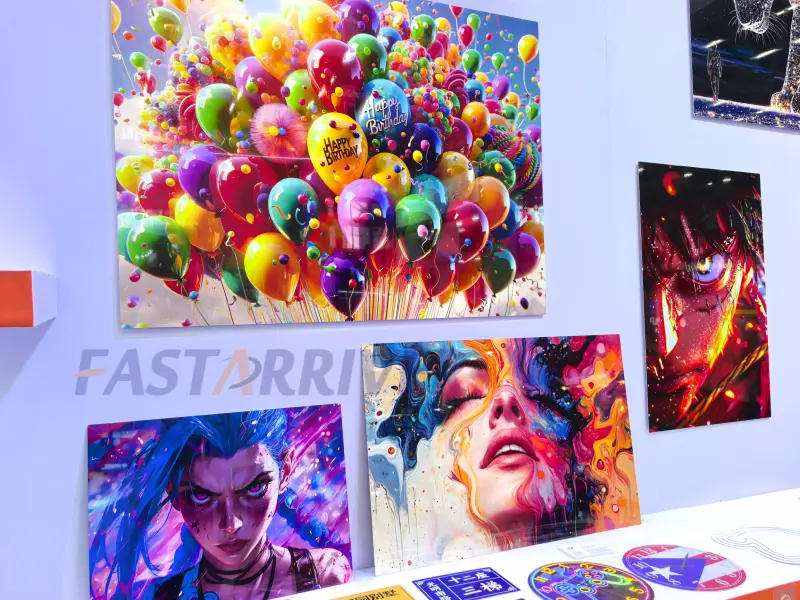
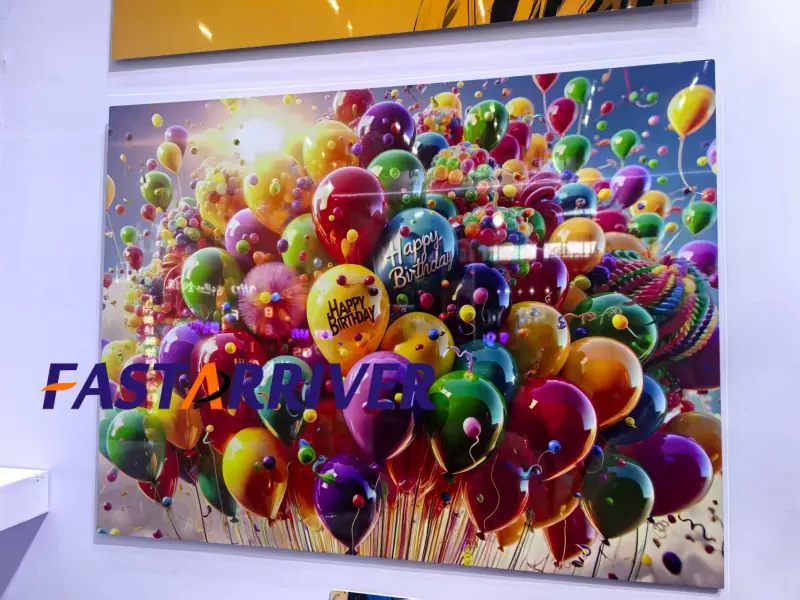
Outdoor Signs
Sublimation aluminum signs are widely used because they are:
- Lightweight
- Durable
- Easy to install
Applications:
- Business signs
- Direction signs
- Safety signs
- Information boards
Outdoor Photo Panels
Metal photo panels are popular for decoration.
Applications:
- Garden decoration
- Memorial panels
- Outdoor artwork
Advertising Displays
Businesses use sublimation aluminum for:
- Brand boards
- Exhibition displays
- Promotional signs
Advantages:
- Professional appearance
- Long service life
- Easy maintenance
Architectural Decoration
Sublimation aluminum panels can be used for:
- Building decoration
- Wall art
- Decorative facades
Choosing the Right Sublimation Aluminum for Different Applications
| Application | Recommended Material |
|---|---|
| Indoor photo panel | 0.3 mm aluminum |
| Outdoor sign | 0.5-1.0 mm aluminum |
| Large display board | 1.0 mm+ panel |
| Premium artwork | Brushed aluminum |
Sublimation Aluminum Thickness Guide
Thickness affects strength and durability.
| Thickness | Common Use |
|---|---|
| 0.2 mm | Small products |
| 0.3 mm | Photo panels |
| 0.5 mm | Signs |
| 0.8 mm | Outdoor panels |
| 1.0 mm | Heavy-duty applications |
Common Mistakes That Cause Sublimation Aluminum Fading
Using Indoor Sublimation Sheets Outdoors
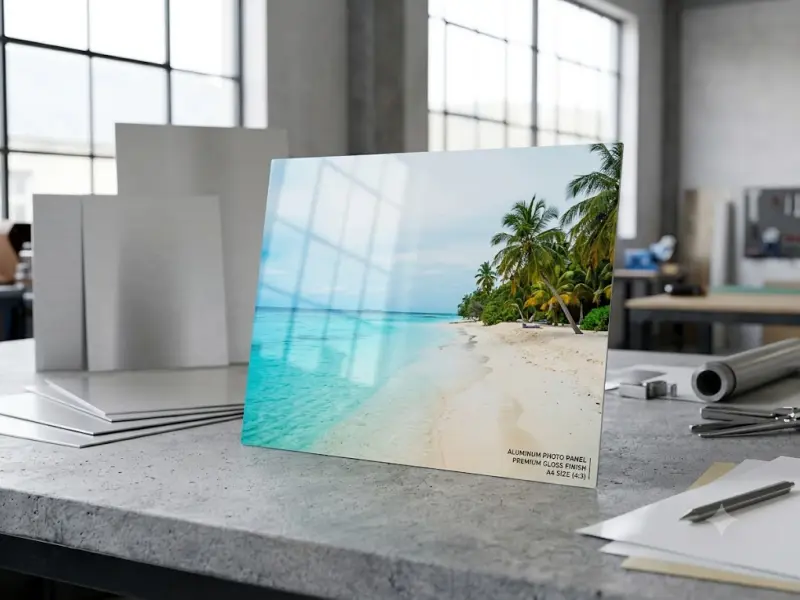
Indoor products usually have limited UV protection.
Problems:
- Faster fading
- Color changes
- Reduced service life
Choosing Low Cost Coated Aluminum
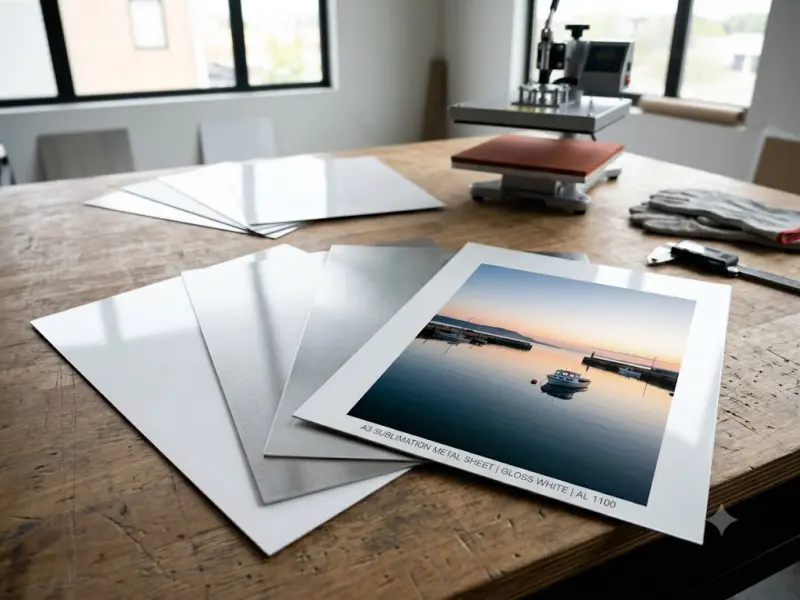
Low-price products may use:
- Thin coating
- Poor ink absorption
- Weak UV resistance
The initial cost may be lower, but replacement costs can increase.
Incorrect Heat Transfer Settings
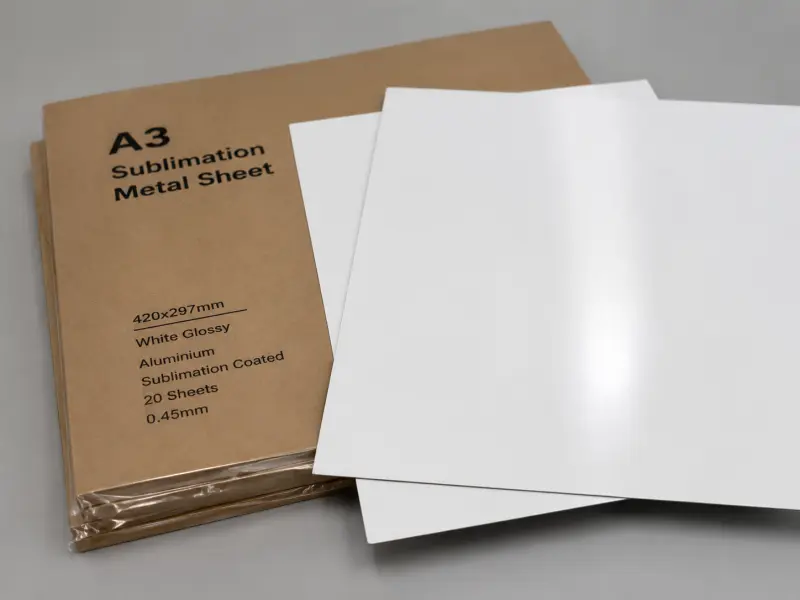
Wrong printing conditions can reduce image quality.
Common mistakes:
- Too low temperature
- Too short heating time
- Uneven pressure
How to Buy High Quality Sublimation Aluminum Sheets?
Check Coating Performance
Why Does Sublimation Aluminum Fade Outdoors?
Ask suppliers about:
- Coating thickness
- Outdoor testing
- UV resistance
Check Aluminum Quality
Important factors:
| Item | Requirement |
|---|---|
| Alloy | 1050 / 1060 / 3003 |
| Surface | Smooth and clean |
| Thickness tolerance | Accurate |
| Flatness | Good |
Choose Experienced Manufacturers
A professional sublimation aluminum supplier can provide:
- Stable quality
- Customized sizes
- Technical support
- Export experience
Applications: Where to Use Outdoor Sublimation Aluminum
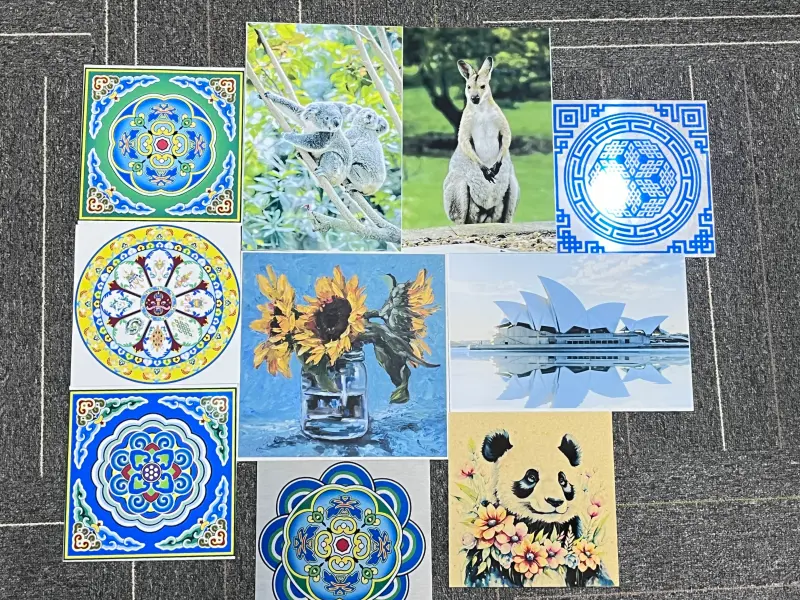
If you use the correct UV-resistant sublimation aluminum, you can sell to these markets:
- Wayfinding Signs: Maps in parks or botanical gardens.
- Memorials: Grave markers or “In Memory” plaques for benches.
- Real Estate: High-end “For Sale” signs that look better than plastic.
- Marine Labels: Instructions on boats or docks (use 5005 alloy for salt water).
- Restaurant Patios: Outdoor menus and decorative wall panels.
- Parking Signs: Custom reserved parking spots for VIPs.
4 Tips to Prevent Fading
Even with the best sublimation aluminum, you can follow these tips to help your customers:
- Use High-Quality Ink: Not all sublimation inks are UV-stable. Buy brands that are tested for outdoor use.
- Avoid Direct Midday Sun: If possible, hang the panel where it gets shade during the hottest part of the day.
- Add a Clear Laminate: Some professionals add a liquid UV-laminate spray over the finished print.
- Choose “Satin” over “Gloss”: High gloss surfaces can sometimes focus UV rays like a magnifying glass. Satin finishes are slightly more durable.
Why Buy Our Specialized Outdoor Blanks?
We understand that fading is a business killer. If your customer’s photo fades, they won’t come back. That is why we focus on quality.
- Premium UV Blockers: Our outdoor series uses a specialized coating from Europe. It blocks 95% of harmful UV rays.
- Tension-Leveled Sheets: Our aluminum is perfectly flat. This ensures the heat press makes even contact everywhere.
- Corrosion Resistance: We use 3003 and 5005 alloys. These do not rust even in rainy climates.
- Rigid Quality Control: We test our batches in “Weather-Ometers” to simulate years of sun in just a few weeks.
Why Does Sublimation Aluminum Fade Outdoors?
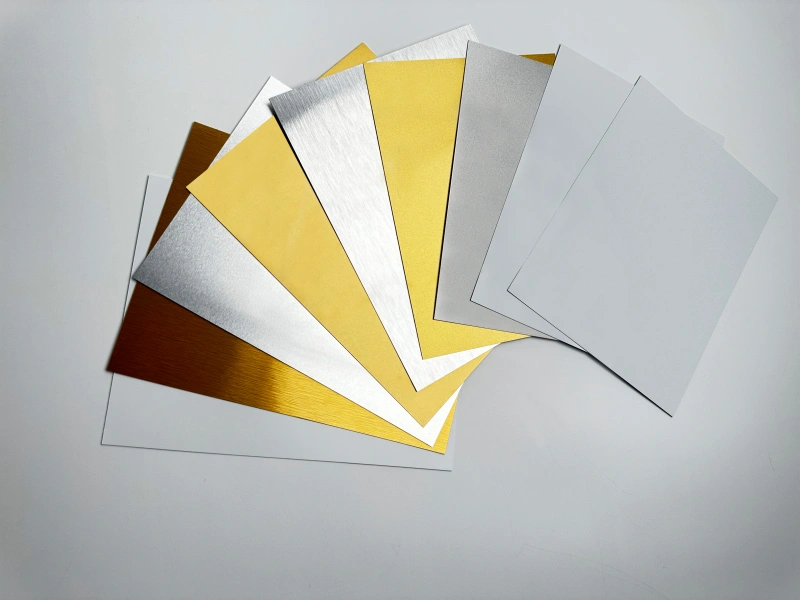
So, why does sublimation aluminum fade outdoors? It happens because standard coatings and inks aren’t built for the sun. But you can fix this. By using 5005 alloy and UV-resistant coatings, you can create metal prints that stay vibrant for years.
Don’t let the sun ruin your hard work. Choose the right thickness, the right alloy, and the right coating.
Does sublimation printing fade in the sun?
Yes, sublimation printing will fade if it is exposed to direct UV rays without protection. The sun acts like a giant bleach. It breaks the chemical bonds of the ink. However, the speed of fading depends on the type of coating on your aluminum.
| Factor | Effect on Fading | Solution |
|---|---|---|
| UV Rays | Breaks down ink molecules | Use UV-resistant coatings |
| Ink Color | Reds and Yellows fade fastest | Use high-quality UV-stable inks |
| Heat | Can cause “gas-out” over years | Choose high-density polymer layers |
| Moisture | Can cause edge peeling | Use high-quality alloys like Alloy 5005 |
Why it happens: Standard sublimation blanks are made for indoor use. They lack UV inhibitors. For outdoors, you must use specialized Outdoor Sublimation Aluminum which contains a “shield” inside the white or silver coating.
How long does sublimation last outside?
Why Does Sublimation Aluminum Fade Outdoors?
The lifespan of a print depends entirely on its environment and the grade of the aluminum sheet. A standard plate might only last 6 months, but a professional-grade panel can last years.
Expected Lifespan Comparison
| Product Type | Direct Sunlight | Shaded / North Facing |
|---|---|---|
| Standard Indoor Aluminum | 3−6 Months | 1−2 Years |
| Satin Silver (Standard) | 6−9 Months | 2 Years |
| UV-Protected White Panel | 2−3 Years | 5+ Years |
| Premium Extended Life Metal | 5+ Years | 10+ Years |
Note: If you live in a high-altitude area or a desert, fading will happen faster because the UV index is higher.
How to keep sublimation from fading?
To prevent your beautiful designs from disappearing, you need a strategy. You cannot stop the sun, but you can resist it.
- Choose the Right Base: Use Alloy 3003 or Alloy 5005. These alloys handle outdoor temperature changes better than pure aluminum.
- Use UV-Resistant Blanks: Always buy blanks specifically labeled for outdoor use. They have a thicker, more durable polymer layer.
- Apply a Top Coat: After sublimation, you can spray a clear UV-resistant lacquer or apply a cold-laminate UV film.
- Smart Placement: Advise customers to hang signs under an eave or in a spot that avoids the harsh afternoon sun.
Comparison of Protective Layers
| Method | Cost | Difficulty | Protection Level |
|---|---|---|---|
| Built-in UV Coating | Medium | Easy (Pre-applied) | High |
| UV Spray Lacquer | Low | Medium (Needs drying) | Medium |
| Over-Laminate Film | High | Hard (Risk of bubbles) | Very High |
What temperature is needed for aluminum sublimation?
Getting the temperature right is the difference between a vivid print and a dull one. Aluminum is a heat conductor, so it heats up very fast.
Standard Pressing Parameters
| Aluminum Thickness | Temperature (°C) | Temperature (°F) | Time (Seconds) |
|---|---|---|---|
| 0.45 mm / 0.018″ | 185°C – 195°C | 365°F – 385°F | 50−60 sec |
| 0.70 mm / 0.028″ | 190°C – 200°C | 375°F – 395°F | 60−80 sec |
| 1.15 mm / 0.045″ | 200°C | 395°F | 90−120 sec |
Pro Tip: Always place your transfer paper on top of the aluminum. The heat should travel through the paper into the metal. Use medium pressure to ensure the gas doesn’t escape sideways.
Product Types and Specifications
To help you choose the best material for your project, here are the different “states” and types of aluminum available for sublimation.
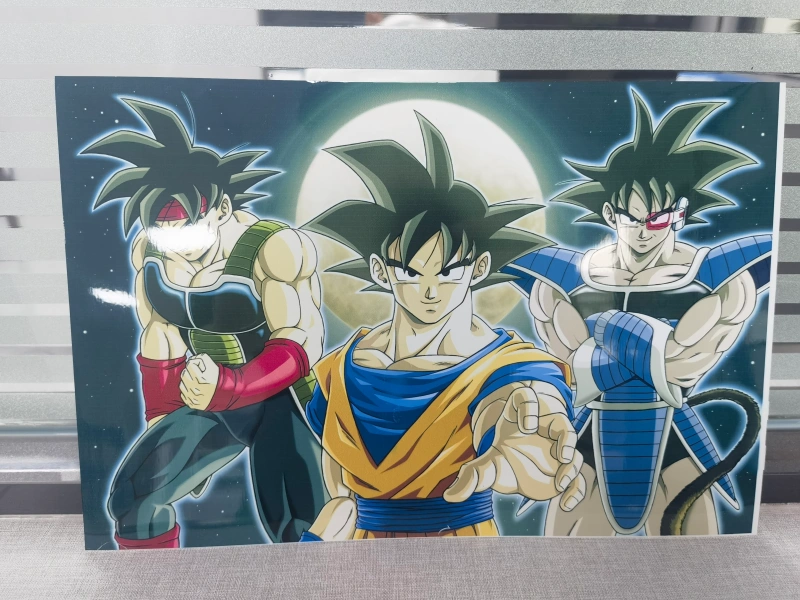
Common Metal States (Temper)
H34: Highly resistant to salt-water corrosion. Best for coastal areas.
H14 (Half Hard): The most popular. It is easy to shear and has good flatness.
H24: Harder than H14. Used for industrial signs.
Popular Surface Styles
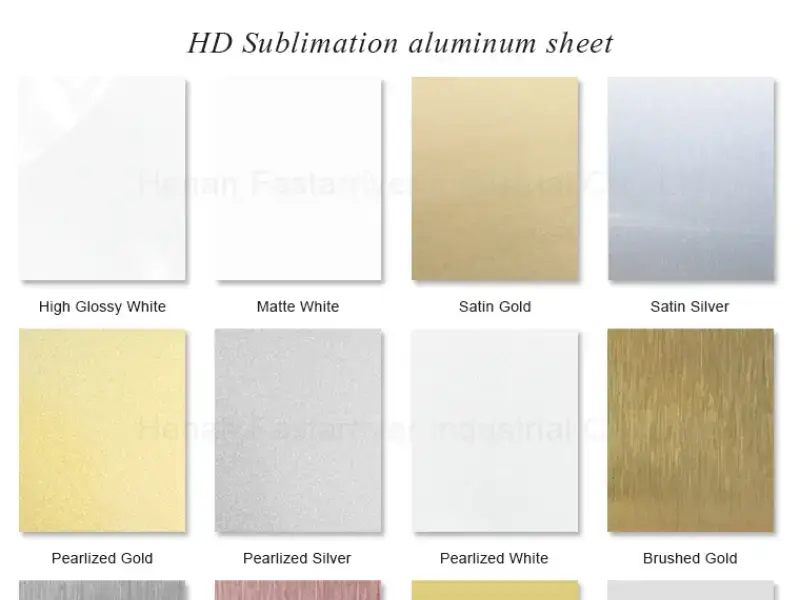
- Satin White: Best for high-detail photos without the annoying glare.
- Satin Silver: Gives a modern, “Apple-style” metallic look. Excellent for office signs.
- Brushed Silver: Features a distinct grain. Very popular for automotive plaques and industrial branding.
- Gloss White: The classic choice for vibrant, high-impact photography.
Ready to start your outdoor project? Contact us for a quote on our UV-protected aluminum sheets today!
FAQ About Sublimation Aluminum Fading Outdoors
Does sublimation aluminum fade in sunlight?
Yes, sublimation aluminum can fade after long-term sunlight exposure. The fading speed depends on coating quality, ink quality, and UV exposure.
How can I make sublimation aluminum last longer outdoors?
Use:
- Outdoor-grade sublimation aluminum
- UV-resistant coating
- High-quality ink
- Proper installation
Is sublimation aluminum waterproof?
Yes. Aluminum itself is waterproof, but outdoor durability depends on the sublimation coating and printing quality.
What is the best sublimation aluminum for outdoor signs?
Outdoor signs usually require:
- 0.5-1.0 mm thickness
- UV-resistant coating
- 3003 or 5052 aluminum alloy
Can sublimation aluminum be used outside?
Yes. High-quality sublimation aluminum panels are suitable for:
- Outdoor signs
- Advertising boards
- Decorative panels
- Display systems
Why does my sublimation print look faded?
Possible reasons include:
- Low-quality sublimation paper
- Incorrect temperature settings
- Poor coating
- Weak ink quality
How long does outdoor sublimation aluminum last?
High-quality outdoor sublimation aluminum can last several years depending on environment and maintenance.
Leave a Reply
You must be logged in to post a comment.