
Why Your Sublimation Prints Fade on Aluminum Sublimation printing on aluminum is popular in signage, photo panels, gifts, and decoration products. The colors look bright, and the surface feels smooth. But many users face one common problem: the print fades too fast.
Fading can happen because of low coating quality, wrong temperature, poor aluminum alloy selection, or outdoor exposure. Choosing the correct sublimation aluminum sheet is important for long-lasting results.
Common Reasons Sublimation Prints Fade on Aluminum
Several factors affect print life on aluminum panels.
| Problem | Main Cause | Result |
|---|---|---|
| Weak colors | Low-quality coating | Dull image |
| Yellow surface | Overheating | Burn marks |
| Fast fading outdoors | UV exposure | Loss of color |
| Uneven print | Incorrect pressure | Patchy transfer |
| Peeling surface | Poor coating adhesion | Surface damage |
Common Causes of Fading:
- UV Exposure: Sunlight breaks down the ink molecules.
- Poor Coating Quality: Cheap coatings do not “lock” the ink deeply enough.
- Incorrect Heat Settings: If the temperature is too low, the ink stays on the surface.
- Oxidation: If the aluminum alloy is not properly pre-treated, the coating may peel or yellow.
Most fading problems are related to heat transfer settings and material quality, Why Your Sublimation Prints Fade on Aluminum.
How Sublimation Works on Aluminum
Sublimation printing uses heat and pressure. The ink turns into gas and enters the coated aluminum surface.
The coating layer is very important.
Main Sublimation Process
| Step | Description |
|---|---|
| Printing | Design printed on sublimation paper |
| Heat transfer | Heat press transfers image |
| Cooling | Surface becomes permanent |
| Protection | Coating protects colors |
If the coating is weak, the image may fade quickly.
Best Aluminum Alloys for Sublimation
Different aluminum alloys perform differently during sublimation printing
Aluminum Alloy Comparison
| Alloy | Surface Quality | Strength | Common Use |
|---|---|---|---|
| 1050 Aluminum | Very smooth | Medium | Photo panels |
| 1060 Aluminum | High reflectivity | Medium | Decorative signs |
| 3003 Aluminum | Good corrosion resistance | Higher | Indoor signage |
| 5052 Aluminum | Strong and durable | High | Outdoor products |
| 6061 Aluminum | Hard surface | Very high | Industrial panels |
Why 1050 Aluminum Is Popular
1050 aluminum sheets are widely used for sublimation because:
- Smooth surface
- Good coating adhesion
- Easy cutting
- Bright image transfer
- Lightweight structure
This alloy is common for indoor display products.
Aluminum Temper and Its Effect on Printing
Temper affects flatness and strength.
| Temper | Features | Recommended Use |
|---|---|---|
| O Temper | Soft and flexible | Curved products |
| H14 | Semi-hard | Standard signs |
| H24 | Stronger surface | Durable panels |
| T6 | Hard alloy | Industrial use |
For sublimation aluminum blanks, H14 is often used because it stays flat during heat pressing.
How Thickness Affects Sublimation Results
Thickness changes heat transfer speed and panel stability.
Common Thickness Options
| Thickness | Application |
|---|---|
| 0.3 mm | Nameplates |
| 0.5 mm | Photo sheets |
| 0.7 mm | Gift products |
| 1.0 mm | Wall panels |
| 1.5 mm | Outdoor signs |
Thin sheets heat quickly but may bend easily. Thick sheets are more stable but need longer press time.
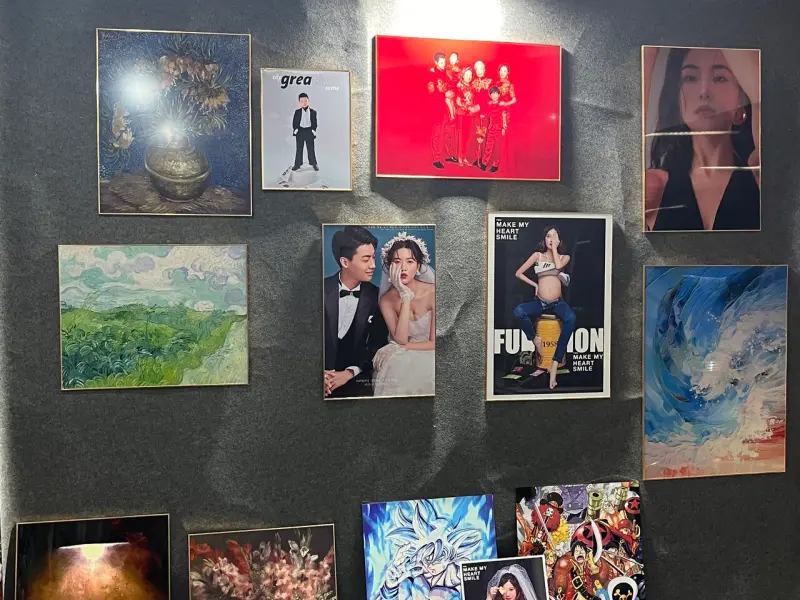
Applications of Sublimation Aluminum Sheets
Indoor vs Outdoor Sublimation Aluminum
Outdoor products fade faster because of sunlight and weather.
Performance Comparison
| Feature | Indoor Aluminum | Outdoor Aluminum |
|---|---|---|
| UV resistance | Standard | High |
| Surface coating | Normal polyester | UV-resistant coating |
| Lifespan | 2–5 years | 5–8 years |
| Cost | Lower | Higher |
Outdoor aluminum signs should use UV-resistant coating for better durability.
Heat Press Settings That Cause Fading
Wrong heat settings are one of the biggest causes of print failure.
Recommended Sublimation Settings
| Material Thickness | Temperature | Time | Pressure |
|---|---|---|---|
| 0.5 mm | 190°C | 50 sec | Medium |
| 0.7 mm | 195°C | 60 sec | Medium |
| 1.0 mm | 200°C | 70 sec | Medium-high |
Common Heat Transfer Mistakes
- Temperature too high
- Transfer time too long
- Uneven pressure
- Moisture in paper
- Dirty aluminum surface
Overheating can damage the coating layer permanently.
Types of Sublimation Aluminum Products
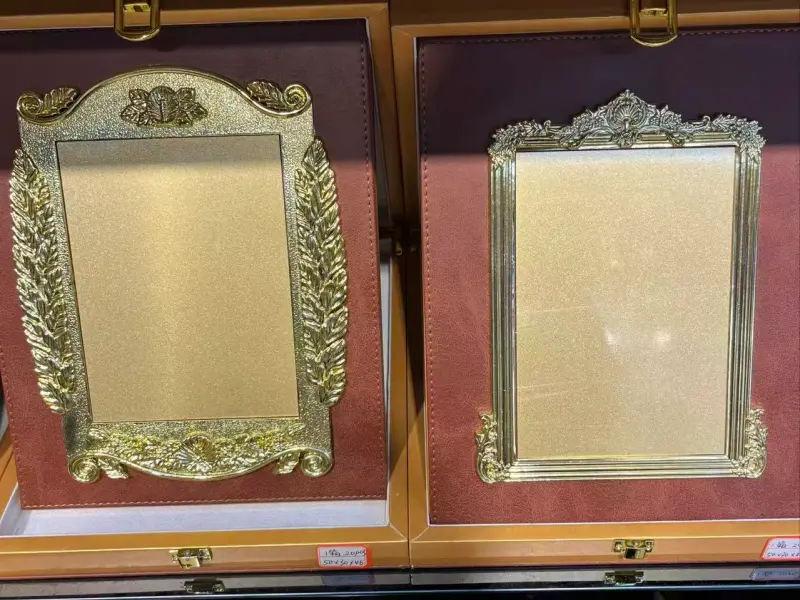
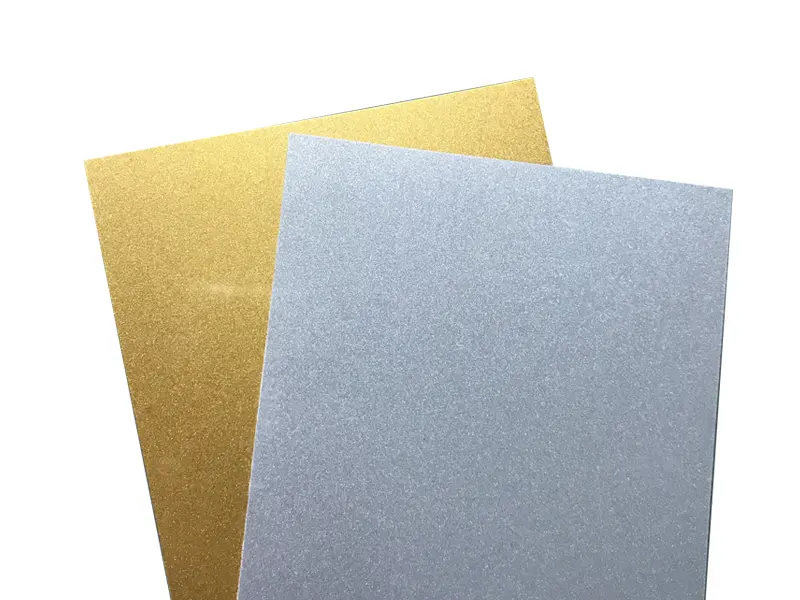
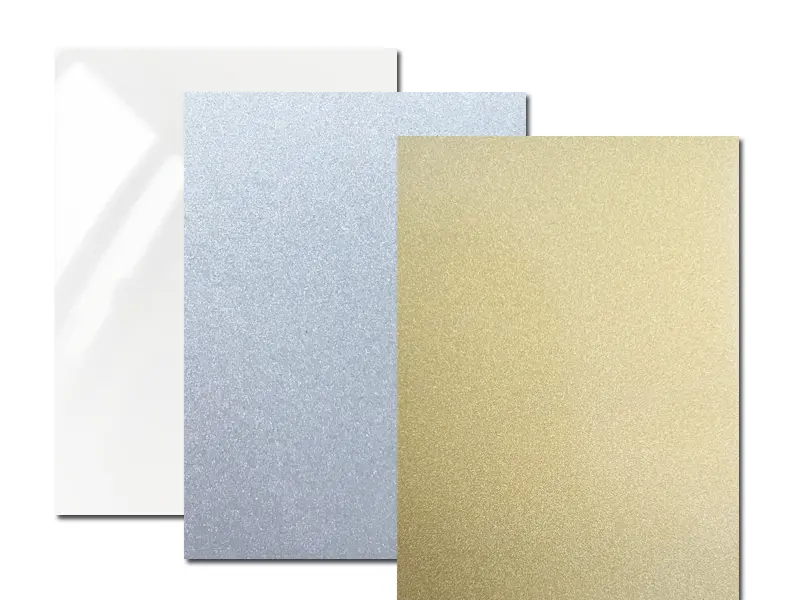
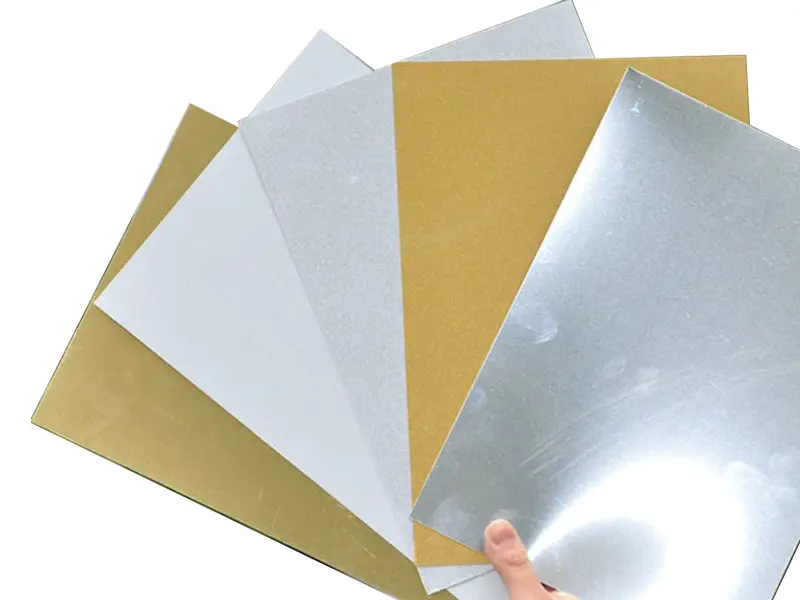
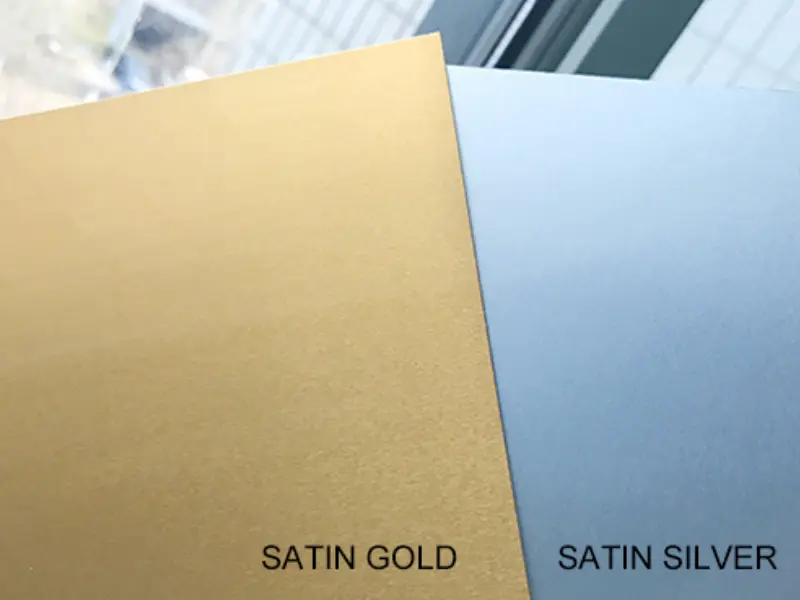
Many aluminum products support sublimation printing.
Popular Product Types
| Product Type | Typical Alloy | Surface Finish |
|---|---|---|
| Photo panels | 1050 | Glossy |
| Nameplates | 1060 | Matte |
| Metal business cards | 3003 | Brushed |
| Keychains | 5052 | Glossy |
| Wall decoration panels | 6061 | Satin |
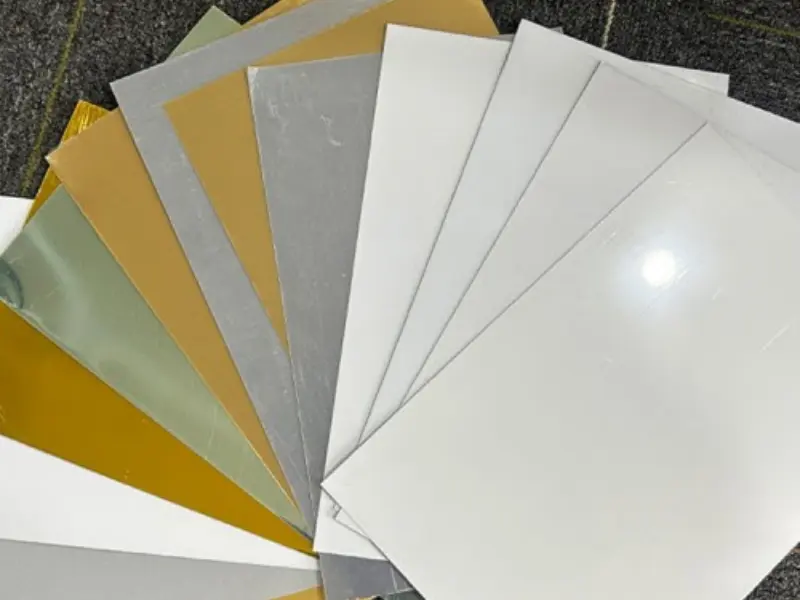
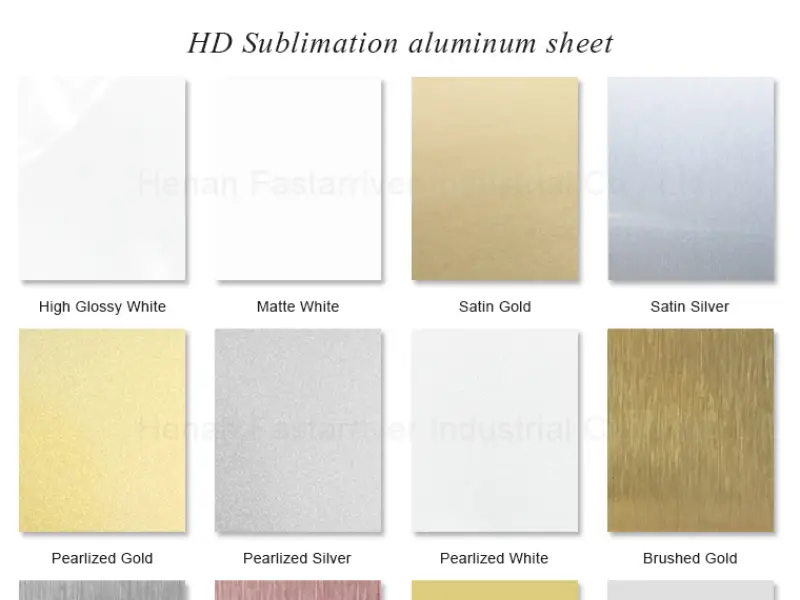
White Gloss Finish
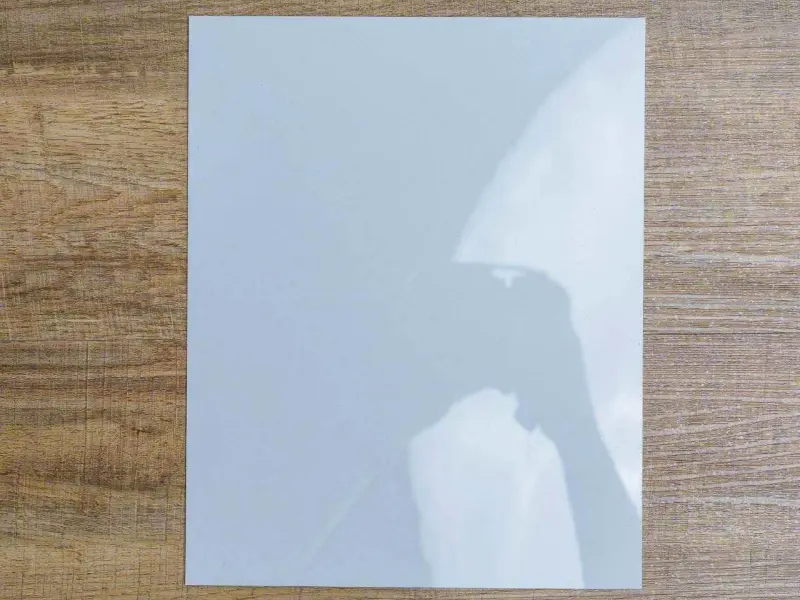
This is the most popular type. It has a white base layer that makes colors pop. It is the best choice for high-resolution photography.
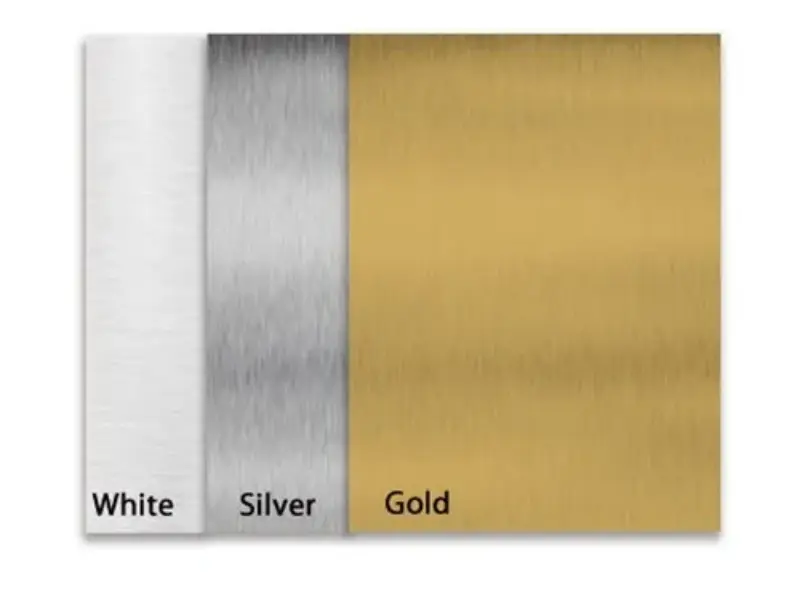
Clear/Silver Brushed Finish
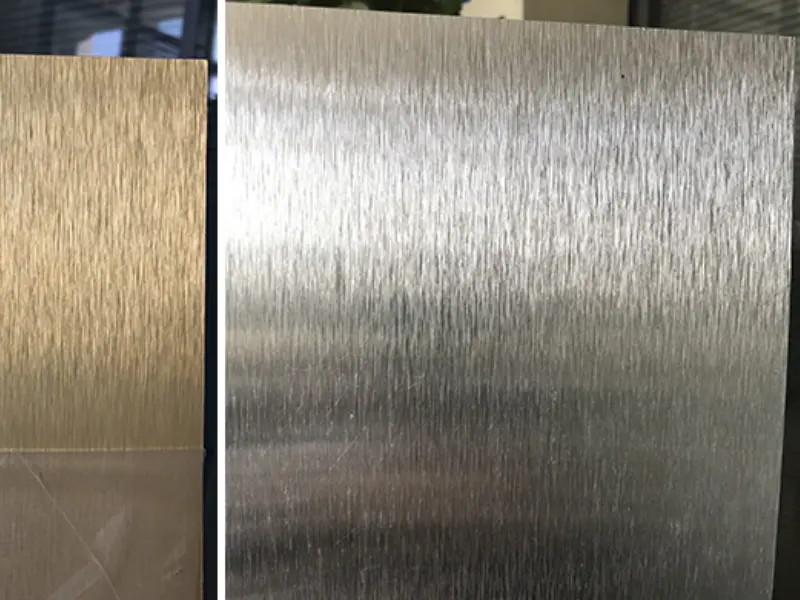
There is no white background. The silver metallic grain shows through the image. It is perfect for industrial nameplates or “cool” modern art.
Matte Finish
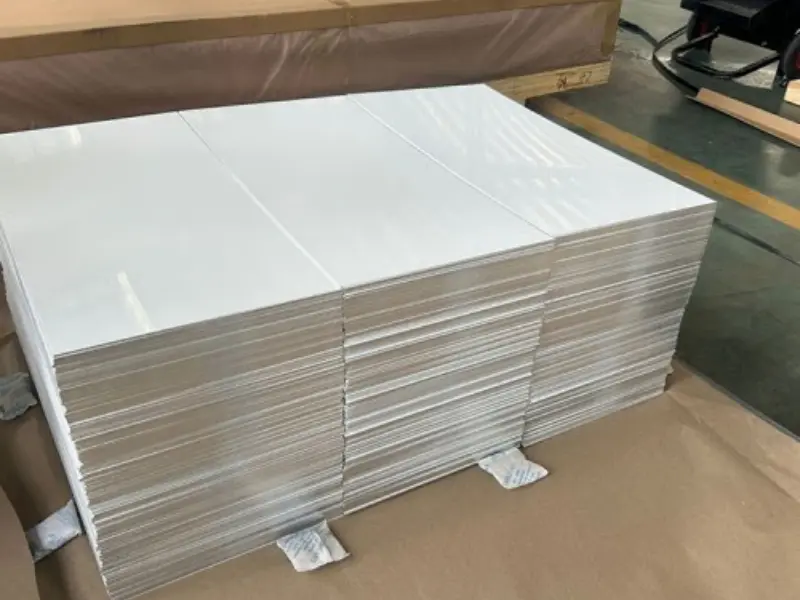
Matte surfaces do not reflect light. This is ideal for signage in bright rooms or museums where glare is a problem.
These products are used in many industries.
Glossy vs Matte Sublimation Aluminum
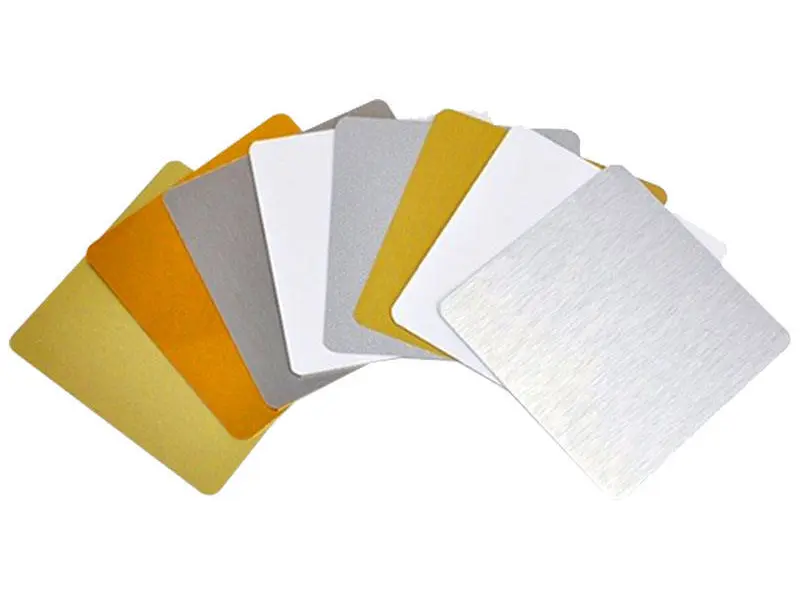
Surface finish changes the final image effect.
Surface Comparison
| Finish | Appearance | Best For |
|---|---|---|
| Glossy | Bright colors | Photos |
| Matte | Soft reflection | Office signs |
| Satin | Balanced effect | Decoration |
| Brushed | Metallic texture | Premium products |
Glossy aluminum usually gives stronger color contrast.
Coating Quality Matters
The coating layer controls image durability.
Low-Quality Coating Problems
- Fast fading
- Yellowing
- Scratches
- Uneven color
- Poor ink absorption
High-Quality Coating Advantages
- Better UV resistance
- Longer print life
- Strong color performance
- Smooth transfer
- Better scratch resistance
Professional suppliers usually use multi-layer polyester coating.
Why Cheap Aluminum Blanks Fail Faster
Low-cost sublimation blanks often use thin coating or recycled aluminum.
Common Problems With Cheap Sheets
| Problem | Result |
|---|---|
| Thin coating | Weak colors |
| Poor flatness | Ghosting effect |
| Recycled material | Uneven surface |
| Low heat resistance | Burn marks |
Good raw material improves printing stability.
Best Storage Conditions for Sublimation Aluminum
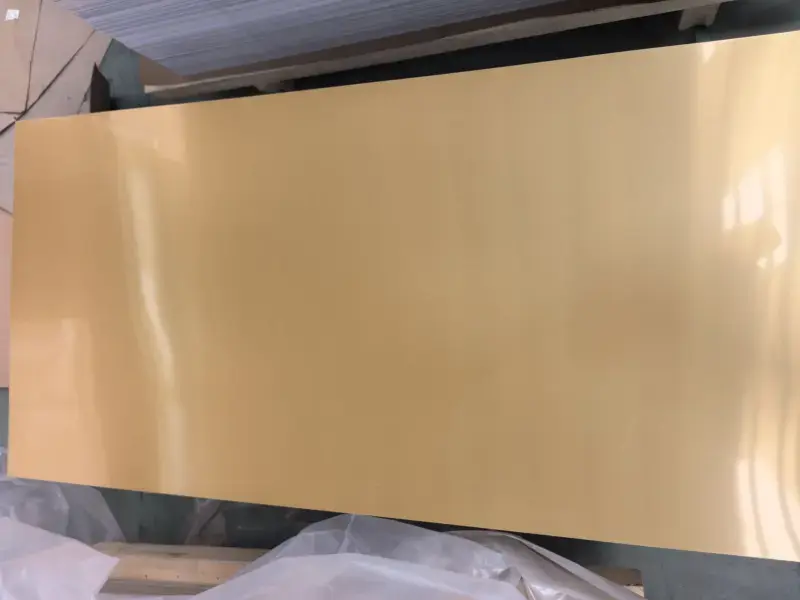
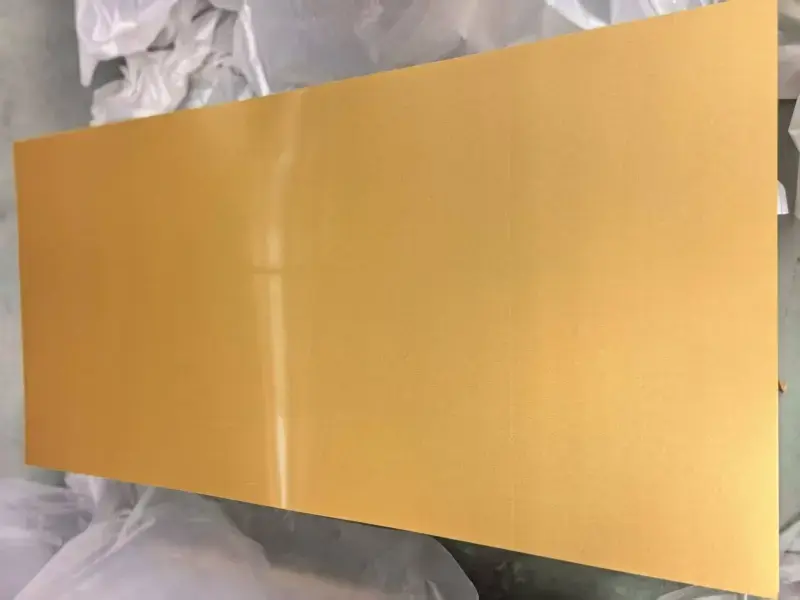
Improper storage may damage the coating before printing.
Storage Recommendations
- Keep sheets dry
- Avoid direct sunlight
- Store flat
- Use clean gloves
- Protect from dust
Humidity can affect transfer quality.
Thickness Variations and Their Applications
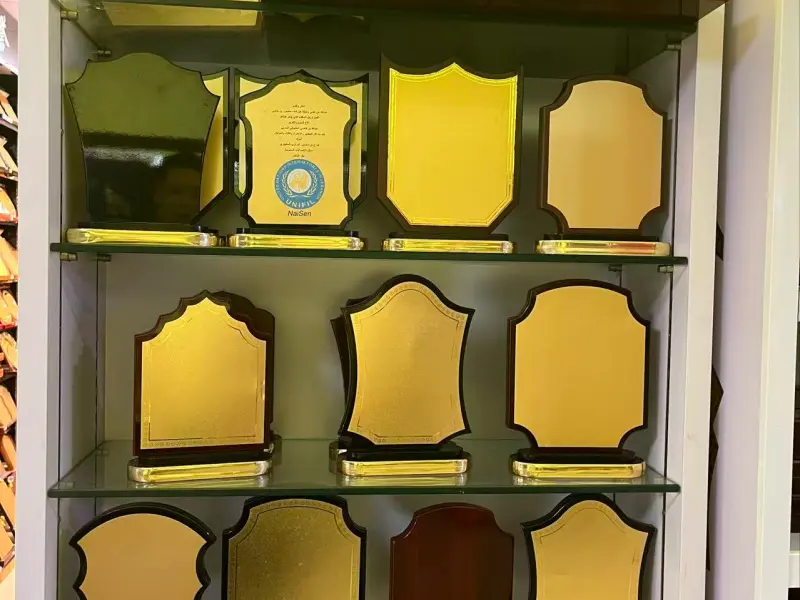
Choosing the right thickness (gauge) is vital. If the metal is too thin, it will warp in the heat press. If it is too thick, it takes too long to heat up.
| Thickness (mm) | Thickness (inches) | Primary Application |
|---|---|---|
| 0.22mm | 0.008″ | Business cards, thin labels |
| 0.45mm | 0.018″ | Standard trophy plates, ID tags |
| 0.50mm | 0.020″ | Professional photo panels |
| 1.14mm | 0.045″ | Premium wall art, outdoor signage |
Choosing the Right Aluminum Sheet
Different projects need different materials.
Quick Selection Guide
| Application | Recommended Alloy | Thickness |
|---|---|---|
| Indoor photo panel | 1050 | 0.5 mm |
| Outdoor sign | 5052 | 1.0 mm |
| Decorative plate | 3003 | 0.7 mm |
| Industrial label | 6061 | 1.5 mm |
Correct material selection reduces fading risk.
Digital Specifications for Modern Production
If you are sourcing material for a large factory, you need to know the digitized standards for the material.
- Reflectivity Rate: For gloss panels, a reflectivity of >85% is standard.
- Coating Hardness: Usually measured on the “Pencil Hardness” scale (e.g., 2H or 3H).
- Adhesion Test: Cross-hatch testing (ISO Class 0 or 1) ensures the print won’t peel.
- Heat Resistance: Must withstand 200∘C (392∘F) for at least 60 to 90 seconds without blistering.
Signs Your Sublimation Process Needs Improvement
You may need better settings or materials if you notice:
- Colors becoming gray
- Surface turning yellow
- Uneven transfer
- Fading after sunlight exposure
- Surface scratches
Testing different temperatures and suppliers can improve results.
Comparison: Cheap Blanks vs. Professional Grade
Many buyers choose the cheapest option on the market, but this leads to “Yellowing” and “Fading.”
| Feature | Cheap “Generic” Blanks | Professional “High-End” Blanks |
|---|---|---|
| Coating Thickness | Thin (10−15microns) | Thick (25−40microns) |
| Edge Quality | Rough, may have burrs | Precision cut, smooth edges |
| Color Accuracy | Whites look slightly yellow | Pure snow-white finish |
| UV Protection | Minimal or none | Integrated UV blockers |
| Peel Strength | Coating may flake off | Coating is fused to the metal |
How to Extend Print Lifespan
Simple improvements can help prints last longer.
Helpful Tips
- Use UV-resistant coating
- Avoid overheating
- Choose quality sublimation ink
- Use clean transfer paper
- Select proper aluminum alloy
- Keep pressure even
- Store products away from moisture
These steps improve color stability.
Step-by-Step: How to Stop Your Prints from Fading
If you want your aluminum prints to stay vibrant for decades, follow these three rules:
Rule 1: Use UV-Resistant Inks
Even the best aluminum blank cannot save poor-quality ink. Use professional-grade sublimation inks designed for hard surfaces.
Rule 2: Check Your Heat Press Pressure
Aluminum requires medium-to-heavy pressure. If there are gaps between the paper and the metal, the ink will “ghost” and look faded immediately.
Rule 3: Control the Environment
Never hang a standard sublimation metal print in direct afternoon sunlight. If the print is for outdoors, you must use “Outdoor Rated” aluminum blanks which have a specialized top-coat.
How the Coating Chemistry Prevents Fading
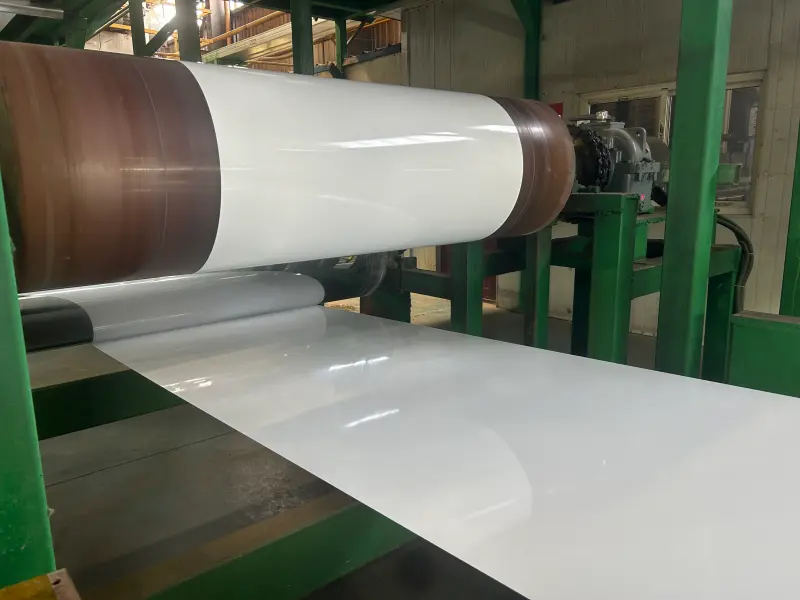
The “Sublimation Layer” is usually a polyester or polyurethane base. To prevent fading, manufacturers add UV Inhibitors.
PE vs. High-Performance Coatings
- Standard PE (Polyester): Good for indoor use. It is affordable but fades faster if placed near a window.
- Anti-UV Polyurethane: Much more expensive. It can last 3 to 5 years outdoors without significant color loss.
The Importance of the “Pre-treatment” Layer
Between the aluminum and the color-receptive coating, there is a “Primer.”
- Chromate-Free Pre-treatment: Environmentally friendly and improves coating adhesion.
- Anodized Base: Some premium blanks are anodized before coating to prevent the metal from rusting (oxidizing) under the print.
Product Types
To help you choose, here is a quick categorization of what is available in the market:
- HD Photo Panels: High-density coating for maximum detail. Usually 1.1mm thick.
- Frangible Aluminum: Very thin (0.3mm) used for security seals.
- Textured Aluminum: A “sand” or “grain” finish that hides fingerprints. Great for menu boards.
- Luminescent Aluminum: Glow-in-the-dark coating applied under the sublimation layer. Used for emergency exit signs.
FAQ
Why do sublimation prints fade on aluminum?
The main reasons are poor coating quality, UV exposure, and incorrect heat press settings.
Which aluminum alloy is best for sublimation?
1050 and 1060 aluminum are common for indoor photo printing because of their smooth surface.
Does thicker aluminum improve print life?
Thicker sheets are more stable during heating, but coating quality is more important than thickness.
Is glossy aluminum better than matte aluminum?
Glossy aluminum gives brighter colors. Matte aluminum reduces reflection and works well for signage.
Can sublimation aluminum be used outdoors?
Yes, but outdoor products should use UV-resistant coating and weather-resistant alloys like 5052 aluminum.
What temperature is best for sublimation aluminum?
Most sublimation aluminum sheets work well between 190°C and 200°C.
Why does aluminum turn yellow after sublimation?
Yellow marks usually happen because the heat press temperature is too high or the pressing time is too long.
Leave a Reply
You must be logged in to post a comment.