
Sublimation aluminum printing is a process that transfers dye-based images onto coated metal sheets. The metal has a special polyester layer on the surface.
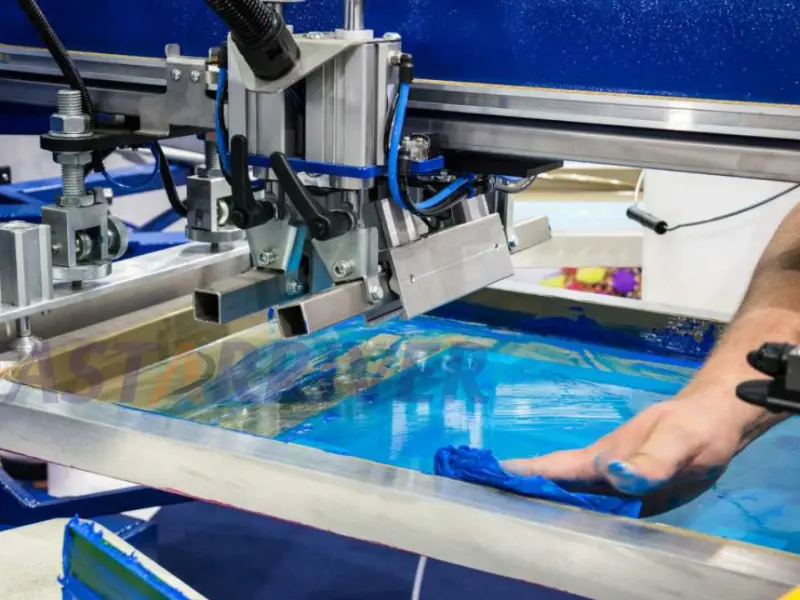
When heat and pressure are applied, the ink turns into gas and bonds with this coating. The image becomes part of the metal. It will not peel, fade, or wash away.
This method is popular with photo labs, gift shops, trophy makers, and sign companies. It turns plain metal into custom art, awards, and promotional items. The prints are vivid, durable, and waterproof. Sublimation aluminum printing works for both indoor and outdoor use.
How Sublimation Aluminum Printing Works
The process has four main steps:
- Print the image: Use a sublimation printer and special dye ink to print the design in mirror mode onto transfer paper.
- Position the blank: Place the printed paper face-down on the coated aluminum sheet.
- Apply heat and pressure: Use a heat press at 180°C to 200°C for 45 to 120 seconds.
- Peel and cool: Remove the transfer paper while warm. The image is now bonded to the metal.
The result is a photo-quality print that resists scratches, UV rays, and moisture. The coating holds the ink inside, so the surface stays smooth and glossy.
Common Aluminum Alloys for Sublimation Printing
The alloy affects print quality, durability, and price. Not all metals work the same.
| Alloy | Purity Level | Surface Quality | Best Use |
|---|---|---|---|
| 1050 | 99.5% pure | Very smooth | Budget photo panels, indoor signs |
| 1060 | 99.6% pure | Ultra smooth | High-end photo prints, fine art |
| 1070 | 99.7% pure | Mirror-like finish | Gallery prints, premium awards |
| 1100 | 99.0% pure | Good, economical | General signage, promotional blanks |
| 3003 | Manganese alloy | Smooth, harder | Outdoor signs, durable nameplates |
| 5052 | Magnesium alloy | Strong, corrosion-resistant | Marine tags, industrial labels |
The 1060 alloy is the top choice for most sublimation aluminum printing projects. It gives the smoothest surface for image transfer. The 3003 alloy is better if the final product faces weather or heavy handling.
Temper and Hardness States
The temper code tells you how the metal was treated after rolling. This changes how the sheet bends and holds shape.
| Temper Code | Description | Typical Use |
|---|---|---|
| O (Soft) | Fully annealed, easy to bend | Custom shapes, curved displays |
| H14 | Half hard, some stiffness | Flat panels, simple bends |
| H24 | Half hard, stable shape | Standard photo panels, awards |
| H18 | Full hard, very rigid | Rigid signs, wall plaques |
Most blanks come in H24 temper. It is easy to cut and drill but stays flat after handling.
Thickness Comparison Guide
Thickness changes the feel, weight, and rigidity of the final product. Here is a full range for sublimation aluminum printing.
| Thickness | Weight (per A4 sheet) | Rigidity | Best Application |
|---|---|---|---|
| 0.22 mm | ~18 grams | Very flexible | Labels, thin inserts, tags |
| 0.35 mm | ~28 grams | Light flex | Keychains, bookmarks, small gifts |
| 0.45 mm | ~36 grams | Moderate | Standard photo panels, desk signs |
| 0.55 mm | ~44 grams | Good | Commercial signage, nameplates |
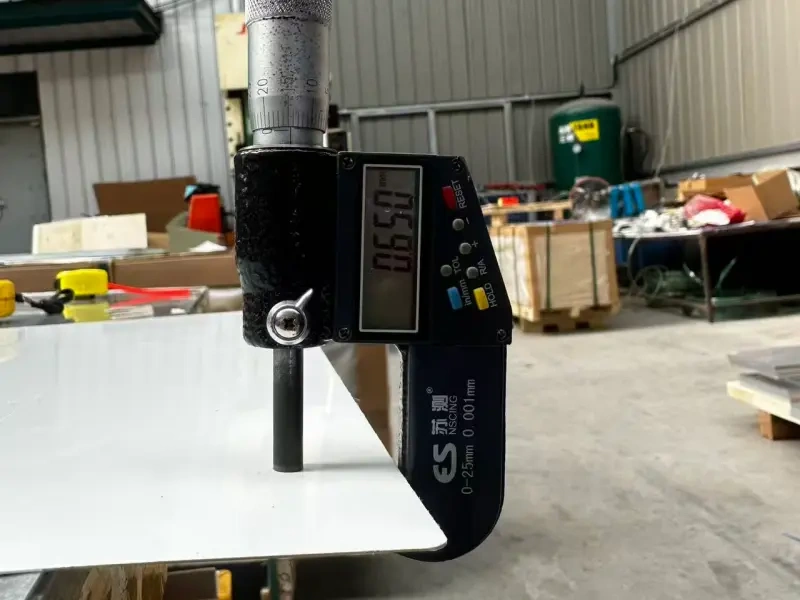
| 0.65 mm | ~52 grams | Better | Wall art, durable displays |
| 0.75 mm | ~60 grams | Very good | Premium photo panels |
| 1.0 mm | ~80 grams | Very rigid | Awards, license plates |
| 1.15 mm | ~92 grams | Premium rigidity | Large photo panels, high-end art |
| 1.5 mm | ~120 grams | Heavy duty | Structural signs, outdoor boards |
| 2.0 mm | ~160 grams | Maximum strength | Industrial panels, monuments |
The 0.45 mm and 0.65 mm options are the most popular for sublimation aluminum printing. They balance cost and performance. For large wall prints, 1.0 mm or 1.15 mm prevents warping over time.
Standard Sizes and Custom Cutting
Suppliers stock common sizes and also cut to order.
| Size | Dimensions | Typical Use |
|---|---|---|
| A6 | 105 × 148 mm | Small tags, keychains |
| A5 | 148 × 210 mm | Bookmarks, small signs |
| A4 | 210 × 297 mm | Photo panels, standard awards |
| A3 | 297 × 420 mm | Large photos, wall art |
| A2 | 420 × 594 mm | Poster-size prints |
| 12″ × 24″ | 305 × 610 mm | Common US size for photo labs |
| 24″ × 36″ | 610 × 914 mm | Large format prints |
| Custom | Any dimension | Special projects, die-cut shapes |
Most suppliers can cut sheets up to 1200 × 2400 mm from master coils. Smaller blanks are often punched or laser-cut from larger sheets.
Surface Finish Types
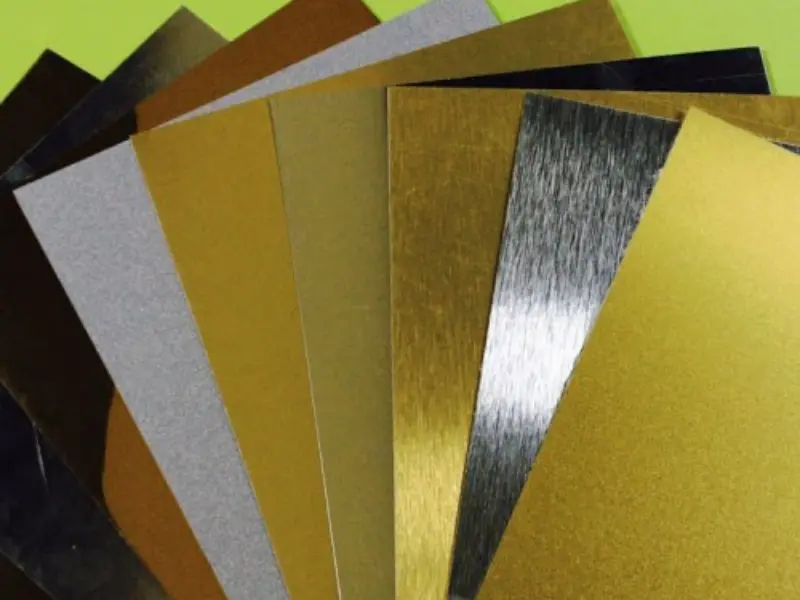
The finish changes how the printed image looks. Each type creates a different mood.
| Finish Name | Base Color | Visual Effect | Best For |
|---|---|---|---|
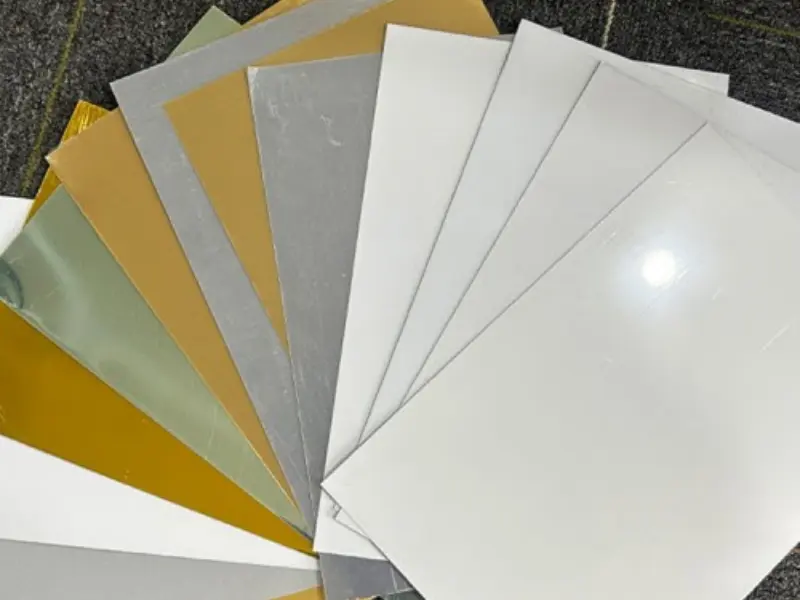
| Gloss White | Pure white | Bright, high-contrast images | Photos, vibrant artwork |
| Matte White | Off-white | Soft, non-reflective look | Professional signs, offices |
| Satin Silver | Light gray | Subtle metallic sheen | Modern decor, branding |
| Satin Gold | Warm gold | Elegant, understated luxury | Corporate gifts, hotels |
| Brushed Silver | Gray with lines | Visible metal texture | Industrial signs, tech decor |
| Brushed Gold | Gold with lines | Rich, warm metallic feel | Premium awards, trophies |
| Mirror Silver | Chrome-like | Highly reflective, sharp | Showrooms, display pieces |
| Mirror Gold | Deep gold mirror | Opulent, eye-catching | VIP items, exclusive plaques |
| Pearl White | White with shimmer | Soft iridescent glow | Wedding photos, portraits |
| Pearl Silver | Silver with shimmer | Cool elegant sparkle | Corporate awards, branding |
| Pearl Gold | Gold with shimmer | Warm glowing effect | Anniversary keepsakes |
| Sparkle Silver | Silver with glitter | Fun, festive appearance | Novelty items, events |
| Wood Grain | Brown tones | Natural wood look on metal | Rustic decor, themed gifts |
| Clear Gloss | Transparent | Image shows through fully | Double-sided prints, overlays |
Gloss white is the most ordered finish for sublimation aluminum printing. It gives the truest color reproduction. Brushed silver is second most popular for its unique metallic effect.
Color Options Beyond Standard Finishes
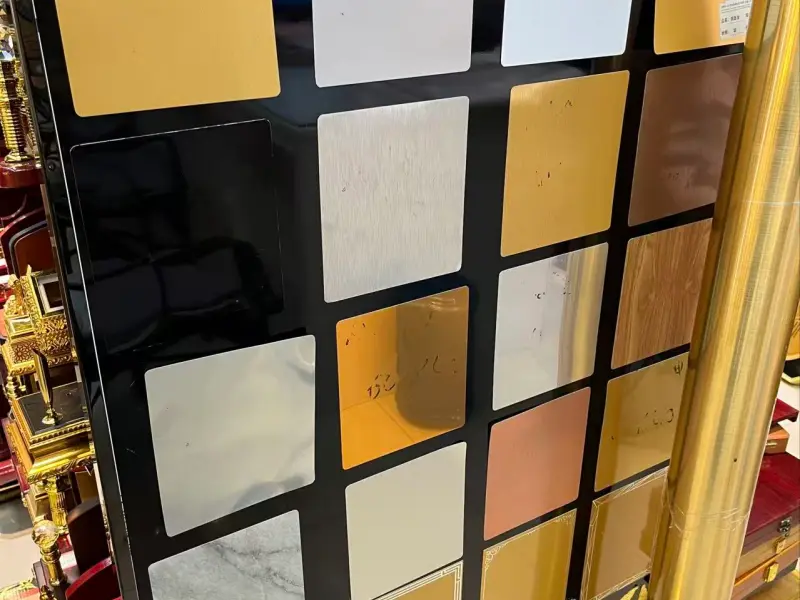
Many suppliers offer custom color coatings. These expand design choices.
| Custom Color | Style | Typical Order |
|---|---|---|
| Champagne | Soft neutral | Hotels, spas, salons |
| Copper / Bronze | Vintage, rustic | Bars, breweries, themed venues |
| Rose Gold | Trendy, feminine | Boutiques, wedding gifts |
| Black Matte | Bold, modern | Tech brands, contemporary art |
| Double-sided coated | Two printable faces | Hanging signs, freestanding displays |
Custom colors usually need a minimum order of 200 to 500 sheets. Lead time adds 7 to 15 days.
Heat Press Settings by Thickness
Getting the right temperature and time is key. Wrong settings ruin the image or damage the coating.
| Thickness | Temperature | Time | Pressure | Preheat |
|---|---|---|---|---|
| 0.22–0.35 mm | 180°C | 45–60 sec | Medium | 20 sec at 160°C |
| 0.45–0.55 mm | 190°C | 60–75 sec | Medium-firm | 30 sec at 160°C |
| 0.65–0.75 mm | 195°C | 75–90 sec | Firm | 30 sec at 160°C |
| 1.0–1.15 mm | 200°C | 90–120 sec | Firm | 30 sec at 160°C |
| 1.5–2.0 mm | 200°C | 120–150 sec | Very firm | 30 sec at 160°C |
Always use a Teflon sheet or parchment paper to protect the press. Peel the transfer paper while warm for the sharpest image. Your supplier should provide a data sheet with recommended settings.
Product Type Showcase
Standard Photo Panel Blank
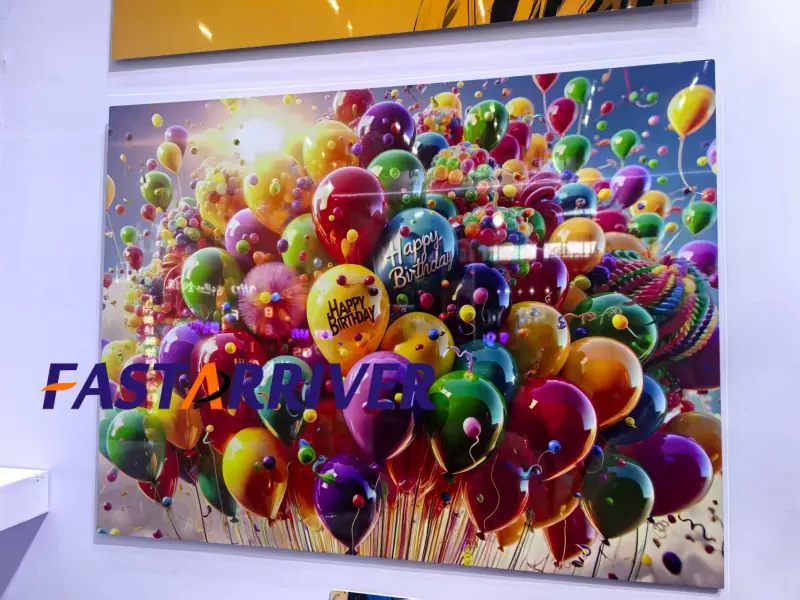
This is the basic product for sublimation aluminum printing. It is a flat rectangular sheet with straight edges. Gloss white or brushed silver are the top choices. Thickness is usually 0.45 mm or 0.65 mm. It works for family photos, pet portraits, and landscape prints.
Award and Trophy Blank
These blanks are thicker, often 1.0 mm or 1.15 mm. They may have rounded corners and a brushed gold or mirror gold finish. The extra weight feels premium in the hand. Common uses include employee recognition, sports trophies, and academic awards.
Desk Sign Blank
These sheets come with a foldable metal stand or back holder pre-attached. The A5 or A4 size is ideal for reception desks, meeting rooms, and trade show booths. Gloss white and brushed silver are the most common choices.
Keychain and Small Item Blank
Cut from larger master sheets. These small blanks are 0.35 mm or 0.45 mm thick. They come in many shapes: circles, hearts, dog tags, rectangles, and custom outlines. Brushed silver and gloss white are popular.
License Plate Blank
Blanks for sublimation aluminum printing can be cut to standard license plate sizes. The 1.0 mm thickness handles road conditions. Mirror and brushed finishes are common for custom car plates. Rounded corners and pre-drilled holes are standard features.
Perforated Photo Panel
Small holes are punched in patterns across the sheet. These create artistic shadow effects when backlit. They are used for decorative wall art and modern signage. The holes do not affect the printable surface area.
Curved and Shaped Blank
Pre-bent into curves, waves, or custom 3D forms. These are used for architectural displays, product showcases, and unique awards. Not every supplier offers this service. It requires special forming equipment.
Folding Box Blank
Thin sheets (0.3 mm to 0.45 mm) scored with fold lines. They bend into small boxes for premium packaging, gift cases, and display containers. White and silver are standard colors.
Door Hanger Blank
Cut to hanger shape with a hook at top. Used in hotels and offices. Gloss white gives the best print clarity for “Do Not Disturb” or “Meeting in Progress” messages.
Mirror Compact Blank
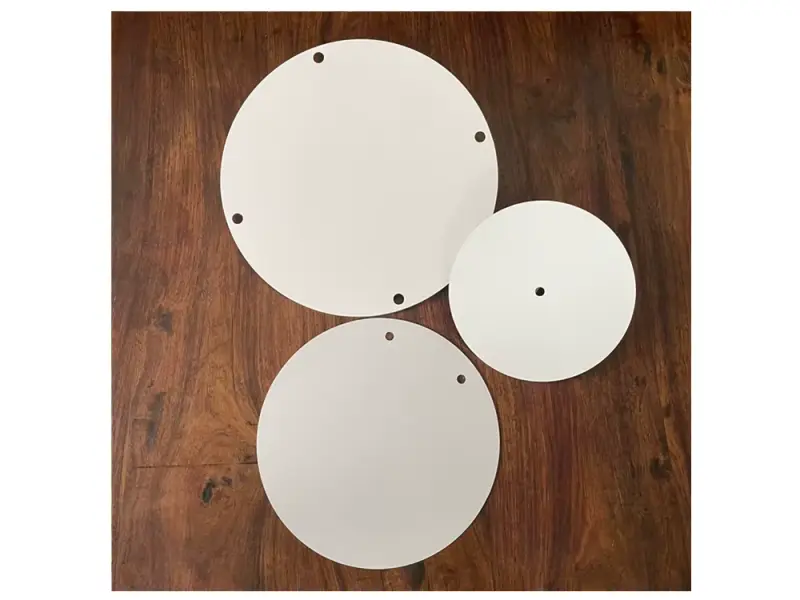
Small round or square pieces with mirror backing. These are popular as purse mirrors and compact gifts. The mirror silver finish adds a luxury touch. Thickness is usually 0.45 mm to 0.65 mm.
Business Card Blank
Thin 0.22 mm to 0.35 mm sheets cut to credit card size. These are used for metal business cards, membership cards, and VIP passes. Brushed silver and matte white are common choices.
Bookmark Blank
Long narrow strips, often 50 × 150 mm. They are 0.35 mm to 0.45 mm thick. Tassel holes can be pre-punched. Popular for gifts, promotions, and library items.
Comparison: Sublimation Aluminum Printing vs. Other Metal Printing Methods
Buyers sometimes compare sublimation to other metal printing methods. Here is how they stack up.
| Feature | Sublimation Aluminum Printing | UV Printing on Metal | Laser Engraving on Metal | Screen Printing on Metal |
|---|---|---|---|---|
| Color range | Full color, photo quality | Full color | Single color or limited | Limited colors |
| Image durability | Excellent (ink in coating) | Good (ink on surface) | Permanent (etched) | Good (ink on surface) |
| Scratch resistance | Excellent | Moderate | Excellent | Moderate |
| UV resistance | Excellent | Good | Excellent | Fair |
| Cost per print | Low | Medium | Low (setup high) | Low (setup high) |
| Setup time | Minimal | Minimal | High | High |
| Best for | Photos, complex designs | Short runs, variable data | Text, logos, serial numbers | Bulk simple designs |
| Outdoor use | Yes (with right alloy) | Yes | Yes | Limited |
Sublimation aluminum printing wins on color vibrancy, photo detail, and ease of use. It is the best choice for images with gradients, faces, and complex artwork. UV printing is better for short runs with variable data. Laser engraving is best for permanent text and logos.
Comparison: Alloy Performance in Real Use
Different alloys perform differently over time.
| Test Condition | 1050 Alloy | 1060 Alloy | 3003 Alloy | 5052 Alloy |
|---|---|---|---|---|
| Indoor color stability (years) | 15+ | 20+ | 20+ | 20+ |
| Outdoor UV resistance (years) | 3–5 | 5–8 | 8–12 | 10–15 |
| Salt spray resistance | Poor | Poor | Good | Excellent |
| Scratch resistance | Good | Good | Better | Better |
| Bendability | Excellent | Excellent | Good | Moderate |
| Price per sheet | Lowest | Low | Medium | Higher |
For indoor photo panels, 1060 alloy is the best value. For outdoor signs in coastal areas, 5052 alloy is worth the extra cost.
Application Areas for Sublimation Aluminum Printing
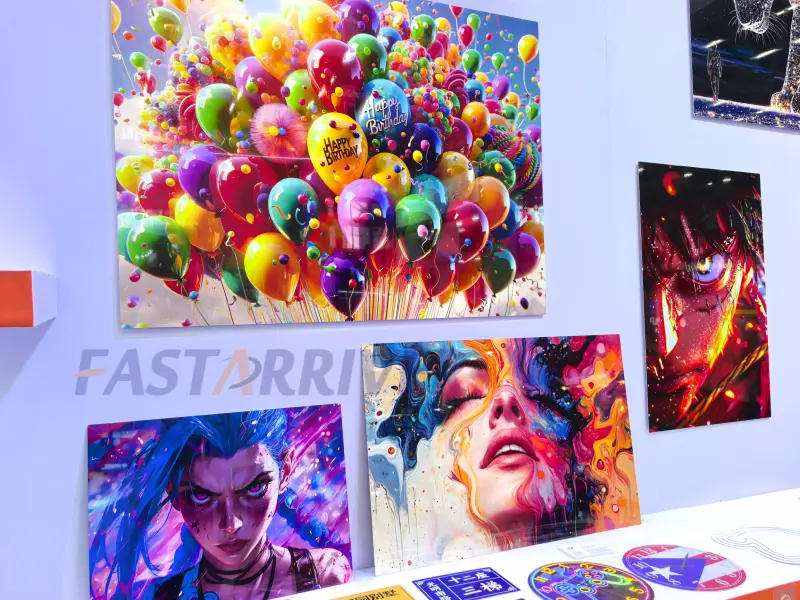
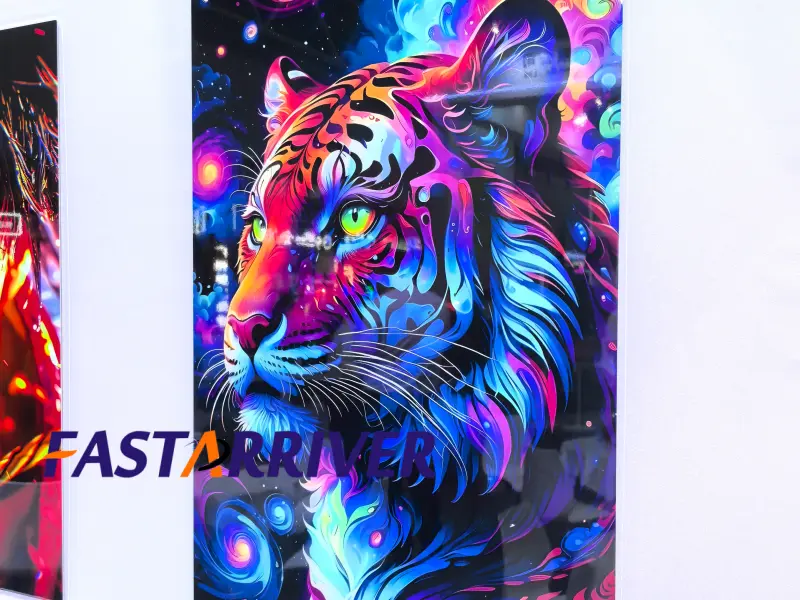
These blanks fit many industries. Here are the main uses:
- Photography studios: Metal photo prints, gallery wall art, portrait panels
- Trophy and award shops: Plaques, recognition plates, sports medals
- Sign companies: Business signs, nameplates, information boards
- Gift shops: Personalized keychains, bookmarks, keepsake prints
- Corporate branding: Desk signs, lobby displays, employee badges
- Hospitality: Hotel room numbers, menu boards, door hangers
- Automotive: Custom license plates, car badges, showroom displays
- Education: Student awards, classroom signs, science fair boards
- Events: Wedding favors, party gifts, commemorative plates
- Retail: Price tags, product displays, promotional items
Packaging and Shipping
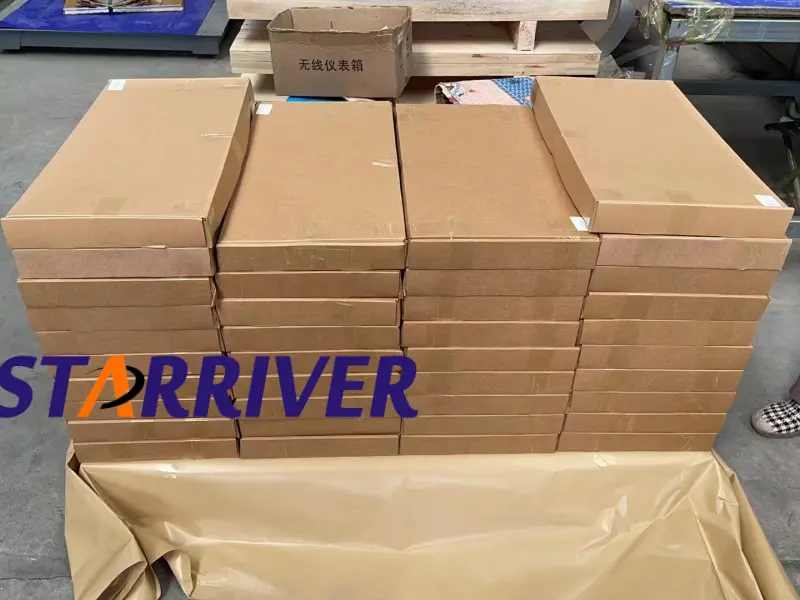
Proper packing protects blanks during shipping.
| Packing Item | Purpose |
|---|---|
| PE protective film | Covers the printable surface |
| Interleaf paper | Prevents sheets from rubbing |
| Foam corners | Protects edges from dents |
| Cardboard box or wooden crate | Outer shipping container |
| Moisture barrier bag | Keeps humidity away from coating |
| Pallet (for bulk) | Easy forklift handling |
Standard export packing uses wooden crates for ocean freight. Carton boxes work for air freight and sample orders. Always store blanks flat in a dry room.
How to Choose a Supplier for Sublimation Aluminum Printing
Not all suppliers offer the same quality. Use this checklist:
- Check if they offer free samples before bulk orders
- Ask about coating consistency batch to batch
- Verify alloy type and temper for your application
- Confirm cutting capabilities and tolerances
- Review minimum order quantities
- Check lead times for stock vs. custom items
- Ask for heat press parameter sheets
- Look for ISO 9001 or similar quality certs
- Read reviews from other print shops
- Confirm return policy for defective sheets
FAQ
What alloys do suppliers typically stock
Most suppliers carry 1050, 1060, 1100, and 3003. Some also offer 5052 for outdoor use. The 1060 alloy is the most popular for photo-quality prints.
Which thickness should I start with
For beginners, 0.45 mm is the safest choice. It is affordable, easy to press, and works for most photo panels. For premium products, try 0.65 mm or 1.0 mm.
Can I use these sheets outdoors
Yes, with the right alloy and coating. Choose 3003 or 5052 alloy with a UV-resistant coating. Avoid thin sheets below 0.45 mm for outdoor use. Always confirm outdoor rating with your supplier.
What is the best finish for photos
Gloss white gives the most accurate and vibrant color reproduction. Brushed silver adds a metallic effect but changes how colors appear. Pearl finishes give a soft, elegant glow.
How long does the print last
Under normal indoor conditions, a sublimation print on aluminum can last 20 years or more without fading. Outdoor life depends on sun exposure but typically exceeds 5 years with proper alloy and coating.
Is the coating on both sides
Most blanks have single-sided coating. Double-sided options are available by request. These cost more but allow printing on both faces for hanging signs or freestanding displays.
Can I cut blanks after printing
Yes. You can cut printed sheets with a metal shear, laser cutter, or CNC router. Avoid cutting methods that generate excessive heat, as this can damage the coating near the cut line.
What heat press settings should I use
Start with 190°C for 60 seconds at medium pressure for 0.45 mm sheets. Adjust based on your equipment and sheet thickness. Always preheat the sheet for 30 seconds to remove moisture.
Do suppliers offer custom sizes
Yes. While A4 and 12″×24″ are standard, suppliers can cut to A5, A3, A2, or fully custom dimensions. Minimum order quantities may apply for custom sizes.
How do I clean printed aluminum sheets
Use a soft, damp cloth. Avoid abrasive cleaners or scrubbing pads. The print is embedded in the coating, so gentle cleaning will not harm the image.