
Add an overlineHD Decorative Metal Photo PanelsAdd an overline
What Are HD Decorative Metal Photo Panels?
HD decorative metal photo panels are thin aluminum sheets coated with a high-density polyester layer. The coating is thinner and more uniform than standard sublimation coats.
This allows finer detail to transfer cleanly. When heat and pressure are applied, dye sublimation inks turn into gas and bond with that layer. The result is a vivid, photo-realistic image with sharp detail.
These panels are popular with photographers, artists, award makers, and interior designers. They are lightweight, resist scratches, and last for decades indoors.
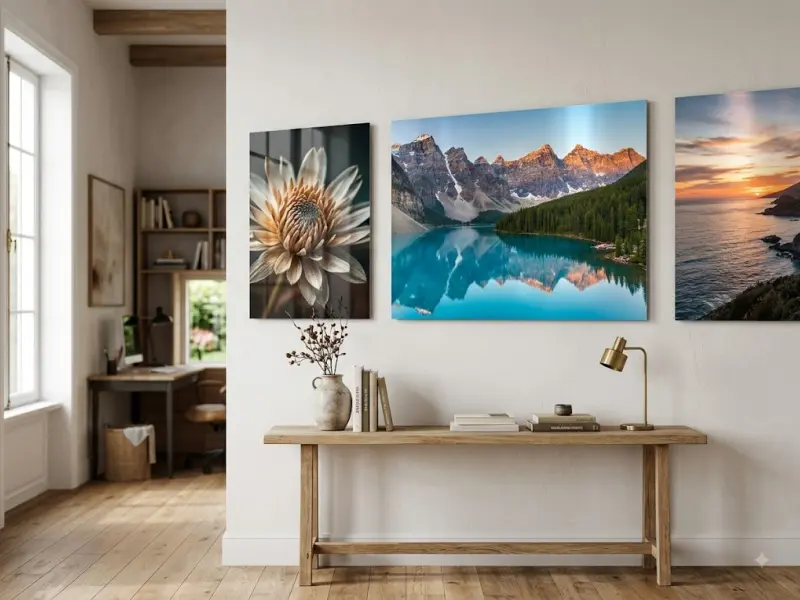
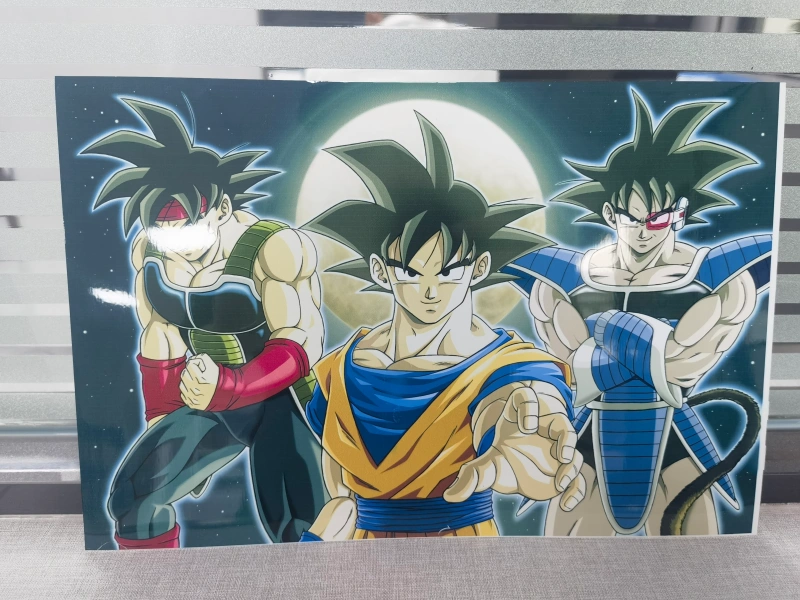
A decorative metal photo panel can display portraits, landscapes, logos, and fine art with gallery-level clarity.

Why HD Coatings Make a Difference
A standard sublimation coating works for basic prints. An HD coating takes the image further. The layer is only 20 to 30 microns thick. That is thinner than the 25 to 40 microns found on regular blanks. Because the coat is so uniform, heat spreads evenly across the surface. This reduces hot spots that cause colour banding on large panels.
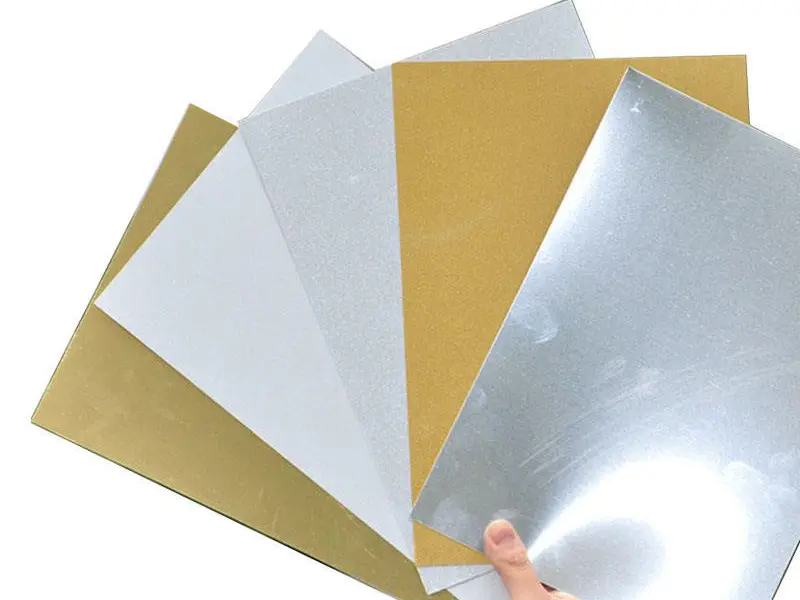
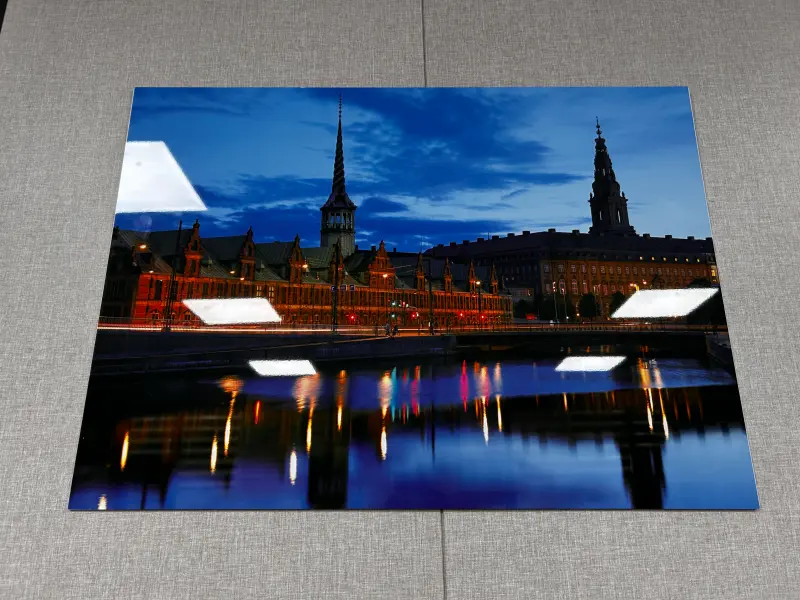
The surface smoothness of HD decorative metal photo panels also helps. The coating accepts ink at resolutions up to 1440 dpi. Skin tones look natural. Small text stays readable. Logos retain crisp edges. For professionals who sell prints to clients, this level of detail matters.
| Property | HD Grade Value | Standard Grade Value |
|---|---|---|
| Coating thickness | 20 – 30 microns | 25 – 40 microns |
| Surface smoothness | Ra ≤ 0.05 microns | Rougher |
| Effective print resolution | Up to 1440 dpi | Up to 720 dpi |
| Surface hardness | ≥ 3H pencil test | 2H – 3H |
| Indoor colour stability | 5 – 8 years | 3 – 5 years |
| Adhesion rating | Grade 0, zero flaking | Grade 0 – 1 |
Alloy Options Behind the Panel
Not all HD decorative metal photo panels use the same base metal. The alloy affects flatness, weight, and cost.
1000 Series: Pure Aluminum
Alloys 1050, 1060, and 1100 contain 99% or more aluminum. They are soft and easy to cut. These grades take the HD coating very well. They are the most common choice for standard photo panels, trophy plates, and desk nameplates. The downside is that they dent more easily than harder alloys.
3000 Series: Added Strength
Alloy 3003 contains manganese. It is a bit harder than 1100. It resists bending during shipping and handling. Some makers use 3003 for large wall plaques or outdoor signs that need extra rigidity.
5000 Series: Marine Grade
Alloy 5052 adds magnesium. It is stronger and handles moisture better. While overkill for most indoor photo panels, 5052 HD decorative metal photo panels work well for outdoor donor walls or memorial plaques exposed to weather.
HD Decorative Metal Photo Panels
| Alloy | Series | Strength | Best Panel Use |
|---|---|---|---|
| 1050 | 1xxx | Low | Small tags, economy plaques |
| 1060 | 1xxx | Low | Standard photo panels |
| 1100 | 1xxx | Low-Medium | Gloss white panels, signage blanks |
| 3003 | 3xxx | Medium | Large plaques, wall displays |
| 5052 | 5xxx | High | Outdoor memorials, exterior signs |
Temper and Formability: O vs. H-State
The temper code tells you how the metal was treated after rolling. This matters when you need to cut, punch, or bend the panel.
- O (annealed): Very soft. Easy to cut with a shear or CNC router. Most HD decorative metal photo panels use O-temper because it is gentle on tooling.
- H14: Half-hard. Holds shape better after bending. Good for trophy plates that need a slight curve.
- H24: Half-hard after partial annealing. A nice middle ground. It stays flat during printing but can be routed without cracking.
| Temper | Hardness | Ease of Cutting | Typical Panel |
|---|---|---|---|
| O | Very soft | Excellent | Photo panels, flat plaques |
| H14 | Medium | Good | Curved trophy plates |
| H24 | Medium | Good | Large wall plaques |
Thickness and Size Ranges
HD decorative metal photo panels come in many sizes. Some suppliers stock sheets as small as 2 inches by 2 inches. Others offer full sheets up to 4 feet by 8 feet.
Thickness Guide
Thickness changes the feel, weight, and durability of the final panel. Thicker panels cost more but feel premium in the hand.
| Thickness | Feel | Best For | Notes |
|---|---|---|---|
| 0.45 mm | Very light | Luggage tags, keychains, ornaments | Bends easily, needs backing |
| 0.65 mm | Light | Standard trophy plates, desk nameplates | Good balance of cost and rigidity |
| 0.8 mm | Medium | Photo panels, certificate mounts | Popular retail thickness |
| 1.0 mm | Solid | Wall plaques, recognition awards | Feels substantial, easy to mount |
| 1.14 mm | Heavy | Premium photo panels, large displays | HD gloss finish common at this gauge |
| 1.5 – 2.0 mm | Very heavy | Outdoor signs, architectural plaques | Can stand alone without backing |
Size Guide
| Size | Dimensions | Typical Project |
|---|---|---|
| Small tag | 2″ x 2″ / 50 x 50 mm | Keychains, ornaments |
| Trophy insert | 4″ x 6″ / 100 x 150 mm | Standard trophy plates |
| Photo panel | 5″ x 7″ / 127 x 178 mm | Desk displays, memorials |
| A4 sheet | 8.3″ x 11.7″ / 210 x 297 mm | Wall plaques, certificates |
| A3 sheet | 11.7″ x 16.5″ / 297 x 420 mm | Large recognition boards |
| Half sheet | 12″ x 24″ / 305 x 610 mm | Multiple inserts per press |
| Full sheet | 24″ x 36″ / 610 x 914 mm | Bulk production, custom routing |
| Jumbo panel | 48″ x 96″ / 1220 x 2440 mm | Architectural signs, donor walls |
If you run a small shop, 12″ x 24″ half-sheets let you nest several items and cut them apart after pressing. That saves material and press time.
Surface Finishes Compared
The finish is what the customer sees first. It also affects how colours appear after sublimation.
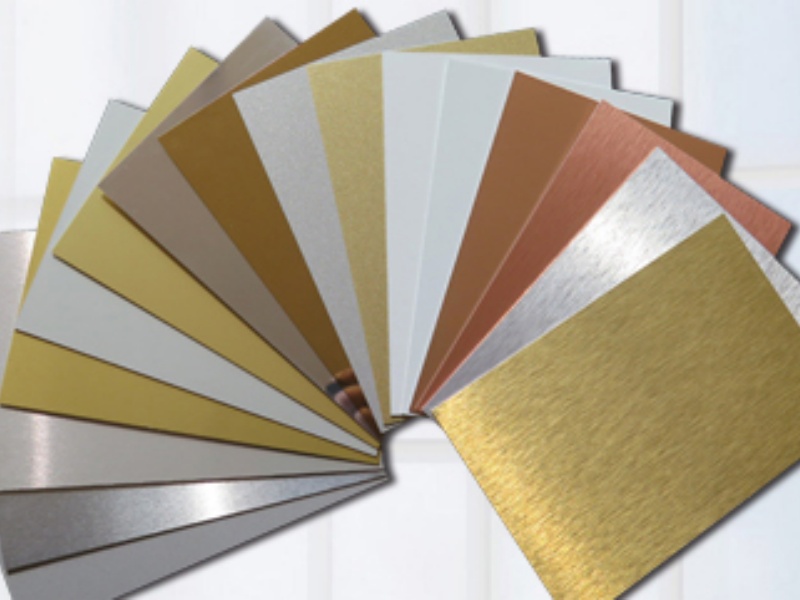
HD Brushed Gold and HD Gloss Gold
These add warmth. Gold tones suit anniversary awards and VIP gifts. HD gloss gold adds luxury to commemorative plaques. Both finishes let the metal show through in white areas of the design.
HD Matte Black and HD Gloss Black
Black bases create dramatic contrast. Colours appear to glow against the dark ground. HD matte black works for night photography and dark-themed fine art. HD gloss black adds depth to gallery prints.
HD Rose Gold
Rose gold offers a soft pink-gold metallic tone. It fits fashion branding, boutique gift lines, and lifestyle photography.
HD Gloss White
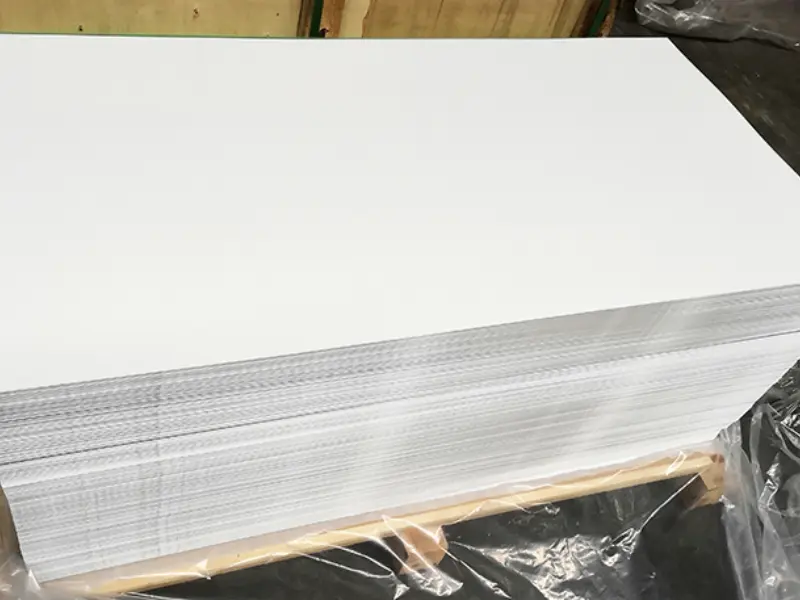
This is the most popular choice. The bright white base makes colours pop. Photos look sharp. Logos appear bold. HD gloss white decorative metal photo panels are ideal for portrait prints, sports awards, and pet memorials.

HD Matte White
Matte white reduces glare. It gives a softer, more artistic look. It works well for certificates, fine art reproductions, and corporate awards displayed under bright office lights.
HD Brushed Silver
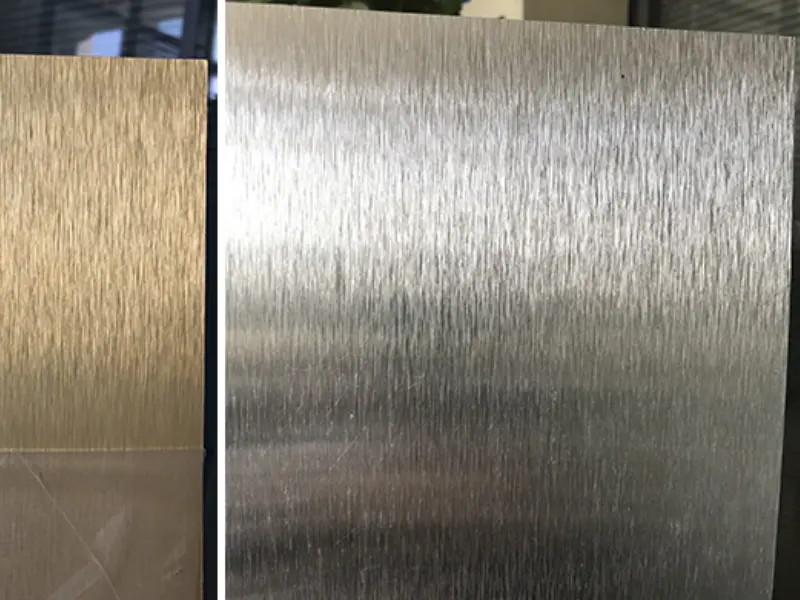
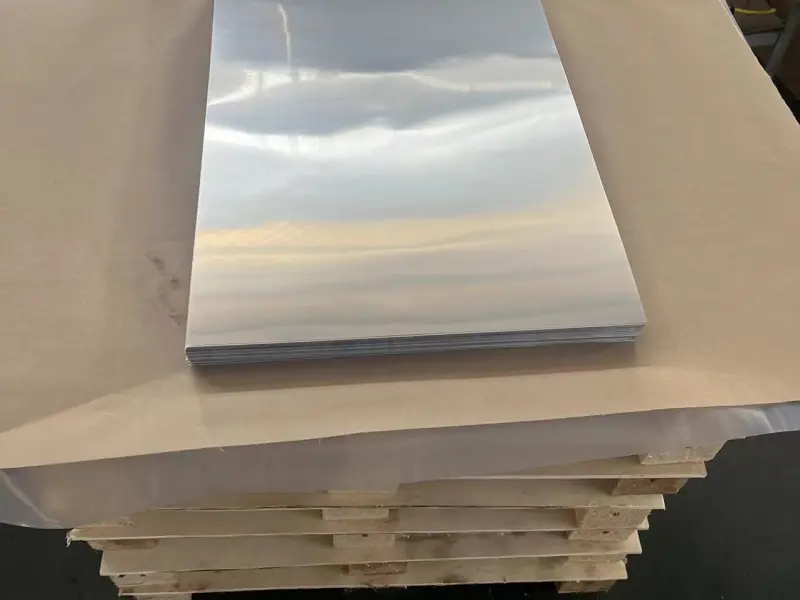
Brushed silver has tiny parallel lines in the metal. When you sublimate on it, the unprinted areas keep that metallic texture. The image seems to float over metal. HD brushed silver panels are perfect for elegant trophies and modern nameplates.
HD Clear
Clear coats let the raw aluminum base show through. This gives an industrial, minimal look. It works for technical labels and precision nameplates.
| Finish | Base Colour | Metallic Show-Through | Best Mood |
|---|---|---|---|
| HD gloss white | Pure white | None | Bright, modern, photo-real |
| HD matte white | Soft white | None | Artistic, subdued, elegant |
| HD brushed silver | Silver grey | Yes | Industrial, sleek, professional |
| HD brushed gold | Warm gold | Yes | Luxury, anniversary, prestige |
| HD gloss gold | Bright gold | Yes | Opulent, commemorative |
| HD matte black | Deep flat black | No | Dramatic, moody, fine art |
| HD gloss black | Glossy deep black | No | Gallery prints, premium display |
| HD rose gold | Soft pink-gold | Yes | Fashion, lifestyle, boutique |
| HD clear | Raw aluminum | Yes | Industrial, minimal, technical |
Heat Press Settings for HD Panels
Time and temperature make or break an HD print. Here are settings that work for most HD decorative metal photo panels.
| Step | Temperature | Time | Notes |
|---|---|---|---|
| Pre-heat | 185°C / 365°F | 10 – 15 seconds | Removes moisture from panel |
| Press | 185 – 200°C / 365 – 392°F | 50 – 80 seconds | Use medium to heavy pressure |
| Peel | Hot or warm | Immediately after press | Follow coating instructions |
| Cool | Room temperature | 2 minutes | Handle with gloves to avoid smudges |
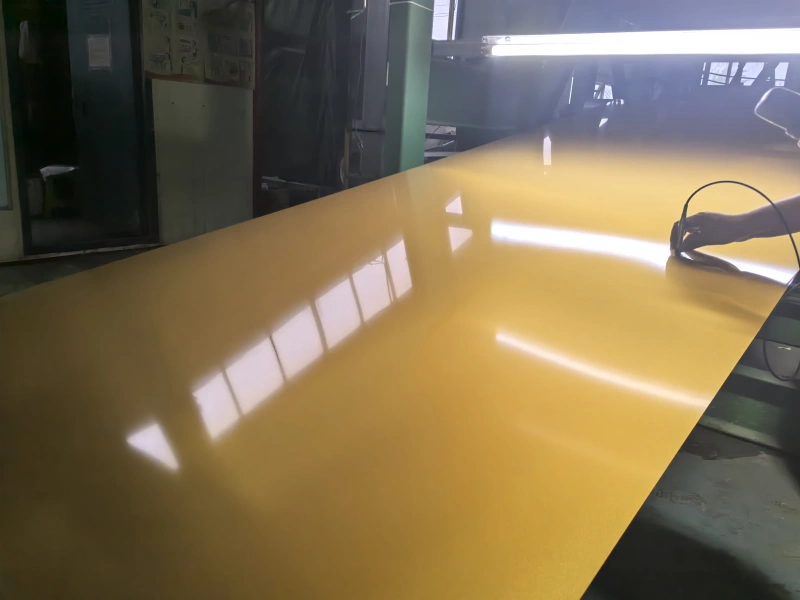
Always test a small corner first. Thicker panels need slightly more time. Mirror and gloss finishes can scorch if the heat is too high, so stay near the lower end of the range for those.
Where HD Metal Photo Panels Work Best
These panels fit many sectors. Here are the main areas where they add value.
- Fine art and photography: Professional portrait prints, landscape wall panels, gallery exhibition pieces, limited edition art prints, pet portraits, wedding and newborn photography wall pieces.
- Corporate awards and recognition: Employee of the year plaques, sales achievement panels, board member recognition displays, service anniversary awards, hall of fame display panels.
- Premium gift market: Portrait keychains, double-sided memorial dog tags, personalized holiday ornaments, luxury photo gift panels, custom clock faces, wedding favor keychains.
- Retail display and point of sale: Brand wall panels, product feature displays, price sign inserts, in-store promotional panels, window display inserts.
- Interior design and architecture: Hotel lobby feature walls, restaurant interior art panels, office reception branded displays, residential art panels, spa and wellness décor.
- Hospitality and events: Event backdrop panels, conference room signs, VIP access tags, wedding table number panels, festival artist poster prints, sponsor recognition displays.
- Education and institutions: Faculty portrait panels, academic achievement plaques, corridor display panels, competition award plaques, alumni recognition boards.
- Healthcare: Specialist room door signs, staff recognition panels, memorial tribute plaques, motivational art for waiting areas.
- Industrial and technical use: Equipment serial plates, QR-code asset tracking labels, precision calibration tags, safety instruction panels.
HD Gloss White vs. HD Matte White vs. HD Brushed Silver
These three finishes dominate the HD panel market. Choosing between them depends on the image and the display location.
| Factor | HD Gloss White | HD Matte White | HD Brushed Silver |
|---|---|---|---|
| Colour vibrancy | Very high | Medium | Medium |
| Glare under lights | Noticeable | Minimal | Low |
| Fingerprint visibility | High | Low | Low |
| Best image type | Photos with bright colours | Soft portraits, text-heavy designs | Logos, modern nameplates |
| Metal show-through | None | None | Yes |
| Cleaning ease | Wipes clean easily | Holds less dust | Wipes clean |
HD gloss white wins when you need colours to jump off the metal. HD matte white works better under bright office lights. HD brushed silver adds a metallic texture that gloss white cannot match.
PE vs. PVDF Coating for Longevity
The coating type affects how long the panel lasts, especially near windows or outdoors.
PE Coating
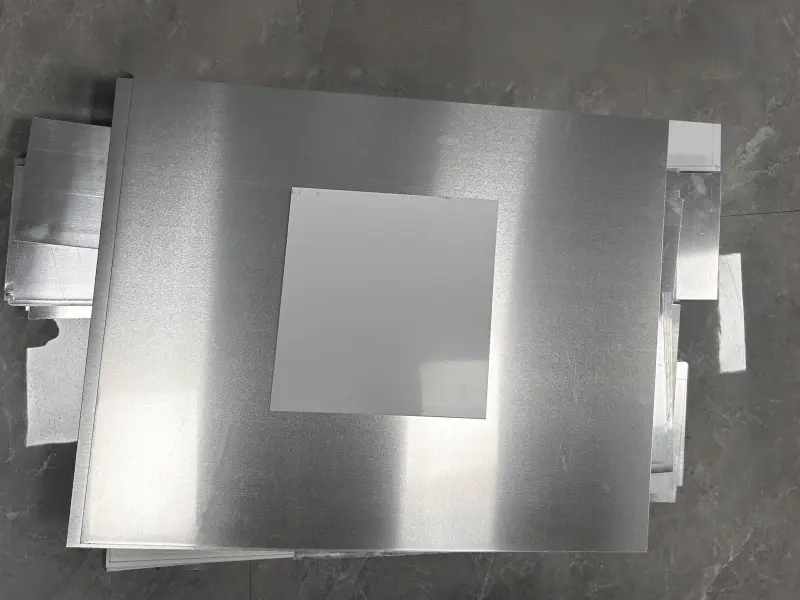
Polyethylene-based coatings are common on standard HD decorative metal photo panels. They accept dye ink well and cost less. PE-coated panels work fine for indoor awards and photo prints that live in climate-controlled rooms.
PVDF Coating
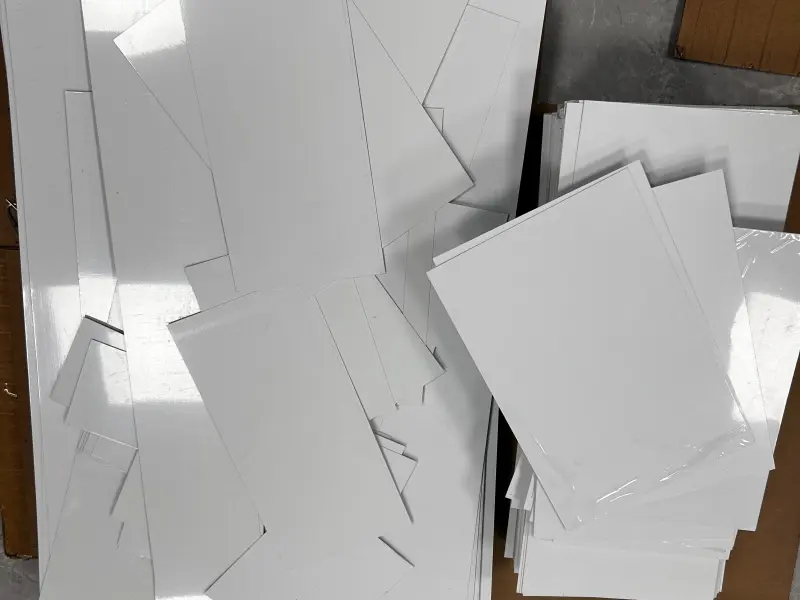
Polyvinylidene fluoride coatings are tougher. They resist UV light, moisture, and temperature swings. PVDF HD decorative metal photo panels last longer outdoors. They also handle high-heat presses without yellowing. For exterior donor walls or panels in sunlit lobbies, PVDF is worth the extra cost.
| Property | PE Coating | PVDF Coating |
|---|---|---|
| Cost | Lower | Higher |
| UV resistance | Good | Excellent |
| Outdoor life | 3 – 5 years | 10 – 15 years |
| Heat tolerance | Up to 200°C | Up to 230°C |
| Best use | Indoor prints, awards, gifts | Outdoor signs, sunlit spaces |
Cutting and Handling Tips
Working with HD decorative metal photo panels is straightforward. You do not need heavy presses for simple cuts.
Use the Right Tools
A standard shear or CNC router can cut 0.45 mm to 1.14 mm panels with ease. For hand work, use tin snips or a fine-tooth saw blade. Avoid coarse blades. They leave burrs that show under the coating.
Store Flat
Panels arrive with a thin plastic film. Leave it on until you are ready to press. Store sheets flat in a dry room. High humidity can make the coating tacky. Do not stack heavy objects on top of thin blanks. A 0.45 mm panel can warp under its own weight if stored on edge for weeks.
Clean Before Pressing
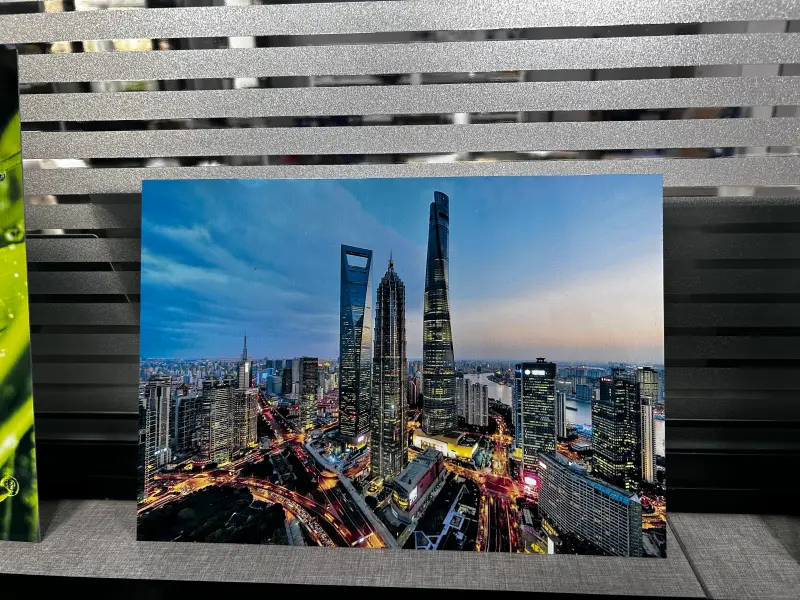
Wipe the surface with a lint-free cloth before printing. Finger oils leave marks that repel ink. Do not use alcohol on gloss white panels. It can dull the coating.
FAQ: Common Questions About HD Decorative Metal Photo Panels
What alloy is best for HD metal photo panels?
Alloy 1050 or 1100 in O temper is the industry standard. It is pure, soft, and accepts the HD coating evenly. For larger outdoor plaques, 3003 adds a bit more stiffness without hurting print quality.
How thick should an HD photo panel be?
For wall plaques and trophies, 0.65 mm to 1.14 mm is ideal. It feels solid but still cuts easily. For desk nameplates and inserts, 0.45 mm works fine. For premium gallery prints, 1.14 mm gives a high-end heft.
Can I use a household iron on HD metal photo panels?
No. A household iron cannot reach the even temperature or pressure needed. The coating requires 185 – 200°C with firm, flat pressure. A heat press is essential for professional results.
What is the difference between PE and PVDF coating?
PE is a standard polyester coating for indoor panels. It costs less and prints beautifully. PVDF is a tougher fluoropolymer coating. It resists UV rays and lasts longer outdoors. For gallery prints that stay indoors, PE is fine. For exterior walls or sunlit lobbies, choose PVDF.
How do I stop white spots on my HD prints?
White spots usually mean moisture or dust. Pre-heat the panel for 10 seconds before pressing. Wipe the surface with a clean, dry cloth. Make sure your transfer paper is fresh and stored in a dry place.
Are brushed silver panels good for photo awards?
Yes, but with a caveat. HD brushed silver panels look stunning when the design includes white or light areas. Those areas let the metal show through. However, skin tones can look slightly cool because the metal base adds a grey tint. For true skin-tone accuracy, HD gloss white is safer.
What size HD panel fits standard trophy mounts?
Most trophy mounts accept inserts that are 4″ x 6″, 5″ x 7″, or 6″ x 8″. Check the mount opening before you cut. Many award shops buy 12″ x 24″ half-sheets and nest multiple inserts to save material.
How long do HD prints last on metal?
Indoor prints on quality HD decorative metal photo panels can last 5 to 8 years without noticeable fading. Some premium panels reach 20 years or more in stable indoor conditions. PVDF-coated outdoor panels resist UV damage for 10 to 15 years.
What finish is best for fine art gallery prints?
HD gloss white is the top choice for colour photography. It offers the widest colour gamut and deepest blacks. HD matte white suits black-and-white or soft-tone images. HD gloss black creates dramatic contrast for night photography.
Can HD metal photo panels be used outdoors?
Yes, if you choose the right alloy and coating. Use 5052 alloy with a PVDF coating for outdoor work. Avoid PE-coated panels for exterior use. They will fade within a few years of sun exposure.
Quick Spec Reference
| Spec | Typical Value | Notes |
|---|---|---|
| Base metal | Aluminum | Lightweight, rust-proof |
| Common alloys | 1050, 1100, 3003, 5052 | Pure grades for standard work |
| Temper | O, H14, H24 | O is softest, easiest to cut |
| Thickness range | 0.45 mm – 2.0 mm | 0.65 mm and 1.14 mm are most popular |
| Coating type | High-density polyester | Thinner and smoother than standard |
| Coating thickness | 20 – 30 microns | HD grade |
| Surface finishes | Gloss, matte, brushed, mirror, clear | Nine common options |
| Press temperature | 185 – 200°C | Test first to avoid scorching |
| Press time | 50 – 80 seconds | Varies by thickness |
| Print resolution | Up to 1440 dpi | Fine detail, no banding |
| Indoor lifespan | 5 – 8 years minimum | Premium panels reach 20+ years |
| Outdoor lifespan (PE) | 3 – 5 years | Fades in direct sun |
| Outdoor lifespan (PVDF) | 10 – 15 years | Better UV resistance |
Leave a Reply
You must be logged in to post a comment.