
Choosing the Best Alloy for Sublimation Aluminum Sheet
Best Alloy for Sublimation Aluminum Sheet is widely used for metal printing, photo panels, signs, awards, and personalized products. Choosing the best alloy for sublimation aluminum sheet is important because the alloy affects surface quality, printing performance, strength, and processing ability.
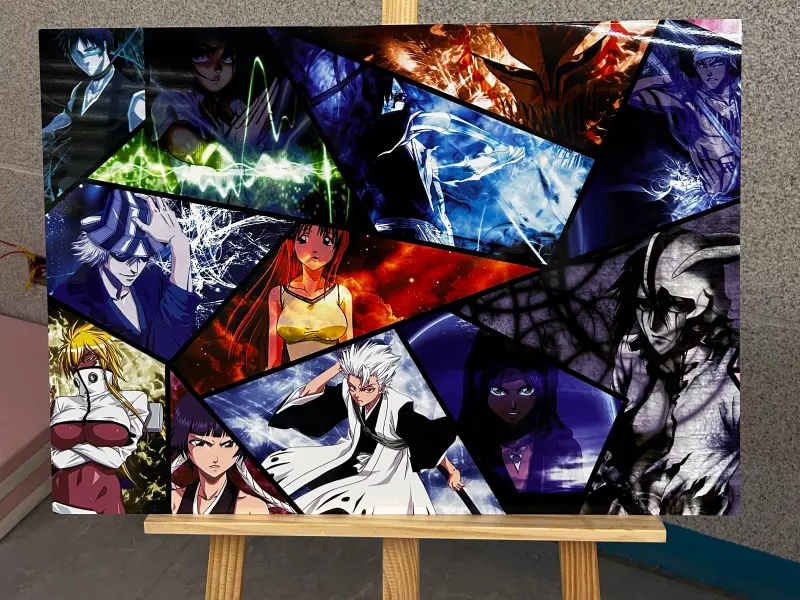
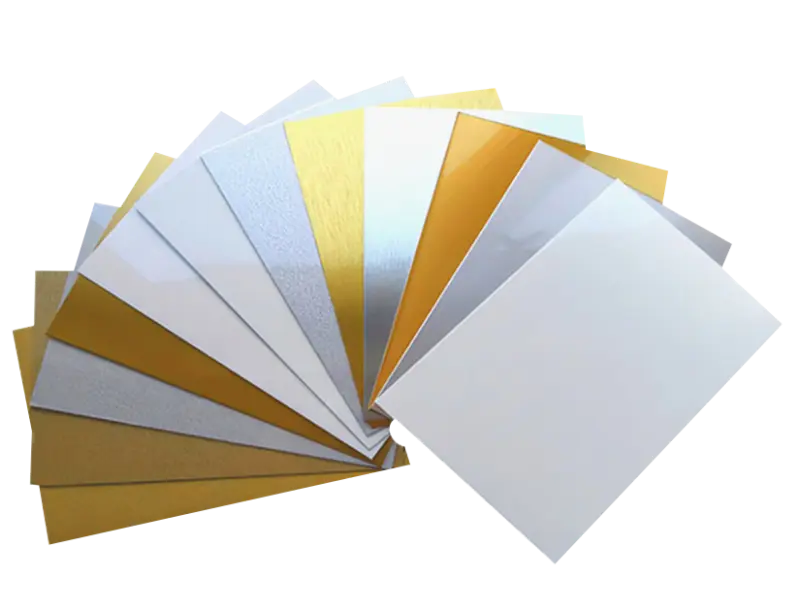
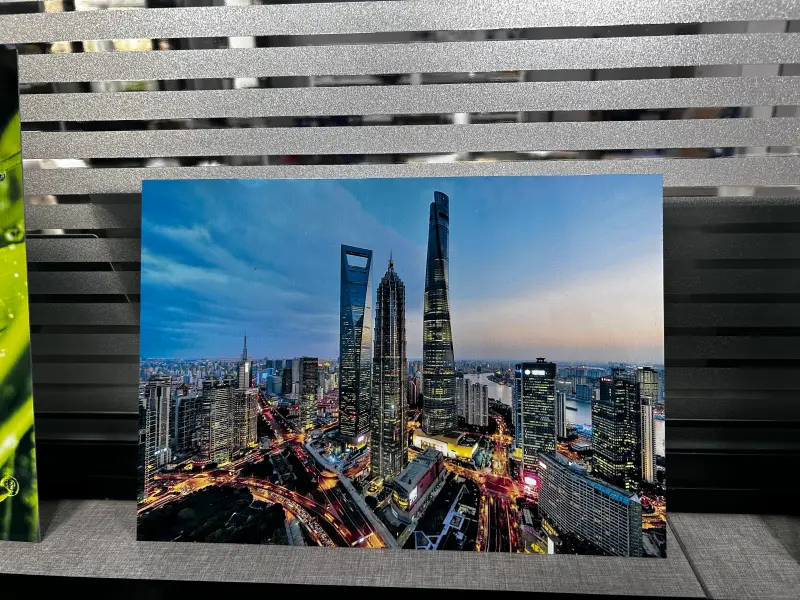
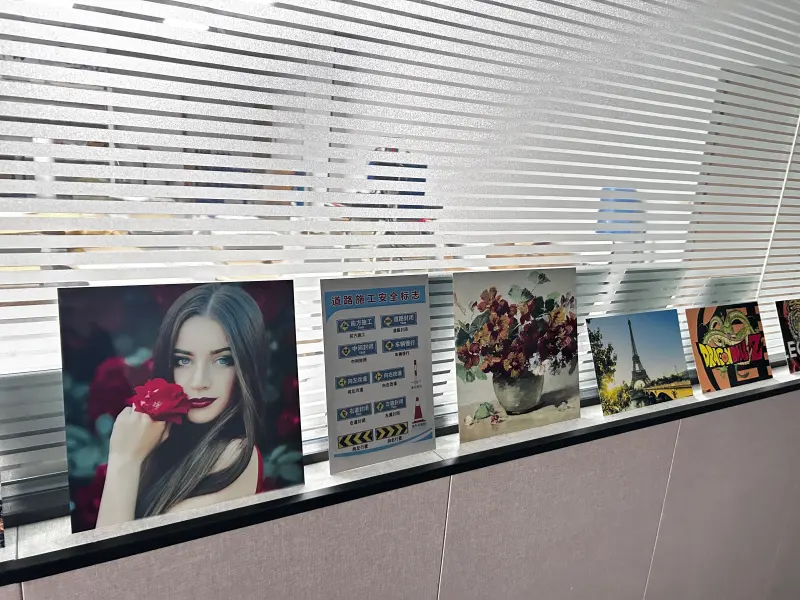
Different applications require different aluminum materials. Some projects need high flexibility for cutting and bending, while others need better outdoor durability.
The most common alloys for sublimation aluminum sheets include:
| Alloy | Main Feature | Common Use |
|---|---|---|
| 1050 Aluminum | High purity, excellent forming | Photo panels, indoor signs |
| 1060 Aluminum | Smooth surface, good printing base | Sublimation blanks |
| 1100 Aluminum | Good corrosion resistance | Decorative panels |
| 3003 Aluminum | Higher strength | Outdoor signs |
| 5052 Aluminum | Strong and durable | Outdoor applications |
The right choice depends on the final product, printing method, and working environment.
Why Aluminum Alloy Matters for Sublimation Printing
The aluminum alloy is the base material of the sublimation sheet. It supports the coating layer and affects the final printing result.
A good sublimation aluminum sheet should have:
Flat surface
Stable thickness
Good coating adhesion
Easy cutting performance
Suitable mechanical strength
The structure is usually:
Aluminum Base → Surface Treatment → Sublimation Coating → Protective Film
The aluminum base provides support, while the coating allows sublimation ink to transfer and create clear images.
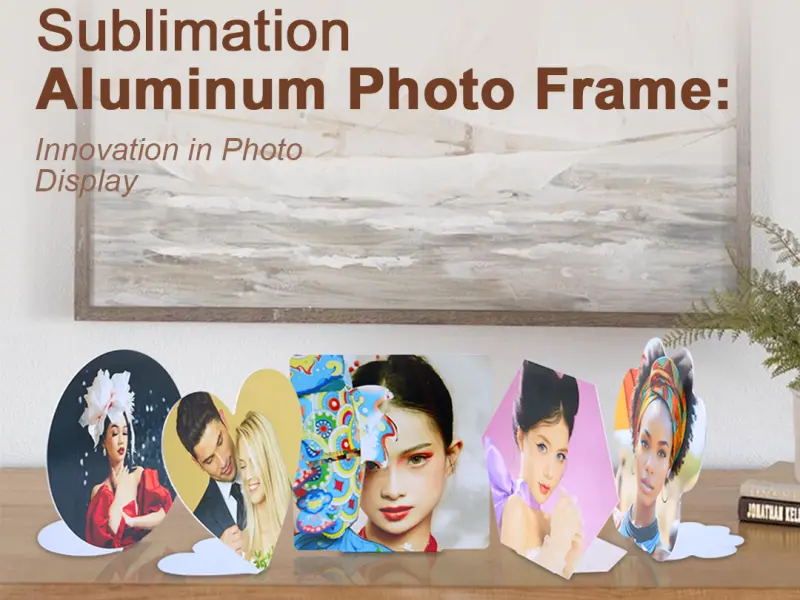
1050 Aluminum Sheet for Sublimation
Features of 1050 Aluminum Alloy
1050 aluminum is one of the most popular materials for sublimation aluminum sheets.
It contains high aluminum purity and has excellent flexibility.
Main features:
| Property | Description |
|---|---|
| Aluminum Content | About 99.5% |
| Temper | O, H14, H18 |
| Formability | Excellent |
| Surface Quality | Smooth |
| Printing Performance | Very Good |
Advantages of 1050 Sublimation Aluminum Sheet
1050 aluminum is suitable for products requiring easy processing.
Benefits:
→ Easy cutting
→ Easy bending
→ Good surface finish
→ Lightweight
→ Cost-effective
Common Applications
- Photo printing panels
- Decorative metal pictures
- Small advertising signs
- Personalized gifts
- Indoor displays
1060 Aluminum Sheet for Sublimation
Why 1060 Aluminum Is Popular
1060 aluminum is another common choice for sublimation aluminum sheet production.
It has higher purity than many general alloys and provides a clean surface for coating.
| Item | Specification |
|---|---|
| Alloy | 1060 |
| Temper | O / H14 / H18 |
| Thickness | 0.2mm – 3mm |
| Surface | Glossy / Matte |
| Application | Printing products |
Advantages of 1060 Aluminum
1060 sublimation aluminum sheet offers:
- Excellent flatness
- Good corrosion resistance
- Bright appearance
- Stable coating performance
It is widely used by sublimation blank manufacturers.
1100 Aluminum for Sublimation Applications
Characteristics of 1100 Aluminum
1100 aluminum provides a balance between flexibility and strength.
Compared with 1050 and 1060 aluminum, it has slightly better mechanical properties.
| Feature | Description |
|---|---|
| Alloy | 1100 |
| Temper | O / H14 |
| Strength | Medium |
| Corrosion Resistance | Excellent |
Suitable Products
- Metal wall art
- Advertising boards
- Decorative panels
- Custom printing products
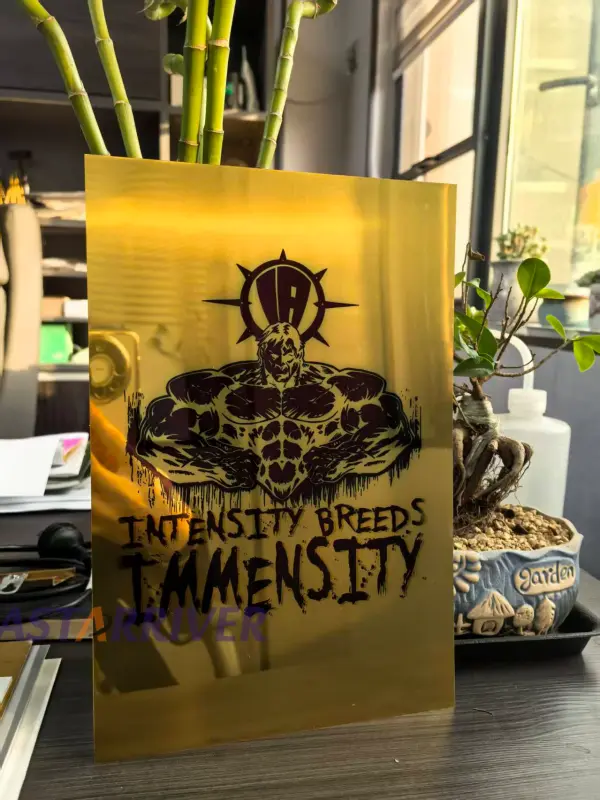
3003 Aluminum Sheet for Sublimation
Is 3003 Aluminum Good for Sublimation?
Yes. 3003 aluminum is suitable for applications that need higher strength.
It contains manganese elements, which improve durability.
| Feature | 3003 Aluminum |
|---|---|
| Strength | Higher than 1050/1060 |
| Formability | Good |
| Corrosion Resistance | Excellent |
| Outdoor Use | Better |
Applications of 3003 Sublimation Aluminum
Common uses include:
- Outdoor signs
- Industrial labels
- Large display boards
- Equipment nameplates
For customers looking for stronger sublimation aluminum panels, 3003 can be a good option.
5052 Aluminum Sheet for Sublimation
High Performance Sublimation Aluminum Material
5052 aluminum is a high-strength alloy commonly used in demanding environments.
It has excellent corrosion resistance, especially in outdoor conditions.
| Property | Value |
|---|---|
| Alloy | 5052 |
| Temper | H32 / H34 |
| Strength | High |
| Corrosion Resistance | Excellent |
Applications of 5052 Sublimation Aluminum
- Outdoor signage
- Marine signs
- Industrial plates
- Long-life advertising boards
Although the price is higher than 1050 or 1060 aluminum, it provides better durability.

Comparison of Different Aluminum Alloys for Sublimation
1050 vs 1060 vs 3003 vs 5052
| Feature | 1050 | 1060 | 3003 | 5052 |
|---|---|---|---|---|
| Purity | High | Very High | Medium | Medium |
| Strength | Low | Low | Medium | High |
| Flexibility | Excellent | Excellent | Good | Good |
| Outdoor Use | Normal | Normal | Good | Excellent |
| Price | Low | Low | Medium | Higher |
Selection guide:
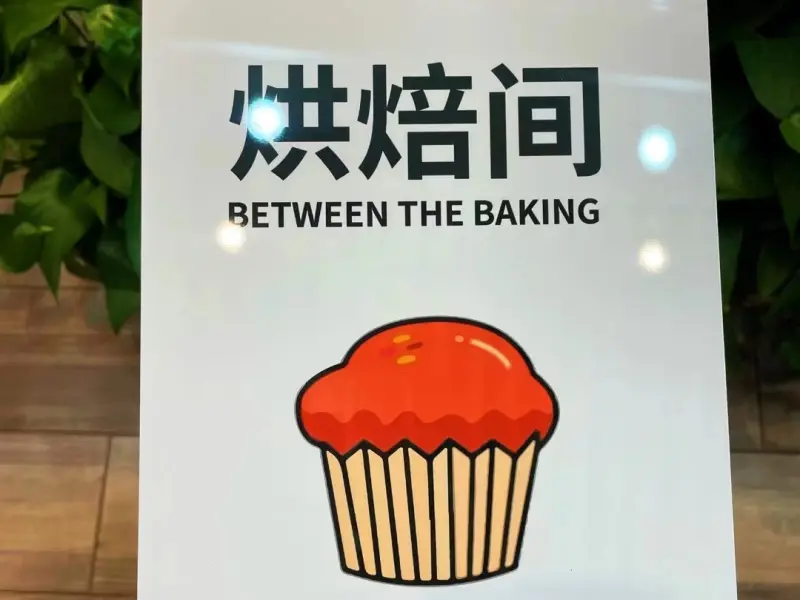
Indoor photo products → 1050 / 1060
Commercial signs → 3003
Outdoor durable signs → 5052
Aluminum Temper Selection for Sublimation Sheets
Besides alloy, temper also affects performance.
O Temper Aluminum Sheet
O temper means fully annealed aluminum.
Features:
- Soft material
- Excellent forming ability
- Easy cutting
Suitable for:
- Curved products
- Handmade projects
- Complex shapes
H14 Temper Aluminum Sheet
H14 is a semi-hard condition.
Features:
- Better strength
- Good flatness
- Easy processing
Applications:
- Sublimation blanks
- Metal signs
- Advertising panels
H18 Temper Aluminum Sheet
H18 aluminum has higher hardness.
Features:
- Better rigidity
- Less deformation
- Suitable for flat products
Applications:
- Nameplates
- Industrial printing plates
Common Specifications of Sublimation Aluminum Sheet
Thickness Options
| Thickness | Application |
|---|---|
| 0.2mm | Photo panels |
| 0.3mm | Small signs |
| 0.5mm | Standard sublimation blanks |
| 0.8mm | Outdoor panels |
| 1.0mm | Heavy-duty signs |
| 1.5mm+ | Industrial applications |
Standard Sizes
| Size | Usage |
|---|---|
| A4 | Small photo products |
| A3 | Printing shops |
| 8×10 inch | Photo panels |
| 12×18 inch | Signs |
| 24×36 inch | Large displays |
| 4×8 ft | Commercial projects |
Custom sizes are also available according to customer requirements.
Types of Sublimation Aluminum Sheets by Surface
Gloss White Sublimation Aluminum Sheet
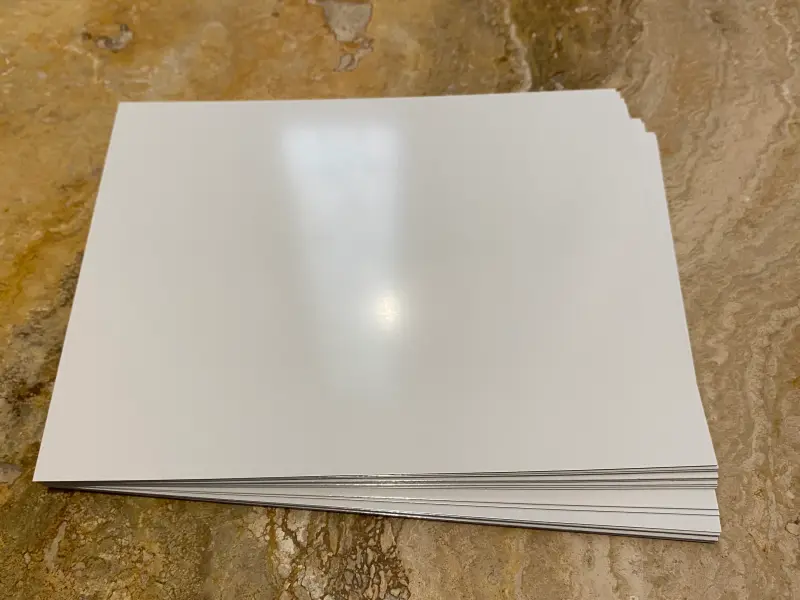
Gloss white aluminum provides:
- Bright colors
- High image contrast
- Smooth surface
Used for:
- Photo printing
- Awards
- Decorative products
Matte White Sublimation Aluminum Sheet
Matte surface reduces reflection.
Advantages:
- Professional appearance
- Comfortable viewing
- Suitable for indoor displays
Brushed Sublimation Aluminum Sheet
Brushed aluminum keeps a metallic texture.
Applications:
- Premium signs
- Business logos
- Decorative panels
Mirror Sublimation Aluminum Sheet
Mirror aluminum creates a reflective effect.
Used for:
- Creative decoration
- Luxury displays
- Custom products
Applications of Sublimation Aluminum Sheets
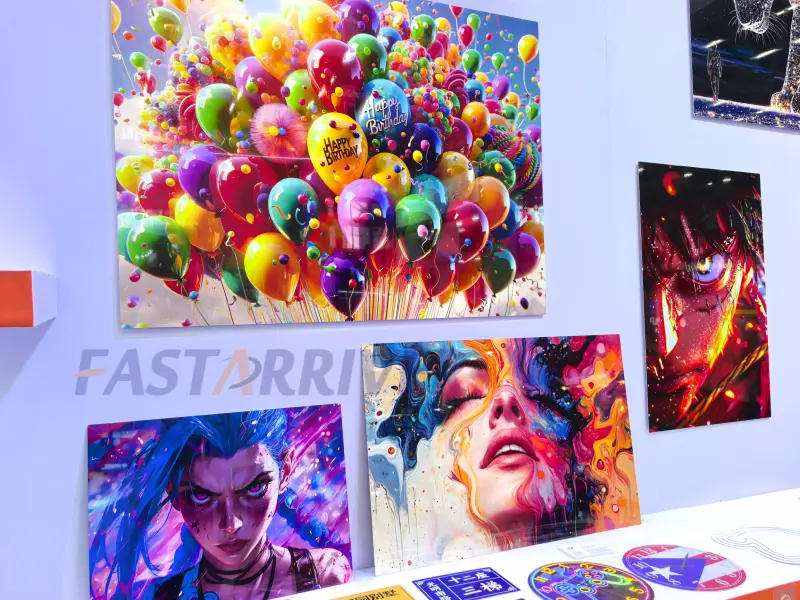
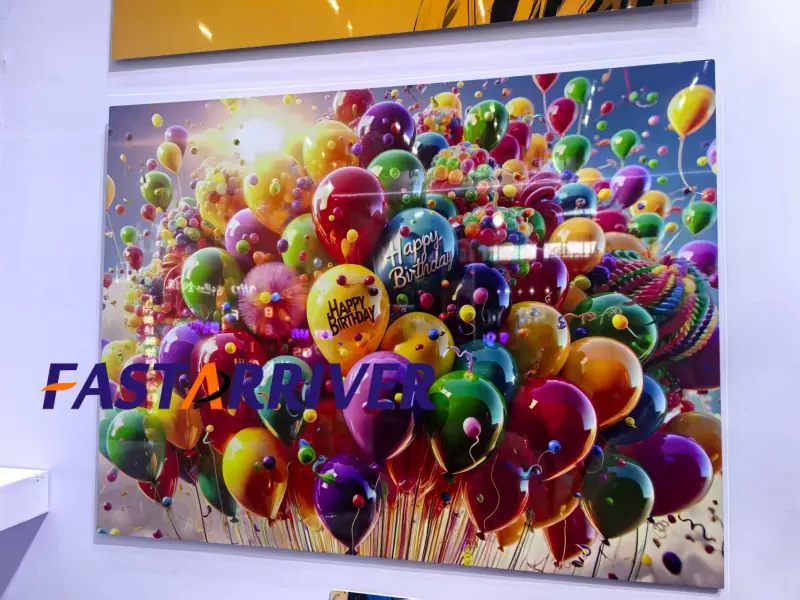
The best alloy for sublimation aluminum sheet depends on the application.
Photo Printing Industry
Uses:
- Photo panels
- Personalized gifts
- Home decoration
Recommended alloy:
→ 1050
→ 1060
Sign Making Industry
Uses:
- Business signs
- Direction signs
- Advertising boards
Recommended alloy:
→ 1060
→ 3003
→ 5052
Awards and Recognition Products
Applications:
- Medals
- Plaques
- Certificates
Recommended alloy:
→ 1050
→ 1060
Outdoor Advertising
Applications:
- Building signs
- Street signs
- Industrial labels
Recommended alloy:
→ 3003
→ 5052
Sublimation Aluminum Sheet vs Other Printing Materials
Aluminum vs MDF Sublimation Board
| Feature | Aluminum | MDF |
|---|---|---|
| Water Resistance | Excellent | Low |
| Outdoor Use | Good | Limited |
| Weight | Light | Medium |
| Service Life | Long | Shorter |
Aluminum vs PVC Printing Board
| Feature | Aluminum | PVC |
|---|---|---|
| Strength | Higher | Lower |
| Appearance | Premium | Normal |
| Weather Resistance | Better | Medium |
How to Choose the Best Alloy for Sublimation Aluminum Sheet
A simple selection method:
Indoor product → 1050 / 1060
↓
Commercial sign → 3003
↓
Outdoor project → 5052
Before purchasing, consider:
- Printing purpose
- Product size
- Required strength
- Installation environment
- Budget
Buying Sublimation Aluminum Sheet from a Manufacturer
A reliable supplier should provide:
- Stable alloy quality
- Accurate thickness
- Good coating performance
- Custom sizes
- Export packaging
Important specifications to confirm:
| Item | Details |
|---|---|
| Alloy | 1050 / 1060 / 3003 / 5052 |
| Temper | O / H14 / H18 |
| Thickness | 0.2mm-3mm |
| Surface | Glossy / Matte / Brushed |
| Size | Standard or Custom |
Understanding the Core: What is a Sublimation Aluminum Sheet?
A sublimation aluminum sheet is a specialized metal plate. It features a high-grade polyester coating on the surface. When you apply heat and pressure, the ink turns into gas and sinks into this coating. The result is a permanent, high-definition image. The alloy underneath determines how well the sheet handles the heat press and how long it lasts in different environments.
Technical Data and General Specifications
To get the best results, you need to know the numbers. Here is a quick look at the standard specifications available in the market:
| Specification Item | Common Range / Value |
|---|---|
| Available Alloys | 1000 Series, 3000 Series, 5000 Series |
| Standard Thickness | 0.45 mm, 0.5 mm, 0.7 mm, 1.1 mm |
| Surface Coating | PE (Polyester) or High-Gloss Coating |
| Common Sheet Sizes | 300×600 mm, 600×1200 mm, 12×24 inches |
| Protective Film | Transparent or Blue PE film (must be removed before use) |
Detailed Breakdown of the Best Alloy Types
The chemical composition of the metal changes its performance. Let’s look at the three most popular choices for the best alloy for sublimation aluminum sheet.
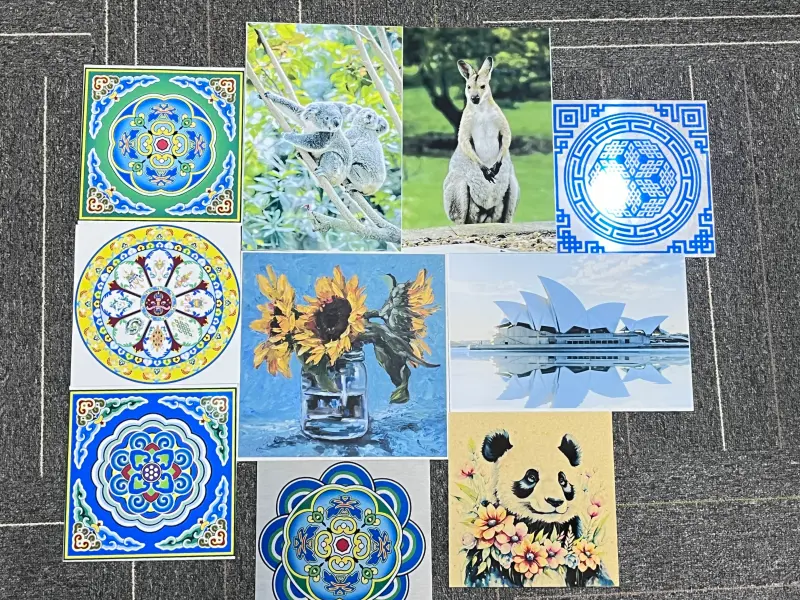
1000 Series: The Pure Selection
Alloys like 1050 and 1060 are nearly pure aluminum (99%+). This series is very soft and easy to cut. It is an excellent choice for indoor decorations where the metal does not need to support a lot of weight. Because it is pure, it offers great thermal conductivity, which helps the ink transfer evenly.
3000 Series: The Industry Standard
The 3003 alloy is the most common choice worldwide. It contains Manganese. This addition makes the sheet stronger than the 1000 series. It is easy to process and has great corrosion resistance. Most photo panels and award plaques use this alloy because it balances cost and durability perfectly.
5000 Series: The Premium Choice
Alloys like 5052 are considered high-end. They contain Magnesium. This makes the sheet very strong and resistant to saltwater. If you are making signs for ships or outdoor coastal areas, this is the best alloy for sublimation aluminum sheet. It stays flat even at very high temperatures.
Comparing Thickness and Performance
The thickness of the metal affects how the final product feels and how it is mounted. Here is a comparison to help you decide:
| Thickness (mm) | Weight Class | Best Used For |
|---|---|---|
| 0.22 mm | Ultra Light | Business cards, labels, and small stickers. |
| 0.45 mm | Standard | Trophy plates, indoor signage, and name tags. |
| 0.70 mm | Medium | Photo panels and medium-sized wall art. |
| 1.15 mm | Heavy Duty | Premium photo galleries and outdoor commercial signs. |
Different Product Surfaces for Every Need
Manufacturers offer different finishes to change the look of the printed image. You can choose the one that fits your brand.
High Gloss White Finish
This is the “classic” look. The white base makes the colors look exactly like they do on your computer screen. It is the best choice for high-resolution photography.
Brushed Silver and Gold
These sheets have a visible “grain” or texture. They are perfect for a modern, industrial look. Please note that the “white” parts of your image will show up as the metal color (silver or gold).
Matte White Finish
If you want to avoid reflections and glare, the matte finish is perfect. It is often used for informational signs in hospitals or offices where bright lights can make glossy surfaces hard to read.
Mirror Effect Panels
These are highly reflective. They look like colored mirrors once printed. They are mostly used for luxury branding and high-end awards.
How to Process Your Metal Sheets Correctly
Using the best alloy for sublimation aluminum sheet is only half the battle. You must follow the right steps to ensure a perfect transfer.
→ Step 1: Preparation. Remove the plastic protective film from the metal. Clean the surface with a microfiber cloth to remove dust.
→ Step 2: Alignment. Place your sublimation paper face down on the coated side of the metal. Use heat-resistant tape to hold it in place.
→ Step 3: Heat Press. Set your machine to approximately 180∘C−200∘C (356∘F−392∘F).
→ Step 4: Timing. Press for 45 to 60 seconds depending on the thickness of the alloy.
→ Step 5: Cooling. Carefully remove the paper. Let the metal cool on a flat surface to prevent warping.
Where the Metal Meets the Ink: Real World Usage
Different industries choose specific alloys and sizes based on their needs.
- Photo Labs and Galleries: They use 1.1 mm 3003 alloy with a high-gloss finish for large-format wall art.
- Industrial Identification: Factories use 5052 alloy for machine nameplates. These plates must resist chemicals and heat.
- Advertising and Branding: Small shops use 0.45 mm sheets for customized keychains, business cards, and office desk nameplates.
- Interior Design: Designers use brushed aluminum for kitchen backsplashes or elevator wall decorations.
- Sports and Recognition: Trophy shops use thin sheets to wrap around curved trophy bases or stick onto wooden plaques.
Comparing Sublimation Aluminum vs. Other Materials
Why choose aluminum over plastic or wood? Let’s look at the differences.
- Aluminium vs. Plastic: Aluminum is heat resistant and fireproof. It looks much more professional and does not crack over time.
- Aluminium vs. Wood: Metal offers a much higher resolution. The colors are sharper and more vivid on a sublimation aluminum sheet than on treated wood.
- Aluminium vs. Steel: Aluminum is much lighter. It does not rust like regular steel does. This makes it easier to hang on walls without heavy supports.
Technical States of the Metal (Tempers)
The “Temper” describes how hard the metal is. When buying, you will see codes like H14 or H18.
- H14 Temper: This is “half-hard.” It is the most popular for sublimation. It is easy to cut and bend without snapping.
- H18 Temper: This is “fully hard.” It is very stiff. Use this if you need a plate that will never bend, even under heavy pressure.
- H24 Temper: This is partially annealed and work-hardened. It offers a very smooth surface, which is great for mirror-finish products.
Tips for International Buyers
If you are looking for a reliable supplier for the best alloy for sublimation aluminum sheet, keep these points in mind:
- Request Samples: Always test the coating quality. A cheap coating will peel or fade after a few months.
- Check Packaging: Aluminum is soft. Ensure the supplier uses strong wooden crates and protective paper between each sheet.
- Verify the Alloy: Ask for a Mill Test Certificate (MTC). This proves you are getting real 3003 or 5052 alloy instead of a cheaper 1000 series.
- Coating Thickness: A thicker coating usually means deeper colors and better scratch resistance.
Frequently Asked Questions About Best Alloy for Sublimation Aluminum Sheet
What is the best alloy for sublimation aluminum sheet?
The most common choices are 1050 and 1060 aluminum because they provide good surface quality, easy processing, and excellent printing performance.
Is 5052 aluminum suitable for sublimation printing?
Yes. 5052 aluminum is suitable for sublimation printing, especially for outdoor applications that require higher strength and corrosion resistance.
Which aluminum is better for photo printing?
1050 and 1060 aluminum are commonly used for photo printing because they have smooth surfaces and good coating performance.
What thickness is recommended for sublimation aluminum sheets?
For most sublimation products, 0.3mm to 0.8mm thickness is commonly used. Larger outdoor signs may require 1mm or thicker sheets.
Can sublimation aluminum sheets be customized?
Yes. Manufacturers can customize alloy, thickness, size, coating, and surface finish according to customer needs.
Leave a Reply
You must be logged in to post a comment.