
Aluminium metal printing
The Brilliance of Aluminium Metal Printing
Welcome to the exciting world of aluminium metal printing! If you’re looking for a way to create eye-catching, long-lasting, and high-quality images or designs, then printing directly onto aluminium is a fantastic solution.
This innovative process transforms ordinary aluminium sheets into vibrant works of art, durable signage, and functional decorative panels. Far beyond traditional paper or canvas, printed aluminium offers a unique blend of aesthetic appeal and robust performance.
Let’s explore why aluminium printing is becoming the top choice for many industries and individuals seeking superior visual solutions.
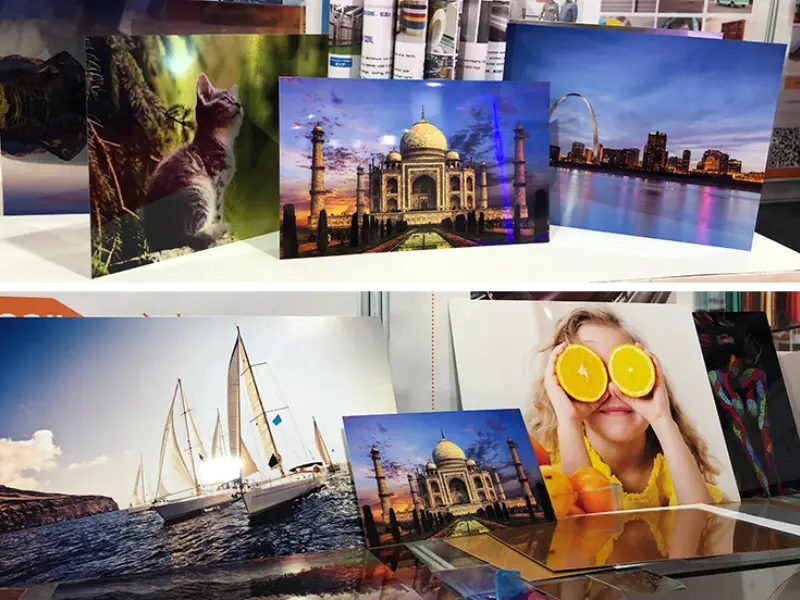
Why Choose Aluminium for Printing? Key Advantages
Choosing aluminium for printing comes with a host of benefits that set it apart from other materials. When you opt for aluminium metal printing, you’re investing in quality and longevity.
- Exceptional Durability: Aluminium is naturally strong and resistant to corrosion. When combined with the sublimation process, the prints become highly resistant to scratches, fading, and moisture. This makes printed aluminium perfect for both indoor and outdoor use.
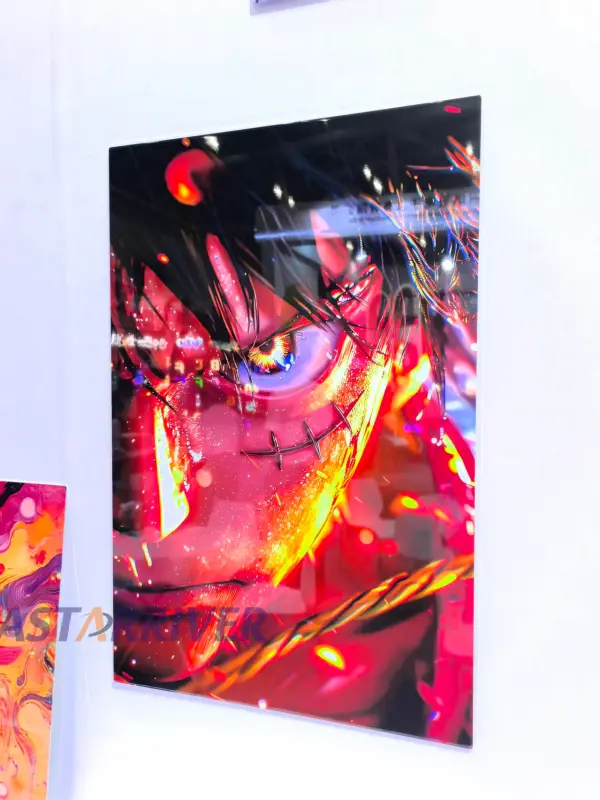
- Vibrant and Sharp Imagery: The smooth, often glossy or matte, finish of aluminium sheets allows for incredibly sharp details and brilliant, vivid colors. Images appear almost three-dimensional with great depth.
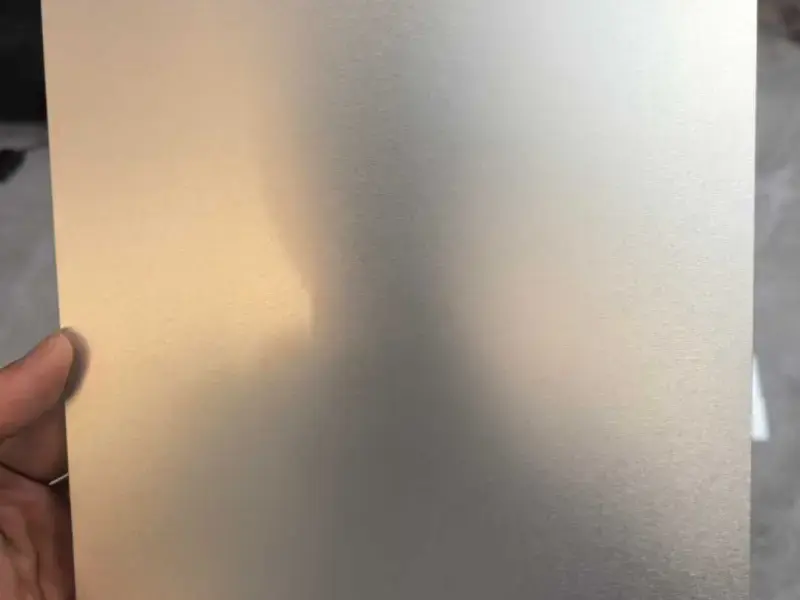
Lightweight: Despite its strength, aluminium is a lightweight metal. This makes aluminium printing easy to handle, transport, and install, reducing costs and effort.
Modern Aesthetic: Printed aluminium provides a sleek, contemporary, and professional look that elevates any image or design. It adds a touch of sophistication that other materials often cannot match.
Weather-Resistant: Because the inks are infused into the coating, aluminium metal printing stands up well to various weather conditions, including UV exposure and humidity, without cracking or peeling.
Eco-Friendly: Aluminium is 100% recyclable. Choosing aluminium for printing can be a more environmentally conscious decision, as the material can be repurposed at the end of its life cycle.
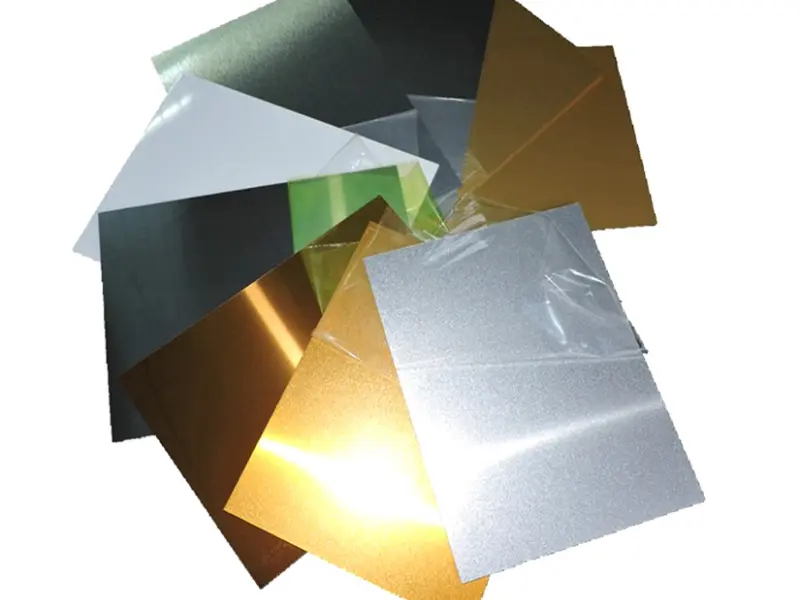
Types of Aluminium for Printing
The versatility of aluminium printing is further enhanced by the different types of aluminium sheets available. These variations allow for diverse aesthetic and functional outcomes.
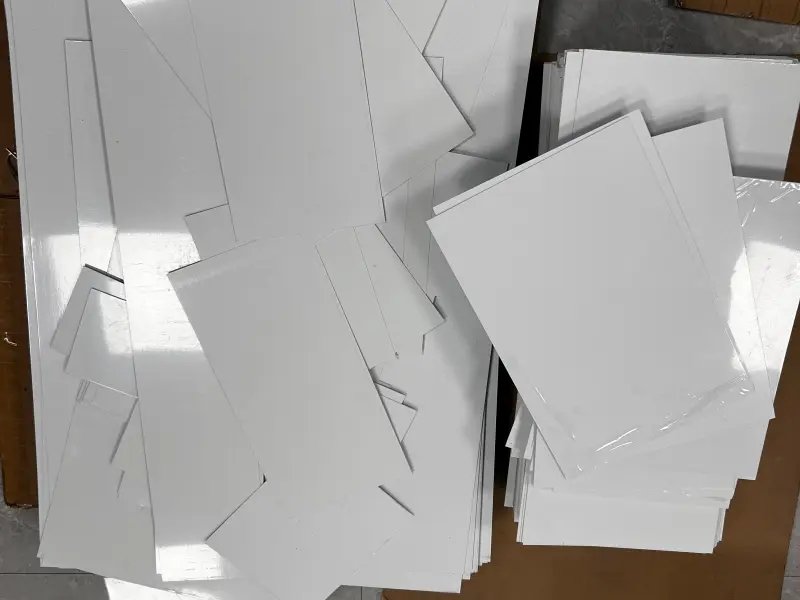
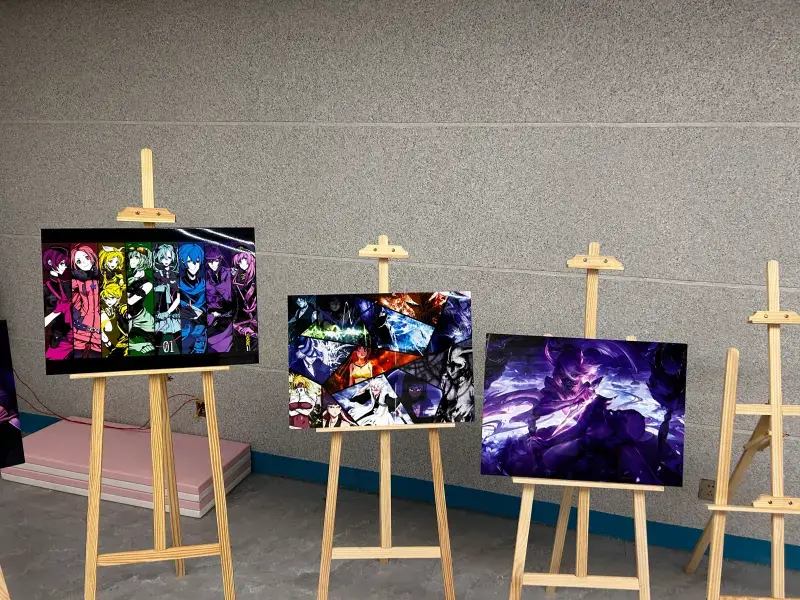
| Feature | Type/Option | Description | Ideal Use Case |
|---|---|---|---|
| Finish | Gloss White | Highly reflective, vibrant colors, often used for photographic prints. | Photos, Fine Art, High-Impact Signage |
| Matte White | Non-reflective, reduces glare, offers a softer, more subtle look. | Gallery Prints, Professional Displays, Areas with Strong Lighting | |
| Brushed Aluminium | Metallic sheen with a brushed texture, allowing aluminium to show through. | Industrial Signage, Modern Art, Decorative Panels, Unique Brand Displays | |
| Clear/Silver | Transparent coating, allowing the metallic aluminium to shine through the image. | Metallic Effects, Artistic Overlays, Industrial Design | |
| Thickness | Thin (0.5mm – 1.0mm) | Lightweight, flexible, good for smaller prints or curved surfaces. | Wall Art, Decorative Items, Lightweight Signage |
| Standard (1.1mm) | Most common thickness, offering a good balance of rigidity and weight. | General Signage, Photo Panels, Medium-Sized Art Pieces | |
| Thick (2.0mm – 3.0mm) | Very rigid and durable, ideal for large signs or high-impact applications. | Large Outdoor Signage, Architectural Panels, Structural Decorative Elements |
Digital Specifications for High-Quality Aluminium Printing
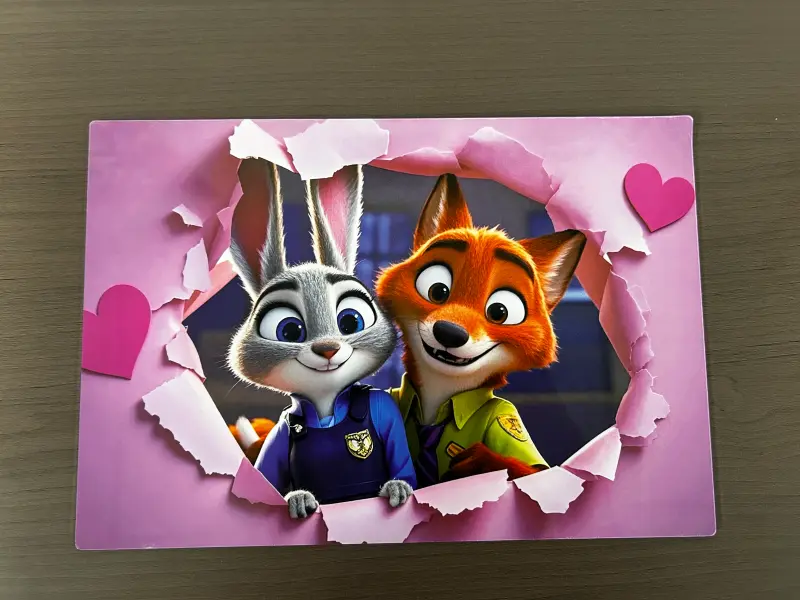
To ensure your aluminium metal printing project looks its best, paying attention to digital specifications is crucial. These details ensure that the final printed aluminium product accurately reflects your original design.
| Digital Specification | Detail / Recommended Value | Importance for Aluminium Printing |
|---|---|---|
| Resolution (DPI) | 300 DPI (Dots Per Inch) | Ensures sharp, detailed images without pixelation, especially for close viewing. |
| Color Mode | RGB for input, CMYK for print conversion | RGB has a wider color gamut; printers convert to CMYK for accurate output. |
| File Format | TIFF, JPEG, PDF, PSD, AI | TIFF/PDF are lossless; JPEG good for photos; PSD/AI for layered designs. |
| Color Profile | sRGB or Adobe RGB (for input) | Standard profiles help maintain color consistency across devices. |
| Bleed | 1/8 inch (3mm) on all sides | Ensures no white edges if the print shifts slightly during cutting. |
| Safety Margins | 1/4 inch (6mm) from edges | Keeps important text/graphics from being cut off or too close to the edge. |
Key Applications of Aluminium Metal Printing
The versatility of aluminium metal printing means it can be used in a vast array of applications, catering to both aesthetic and functional needs. Its durability and visual appeal make printed aluminium a preferred choice across many sectors.
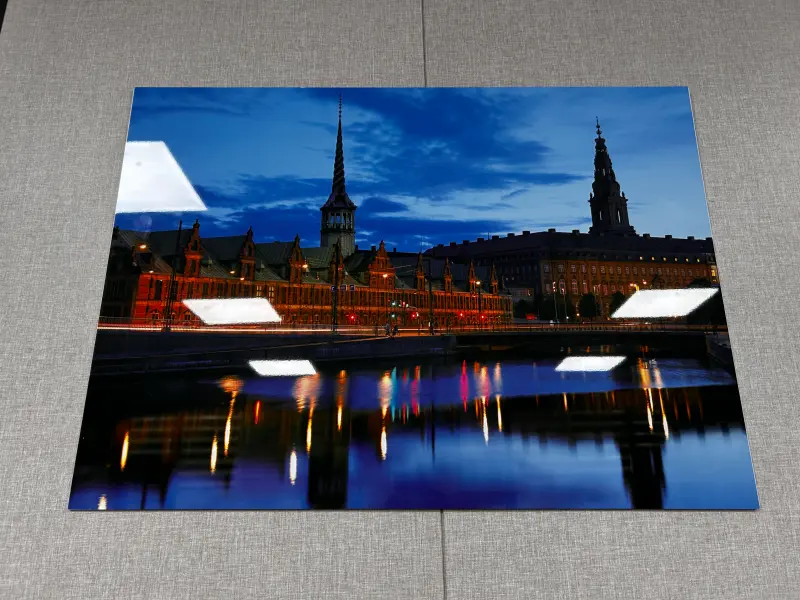
Art and Photography Displays: Transform cherished photos and original artwork into stunning, gallery-quality pieces with incredible depth and vibrancy.
Indoor and Outdoor Signage: Create professional, weather-resistant signs for businesses, directional guidance, or informational displays that last for years.
- Decorative Panels: Enhance interior spaces with custom wall art, splashbacks for kitchens, or unique decorative elements in commercial or residential settings.
- Architectural Features: Integrate bespoke designs into building facades, interior walls, or elevator panels, offering a modern and durable finish.
- Retail and Point-of-Sale Displays: Develop engaging and robust displays for product promotion, branding, and informational purposes in retail environments.
- Custom Gifts and Awards: Design personalized gifts, corporate awards, or commemorative plaques that offer a premium feel and lasting impression.
- Industrial and Commercial Labels: Produce durable, legible labels for machinery, equipment, or inventory management that can withstand harsh environments.
- Menu Boards and Wayfinding: Craft stylish and clean menu boards for restaurants or effective wayfinding solutions in large complexes.
Benefits for Businesses and Individuals
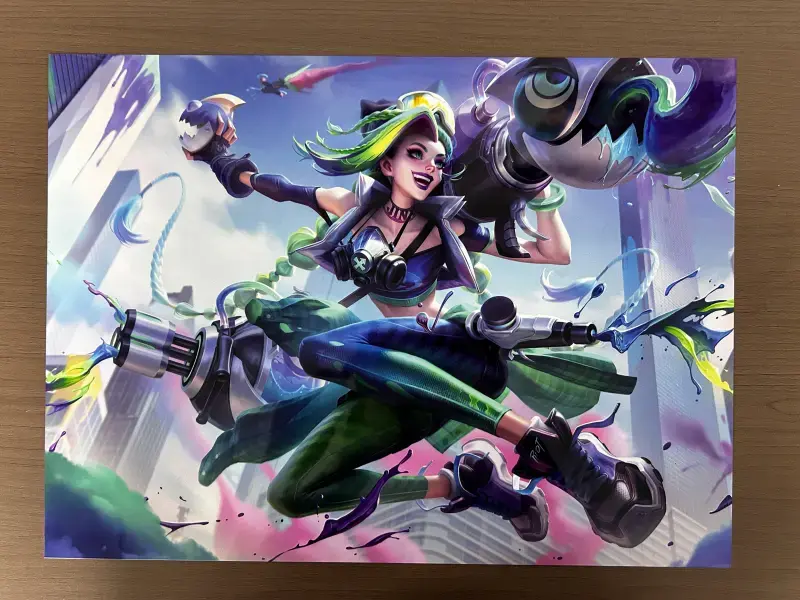
For businesses, aluminium metal printing offers a powerful tool for branding, marketing, and creating professional environments. The ability to produce high-quality prints that are also extremely durable means a better return on investment for signage and promotional materials. The sleek appearance of printed aluminium can elevate a brand’s image, conveying modernity and reliability.
Individuals can benefit from aluminium printing by transforming personal photographs into stunning art pieces that last a lifetime, or by creating unique, personalized gifts. The lightweight nature of the material makes it easy to handle and display, adding a contemporary touch to any home or office. With its weather-resistant properties, art can even be displayed outdoors.
What is Aluminium Metal Printing? Unveiling the Process
Aluminium metal printing is a specialized technique that embeds images directly into the surface of specially prepared aluminium. While there are a few methods for metal printing, one of the most popular and effective for achieving high-quality results is dye-sublimation.
Here’s a simplified look at how it generally works:
- Preparation: Special aluminium sheets are coated with a polyester layer. This layer is crucial for accepting the ink.
- Printing: Your design is first printed onto a special transfer paper using dye-sublimation inks. These inks turn into a gas when heated.
- Transfer: The printed paper is then placed on the coated aluminium sheet. Under high heat and pressure, the ink gases infuse into the polyester coating on the aluminium.
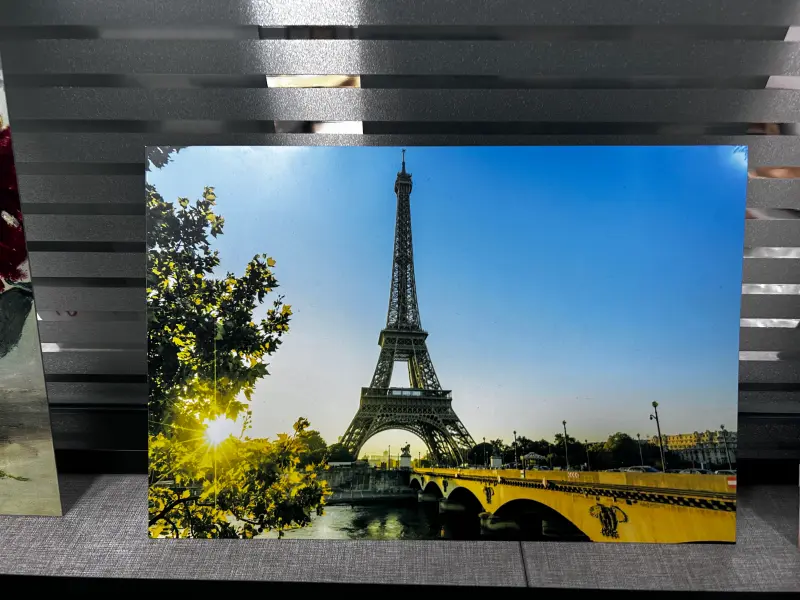
Result: As the aluminium cools, the ink solidifies, becoming a permanent part of the coating. The result is a vibrant, scratch-resistant, and waterproof image that’s deeply embedded, not just sitting on the surface.
This method ensures that your printed aluminium pieces are not only beautiful but also incredibly durable.
Embrace the Future of Printing with Aluminium
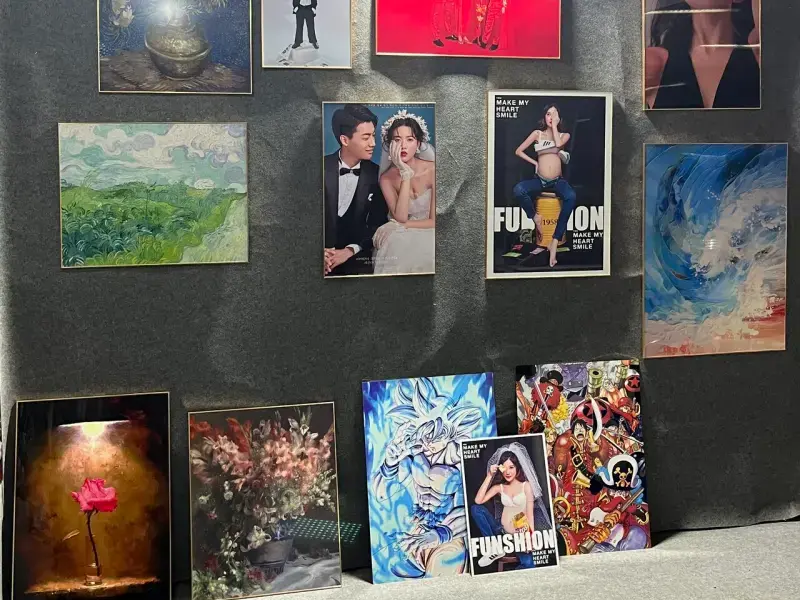
Aluminium metal printing stands at the forefront of modern printing technology. Offering an unparalleled combination of durability, aesthetic appeal, and versatility, printed aluminium sheets are quickly becoming the go-to choice for anyone looking for superior visual solutions.
Whether for breathtaking art, robust outdoor signage, or sophisticated interior decor, aluminium printing delivers high-quality prints that truly stand the test of time.
Embrace the strength and beauty of aluminium metal printing for your next project. Experience the vibrant colors, sharp details, and lasting impact that only printed aluminium can provide.
Modern Aluminium Metal Printing: Technology and Value
Aluminium metal printing transforms raw metal sheets into visual displays, durable labels, and structural signs. It blends the strength of metal with high-resolution digital imaging.
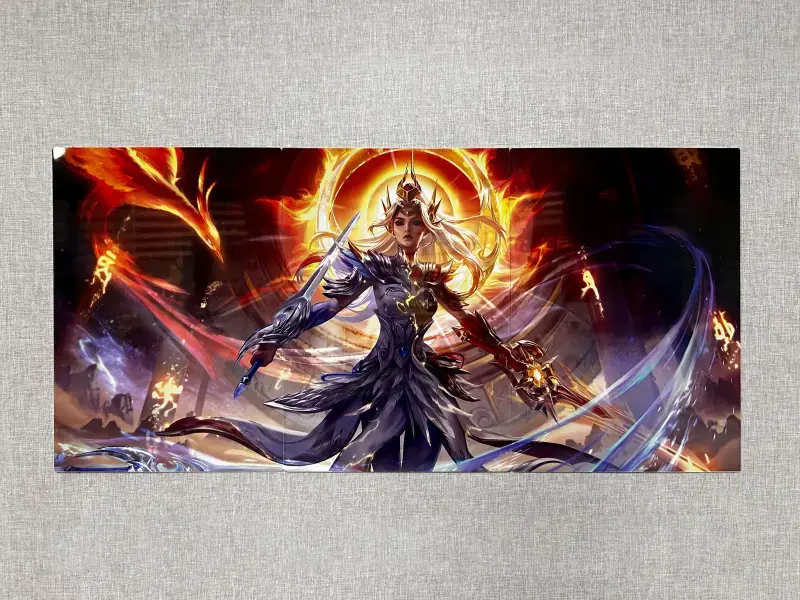
Printing on metal differs from printing on paper. Metal is non-porous. Liquid ink cannot soak into the surface. Manufacturers apply specialized coatings, heat-curing inks, or electrochemical dyes to achieve strong image adhesion.
Raw Metal Sheet ➔ Surface Degreasing ➔ White/Clear Base Primer ➔ Digital/Screen Print ➔ UV/Heat Curing ➔ Protective Topcoat ➔ CNC Cutting
Why Buyers Choose Printed Aluminium
- High Rigidity: Aluminium provides a solid structure without adding heavy weight.
- Fire Resistance: Metal does not catch fire or release toxic smoke during indoor accidents.
- Weatherproof Performance: Specialized inks and topcoats resist rain, snow, and sunlight.
- Modern Aesthetic: The metallic sheen gives graphics a sleek, contemporary appearance.
- Long Service Life: Outdoor signs retain visual clarity for years without warping or peeling.
Industrial Printing Technologies for Aluminium
Different visual outcomes require distinct printing methods. Choosing the right printing process depends on your order volume, outdoor exposure requirements, and graphic complexity.
  CHOOSE YOUR PRINTING METHOD
                 │
  ┌──────────────┼──────────────┬──────────────┐
  ▼              ▼              ▼              ▼
UV Flatbed   Sublimation    Photo-Anodized   Screen Print
(Direct Print) (Deep Color)  (Extreme Duty)  (Mass Volume)
UV Flatbed Direct Printing
UV flatbed printers deposit ink directly onto the pre-treated metal surface. Ultraviolet lamps immediately cure the liquid ink droplets. This instant drying bonds the pigment firmly to the sheet.
- Best For: Fast custom prototyping, multi-color signs, architectural panels, short-to-medium runs.
- Print Resolution: Up to 1440×1440 DPI.
- Ink Flexibility: Allows selective white ink layers and spot gloss effects.
Dye Sublimation (Thermal Infusion)
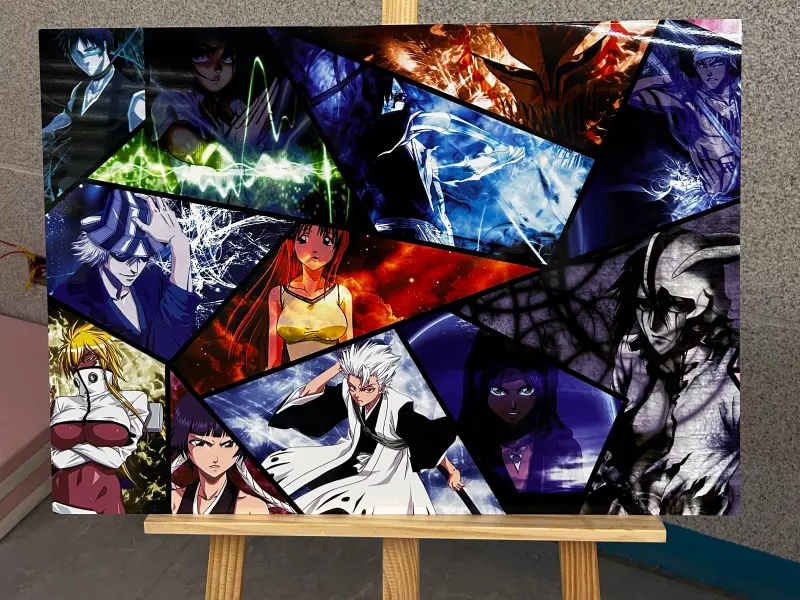
Dye sublimation transfers heat-sensitive dyes into a clear polymer receptor layer coated on the aluminium sheet. Under heat (200∘C) and heavy pressure, solid dye turns directly into a gas and infuses into the coating layer.
Limitation: Requires a factory-applied polyester receiving coat.
Best For: Fine art photo prints, gallery displays, luxury retail signage.
Visual Trait: Extremely deep black tones, rich color saturation, and a mirror-smooth finish.
Metalphoto and Anodized Sub-Surface Printing
This technique embeds images directly inside the open pores of an anodized aluminum surface. After printing, technicians seal the pores in boiling water. The image becomes part of the aluminum sapphire-hard oxide layer.
- Best For: Military barcode tags, aerospace asset tags, boiler nameplates.
- Durability: Resistant to solvents, abrasion, hydraulic fluids, and severe heat up to 500∘C.
Industrial Screen Printing
Screen printing forces ink through a woven mesh stencil onto the metal. Each color requires its own screen. It remains the most economical method for large runs with simple designs.
- Best For: Machine warning labels, fleet equipment plates, 1-to-3 color industrial signs.
- Advantages: Low unit cost for runs above 1,000 units, thick ink deposits, strong opacity.
Technical Comparison of Metal Printing Methods
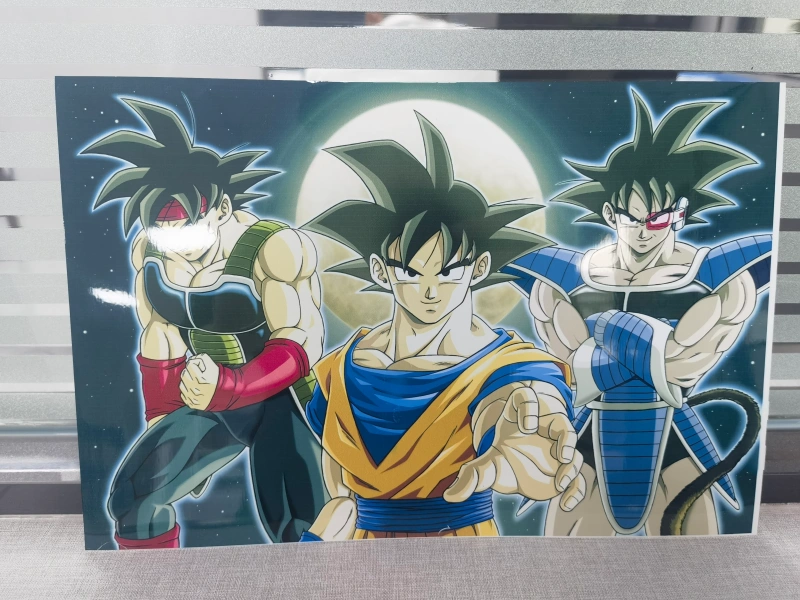
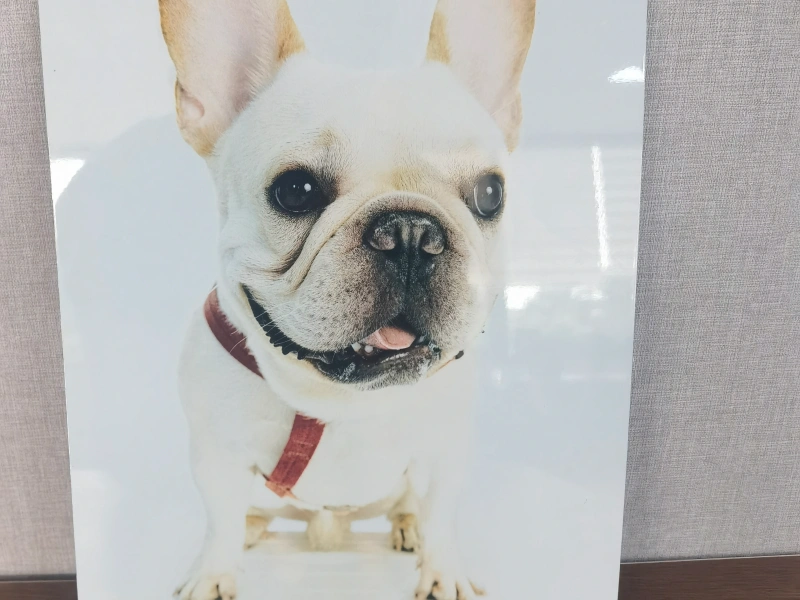
| Performance Indicator | UV Flatbed Direct | Dye Sublimation | Anodized Sub-Surface | Industrial Screen |
|---|---|---|---|---|
| Color Complexity | Full Color + White | Full Color Continuous | Black / Spot Colors | 1 to 4 Spot Colors |
| Indoor Lifespan | 10 to 15 Years | 20+ Years | 25+ Years | 10 to 15 Years |
| Outdoor UV Life | 3 to 5 Years (Uncoated) | 3 to 7 Years (UV Coated) | 20+ Years (Extreme) | 3 to 5 Years |
| Scratch Resistance | Moderate to High | High (Surface Sealed) | Extreme (Hard as Glass) | Moderate |
| Chemical Resistance | Medium | Good | Immune to Most Acids | Medium to High |
| Setup Cost | Zero Plate Charge | Zero Plate Charge | Moderate Film Cost | High Screen Setup |
| Cost per Piece (10 pcs) | Low | Low to Moderate | Moderate | Very High |
| Cost per Piece (5000 pcs) | Moderate | Moderate | Moderate to Low | Very Low |
Aluminium Alloys and Tempers Used for Printing
Selecting the proper alloy grade ensures the printed sheet bends, stamps, or hangs flat without surface cracking.
1xxx Series: Pure Base Sheets
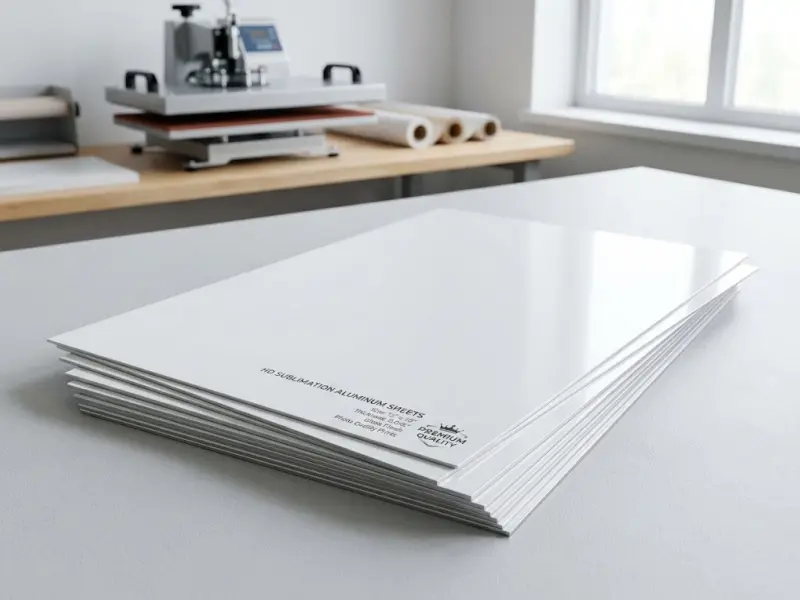
Alloy 1050 and 1060 contain over 99.5% pure aluminium. They are soft, highly workable, and accept chemical anodizing evenly.
| Alloy | Temper | Tensile Strength | Main Printing Uses |
|---|---|---|---|
| 1050 | H14 / H24 | 105−145 MPa | Cosmetic nameplates, chemical asset tags |
| 1060 | O / H12 | 65−95 MPa | Deep-drawn badges, embossed labels |
3xxx Series: Workhorse Structural Panels
Alloy 3003 and 3105 include manganese for extra rigidity. They resist moisture corrosion and offer good flat stiffness for large wall panels.
| Alloy | Temper | Tensile Strength | Main Printing Uses |
|---|---|---|---|
| 3003 | H14 | 140−180 MPa | Outdoor wayfinding, commercial signs |
| 3105 | H16 / H24 | 150−200 MPa | Traffic indicators, trailer side sheets |
5xxx Series: Marine and Heavy-Duty Plates
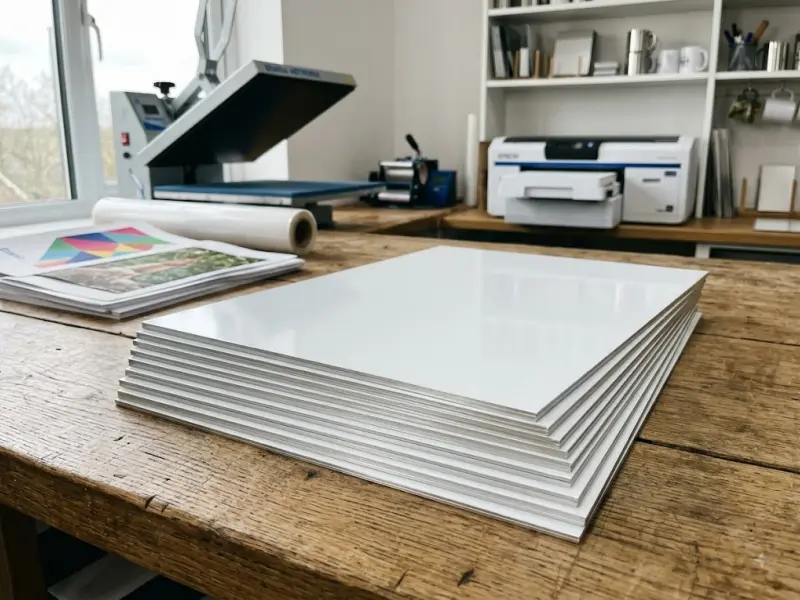
Alloy 5052 provides superior strength and corrosion resistance against salt spray. It works well for harsh outdoor environments.
| Alloy | Temper | Tensile Strength | Main Printing Uses |
|---|---|---|---|
| 5052 | H32 | 210−260 MPa | Marine console panels, offshore asset tags |
Base Metal Finishes and Visual Styles
The surface finish of the raw aluminum directly shapes how printed graphics appear.
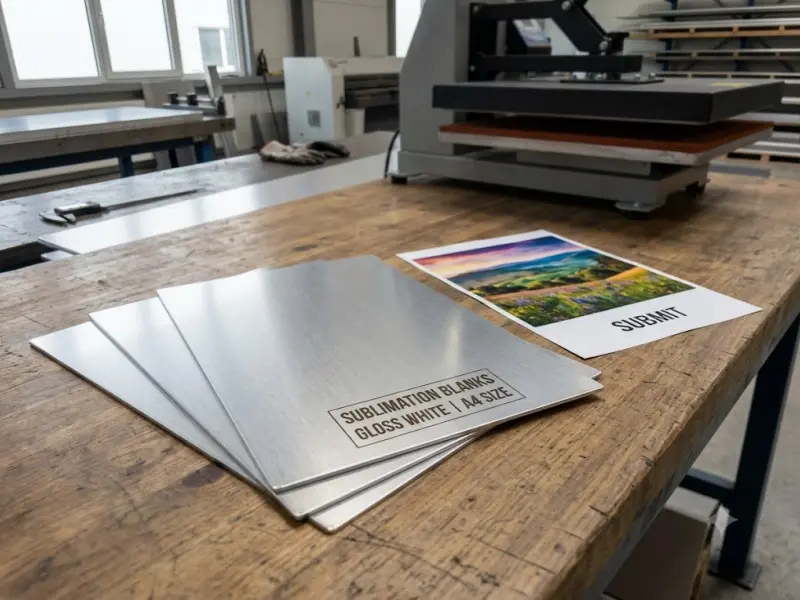
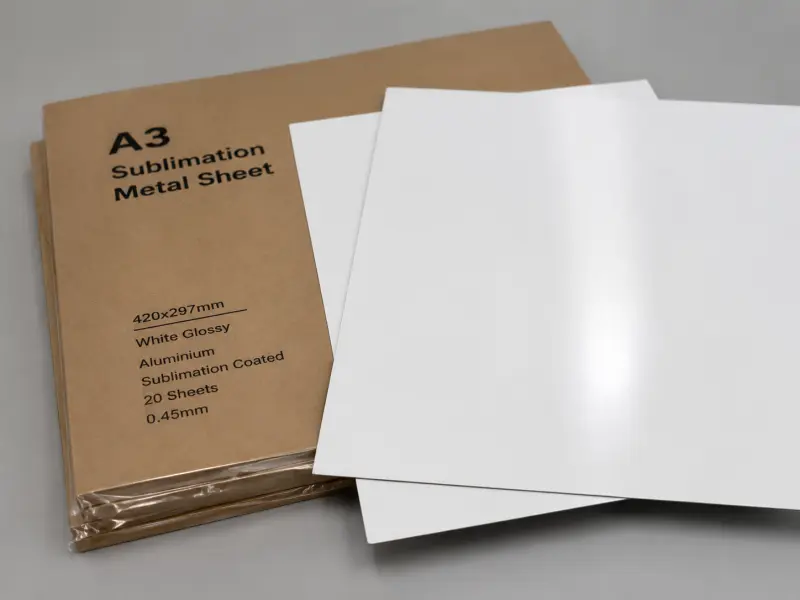
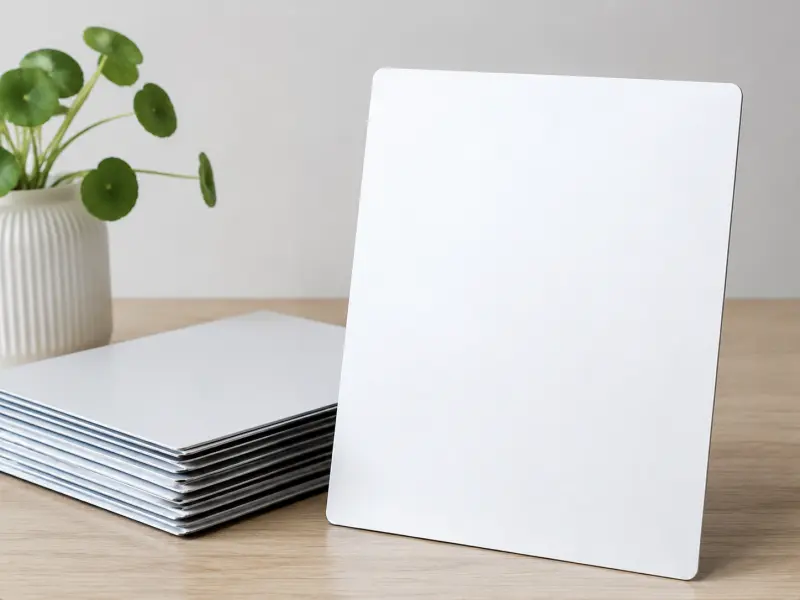
Solid Gloss White Coating
The base metal receives a pre-painted white polyester coating. Colored inks print on top of the white background.
- Colors look true to original graphic files.
- Whites in the artwork remain crisp and bright.
- Recommended for trade show signs, photography panels, and retail graphics.
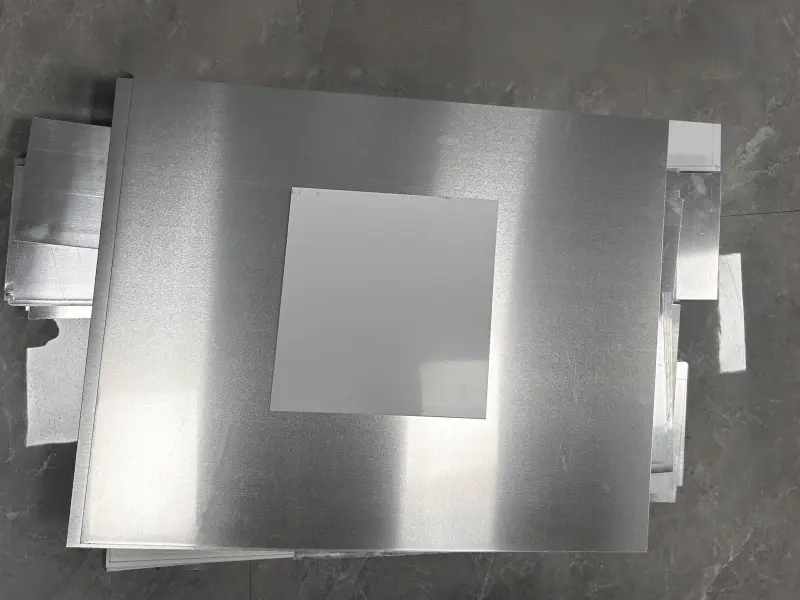
Brushed Silver Finish
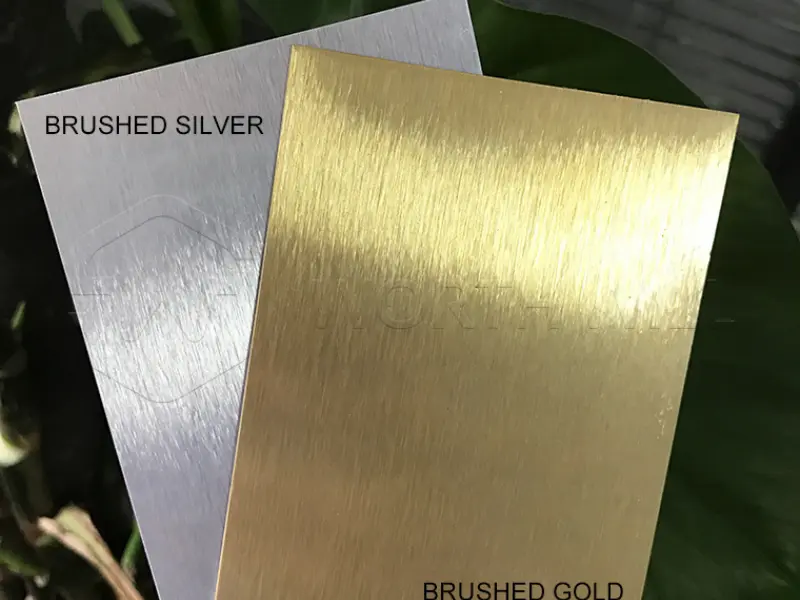
The aluminum surface features fine linear horizontal polishing lines under a clear primer.
Delivers an industrial, high-tech look for equipment branding.
White ink is omitted in selected areas, allowing the metallic grain to show through.
Light reflects off the brushed metal grain through translucent colored inks.
Matte Anti-Glare White
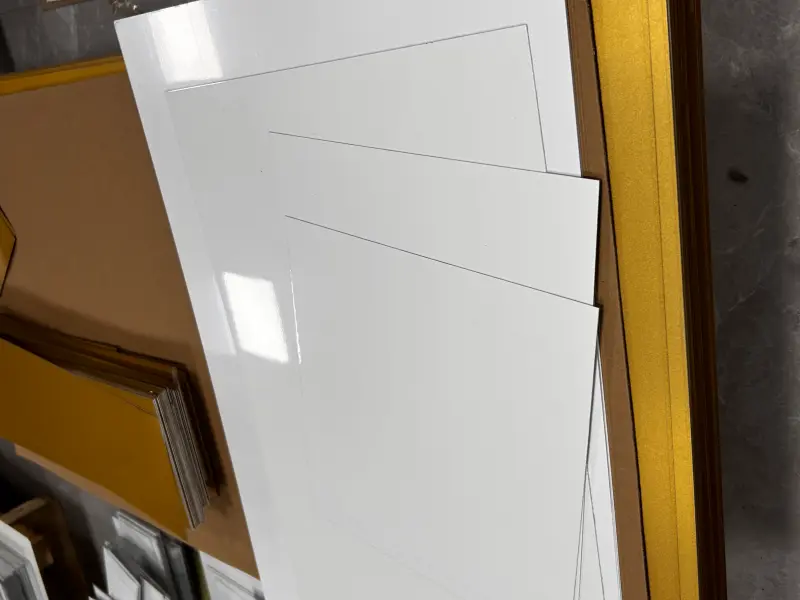
A smooth white coat treated with a microscopic non-reflective texture.
Recommended for technical schematics, instructional boards, and hospital signage.
Eliminates harsh light reflections under strong factory or museum lighting.
Easy to read from wide viewing angles.
Mirrored Reflective Metal
A polished sheet with mirror-like optical qualities under a protective clear print layer.
- Highly reflective, metallic visual effect.
- Popular for awards, trophies, luxury packaging inserts, and cosmetic displays.
Thickness Selection Guide for Metal Printing
Choosing the right thickness prevents panel bowing while avoiding unnecessary material costs.
| Sheet Thickness | Gauge Equivalent | Typical Weight (kg/m2) | Primary Applications |
|---|---|---|---|
| 0.30 mm−0.45 mm | 28 to 26 ga | 0.81−1.22 | Barcode labels, serial asset stickers, bottle labels |
| 0.50 mm−0.80 mm | 24 to 20 ga | 1.35−2.16 | Small equipment nameplates, home wall art, photo prints |
| 1.00 mm−1.50 mm | 18 to 16 ga | 2.70−4.05 | Commercial directional signs, industrial control panels |
| 2.00 mm−3.00 mm | 12 to 10 ga | 5.40−8.10 | Heavy architectural facades, public street signage |
Production Workflow: How Metal Sheets Are Printed
High-quality metal printing requires disciplined shop floor procedures to avoid ink flaking and color shifts.
Pre-Treatment and Degreasing

Raw aluminum sheets arrive with rolling oils and shop dust. Technicians pass sheets through alkaline degreasing baths or wipe them with isopropyl alcohol. This creates an oil-free surface with high surface energy (>42 dynes/cm).
White Under-Base Laydown
Printers deposit a selective or flood layer of opaque white ink on dark or metallic sheets. This white background ensures colored inks retain their intended hue instead of shifting into dull metallic tones.
Color Printing Passes
Digital printheads make high-speed bidirectional passes. UV printheads cure each ink line instantly with LED lights. In dye sublimation, sheets go through high-pressure flatbed heat presses for 90 to 120 seconds.
Post-Finishing and Cutting
Printed sheets receive post-finishing steps based on project requirements:
- Clear Topcoating: Liquid polyurethane or fluorocarbon spray for extreme outdoor UV protection.
- CNC Routing: High-speed router bits cut custom shapes and drill mounting holes.
- Edge Deburring: Removes sharp metal burrs to protect handlers during field installation.
Applications by Industry Sector
Printed aluminium sheets serve critical functions across diverse commercial and industrial environments.
Industrial Manufacturing and Safety
Machine Instruction Plates: Shows wiring schematics and operational diagrams next to factory controls.
Asset Tracking Barcodes: High-contrast 2D Data Matrix and QR codes for tool management.
Hazard Warning Notices: OSHA and ISO safety warnings mounted on chemical tanks.
Valve Tags: Stamped and printed aluminum discs tied to industrial pipeline systems.
Commercial Wayfinding and Transportation
- Airport Terminal Signs: Overhead direction signs with clear, high-contrast typography.
- Public Highway Signs: Reflective and painted aluminum panels built to handle severe weather.
- Marine Vessel Dashboards: Salt-resistant instrument panels for motorboats and work vessels.
- Parking Facility Indicators: Waterproof directional markers for underground garages.
Architecture, Retail, and Visual Arts
- Gallery Photographic Art: High-definition dye-sublimation wall panels for art galleries.
- Branded Storefront Signage: Weatherproof exterior retail logos and fascia panels.
- Point-of-Purchase (POP) Displays: Rigid, reusable branded counters and menu boards.
- Hospitality Elevator Cladding: Custom printed brushed metal sheets inside hotel elevator cabs.
Durability and Testing Standards
Quality manufacturers verify their printed metal goods against recognized industrial test standards.
  QUALITY VERIFICATION TESTING
┌──────────────────────────────────────────────┐
│  ASTM D3359 Cross-Hatch Adhesion Test        │
│  ASTM G154 Accelerated UV Weathering Chamber  │
│  ASTM B117 Neutral Salt Spray Test           │
│  Taber Abrasion Resistance (CS-10 Wheels)     │
└──────────────────────────────────────────────┘
ASTM D3359 Cross-Hatch Adhesion Test

Technicians cut a lattice pattern into the printed ink layer with a razor blade. Pressure-sensitive tape is pressed firmly over the grid and pulled off quickly. Premium prints achieve a 5B rating, meaning zero ink flaking along the cuts.
ASTM B117 Salt Fog Exposure
Panels sit in an enclosed test cabinet filled with a warm 5% sodium chloride mist.
- Standard UV prints on untreated metal last 250 hours before edge creeping occurs.
- Coated, sealed sub-surface anodized sheets withstand 1,000+ hours without blistering.
Taber Abrasion Testing
Rotating abrasive wheels rub against the printed face under a standard 1,000 gram load. This test measures how many cycles the ink survives before the metal substrate shows through.
Design and File Preparation Guidelines
Preparing correct artwork files avoids unexpected print defects and color shifts.
- Color Space: Build files in CMYK for direct UV printing. Use RGB profiles (like Adobe RGB 1998) for dye sublimation photo panels to achieve the widest color gamut.
- White Ink Channels: Create a dedicated spot color named
Spot1orWhitein vector artwork. This tells the machine printer where to lay down white under-bases. - Bleed Margins: Provide a minimum of 3.0 mm (0.125′′) bleed past the finished cut lines. This prevents thin, unprinted metal edges during CNC routing.
- Resolution Limits: Vector files (.AI, .EPS, .PDF) are best for text and barcodes. Raster images should be at least 300 DPI at full final output dimensions.
Frequently Asked Questions
Does ink scratch off printed aluminium easily?
Direct prints without topcoats can scratch if scraped with sharp steel tools. However, modern UV inks bond strongly to pre-treated surfaces.
For maximum scratch resistance, choose dye-sublimation or sub-surface anodized printing, where the image is sealed inside a protective barrier.
Can printed aluminium sheets be used outdoors in full sun?
Yes. Printed aluminium is a reliable outdoor signage material. However, durability depends on the ink system. Standard UV inks hold their color outdoors for 3 to 5 years. Adding a clear UV-blocking fluorocarbon topcoat extends color vibrancy past 10 years.
What is the difference between white base and brushed base?
White base panels have an opaque white primer coat. They produce true, color-accurate prints with clean whites. Brushed base panels preserve the raw metallic grain. Any white area in your design appears as bare brushed metal, creating an eye-catching metallic finish.
Can sheets be bent or cut after they are printed?
Yes, but you should choose the right alloy temper. Soft tempers like 3003-H14 bend up to 90 degrees without ink flaking when printed with flexible UV inks.
Hard tempers like 5052-T6 can cause brittle topcoats to micro-crack if bent sharply after printing.
How do you clean and maintain printed metal signs?
Wash panels using clean water, a soft microfiber cloth, and mild dish soap. Do not use acetone, lacquer thinners, ammonia-based sprays, or abrasive scouring pads. These aggressive chemicals can dissolve printed ink coatings.
Leave a Reply
You must be logged in to post a comment.