
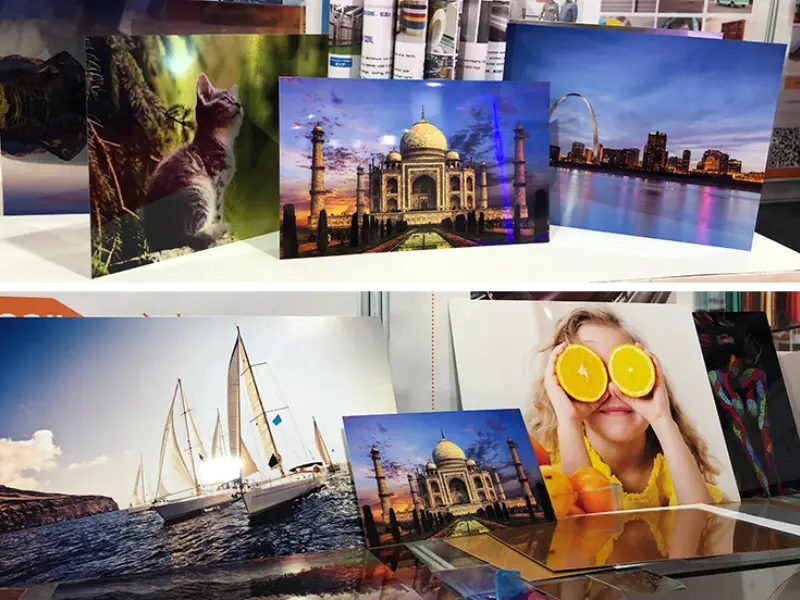
What Is a Sublimation Aluminum Blank?
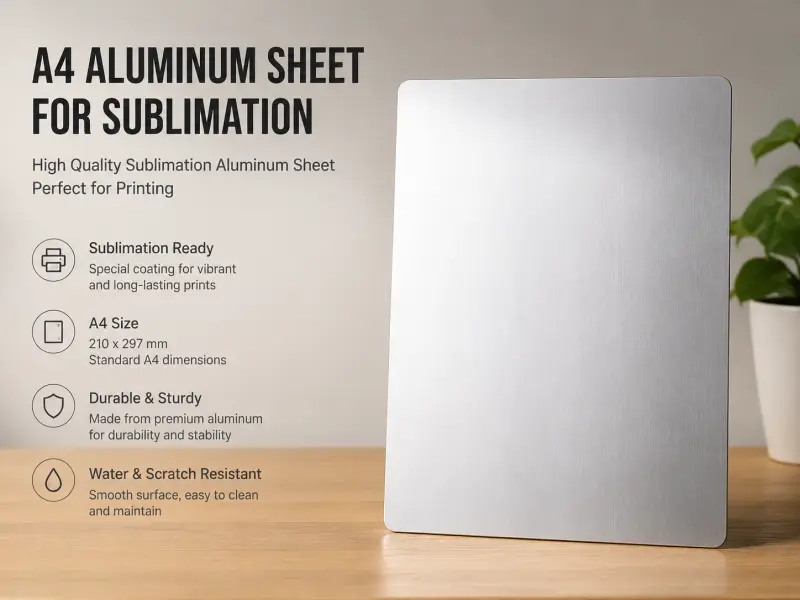
A sublimation aluminum blank is a pre-cut aluminum piece designed for dye sublimation printing. It has a special coating that allows printed images to transfer onto the metal surface under heat and pressure.
Unlike a normal aluminum sheet, a sublimation blank is prepared for direct personalization. The surface is usually smooth, clean, and coated with a sublimation-friendly layer.
This makes it useful for signs, photo panels, gifts, nameplates, awards, home décor, and promotional products.
The blank can be supplied in many shapes and sizes. Round, square, rectangular, and custom-cut pieces are all possible.
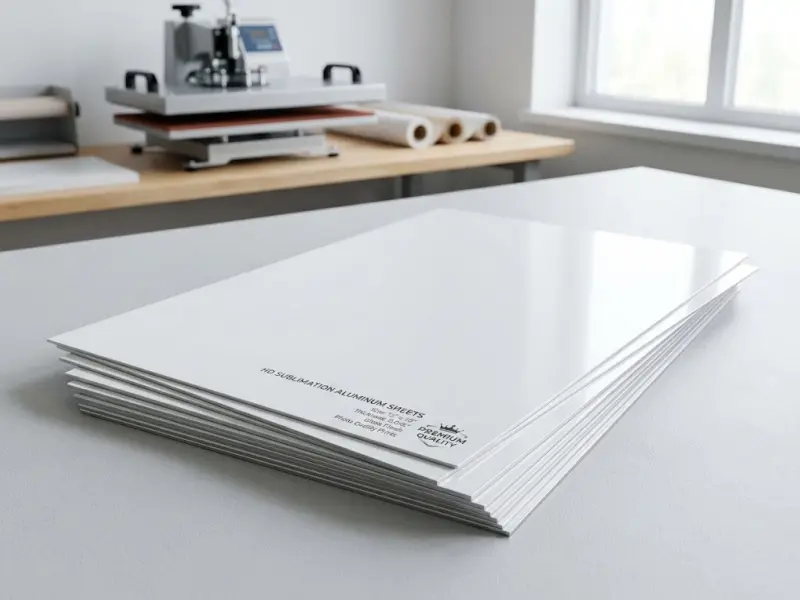
Sublimation aluminum blank
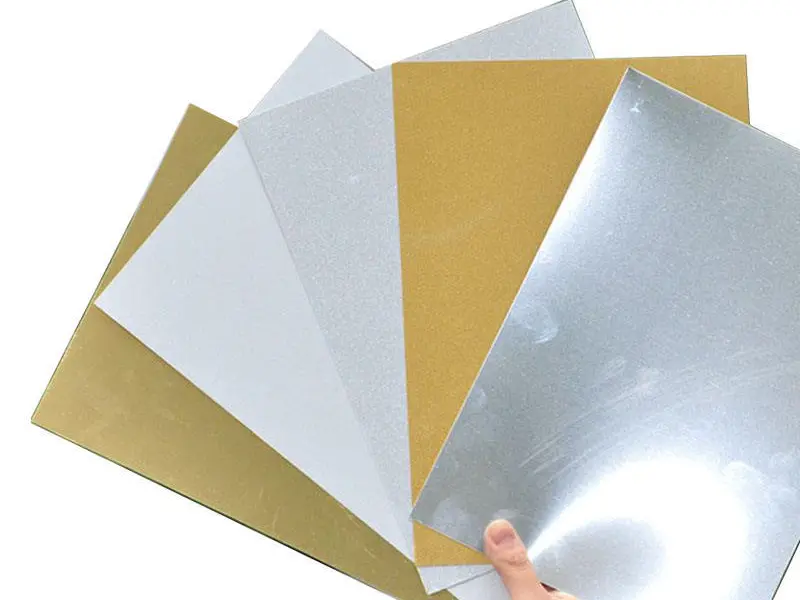
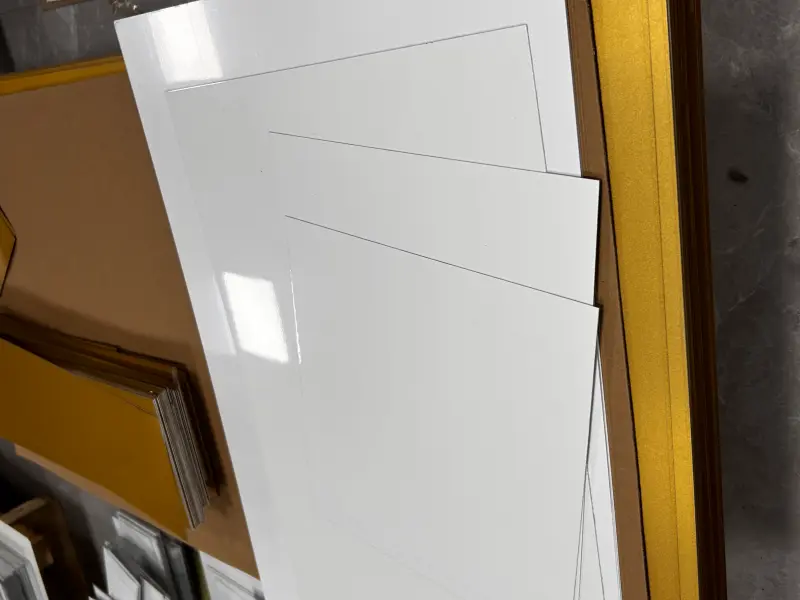
| Item | Common Options |
|---|---|
| Material | Aluminum |
| Surface | Sublimation coated |
| Shape | Square, rectangle, circle, custom |
| Thickness | 0.3–1.5 mm |
| Finish | Glossy, matte, white |
| Alloy | 1050, 1060, 3003 and others |
| Temper | O, H14, H16, H18 |
| Printing | Dye sublimation |
| Cutting | Laser, die, CNC or shear |
| Use | Signs, photos, gifts, décor |
Why Use Aluminum for Sublimation?
Aluminum has several advantages for personalized printing.
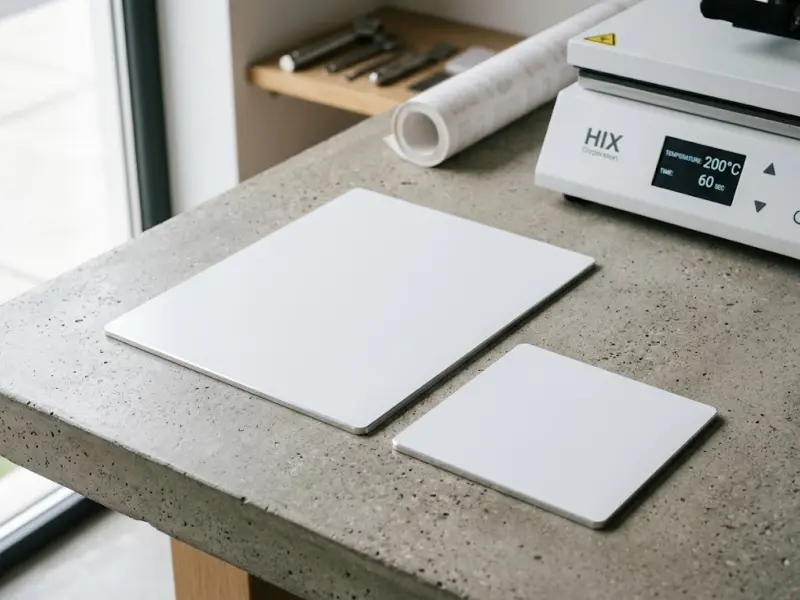
It is light and easy to handle. It also has good dimensional stability. A coated aluminum surface can produce bright images with fine details.
Compared with some plastic products, metal blanks offer a stronger and more premium feel.
The material is also easy to cut into different shapes. This gives manufacturers more options when developing new products.
Main Benefits
- Lightweight
- Smooth printing surface
- Good image detail
- Easy to cut
- Good dimensional stability
- Suitable for indoor applications
- Available in many sizes
- Easy to package and ship
- Suitable for custom products
- Good choice for personalized gifts
Common Types of Sublimation Aluminum Blanks
Different products require different blank designs. The shape, coating, thickness, and surface finish can all be changed.
Square Aluminum Blanks
Square blanks are widely used for photo products and small signs.
Common sizes include 4 × 4 inches, 6 × 6 inches, 8 × 8 inches, and larger formats.
They are simple to press and easy to package.
Rectangular Aluminum Blanks
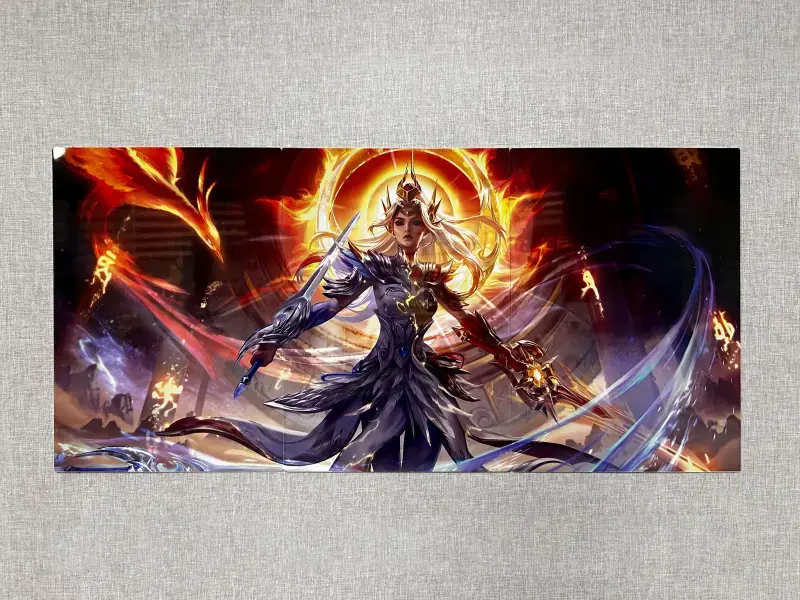
Rectangular blanks provide more space for text and landscape photos.
Typical uses include:
Decorative panels
Wall signs
Office signs
Memorial plaques
Photo panels
Business signs
Round Aluminum Blanks
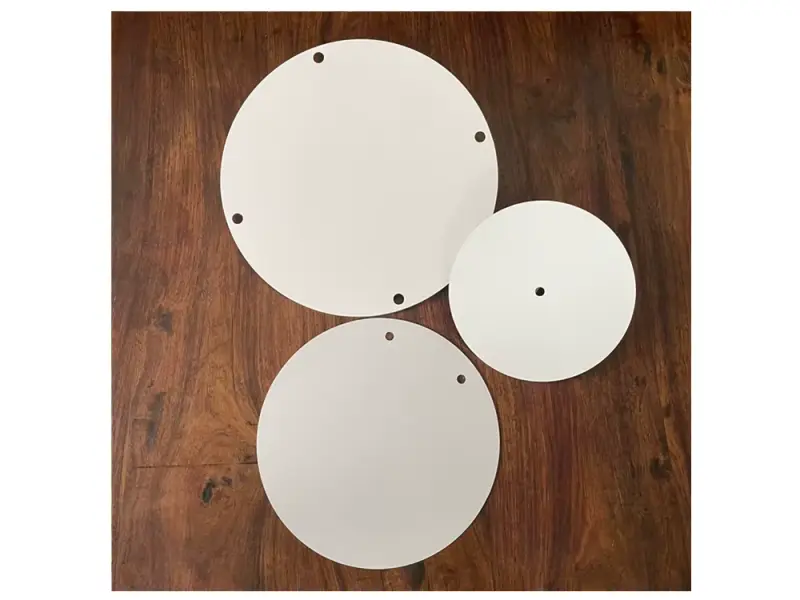
Round blanks are popular for personalized gifts and small decorative products.
They can be used for:
Promotional products
Ornaments
Coasters
Name plates
Decorative signs
Photo gifts
Custom-Shaped Blanks
Custom cutting allows manufacturers to create special shapes.
Examples include:
- Hearts
- Stars
- Animals
- Letters
- Logos
- House shapes
- Vehicle shapes
- Brand-specific designs
Custom shapes can help a product stand out in a crowded market.
Popular Sizes and Thicknesses
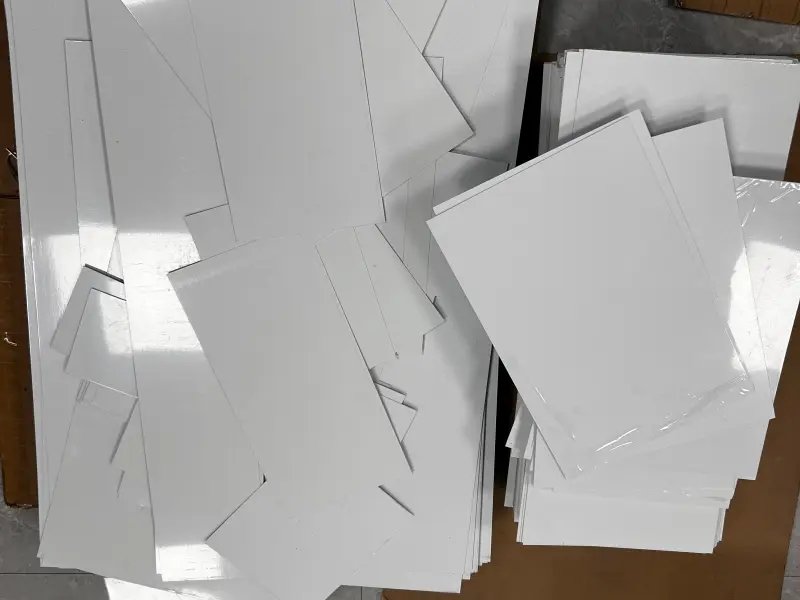
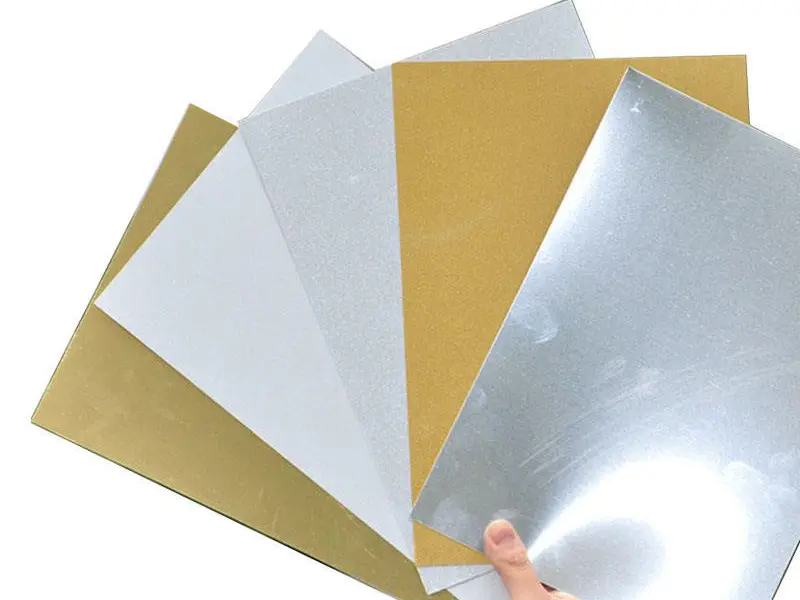
The correct size depends on the final product.
| Size | Approximate Application |
|---|---|
| 2 × 2 in | Small gifts |
| 3 × 3 in | Tags and decorations |
| 4 × 4 in | Photo products |
| 5 × 7 in | Photo panels |
| 6 × 6 in | Decorative signs |
| 8 × 8 in | Wall décor |
| 8 × 10 in | Photo panels |
| 12 × 12 in | Large décor |
| 12 × 18 in | Signs |
| 24 × 36 in | Large display panels |
Thickness is another important factor.
| Thickness | Typical Use |
|---|---|
| 0.3 mm | Lightweight products |
| 0.5 mm | Small signs and gifts |
| 0.6 mm | General personalization |
| 0.8 mm | Photo panels |
| 1.0 mm | Signs and décor |
| 1.2 mm | More rigid panels |
| 1.5 mm | Heavy-duty applications |
These are common reference sizes. Actual production ranges have adjusted according to the application.
Aluminum Alloys for Sublimation Blanks
The alloy affects the mechanical properties of the blank.
For many sublimation products, high-purity aluminum alloys are attractive because they are easy to form and process.
1050 Aluminum
1050 aluminum has high aluminum content and good formability.
It has applications for lightweight blanks and products that require easy cutting or forming.
1060 Aluminum
1060 aluminum is another common choice for applications where good purity and formability are needed.
It has processed into thin sheets and custom-cut blanks.
3003 Aluminum
3003 contains manganese and generally offers higher strength than 1xxx-series aluminum.
It has considered when a product needs more rigidity.
| Alloy | Formability | Relative Strength | Typical Direction |
|---|---|---|---|
| 1050 | Excellent | Lower | Lightweight blanks |
| 1060 | Excellent | Lower | General blanks |
| 3003 | Very good | Medium | More rigid products |
| 5052 | Good | Higher | Special applications |
The best alloy depends on the blank design and production process.
Aluminum Temper and Hardness
Temper also affects how the metal behaves during cutting, forming, and handling.
O Temper
O temper is soft and easy to form.
It can be useful when a blank needs bending or shaping.
H14 Temper
H14 provides more hardness while maintaining useful formability.
It is suitable for many general-purpose metal products.
H18 Temper
H18 is harder than softer tempers.
It has considered when a flatter and more rigid product is required.
| Temper | General Character | Possible Use |
|---|---|---|
| O | Soft | Forming |
| H12 | Semi-hard | Light products |
| H14 | Medium hardness | General products |
| H16 | Harder | Rigid panels |
| H18 | Hard | Flat products |
The exact temper has selected together with the alloy and thickness.
White Coated vs Clear Coated Aluminum
The coating is one of the most important parts of a sublimation blank.
White Coating
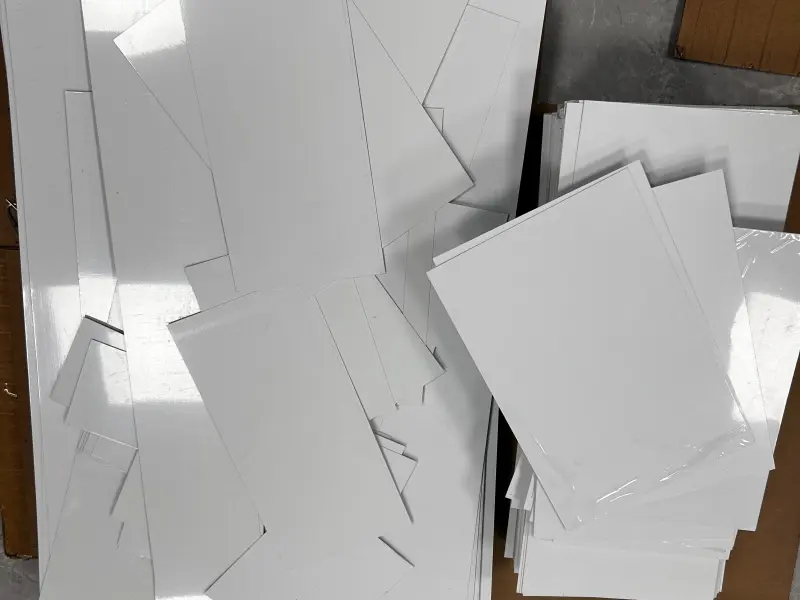
White-coated aluminum provides a bright base for printed colors.
- Photo panels
- Personalized signs
- Artwork
- Decorative products
- Promotional products
A white background can make colors appear more vivid.
Clear Coating
A clear coating can preserve the metallic appearance while providing a surface suitable for certain printing processes.
It may be useful when the final design benefits from a visible metal effect.
| Feature | White Coating | Clear Coating |
|---|---|---|
| Background | White | Metallic |
| Color appearance | Bright | Metal effect |
| Photo printing | Excellent | Application dependent |
| Decorative effect | Clean | Metallic |
| Common use | Photos and signs | Special designs |
Glossy or Matte Sublimation Surface?
The surface finish changes the appearance of the final product.
Glossy Surface
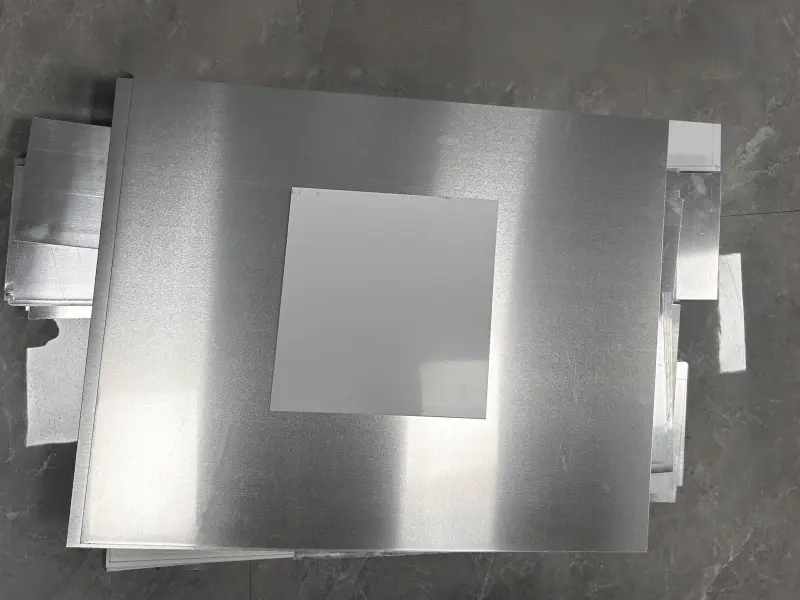
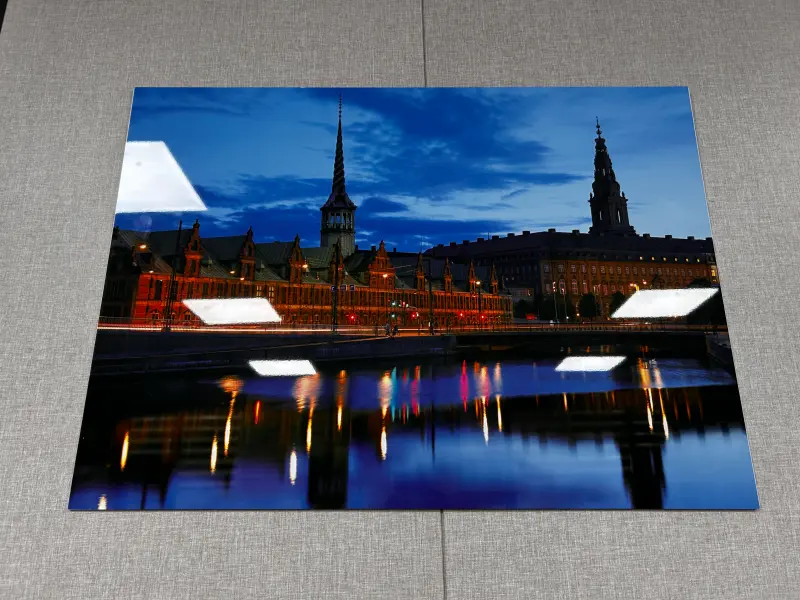
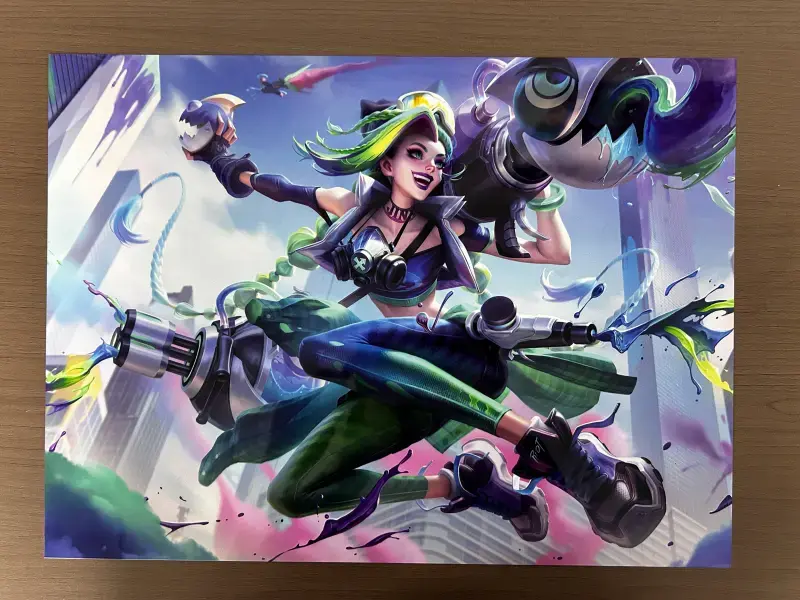
A glossy finish gives the printed image a bright and smooth appearance.
It has often selected for photographs and colorful graphics.
Matte Surface
A matte finish reduces surface reflection.
It can be useful for signs and designs that need a softer appearance.
| Finish | Appearance | Suitable Products |
|---|---|---|
| Glossy | Bright and reflective | Photos |
| Matte | Soft and low-glare | Signs |
| Brushed | Metal texture | Decorative products |
| Smooth | Clean surface | General printing |
Aluminum Blank Shapes for Different Products
Shape selection should follow the final application.
Photo Panels
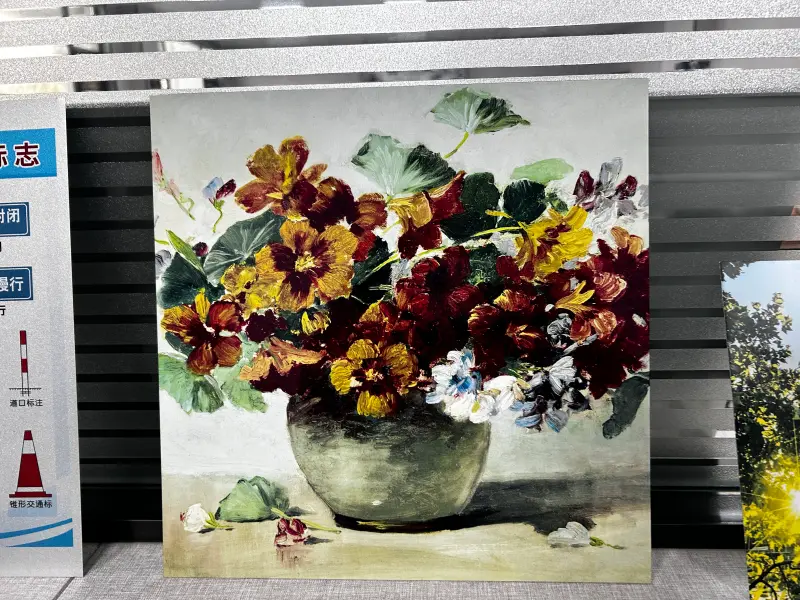
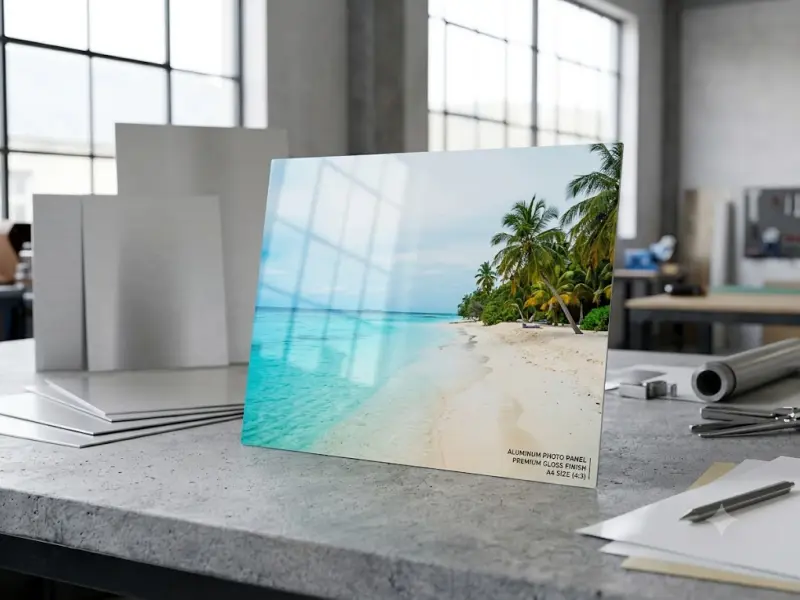
Rectangular panels are common for family photos, pet photos, wedding pictures, and artwork.
Personalized Signs
Signs may use square, rectangular, oval, or custom shapes.
Ornaments
Small round and custom-shaped blanks are suitable for ornaments.
Nameplates
Small rectangular pieces are practical for names, numbers, and short messages.
Promotional Products
Companies can use logo-shaped blanks or custom-cut pieces for branded products.
Applications of Sublimation Aluminum Blanks
The market for personalized metal products continues to include many different product categories.
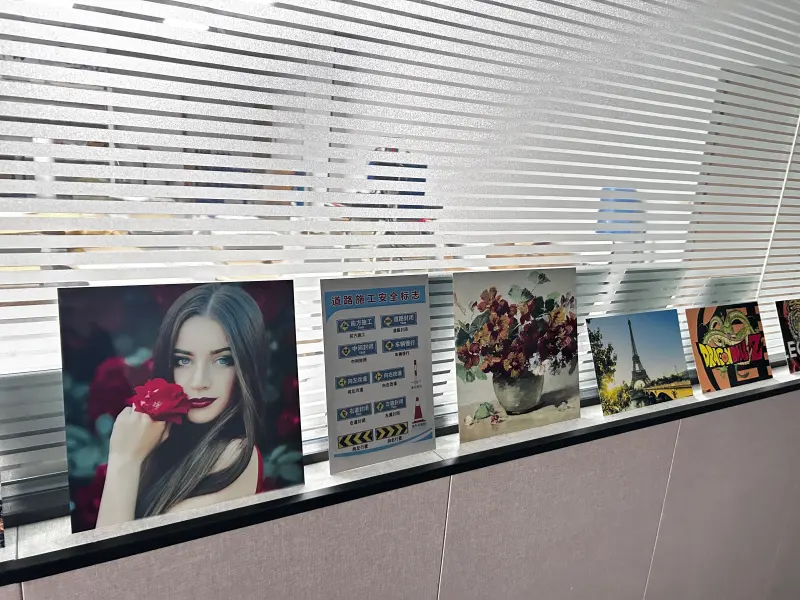
Home Décor
Memorial products
Family photo panels
Pet portraits
Wall artwork
Decorative signs
Kitchen signs
Holiday decorations
Business and Commercial Use
- Company signs
- Office nameplates
- Promotional displays
- Brand logos
- Direction signs
- Retail decorations
- Product labels
Gifts and Personal Products
- Wedding gifts
- Birthday gifts
- Anniversary products
- Pet memorials
- Personalized plaques
- Photo gifts
- Holiday ornaments
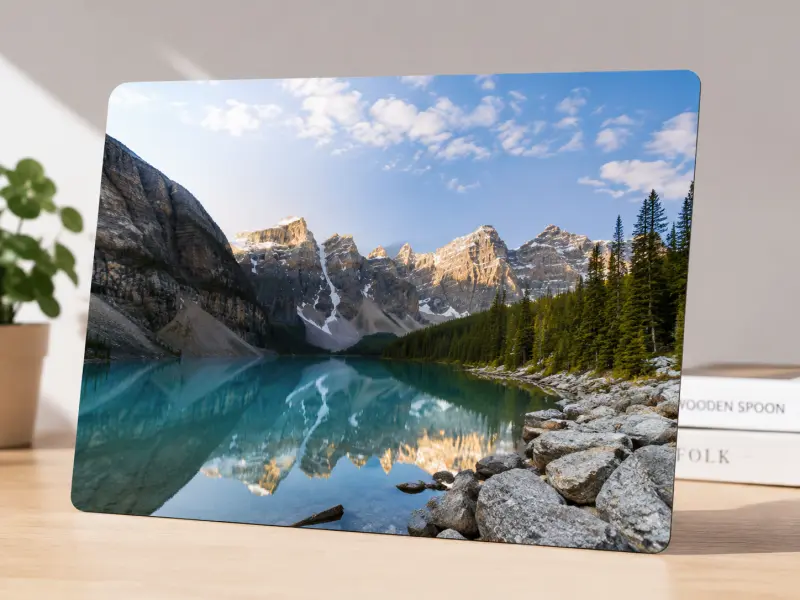
Events and Awards
Sports awards
Awards
Medals
Commemorative plaques
Event signs
Recognition products
Sublimation Aluminum Blank vs Regular Aluminum Sheet
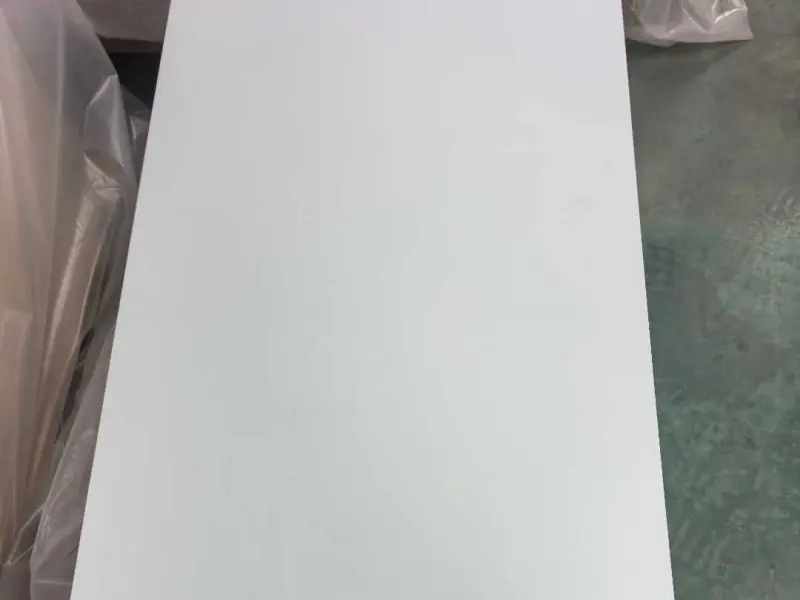
A standard aluminum sheet is not automatically suitable for sublimation.
The surface needs to work with the printing process.
| Feature | Sublimation Blank | Regular Aluminum Sheet |
|---|---|---|
| Coating | Printing coating | Usually none |
| Ready for sublimation | Yes | Usually no |
| Custom shapes | Easy to order | Requires processing |
| Printing quality | Designed for transfer | Not guaranteed |
| Personalization | Excellent | Limited |
| Initial preparation | Low | Higher |
For a business selling personalized products, ready-to-print blanks can reduce preparation work.
Sublimation Aluminum vs Other Printing Blanks
Different materials create different product experiences.
| Material | Weight | Durability | Image Quality | Main Advantage |
|---|---|---|---|---|
| Aluminum | Light | Good | High | Metal appearance |
| Acrylic | Medium | Good | High | Glossy look |
| MDF | Higher | Medium | Good | Low cost |
| Ceramic | High | Good | High | Premium feel |
| Plastic | Low | Medium | Good | Flexible design |
Aluminum is a strong option when the customer wants a lightweight product with a metal appearance.
What Makes a Good Sublimation Blank?
A good blank should have stable dimensions and a clean surface.
The coating should be consistent. Poor coating can lead to uneven colors, weak image transfer, or surface defects.
The edges should also be clean. Sharp burrs can make handling difficult.
Key Quality Points
→ Flatness
The blank should remain reasonably flat during production.
→ Coating Uniformity
The coating should cover the printing area evenly.
→ Surface Cleanliness
Dust, oil, and contamination can affect printing.
→ Dimensional Accuracy
Consistent dimensions help with packaging and production.
→ Edge Quality
Smooth edges make handling easier.
How Is a Sublimation Aluminum Blank Made?
The production process normally includes several steps.
Aluminum Preparation
The aluminum sheet has inspected and prepared.
The alloy and temper have selected according to the product requirements.
Cutting
The material has cut into the required size and shape.
Different methods have uses depending on the order.
Surface Treatment
The surface has cleaned and prepared for coating.
This step is important because surface contamination can affect coating adhesion.
Sublimation Coating
A special coating is applied to the printing surface.
The coating has controlled for thickness and uniformity.
Drying and Curing
The coated material has processed under controlled conditions.
This helps create a stable printing surface.
Inspection
The finished blanks have checked for size, surface quality, coating condition, and other requirements.
Custom Sublimation Aluminum Blanks
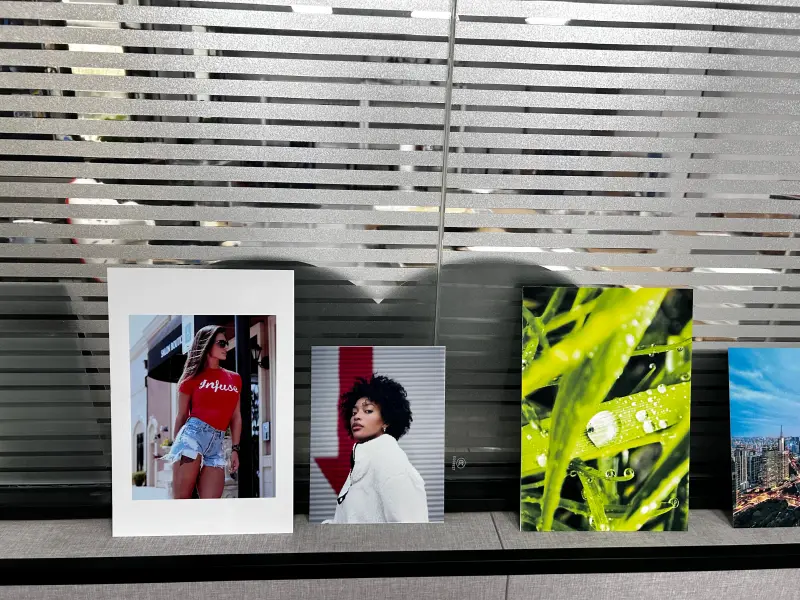
Custom products can be made for different brands and applications.
Customers may request a specific size, shape, hole position, thickness, or coating.
| Custom Item | Example |
|---|---|
| Shape | Circle |
| Size | 8 × 10 in |
| Thickness | 0.6 mm |
| Hole | 4 mm |
| Corner | Rounded |
| Surface | Glossy white |
| Packaging | Individual bags |
Custom production is useful for businesses that sell their own personalized product lines.
How to Choose the Right Thickness?
There is no single thickness for every product.
A small ornament does not need the same thickness as a large wall panel.
For lightweight products, thinner material can reduce cost and shipping weight.
For large signs, a thicker blank can provide better rigidity.
Small product → thinner blank
Medium product → standard thickness
Large panel → thicker blank
The final choice should also consider cutting, pressing, packaging, and installation.
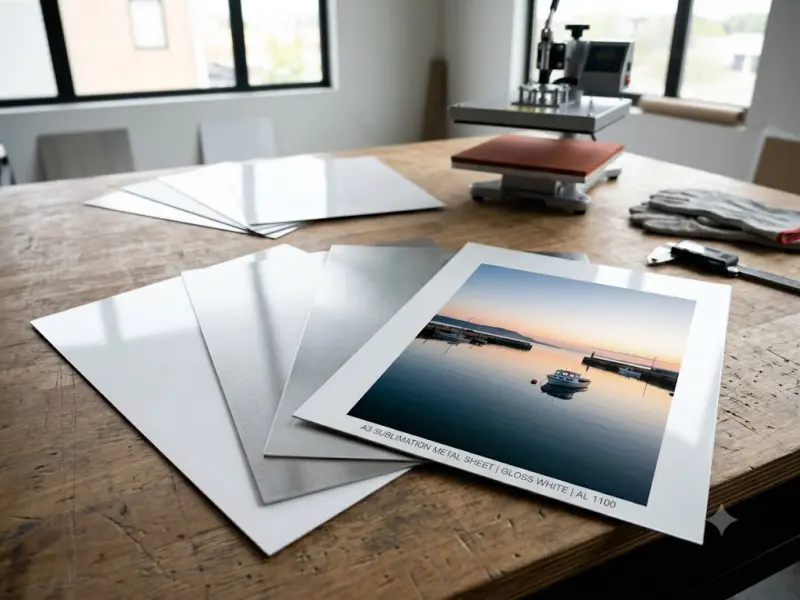
Sublimation Printing Process
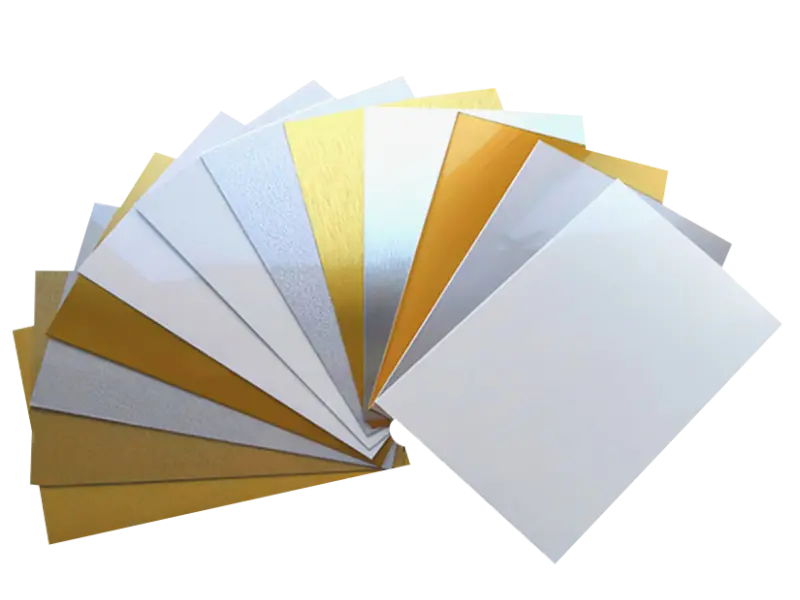
The printing process is simple when the blank and equipment are matched correctly.
Basic Process
Design → Print → Position → Heat Press → Cool → Inspect
The printed transfer paper is placed against the coated surface.
Heat and pressure have then applied according to the coating and equipment supplier’s recommended settings.
After pressing, the product has allowed to cool before final inspection.
Temperature, pressure, and time has tested before large production runs.
Common Problems During Sublimation
Even a good blank can produce poor results if the process is not controlled.
Uneven Color
Possible causes include uneven pressure, incorrect temperature, or an inconsistent coating surface.
Blurred Image
Movement between the transfer paper and blank can cause image blur.
Color Difference
Ink, paper, printer settings, temperature, and coating can all affect color.
Surface Marks
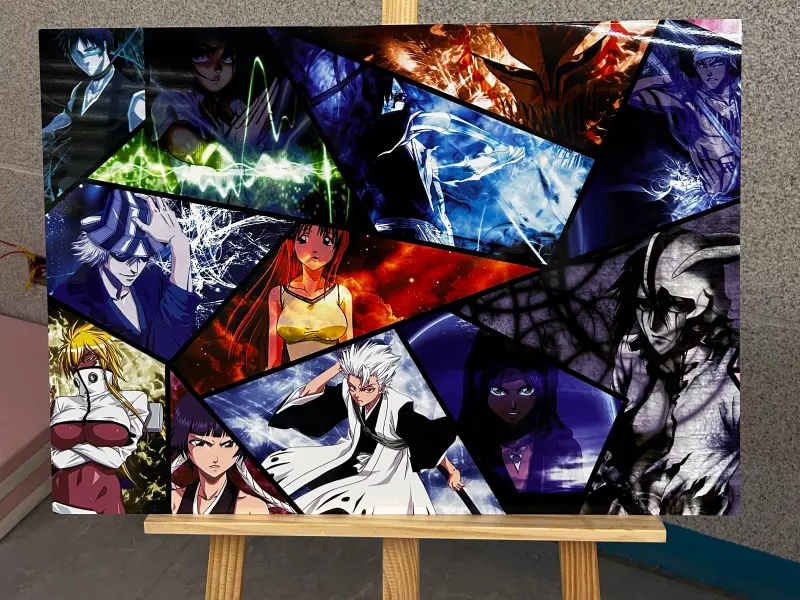
Dust, fingerprints, or other contamination may leave marks on the final product.
A small test batch has recommended before mass production.
Buying Guide for Sublimation Aluminum Blanks
When comparing suppliers, price should not be the only factor.
Check the material specification and coating quality.
Important Questions for Suppliers
- What alloy is used?
- What is the thickness?
- What is the coating type?
- Is the coating suitable for dye sublimation?
- What sizes are available?
- Can custom shapes be produced?
- What is the minimum order quantity?
- How are the blanks packaged?
- Can samples be supplied?
- What quality documents are available?
Clear specifications make supplier comparison easier.
Packaging and Shipping
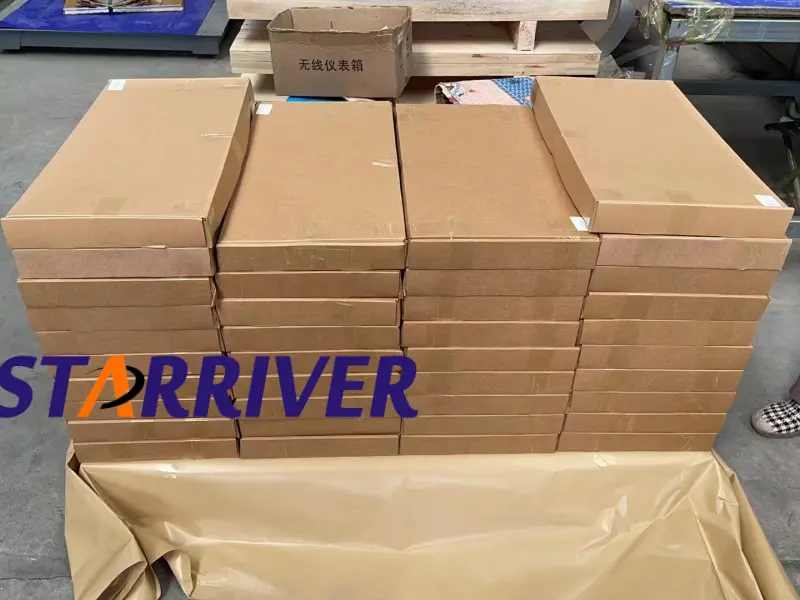
Small blanks have protected from scratches and bending.
Individual bags have uses for retail products.
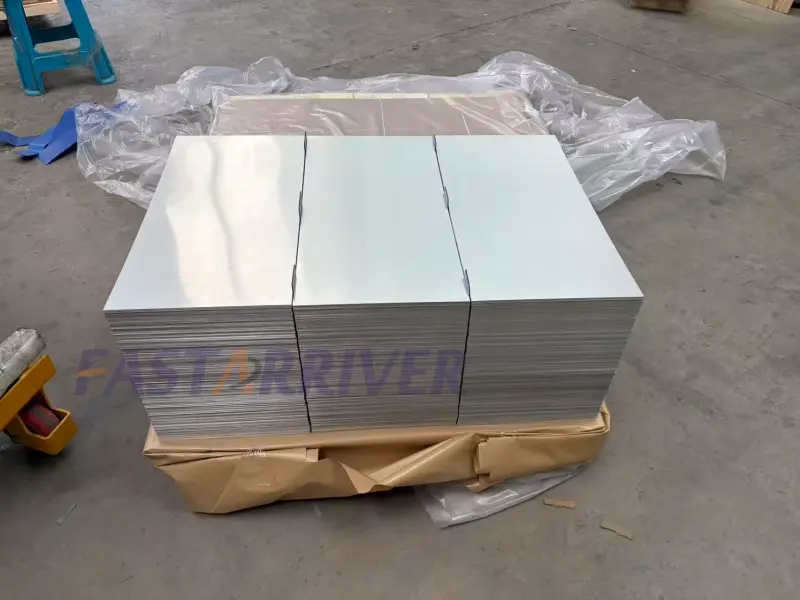
Bulk orders may use cartons, pallets, or wooden cases depending on size and transportation requirements.
| Product Size | Suggested Packaging |
|---|---|
| Small blanks | Individual bags + carton |
| Medium blanks | Protective paper + carton |
| Large panels | Corner protection + pallet |
| Custom shapes | Separate protection recommended |
Proper packaging is especially important for coated surfaces.
Why Businesses Choose Aluminum Sublimation Blanks
For personalization businesses, ready-made blanks can simplify production.
There is no need to cut a large aluminum sheet for every small order.
The blank can go directly into the printing workflow.
This can help reduce labor, material waste, and preparation time.
It also makes product sizes more consistent.
How to Order Sublimation Aluminum Blanks
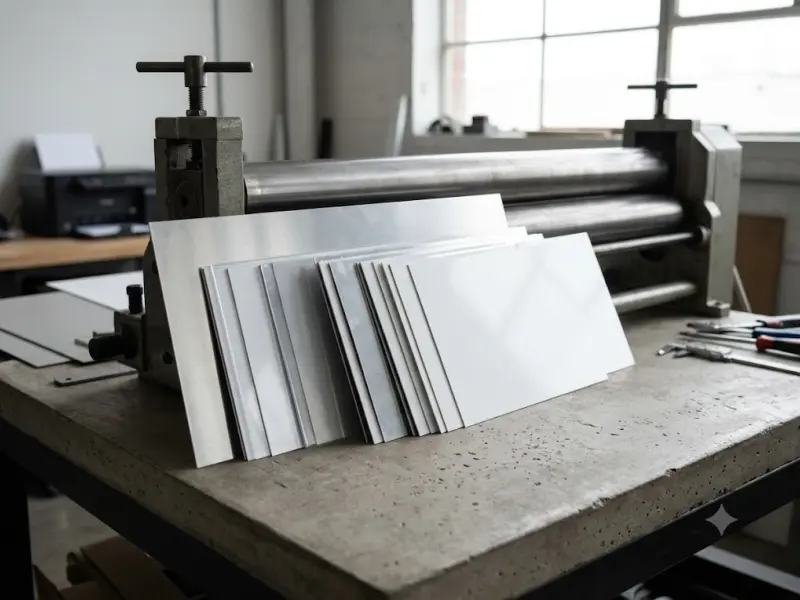
A clear inquiry should include the main product specifications.
Recommended Order Information
Material → Alloy → Temper → Thickness → Size → Shape → Coating → Finish → Quantity → Application
For example:
| Requirement | Example |
|---|---|
| Alloy | 1060 |
| Temper | H14 |
| Thickness | 0.6 mm |
| Size | 8 × 10 in |
| Shape | Rectangle |
| Coating | White sublimation coating |
| Finish | Glossy |
| Quantity | 10,000 pcs |
| Application | Photo panels |
This information allows the manufacturer to recommend a suitable specification and prepare a more accurate quotation.
Frequently Asked Questions
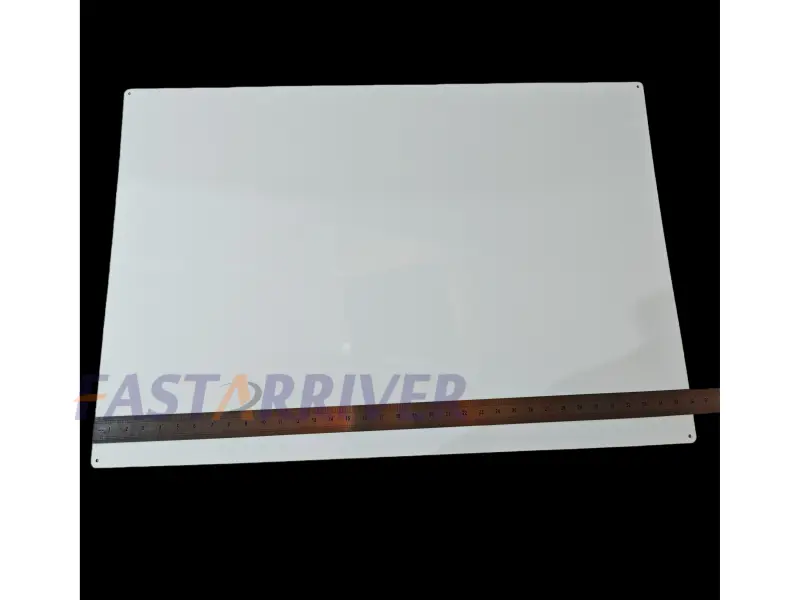
What is a sublimation aluminum blank?
It is a pre-cut aluminum piece with a special coating designed for dye sublimation printing. It is commonly used for photos, signs, gifts, and decorative products.
Can regular aluminum sheets be used for sublimation?
Regular untreated aluminum is generally not the same as a coated sublimation blank. A suitable sublimation coating is normally needed for reliable image transfer.
What aluminum alloy is commonly used?
1050 and 1060 are common options for lightweight and easily processed products. Other alloys, such as 3003 or 5052, may be considered when higher strength is needed.
What thickness should I choose?
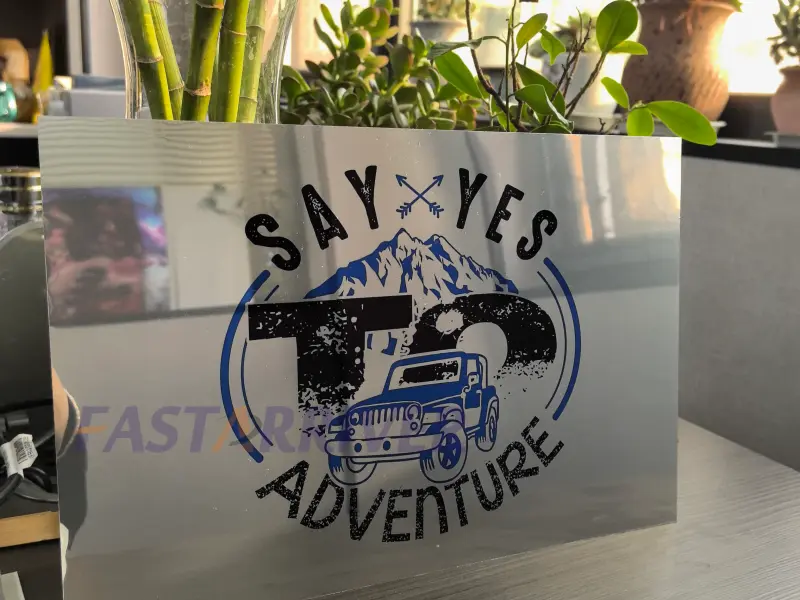
The choice depends on the size and purpose of the product. Small products may use thin material, while large panels may need more thickness for rigidity.
Can the blanks be custom cut?
Yes. Custom shapes and dimensions can be produced for specific products and brands.
Are round aluminum blanks available?
Yes. Round blanks have uses for ornaments, photo products, coasters, decorative items, and personalized gifts.
What is the difference between glossy and matte blanks?
Glossy surfaces have a brighter appearance and are popular for photos. Matte surfaces have less reflection and may be preferred for signs and softer designs.
Can I order samples before bulk production?
Samples are useful for testing the coating, printing result, color, size, and heat-press settings before a larger order.
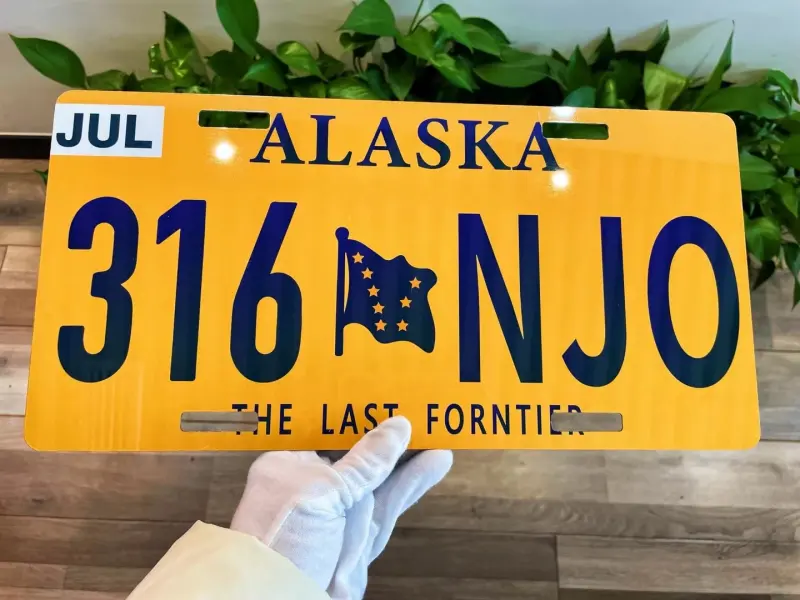
How should aluminum blanks be stored?
Keep them dry and clean. Avoid moisture, dust, strong chemicals, and direct contact that could scratch the coated surface.
What information is needed for a quotation?
Provide the size, thickness, shape, alloy if required, coating, finish, quantity, packaging needs, and intended application.
Find the Right Sublimation Aluminum Blank
The best blank is not always the thickest or cheapest option. It should match the printing process and the final product.
For photo products, surface quality and color performance are important.
For signs, size, rigidity, and finish may matter more.
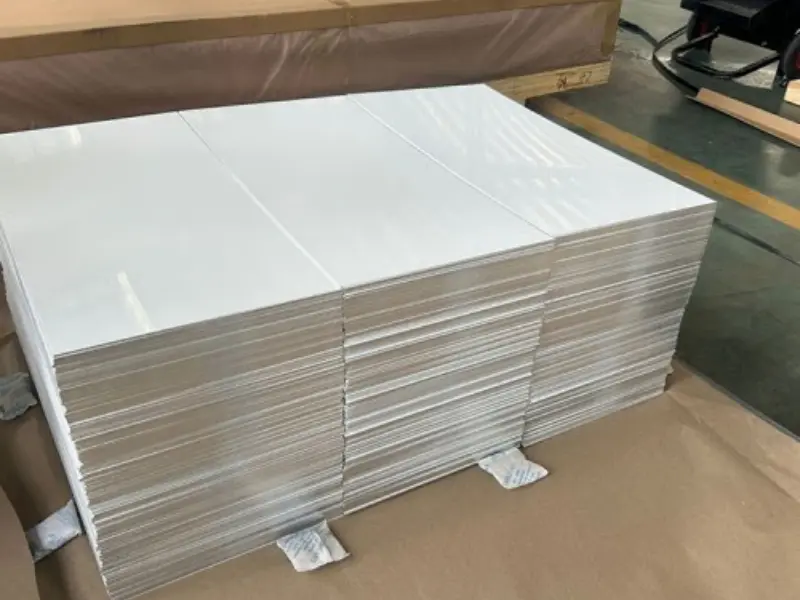
By promotional products, custom shapes and consistent dimensions can help improve product design.
For large orders, coating quality, dimensional tolerance, packaging, and production capacity should also be considered.
A clear specification helps both the buyer and manufacturer save time.
Request a Custom Quote
Whether you need small photo blanks, round ornaments, personalized signs, or large aluminum panels, the product can be supplied in different sizes, thicknesses, shapes, and surface finishes.
Share your required dimensions, quantity, coating, and application with the supplier.
A suitable specification can then have selected for your printing process and target market.