
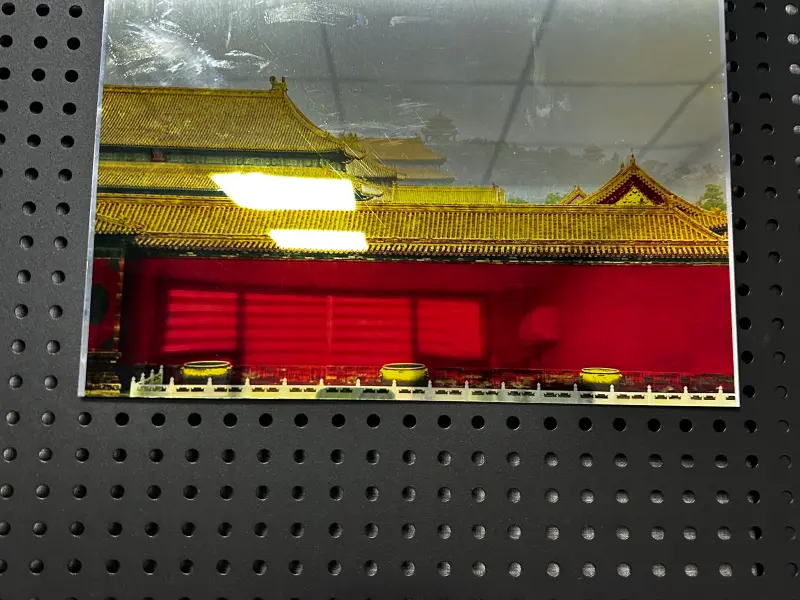
8 x 12 Aluminum Photo Panel
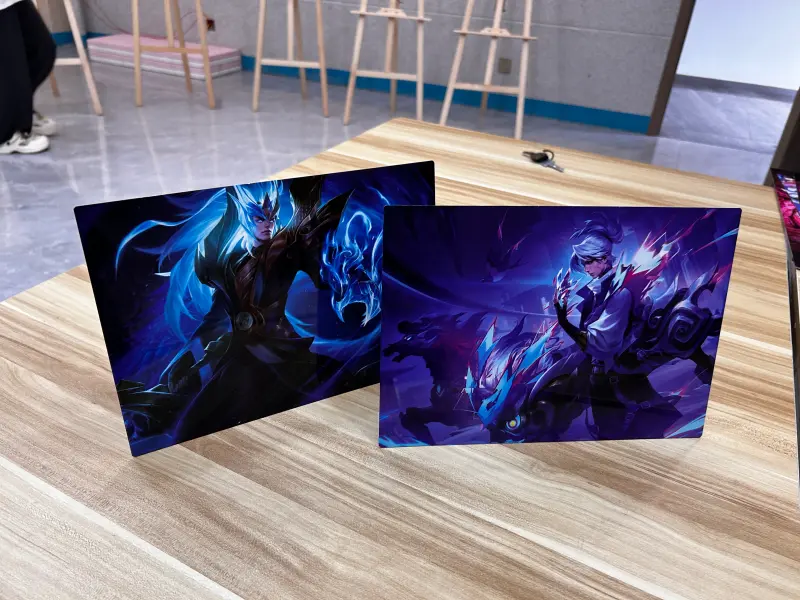
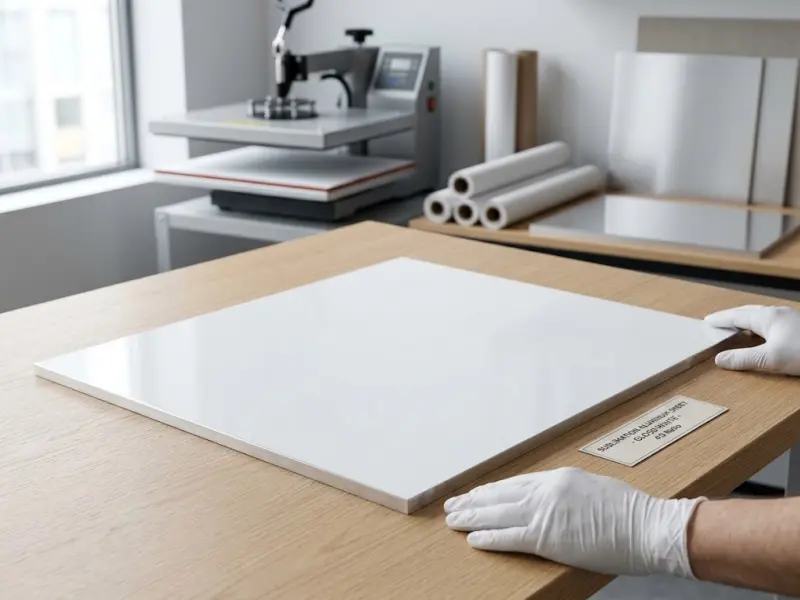
An 8 x 12 aluminum photo panel is a metal sheet designed for printing photos, artwork, signs, and personalized gifts. It provides a smooth surface for heat transfer printing. The finished image can show clear details, bright colors, and sharp edges.
This panel is commonly used for photo gifts, wall art, personalized displays, and professional photo products. Buyers can choose different aluminum alloys, thicknesses, surface finishes, and coating types to match their printing equipment and final applications.
For wholesalers, photo printing companies, gift manufacturers, and sublimation product suppliers, the 8 x 12 inch size offers a practical option for medium-sized photo panels. Custom sizes, shapes, and finishes may also be available for bulk orders.
Standard Dimensions and Available Sizes
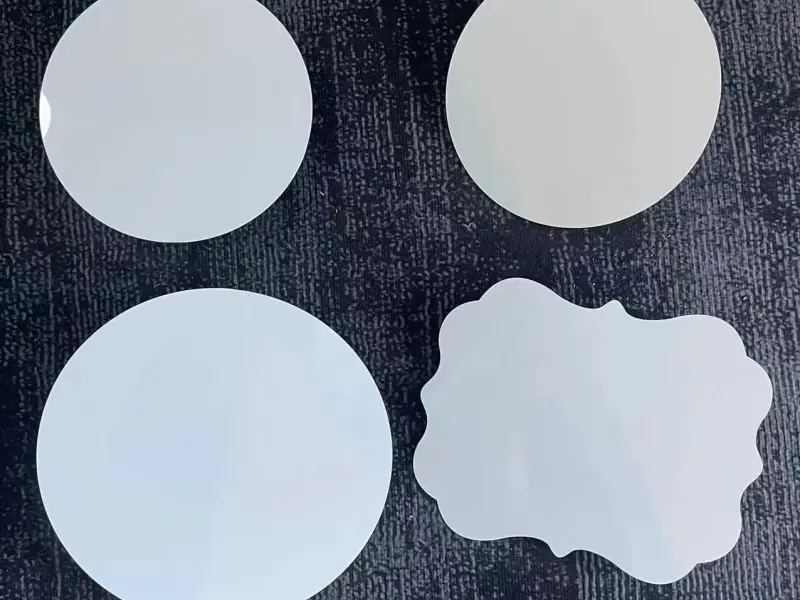
The nominal size is 8 × 12 inches. Buyers may select different dimensions for different product lines.
| Product Size | Size in Millimeters | Common Use |
|---|---|---|
| 4 × 6 inch | 101.6 × 152.4 mm | Small photo gifts |
| 5 × 7 inch | 127 × 177.8 mm | Portrait photos |
| 8 × 10 inch | 203.2 × 254 mm | Photo displays |
| 8 × 12 inch | 203.2 × 304.8 mm | Medium photo panels |
| 10 × 12 inch | 254 × 304.8 mm | Personalized wall art |
| 12 × 16 inch | 304.8 × 406.4 mm | Large photo displays |
| 12 × 18 inch | 304.8 × 457.2 mm | Decorative panels |
These are common nominal dimensions. Actual tolerances should be confirmed with the supplier before production.
Is 8 × 12 Inches a Good Size for Photo Printing?
The 8 × 12 inch format provides more image space than a small photo panel. It works well for landscape photographs, family portraits, travel pictures, and decorative artwork.
It is also suitable for personalized products sold through online gift stores. Its rectangular shape allows buyers to display images horizontally or vertically.
Aluminum Photo Panel Types by Surface Finish
The surface finish affects image appearance, product style, and the intended market. The right choice depends on the artwork, lighting conditions, and customer expectations.
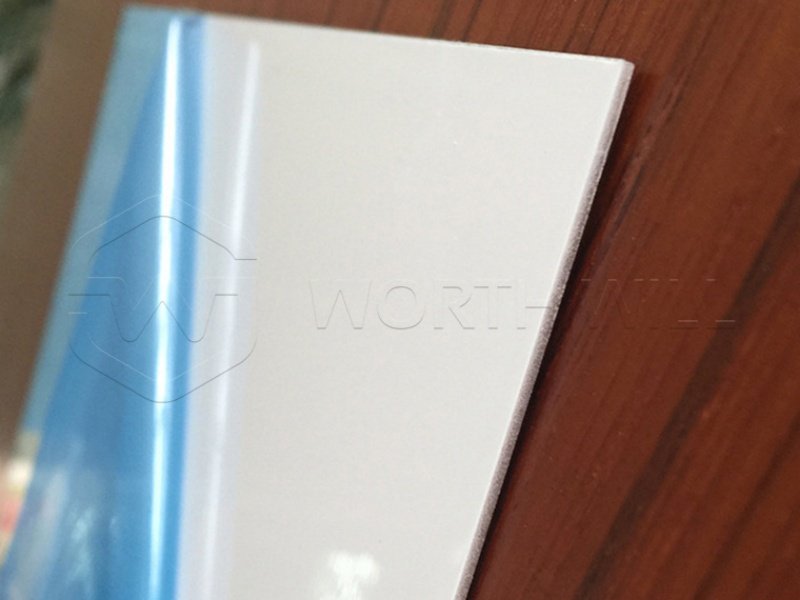
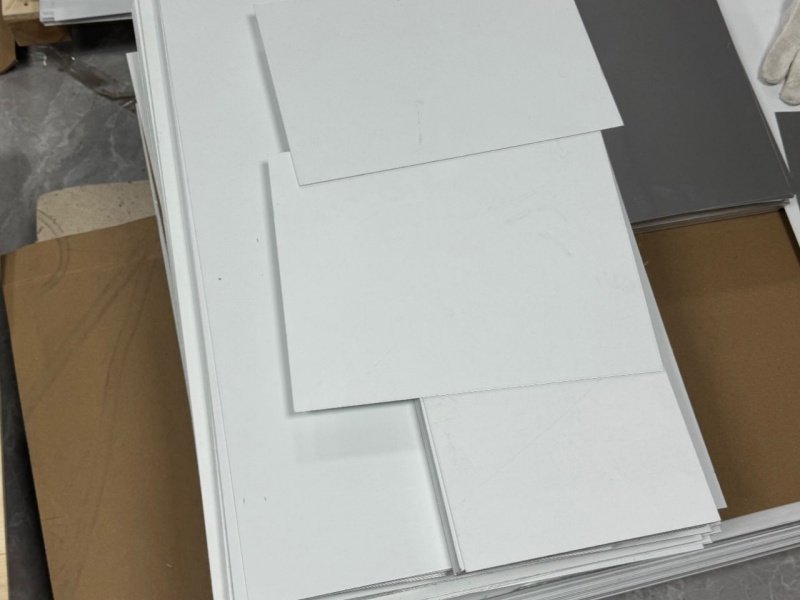
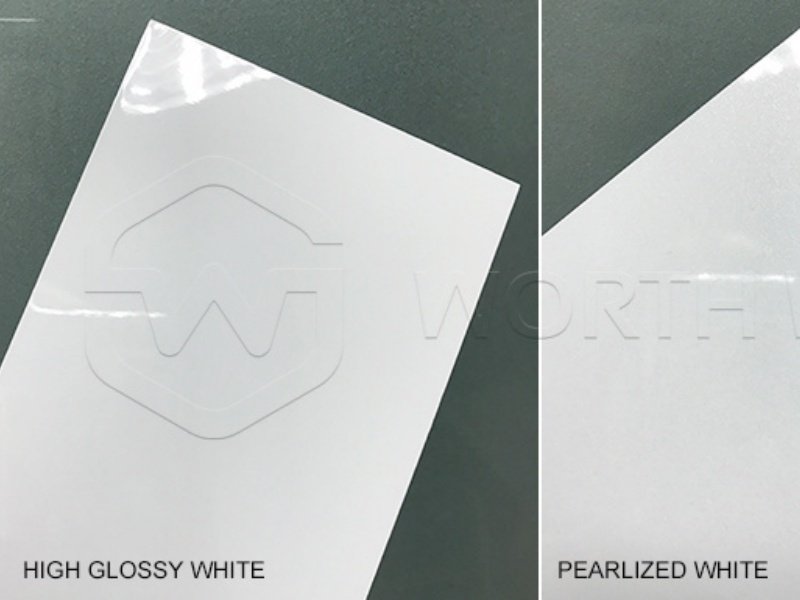
Glossy White Aluminum Photo Panel
A glossy white panel has a bright coating that supports vivid colors and clear image details. It has often selected for family photographs, wedding images, pet portraits, and personalized gifts.
The reflective surface can make colors appear lively. However, strong light may create glare. Buyers should consider where the finished panel will be displayed.
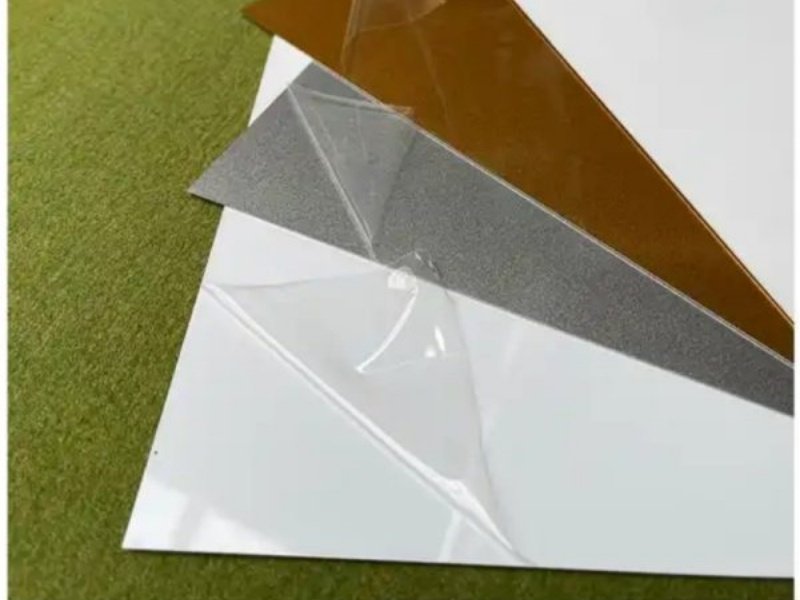
Matte White Sublimation Panel
A matte white aluminum photo panel has a less reflective surface. It is useful for displays in rooms with strong lighting and for artwork that needs a softer appearance.
Matte finishes can suit office displays, exhibition graphics, and decorative photo products. Print results depend on the coating formulation and the printer settings.
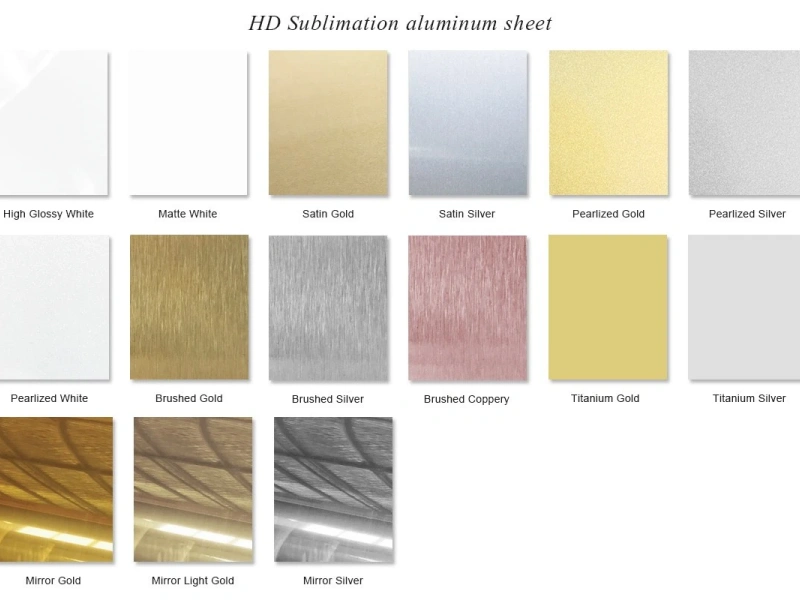
Brushed Aluminum Photo Panel
A brushed panel has a fine linear texture. Depending on the coating, parts of the aluminum texture may remain visible in the finished image.
This style can create an industrial or modern appearance. It has applications for contemporary wall art, business displays, and decorative photo products.
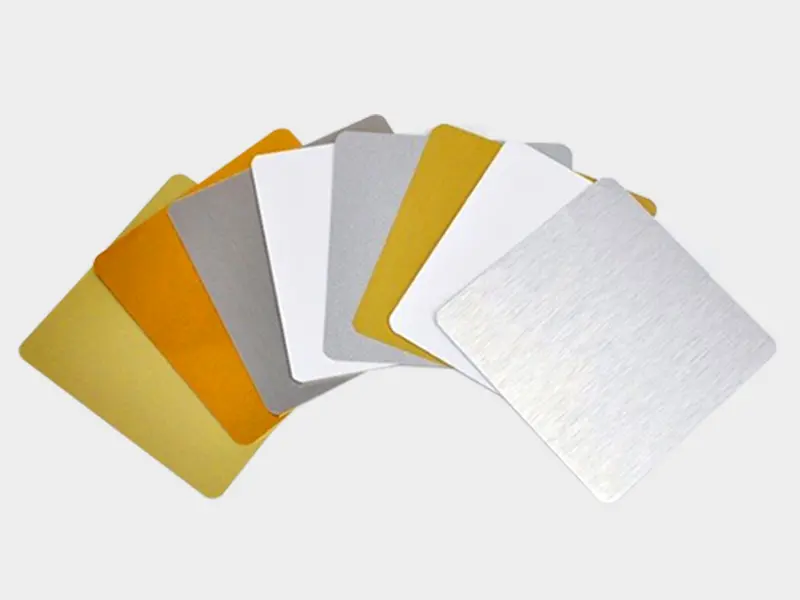
Silver and Mirror-Finish Photo Panels
Silver and mirror-style panels are available for selected decorative printing applications. Their appearance differs from that of a standard white sublimation panel.
The supplier should confirm whether the surface is suitable for dye sublimation. Not every reflective aluminum sheet has a printable coating.
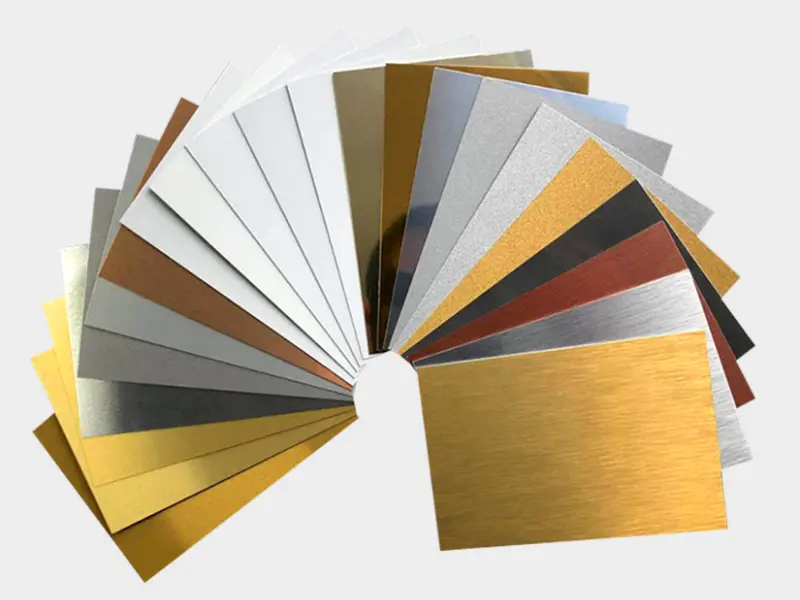
| Surface Type | Visual Effect | Potential Applications |
|---|---|---|
| Glossy white | Bright colors and clear details | Photo gifts, portraits |
| Matte white | Low-glare appearance | Office displays, artwork |
| Brushed silver | Metallic texture | Modern wall art |
| Mirror style | Reflective appearance | Decorative products |
| Colored coating | Distinct background color | Custom gifts and displays |
Aluminum Alloys for 8 x 12 Photo Panels
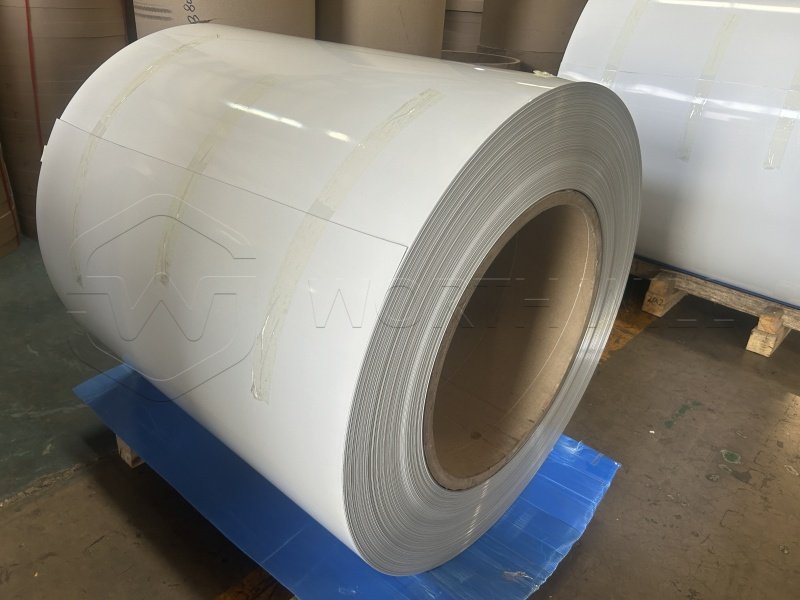
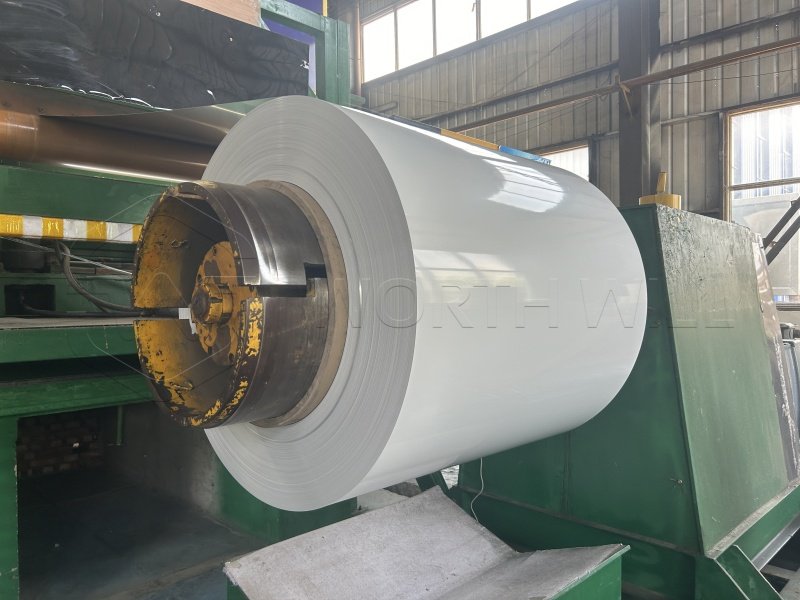
Aluminum alloy selection affects formability, weight, surface quality, and processing requirements. For sublimation products, the coated surface is also important.
The following alloys may be considered for photo panel production. Availability depends on the supplier’s manufacturing process and coating system.
1050 Aluminum Photo Panel
1050 aluminum is a commercially pure aluminum grade with good formability and corrosion resistance. It has applications for flat decorative panels when the required surface quality and coating system are available.
It is worth considering when the production process requires a relatively soft aluminum base. The finished product should still meet the customer’s flatness and thickness requirements.
1060 Aluminum Photo Panel
1060 aluminum has high aluminum content and good formability. It may be suitable for flat sublimation panels and other decorative sheet products.
For bulk purchasing, buyers should confirm the base material specification, coating performance, and dimensional tolerance. Alloy selection alone does not determine print quality.
3003 Aluminum Photo Panel
3003 aluminum contains manganese and has uses where better strength than commercially pure aluminum is desired.
It has considered for photo panels that need additional handling strength. The supplier should verify that the chosen alloy and temper are compatible with the required flatness, coating, and cutting process.
5052 Aluminum Photo Panel
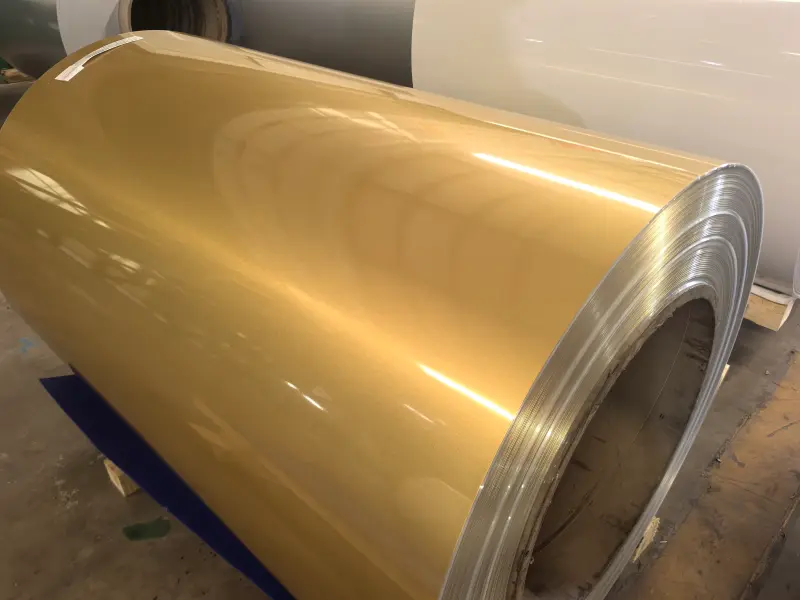
5052 aluminum is an aluminum-magnesium alloy with good corrosion resistance and strength. It can be considered for applications that require a more robust aluminum base.
However, it may not be necessary for every indoor photo panel. Buyers should compare cost, weight, thickness, and final use before selecting this grade.
| Alloy | General Characteristics | Possible Product Consideration |
|---|---|---|
| 1050 | High aluminum content, good formability | Flat decorative panels |
| 1060 | High purity, good formability | Photo and sublimation sheets |
| 3003 | Moderate strength, good formability | Panels needing added strength |
| 5052 | Good strength and corrosion resistance | More demanding applications |
The exact alloy should be confirmed against the supplier’s material certificate. A photo panel may also be sold according to a proprietary coated-sheet specification.
Thickness Options for an 8 x 12 Aluminum Photo Panel
Thickness affects rigidity, weight, edge handling, and shipping cost. A thin panel is lighter and often more economical. A thicker panel may feel more solid and resist bending better.
The best thickness depends on the panel size, mounting method, packaging, and target market.
Thin Aluminum Photo Panels: 0.3–0.5 mm
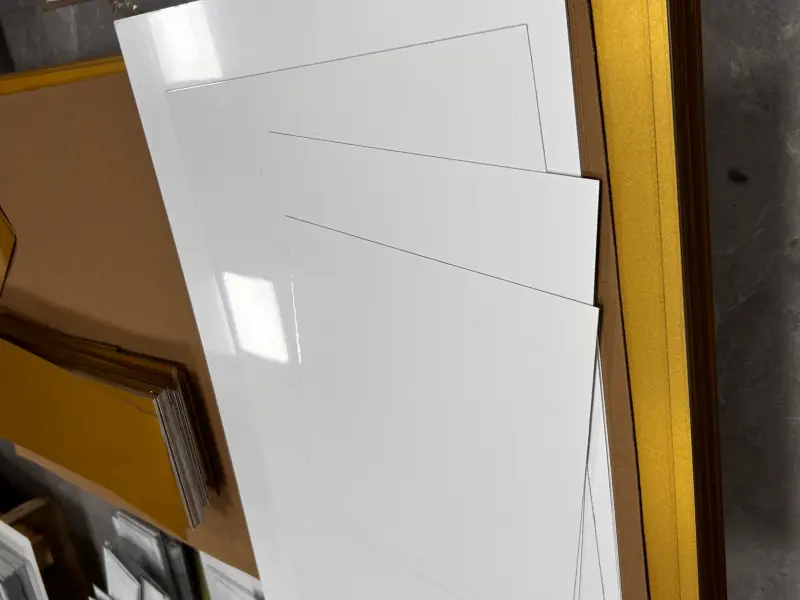
Thin panels are useful for lightweight photo products and applications where the panel is supported by a frame or backing. They can reduce material use and shipping weight.
Because thin sheets can bend during handling, buyers should check flatness and protective packaging. They should also confirm whether the panel can pass through their cutting and printing workflow.
Medium-Thickness Panels: 0.6–1.0 mm
This range offers a balance between weight and rigidity for many decorative products. It may be suitable for photo displays, personalized wall art, and retail photo products.
The right choice depends on the alloy and temper. Two panels with the same thickness can behave differently when their base materials differ.
Thicker Panels: 1.2–2.0 mm
Thicker aluminum panels provide a more substantial feel and greater resistance to bending under similar conditions. They may suit premium display products or installations where a rigid panel is preferred.
They also use more material and may increase shipping costs. Printing equipment clearance, heat transfer conditions, and mounting hardware should be checked before ordering.
| Thickness | General Feature | Suitable Use |
|---|---|---|
| 0.3 mm | Very lightweight | Supported decorative products |
| 0.4 mm | Lightweight and easy to handle | Small and medium photo gifts |
| 0.5 mm | Common lightweight option | General photo panels |
| 0.6 mm | More rigid than thinner sheets | Personalized displays |
| 0.8 mm | Balanced rigidity and weight | Wall art and retail products |
| 1.0 mm | More substantial panel | Premium photo displays |
| 1.5 mm | High rigidity relative to thinner panels | Selected rigid display products |
| 2.0 mm | Heavy-duty panel option | Special designs and installations |
These are possible specifications, not a guarantee that every thickness is available with every alloy and coating. Confirm the actual range with the manufacturer.
Temper Options: O, H14, H18, and H32
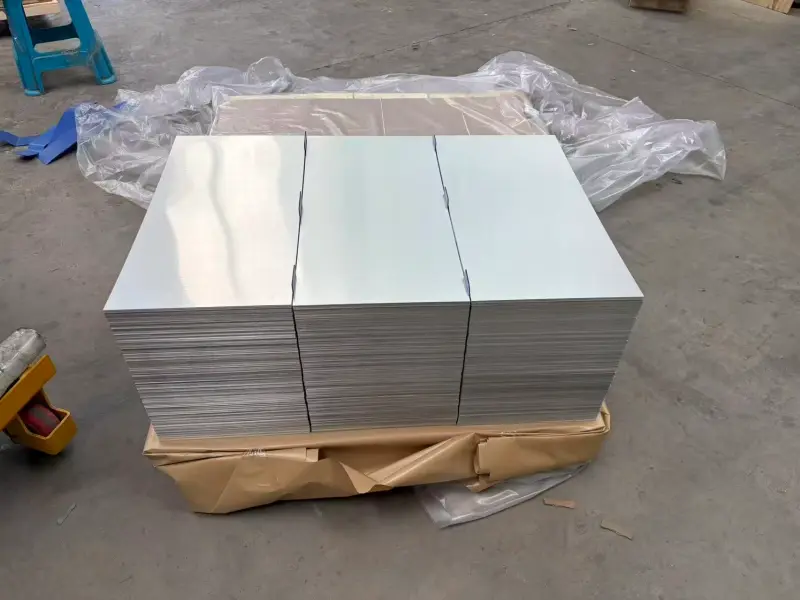
Temper describes the condition of the aluminum after processing. It affects hardness, strength, and formability.
For photo panels, the choice should support flatness, cutting, handling, and the required finished appearance.
O Temper
O temper indicates an annealed condition. It generally offers good formability and a relatively soft material condition.
It may be considered for applications involving additional forming. For a flat photo panel, the supplier should confirm that the material maintains the required flatness.
H14 Temper
H14 is a strain-hardened and partially annealed temper. It provides a balance of strength and formability for certain aluminum grades.
It has considered when the panel needs more rigidity than a soft-temper sheet. Availability depends on the selected alloy.
H18 Temper
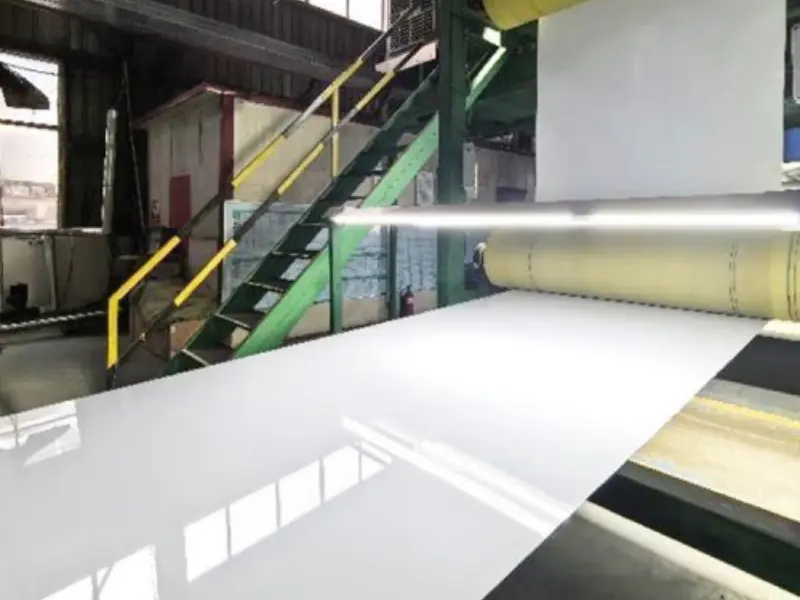
H18 is a harder strain-hardened temper used for certain aluminum products. It may be suitable where greater hardness is required and additional forming is limited.
It is not automatically the best choice for every photo panel. The material should be tested for flatness, edge quality, and compatibility with the production process.
H32 Temper
H32 is a stabilized strain-hardened temper commonly associated with 5xxx-series alloys, including 5052. It offers a combination of strength and formability.
It may be considered for products that need a stronger base sheet. Confirm the alloy-temper combination rather than requesting a temper alone.
| Temper | General Condition | Key Consideration |
|---|---|---|
| O | Annealed | Good formability |
| H14 | Partially strain hardened | Balance of strength and formability |
| H18 | Hard strain-hardened condition | Greater hardness, less formability |
| H32 | Stabilized strain-hardened condition | Strength and formability balance |
Not every temper applies to every alloy. Ask the supplier to confirm the correct alloy and temper combination for the proposed panel.
How the Coating Affects Sublimation Printing
A suitable sublimation coating is essential for transferring an image onto aluminum. The coating has designed to receive the transferred dye under controlled heat and pressure.
Ordinary aluminum sheet without a compatible coating will not produce the same result as a prepared sublimation panel.
White Coating for Bright Image Colors
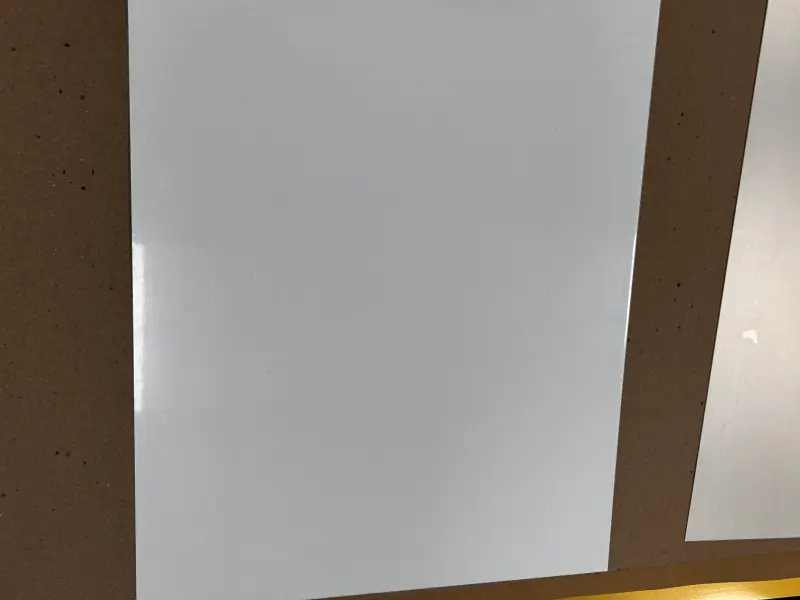
White-coated aluminum has commonly selected when the image needs a light background. It can support bright colors and clear contrast.
The coating should be compatible with the intended sublimation ink, transfer paper, and heat press. Buyers should request sample panels before placing a large order.
Coating Quality and Surface Consistency
Uneven coating can cause differences in image color or surface appearance. Dust, scratches, pinholes, and coating defects may also affect the finished product.
For wholesale orders, ask about coating inspection, protective film, surface cleanliness, and batch consistency.
Printing Parameters Should Be Tested
Printing temperature, time, and pressure vary by coating, equipment, ink, and transfer paper. A setting that works for one panel may not work for another.
Use the coating supplier’s instructions as a starting point. Test the complete printing process before commercial production.
Applications of 8 x 12 Aluminum Photo Panels
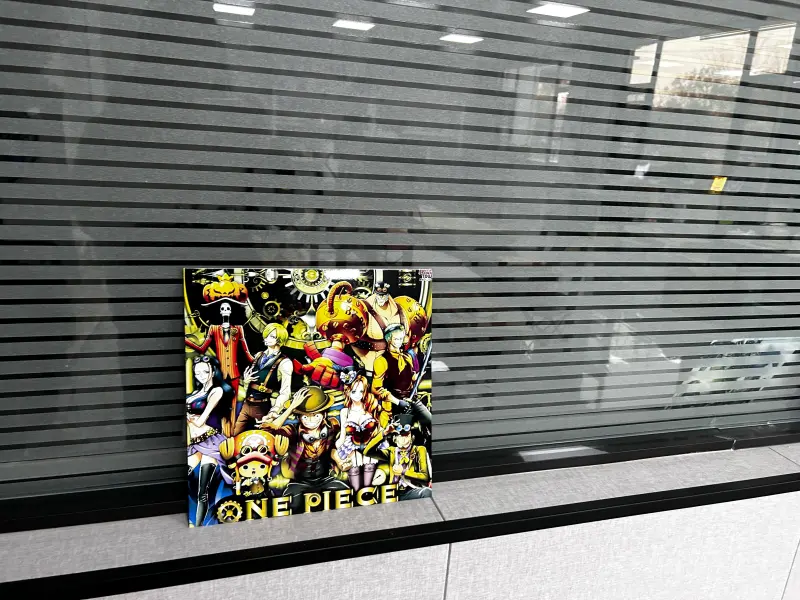
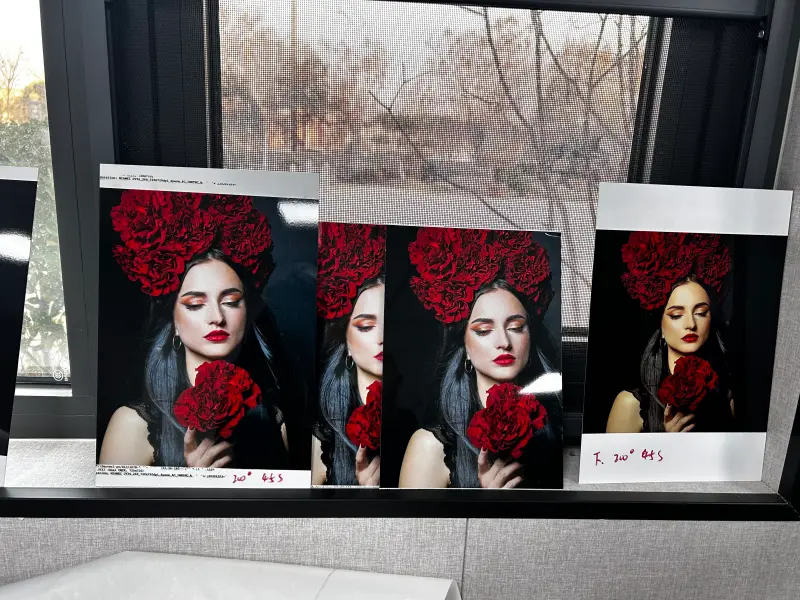
The 8 × 12 inch size supports many decorative and commercial products. It has sold as a blank panel for printing or as a finished product with an image already applied.
Typical applications include:
- Family photo displays: Family portraits, couple photographs, and special-event images.
- Wedding and anniversary gifts: Personalized photographs with names or dates.
- Pet photo products: Printed portraits for pet owners.
- Travel photography: Landscape images, city views, and holiday memories.
- Wall art: Decorative panels for homes, offices, hotels, and studios.
- Retail photo products: Blank panels for photo printing shops and personalized gift stores.
- Business displays: Company photographs, branded graphics, and small decorative signs, when the panel and coating are suitable.
- Memorial products: Personalized images and commemorative displays.
- School and graduation gifts: Student portraits, graduation photographs, and award displays.
- Custom promotional products: Branded images and limited-run gift items.
Home Decoration and Personalized Gifts
An 8 × 12 photo panel can display a single image without requiring a large frame. Buyers may choose glossy white for bright photographs or matte white for a softer appearance.
For gift manufacturers, the product has offered with different packaging options. Gift boxes, protective sleeves, and display stands can help create a more complete retail product.
Photo Studios and Printing Shops
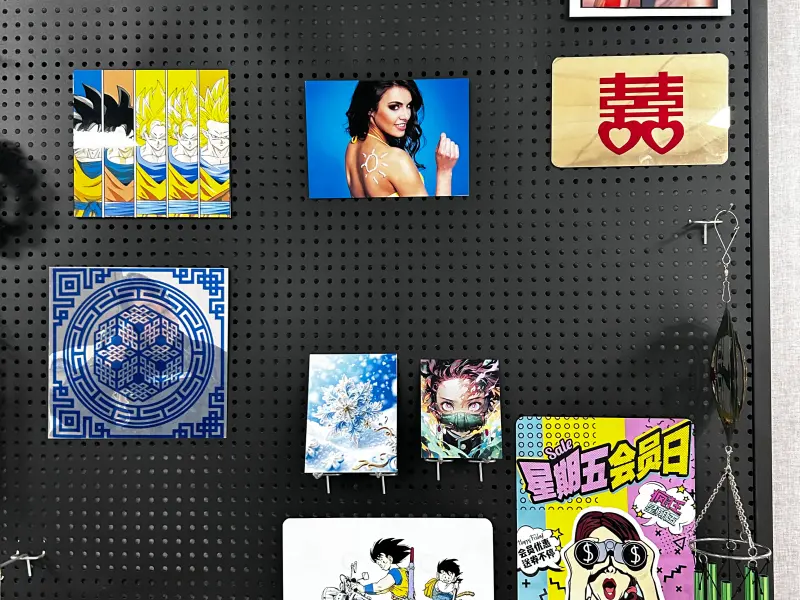
Photo studios may use aluminum panels for customers who want an alternative to paper prints or canvas products. The metal surface offers a different appearance and can be part of a premium print range.
Before adding a new panel to a commercial workflow, print a sample and evaluate color reproduction, coating adhesion, surface defects, and handling performance.
Online Stores and Wholesale Supply
Online sellers may offer blank panels to customers who have sublimation printers and heat presses. Finished panels have sold as personalized products.
Wholesale buyers should confirm whether the supplier can provide consistent sizes, repeatable coating quality, individual protection, and carton packing suitable for international transport.
8 x 12 Aluminum Photo Panel Compared with Other Products
Choosing a photo material involves more than comparing the purchase price. The printing method, surface appearance, durability requirements, and final display location also matter.
Aluminum Photo Panel vs. Photo Paper
Photo paper is lightweight and suitable for conventional photo printing. It in albums, frames, and low-cost photo products.
An aluminum photo panel provides a rigid metal base and a different surface appearance. It may be a suitable choice for customers who want a metal photo display rather than a paper print.
| Feature | Aluminum Photo Panel | Photo Paper |
|---|---|---|
| Base material | Aluminum sheet | Paper |
| Printing method | Compatible sublimation or specified process | Inkjet, photographic, or other compatible process |
| Rigidity | Depends on thickness | Low without backing |
| Surface options | Glossy, matte, brushed, and other coated types | Glossy, matte, and specialty paper finishes |
| Typical use | Metal photo displays and personalized gifts | Albums, prints, and framed photos |
Aluminum Photo Panel vs. Acrylic Photo Panel
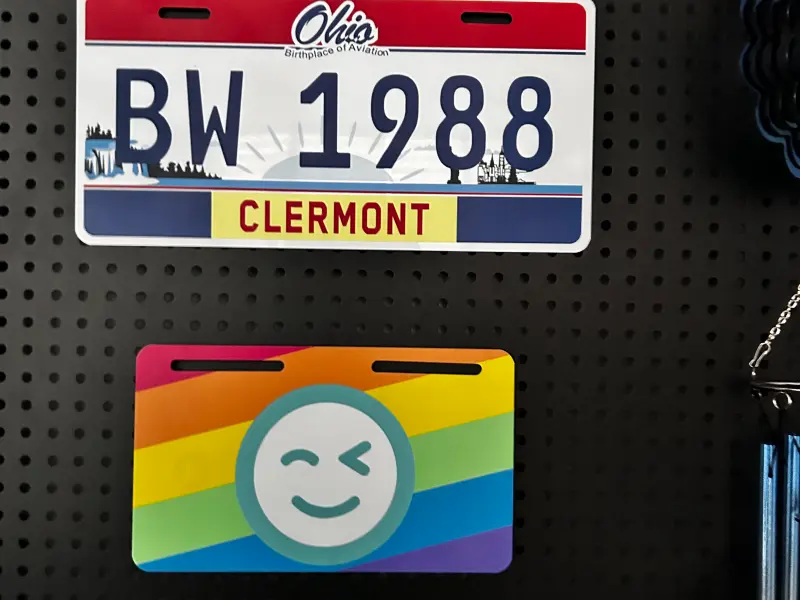
Acrylic photo panels can provide a glossy appearance and a sense of depth. Aluminum panels have a metal base and can offer a thinner, more industrial look.
The printing process differs between the two materials. Buyers should compare the final image, mounting method, weight, scratch resistance, and cost for the specific product design.
Aluminum Photo Panel vs. MDF Sublimation Panel
MDF panels are made from engineered wood fiber and have often used for photo gifts and decorative products. Aluminum panels use a metal base and may suit customers looking for a metal finish.
Neither material is suitable for every application. The choice depends on the desired appearance, product weight, manufacturing process, and customer budget.
| Comparison Point | Aluminum Panel | Acrylic Panel | MDF Panel |
|---|---|---|---|
| Base | Metal | Plastic | Engineered wood fiber |
| Appearance | Metallic or coated surface | Often glossy and clear-looking | Solid decorative surface |
| Weight | Depends on thickness | Depends on thickness | Depends on thickness and density |
| Processing | Cutting and edge finishing as required | Requires compatible processing | Requires suitable cutting and finishing |
| Main consideration | Coating and flatness | Surface protection and printing compatibility | Edge quality and moisture exposure |
How to Choose the Right 8 x 12 Photo Panel
A clear specification helps prevent mismatches between the ordered material and the final product.
Match the Panel to the Printing Method
First, confirm whether the product has printed by dye sublimation or another process. A panel designed for sublimation may not be suitable for direct UV printing without additional confirmation.
Ask the supplier for coating details and printing instructions. A sample order can help confirm compatibility with your equipment.
Select Thickness Based on the Final Product
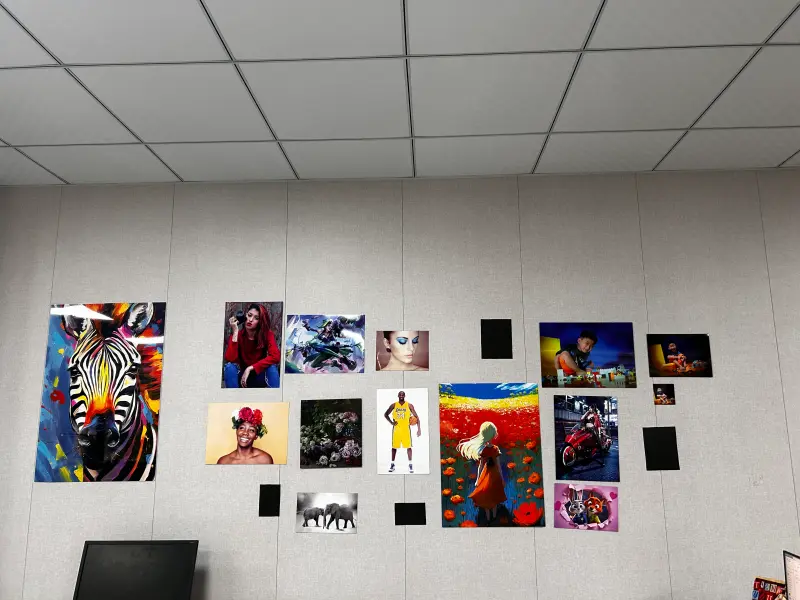
For a lightweight photo gift, a thinner panel may be sufficient. A panel intended for repeated handling or a more rigid display may require a thicker base.
Consider the mounting system as well. A panel attached to a backing board may not need the same thickness as a panel displayed without support.
Confirm Surface and Dimensional Quality
Before ordering, check the following specifications:
- Nominal size: 8 × 12 inches or 203.2 × 304.8 mm.
- Thickness and allowable tolerance.
- Aluminum alloy and temper.
- Coating type and printable side.
- Surface finish and color.
- Flatness and edge quality.
- Protective film or interleaving paper.
- Individual and bulk packaging requirements.
Request Samples Before Bulk Production
A sample allows the buyer to test printing performance before committing to a large order. It also helps identify possible issues with color, coating, flatness, or edge handling.
For repeat orders, agree on a specification sheet and acceptable quality criteria. This makes it easier to compare production batches.
Manufacturing and Quality Control
An aluminum photo panel may pass through several production stages before packing. The exact process depends on whether the supplier coats large sheets first or produces panels from pre-coated material.
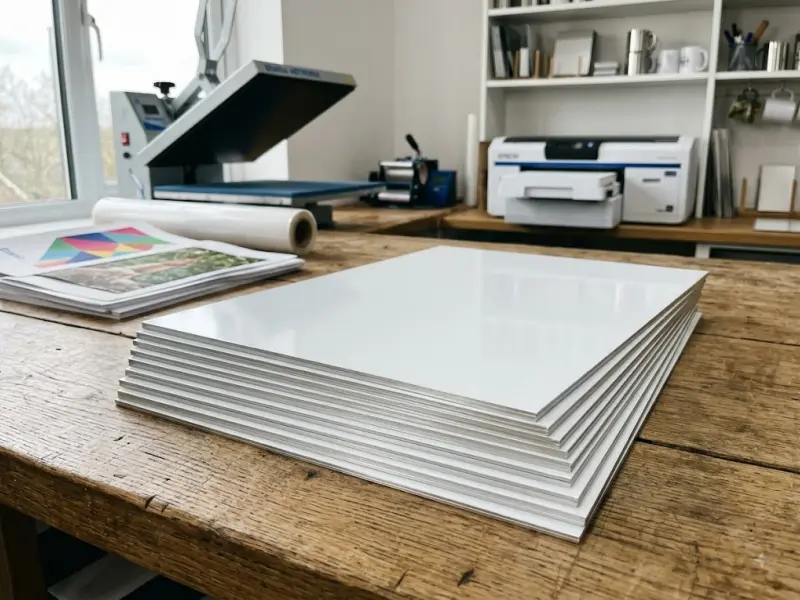
A typical production flow is:
Aluminum coil or sheet → Material inspection → Surface preparation → Sublimation coating → Curing → Cutting to size → Edge inspection → Surface protection → Final inspection → Packing
Material and Thickness Inspection
The manufacturer should verify the base material against the agreed specification. Thickness, dimensions, and flatness have checked according to the order requirements.
For bulk buyers, material traceability and consistent specifications can be important for repeat production.
Coating and Surface Inspection
The coating has checked for visible defects and consistency. Inspection may include surface appearance, coating adhesion, and print tests according to the agreed quality plan.
A printed sample is useful because a panel can look acceptable before printing but still produce unsatisfactory transfer results.
Cutting and Edge Quality
Panels should be cut to the required dimensions with clean, consistent edges. Sharp edges, burrs, or damaged corners can affect handling and packaging.
Specify the required dimensional tolerance and edge condition before production begins.
Packaging for International Shipping

Aluminum photo panels need protection from scratches, dents, and bending during storage and transport.
Suitable packaging depends on panel thickness, order quantity, and shipping method. Individual protective film or interleaving material can help reduce surface damage.
For export orders, buyers should confirm carton quantity, gross weight, carton dimensions, pallet requirements, and shipping marks.
What Affects the Price of an 8 x 12 Aluminum Photo Panel?
The price depends on the complete specification rather than the dimensions alone.
Common price factors include:
- Aluminum alloy: Different grades may have different material costs.
- Thickness: Thicker panels generally require more aluminum.
- Surface coating: Coating type and performance requirements can affect production costs.
- Finish: Glossy, matte, brushed, and specialty finishes may have different costs.
- Order quantity: Large orders may reduce unit costs when production can be arranged efficiently.
- Cutting requirements: Special tolerances, shapes, holes, or edge treatments may add processing costs.
- Packaging: Individual sleeves, gift boxes, and export cartons affect the final quotation.
- Shipping terms: Freight, destination, and delivery requirements influence landed cost.
To receive a useful quotation, provide the size, thickness, alloy, temper, finish, quantity, and destination. If the product has intended for sublimation, state the required coating and printing process.
Wholesale and Custom 8 x 12 Aluminum Photo Panels
Wholesale buyers may require more than one standard specification. A supplier may be able to provide several thicknesses, surface finishes, or panel sizes under one purchasing program.
Custom options depend on production capability and minimum order requirements.
Available Customization Options
| Specification | Possible Options |
|---|---|
| Size | 8 × 12 inches or other agreed dimensions |
| Thickness | For example, 0.3–2.0 mm, subject to availability |
| Alloy | 1050, 1060, 3003, 5052, subject to suitability |
| Temper | O, H14, H18, H32 where applicable |
| Surface | Glossy white, matte white, brushed, selected specialty finishes |
| Shape | Rectangle or custom-cut shapes |
| Protection | Protective film or interleaving material |
| Packaging | Bulk cartons or individual protection |
These options have confirmed for the specific alloy, coating, and production process.
Information to Include in a Purchase Inquiry

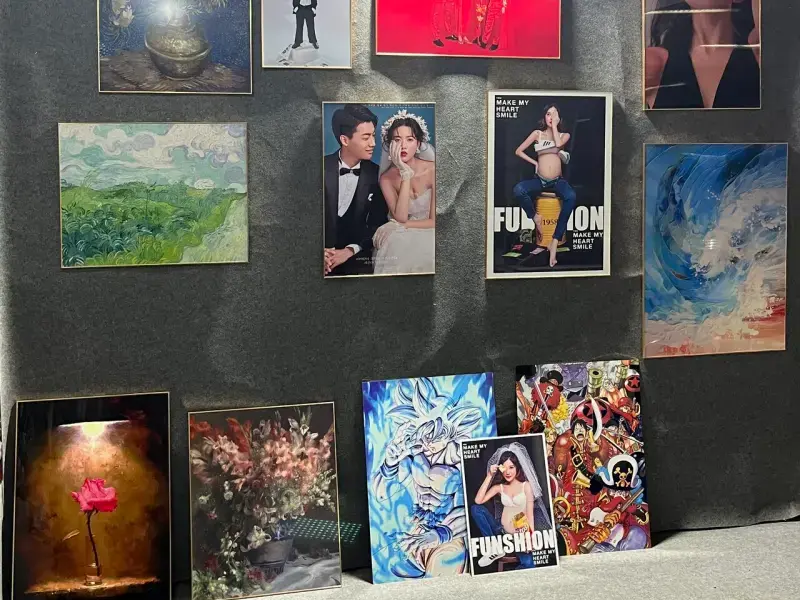
A detailed inquiry helps the supplier confirm feasibility and provide an accurate quotation.
Include the following information:
- Product: 8 × 12 aluminum photo panel.
- Quantity: Sample quantity and expected bulk order.
- Base alloy and temper, if specified.
- Required thickness.
- Coating and surface finish.
- Printing method and intended application.
- Packaging requirements.
- Destination country and preferred shipping terms.
- Required delivery date.
If the exact alloy or temper is not yet decided, describe the final application and printing process. The supplier can then propose suitable specifications for testing.
Frequently Asked Questions About 8 x 12 Aluminum Photo Panels
What Are the Exact Dimensions of an 8 x 12 Aluminum Photo Panel?
The nominal dimensions are 8 × 12 inches, equal to approximately 203.2 × 304.8 mm. Confirm the actual cutting tolerance with the supplier before placing an order.
Is an 8 x 12 Aluminum Photo Panel Suitable for Sublimation?
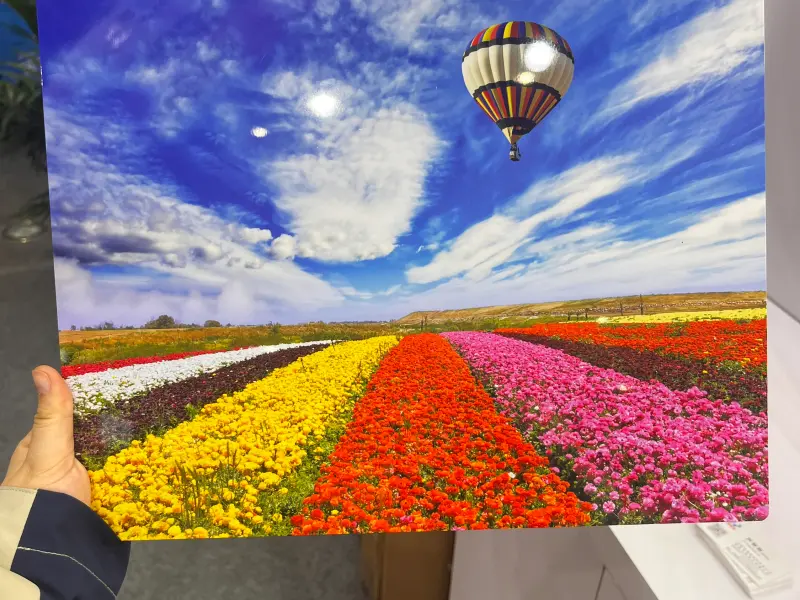
Yes, if the panel has a compatible sublimation coating. Ordinary uncoated aluminum sheet does not provide the same printing surface. Test a sample using the intended ink, transfer paper, and heat press.
Which Thickness Is Suitable for an 8 x 12 Photo Panel?
The choice depends on rigidity, weight, mounting, and handling requirements. Options such as 0.5 mm, 0.8 mm, and 1.0 mm have compared during product development. Confirm available specifications with the manufacturer.
Which Aluminum Alloy Is Commonly Used for Photo Panels?
Alloys such as 1050, 1060, and 3003 have considered, depending on the product design. The appropriate alloy depends on material properties, coating compatibility, flatness, and processing requirements.
Can I Order 5052 Aluminum Photo Panels?
A 5052 base has considered when strength and corrosion resistance are important. However, confirm that the supplier can provide the required coating, temper, and flatness for the intended photo panel.
What Is the Difference Between Glossy and Matte Aluminum Photo Panels?
Glossy panels have a reflective surface and are often chosen for bright images. Matte panels reduce surface glare and provide a softer appearance. Actual image quality depends on the coating and printing process.
Can Aluminum Photo Panels Be Made in Custom Sizes?
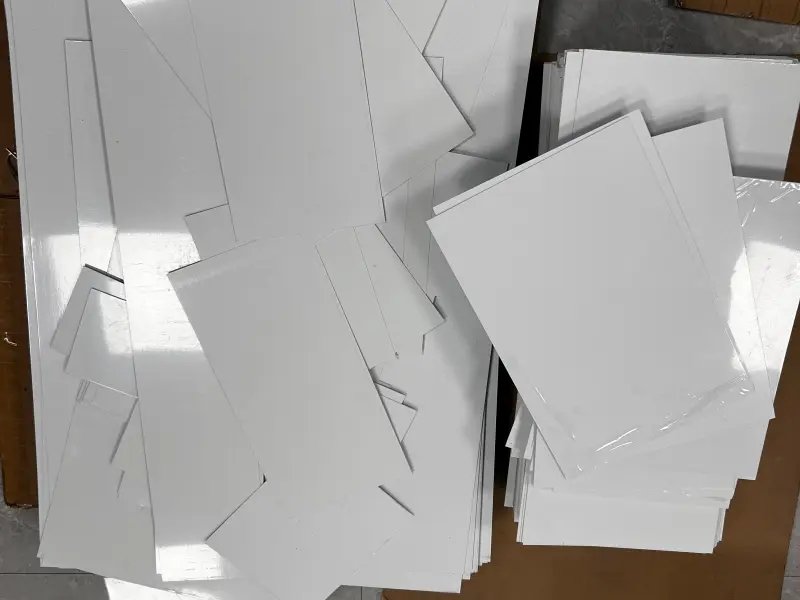
Custom dimensions may be available depending on the manufacturer’s cutting equipment and order quantity. Provide the required dimensions and tolerances when requesting a quotation.
Are These Panels Suitable for Outdoor Use?
Outdoor suitability depends on the coating, ink, installation, and exposure conditions. Ask the supplier for relevant weathering and durability information.
How Should Aluminum Photo Panels Be Packed?
Panels have protected with film or interleaving material and packed in cartons. Thinner panels may require additional support to reduce bending. Packaging should match the panel thickness and shipping method.
Can I Buy 8 x 12 Aluminum Photo Panels in Bulk?
Bulk orders may be available from manufacturers and wholesale suppliers. Confirm the minimum order quantity, sample availability, production lead time, packing method, and shipping terms before placing an order.
What Information Is Needed for a Price Quote?
Provide the size, thickness, alloy, temper, coating, finish, order quantity, packaging requirements, and destination. If some specifications are flexible, ask the supplier to quote several options for comparison.
Get a Quote for 8 x 12 Aluminum Photo Panels
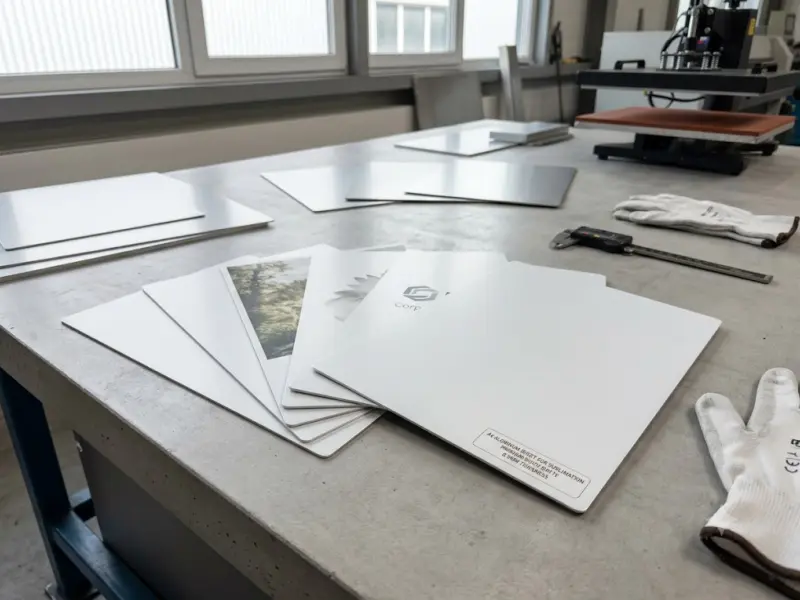
Looking for 8 × 12 aluminum photo panels for a sublimation business, photo studio, or personalized gift product line?
Send your required thickness, alloy, surface finish, coating type, and order quantity. If you are unsure which specification to choose, describe your printing equipment and final application.
A clear specification helps the supplier recommend suitable materials, prepare samples, and provide a quotation for your project.
Request a quotation today to discuss standard sizes, custom specifications, sample orders, and wholesale supply.
Leave a Reply
You must be logged in to post a comment.