
Best Sublimation Aluminum Sheet for Photo Panels are the top choice for photographers, print shops, and gift makers who want durable, vibrant photo panels.
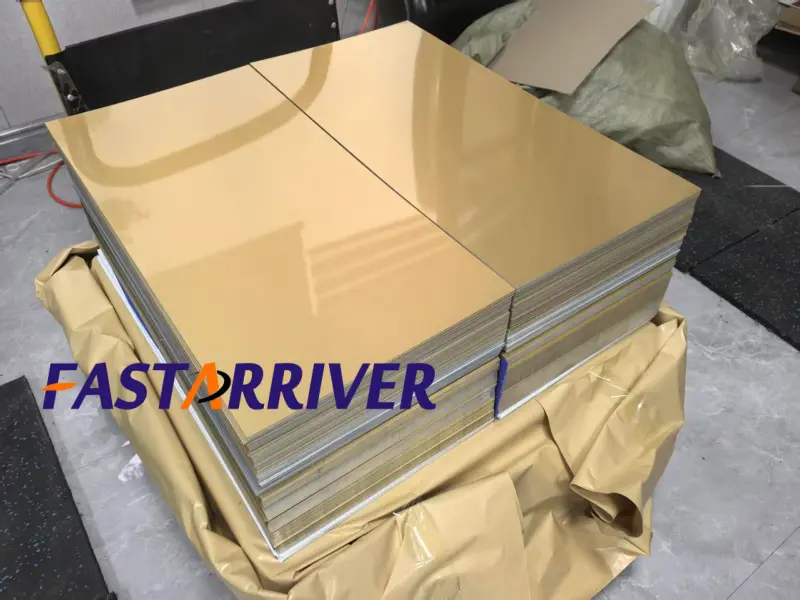
These coated metal blanks accept dye-sublimation ink through heat and pressure. The result is a permanent image that will not fade, peel, or scratch. The best sublimation aluminum sheet for photo panels combines the right alloy, coating quality, thickness, and surface finish.
How Sublimation Aluminum Sheets Work
The process starts with a bare aluminum sheet. A special polyester coating is applied to one or both sides. This coating is heat-activated.
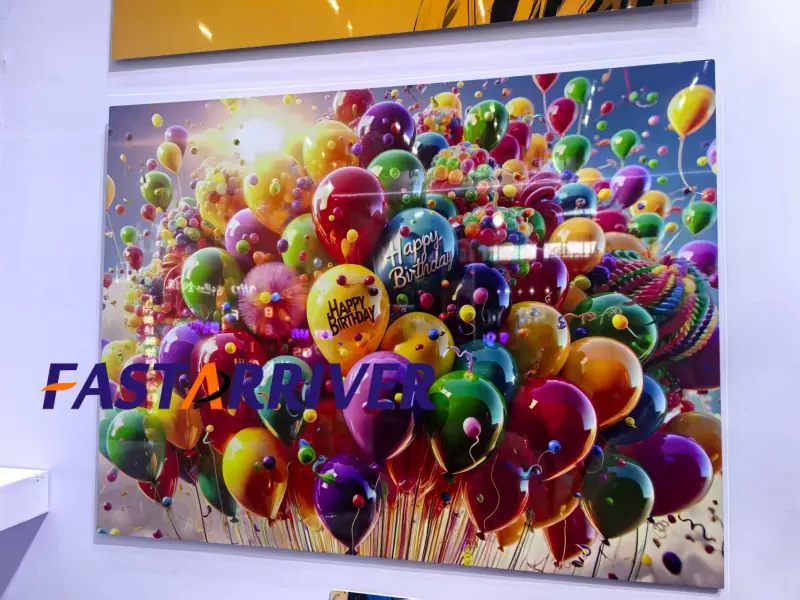
When you press a sublimation transfer paper against the sheet at 180°C to 200°C, the ink turns into gas. The gas penetrates the coating and bonds with it permanently. After cooling, the image is locked inside the coating layer.
This is different from inkjet printing on metal. With sublimation, the image becomes part of the surface. You cannot scratch it off with a fingernail. You can wipe it with a damp cloth. The print resists UV light, moisture, and temperature swings.
Key Benefits of Sublimation Photo Panels
- Colors stay vivid for 65+ years under normal display conditions
- Scratch-proof surface because the image is infused, not printed on top
- Waterproof and humidity-resistant for bathrooms and kitchens
- Lightweight compared to glass or acrylic photo mounts
- Fire-resistant because aluminum does not burn
- 100% recyclable material with no toxic waste
Thickness Breakdown: How Each Size Feels and Performs
Thickness is the first spec buyers notice. It affects weight, rigidity, shipping cost, and how the panel feels in the hand. Here is what each common thickness is used for.
Ultra-Thin Sheets: 0.20 mm – 0.35 mm
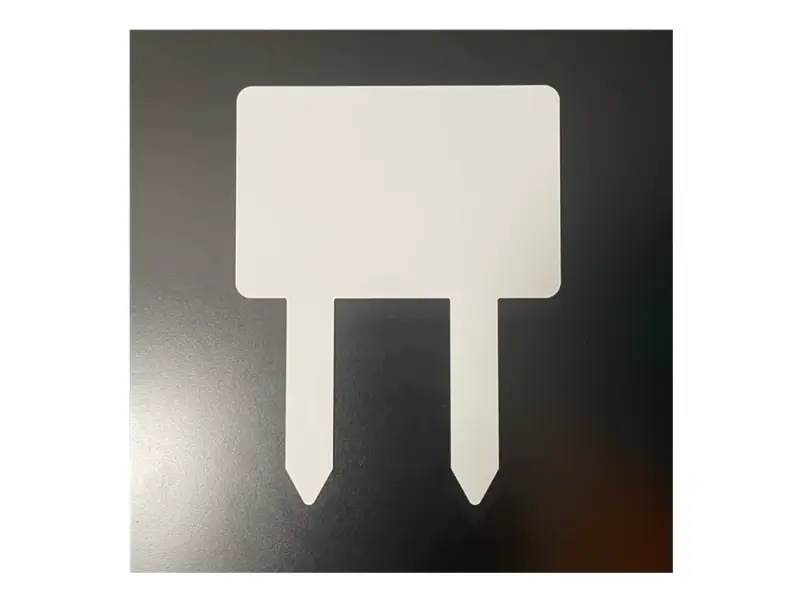
These sheets are flexible and lightweight. They work for small items like keychains, luggage tags, bookmarks, and jewelry pendants. The thin material bends easily, so it needs a backing or frame for display. Many gift makers use 0.45 mm as their thinnest practical option for photo panels.
Standard Photo Panel: 0.45 mm – 0.55 mm
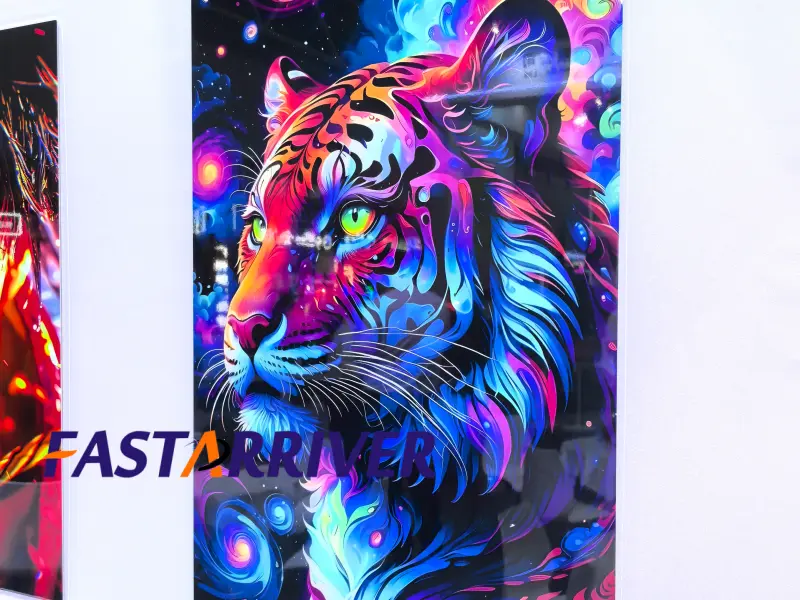
This is the most popular range for photo panels. The sheet is rigid enough to stay flat but light enough to hang on a wall without heavy hardware. It is the sweet spot for cost and performance. Most sublimation photo panel blanks sold online fall in this band.
Premium Photo Panel: 0.65 mm – 0.75 mm
These sheets feel more substantial. They resist bending during handling and transport. The extra thickness adds a premium feel that customers notice. This range suits larger prints, awards, and gallery displays.
Heavy-Duty Panel: 1.0 mm – 1.5 mm
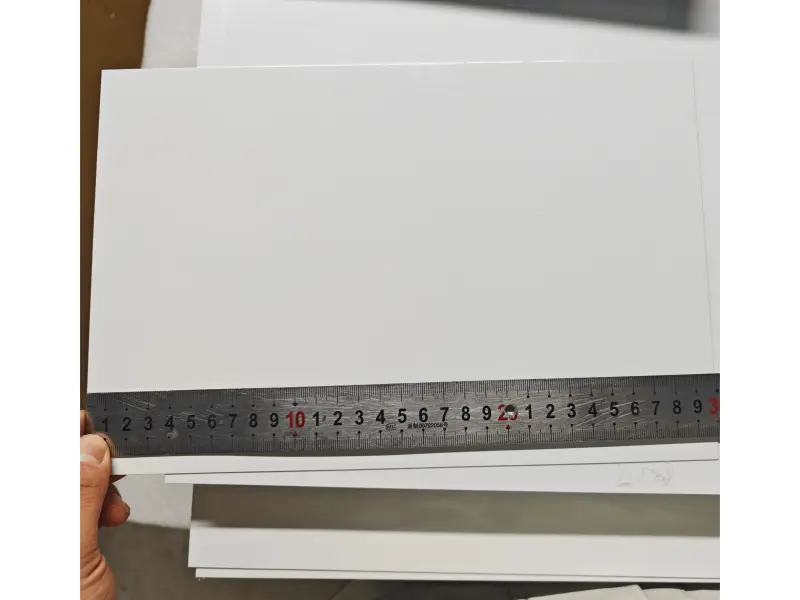
Used for large wall art, outdoor signs, and commercial displays. The sheet stays flat even at sizes over 1 meter. It can stand on its own with an easel back. The weight increases shipping cost but the durability is unmatched.
| Thickness | Weight per m² | Best For | Typical Sizes |
|---|---|---|---|
| 0.20 – 0.35 mm | 540 – 945 g | Keychains, tags, small gifts | 50×80 mm, 86×54 mm |
| 0.45 mm | 1,215 g | Standard photo panels, name cards | 10×15 cm, 15×20 cm, 20×30 cm |
| 0.55 mm | 1,485 g | Premium photo panels, awards | 30×40 cm, 40×60 cm |
| 0.65 mm | 1,755 g | Gallery prints, large wall art | 60×90 cm, 60×120 cm |
| 0.75 mm | 2,025 g | Commercial displays, signage | 90×120 cm, 120×180 cm |
| 1.0 mm | 2,700 g | Outdoor signs, structural panels | Custom large formats |
Alloy Types for Sublimation Photo Panels
The alloy affects surface quality, coating adhesion, flatness, and cost. Not all aluminum alloys accept sublimation coating equally well.
Best Sublimation Aluminum Sheet for Photo Panels
1060 and 1070 Pure Aluminum
These are even purer than 1050, with 99.6% and 99.7% aluminum content. The surface is mirror-smooth after rolling. Coating adhesion is excellent. Some high-end photo panel makers prefer 1070 for its flawless surface.
The cost is slightly higher than 1050. The strength is similar. These alloys are ideal for premium photo panels where surface perfection matters most.
1100 Commercially Pure Aluminum
1100 is 99% pure with small amounts of iron and silicon. It is widely available and cost-effective. The surface quality is good enough for most photo panels. Coating adhesion is reliable. Many mass-market sublimation blanks use 1100 because suppliers can source it easily.
For everyday photo panels, nameplates, and promotional items, 1100-H14 or H24 is a safe choice.
5005 and 5052 Alloys
5005 contains 0.8% magnesium. It offers higher strength than 3003 with good surface quality. 5052 has 2.5% magnesium and is even stronger. Both alloys accept anodizing well, which some makers use before coating.
These alloys are overkill for standard photo panels. They shine in outdoor signage, marine environments, and industrial applications where corrosion resistance matters. The cost is higher but the lifespan is longer.
1050 Pure Aluminum
1050 is 99.5% pure aluminum. It offers excellent surface smoothness and good coating adhesion. The high purity means fewer impurities that could cause pinholes or color spots. It is the cheapest option and works well for standard photo panels.
The downside is lower strength. Large panels may warp slightly over time. For sizes under 60×90 cm, 1050 performs fine. For bigger prints, consider a stronger alloy.
1050 Temper Options
| Temper | Surface Quality | Coating Adhesion | Best Use |
|---|---|---|---|
| 1050-O (Soft) | Very smooth | Excellent | Small panels, curved shapes |
| 1050-H14 | Smooth | Very good | Standard photo panels |
| 1050-H24 | Smooth, rigid | Very good | Flat panels, awards |
3003 Aluminum-Manganese Alloy
3003 adds 1.0% to 1.5% manganese for extra strength. The surface is slightly less smooth than pure aluminum but still accepts coating well. The main advantage is rigidity. Large panels stay flat better than 1050 or 1100.
3003 is the best choice for panels over 60×90 cm or for outdoor signs. It also resists denting during shipping and handling. The cost is moderate.
3003 Temper Options
| Temper | Rigidity | Surface Quality | Best Use |
|---|---|---|---|
| 3003-O | Low | Good | Formed shapes, curved panels |
| 3003-H14 | Medium | Good | Medium photo panels |
| 3003-H24 | High | Good | Large panels, outdoor signs |
Best Sublimation Aluminum Sheet for Photo Panels Other Alloys in the Market
| Alloy | Series | Key Feature | Typical Application |
|---|---|---|---|
| 1235 | 1xxx | Very high purity | Premium photo panels, art prints |
| 3105 | 3xxx | Good paint adhesion | Color-coated blanks |
| 5005 | 5xxx | Medium strength, anodizable | Outdoor panels, marine use |
| 5052 | 5xxx | High strength, corrosion resistant | Structural signs, harsh environments |
| 8011 | 8xxx | Good elongation | Deep-drawn shapes, curved panels |
Alloy Comparison for Photo Panel Quality
Choosing the right alloy affects print quality, panel life, and cost. Here is a side-by-side comparison.
| Property | 1050-H14 | 1100-H24 | 3003-H24 | 5005-H34 |
|---|---|---|---|---|
| Aluminum Purity | 99.5% | 99.0% | 97.0% | 99.2% |
| Tensile Strength | 85 – 120 MPa | 110 – 145 MPa | 145 – 185 MPa | 160 – 200 MPa |
| Surface Smoothness | Excellent | Very good | Good | Good |
| Coating Adhesion | Excellent | Very good | Good | Good |
| Panel Flatness | Good | Good | Very good | Excellent |
| Corrosion Resistance | Good | Good | Very good | Excellent |
| Relative Cost | Low | Low | Medium | Medium-High |
| Best For | Budget photo panels | Standard blanks | Large panels, outdoor | Premium outdoor signs |
When to Choose 1050 or 1060
Pick pure aluminum when print quality is your top priority. The smooth surface gives the sharpest detail and most even color. These alloys are perfect for portrait panels, wedding photos, and fine art prints. They are also the most affordable for bulk orders.
When to Choose 1100
Choose 1100 for general-purpose photo panels and promotional items. It balances cost and quality. Most sublimation blank suppliers stock 1100 because it is easy to source and processes well.
When to Choose 3003
Use 3003 for large wall panels, outdoor displays, and items that need extra rigidity. The higher strength prevents warping in humid climates. It is also the better choice for panels that will be handled frequently, like trade show displays.
When to Choose 5005 or 5052
Select these alloys for outdoor signs, marine applications, or industrial nameplates. The extra corrosion resistance pays off in harsh environments. They also work well for panels that need structural mounting brackets.
Surface Finishes and Coating Types
The coating is what makes sublimation possible. Without the right coating, the ink will not bond. The finish affects how the final image looks.
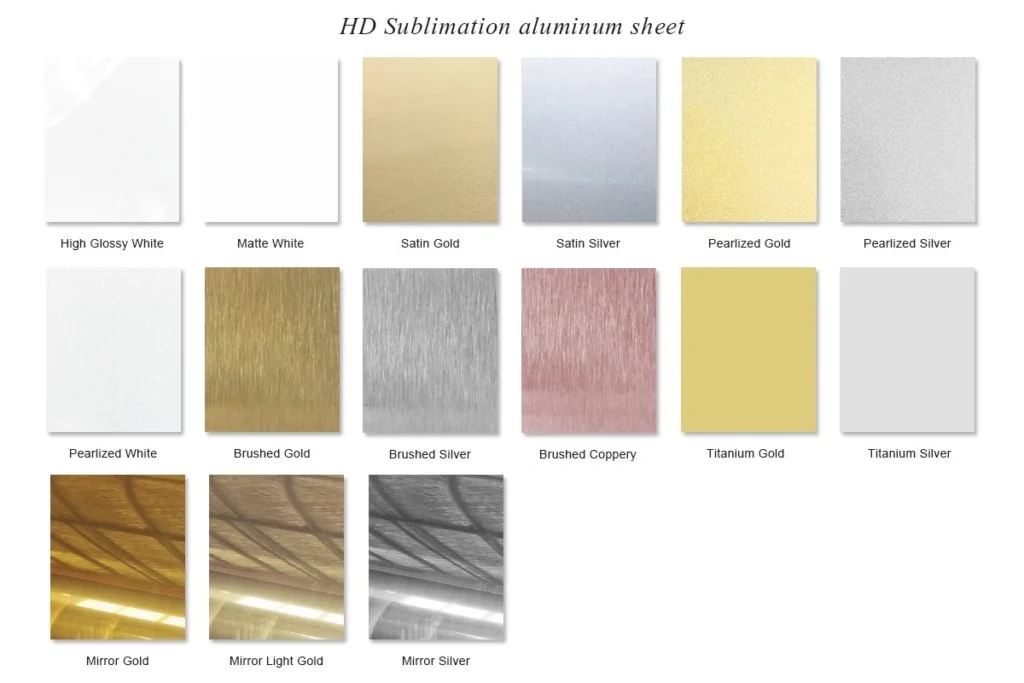
Specialty Finishes
| Finish Type | Description | Best For |
|---|---|---|
| Pearl White | Subtle shimmer effect | Wedding photos, feminine designs |
| Pearl Gold | Warm shimmer with depth | Anniversary gifts, luxury items |
| Sparkle | Glitter particles in coating | Holiday cards, novelty items |
| Wood Grain | Simulated wood texture | Rustic decor, cabin themes |
| Mirror Silver | Highly reflective surface | Modern art, tech branding |
| Mirror Gold | Highly reflective gold | Trophies, premium awards |
| Bronze / Copper | Warm brown metallic tone | Vintage style, memorial plaques |
Applications Across Industries
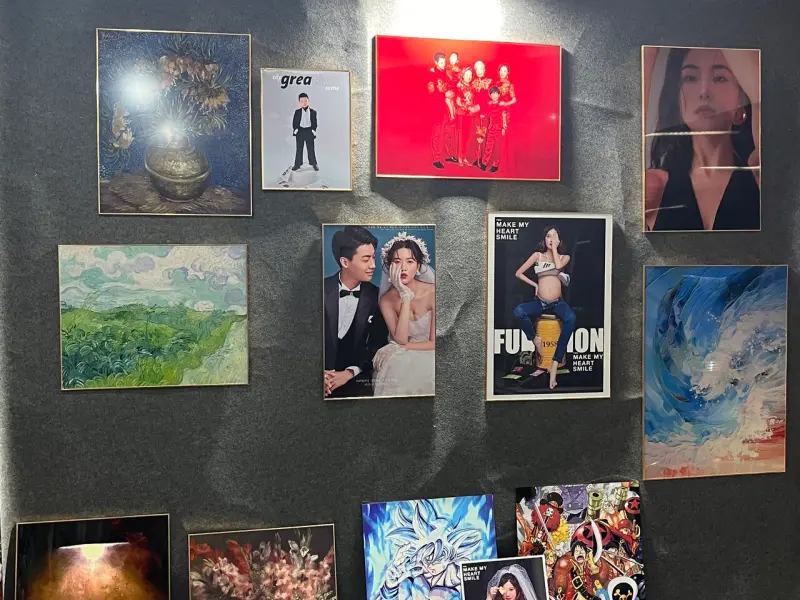
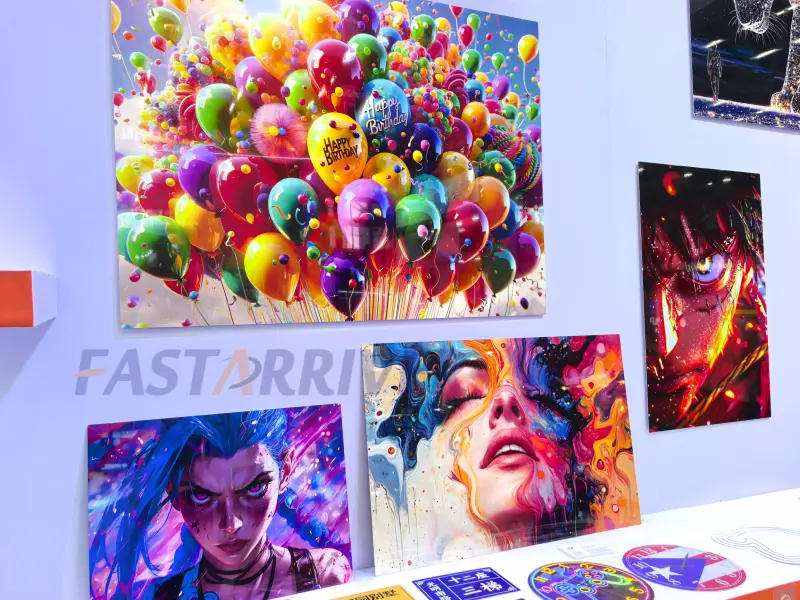
Sublimation aluminum photo panels serve many markets. Each sector has its own requirements for size, finish, and thickness.
Photography and Fine Art Printing
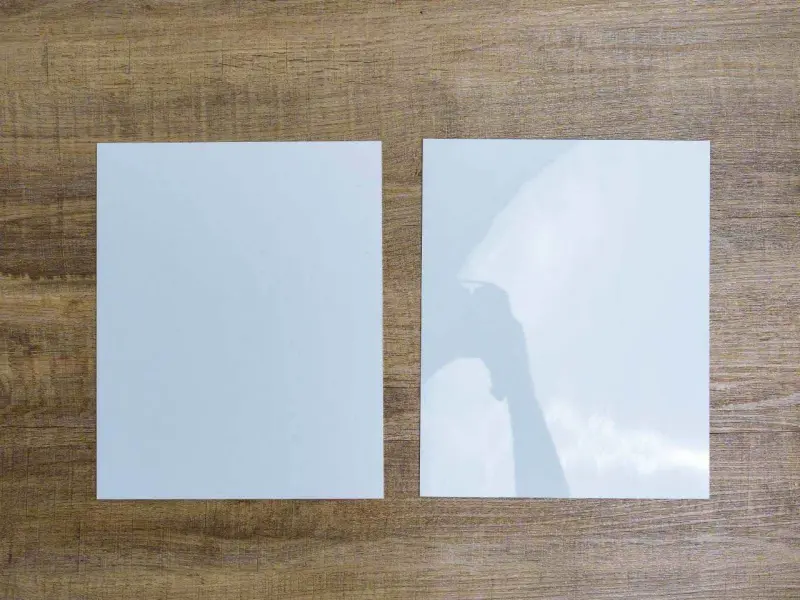
Professional photographers use aluminum panels for gallery shows and client deliveries. The metal surface gives images a modern, high-end look. White glossy is the top choice for color photos. Matte works for black-and-white and fine art.
Common sizes are 30×40 cm, 40×60 cm, and 60×90 cm. Thickness is 0.65 mm to 1.0 mm for a premium feel.
Home Decor and Interior Design
Homeowners and interior designers use photo panels for wall art, kitchen backsplashes, and bathroom decor. The waterproof surface makes them ideal for humid rooms. Panoramic formats work above sofas and beds. Square grids work in hallways.
Corporate Branding and Office Art
Companies print their logos, mission statements, and team photos on aluminum panels. These mount in lobbies, conference rooms, and hallways. Matte finish reduces glare under office lights. Large sizes like 90×120 cm make a strong impression.
Awards, Trophies, and Recognition Plaques
Gold, silver, and bronze finishes are popular for awards. The metal base adds weight and prestige. Common sizes are 15×20 cm, 20×25 cm, and 20×30 cm. Thickness is 0.65 mm to 1.0 mm. Some include a stand or wall mount.
Retail and Point-of-Sale Displays
Stores use aluminum panels for product photos, price lists, and directional signs. The durable surface survives daily handling. Sizes range from A4 to A0. Thickness is 0.55 mm to 0.75 mm.
Memorial and Cemetery Plaques
Aluminum plaques resist weather and fading. They are used for pet memorials, bench dedications, and garden markers. Thickness is 0.65 mm to 1.0 mm. Some include mounting holes or stakes.
Personalized Gifts and Souvenirs
This is the fastest-growing market. Items include photo keychains, luggage tags, bookmarks, and ornaments. Small sizes and low cost make them perfect for online gift shops. Thickness is 0.45 mm to 0.55 mm.
Automotive and Motorcycle Customization
Car clubs and bike builders use aluminum panels for dash plaques, show signs, and club badges. Brushed silver and clear coat finishes match the automotive aesthetic. Sizes range from 10×15 cm to 30×40 cm.
Product Types and Formats
Sublimation aluminum sheets come in many shapes and sizes. Each format serves a different market need.
Standard Rectangular Panels
These are the bread and butter of the photo panel business. Common sizes include 10×15 cm, 15×20 cm, 20×30 cm, 30×40 cm, and 40×60 cm. Larger sizes like 60×90 cm and 60×120 cm suit wall art and gallery prints.
Thickness for standard panels ranges from 0.45 mm to 0.65 mm. White glossy is the default finish. Rounded corners are available for a softer look.
Square Panels
Square formats like 20×20 cm, 30×30 cm, and 40×40 cm are popular for Instagram-style photos and modern wall arrangements. They work well in grid layouts and gallery walls.
Panoramic and Wide Panels
Landscape photographers love wide formats. Sizes like 20×60 cm, 30×90 cm, and 40×120 cm show off sweeping vistas. These panels need extra rigidity, so 0.65 mm or 0.75 mm thickness is recommended.
Name Cards and Business Cards
Standard size is 86×54 mm, the same as a credit card. Thickness is usually 0.45 mm or 0.55 mm. These are popular for VIP cards, membership cards, and metal business cards. Rounded corners are standard.
Keychains and Small Gifts
These blanks come in shapes like hearts, circles, dog tags, and rectangles. Size ranges from 30×50 mm to 50×80 mm. Thickness is 0.45 mm to 0.65 mm. A hole is pre-drilled for the key ring.
License Plates and Signs
Standard car license plate size is 15×30 cm in the US or 52×11 cm in Europe. Thickness is 0.65 mm to 1.0 mm. These are popular for personalized gifts and promotional items.
Ornaments and Holiday Items
Shaped blanks include Christmas trees, snowflakes, stars, and ovals. Size is typically 60 to 100 mm. Thickness is 0.45 mm to 0.55 mm. A ribbon hole is pre-cut.
Wall Art with Mounting Hardware
Some panels come with a float mount, easel back, or hanging bracket pre-attached. This saves assembly time. The hardware is usually glued or screwed to the back of the panel. Sizes range from 15×20 cm to 60×90 cm.
Technical Specifications Summary
When ordering sublimation aluminum sheets, confirm these specs with your supplier.
| Parameter | Standard Range | Notes |
|---|---|---|
| Thickness | 0.20 – 1.5 mm | 0.45 mm most popular for panels |
| Alloy | 1050, 1060, 1070, 1100, 3003, 3105, 5005, 5052 | Other alloys on request |
| Temper | O, H12, H14, H22, H24, H32 | H14 and H24 most common |
| Coating Type | Polyester (PE) sublimation coating | Heat-activated, 15-25 microns |
| Coating Color | White, silver, gold, brushed, matte, gloss | Custom colors available |
| Sheet Sizes | 10×15 cm to 120×240 cm | Custom cutting available |
| Corner Style | Square or rounded | 3-10 mm radius typical |
| Back Finish | Mill finish, white, or protective film | Some have adhesive backing |
| Press Temperature | 180°C – 200°C | Depends on coating formula |
| Press Time | 60 – 120 seconds | Depends on thickness and size |
Quality Standards and Testing
Not all sublimation blanks are equal. Quality varies by supplier. Here is what to check.
- Coating uniformity: The coating should be even with no streaks or thin spots
- Color consistency: White should be pure white, not yellow or gray
- Surface flatness: The sheet should lie flat with no waves or dents
- Edge quality: Cuts should be clean with no burrs
- Adhesion test: Print a sample and try to scratch the image with a coin
- UV resistance: Ask for test data on fade resistance
Reputable suppliers provide certificates of analysis. Look for ISO 9001 certification and RoHS compliance for the coating.
How to Choose the Best Sublimation Aluminum Sheet
Follow these steps to find the right blank for your project.
Step One: Define the Image Type
Color photos with skin tones need white glossy coating for accuracy. Black-and-white images look great on matte or silver. High-contrast art suits clear or brushed finishes. Match the coating to your image style.
Step Two: Set the Display Location
Indoor panels can use any finish. Outdoor panels need UV-resistant coating and a stronger alloy like 3003 or 5005. Bathroom and kitchen panels should be waterproof, which all sublimation aluminum is.
Step Three: Pick the Right Size and Thickness
Small gifts use 0.45 mm. Standard wall art uses 0.55 mm to 0.65 mm. Large gallery prints use 0.75 mm to 1.0 mm. Thicker panels feel more premium but cost more to ship.
Step Four: Match Your Heat Press
Flat heat presses work for standard panels. Vacuum presses handle curved or 3D shapes. Mug presses are for cylindrical items. Make sure your press size matches your panel size with room to spare.
Step Five: Test Before Bulk Ordering
Always order samples first. Print your own images and check color accuracy, adhesion, and surface quality. Compare samples from two or three suppliers before placing a large order.
Packaging and Storage Tips
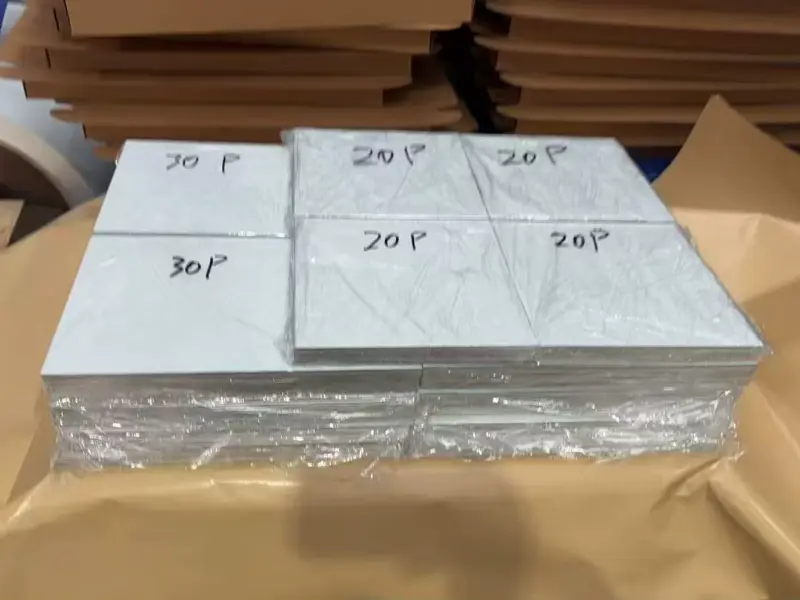
Sublimation aluminum sheets should be stored flat in a dry place. Humidity can damage the coating. Stack sheets with protective paper between them to prevent scratches. Keep them away from direct sunlight before printing.
Most suppliers pack panels in shrink wrap or cardboard boxes. Large orders ship on pallets. Lead times range from 3 days for stock items to 3 weeks for custom sizes and colors.
Environmental Benefits
Aluminum photo panels are eco-friendly. The metal is 100% recyclable. The sublimation process uses water-based inks with no solvent waste. Panels last for decades, reducing replacement waste. At end of life, the aluminum can be melted and reused.
Frequently Asked Questions
What is the best thickness for photo panels
0.45 mm to 0.65 mm is the best range for most photo panels. It offers good rigidity without excessive weight. For large wall art over 60 cm, use 0.65 mm or thicker to prevent flexing.
Can I use any aluminum sheet for sublimation
No. Standard aluminum sheets lack the special polyester coating needed for sublimation. The ink will not bond. You must use sheets that are specifically coated for dye-sublimation transfer.
What is the difference between glossy and matte finish
Glossy finish reflects light and makes colors look more vibrant. Matte finish reduces glare and fingerprints. Glossy is best for most color photos. Matte is better for black-and-white and professional displays.
How long do sublimation aluminum prints last
Quality sublimation prints on aluminum last 65 years or more under normal indoor conditions. Outdoor exposure reduces lifespan to 10 to 20 years depending on UV intensity and coating quality.
Can I print on both sides of the sheet
Some sheets come with coating on both sides. Most have coating on one side only. Check with your supplier. Double-sided coating costs more but allows two-sided prints for signs and tags.
What heat press settings should I use
Most sublimation aluminum sheets press at 180°C to 200°C for 60 to 120 seconds. Follow the supplier instructions. Too much heat can yellow the coating. Too little heat gives dull colors.
Why do my prints look faded or blurry
Faded prints usually mean insufficient heat, time, or pressure. Blurry prints mean the paper shifted during pressing. Use heat-resistant tape to hold the paper. Pre-press the blank for 5 seconds to remove moisture.
Can I cut the sheets after printing
Yes, but carefully. Use a shear or score-and-snap method. Cutting exposes bare aluminum at the edge. You may need to seal the edge with paint or a marker to prevent oxidation.
Are sublimation aluminum panels safe for food contact
No. The coating is not food-safe. Do not use sublimation aluminum for plates, utensils, or items that touch food. Use food-grade sublimation blanks for those applications.
What is the MOQ for custom sizes
Stock sizes often have no minimum. Custom sizes typically need 50 to 100 pieces per size. Custom colors may need 500 pieces or more. Check with your supplier before quoting a job.
Can I use sublimation aluminum outdoors
Yes, with the right coating. Look for UV-resistant polyester coating. Use alloy 3003 or 5005 for better weather resistance. Expect 5 to 10 years of color life in direct sun with quality coating.
How do I clean sublimation aluminum panels
Wipe with a soft, damp cloth. Do not use abrasive cleaners or scrubbers. For glossy finishes, a microfiber cloth removes fingerprints. Avoid ammonia-based cleaners which can damage the coating over time.
Best Sublimation Aluminum Sheet for Photo Panels
The best sublimation aluminum sheet for photo panels depends on your project needs. For most photographers and print shops, 1050 or 1100 alloy at 0.45 mm to 0.65 mm with white glossy coating is the perfect starting point. It balances cost, quality, and ease of use.
For large wall art and outdoor signs, step up to 3003 or 5005 alloy at 0.65 mm or thicker. For premium gifts and awards, explore gold, silver, and brushed finishes. Always test samples before bulk orders. With the right blank, your sublimation prints will look stunning and last for generations.
Leave a Reply
You must be logged in to post a comment.