
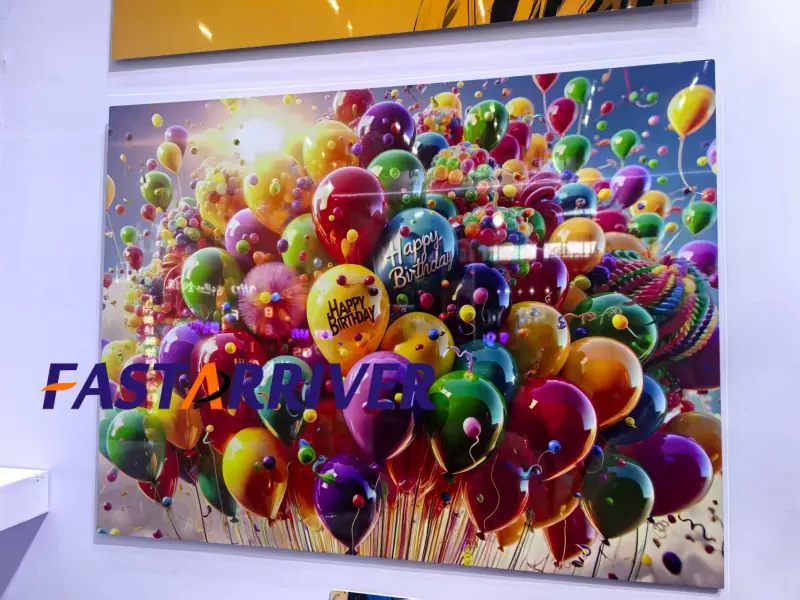
1050 vs 3003 Sublimation Aluminum Sheet. A sublimation aluminum sheet is not regular metal. It carries a polyester coating on the surface. This coating grabs dye-sublimation ink when heat and pressure are applied. The image becomes part of the sheet. It will not peel or scratch off.
The base alloy beneath the coating changes how the sheet performs. Two alloys dominate the market: 1050 and 3003. Each brings its own strengths. Picking the right one affects print quality, durability, and price.
Alloy 1050: Pure Aluminum for Fine Printing
What Is 1050 Aluminum
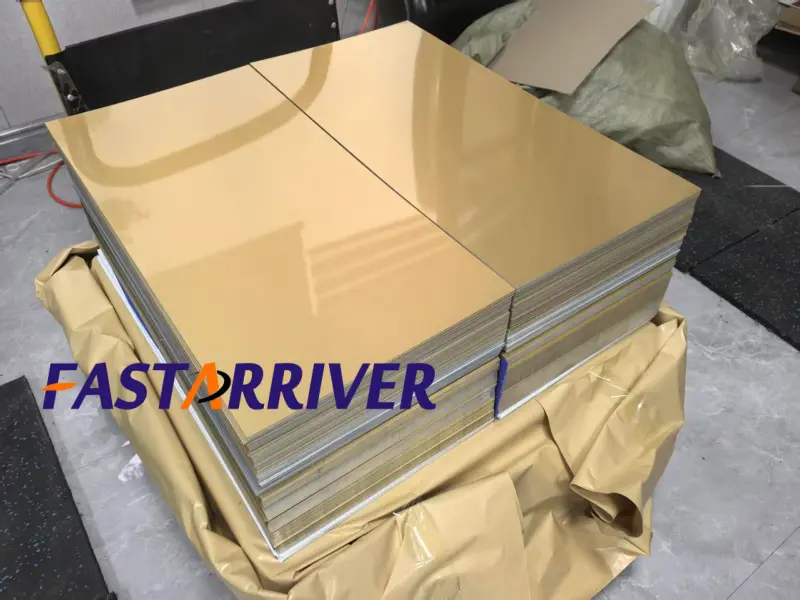
Alloy 1050 is commercially pure aluminum. It contains 99.5% aluminum or more. The rest is trace elements like iron and silicon. This high purity gives it unique properties.
| Property | Value |
|---|---|
| Aluminum content | 99.5% min |
| Tensile strength | 70 – 110 MPa |
| Yield strength | ≥65 MPa |
| Elongation | ≥20% |
| Hardness | ~25–30 HB |
| Thermal conductivity | 234 W/m·K |
| Electrical conductivity | 61% IACS |
The soft, workable surface of 1050 accepts sublimation coatings smoothly. It produces vibrant, detailed images with consistent color reproduction.
Temper Options for 1050 Sublimation Sheets
| Temper | Description | Best Use |
|---|---|---|
| O | Fully annealed, very soft | Deep forming, custom shapes |
| H12 | Quarter hard | Light forming, ornaments |
| H14 | Half hard | Standard photo panels, gifts |
| H18 | Full hard | Rigid thin tags, keychains |
H14 is the most common temper for 1050 sublimation aluminum sheets. It offers enough stiffness for flat prints while keeping the metal soft enough for clean cutting.
Thickness Range for 1050 Sheets
| Thickness | Best For | Heat Press Time | Price per Sheet (A4) |
|---|---|---|---|
| 0.22 mm | Bookmarks, thin ornaments | 30–45 sec | $0.40 – $0.60 |
| 0.35 mm | Keychains, small gifts | 45–55 sec | $0.60 – $0.90 |
| 0.45 mm | Photo panels, standard prints | 55–65 sec | $0.80 – $1.20 |
| 0.65 mm | Wall art, awards | 60–70 sec | $1.20 – $1.80 |
| 1.0 mm | Premium displays, large panels | 70–85 sec | $2.00 – $3.00 |
1050 sublimation aluminum sheets excel in thin gauges. The pure metal stays flat during pressing. It does not spring back or warp.
Alloy 3003: Manganese-Boosted Strength
What Is 3003 Aluminum
Alloy 3003 adds about 1.2% manganese to pure aluminum. This small change creates a big difference in strength.
| Property | Value |
|---|---|
| Aluminum content | ~98% |
| Manganese content | 1.0 – 1.5% |
| Tensile strength | 120 – 160 MPa |
| Yield strength | ≥95 MPa |
| Elongation | ≥10% |
| Hardness | ~40–50 HB |
| Thermal conductivity | 159 W/m·K |
The manganese makes 3003 about 20% stronger than 1050. It also improves corrosion resistance. The sheet resists denting and bending better.
Temper Options for 3003 Sublimation Sheets
| Temper | Description | Best Use |
|---|---|---|
| O | Fully soft | Deep drawing, complex forms |
| H14 | Half hard | Standard signs, nameplates |
| H16 | Three-quarter hard | Higher stiffness, outdoor use |
| H18 | Full hard | Maximum rigidity, thin gauges |
| H24 | Half hard, stabilized | Best flatness, resists warping |
H14 and H24 are the standard tempers for 3003 sublimation aluminum sheets. H24 is slightly more stable. It resists warping better during heat pressing.
Thickness Range for 3003 Sheets
| Thickness | Best For | Heat Press Time | Price per Sheet (A4) |
|---|---|---|---|
| 0.35 mm | Keychains, ID tags | 45–55 sec | $0.70 – $1.00 |
| 0.45 mm | Photo panels, awards | 55–65 sec | $0.90 – $1.30 |
| 0.65 mm | Signs, wall art | 60–75 sec | $1.40 – $2.00 |
| 1.0 mm | Large displays, outdoor signs | 75–90 sec | $2.20 – $3.20 |
| 1.5 mm | Heavy-duty signage, architectural | 90–120 sec | $3.50 – $5.00 |
3003 sublimation aluminum sheets cost 10% to 20% more than 1050 at the same thickness. The extra strength justifies the price for demanding applications.
Head-to-Head: 1050 vs 3003 Sublimation Aluminum Sheet
Mechanical Properties Compared
| Property | 1050 Sublimation Aluminum Sheet | 3003 Sublimation Aluminum Sheet | Winner |
|---|---|---|---|
| Tensile strength | 70 – 110 MPa | 120 – 160 MPa | 3003 |
| Yield strength | ≥65 MPa | ≥95 MPa | 3003 |
| Elongation | ≥20% | ≥10% | 1050 |
| Hardness | ~25–30 HB | ~40–50 HB | 3003 |
| Dent resistance | Low | Medium | 3003 |
| Formability | Excellent | Good | 1050 |
1050 stretches farther before tearing. This makes it ideal for deep drawing or complex shapes. 3003 resists dents and holds its shape under stress.
Surface Quality for Printing
| Feature | 1050 Sublimation Aluminum Sheet | 3003 Sublimation Aluminum Sheet | Winner |
|---|---|---|---|
| Coating smoothness | Superior | Very good | 1050 |
| Color vibrancy | Highest | High | 1050 |
| Edge-to-edge consistency | Excellent | Good | 1050 |
| Print detail sharpness | Very sharp | Sharp | 1050 |
The higher purity of 1050 creates a smoother surface. The coating lays down more evenly. Photos look slightly richer. Skin tones appear more natural. For high-end portrait work, 1050 is the top pick.
Durability and Use Environment
| Feature | 1050 Sublimation Aluminum Sheet | 3003 Sublimation Aluminum Sheet | Winner |
|---|---|---|---|
| Indoor life | 40+ years | 40+ years | Tie |
| Outdoor life (uncoated print) | 1–2 years | 2–3 years | 3003 |
| Corrosion resistance | Good | Very good | 3003 |
| Humidity resistance | Good | Excellent | 3003 |
| Physical impact resistance | Low | Medium | 3003 |
3003 handles moisture and weather better. The manganese fights corrosion. For outdoor signs or humid climates, 3003 lasts longer.
Workability in Your Shop
| Process | 1050 Sublimation Aluminum Sheet | 3003 Sublimation Aluminum Sheet | Winner |
|---|---|---|---|
| Cutting with shear | Very easy | Easy | 1050 |
| CNC routing | Clean edges | Clean edges | Tie |
| Bending 90 degrees | Excellent | Good | 1050 |
| Deep drawing | Excellent | Fair | 1050 |
| Punching holes | Very easy | Easy | 1050 |
| Drilling | Smooth | Smooth | Tie |
1050 is softer. It cuts cleaner. It bends without cracking. For shops that do a lot of custom shaping, 1050 saves time and reduces scrap.
Price Comparison
| Thickness | 1050 Price per m² | 3003 Price per m² | Price Difference |
|---|---|---|---|
| 0.35 mm | $4.50 – $6.00 | $5.20 – $7.00 | +15% |
| 0.45 mm | $5.50 – $7.50 | $6.50 – $8.50 | +18% |
| 0.65 mm | $8.00 – $11.00 | $9.50 – $13.00 | +20% |
| 1.0 mm | $12.00 – $16.00 | $14.50 – $19.00 | +22% |
3003 costs more. The gap widens at thicker gauges. For budget projects, 1050 keeps costs down. For premium work, the extra strength of 3003 may be worth it.
Product Types by Alloy
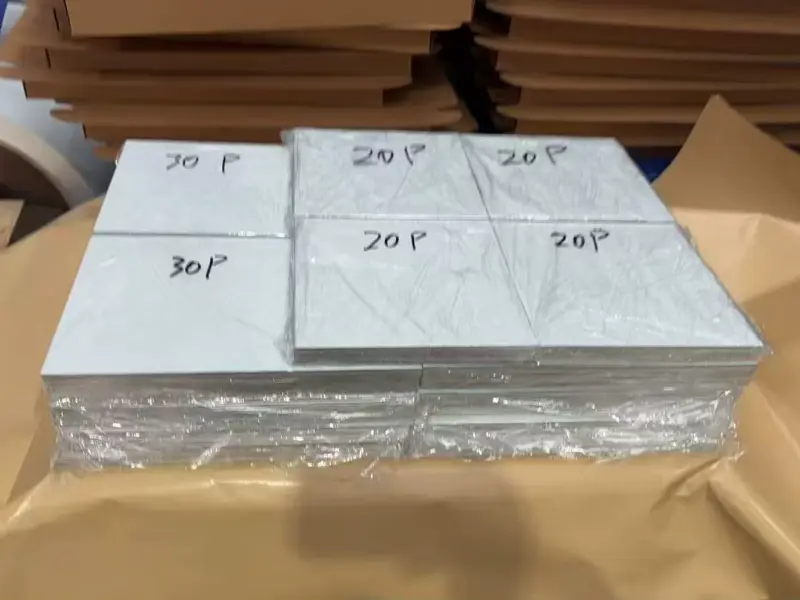
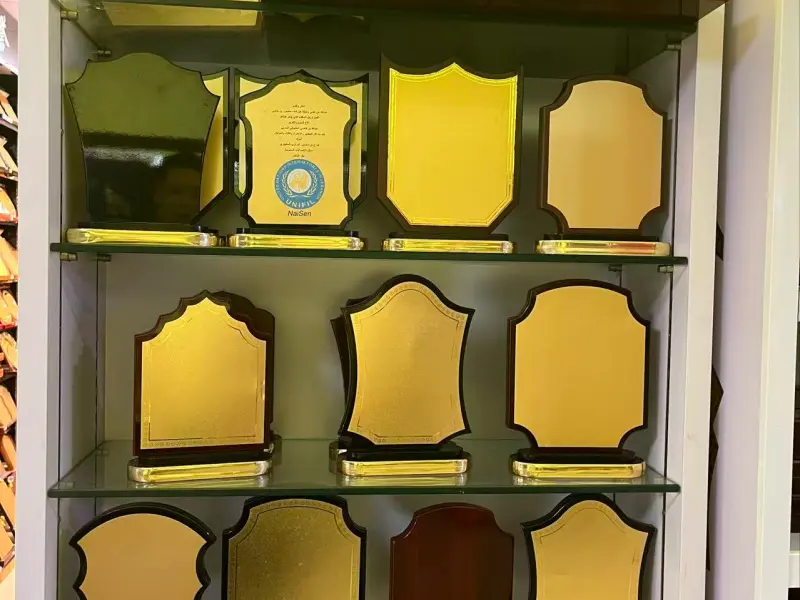
1050-Based Product Lines
| Product Name | Finish | Thickness | Best For |
|---|---|---|---|
| Photo Pro 1050 | Gloss white | 0.45 mm | Wedding photos, portraits |
| ArtBase 1050 | Matte white | 0.65 mm | Fine art reproductions |
| OrnaFlex 1050 | Gloss white | 0.22 mm | Ornaments, bookmarks |
| GiftLite 1050 | Brushed silver | 0.35 mm | Keychains, small gifts |
| AwardSoft 1050 | Gloss gold | 0.45 mm | Trophies, plaques |
3003-Based Product Lines
| Product Name | Finish | Thickness | Best For |
|---|---|---|---|
| SignMax 3003 | Gloss white | 0.65 mm | Store signs, menu boards |
| OutDoor 3003 | Matte white | 1.0 mm | Exterior signage |
| ArchiPanel 3003 | Brushed silver | 1.5 mm | Building facades, large art |
| NamePlate 3003 | Gloss white | 0.45 mm | Industrial labels, ID tags |
| DisplayPro 3003 | Satin white | 1.0 mm | Trade show graphics |
Choosing the Right Alloy for Your Application
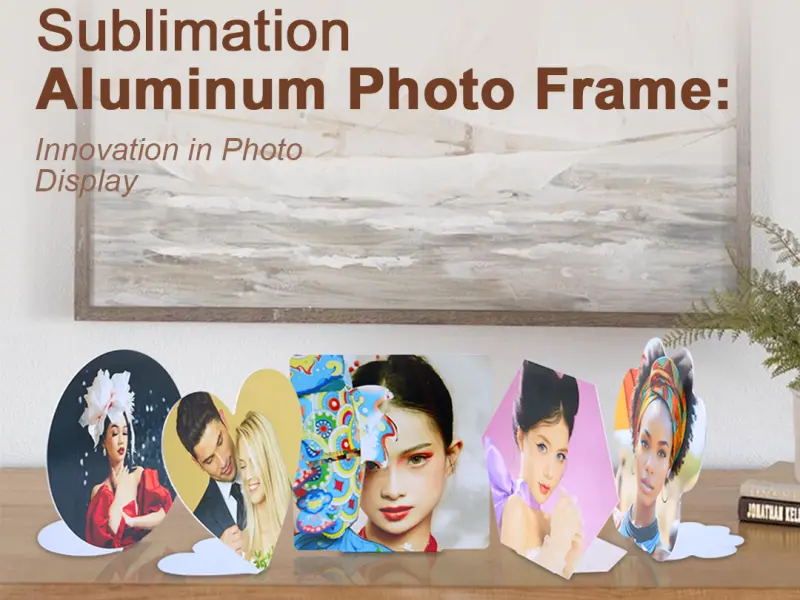
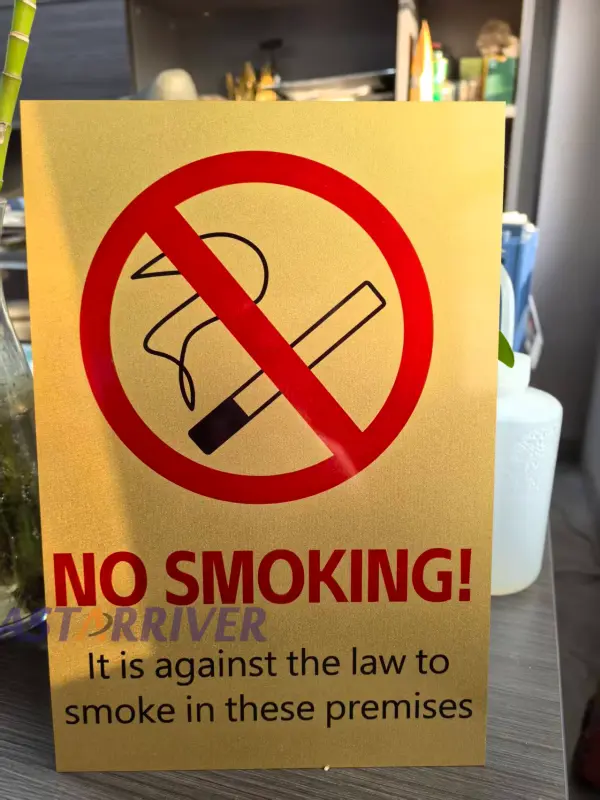
When to Choose 1050 Sublimation Aluminum Sheet
Pick 1050 when print quality is your top concern. The pure metal gives the smoothest coating surface. Colors pop. Details stay sharp.
- High-end photo panels
- Wedding and portrait prints
- Gallery-quality art reproductions
- Small ornaments and jewelry
- Items that need deep forming or complex shapes
- Budget-conscious projects where strength is not critical
When to Choose 3003 Sublimation Aluminum Sheet
Pick 3003 when durability matters more than absolute print perfection. The extra strength handles abuse. The better corrosion resistance suits tough environments.
- Outdoor signs and displays
- Industrial nameplates and labels
- Large wall panels that must stay flat
- High-traffic areas where dents are a risk
- Humid or coastal climates
- Items that need structural rigidity
Quick Decision Table
| Your Need | Best Choice | Why |
|---|---|---|
| Best photo quality | 1050 | Smoother coating, richer colors |
| Lowest cost | 1050 | Cheaper per square meter |
| Outdoor use | 3003 | Better corrosion resistance |
| Large panels | 3003 | Less warping, more rigid |
| Deep forming | 1050 | Higher elongation, no cracking |
| Dent resistance | 3003 | 20% stronger, harder surface |
| Humid climate | 3003 | Superior moisture resistance |
| Quick cutting/shaping | 1050 | Softer, easier to work |
Heat Press Settings by Alloy and Thickness
Both alloys use the same temperature range. But thicker sheets need more time.
| Thickness | Temperature | Time (1050) | Time (3003) | Pressure |
|---|---|---|---|---|
| 0.22 mm | 190–200°C | 30–40 sec | 35–45 sec | Medium |
| 0.35 mm | 190–200°C | 45–55 sec | 50–60 sec | Medium |
| 0.45 mm | 195–200°C | 55–65 sec | 60–70 sec | Medium |
| 0.65 mm | 195–200°C | 60–75 sec | 65–80 sec | Medium-High |
| 1.0 mm | 200°C | 75–90 sec | 80–95 sec | High |
| 1.5 mm | 200°C | 90–110 sec | 95–120 sec | High |
3003 transfers heat slightly slower due to lower thermal conductivity. Add 5 to 10 seconds for thicker gauges. Always test a sample first.
Coatings and Finishes: Same for Both Alloys
The polyester coating works the same on 1050 and 3003. The finish options are identical.
| Finish | Base Effect | Best For | Relative Price |
|---|---|---|---|
| Gloss white | Bright white, reflective | Photos, vibrant art | Standard |
| Matte white | Flat, non-glare | Offices, galleries | Standard |
| Satin white | Balanced sheen | General purpose | Standard |
| Brushed silver | Metallic texture visible | Modern decor, signs | +5% |
| Brushed gold | Warm gold visible | Luxury awards | +10% |
| Mirror silver | High reflection | Premium displays | +15% |
| Mirror gold | Golden reflection | Exclusive items | +20% |
Both alloys accept all finishes. The coating quality matters more than the base metal for color output.
Common Sizes and Formats
| Size | Dimensions | Typical Thickness | Best For |
|---|---|---|---|
| A6 | 105 × 148 mm | 0.22–0.35 mm | Tags, bookmarks |
| A5 | 148 × 210 mm | 0.35–0.45 mm | Small panels, gifts |
| A4 | 210 × 297 mm | 0.45–0.65 mm | Standard photo prints |
| A3 | 297 × 420 mm | 0.65–1.0 mm | Large art, wall displays |
| 12″ × 18″ | 305 × 457 mm | 0.65–1.0 mm | US standard signs |
| 24″ × 36″ | 610 × 914 mm | 1.0–1.5 mm | Posters, large graphics |
| 48″ × 96″ | 1,220 × 2,440 mm | 1.0–3.0 mm | Architectural panels |
Custom sizes and shapes are available for both alloys. 1050 cuts easier for intricate shapes. 3003 holds better for large flat panels.
FAQ: 1050 vs 3003 Sublimation Aluminum Sheet
Which Alloy Gives Better Print Quality
1050 gives slightly better print quality. The higher purity creates a smoother coating surface. Colors appear more vibrant. Details stay sharper. For most users, the difference is small. But professional photographers often prefer 1050 for critical work.
Is 3003 Worth the Extra Cost
Yes, if you need strength or outdoor durability. 3003 resists dents and corrosion better. It stays flatter on large panels. For indoor photo gifts, 1050 is enough. For signs, industrial labels, or humid environments, 3003 pays off.
Can I Use 1050 for Outdoor Signs
You can, but it is not ideal. 1050 corrodes faster than 3003 in rain or humidity. The print may last 1 to 2 years outdoors. With a UV clear coat, you can extend this to 3 years. For true outdoor use, 3003 is the safer choice.
Does Thickness Affect Alloy Choice More
At 0.45 mm and below, both alloys work well. The difference is subtle. At 1.0 mm and above, 3003 shows its advantage. Large thin sheets of 1050 may sag or warp. 3003 holds its shape better. For thick panels, 3003 is strongly recommended.
Which Alloy Cuts Easier
1050 cuts easier. The softer metal shears cleanly. It drills without grabbing. It routes smoothly. 3003 is still workable, but it wears tools slightly faster. For high-volume cutting operations, 1050 saves time.
Do Both Alloys Need the Same Heat Press
Yes. Both press at 190–200°C. Both use the same polyester coating. The main difference is time. 3003 needs 5 to 10 seconds more at thicker gauges. Your existing press works for both.
Can I Mix Both Alloys in One Order
Most suppliers stock both. You can order 1050 for photo panels and 3003 for signs in the same shipment. Minimum order quantities may apply per alloy. Check with your supplier.
How Do I Tell 1050 and 3003 Apart
The easiest way is to check the supplier label. If unlabeled, 1050 feels slightly softer when bent. 3003 springs back more. A spark test in a lab can confirm the alloy. For practical purposes, buy from a trusted supplier who labels correctly.
Matching Alloy to Mission
1050 and 3003 both make excellent sublimation aluminum sheets. Neither is better in every way. The right choice depends on your work.
For photo studios and gift shops, 1050 delivers the best image quality at the lowest cost. The pure aluminum takes coating beautifully. Prints look stunning. The soft metal shapes easily for custom items.
For sign makers and industrial users, 3003 offers the strength and durability that matter. The manganese addition fights weather and wear. Large panels stay flat. Dents are less likely.
Many shops keep both alloys in stock. Use 1050 for portraits and ornaments. Use 3003 for signs and outdoor work. This gives you the best of both worlds.
Work with a supplier who offers test samples of both alloys. Run your own prints. Check color, flatness, and handling. The alloy that feels right in your shop is the one to choose.
Leave a Reply
You must be logged in to post a comment.