
White coated sublimation aluminum sheet is aluminum coated with a special white polymer layer designed for dye-sublimation printing. Under heat and pressure, sublimation ink turns into a gas and bonds directly into the coating. The image becomes part of the surface, not a layer sitting on top.
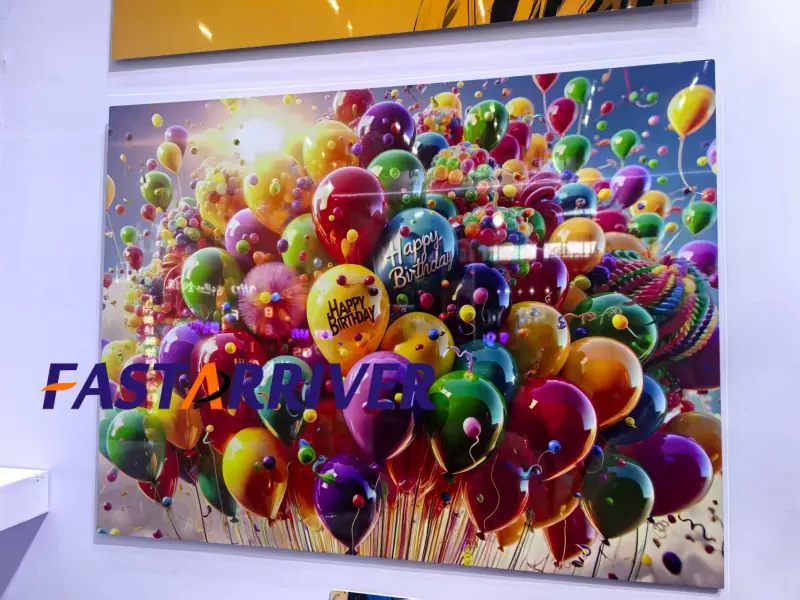
This is different from UV printing or regular painted aluminum. Sublimation needs a polymer-receptive coating that opens up under heat, accepts the dye, then seals back as it cools. Without this coating, sublimation ink will not transfer or bond properly to bare metal.
Alloy Types Used for Sublimation Aluminum Sheet
| Alloy | Strength Level | Best Trait | Common Use |
|---|---|---|---|
| 1100 | Low | Softest, easiest to cut | Small photo panels, craft tags |
| 3003 | Medium | Good rigidity, anti-rust | General signage, larger panels |
| 5052 | Medium-High | Best flatness, strong | Large format prints, outdoor panels |
1100 Sublimation Aluminum Sheet
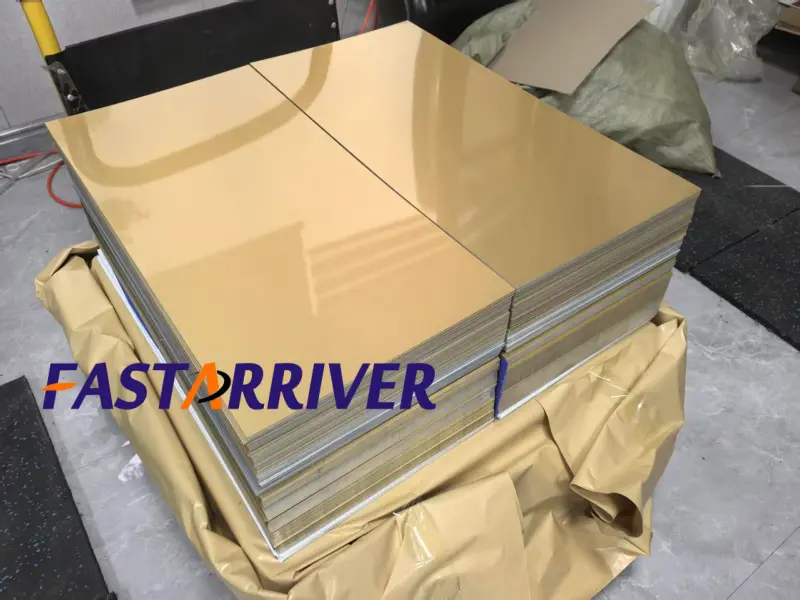
1100 is nearly pure aluminum. It is soft and easy to cut into small shapes. This makes it a popular choice for photo gifts, small awards, and craft sublimation projects. It bends easily by hand, so it suits light, decorative items rather than large outdoor panels.
3003 Sublimation Aluminum Sheet
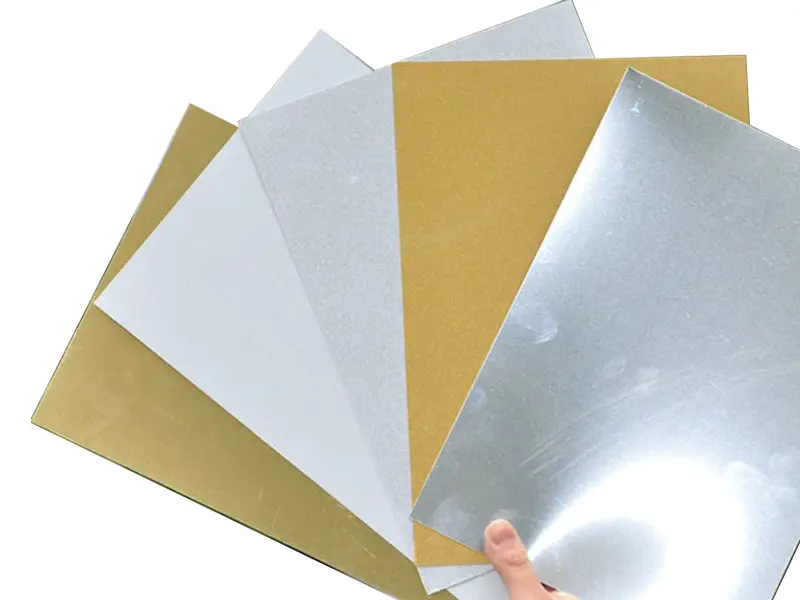
3003 has added manganese for better strength. It holds its shape well under heat press conditions and resists minor dents. This alloy is the standard middle-ground choice for medium and large sublimation panels used in retail and home decor.
5052 Sublimation Aluminum Sheet
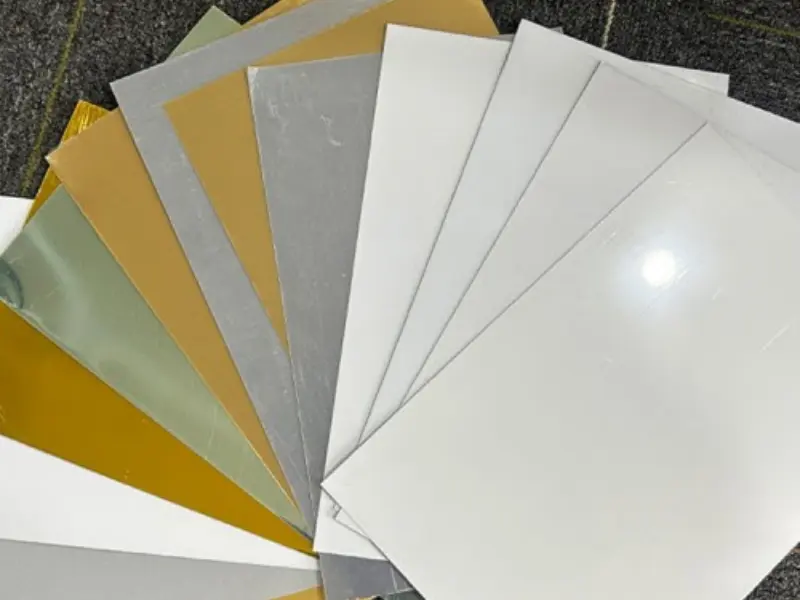
5052 contains magnesium, giving it the best flatness and strength of the three. Large sheets stay flat under heat press, which matters for big panels and wall art. This alloy is the top choice for outdoor sublimation signage and large-format prints.
Coating Types: Gloss, Matte, and More
| Coating Finish | Surface Look | Color Output | Best For |
|---|---|---|---|
| Gloss white | Shiny, reflective | Vivid, high contrast | Photo panels, awards |
| Matte white | Soft, non-glare | Slightly muted | Home decor, office displays |
| Satin white | Semi-gloss | Balanced, even | General purpose panels |
| Brushed metal sublimation | Textured under coating | Metallic blend effect | Decorative wall art |
Gloss White Coated Sublimation Aluminum Sheet
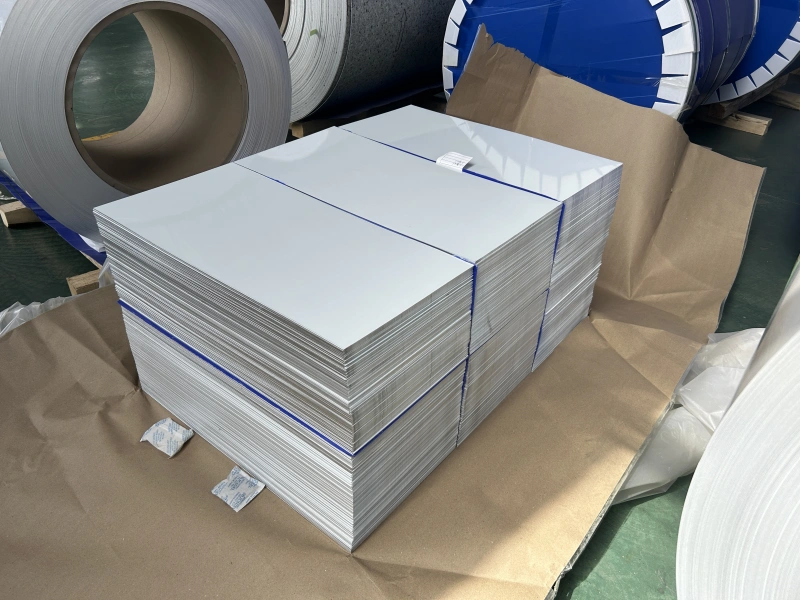
This finish gives the brightest, most vivid color output. Light reflects strongly off the surface, making photos look sharp and saturated. It is the most popular choice for photo prints and award plaques.
Matte White Coated Sublimation Aluminum Sheet
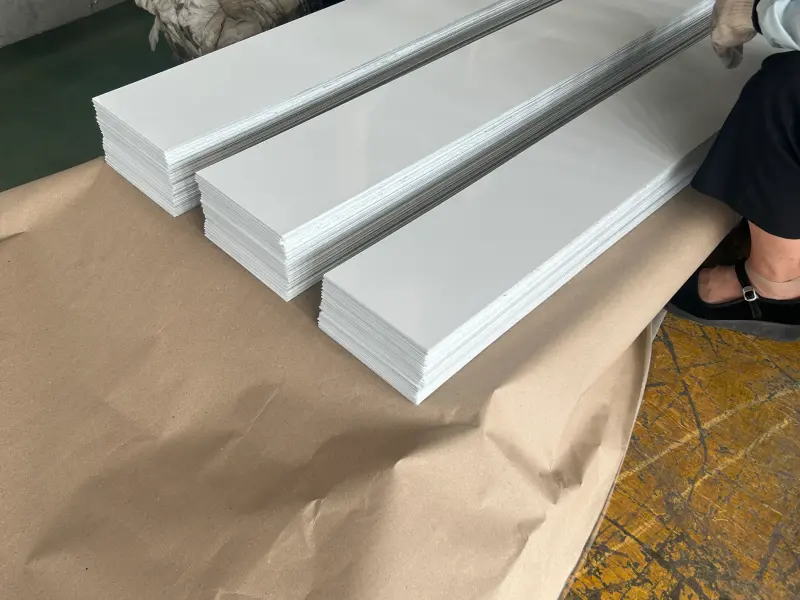
White Coated Sublimation Aluminum Sheet reduces glare and reflection. Colors appear slightly softer but still accurate. This finish works well in office or retail spaces where overhead lighting can cause glare on glossy panels.
Satin White Coated Sublimation Aluminum Sheet
White Coated Sublimation Aluminum Sheet sits between gloss and matte. It offers a balanced look with moderate shine, good for general signage and decor where neither extreme finish fits the design.
Thickness Options and Their Role
| Thickness (mm) | Common Use |
|---|---|
| 0.45–0.6 | Standard photo panels, awards |
| 0.6–1.0 | Indoor decor, medium signage |
| 1.0–1.5 | General outdoor panels |
| 2.0–3.0 | Large format wall art, architectural panels |
| 3.0+ | Heavy-duty display panels |
White Coated Sublimation Aluminum Sheet Thinner sheet (0.45–0.6 mm) is the industry standard for most photo panel printing. It is light enough for easy mounting but still rigid enough to stay flat. Thicker sheet is reserved for large panels or outdoor exposure where extra stiffness matters.
Full Technical Specifications
| Parameter | Value |
|---|---|
| Alloy | 1100 / 3003 / 5052 |
| Temper | H14, H16, H18, H24 |
| Thickness | 0.45–3.0 mm |
| Width | 600–1,600 mm |
| Length | 1,000–4,000 mm (or coil) |
| Surface | White polymer coated |
| Standards | ISO, ASTM, SGS |
Product Types by Use Case
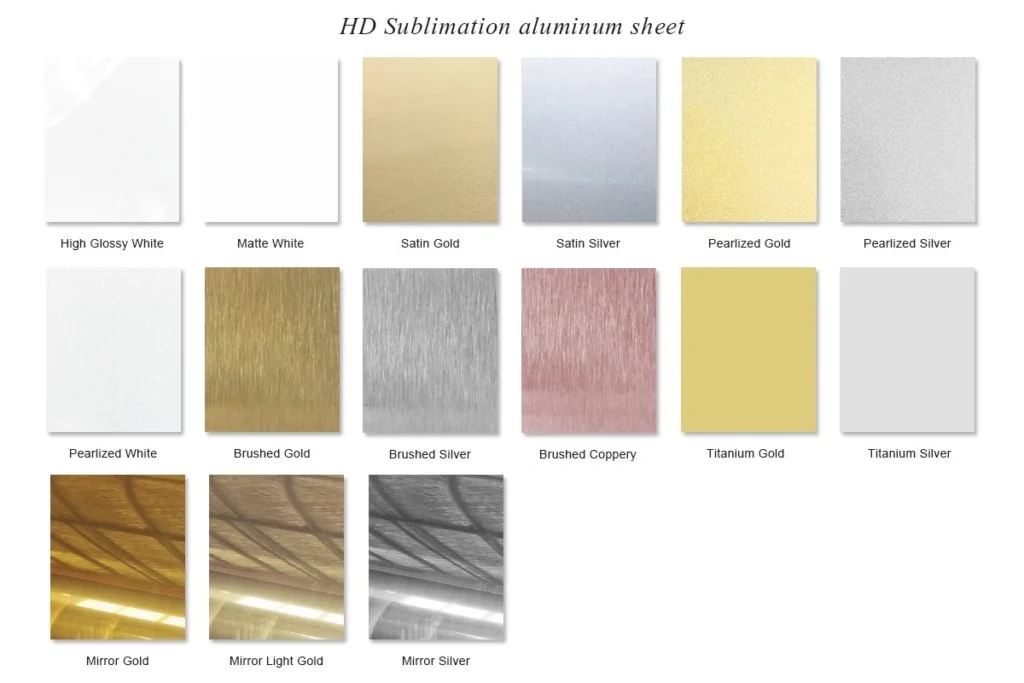
Standard Photo Panel Sublimation Sheet
This is the most common product. A bright white gloss or matte coating allows photo-quality sublimation prints. Standard sizes match popular photo and frame dimensions, making it easy to fit existing display setups.
ChromaLuxe-Style Sublimation Panel
This type uses a high-gloss, museum-quality coating designed for maximum color depth and clarity. Edges are usually rounded or finished smoothly for direct wall mounting without a frame.
Brushed Aluminum Sublimation Sheet
A textured brushed pattern sits beneath the white coating. Sublimated images blend with the metallic texture, creating a unique look where light areas of the photo pick up a subtle brushed shine.
Two-Sided Sublimation Sheet
Both faces of the sheet carry the white coating, allowing printing on either side. This is useful for hanging signs, double-sided awards, or partition panels viewed from both directions.
Cut-to-Size Sublimation Blanks
Many suppliers offer pre-cut panels in standard sizes — square, rectangular, circular, or custom shapes like hearts and ornaments. These are popular in the personalized gift and craft market.
Outdoor-Grade Sublimation Sheet
A protective topcoat is added over the white sublimation layer. This improves UV resistance and helps prevent fading when panels are displayed outdoors or in direct sunlight.
Alloy Comparison Table
| Feature | 1100 | 3003 | 5052 |
|---|---|---|---|
| Strength | Low | Medium | Medium-High |
| Flatness retention | Fair | Good | Excellent |
| Cost | Lowest | Medium | Higher |
| Outdoor durability | Fair | Good | Excellent |
| Best panel size | Small | Medium | Large format |
| Workability (cutting/bending) | Easiest | Good | Moderate |
For small craft items and gifts, 1100 keeps costs low without sacrificing print quality. For everyday signage and decor panels, 3003 strikes the right balance. Through large wall art or outdoor installations, 5052 holds its shape best under heat and weather.
Sublimation vs UV Printing: What’s the Difference?
| Feature | Sublimation Coating | UV Printing Coating |
|---|---|---|
| Ink type | Dye-sublimation | UV-cured ink |
| Process | Heat press transfer | Direct inkjet print |
| Image depth | Embedded in coating | Sits on coating surface |
| Color vibrancy | Very high | High |
| Scratch resistance | High (image is inside coating) | Good (depends on topcoat) |
| Best for | Photo panels, awards, gifts | Signage, large format graphics |
Sublimation works best for photo-quality images with smooth color gradients. UV printing is often chosen for bold graphics, text, and outdoor signage that needs fast production turnaround.
Key Properties
- Vivid color reproduction: sublimation dye creates rich, photo-like results
- Scratch and fade resistant: image is bonded inside the coating, not on top
- Lightweight: easier to hang and transport than glass or wood panels
- Durable: resists moisture better than paper or canvas prints
- Versatile sizing: available in small craft pieces to large architectural panels
- Two-sided options: available for double-display applications
Application Areas
White coated sublimation aluminum sheet has uses across many industries because of its bright finish and strong color output.
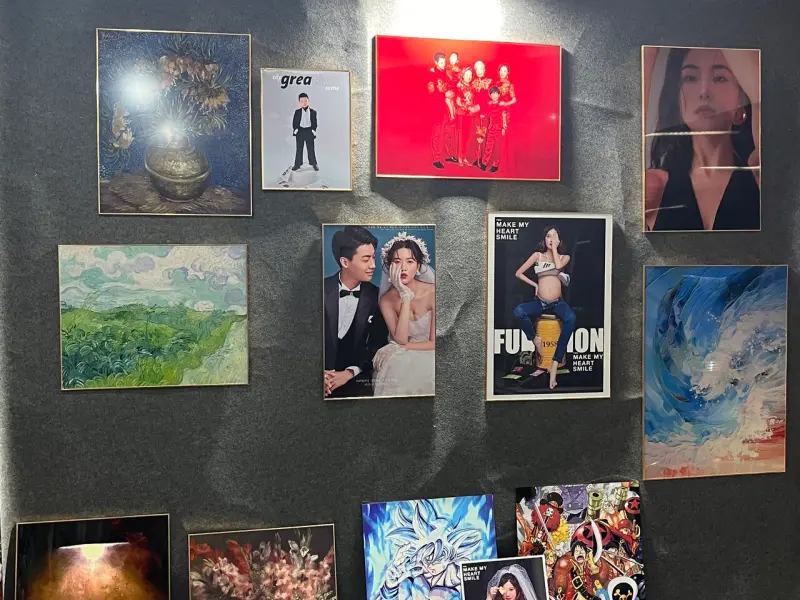
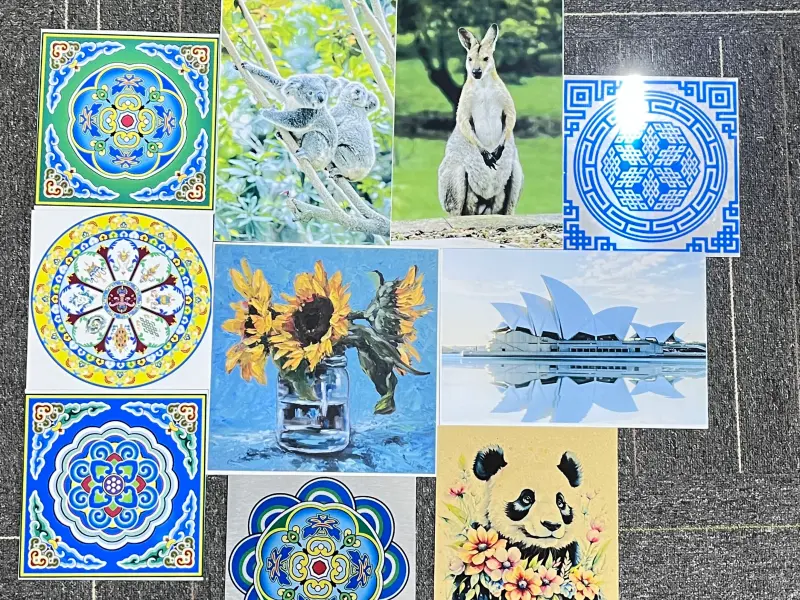
Photography & Wall Art
- Custom photo panels
- Gallery and museum prints
- Home decor wall art
- Portrait and event photography displays
Awards & Recognition
- Corporate award plaques
- Sports trophies and medals backing
- Memorial and dedication plaques
- Certificate and achievement panels
Personalized Gifts & Crafts
- Pet memorial tags
- Custom ornaments
- Keychains and small gift items
- Wedding and event keepsakes
Signage & Branding
- Office branding panels
- Retail display signs
- Real estate signage
- Directional and wayfinding signs
Industrial & Commercial
- Equipment labels and nameplates
- Safety information panels
- Asset identification tags
- Control panel overlays
How Sublimation Printing on Aluminum Works
Step One: Image Preparation
A mirror image of the design is printed onto special sublimation transfer paper using sublimation ink.
Step Two: Heat Press Application
The transfer paper is placed face-down on the coated aluminum sheet. A heat press applies high temperature and pressure, typically around 200°C, for a set time.
Step Three: Dye Transfer
Under heat, the sublimation ink turns from solid to gas. The gas penetrates the white polymer coating, which opens up under heat and absorbs the dye.
Step Four: Cooling and Sealing
As the panel cools, the coating closes back up, locking the dye inside. This creates a permanent image that resists scratching, fading, and moisture far better than surface-printed methods.
Thickness vs. Application Quick Reference
| Application | Recommended Thickness | Recommended Alloy |
|---|---|---|
| Photo gifts, small tags | 0.45 mm | 1100 |
| Standard photo panels | 0.45–0.6 mm | 1100 / 3003 |
| Awards and plaques | 0.6–1.0 mm | 3003 |
| Indoor wall art | 1.0–1.5 mm | 3003 / 5052 |
| Large format panels | 2.0 mm+ | 5052 |
| Outdoor signage | 1.5–3.0 mm | 5052 (with protective topcoat) |
Frequently Asked Questions
What Makes Sublimation Coating Different from Regular Paint?
Regular paint sits on top of the metal surface as a solid layer. Sublimation coating is engineered to open at a molecular level under heat, allowing dye to enter and bond inside it. Once cooled, the coating seals the image inside rather than leaving it exposed on the surface.
Can White Coated Sublimation Sheet Be Used Outdoors?
Yes, but it depends on the coating type. Standard sublimation coating works best indoors or in covered areas. For outdoor use, look for a sheet with a UV-protective topcoat, which helps slow down fading caused by direct sunlight.
What Temperature Is Needed for Sublimation Printing on Aluminum?
Most coated aluminum sheets sublimate well at around 200°C (400°F) held for 60 to 90 seconds, though exact settings vary by coating type and heat press equipment. Always check the supplier’s recommended time and temperature settings before a full production run.
Is the White Coating the Same on Both Sides?
Not always. Many sheets are coated on one side only, with the back left as mill-finish aluminum. Two-sided coated sheets are available for projects needing prints on both faces, such as hanging signs or double-sided plaques.
How Do You Cut Sublimation Aluminum Sheet Without Damaging the Coating?
Shearing, laser cutting, and waterjet cutting all work well. Most suppliers recommend cutting before printing if possible, since this avoids any risk of heat distortion affecting an already-printed panel.
Does Sublimation Ink Fade Over Time?
Indoors, sublimated images on coated aluminum typically last many years without noticeable fading. Outdoor exposure to direct sun and weather will shorten this lifespan unless the panel has a protective UV topcoat.
What Is the Standard Size for Photo Panels?
Common sizes match standard photo and frame dimensions, such as 8×10 inches, 12×18 inches, and larger format sizes up to 1,600 × 4,000 mm for big panels. Custom cutting is widely available for both small and bulk orders.
Can You Print Photos with Fine Detail on This Sheet?
Yes. The white coating is designed to hold fine detail and smooth color gradients, which is why this material is popular for portrait photography and detailed artwork reproduction. Gloss finishes tend to show the sharpest detail and highest contrast.