

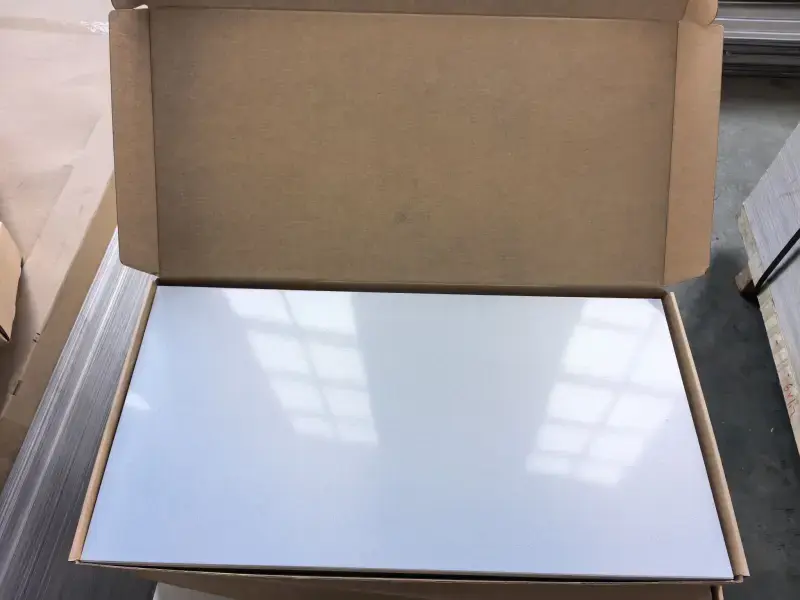
Aluminum UV Printing Blanks
Aluminum UV printing is ideal for professional and commercial applications.
Advantages of aluminum UV blanks:
- Strong and lightweight
- Corrosion-resistant
- High dimensional stability
- Excellent color performance
UV ink sits on the surface and cures instantly, making aluminum a reliable option for fast production and high-volume orders.


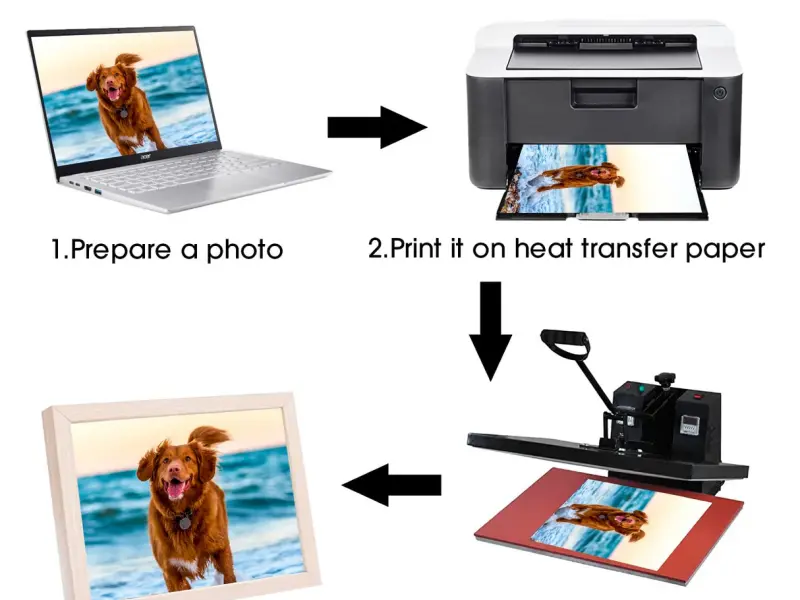
Can I UV Print on Sublimation Blanks?
Yes, you can UV print on sublimation blanks, but there are important differences.
| Printing Method | Suitable Blank | Notes |
|---|---|---|
| UV Printing | Sublimation blanks | Ink stays on surface |
| Sublimation | Sublimation blanks | Ink transfers into coating |
UV printing does not require heat, so it can be used on sublimation-coated aluminum.
However, color depth and durability may differ compared to true sublimation printing.
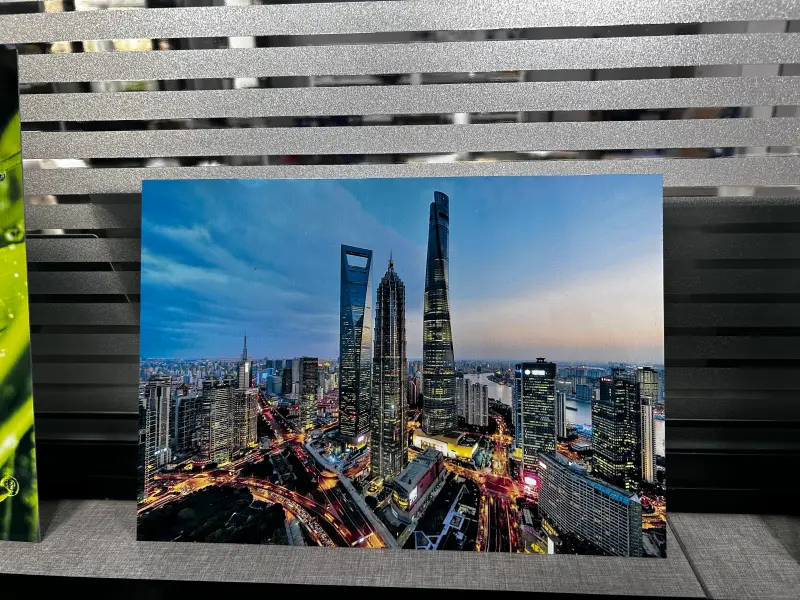

UV Printing vs Sublimation Printing
Key Differences
| Feature | UV Printing | Sublimation Printing |
|---|---|---|
| Ink position | On surface | Inside coating |
| Equipment | UV flatbed printer | Heat press |
| Drying time | Instant | Cooling required |
| Color finish | Sharp, opaque | Smooth, deep |
| Outdoor durability | Very good | Good with coating |
Which One Should You Choose?
- Choose UV printing for speed, white ink, and textured effects
- Choose sublimation printing for photo-quality images and smooth finish
Types of UV Printing Blanks
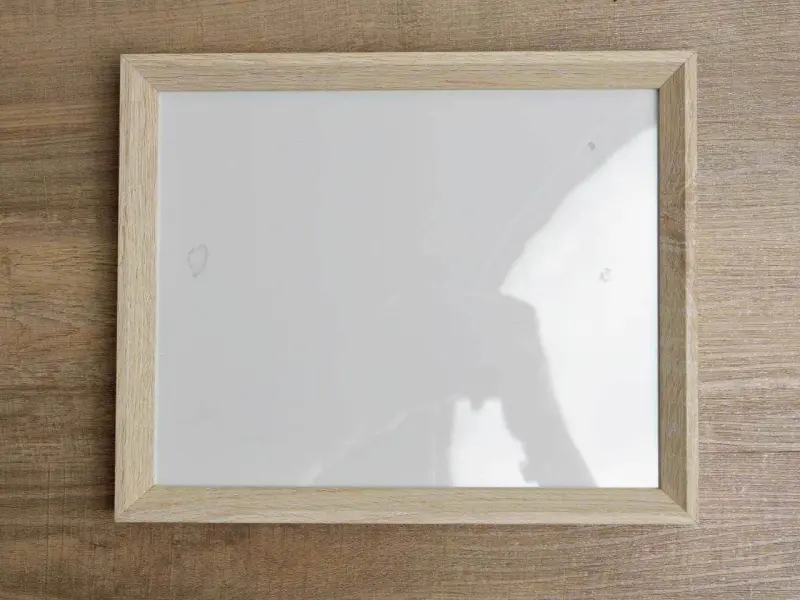
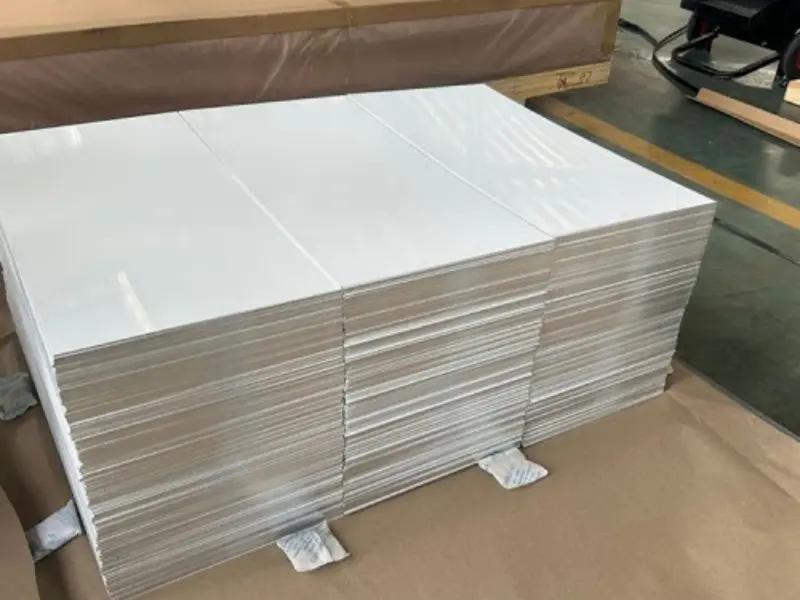
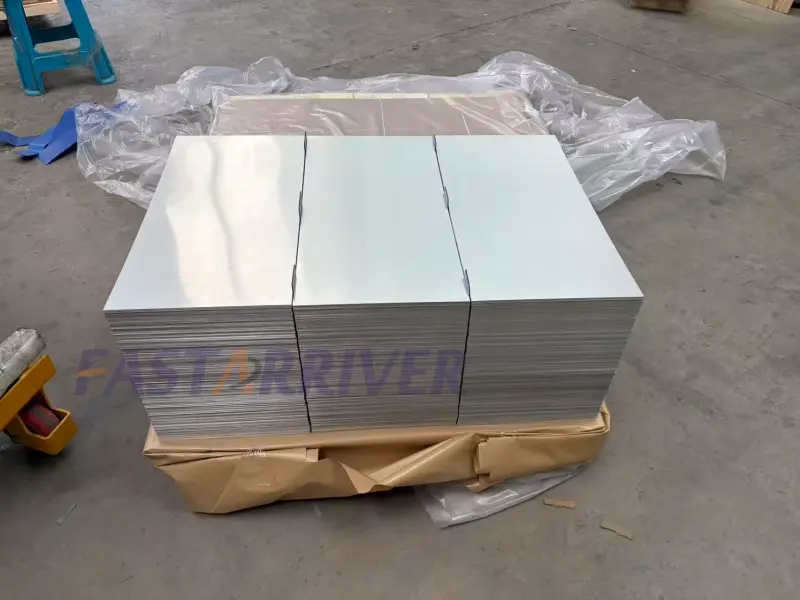
Aluminum UV Printing Sheets
- Flat aluminum panels
- Suitable for direct UV printing
- Common for signs and panels
Coated Aluminum Blanks
- With white or clear coating
- Improved ink adhesion
- Better color consistency
Rigid UV Printing Panels
- Thicker aluminum sheets
- Used for large-format displays
Popular Thickness and Size Options
| Thickness | Common Sizes | Applications |
|---|---|---|
| 0.020″ | A4, A3, 12″×18″ | Photo printing |
| 0.032″ | 18″×24″, 24″×36″ | Signs |
| 0.040″ | Custom sizes | Outdoor boards |
What Are the Disadvantages of UV Printing?
Although UV printing is powerful, it also has limitations.
Main disadvantages of UV printing:
- Higher equipment cost
- Ink sits on surface and may scratch
- Less depth than sublimation
- Not all materials accept UV ink equally
For high-touch or long-term outdoor use, protective coatings are recommended.
How Much Does It Cost to UV Print?
The cost to UV print depends on material, size, and order quantity.
Estimated UV Printing Costs
| Product | Size | Estimated Cost |
|---|---|---|
| Aluminum UV panel | 12″×18″ | $10 – $20 |
| Aluminum sign | 24″×36″ | $30 – $60 |
| Bulk UV printing | 100+ pcs | Lower unit cost |
Prices vary by region, printer type, and ink usage.
UV Printing for Aluminum Applications
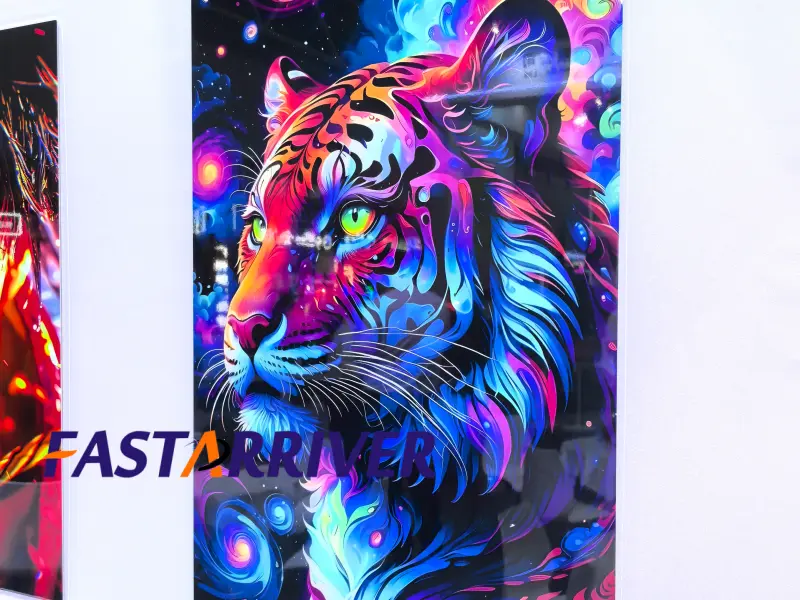

UV printing blanks are used in many industries.
Commercial Use
- Advertising signs
- Brand displays
- Directional signage
Photo & Art Printing
- Photo panels
- Wall decor
- Exhibition boards
Industrial & Custom Products
- Nameplates
- Control panels
- Custom labels
Why Choose Aluminum for UV Printing?
Aluminum offers key benefits for UV printing:
- Smooth and flat surface
- Excellent ink adhesion
- Lightweight but strong
- Resistant to moisture and heat
These features make aluminum UV printing blanks ideal for B2B production and wholesale orders.
UV Printing vs Traditional Printing Methods
| Method | Speed | Durability | Setup |
|---|---|---|---|
| UV Printing | Very fast | High | Minimal |
| Screen Printing | Medium | High | High |
| Sublimation | Medium | High | Heat required |
For UV printing stands out for short runs, customization, and fast delivery.
UV Printing Blanks For sale
UV printing blanks are special items made for direct-to-object digital printing. You can print sharp images, text, and logos directly onto them. A special UV light dries the ink instantly. This creates a bright, scratch-resistant surface. Many sign makers, gift shops, and crafters use these blanks every day.
Choosing the right blank is key to a great final product. Different materials, shapes, and thicknesses give you many creative options. Let us look at the details, types, and best uses for these printing items.
Material Types and Technical Specifications
Different projects need different base materials. Here are the most common material types used for UV printing blanks.
Common Material Comparison Table
| Material Type | Core Advantage | Best Use Case | Weight Level |
|---|---|---|---|
| Cast Acrylic | Crystal clear, smooth finish | Premium photo blocks, awards | Medium |
| Aluminum Alloy | Strong, rigid, rust-resistant | Outdoor signs, metal badges | Light to Medium |
| Natural Wood | Eco-friendly, rustic texture | Coasters, home decor signs | Medium |
| PVC Plastic | Low cost, flexible | Promotional tags, retail signs | Light |
Metal UV Printing Blanks and Alloy Specs
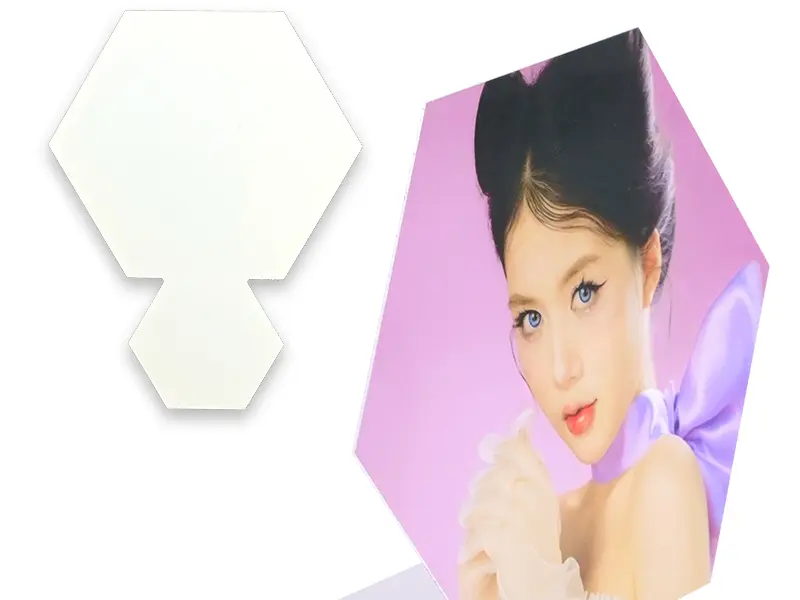
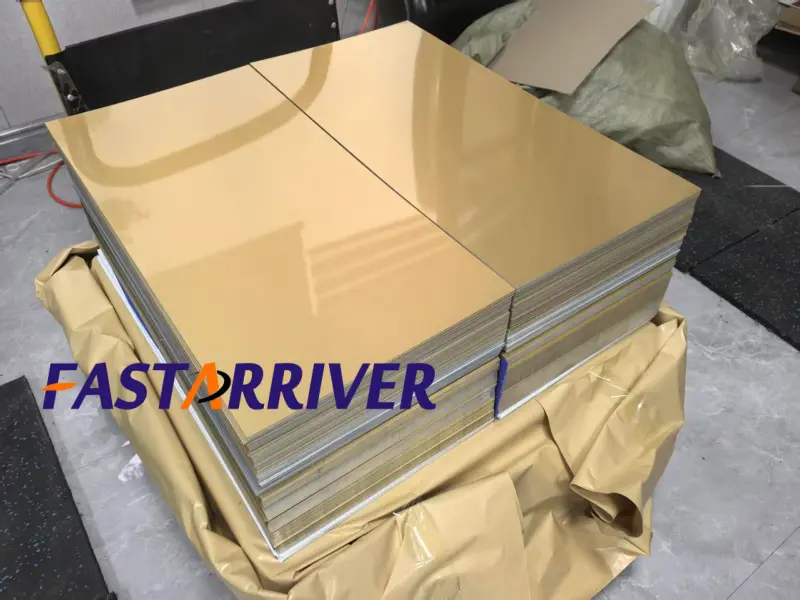
Metal blanks are very popular for industrial signs and premium gifts. The base alloy and metal state affect how strong the blank is.
Aluminum Alloy Grades for UV Printing
| Alloy Grade | Temper State | Thickness Options | Key Feature |
|---|---|---|---|
| Alloy 1050 | H24 | 0.50 mm to 1.0 mm | High purity, excellent ink adhesion |
| Alloy 3003 | H14 | 0.60 mm to 1.2 mm | Great for indoor and outdoor signs |
| Alloy 5052 | H32 | 0.80 mm to 1.5 mm | Marine grade, high corrosion resistance |
Popular Product Types and Varieties
We offer a wide range of UV printing blanks to fit your creative and commercial needs.
Acrylic and Plastic Blanks
The Acrylic blanks look like glass but are much safer and lighter.
Acrylic Shape and Size Specifications
| Shape Style | Standard Dimensions | Thickness Range | Popular Application |
|---|---|---|---|
| Clear Rectangle | 4×6 inches (100×150 mm) | 3 mm to 5 mm | Photo frames, desk plaques |
| Round Disc | 3 inches (75 mm) diameter | 2 mm to 3 mm | Keychains, gift tags |
| Hexagon Tag | 4 inches (100 mm) side length | 3 mm | Wedding place cards, retail displays |
Wood and Composite Blanks
Wood blanks bring a warm, natural feel to customized items.
Wooden Blank Formats
- Bamboo Coasters: 4×4 inches (100×100 mm), thickness 8 mm, laser-cut edges with smooth UV-receptive surfaces.
- MDF Photo Plaques: 8×10 inches (200×250 mm), thickness 6 mm, white coated face for bright color output.
- Solid Hardwood Blocks: 5×7 inches (125×175 mm), thickness 18 mm, natural wood grain look.
Specialized Promotional Blanks
- Metal Business Cards: 3.5×2 inches (85×54 mm), thickness 0.45 mm, anodized or coated colors.
- Leatherette Keychains: Custom shapes, thickness 1.5 mm, soft texture for textured UV printing.
- Bottle Openers: Stainless steel core, thickness 2.0 mm, durable flat print surface.
Thickness and Size Comparison Guide
Choosing the correct thickness keeps your product sturdy and professional.
Thickness Comparison Table
| Product Class | Thin Option | Standard Option | Heavy-Duty Option |
|---|---|---|---|
| Plastic / PVC | 0.5 mm | 1.0 mm | 2.0 mm |
| Cast Acrylic | 2.0 mm | 3.0 mm | 5.0 mm |
| Aluminum Metal | 0.45 mm | 0.80 mm | 1.20 mm |
Step-by-Step UV Printing Workflow
Printing on blanks is fast and simple when you follow the right steps.
Basic Production Process Flow
Clean the Blank Surface→Apply Primer (Optional)→Place on Printer Bed→Print via UV Machine→Instant UV Curing
Step One: Surface Cleaning
Wipe down your UV printing blanks with isopropyl alcohol to remove oil, dust, and fingerprints. A clean surface helps the UV ink stick firmly.
Step Two: Bed Placement and Height Setup
Place the blanks on the flatbed printer. Adjust the print head height to match the thickness of your blank.
Step Three: Printing and Curing
Send your digital file to the printer. The machine prints the color layer and white ink layer, and the UV lamp cures the ink instantly.
Key Application Fields
UV printing blanks are widely used across many different industries.
Recommended Uses List
- Corporate Recognition: Custom awards, trophies, and employee name badges.
- Retail Signage: Point-of-sale displays, store directory boards, and price tags.
- Promotional Gifts: Branded keychains, custom coasters, and personalized USB drives.
- Industrial Marking: Equipment serial number plates, warning labels, and control panels.
- Event Stationery: Wedding invitations, table numbers, and VIP passes.
How to Get the Best UV Printing Results
To achieve consistent quality:
- Use clean aluminum blanks
- Choose correct UV ink
- Control curing intensity
- Avoid excessive ink thickness
Proper material selection plays a key role in final print quality.
What Are UV Printing Blanks?
UV printing blanks are flat substrates designed for UV digital printing.
They can be printed directly without lamination or heat transfer.
Common features of UV printing blanks:
- Smooth and rigid surface
- Compatible with UV flatbed printers
- Suitable for indoor and outdoor use
- Available in multiple sizes and thicknesses
Aluminum UV Printing for Custom Graphics
UV printing blanks are an efficient solution for modern digital printing.
With aluminum UV printing, businesses can achieve fast production, sharp details, and durable results.
While UV printing has some disadvantages, it remains a cost-effective and flexible option for signs, photo panels, and custom graphics.
Choosing the right blank material, thickness, and size ensures stable quality and customer satisfaction.
FAQ: Frequently Asked Questions About UV Printing Blanks
What are UV printing blanks made of?
UV printing blanks can be made from many materials. Common choices include cast acrylic, aluminum alloys like 1050 and 3003, wood, MDF, and PVC plastic. Each material has a special receptive coating or surface texture for UV ink.
Do I need to use a primer before printing on metal blanks?
Most high-quality metal blanks come with a pre-applied UV coating. If your raw metal or slick plastic blank causes ink to flake, applying a thin layer of specialized UV primer first will improve adhesion.
Can I print double-sided designs on these blanks?
Yes, you can print on both sides of flat blanks as long as both sides have a smooth, clean surface suitable for UV ink. Make sure the first side is fully cured before flipping the item.
How do I clean finished products made from UV blanks?
Wipe the printed surface gently with a soft, damp microfiber cloth. Avoid using harsh chemical solvents, acetone, or abrasive scrubbers, as they can scratch or damage the cured UV ink layer.