
The Sublimation Aluminum Alloy you choose shapes the final print. It affects how smooth the surface feels, how the coating bonds, and how the sheet bends and holds its shape.
A good sublimation aluminum alloy gives clean color and stable results. A poor choice can cause uneven prints or warped panels.
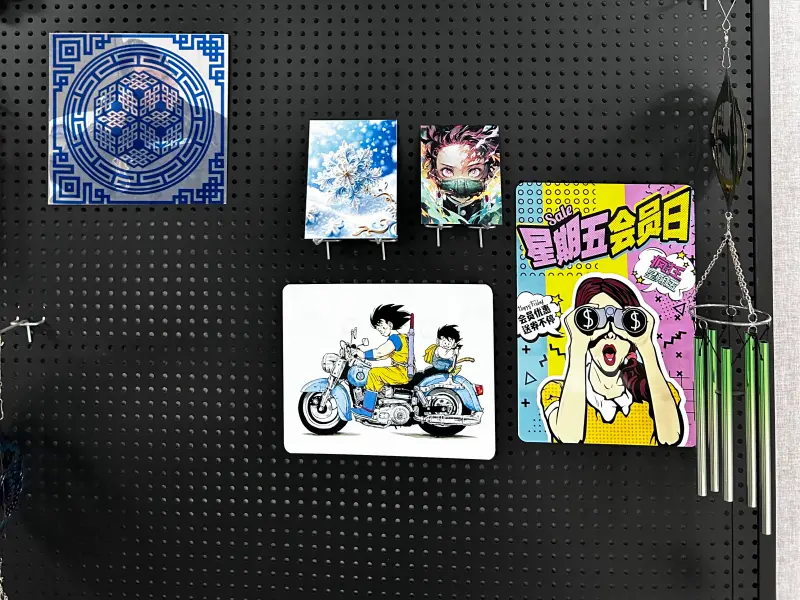
Why the Alloy Matters for Sublimation
Many buyers think all aluminum sheets are alike. They are not. Each alloy has a different mix of metals. That mix changes how the sheet behaves in the press and in daily use.
Surface Smoothness Affects Color
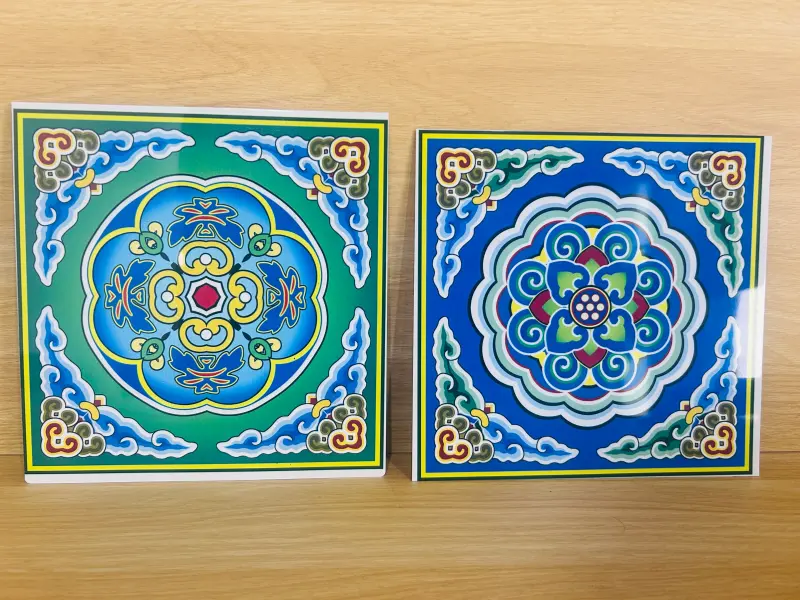
The base surface sits under the coating. If the metal has bumps or spots, those marks can show through.
A smooth alloy gives a clean base. The coating then lays down evenly, and the dye prints with fewer flaws.
Heat Flow Affects Print Consistency
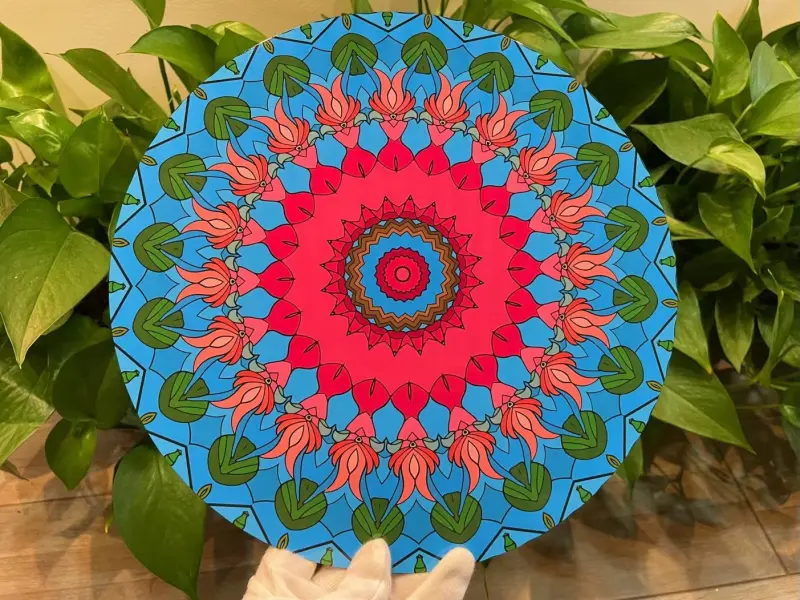
Aluminum moves heat fast. During pressing, the sheet must heat evenly from edge to edge. Pure alloys tend to heat in a steady way. This helps keep colors even across the full panel.
Strength Affects Shape and Handling
The alloy also controls stiffness. A soft sheet bends easily but may dent. A stronger sheet holds its shape but can be harder to form. The right balance depends on your product.
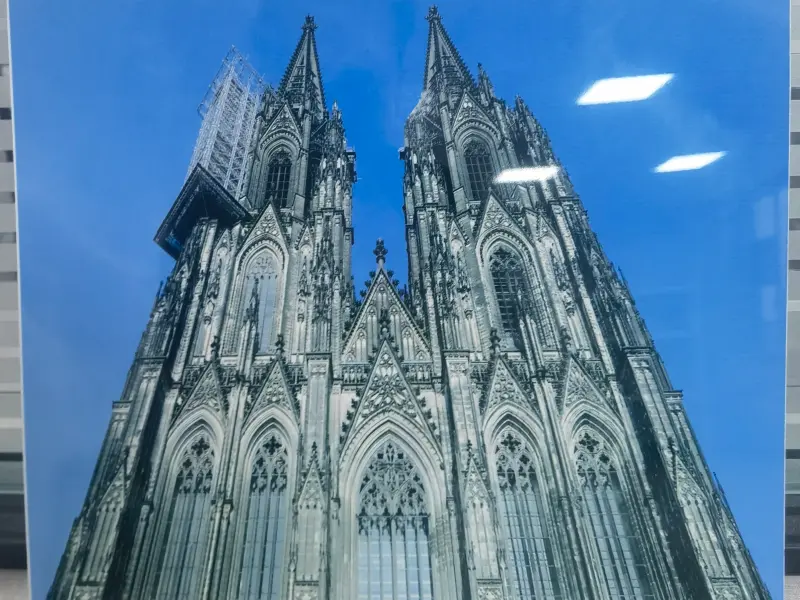
Main Alloys Used for Sublimation
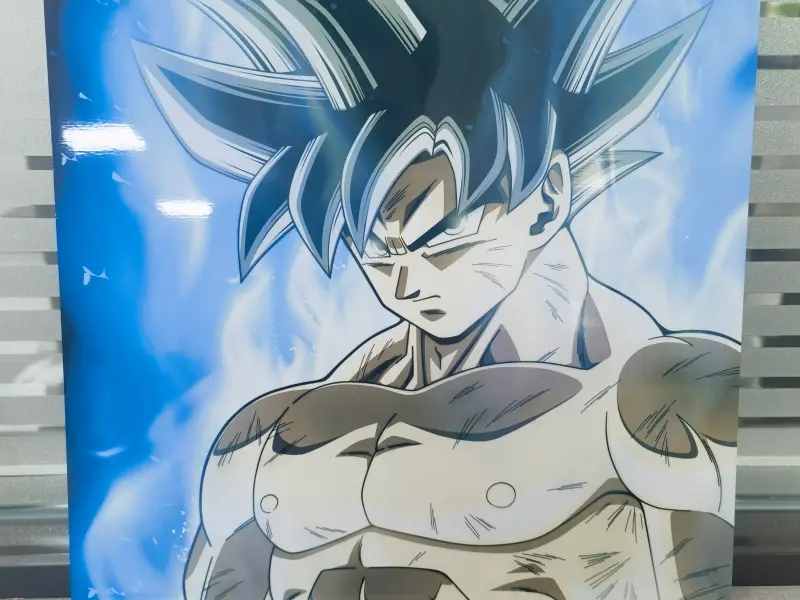
Most coated sublimation blanks use one of a few common alloys. The three most popular are 1060, 3003, and 5052. Some suppliers also offer 6061 for special uses.
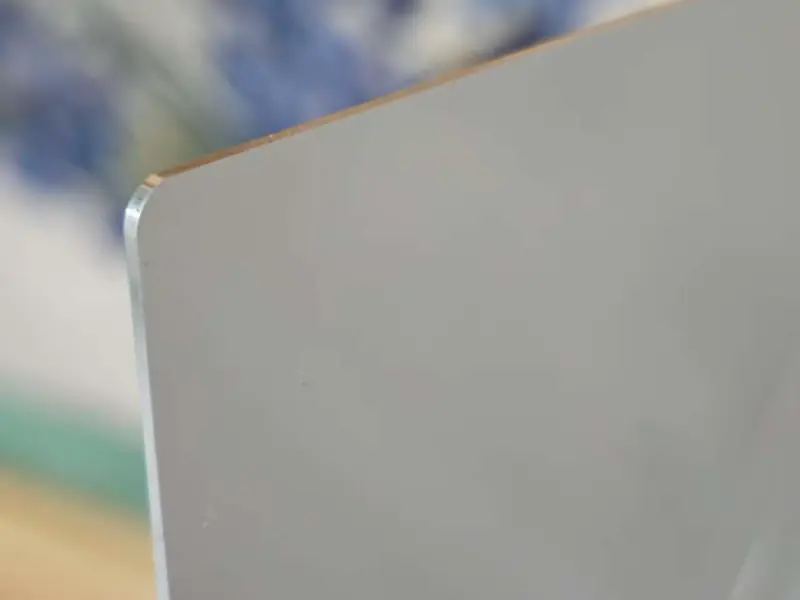
1060: Pure and Smooth
1060 is nearly pure aluminum. It has a very smooth surface. It is the most common choice for photo panels and fine prints. It is soft, so it bends well. It is less strong than the other options.
3003: The Balanced Choice
3003 adds a small amount of manganese. This makes it a bit stronger than 1060. It still forms well and gives a good print surface. Many shops use 3003 for signs, plaques, and general products.
5052: Tough and Corrosion Resistant
5052 uses magnesium as its main added metal. It is stronger than 1060 and 3003. It resists salt and damp air very well. Buyers choose it for outdoor-style displays and heavier products. Its surface is good, though not quite as smooth as 1060.
6061: Strong but Less Common
6061 is a heat-treatable alloy with magnesium and silicon. It is strong. It is less common for sublimation because its surface can show more texture. Some specialty buyers still use it for structural or heavy display frames.
Alloy Composition at a Glance
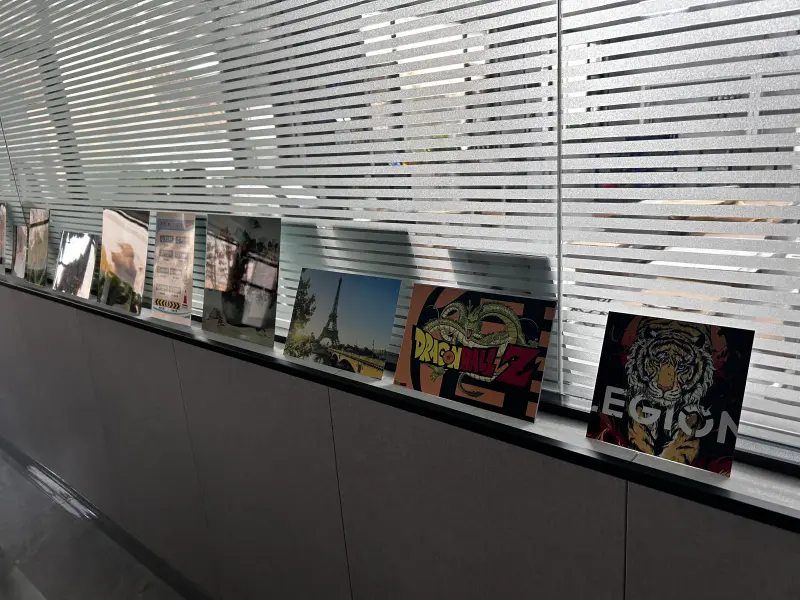
The table below shows typical composition ranges. Exact numbers vary by mill and standard. Always check the mill certificate for your lot.
| Alloy | Aluminum Content | Main Added Element | Typical Added Amount | Surface Quality |
|---|---|---|---|---|
| 1060 | 99.6% or higher | Iron and silicon (trace) | Very low | Very smooth |
| 3003 | About 96.8% or higher | Manganese | About 1.0% to 1.5% | Smooth |
| 5052 | About 95.7% or higher | Magnesium and chromium | About 2.2% to 2.8% Mg | Good |
| 6061 | About 96% or higher | Magnesium and silicon | About 1.0% Mg, 0.6% Si | Fair to good |
What the Elements Do
- Manganese in 3003: Adds strength without losing much formability
- Magnesium in 5052: Boosts strength and salt resistance
- Magnesium and silicon in 6061: Allow heat treatment for high strength
- Low iron and silicon in 1060: Keep the surface clean and bright
Temper Choices for Sublimation Alloys
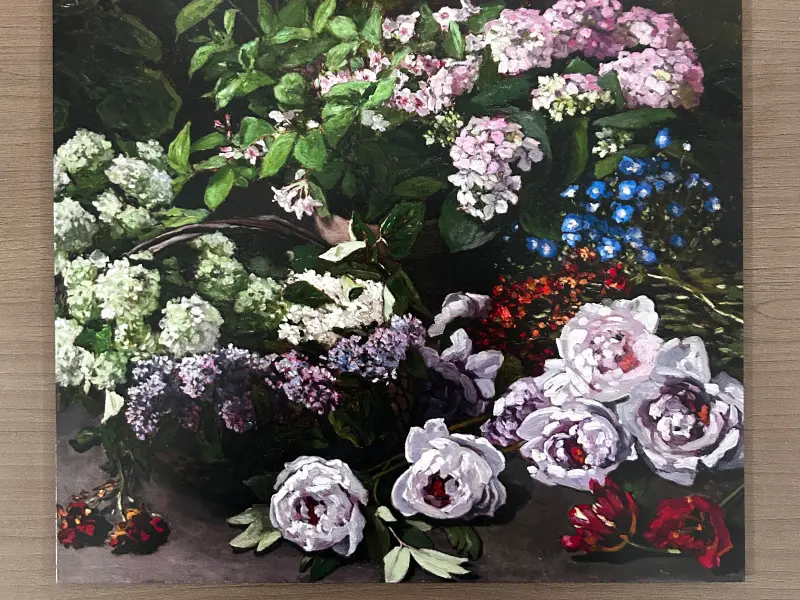
Temper tells you how the metal was worked or heat treated. The letter O means soft and fully annealed. The letter H means strain hardened. The number after H shows the hardness level. For sublimation, the temper affects bending, flatness, and how the sheet feels in the hand.
Common Tempers by Alloy
| Alloy | Common Temper | Stiffness | Bending | Typical Use |
|---|---|---|---|---|
| 1060 | O | Very soft | Excellent | Deep curves |
| 1060 | H12 | Light | Very good | Flat photo panels |
| 1060 | H14 | Medium | Good | Standard wall prints |
| 3003 | H14 | Medium | Very good | Signs and plaques |
| 3003 | H16 | Firm | Good | Stand-up displays |
| 5052 | H32 | Medium | Very good | Outdoor-style panels |
| 5052 | H34 | Firm | Good | Heavier displays |
| 6061 | T6 | Firm | Limited | Structural frames |
How to Pick a Temper
- Need tight curves: Choose an O or H12 temper
- Need flat, stable panels: Choose H14 or H32
- Need stiff, load-bearing parts: Choose H16, H34, or T6
Tip for Printing
Bend the sheet before you print. Bending after printing can crack the coating. Soft tempers make this step much easier.
Strength and Hardness Comparison
Strength values help you judge how a sheet will hold up after printing and mounting. The numbers below are approximate. Use them as a guide only. Your mill test report gives the exact values for each lot.
| Alloy and Temper | Tensile Strength (MPa) | Yield Strength (MPa) | Elongation | Hardness Level |
|---|---|---|---|---|
| 1060-H14 | About 110 to 135 | About 90 minimum | Good | Low |
| 3003-H14 | About 130 to 160 | About 115 minimum | Good | Low to medium |
| 3003-H16 | About 150 to 180 | About 140 minimum | Moderate | Medium |
| 5052-H32 | About 230 to 270 | About 190 minimum | Good | Medium |
| 5052-H34 | About 260 to 300 | About 210 minimum | Moderate | Medium high |
| 6061-T6 | About 290 minimum | About 240 minimum | Moderate | High |
What the Numbers Mean for Your Product
Higher strength means less bending and denting. It also means more force is needed to form the sheet. Lower strength is easier to shape. Choose the lowest strength that still meets your product needs. This saves cost and makes shaping simpler.
Thickness Options by Alloy
Thickness affects weight, stiffness, and price. Not every alloy comes in every thickness. Check your supplier’s list before you plan a product line.
Typical Thickness Range
| Thickness (mm) | Thickness (inch) | 1060 | 3003 | 5052 |
|---|---|---|---|---|
| 0.3 | About 0.012 | Yes | Yes | Rare |
| 0.5 | About 0.020 | Yes | Yes | Limited |
| 0.8 | About 0.031 | Yes | Yes | Yes |
| 1.0 | About 0.039 | Yes | Yes | Yes |
| 1.5 | About 0.059 | Yes | Yes | Yes |
| 2.0 | About 0.079 | Limited | Yes | Yes |
| 3.0 | About 0.118 | Rare | Limited | Yes |
Best Thickness for Each Alloy
- 1060: Thin to medium gauges for photo panels and ornaments
- 3003: Medium gauges for signs, plaques, and wall art
- 5052: Medium to heavy gauges for outdoor-style and large displays
Coating Fit by Alloy
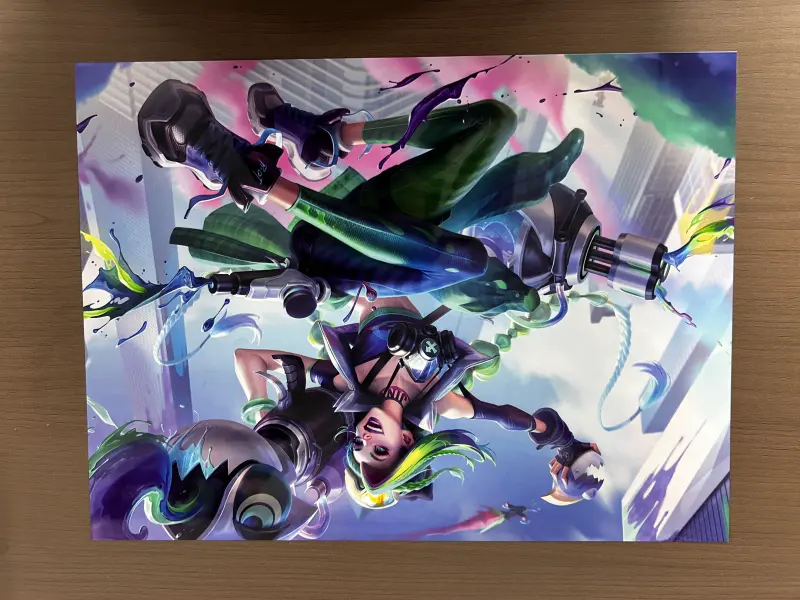
The coating is applied by the supplier. Still, the base alloy affects how well the coating sticks and how the print looks. Smooth alloys usually give cleaner color. Textured alloys can cause small flaws in fine detail.
Coating and Alloy Match
| Alloy | Coating Adhesion | Color Clarity | Detail Sharpness | Best Coating Choice |
|---|---|---|---|---|
| 1060 | Very good | Very high | Very high | Premium HD white |
| 3003 | Good | High | High | High-brightness white |
| 5052 | Good | Good | Good | Standard or high-brightness white |
| 6061 | Fair | Good | Fair | Standard white |
Practical Notes on Coatings
- Ask the supplier which coating is tested on your alloy
- Request a sample of each alloy with the same coating
- Compare colors under daylight and warm room light
Product Types by Alloy
Each alloy suits different products. The sections below show common product types. The tables give sizes and thickness ranges that work well with each grade.
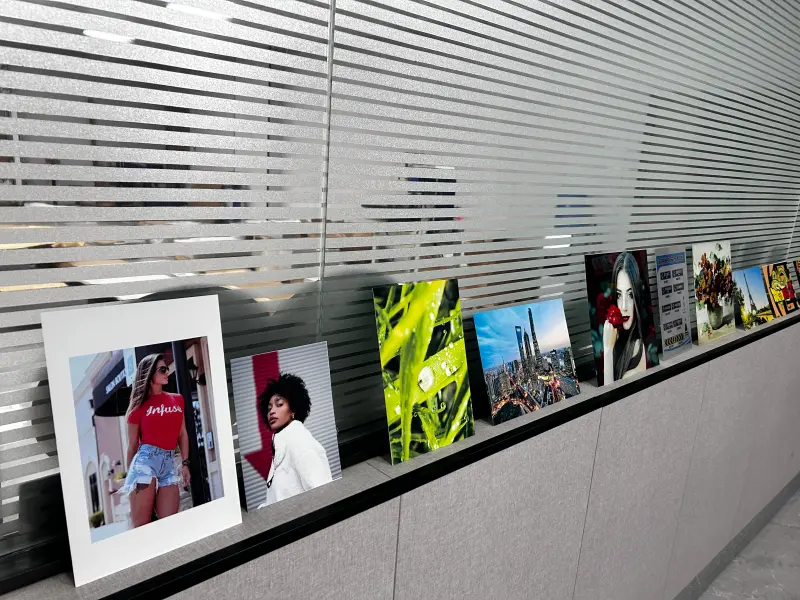
Photo Panels on 1060
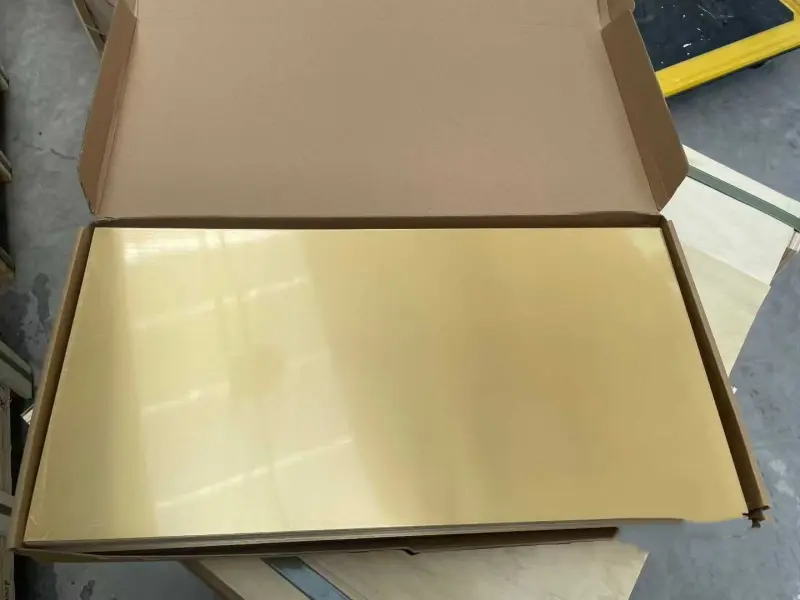
Photo panels are the most common product for 1060. The smooth surface gives clean skin tones and sharp edges. Panels sell well for family photos, weddings, and graduations.
| Panel Size (inches) | Panel Size (cm) | Alloy | Thickness | Typical Buyer |
|---|---|---|---|---|
| 4 x 6 | 10 x 15 | 1060 | 0.6 mm to 0.8 mm | Gift shoppers |
| 5 x 7 | 13 x 18 | 1060 | 0.8 mm | Home décor fans |
| 8 x 10 | 20 x 25 | 1060 | 0.8 mm to 1.0 mm | Families |
| 11 x 14 | 28 x 36 | 1060 | 1.0 mm | Living room art |
Curved Ornaments on 1060
Soft 1060 works well for curved pieces. Ornaments, cylinder labels, and bell shapes all suit this alloy. Use an O or H12 temper for easy forming.
| Shape | Size | Alloy and Temper | Thickness | Use |
|---|---|---|---|---|
| Round ornament | 3 inch | 1060 H12 | 0.5 mm | Holiday décor |
| Bell | 3 x 3.5 inch | 1060 O | 0.5 mm | Seasonal gifts |
| Cylinder label | 2 x 4 inch | 1060 O | 0.3 mm | Candle and bottle labels |
Signs and Plaques on 3003

3003 offers a good mix of strength and print quality. It suits door plates, room signs, and award plaques. The sheet stays flat and holds its shape well.
| Sign Type | Size | Alloy and Temper | Thickness | Finish |
|---|---|---|---|---|
| Door plate | 6 x 9 inch | 3003 H14 | 0.8 mm | Matte |
| Room sign | 4 x 12 inch | 3003 H14 | 1.0 mm | Satin |
| Award plaque | 8 x 10 inch | 3003 H14 | 1.0 mm | Glossy |
| Shop sign | 12 x 18 inch | 3003 H16 | 1.5 mm | Matte |
Keychains and Small Gifts on 1060 or 3003
Small gifts need thin sheets that cut easily. Both 1060 and 3003 work well here. The choice depends on how much strength the piece needs. Keychains that take daily wear may do better on 3003.
| Product | Size | Alloy | Thickness | Notes |
|---|---|---|---|---|
| Round keychain | 2 inch | 1060 or 3003 | 0.5 mm | Light and easy to cut |
| Heart keychain | 2.5 inch | 3003 | 0.5 mm | Sturdier for daily use |
| Luggage tag | 2 x 3 inch | 3003 | 0.6 mm | Holds up to handling |
| Star ornament | 3 inch | 1060 | 0.5 mm | Holiday gift |
Large Wall Panels and Outdoor-Style Displays on 5052
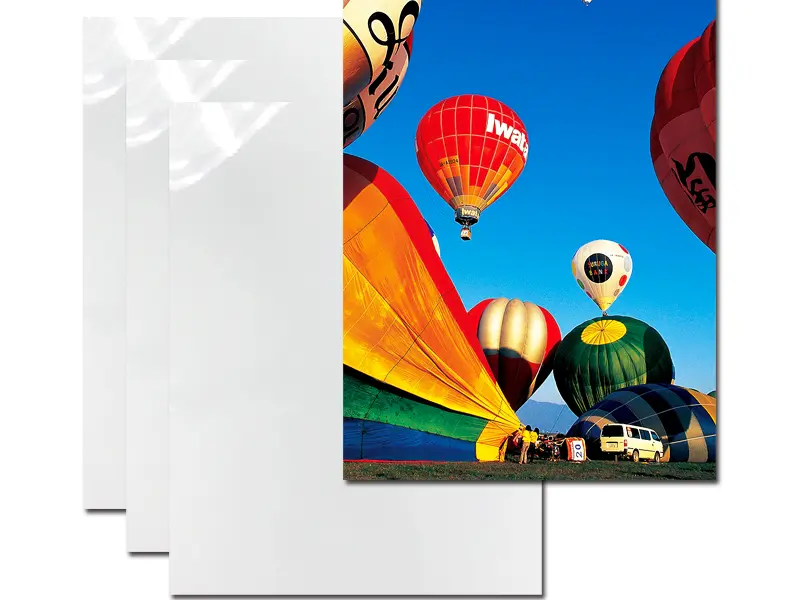
5052 suits large panels that need strength. It also resists damp air well. Use it for displays that may face humid rooms, covered patios, or trade-show floors.
| Product | Size | Alloy and Temper | Thickness | Use |
|---|---|---|---|---|
| Large wall panel | 16 x 20 inch | 5052 H32 | 1.5 mm | Feature walls |
| Trade-show panel | 24 x 36 inch | 5052 H32 | 2.0 mm | Event displays |
| Outdoor-style sign | 18 x 24 inch | 5052 H34 | 2.0 mm to 3.0 mm | Patios and covered areas |
Coasters, Tiles, and Table Items on 1060 or 3003
Coasters and tiles make good home gifts. They need a flat base and a smooth coating. Thin sheets work well for small pieces. Use 1060 for the smoothest look.
| Product | Size | Alloy | Thickness | Notes |
|---|---|---|---|---|
| Square coaster | 4 x 4 inch | 1060 | 0.6 mm | Works with mugs |
| Round coaster | 4 inch | 1060 | 0.6 mm | Simple gift item |
| Decor tile | 6 x 6 inch | 3003 | 0.8 mm | Kitchen and bar décor |
| Tile set | 4 x 4 inch each | 1060 | 0.6 mm | Gift sets |
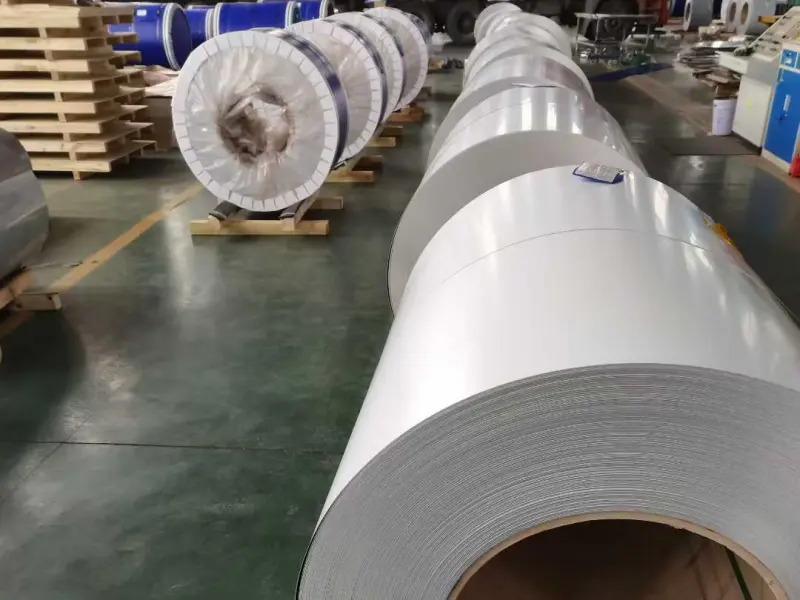
Coil and Roll Stock
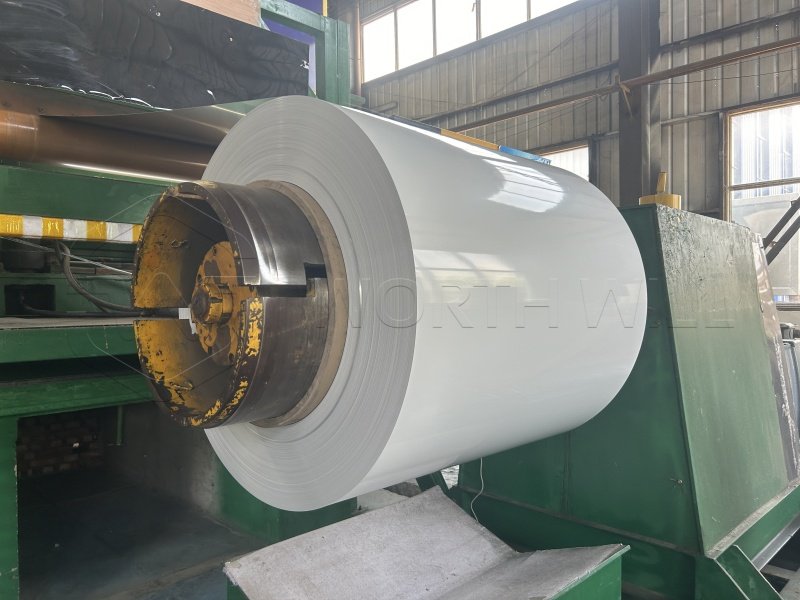
Factories often buy coil or roll stock. It feeds automatic cutters and printers. Ask for the alloy, temper, width, and core size before you order. Coil works well for 1060 and 3003 in thin gauges.
| Option | Typical Alloy | Typical Thickness | Best For |
|---|---|---|---|
| Coil | 1060 or 3003 | 0.3 mm to 0.8 mm | Automated cutting lines |
| Roll | 3003 or 5052 | 0.5 mm to 1.5 mm | Shops with in-house cutters |
Double-Sided Coated Sheets
Double-sided coated sheets allow prints on both faces. They suit hanging signs and two-sided gift tags. Use 1060 or 3003 for the cleanest look on both sides.
| Product | Alloy | Thickness | Typical Use |
|---|---|---|---|
| Hanging sign | 3003 | 1.0 mm | Shop and office displays |
| Two-sided tag | 1060 | 0.5 mm | Gifts and labels |
| Window display | 3003 | 1.2 mm | Retail windows |
Side-by-Side Comparison Tables
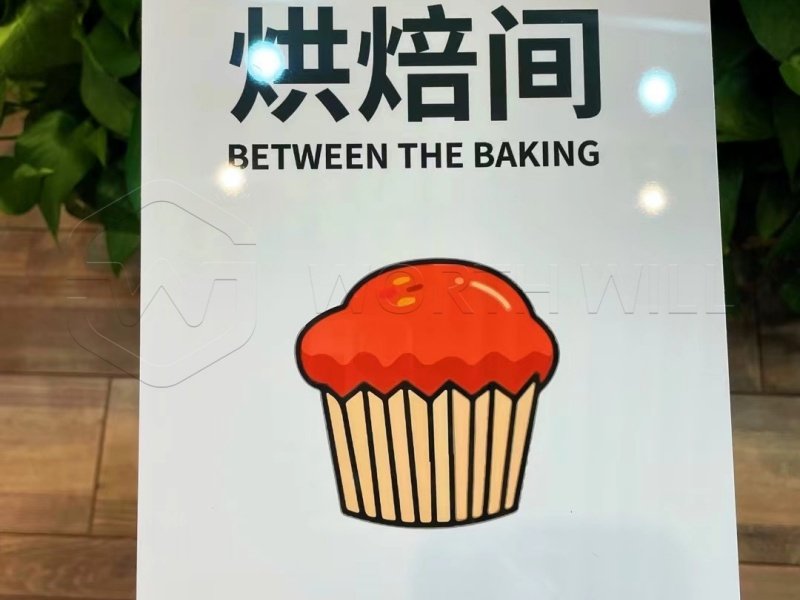
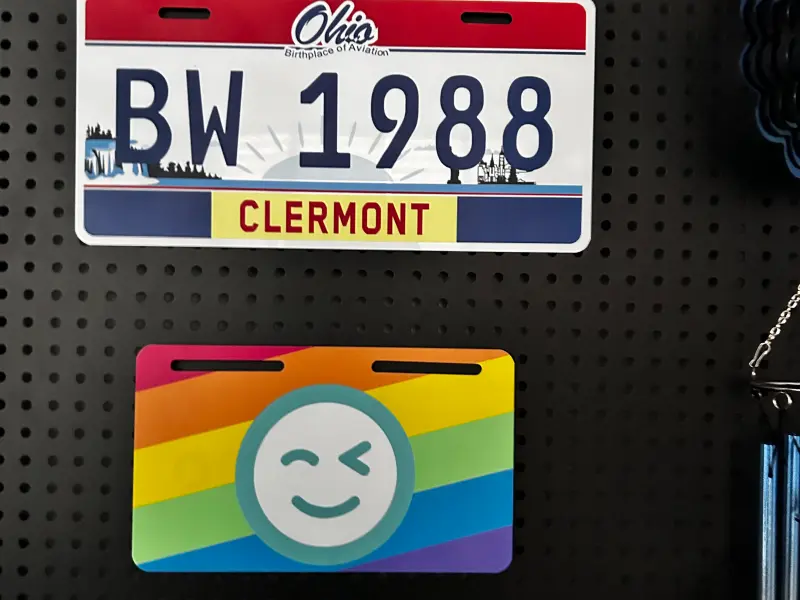
Use these tables to compare alloys for your project. They focus on the features that matter most in print work.
Alloy Comparison for Print Work
| Feature | 1060 | 3003 | 5052 | 6061 |
|---|---|---|---|---|
| Surface smoothness | Very high | High | Good | Fair |
| Print clarity | Excellent | Very good | Good | Fair |
| Strength | Lower | Medium | Higher | High |
| Bending | Excellent | Very good | Good | Limited |
| Corrosion resistance | Excellent | Very good | Excellent | Good |
| Cost | Low to medium | Medium | Medium to high | High |
| Best for photos | Yes | Yes | Less common | No |
| Best for signs | Yes | Yes | Yes | Rare |
| Best for outdoor-style use | Limited | Good | Excellent | Good |
Alloy Choice by Product Goal
| Your Goal | Best Alloy | Second Choice | Reason |
|---|---|---|---|
| Brightest photo prints | 1060 | 3003 | Smoothest surface |
| Easy curved shapes | 1060 O | 3003 O | Soft and bendable |
| Everyday signs | 3003 | 1060 | Balanced strength |
| Damp or harsh areas | 5052 | 3003 | Strong salt resistance |
| Large, stiff panels | 5052 | 6061 | Higher strength |
| Lowest cost | 1060 | 3003 | Simple and widely made |
Thickness Comparison by Alloy and Product
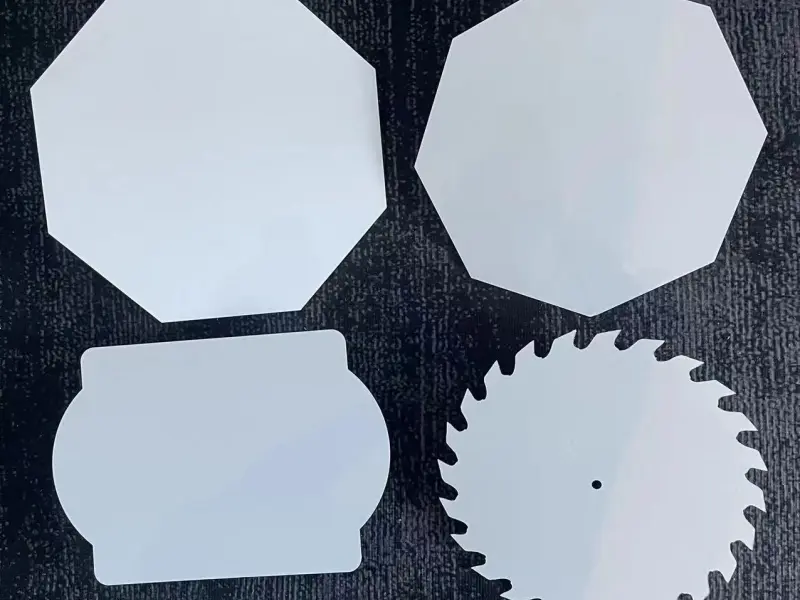
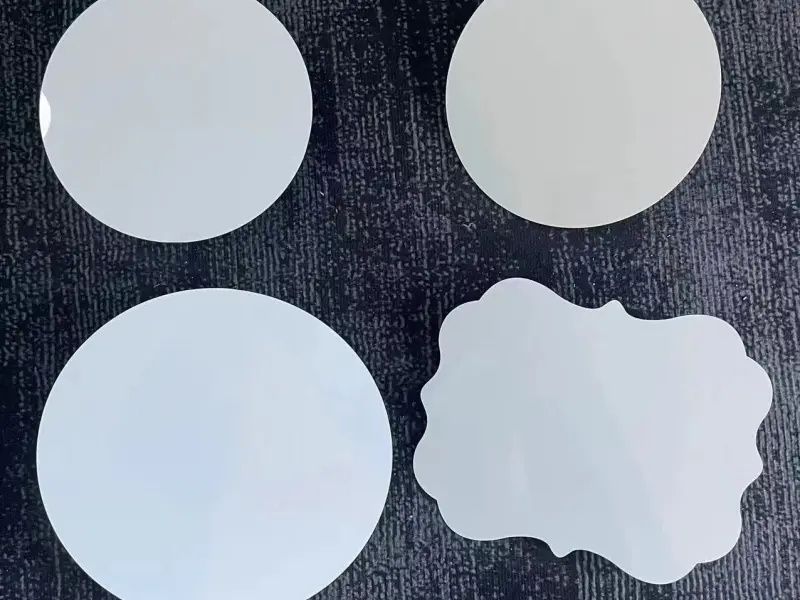
| Product | 1060 Option | 3003 Option | 5052 Option |
|---|---|---|---|
| Keychain | 0.5 mm | 0.6 mm | Not common |
| Photo panel | 0.6 mm to 0.8 mm | 0.8 mm | 0.8 mm |
| Wall sign | 0.8 mm | 1.0 mm | 1.5 mm |
| Plaque | 1.0 mm | 1.0 mm | 1.5 mm |
| Stand-up display | 1.0 mm | 1.5 mm | 2.0 mm |
| Large panel | Not ideal | 1.5 mm | 2.0 mm to 3.0 mm |
Cost Versus Print Quality
| Alloy | Relative Cost | Print Quality | Strength | Value Rating |
|---|---|---|---|---|
| 1060 | Low to medium | Excellent | Lower | Best for photos |
| 3003 | Medium | Very good | Medium | Best all-round |
| 5052 | Medium to high | Good | Higher | Best for harsh use |
| 6061 | High | Fair | High | Best for heavy frames |
Heat Press Settings by Alloy
Heat press settings depend on the machine, the coating, and the thickness. Different alloys also heat at slightly different speeds. Thicker sheets hold more heat. Always start with the supplier’s guide and run a test piece.
| Alloy | Thickness | Temperature | Time | Pressure |
|---|---|---|---|---|
| 1060 | 0.5 mm | 175°C to 185°C (347°F to 365°F) | 60 to 90 seconds | Medium |
| 1060 | 0.8 mm | 180°C to 195°C (356°F to 383°F) | 60 to 120 seconds | Medium |
| 3003 | 0.8 mm | 180°C to 195°C (356°F to 383°F) | 60 to 120 seconds | Medium to firm |
| 3003 | 1.0 mm | 185°C to 200°C (365°F to 392°F) | 90 to 150 seconds | Firm |
| 5052 | 1.5 mm | 190°C to 205°C (374°F to 401°F) | 120 to 180 seconds | Firm |
| 5052 | 2.0 mm and up | 195°C to 210°C (383°F to 410°F) | 150 to 210 seconds | Firm |
Press Tips for Each Alloy
- 1060: Watch for overheating on thin sheets, since they can warp
- 3003: Good all-round performance, so standard settings usually work
- 5052: Thick sheets need more time to reach full heat
Application Areas
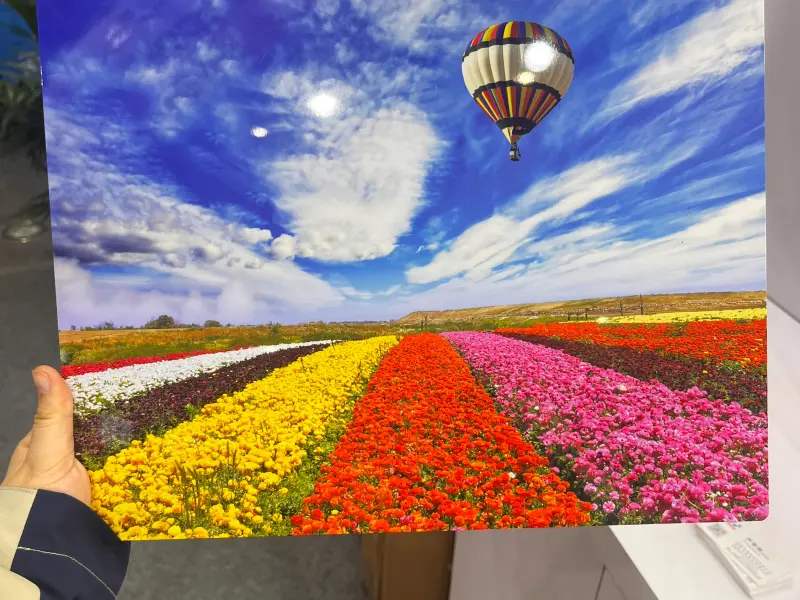


These alloys fit many uses. The list below shows common applications. Match the alloy to the job.
- Photo walls: Family portraits, weddings, and graduation prints (1060)
- Holiday items: Ornaments, bells, and tree tags (1060 or 3003)
- Business signs: Door plates, office name tags, and shop signs (3003)
- Awards: Plaques, trophies, and staff recognition boards (3003)
- Retail displays: Shelf talkers, price panels, and promotion signs (3003 or 5052)
- Trade shows: Large display panels and booth graphics (5052)
- Outdoor-style areas: Covered patios, damp rooms, and entry areas (5052)
- Gifts and souvenirs: Keychains, coasters, and tiles (1060 or 3003)
Home and Gift Markets
Home buyers love bright photo art. They also buy small gifts for birthdays and holidays. 1060 gives the cleanest color for these products. Thin sizes keep the price low.
Business and Retail Markets
Businesses need signs that last. 3003 handles daily use well. Retail buyers often want large batches. Coil or roll stock helps with fast production.
Outdoor and Harsh Environment Markets
Some displays face humidity, rain, or salt air. 5052 is the best choice here. It resists corrosion and keeps its shape. Ask your supplier about a weather-resistant coating for outdoor use.
Buying Checklist for Sublimation Alloy Sheets
A clear checklist helps you compare suppliers. It also protects you from waste and returns.
| What to Check | Why It Matters |
|---|---|
| Alloy grade (1060, 3003, or 5052) | Sets surface quality and strength |
| Temper (O, H12, H14, H32, or H34) | Controls bending and stiffness |
| Thickness tolerance | Keeps all pieces the same size |
| Flatness | Affects print quality and mounting |
| Coating type and adhesion | Controls color and durability |
| Mill test report | Proves chemistry and strength |
| Surface defects | Prevents spots in the print |
| Packaging | Protects the coating in transit |
| Minimum order quantity | Helps plan costs |
| Sample policy | Lets you test before you buy |
Ask for a Mill Test Report
The mill test report shows the chemistry and mechanical values for your lot. It helps you confirm that the alloy and temper match your order. Keep these reports on file for quality checks and customer questions.
Test Samples in Your Own Press
Each press runs a little differently. Order samples of each alloy and thickness. Print the same design on each one. Compare color, edge sharpness, and flatness. This shows you the best setting for your shop.
Common Problems and Fixes
Many print problems start with the base sheet. The table below lists common issues and simple fixes.
| Problem | Likely Cause | Fix |
|---|---|---|
| Faded or dull colors | Low heat or short press time | Raise heat or add time, then test again |
| Warped thin sheet | Too much heat for thin gauge | Lower heat and shorten the press time |
| Cracks after bending | Bent after printing or hard temper | Bend before printing and use a softer temper |
| Visible surface spots | Dirty or textured base | Use a cleaner alloy grade and handle with gloves |
| Uneven print edges | Sheet not flat | Choose a flatter temper or check storage |
| Coating peeling | Poor coating adhesion | Ask the supplier for a tested coating on your alloy |
Frequently Asked Questions
What is the best alloy for sublimation aluminum?
1060 is often the best choice for bright photo prints. It has the smoothest surface. 3003 is a strong all-round option. It suits signs and plaques. 5052 is the choice for products that face damp or harsh conditions.
Is 3003 or 1060 better for photo prints?
1060 usually gives the cleaner look. Its surface is very smooth, and skin tones look natural. 3003 is a little stronger and still prints well. Choose 3003 when the product needs more stiffness.
Can I use 5052 for sublimation?
Yes. 5052 can be used for sublimation, especially for larger or outdoor-style displays. Its surface is good, though it may not be as smooth as 1060. Test your coating and colors before a large order.
Which temper works best for flat panels?
H14 and H32 work well for flat panels. They stay stable during pressing and handling. Choose an O or H12 temper only when the product needs tight curves.
How do I choose the right thickness?
Think about weight, stiffness, and the product’s use. Thin sheets, around 0.5 mm, suit ornaments and small gifts. Medium sheets, around 0.8 mm to 1.0 mm, suit photo panels and signs. Thick sheets, 1.5 mm or more, suit large displays.
Does the alloy affect the coating?
Yes. Smooth alloys like 1060 let the coating lay down evenly. This gives sharper detail. Ask your supplier which coating is tested on the alloy you want.
Can I bend these sheets after printing?
It is better to bend before printing. Bending after printing can crack the coating. If you must shape a printed piece, use a soft temper and bend gently.
Are these sheets safe for outdoor use?
Standard sublimation sheets are made for indoor display. 5052 gives better corrosion resistance for outdoor-style areas. For real outdoor use, ask for a weather-resistant coating and test it in the sun and rain.
Final Thoughts on Sublimation Aluminum Alloy

The alloy sets the base for every print. 1060 gives the smoothest surface for photos and gifts. 3003 offers a strong balance for signs and plaques. 5052 handles harsh conditions and large panels.
Choose the temper and thickness that fit your product. Ask for a mill test report, order samples, and test your press settings. With the right alloy, you can offer customers prints that look sharp and last for years.