
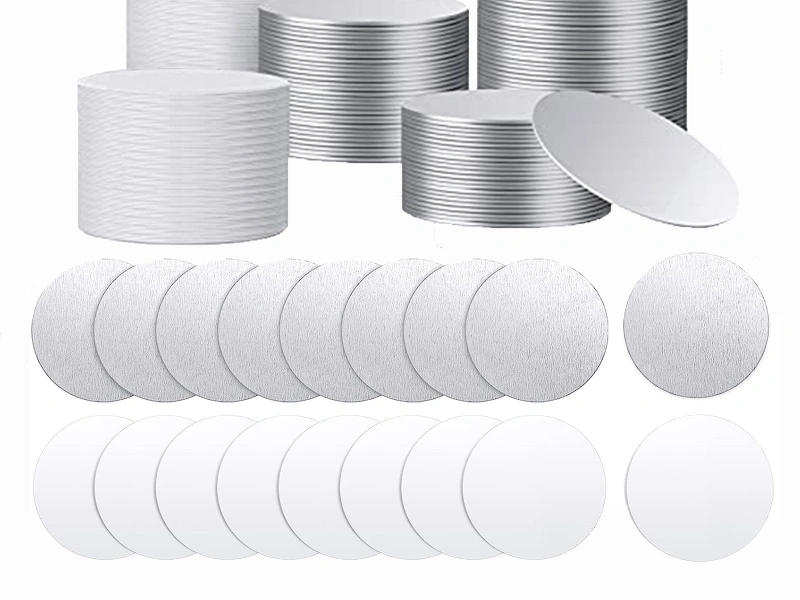
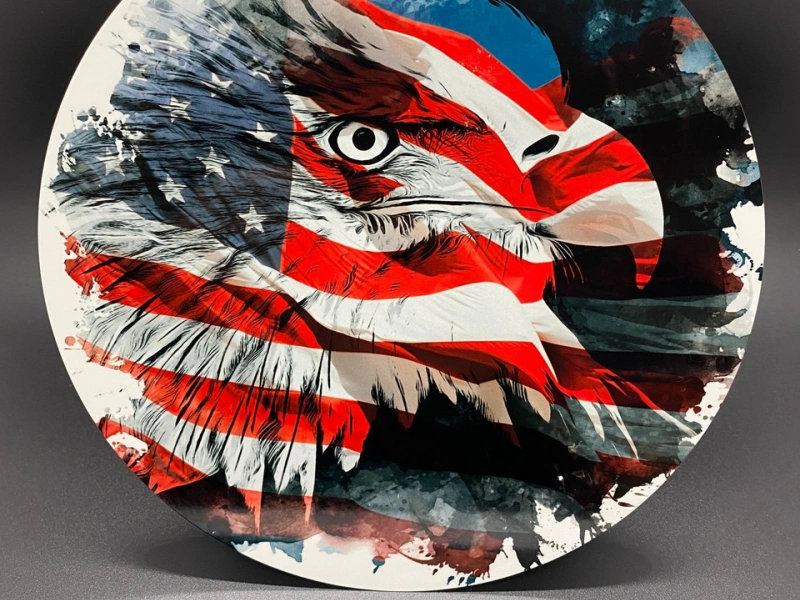
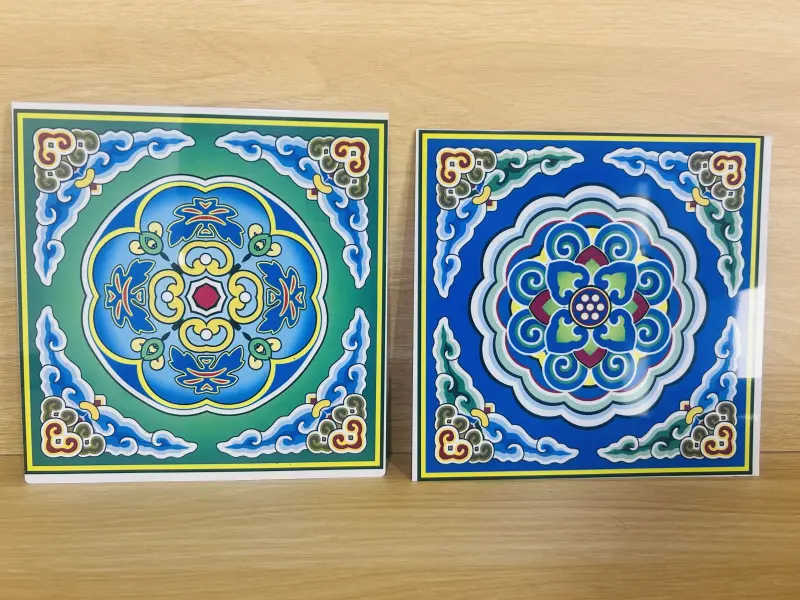
Round sublimation aluminum is used to make personalized photo gifts, decorative products, nameplates, signs, and promotional items. It has a special coating that accepts sublimation ink. With heat and pressure, the printed design transfers onto the aluminum surface and becomes part of the coated finish.
Compared with ordinary aluminum discs, round sublimation aluminum blanks are prepared for image transfer. They are available in different diameters, thicknesses, colors, and surface finishes. Buyers can choose small round blanks for keychains or larger aluminum panels for photo displays and wall decorations.

For wholesalers, printing companies, gift manufacturers, and promotional product suppliers, the right material depends on the final application. Size, alloy, temper, coating quality, and flatness all affect the finished product.
What Is Round Sublimation Aluminum?
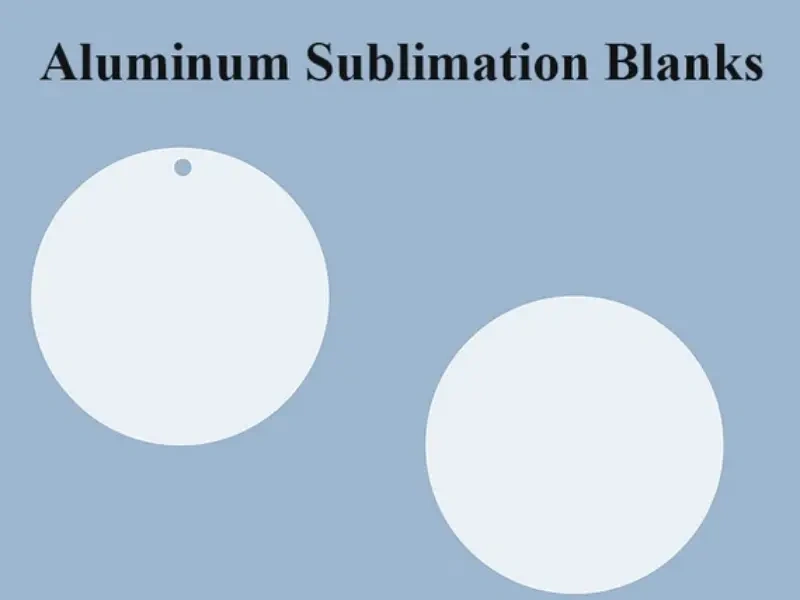
Round sublimation aluminum is a circular aluminum sheet or blank with a special sublimation coating. The coating is designed to receive dye-sublimation ink under controlled heat and pressure.
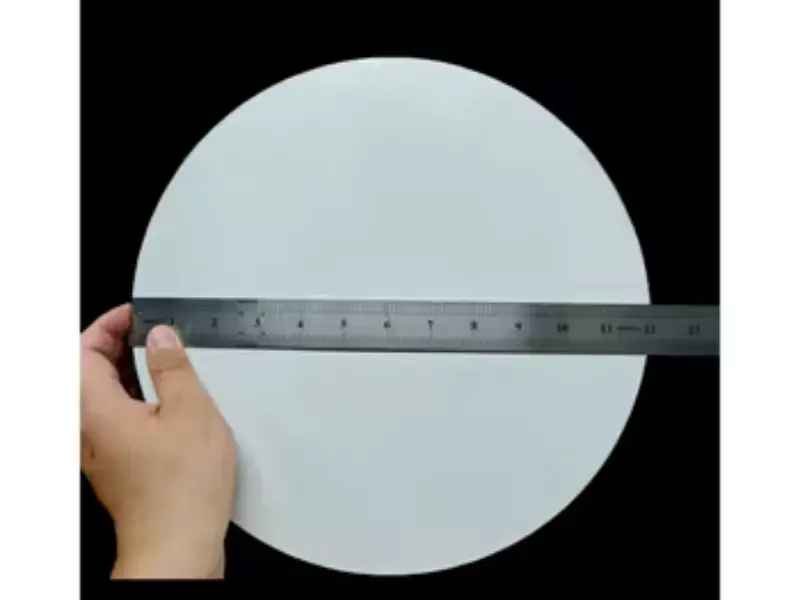
The material usually comes as a ready-to-print disc. Some products include a white gloss surface, while others use a matte, brushed, or metallic finish. The back may be plain aluminum or have a protective coating, depending on the product design.
A typical production process follows these steps:
Aluminum coil or sheet → Circle cutting → Edge finishing → Cleaning → Sublimation coating → Curing → Quality inspection → Protective packing
The final product can be printed with photographs, logos, text, artwork, or other designs.
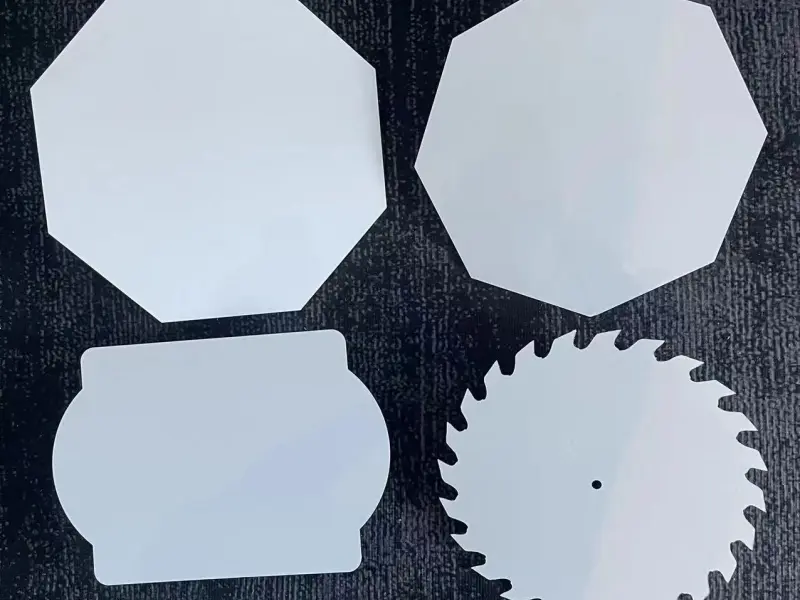
Round Aluminum Blanks vs. Ordinary Aluminum Discs
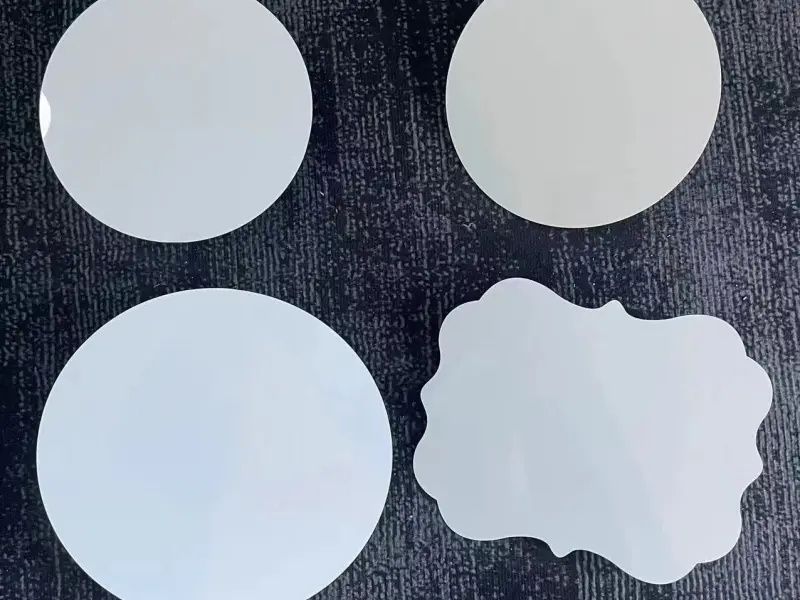
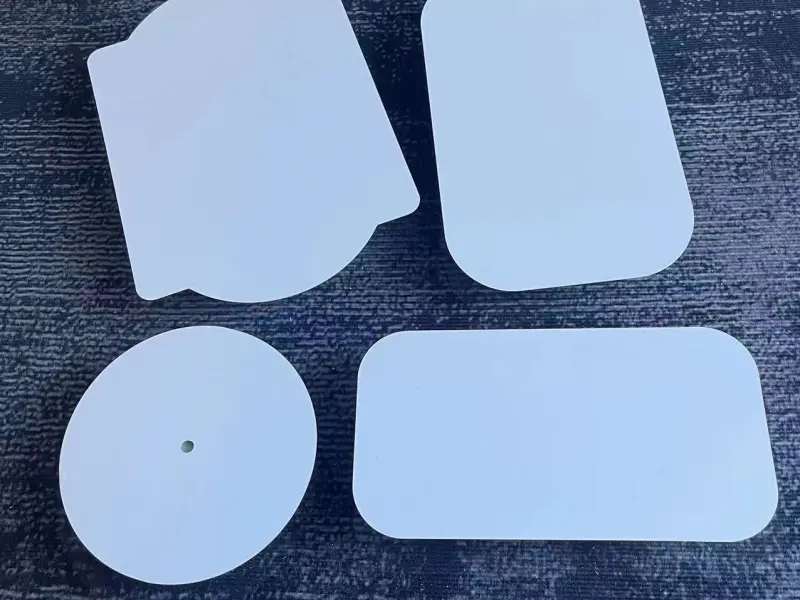
| Feature | Round Sublimation Aluminum | Ordinary Aluminum Disc |
|---|---|---|
| Surface | Special printing coating | Usually bare or standard finished aluminum |
| Printing method | Dye-sublimation | May require other printing processes |
| Image transfer | Designed for sublimation ink | Not necessarily suitable |
| Common uses | Photo gifts, ornaments, personalized signs | Industrial parts, cookware, general fabrication |
| Surface preparation | Usually ready for printing | May need additional treatment |
An ordinary aluminum disc should not be treated as a sublimation blank unless its surface has a suitable coating.
Popular Types of Round Sublimation Aluminum
Different products serve different printing and decoration needs. The diameter, thickness, coating, and back design can be adjusted for the intended use.
| Product Type | Common Diameter Options | Typical Application |
|---|---|---|
| Small round sublimation blanks | 25–50 mm | Keychains and small gifts |
| Round photo panels | 75–150 mm | Photo gifts and desk displays |
| Large round aluminum panels | 150–300 mm | Wall art and decorative displays |
| Round metal ornaments | 50–100 mm | Holiday and commemorative gifts |
| Round nameplate blanks | 30–100 mm | Labels and personalized plates |
| Round promotional blanks | 50–150 mm | Advertising gifts and branded products |
| Custom round aluminum discs | Made to order | Special product designs |
These dimensions are examples rather than fixed industry standards. Buyers should confirm available sizes, tolerances, and minimum order quantities before placing an order.
Small Round Sublimation Aluminum Blanks
Small blanks are suitable for products that need a compact printed surface. Their lightweight design makes them easy to package and ship.
Common applications include:
- Personalized keychains
- Bag tags
- Small photo gifts
- Pet identification tags, where the product design is suitable
- Promotional giveaways
- Small decorative accessories
A diameter of 25–50 mm is a useful starting range for small products. Buyers should also consider the hole position, edge shape, and printing area.
Round Aluminum Photo Panels
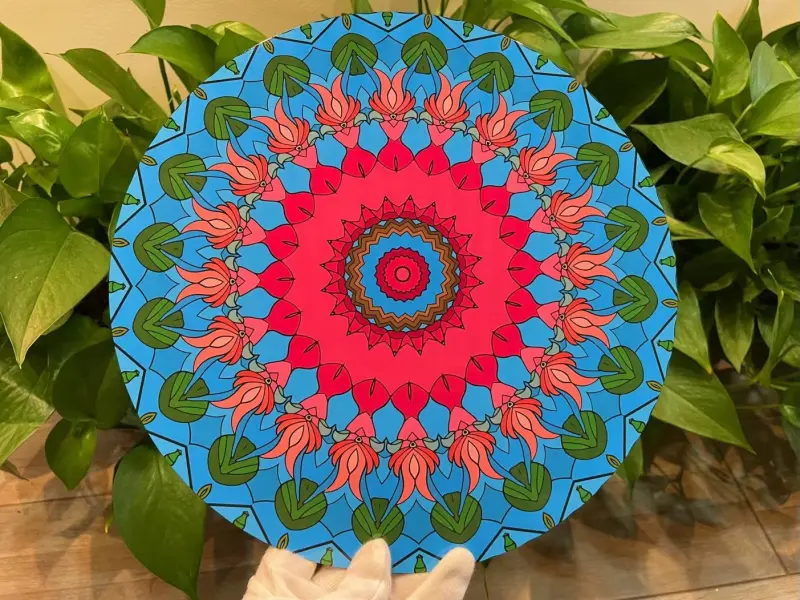
Round photo panels provide more space for photographs and artwork. They are often used by photo printing shops, gift companies, and online personalization businesses.
Common sizes include 100 mm, 120 mm, and 150 mm in diameter. Larger sizes can be produced when the equipment and application allow.
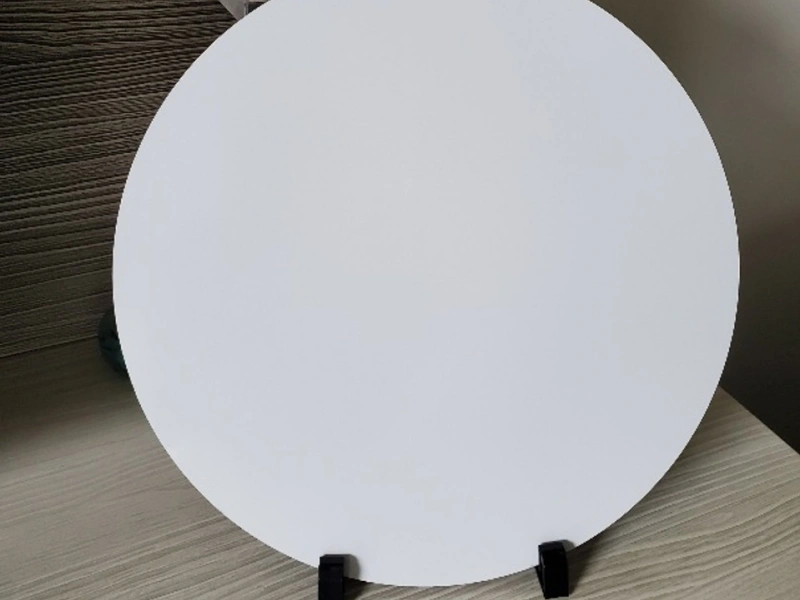
These panels may be supplied with a stand, hanging accessory, adhesive backing, or a plain back for further processing. The accessory should match the panel’s size and weight.
Round Sublimation Metal Ornaments
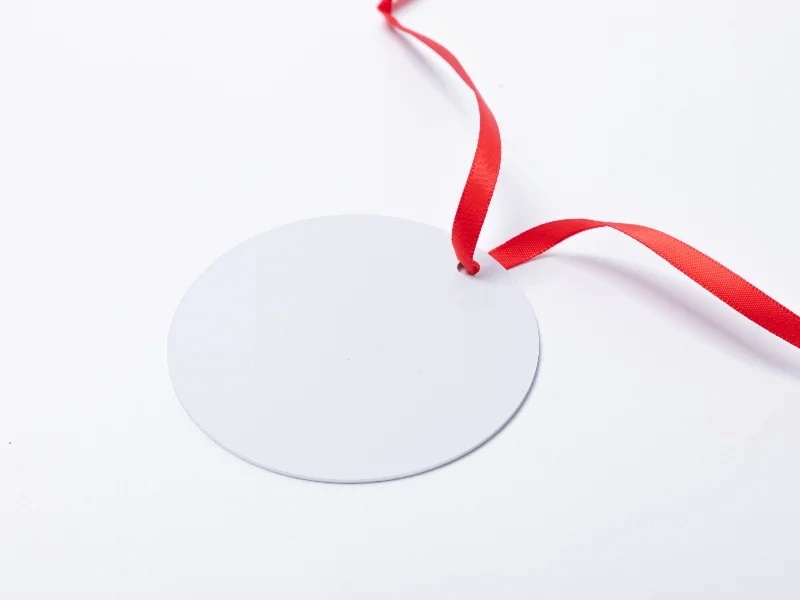
Round aluminum ornaments are used for holiday decorations, event souvenirs, and personalized keepsakes.
A white gloss coating is a common option when bright colors and clear photographs are important. A metallic finish may be preferred when buyers want a more decorative appearance.
Possible product features include:
- A pre-cut hanging hole
- A rounded or beveled edge
- Single-sided printing
- Double-sided printing, when both surfaces are designed for sublimation
- Individual protective sleeves
- Custom packaging for retail sales
Round Aluminum Nameplates and Logo Plates
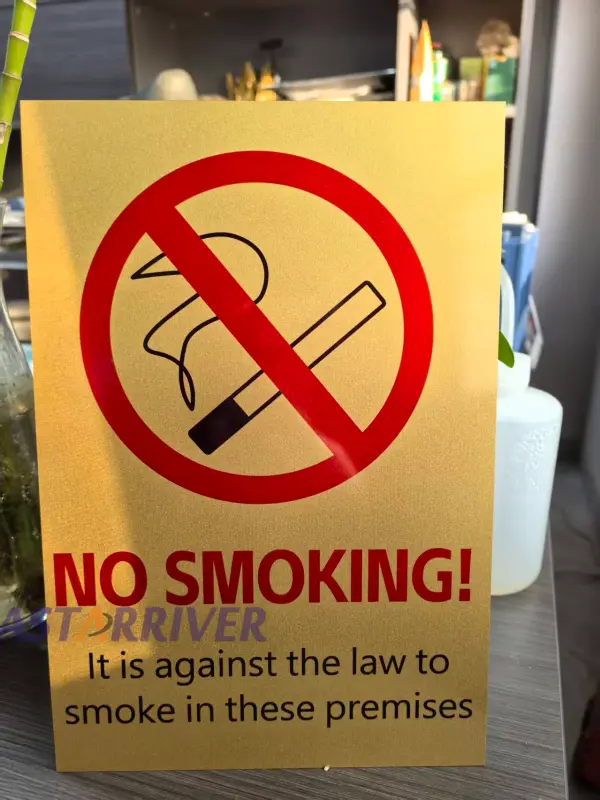
Round aluminum blanks can also be used for custom nameplates, branded gifts, and decorative logo plates. The correct surface depends on the design.
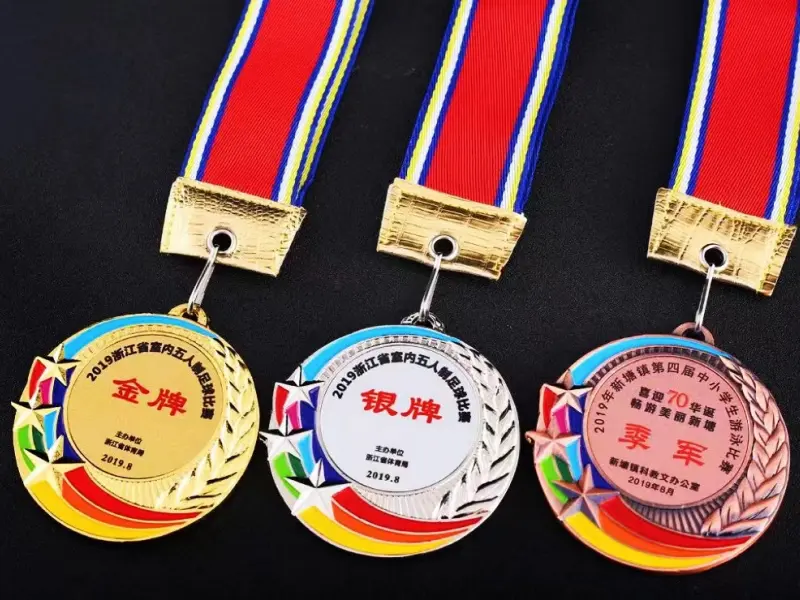
A white coating is useful for colorful logos. A brushed metallic effect may be more suitable for designs that benefit from a visible metal texture, provided the coating is compatible with the intended transfer method.
For industrial identification, buyers should confirm whether a sublimation coating meets the required durability, chemical resistance, and environmental conditions. A decorative sublimation product is not automatically suitable for outdoor or industrial use.
Round Sublimation Aluminum Sizes and Thickness
Size and thickness affect the weight, rigidity, printing area, and final cost of a round aluminum blank. Smaller blanks may need less material, while larger panels may require greater thickness to maintain flatness and handling strength.
Common Diameter Options
| Diameter | Approximate Size in Inches | Example Applications |
|---|---|---|
| 25 mm | 0.98 in | Mini tags and small accessories |
| 38 mm | 1.50 in | Keychains and compact gifts |
| 50 mm | 1.97 in | Small promotional items |
| 75 mm | 2.95 in | Round photo gifts |
| 100 mm | 3.94 in | Ornaments and display panels |
| 120 mm | 4.72 in | Personalized photo products |
| 150 mm | 5.91 in | Medium decorative panels |
| 200 mm | 7.87 in | Larger photo displays |
| 250 mm | 9.84 in | Custom wall decorations |
| 300 mm | 11.81 in | Large decorative panels |
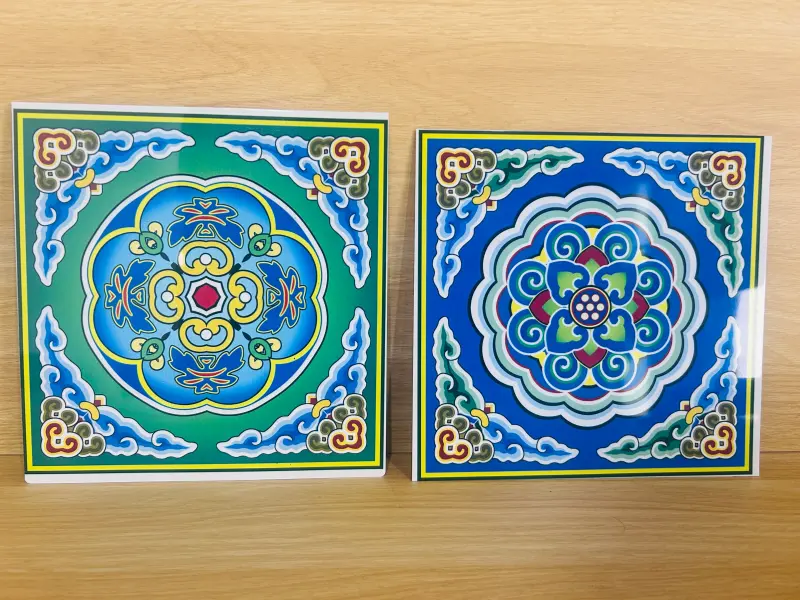
Custom diameters can be discussed for OEM projects. Before production, confirm whether the dimensions refer to the finished outside diameter or the cutting size.
Thickness Selection Guide
| Aluminum Thickness | Approximate Inches | Typical Use |
|---|---|---|
| 0.3 mm | 0.012 in | Lightweight small blanks, subject to design requirements |
| 0.4 mm | 0.016 in | Small ornaments and compact products |
| 0.5 mm | 0.020 in | Common lightweight photo and gift blanks |
| 0.6 mm | 0.024 in | General personalized products |
| 0.8 mm | 0.031 in | More rigid blanks and medium panels |
| 1.0 mm | 0.039 in | Stiffer photo panels and decorative plates |
| 1.2 mm | 0.047 in | Larger or more rigid products |
| 1.5 mm | 0.059 in | Selected heavy-duty decorative panels |
The suitable thickness depends on diameter, alloy, support method, and product design. These options are examples for specification planning, not a guarantee that every combination is available.
How to Choose the Right Thickness
For a small keychain, a thinner blank may be enough. It reduces material use and keeps the finished item light.
For a larger round photo panel, a thicker sheet may provide better rigidity. It can also help reduce bending during handling, although the cutting process and material temper remain important.
A practical selection process is:
Small diameter + lightweight product → Consider thinner material
Medium diameter + general photo display → Compare 0.5–1.0 mm options
Large diameter + greater rigidity requirement → Evaluate thicker material and support design
Always test the finished blank with the intended heat press. The coating, metal thickness, transfer settings, and backing material can affect the result.
Aluminum Alloys and Tempers for Round Sublimation Blanks
The aluminum base affects formability, flatness, strength, cutting performance, and cost. The coating determines whether the surface can receive sublimation ink, so alloy selection and coating selection should be considered together.
Common Aluminum Alloy Options
| Alloy | Main Characteristics | Potential Product Uses |
|---|---|---|
| 1050 | High aluminum content and good formability | Flat decorative blanks and lightweight panels |
| 1060 | Good formability and corrosion resistance | General-purpose coated blanks |
| 1100 | Good workability and formability | Selected custom round products |
| 3003 | Manganese alloy with good formability | Products requiring a balance of formability and strength |
| 5052 | Higher strength than common 1xxx alloys | Selected products needing greater rigidity |
These alloys are possible material choices, not interchangeable guarantees. The actual alloy should be selected according to the required properties, manufacturing process, and final application.
What About Aluminum Temper?
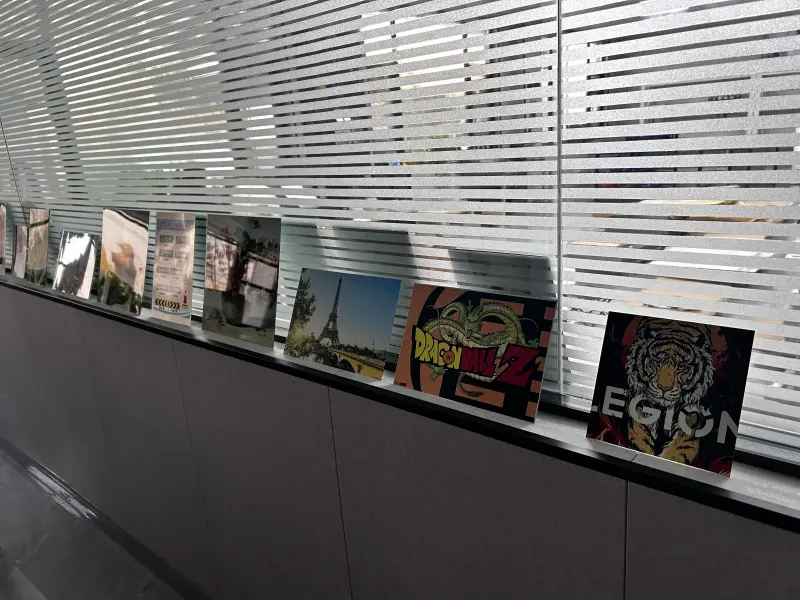
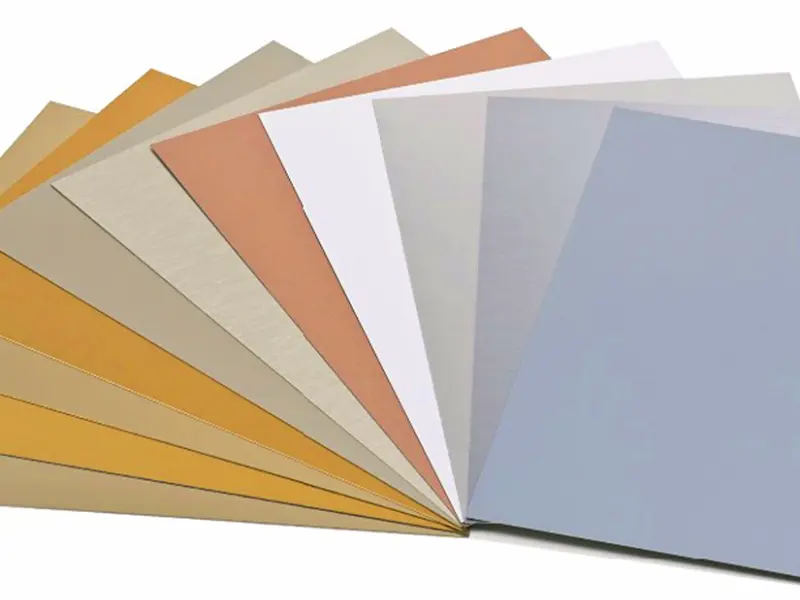
Temper describes the material’s condition after processing. It can affect hardness, strength, and forming behavior.
| Temper | General Meaning | Selection Consideration |
|---|---|---|
| O | Annealed and relatively soft | Useful where formability is important |
| H14 | Strain-hardened and partially annealed | May suit products needing moderate strength |
| H18 | Harder strain-hardened condition | Consider only when its properties suit the product |
| H32 | Strain-hardened and stabilized | A possible option for selected 5052 products |
Not every alloy is available in every temper. The correct combination should be confirmed with the supplier.
For a flat round sublimation blank, buyers should pay close attention to flatness and coating compatibility. A stronger alloy is not always the best choice if the product requires extensive forming or a very smooth surface.
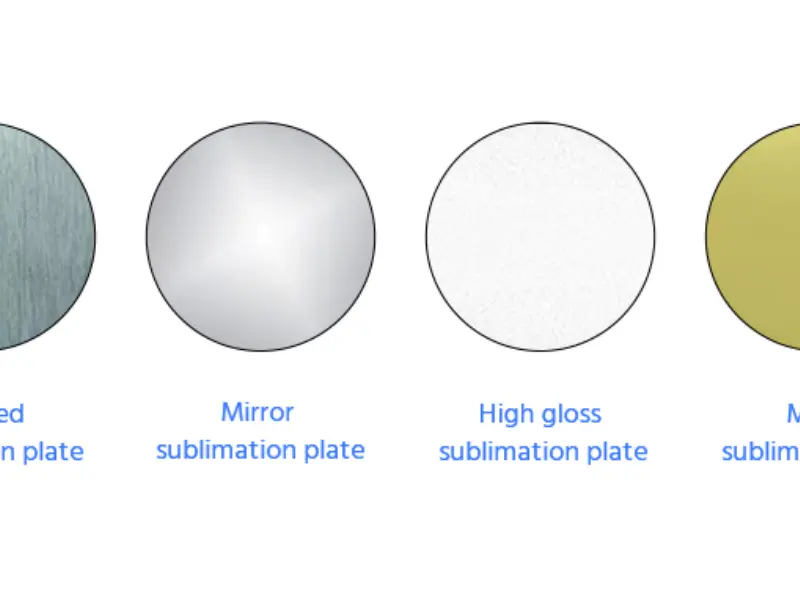
White Gloss, Matte, Brushed, and Metallic Finishes
The surface finish affects color appearance, texture, and the style of the final printed product. The right finish depends on whether the design focuses on photographs, bright colors, or a metallic look.
White Gloss Sublimation Aluminum
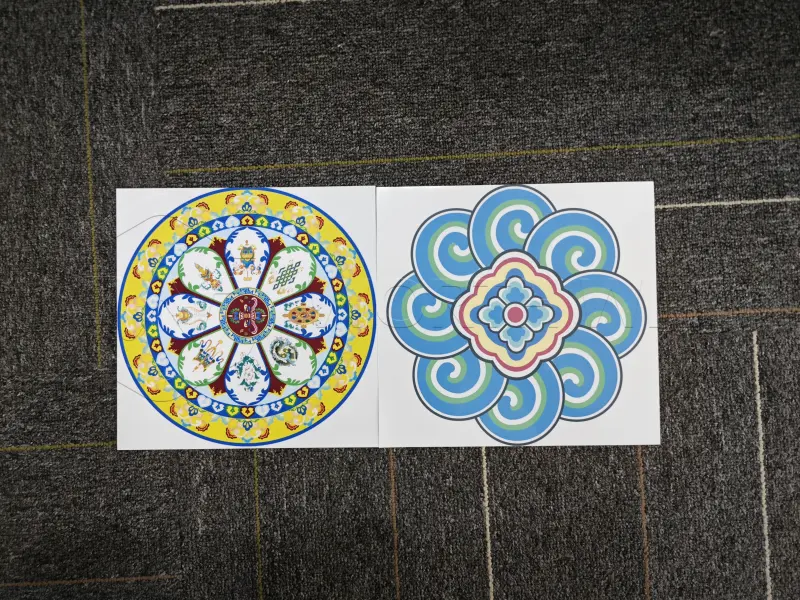
White gloss is often selected for photo printing because its bright background can help produce clear colors and strong contrast.
Typical applications include:
- Family photo panels
- Personalized gifts
- Promotional products
- Decorative ornaments
- Colorful logo plates
The gloss level and coating quality can vary between suppliers. Buyers should request a sample if color consistency and surface appearance are important.
White Matte Sublimation Aluminum
A matte finish provides a less reflective appearance. It may suit products where glare is undesirable or where a softer visual style is preferred.
Before ordering, confirm that the matte coating is specifically designed for sublimation. A standard matte paint finish may not provide the same image-transfer performance.
Brushed and Metallic-Look Round Blanks
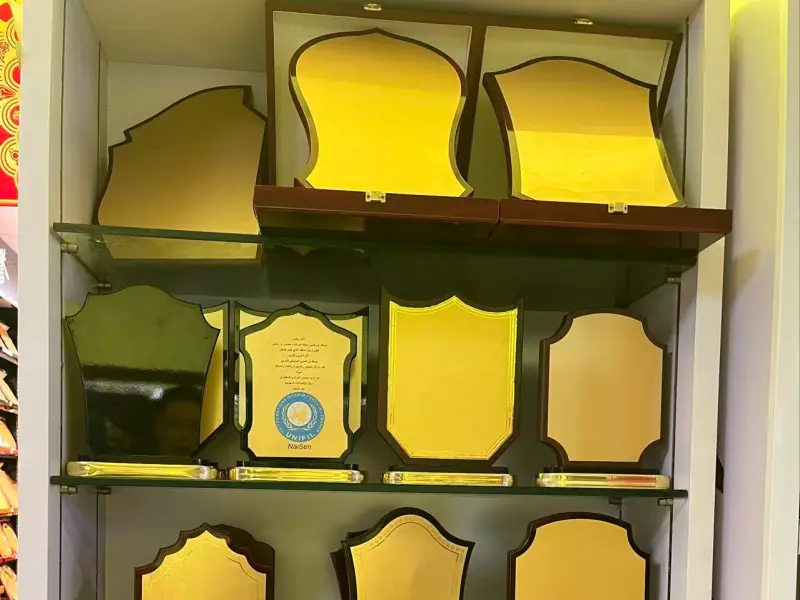
Brushed or metallic finishes can create a different visual effect from a white background. They may be used for decorative signs, gifts, and logo products.
The final color can appear different from a print on white-coated aluminum because the base finish influences the appearance of the image. Test printing is recommended for important color requirements.
Finish Comparison
| Finish | Visual Appearance | Suitable Applications |
|---|---|---|
| White gloss | Bright and reflective | Photo panels and colorful designs |
| White matte | Softer and less reflective | Gifts and decorative products |
| Brushed silver | Visible linear metal texture | Modern decorations and logo products |
| Gold metallic look | Warm metallic appearance | Premium-style gifts and ornaments |
| Other custom finishes | Depends on coating | Special OEM designs |
Availability depends on the coating system and production process. Confirm the printing method before choosing a finish.
Round Sublimation Aluminum vs. Other Materials
Aluminum is not the only material used for personalized products. The best choice depends on weight, appearance, processing needs, and the target market.
Round Aluminum vs. Acrylic
| Feature | Sublimation Aluminum | Acrylic |
|---|---|---|
| Appearance | Metal-based surface | Plastic-based surface |
| Weight | Often lightweight at small sizes | Depends on thickness |
| Image method | Uses a compatible sublimation coating | Usually requires a suitable printing or transfer system |
| Edge appearance | Metallic edge | Transparent or colored edge, depending on material |
| Common uses | Photo panels, metal gifts, ornaments | Signs, display pieces, decorative gifts |
Aluminum may be preferred when customers want a metal appearance. Acrylic may be better when transparency or a thicker visual profile is required.
Round Aluminum vs. MDF Blanks
| Feature | Aluminum | MDF |
|---|---|---|
| Base material | Metal | Engineered wood fiber |
| Surface | Requires a suitable sublimation coating | Requires a compatible sublimation surface |
| Edge | Metal edge | Wood-fiber edge |
| Moisture response | Depends on alloy and coating | Can be affected by moisture |
| Product style | Modern metal finish | Traditional flat decorative finish |
The correct choice depends on the product’s expected environment, design, and price target.
Round Aluminum vs. Ceramic
Ceramic sublimation products can create a solid, glossy appearance. Aluminum is often selected when a lightweight metal panel is preferred.
| Factor | Aluminum | Ceramic |
|---|---|---|
| Weight | Often lower for comparable thin panels | Usually heavier |
| Impact behavior | Can dent or bend | Can chip or break |
| Shape options | Circular blanks can be cut from sheet | Shape depends on ceramic manufacturing |
| Printing surface | Coated metal | Compatible coated ceramic surface |
| Handling | Generally easy to ship in bulk with suitable protection | Requires protection against breakage |
These materials have different strengths. Buyers should compare the complete product rather than selecting by material price alone.
Applications of Round Sublimation Aluminum
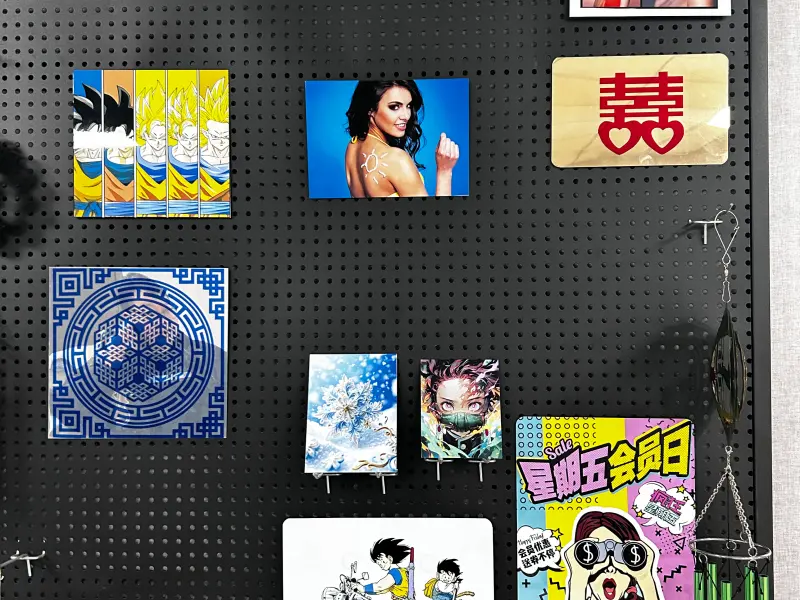
Round sublimation aluminum supports many personalization and decoration projects. Product design, coating, and thickness should match the actual use.
Photo Gifts and Personalized Products
- Family photo panels
- Couple and anniversary gifts
- Birthday gifts
- Pet photo keepsakes
- Personalized desk displays
- Memorial photo products
White gloss blanks are often suitable when the design contains detailed photographs and bright colors.
Promotional Products and Corporate Gifts
- Branded keychains
- Company logo ornaments
- Event souvenirs
- Customer appreciation gifts
- Trade show giveaways
- Custom award decorations
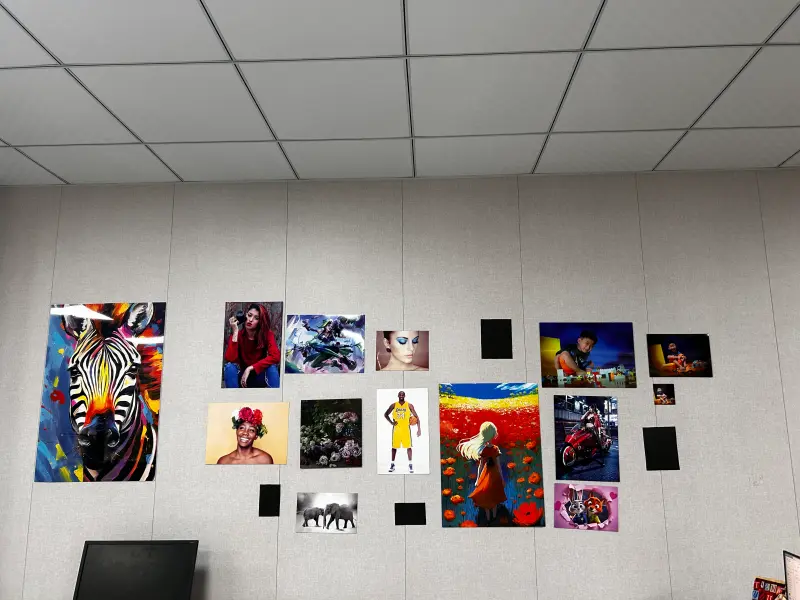
For bulk orders, consistent diameter, coating, and color transfer are important. Buyers may request a sample batch before full production.
Holiday and Seasonal Decorations
- Christmas ornaments
- Holiday gift tags
- Seasonal hanging decorations
- Commemorative event ornaments
- Personalized celebration gifts
These products may need a hanging hole, a decorative ribbon, or individual packaging. The hole location should be agreed upon before cutting.
Signage and Decorative Displays
- Small round logo signs
- Interior decorative panels
- Custom room decorations
- Desk name displays
- Decorative labels
- Art and photography displays
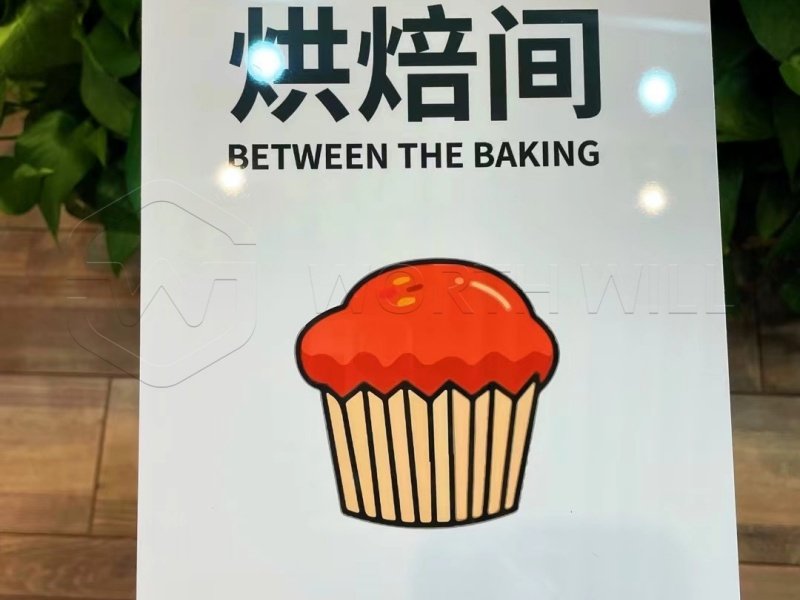
For products used outdoors, confirm the coating’s weather resistance and the suitability of the full construction. Standard sublimation coatings are not automatically suitable for long-term outdoor exposure.
Craft and DIY Products
- Handmade gifts
- Custom artwork
- Scrapbooking accessories
- Personalized craft decorations
- Small decorative plaques
- DIY photo projects
Craft buyers often need smaller quantities and mixed sizes. Wholesale suppliers can discuss mixed-size orders if their production and packing processes allow them.
How to Make Round Sublimation Aluminum Blanks
The manufacturing process affects the final shape, edge quality, coating performance, and print consistency.
Material Preparation

The manufacturer selects an aluminum alloy, temper, and thickness based on the product specification. The sheet should have suitable flatness and surface quality.
Circle Cutting and Edge Finishing
The aluminum sheet is cut into round blanks. Cutting methods may include stamping, punching, or other suitable processes.
After cutting, the edges may need deburring or finishing. Sharp edges can affect handling, packing, and the appearance of the finished product.
Cleaning and Sublimation Coating
The surface is prepared before coating. A compatible sublimation coating is then applied and cured under controlled conditions.
Coating quality matters because poor preparation or uneven coating can cause inconsistent color, weak transfer, or visible surface defects.
Inspection and Packing
Quality checks may include diameter, thickness, flatness, surface appearance, coating consistency, and edge condition.

v
Quality Factors Buyers Should Check
A low unit price is not the only measure of value. The quality of the blank can affect printing results, production speed, waste, and customer satisfaction.
| Quality Factor | What to Check | Why It Matters |
|---|---|---|
| Diameter | Actual size and tolerance | Helps products fit accessories and fixtures |
| Thickness | Consistency across the batch | Affects rigidity and handling |
| Flatness | Warping or bending | Supports even contact during pressing |
| Coating | Smoothness and uniformity | Affects image transfer |
| Surface cleanliness | Dust, oil, or scratches | Helps reduce visible defects |
| Edge quality | Burrs and sharp edges | Improves handling and appearance |
| Packing | Surface protection | Reduces scratches during shipment |
Test Before Bulk Production
For new designs, buyers should request samples and test them using their own printer, ink, transfer paper, and heat press.
Check the finished image for:
- Color accuracy
- Image sharpness
- Surface defects
- Uneven transfer
- Scratches or marks
- Product flatness after pressing
Use the supplier’s recommended transfer settings as a starting point, then adjust according to the coating and equipment instructions. Do not assume every coating uses the same temperature, time, and pressure.
Custom Round Sublimation Aluminum for Wholesale Buyers
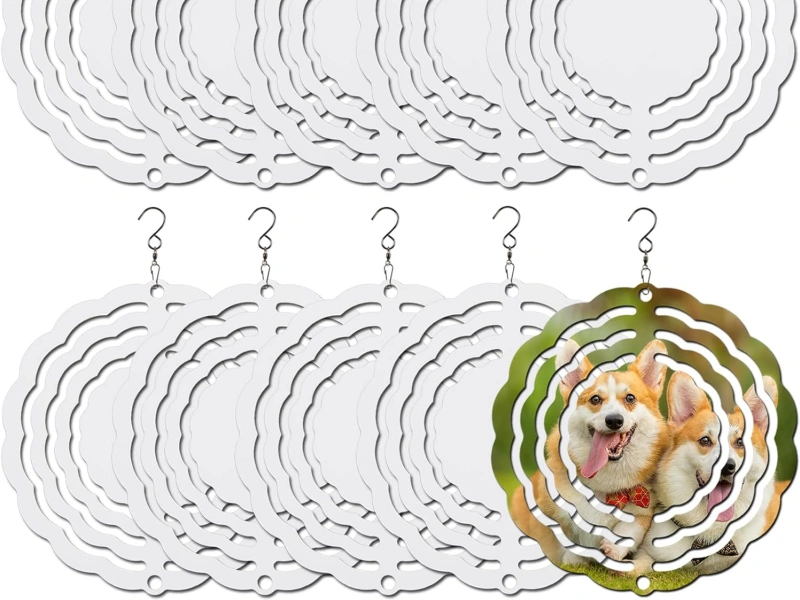
Custom production helps gift manufacturers and printing businesses create products for a specific market. Before requesting a quotation, prepare a clear specification.
| Specification | Example |
|---|---|
| Product | Round sublimation aluminum blank |
| Diameter | 100 mm |
| Thickness | 0.5 mm |
| Alloy | 1050 or another agreed grade |
| Temper | As confirmed for the selected alloy |
| Front finish | White gloss sublimation coating |
| Back finish | Plain aluminum or specified finish |
| Edge | Smooth, deburred edge |
| Hole | No hole or custom position |
| Printing | Single-sided or approved double-sided design |
| Packing | Individual sleeve or bulk protective packing |
This is an example specification, not a universal standard. The supplier should confirm whether the selected combination can be manufactured.
OEM and ODM Options
Depending on production capabilities, custom services may include:
- Non-standard diameters
- Special thicknesses
- Custom hole positions
- Different surface finishes
- Logo and artwork requirements
- Custom backing or accessories
- Individual retail packaging
- Private-label packaging
Provide drawings for products with precise hole positions or special shapes. A dimensioned drawing can reduce misunderstandings and shorten the sample approval process.
MOQ, Lead Time, and Shipping
Minimum order quantity and lead time depend on the size, alloy, coating, tooling, and level of customization.
Standard products may be easier to supply than new designs requiring special tooling or coating tests. Large orders may also require more time for inspection and packing.
When requesting a quotation, ask the supplier to confirm:
- Minimum order quantity
- Sample availability and sample cost
- Production lead time
- Packing method
- Shipping options
- Payment terms
- Available quality documents
- Sample approval procedure
A clear specification helps the supplier quote the correct product and reduces the risk of ordering unsuitable blanks.
What Affects the Price of Round Sublimation Aluminum?
The price depends on more than the diameter of the blank. Buyers should compare quotations using the same material and coating requirements.
Main Cost Factors

Aluminum alloy and thickness: Different grades and thicknesses affect raw material cost and product weight.
Diameter and cutting method: Larger blanks use more material. Special dimensions or tooling may increase production cost.
Coating type: White gloss, matte, and special metallic-look finishes may have different coating and processing costs.
Order quantity: Larger orders may reduce the unit cost when production can be arranged efficiently.
Additional processing: Holes, special edges, backing accessories, and custom packing can increase the final price.
Quality requirements: Tighter tolerances and additional inspection may affect the quotation.
To compare suppliers fairly, provide the same diameter, thickness, alloy, finish, quantity, and packing requirements to each supplier.
How to Choose a Reliable Round Sublimation Aluminum Supplier
A suitable supplier should understand both aluminum processing and sublimation coating requirements.
Look for a supplier that can explain the available alloys, thicknesses, coating options, and manufacturing tolerances. Ask for product samples, specification sheets, and clear information about quality inspection.
Before placing a large order, confirm these points:
- Can the supplier provide the required diameter and thickness?
- Is the coating designed for sublimation printing?
- Are the alloy and temper clearly specified?
- Can the supplier control flatness and edge quality?
- Are samples available for printing tests?
- Can the supplier provide consistent batches?
- Are export packing and shipping arrangements available?
- Can the supplier support custom sizes or repeat orders?
For long-term purchasing, repeatability is important. A supplier should be able to maintain agreed specifications from one order to the next.
Frequently Asked Questions About Round Sublimation Aluminum
What Is Round Sublimation Aluminum Used For?
It is used for personalized photo gifts, ornaments, keychains, promotional products, decorative nameplates, and custom display panels. The application depends on the size, coating, thickness, and product design.
What Is the Best Thickness for Round Sublimation Aluminum?
There is no single best thickness for every product. Small lightweight blanks may use thinner aluminum, while larger panels may need thicker material for better rigidity. Confirm the suitable thickness with the supplier and test the finished product.
Which Aluminum Alloy Is Suitable for Sublimation Blanks?
Alloys such as 1050, 1060, 1100, and 3003 may be considered for different products. The choice depends on formability, strength, flatness, cutting requirements, and cost. The sublimation coating must also be suitable for the intended printing process.
Can 5052 Aluminum Be Used for Round Sublimation Products?
It may be suitable for selected products that require greater strength. However, the exact temper, thickness, cutting process, and coating compatibility should be confirmed before production.
Are All Round Aluminum Discs Suitable for Sublimation?
No. Ordinary aluminum discs do not automatically have a sublimation-ready surface. A compatible coating is normally required for dye-sublimation transfer.
What Is the Difference Between White Gloss and Matte Blanks?
White gloss blanks have a shiny surface and are often selected for photo gifts and colorful images. Matte blanks have a less reflective appearance. Both need a coating designed for sublimation if they will be printed using this process.
Can Round Sublimation Aluminum Be Made in Custom Sizes?
Many suppliers can discuss custom diameters, thicknesses, hole positions, and packing options. Availability depends on tooling, material, coating, order quantity, and production capability.
Can Both Sides of a Round Aluminum Blank Be Printed?
Double-sided printing may be possible when both sides have a suitable sublimation coating and the product design supports the process. Confirm the construction before ordering.
How Can I Prevent Scratches on Sublimation Aluminum?
Keep blanks clean and dry, handle them with care, and use protective sleeves or separators where needed. Suitable packing helps prevent surface contact during storage and shipping.
How Do I Choose a Supplier for Wholesale Orders?
Compare suppliers using the same product specification. Check sample quality, coating performance, dimensional accuracy, packing, lead time, and communication. A printed sample is particularly useful before a large order.
What Information Should I Provide for a Quotation?
Provide the diameter, thickness, alloy, temper if specified, coating finish, quantity, back finish, hole requirements, packing method, and destination country. A drawing is useful for custom products.
Request a Quote for Round Sublimation Aluminum
If you are sourcing round sublimation aluminum for photo printing, promotional products, personalized gifts, or wholesale distribution, start with the finished product requirements.
Share your preferred diameter, thickness, alloy, coating, quantity, and packaging details. A supplier can then confirm material availability, suitable specifications, sample options, production time, and pricing.
A clear product specification is the first step toward consistent printing results and reliable bulk supply.