
In 2026, dye sublimation aluminum printing has become the gold standard for high-definition, durable metal art. If you have ever wondered how a digital photo can be turned into a piece of glossy, scratch-resistant metal signage, the answer lies in a fascinating chemical process.
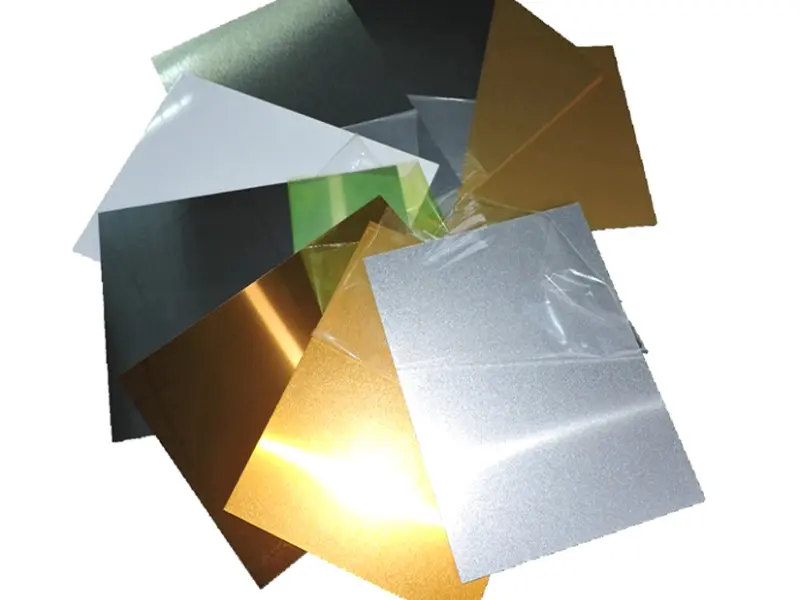
What is the Dye Sublimation Process?
At its core, “sublimation” is a scientific term for a substance changing from a solid state directly into a gas state without becoming a liquid first. When we apply this to dye sublimation aluminum, we are literally infusing gaseous ink into the surface of a metal sheet.
Unlike UV printing or screen printing, where the ink sits on top of the material, dye sublimation aluminum results in the image becoming part of the metal’s protective coating.
The Step-by-Step Process Flow
To achieve a professional result with dye sublimation aluminum, you must follow a precise workflow. Here is the standard procedure used by professionals:
- Image Creation: Use high-resolution software (like Photoshop) to create your design. Since you will be pressing the design face-down, you must “mirror” or flip the image horizontally before printing.
- Printing the Transfer: Print your mirrored design onto specialized sublimation transfer paper using high-quality sublimation inks.
- Preparation: Take your dye sublimation aluminum sheet and peel off the protective plastic film. Ensure the surface is free of dust or fingerprints.
- Alignment: Place the printed paper face-down on the coated side of the aluminum. Use heat-resistant tape to secure the paper so it does not shift during the press.
- Heat Pressing: Place the aluminum sheet into a heat press machine. The paper should be on top of the metal.
- The Sublimation Phase: Under high heat and pressure, the ink turns into gas and penetrates the polyester coating of the aluminum.
- Cooling: Once the timer is up, remove the metal carefully (it will be very hot). Peel the paper off immediately to reveal the vibrant, finished image.
Technical Parameters for Dye Sublimation Aluminum
The secret to a perfect print is the balance between temperature, time, and pressure. If the temperature is too low, the colors will look dull. If the time is too long, the image may look “burnt” or blurry.
Below are the professional settings for dye sublimation aluminum in 2026:
| Parameter | Recommended Value | Why it Matters |
|---|---|---|
| Temperature (Celsius) | 190∘C−205∘C | Opens the pores of the polyester coating. |
| Temperature (Fahrenheit) | 375∘F−400∘F | Required for the ink to turn into gas. |
| Dwell Time | 60−90 seconds | Allows enough time for the gas to saturate the coating. |
| Pressure | 40−60psi (Medium/Heavy) | Ensures even contact and prevents “ghosting.” |
| Cooling Method | Air cool or Heat Sink | Prevents the image from continuing to sublimate. |
Note: Thicker aluminum sheets (1.1mm) may require up to 120 seconds of press time.
Why Dye Sublimation Aluminum is Unique
The reason dye sublimation aluminum is so durable is due to the “Molecular Bond.” When the metal cools, the pores of the polyester coating close tightly, trapping the ink inside.
Key Benefits of the Technology:
- Scratch Resistance: Since the ink is inside the coating, you cannot scratch the image off with your fingernail.
- HD Clarity: The smooth surface of the dye sublimation aluminum allows for incredible detail and deep blacks.
- Vibrant Colors: Sublimation inks are semi-transparent, allowing light to bounce off the aluminum and back through the ink, creating a “glow” effect.
- Waterproof: The finished product can be cleaned with water or glass cleaner without fading.
Common Applications of Dye Sublimation Aluminum
Because of its durability and beauty, dye sublimation aluminum is used across many industries in 2026.
- Photography & Fine Art:
- Large-scale landscape prints for galleries.
- Wedding and portrait photography.
- High-gloss wall panels for modern homes.
- Commercial Signage:
- Wayfinding signs for hospitals and hotels.
- Restaurant menus and wall decor.
- Architectural signage for modern buildings.
- Awards and Recognition:
- Employee of the month plaques.
- Sporting event trophies and certificates.
- Commemorative historical markers.
- Branding & Merchandising:
- Customized laptop skins and phone cases.
- High-end business cards and name tags.
- Luxury logo plates for furniture.
Essential Equipment for Success
If you are starting a business in dye sublimation aluminum, you will need the following tools:
- Sublimation Printer: A printer designed to handle sublimation ink (Piezoelectric print heads are best).
- Sublimation Ink: Specialized dyes that react to heat.
- High-Release Transfer Paper: This paper ensures that 95% or more of the ink moves onto the dye sublimation aluminum.
- Flatbed Heat Press: A high-quality press with an even heating element is vital.
- Heat Resistant Tape: To keep your design from moving (preventing “ghosting” or double images).
Expert Tips for Perfect Results
To get the most out of your dye sublimation aluminum sheets, keep these three tips in mind:
1. Watch Out for Moisture
If your transfer paper is damp, it can cause “steam pits” or uneven spots on the metal. Store your paper in a dry, cool place. You can even pre-press your paper for 2−3 seconds to remove moisture before placing it on the aluminum.
2. Check for the Protective Film
Almost every dye sublimation aluminum sheet comes with a clear or blue protective film. It is often so thin that people forget to remove it. If you press with the film on, you will ruin the sheet and your heat press.
3. Use a “Blowout” Sheet
Always place a piece of plain butcher paper or parchment paper above and below your dye sublimation aluminum sandwich. This prevents any stray ink from staining your heat press platens.
Frequently Asked Questions
Can I use a regular printer for dye sublimation aluminum?
No. You must use a printer that is compatible with sublimation ink. Regular inkjet ink will not bond with the aluminum coating.
Why does my image look blurry?
Blurry images are usually caused by “ghosting.” This happens if the paper moves slightly while the ink is still in a gas state. Use heat-resistant tape to secure the paper to the dye sublimation aluminum sheet.
How long will a print last?
Indoors, a dye sublimation aluminum print can last for over 50 years without significant fading. For outdoor use, you must use sheets with a specialized UV-resistant coating.
How Does Dye Sublimation Work on Aluminum Sheets?
Understanding how dye sublimation aluminum works is the first step toward creating world-class prints. By mastering the relationship between temperature (200∘C) and time (60−90 seconds), you can produce metal art that is as durable as it is beautiful.
As we move through 2026, the demand for high-quality, long-lasting metal prints continues to rise. Whether you are a professional photographer or a signage business owner, investing in dye sublimation aluminum technology is a powerful way to elevate your brand.
Leave a Reply
You must be logged in to post a comment.