
The modern printing industry has been transformed by technology. One of the most lucrative sectors today is the business of aluminium sublimation sheets. These specially coated metal plates allow for high-definition, durable, and vibrant color printing that traditional paper or plastic cannot match.
If you are looking to enter the sublimation aluminum market or expand your existing printing shop, understanding the technical details and diverse product types is essential.
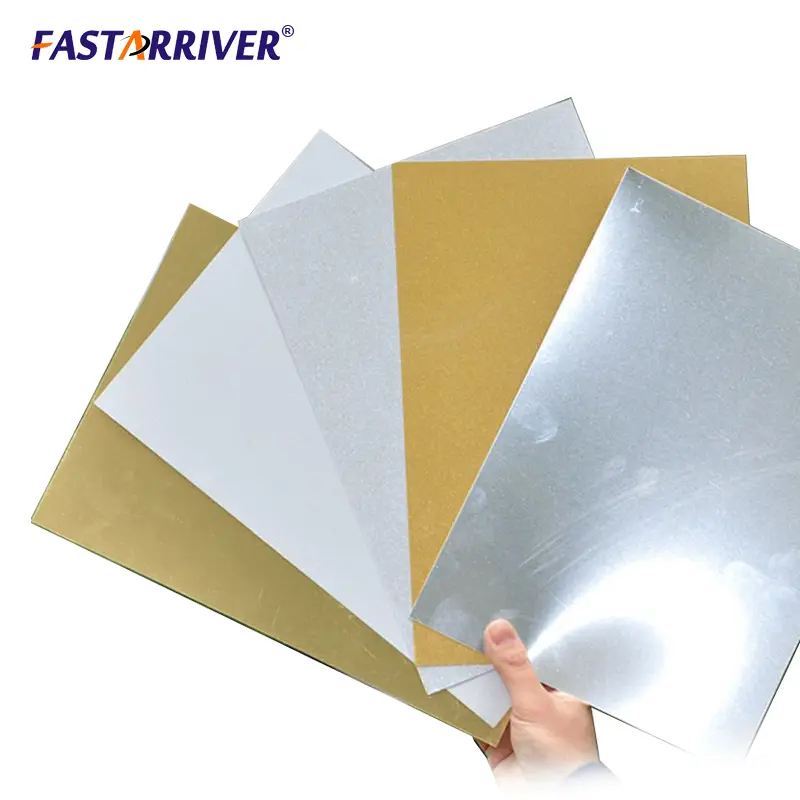
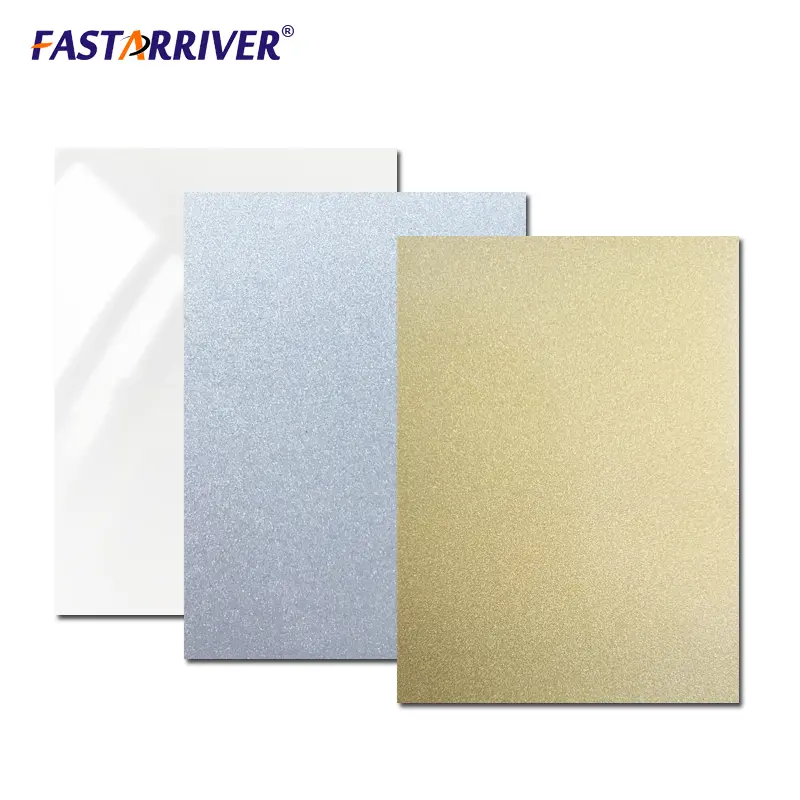
What are Aluminium Sublimation Sheets?
An aluminium sublimation sheet is a high-quality aluminum plate that has been treated with a special polyester or polymer coating. This coating is the “magic” layer. When heat and pressure are applied, sublimation ink turns into a gas and bonds directly into this layer.
The result is a permanent, high-resolution image that will not crack, peel, or wash away. This makes the business of aluminium sublimation sheets highly attractive for photography, signage, and interior design industries.
Why the Business of Aluminium Sublimation Sheets is Growing
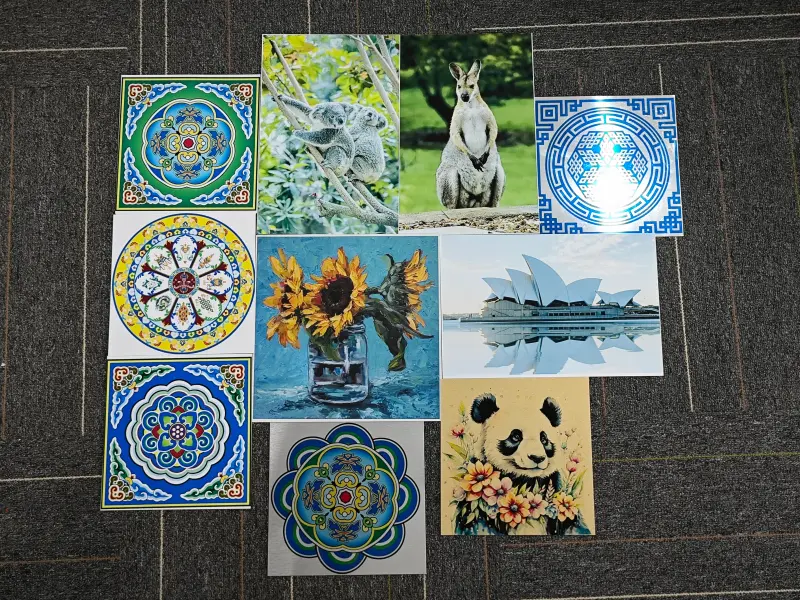
The demand for personalized and long-lasting products is at an all-time high. Here is why this business is booming:
- Durability: Unlike posters or canvas, metal prints are waterproof, fire-resistant, and scratch-resistant.
- High Profit Margins: The raw cost of a sublimation aluminum blank is relatively low compared to the high retail price of a finished “Metal Photo Print.”
- Versatility: You can create anything from small ID tags to massive 4×8 aluminium sublimation wall art.
- Eco-Friendly: Aluminum is 100% recyclable, appealing to environmentally conscious consumers.
Technical Specifications and Types
In the business of aluminium sublimation sheets, variety is key. Different customers require different finishes and thicknesses. Below are the common digital specifications used in the industry.
1. Classification by Surface Finish
| Surface Type | Appearance | Best Use Case |
|---|---|---|
| White Gloss | Brilliant, shiny white | High-definition photography, wedding portraits |
| White Matte | Soft, non-reflective white | Interior signage, menus, certificates |
| Silver Brushed | Metallic texture with “grain” | High-end awards, industrial plaques, tech branding |
| Silver Gloss | Metallic mirror-like finish | Modern art, automotive posters |
| Gold / Bronze | Luxury metallic tint | Commemorative plates, luxury gift boxes |
| Pearl Finish | Subtle sparkle/shimmer | Artistic prints, fashion photography |
2. Common Dimensions and Sizes
While many businesses use small sheets for DIY projects, industrial suppliers often deal with larger formats.
| Size Name | Dimensions (inches) | Dimensions (mm) | Common Application |
|---|---|---|---|
| Small Blanks | 4″×6″ | 101.6×152.4 mm | Postcards, small desk photos |
| Medium Panels | 12″×18″ | 304.8×457.2 mm | Wall decor, office signs |
| Large Format | 24″×36″ | 609.6×914.4 mm | Professional gallery prints |
| Full Industrial | 4×8 feet | 1,219×2,438 mm | Building facades, large billboards |
3. Standard Thicknesses
The thickness of the sheet affects its weight and how it feels to the customer.
- 0.45 mm (0.018″): The industry standard for small signs and nameplates.
- 0.5 mm (0.020″): Used for premium business cards and plaques.
- 0.7 mm (0.027″): Preferred for larger wall art to prevent bending.
- 1.1 mm (0.045″): Heavy-duty structural sublimation panels.
Key Applications of Sublimation Aluminum
The business of aluminium sublimation sheets serves multiple niche markets. Here is where these products are most commonly used:
- Professional Photography: High-end photographers sell “Metal Prints” as a premium alternative to traditional framed paper.
- Corporate Branding: Logo signs, employee recognition awards, and durable office maps.
- Home Decor: Personalized kitchen backsplashes, custom clocks, and outdoor garden art.
- Industrial Labeling: Machine instruction plates that must withstand heat and chemicals.
- Memorials: Outdoor grave markers or “In Loving Memory” plaques that do not rust.
How to Choose the Right Sublimation Coating
Not all coatings are equal. If you are starting a business of aluminium sublimation sheets, you must understand the two main grades:
- Indoor Grade: Optimized for maximum color vibrancy and deep blacks. However, it may fade if exposed to direct sunlight for long periods.
- Outdoor/UV Resistant Grade: Contains special UV inhibitors in the coating. These sheets can last 3 to 10 years outdoors without significant fading.
Step-by-Step: The Business Workflow
To succeed in the sublimation aluminum industry, you need a streamlined process:
- Sourcing: Buy wholesale sublimation blanks from a reliable manufacturer to ensure consistent coating quality.
- Design: Create high-resolution (300 DPI) graphics using professional software.
- Printing: Use a dedicated sublimation printer with high-quality inks.
- Heat Pressing: Place the print face down on the aluminum sheet. Typically, you press at 385−400°F (195−205°C) for 60−90 seconds.
- Cooling & Finishing: Allow the metal to cool completely. You can then add mounting hardware or frames.
Marketing Your Sublimation Business
To get your website noticed by Google and attract customers, focus on these keywords and strategies:
- Target Local Businesses: Use terms like “Custom metal signs in [Your City].”
- Niche Down: Focus on a specific area, such as “Sublimation aluminum for wedding photographers.”
- Quality First: Highlight that your sheets are scratch-resistant and offer “HD Resolution.”
- Samples: Offer small sample packs to show the difference between Gloss White and Silver Brushed finishes.
Investment and Profitability Analysis
The initial setup for a business of aluminium sublimation sheets is relatively affordable.
- Printer & Ink: US$500−US$5,000 (depending on size).
- Flat Heat Press: US$300−US$2,000.
- Aluminium Sheets: Bulk buying reduces cost per sheet significantly.
Example Profit:
- Cost of a 12″×18″ blank: ~US$5.00.
- Cost of ink/paper/labor: ~US$2.00.
- Selling price for finished art: US$45.00−US$65.00.
- Net Profit: Over US$38.00 per unit.
Frequently Asked Questions (FAQ)
1. Can I sublimate on regular aluminum?
No. Regular aluminum does not have the polymer pores required to trap the gas ink. You must use a pre-coated aluminium sublimation sheet.
2. What side do I print on?
Usually, the sublimation side is protected by a thin blue or clear plastic film. You must peel this film off before pressing.
3. How do I clean finished metal prints?
Use a soft microfiber cloth and standard glass cleaner. The ink is embedded in the coating, so it won’t rub off.
4. Is the 4×8 size available for sublimation?
Yes, but you will need a large-format flatbed heat press or a vacuum heat press to handle a 4×8 foot sheet.
business of aluminium sublimation sheets for sale
The business of aluminium sublimation sheets is a high-growth industry that combines technology with creativity. By offering various finishes—from White Gloss to Silver Brushed—and catering different thicknesses, you can capture a wide range of customers.
Whether you are producing small nameplates or giant 4×8 aluminium wall panels, the key to success lies in high-quality coatings and precise heat-press techniques. Start your journey in the world of metal printing today and capitalize on the growing demand for durable, beautiful imagery.
Leave a Reply
You must be logged in to post a comment.