
If you are new to the world of DIY printing, you might notice something common: almost every product looks bright white. This leads many beginners to ask: Are all sublimation blanks white?
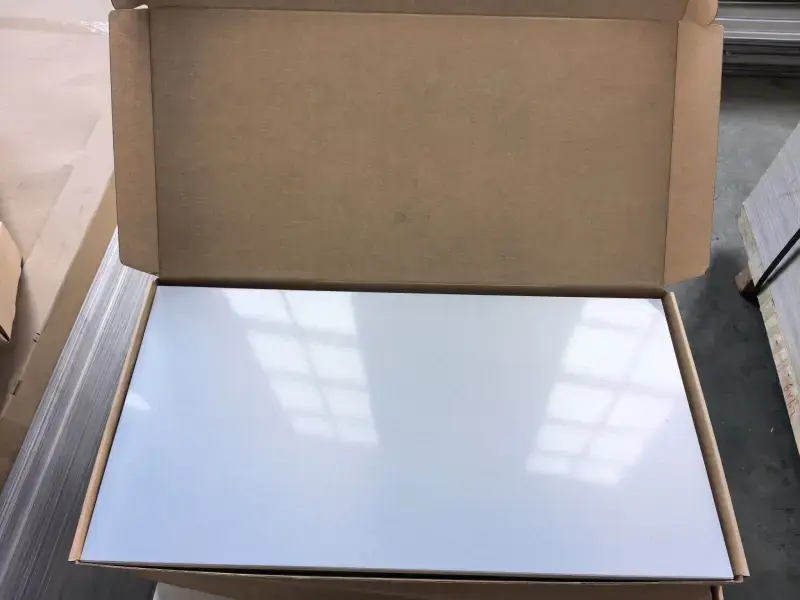
Is Sublimation Only for White Shirts?
One of the most frequent questions is: Is sublimation only for white shirts? Technically, no, but white is the only color that gives you “perfect” results.
Sublimation ink is transparent. Think of it like a watercolor painting. If you paint yellow on a white piece of paper, it looks yellow. If you paint yellow on a blue piece of paper, it turns green.
Why white is preferred:
- Color Accuracy: White provides a neutral base so your design colors look exactly like they do on your screen.
- Brightness: The colors pop and look vibrant against a white background.
- No Ink Mixing: Since the ink is see-through, a white sublimate background ensures the shirt color doesn’t “eat” your design.
You can sublimate on light gray, cream, or very pale pastels, but the colors of your design will shift slightly. Sublimation does not work on black or dark-colored shirts because the ink is too light to be seen against the dark fabric.
What is the Meaning of White Sublimate?
In the industry, the term white sublimate or “sublimation white” refers to the specific base color of the product designed to receive the ink.
Because sublimation printers do not print “white” ink, any white area in your digital design is actually just the “empty” space where the white of the blank shows through. If you tried to sublimate a photo of a person on a green shirt, their teeth and the whites of their eyes would appear green! This is why a high-quality white base is essential for photographic results.
What Makes a Sublimation Blank?
You cannot just grab any coffee mug from a grocery store and try to sublimate on it. So, what makes a sublimation blank different from a regular item?
A sublimation blank is an item that is either made of polyester or coated with a special polymer resin. The sublimation process involves a chemical reaction where ink turns into a gas and bonds with polyester molecules.
Key Requirements:
- Polyester Content: For fabrics, you need at least 65% polyester. 100% polyester is best.
- Poly-Coating: For hard items like wood, metal, or ceramic, a white coating for sublimation must be applied during manufacturing.
- Heat Resistance: The item must be able to withstand temperatures of approximately 350∘F to 400∘F (175∘C to 200∘C).
What is the White Coating for Sublimation?
The white coating for sublimation is a special liquid polyester resin. When a factory makes a “sublimation mug,” they dip or spray the ceramic with this clear or white coating and then bake it until it is hard.
This coating acts like a “gatekeeper.” When you apply heat, the pores of this coating open up to catch the ink gas. Once it cools down, the pores close, locking the color inside the surface forever. Without this coating, the ink would simply wipe off the mug.
Types of Sublimation Blanks and Specifications
Below is a breakdown of common blanks. While most are white, some come in “silver” or “gold” (mostly metals), but white remains the most popular for high-detail photos.
Table 1: Common Sublimation Blank Categories
| Category | Typical Material | Standard Color | Common Sizes |
|---|---|---|---|
| Apparel | 100% Polyester | Bright White | S, M, L, XL, XXL |
| Drinkware | Ceramic / Stainless Steel | White / Silver | 11oz, 15oz, 20oz, 30oz |
| Home Decor | Polyester Linen / MDF | Off-White / White | 18×18 (Pillows), 8×10 (Frames) |
| Signage | Aluminum | White Gloss / Silver | A4, 5×7 inches, 12×18 inches |
| Accessories | Neoprene / Plastic | White | Mousepads, Phone Cases |
Digital Specifications for Sublimation
When working with a sublimation blank, you must use the correct “recipe” of time and temperature. If the temperature is too low, the ink won’t transfer. If it is too high, you might burn the white coating for sublimation.
Table 2: Digital Pressing Guidelines
| Item Type | Temperature (∘F) | Time (Seconds) | Pressure |
|---|---|---|---|
| Polyester T-Shirt | 385−400∘F | 45−60 | Medium |
| Ceramic Mug | 375−400∘F | 180−240 | Medium/Firm |
| Aluminum Sheet | 385∘F | 40−60 | Light/Medium |
| Mousepads | 400∘F | 45 | Medium |
| Glass Blanks | 365∘F | 120 | Medium |
Application Areas for Sublimation
Sublimation is used in many industries because the print is permanent and does not crack or peel. Here are the primary fields where sublimation blanks are used:
- Personalized Gifting: Custom mugs, photo slates, and keychains for birthdays or weddings.
- Sports Apparel: “All-over print” jerseys and moisture-wicking shirts for athletes.
- Corporate Branding: Logo-printed mousepads, name tags, and award plaques.
- Interior Design: Custom-printed throw pillows, blankets, and metal wall art.
- Promotional Products: Branded water bottles and tote bags for events.
Do You Always Need White?
Are all sublimation blanks white? While not every single blank in the world is white, white is the most versatile. If you want to print a photo of a person, a landscape, or a logo with specific colors, a sublimation blank in white is a requirement.
If you use a silver or gold metal blank, your design will have a metallic “sheen” through it. If you use a light gray shirt, your colors will look slightly darker and muted.
Final Pro-Tip
Always check the polyester count before buying. A shirt might look like a sublimation blank, but if it is 100% cotton, the white sublimate effect will wash away the first time you do laundry!
Whether you are looking for the perfect white coating for sublimation on a ceramic tile or trying to find out if sublimation is only for white shirts, remember that the magic happens in the chemistry between the ink and the polyester. Stick to high-quality white blanks for the best professional results.
Leave a Reply
You must be logged in to post a comment.