
1060 Aluminum Sublimation Sheet for Bright Prints and Long-Lasting Metal Products
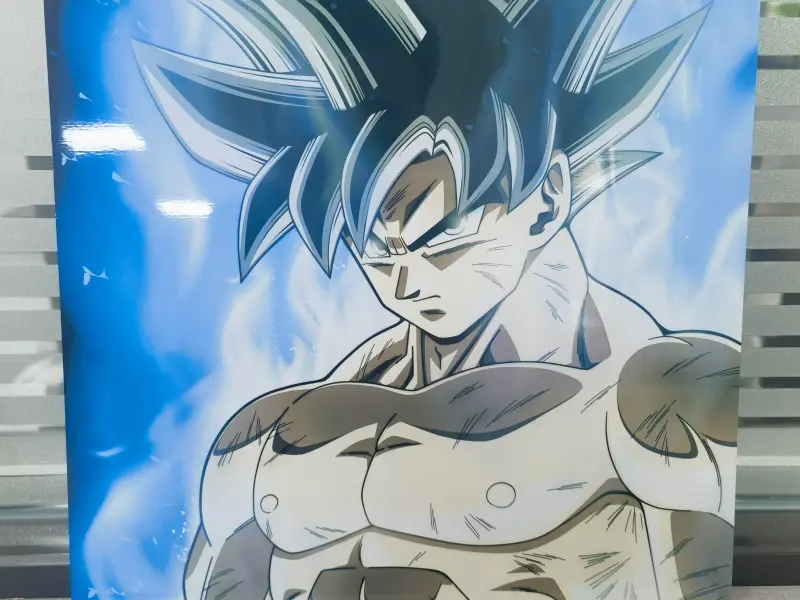
1060 Aluminum Sublimation Sheet Printing on metal gives photos and designs a bold, clear look. A 1060 aluminum sublimation sheet is one of the most popular choices for this job. It is a pure aluminum base with a special coating that holds sublimation ink. After pressing, the image becomes part of the surface. It does not sit on top like a sticker.
Why 1060 Aluminum Works Well for Sublimation
Aluminum is light, strong for its weight, and easy to cut. The 1060 grade is nearly pure aluminum. It has a high aluminum content, so the surface is smooth and even. That smooth surface helps the coating take ink evenly.
Pure Aluminum Gives a Clean Surface
Good prints start with a good base. The 1060 alloy has very few other metals mixed in. This means fewer spots and less surface change during production. The coated surface looks uniform from edge to edge.
Easy to Cut, Bend, and Finish
1060 is soft compared with harder alloys. You can cut it with basic shears or a metal saw. You can also bend it gently for curved displays. Edges can be smoothed with a file or a light deburring tool.
Add a descriptive title for the column.
Heat Transfer Keeps Colors Sharp
Aluminum moves heat well. When you press a sublimation design, the heat spreads quickly across the sheet. The dye turns to gas and bonds with the coating. Colors come out bright, and skin tones and fine lines look natural.
Alloy and Temper Details
Two terms matter most when you buy aluminum for sublimation. The first is the alloy, which is the metal mix. The second is the temper, which describes how the metal was worked or heat treated. Both affect how the sheet cuts, bends, and looks after printing.
Basic Alloy Makeup
The table below shows the typical composition of 1060 aluminum. Exact numbers vary by supplier, but the pattern stays the same.
| Element | Typical Content | What It Does |
|---|---|---|
| Aluminum (Al) | 99.6% minimum | Gives high purity and a smooth surface |
| Iron (Fe) | Up to 0.35% | Adds small strength, kept low for softness |
| Silicon (Si) | Up to 0.25% | Works with iron, kept low for good finish |
| Copper (Cu) | Up to 0.05% | Keeps corrosion resistance high |
| Magnesium (Mg) | Up to 0.03% | Trace element, very low |
| Zinc (Zn) | Up to 0.05% | Trace element, very low |
Common Tempers for Sublimation Sheets
Temper codes start with a letter and a number. The letter H means strain hardened. The letter O means fully annealed, which makes the metal softest. Most sublimation sheets use H12, H14, or O temper.
| Temper | Hardness Level | Bending Ability | Best Use |
|---|---|---|---|
| O | Softest | Excellent | Deep curves and forming |
| H12 | Light hardness | Very good | General flat printing |
| H14 | Medium hardness | Good | Photo panels and signs |
| H16 | Harder | Moderate | Rigid displays |
| H18 | Hardest in this group | Limited | Thin, stiff frames |
For most print shops, H14 is a strong all-round pick. It stays flat, holds its shape, and still cuts cleanly.
Product Types You Can Offer Your Customers
Many buyers do not know how many forms this material can take. A supplier who offers several types can serve more markets. Below are the main product types, with a small table for each.
Flat Sublimation Aluminum Sheets
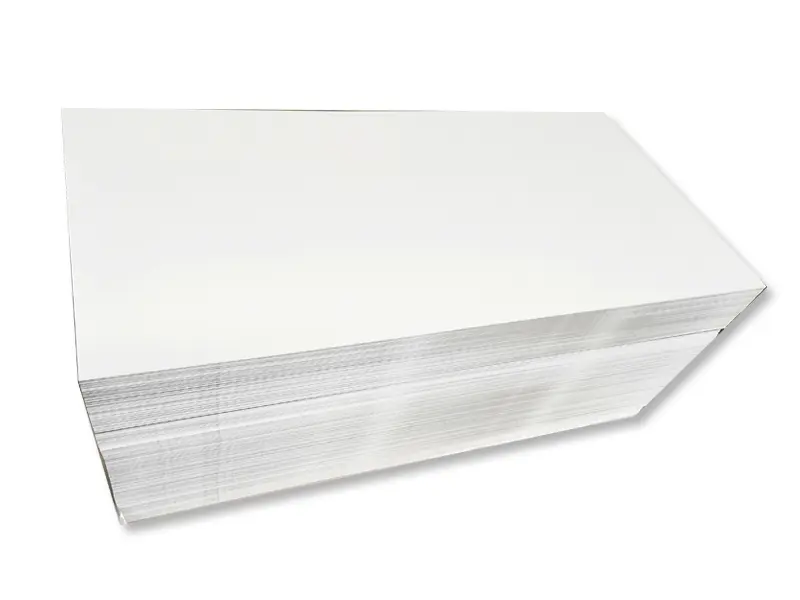
Flat sheets are the basic product. They come in standard sizes and are easy to store and ship. Print shops use them for photo panels, desk signs, and custom art. They work well for buyers who cut their own sizes.
| Size (inches) | Size (cm) | Typical Thickness | Common Use |
|---|---|---|---|
| 8 x 10 | 20 x 25 | 0.8 mm | Small photo prints |
| 8 x 12 | 20 x 30 | 0.8 mm | Desk plaques |
| 12 x 16 | 30 x 40 | 1.0 mm | Wall photos |
| 12 x 24 | 30 x 60 | 1.0 mm | Long signs |
| 24 x 36 | 60 x 90 | 1.2 mm | Large wall art |
Coated Sheets with a White Surface
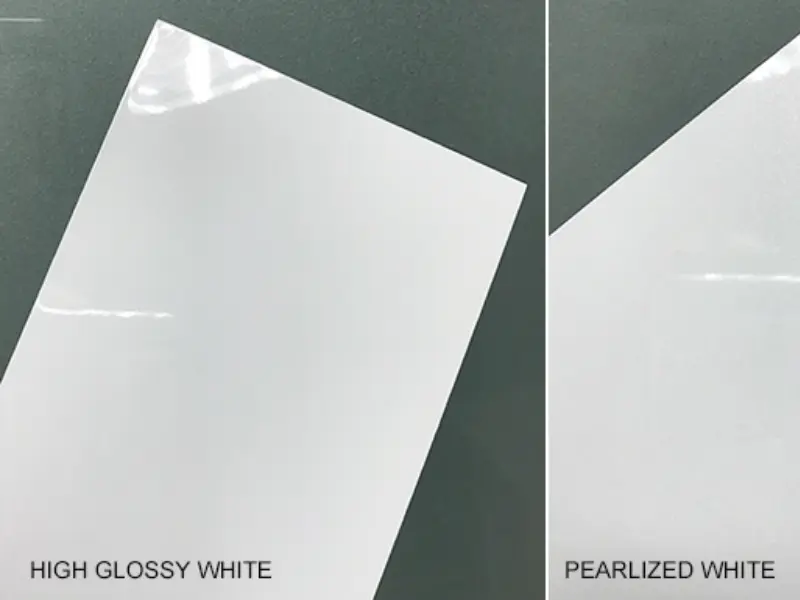
Most sublimation sheets have a white polymer coating on one side. The coating catches the dye and gives bright colors. Some suppliers offer a double-coated option, which gives a better print on both sides. These are useful for two-sided signs or hanging displays.
| Coating Type | Print Look | Color Brightness | Durability |
|---|---|---|---|
| Single-side white | Clean and bright | High | Good |
| Double-side white | Clean on both faces | High | Good |
| Premium HD coating | Very sharp detail | Very high | Very good |
Pre-Cut Photo Panels
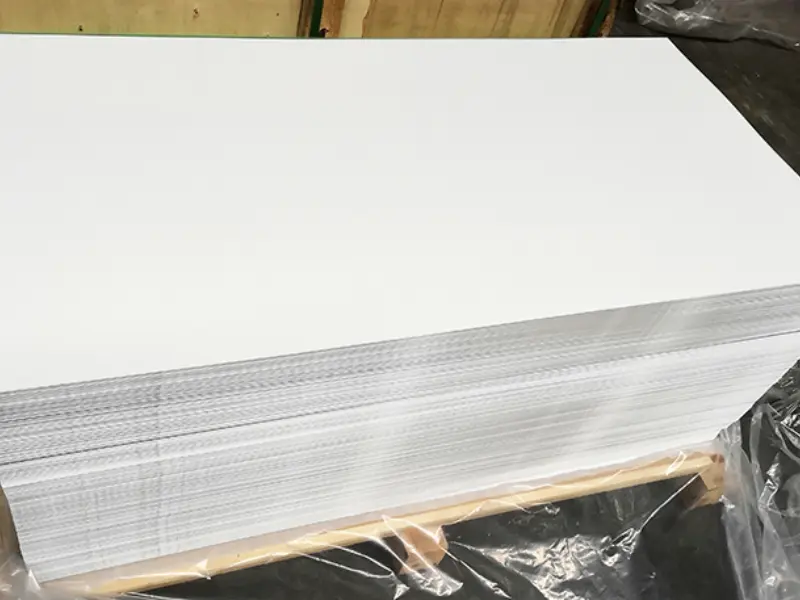
Pre-cut panels save time for shops that print in volume. The sheets arrive cut to common photo sizes. Operators feed them straight into the press. This type suits gift shops, wedding print studios, and event vendors who need fast turnaround.
| Panel Size | Shape | Hole Option | Finish |
|---|---|---|---|
| 4 x 6 inches | Rectangle | Hanging hole optional | Glossy or matte |
| 5 x 7 inches | Rectangle | Hanging hole optional | Glossy or matte |
| 8 x 10 inches | Rectangle | Hanging hole optional | Glossy or matte |
| 6 inch round | Circle | Hanging hole optional | Glossy |
| 8 inch heart | Heart shape | Hanging hole optional | Glossy |
Curved and Formed Aluminum Panels
Curved panels work well for bottles, cylinders, and decorative pieces. The softer O or H12 temper bends more easily. Operators should bend the metal before printing when possible. Bending after printing can crack the coating in some cases.
| Shape | Recommended Temper | Thickness | Typical Product |
|---|---|---|---|
| Gentle curve | H12 | 0.5 mm to 0.8 mm | Ornaments |
| Medium curve | O or H12 | 0.8 mm | Decorative tiles |
| Tight curve | O | 0.5 mm | Small cylinder labels |
Glossy, Matte, and Satin Finish Sheets

Finish changes how light hits the print. Glossy sheets make colors look rich and deep. Matte sheets cut glare and feel softer to the touch. Satin sits between the two. Offering all three helps you match the look a customer wants.
| Finish | Shine Level | Glare | Best For |
|---|---|---|---|
| Glossy | High | Some glare | Photos and bright art |
| Satin | Medium | Low glare | Office and home décor |
| Matte | Low | Very low glare | Signs and text-heavy designs |
Custom Size, Gauge, and Roll Options
Some buyers need sizes that are not standard. Custom cutting makes sense for large orders. Roll or coil forms suit companies that use automated feeders or cut in-house. Ask your supplier about minimum order size and cutting tolerance before you buy.
| Option | Typical Range | Good For |
|---|---|---|
| Custom cut sheets | Any size within material limits | Specialty shops |
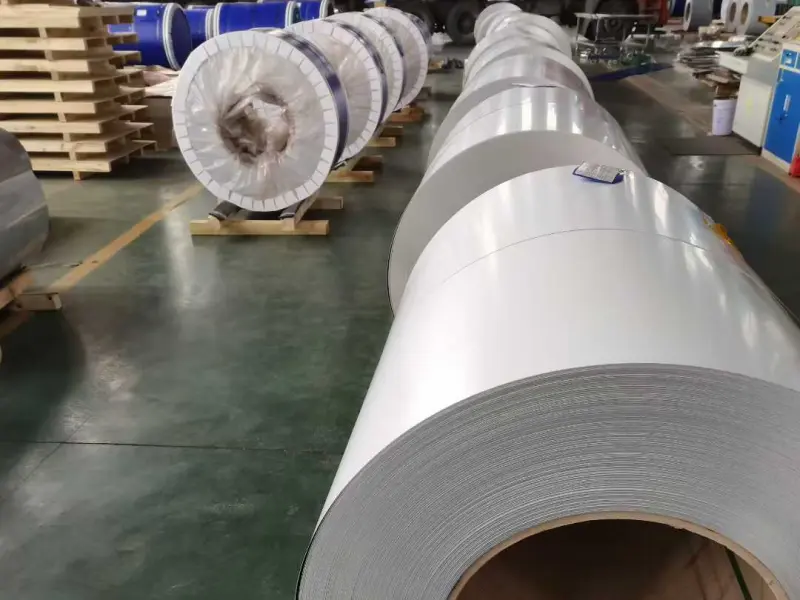
| Coil or roll | Set width and length | Large factories |
| Thin gauge | 0.3 mm to 0.5 mm | Small tags and labels |
| Thick gauge | 1.5 mm to 2.0 mm | Sturdy signs |
Thickness Guide for Different Projects
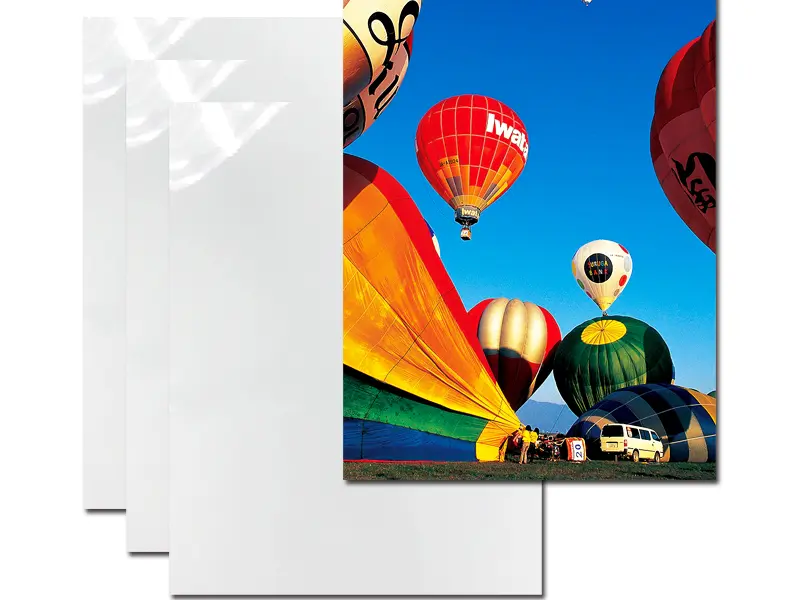
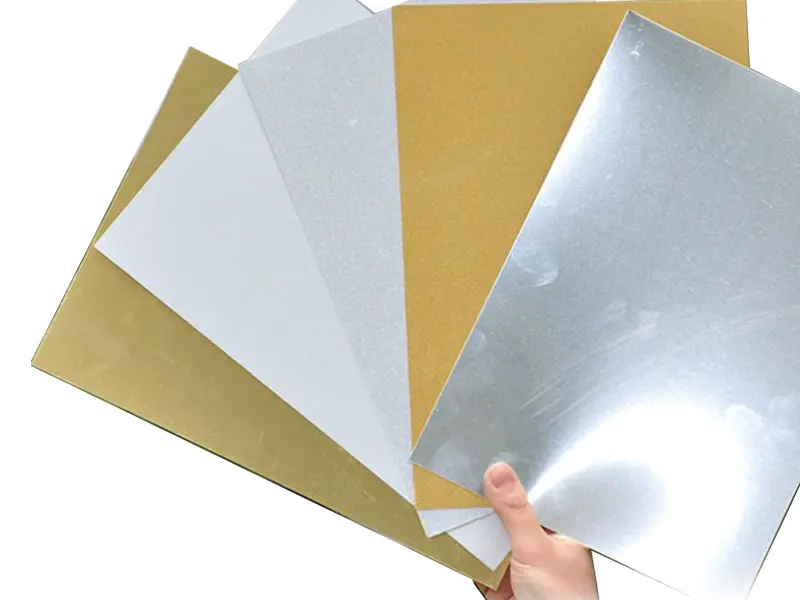
Thickness affects weight, stiffness, and cost. Thin sheets are cheaper and easy to bend. Thick sheets feel solid and resist warping. Use the table below to pick the right gauge.
| Thickness (mm) | Thickness (inch) | Feel | Common Projects |
|---|---|---|---|
| 0.3 | About 0.012 | Very thin | Tags, keychains |
| 0.5 | About 0.020 | Thin and flexible | Ornaments, curved labels |
| 0.8 | About 0.032 | Balanced | Photo panels, desk signs |
| 1.0 | About 0.040 | Firm | Wall prints, plaques |
| 1.5 | About 0.060 | Rigid | Large signs |
| 2.0 | About 0.080 | Very rigid | Outdoor-style displays |
How Thickness Changes Your Choice
Choose a thin sheet when the product must bend or stay light. Choose a thick sheet when the product must stand on its own or hang on a wall for years. Keep in mind that heavier sheets need more press time to heat through.
1060 vs Other Aluminum Alloys
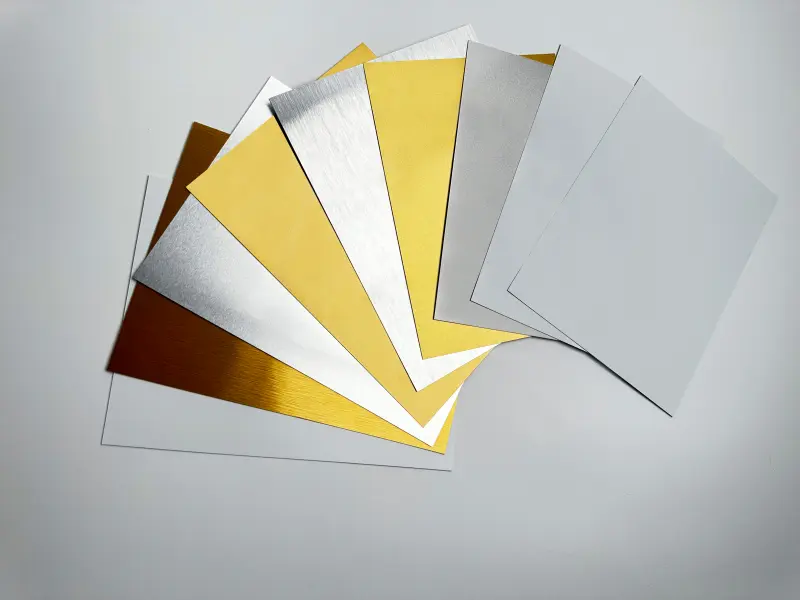
Many buyers compare 1060 with other common alloys. Each alloy has strengths. The right choice depends on your project. The table below gives a simple view.
| Feature | 1060 | 3003 | 5052 |
|---|---|---|---|
| Purity | Very high | High | Lower |
| Strength | Lower | Medium | Higher |
| Corrosion resistance | Excellent | Very good | Excellent |
| Formability | Excellent | Very good | Good |
| Surface finish for printing | Very smooth | Smooth | Good |
| Typical cost | Low to medium | Medium | Medium to high |
| Best for sublimation | Yes, very common | Yes, sometimes | Less common |
When 1060 Is the Best Pick
1060 is a strong choice when the print quality is the top goal. Its smooth surface and high purity help the coating give clean, even color. It also bends well for curved designs. For most photo and décor products, it is the top option.
When Another Alloy Might Fit
If the sheet must carry heavy weight or handle rough use, a stronger alloy like 5052 may work better. Keep in mind that stronger alloys can be harder to bend and may cost more.
Coating Comparison for Print Results
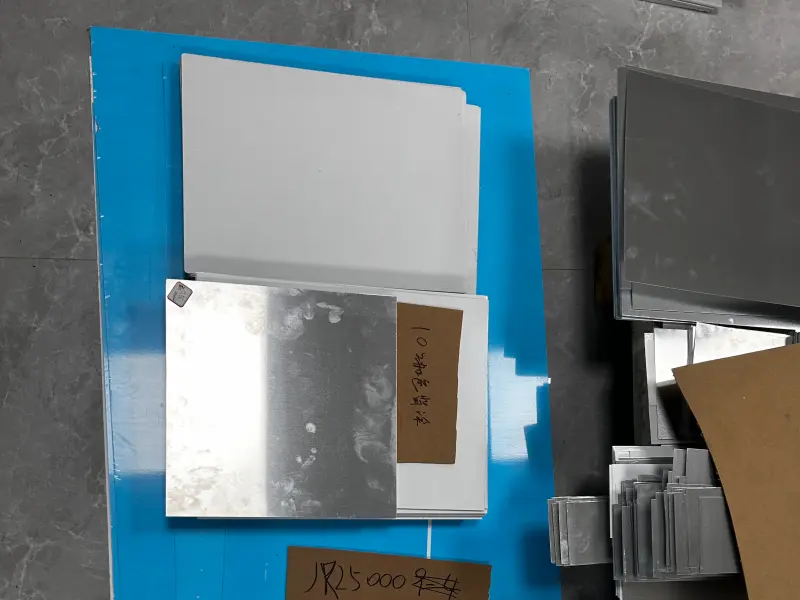
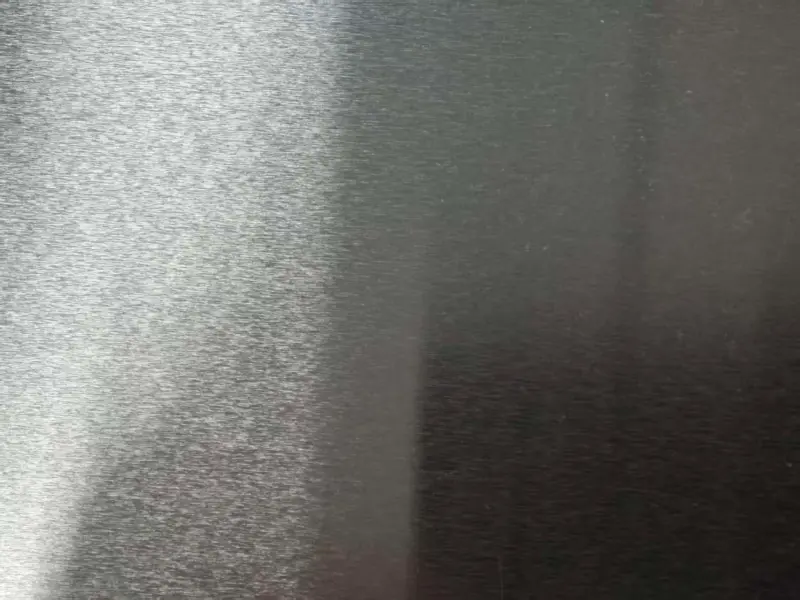
The coating does much of the work. It holds the dye and sets the color strength. Before buying, compare coating types so you know what to expect.
| Coating | Color Strength | Detail Sharpness | Scratch Resistance | Notes |
|---|---|---|---|---|
| Standard white | Good | Good | Fair | Budget choice |
| High-brightness white | Very good | Very good | Good | Popular for photos |
| Premium HD | Excellent | Excellent | Very good | Best for fine art |
Where 1060 Aluminum Sublimation Sheets Are Used
These sheets fit many uses. The list below shows common applications. Each use has its own print and finish needs.
- Photo panels: Family portraits, wedding photos, and graduation pictures
- Wall art: Home décor, office art, and gallery-style prints
- Signs: Store signs, door plates, and room names
- Awards and plaques: Corporate gifts, sports prizes, and recognition boards
- Name plates: Pet tags, desk nameplates, and mailbox signs
- Holiday items: Ornaments, tree decorations, and seasonal gifts
- Product displays: Retail hangers and promotional panels
- Custom gifts: Keychains, magnets, and memorial pieces
Photo Panels and Wall Art Ideas
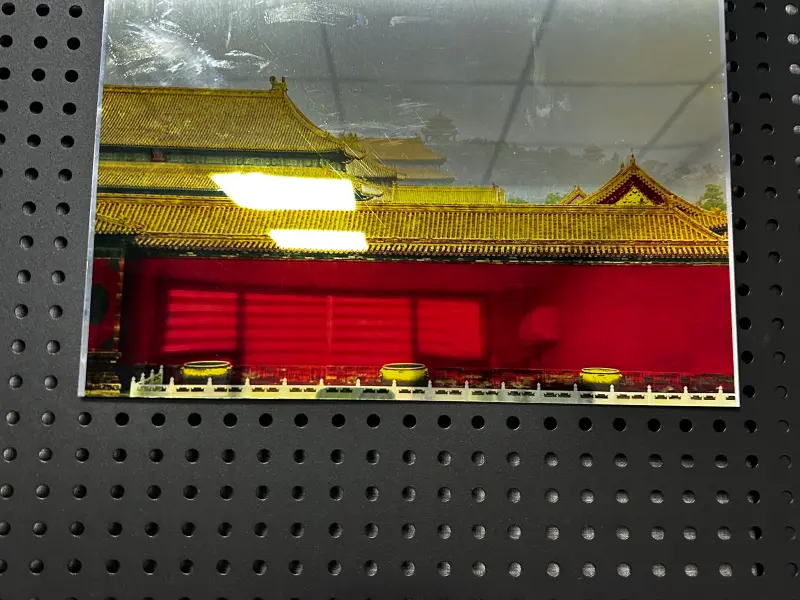
Photo panels are one of the most popular uses. A panel with a bright photo looks modern and clean. Many shops offer hanging holes or stand options to add value. Wall art can be sold as a single piece or in a set. Sets often sell well as gifts.
Signs and Name Plates for Homes and Businesses
Signs need clear text and strong color. Matte finish works well here because it reduces glare. Name plates can be cut into small shapes, such as hearts or stars, to make them more personal. These products can be made in small batches with fast turnaround.
Awards, Plaques, and Recognition Gifts
Awards need a polished look. Glossy or satin sheets give a premium feel. Many companies order these for staff recognition or sports events. Adding a laser-engraved plate or a printed logo can raise the price and value.
Retail and Promotional Displays
Stores use aluminum panels for shelf talkers, price signs, and product displays. The sheets resist bending and hold their shape. They can handle daily handling better than thin paper signs.
Printing and Pressing Tips
Good results come from careful steps. Follow these tips to reduce waste and keep quality high. Always run a test piece first.
Basic Workflow
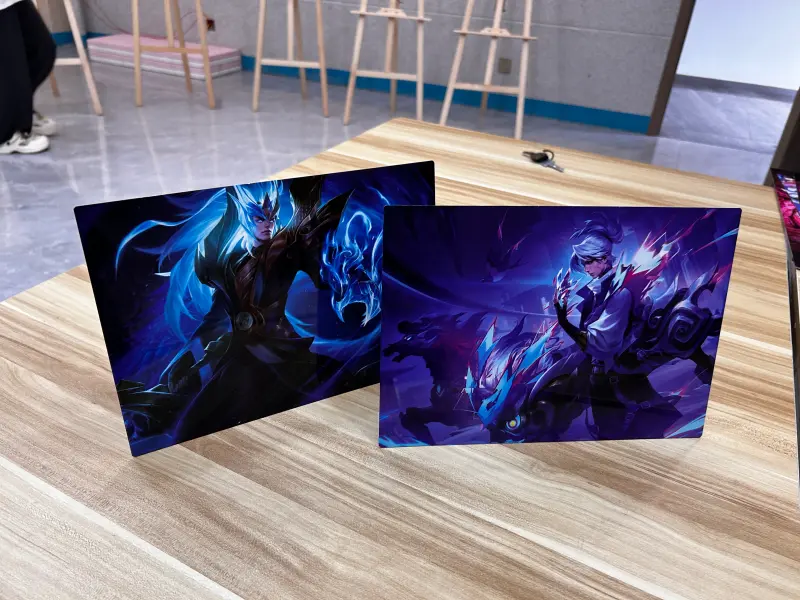
The usual process moves in a clear order. Each step affects the next one.
Design → Mirror Image → Print Dye Transfer → Pre-Press → Heat Press → Cool → Inspect → Pack
Heat Press Settings Guide
Heat press settings depend on the machine, the coating, and the sheet thickness. The table below gives a common starting point. Always check the supplier’s guide first.
| Sheet Thickness | Temperature | Time | Pressure |
|---|---|---|---|
| 0.5 mm | 175°C to 185°C (347°F to 365°F) | 60 to 90 seconds | Medium |
| 0.8 mm | 180°C to 195°C (356°F to 383°F) | 60 to 120 seconds | Medium to firm |
| 1.0 mm | 185°C to 200°C (365°F to 392°F) | 90 to 150 seconds | Firm |
| 1.5 mm and up | 190°C to 205°C (374°F to 401°F) | 120 to 180 seconds | Firm |
Common Mistakes to Avoid
- Pressing without preheating the press
- Using a dirty or scratched platen
- Leaving fingerprints on the coated surface
- Moving the sheet while it is still hot
- Skipping the test print on a new batch
Care After Printing
Let the sheet cool before you handle it. Wipe the surface with a soft cloth. Avoid harsh cleaners, which can dull the coating. Store sheets flat and keep them dry until you pack them.
Buying Guide for Wholesale and Retail Buyers
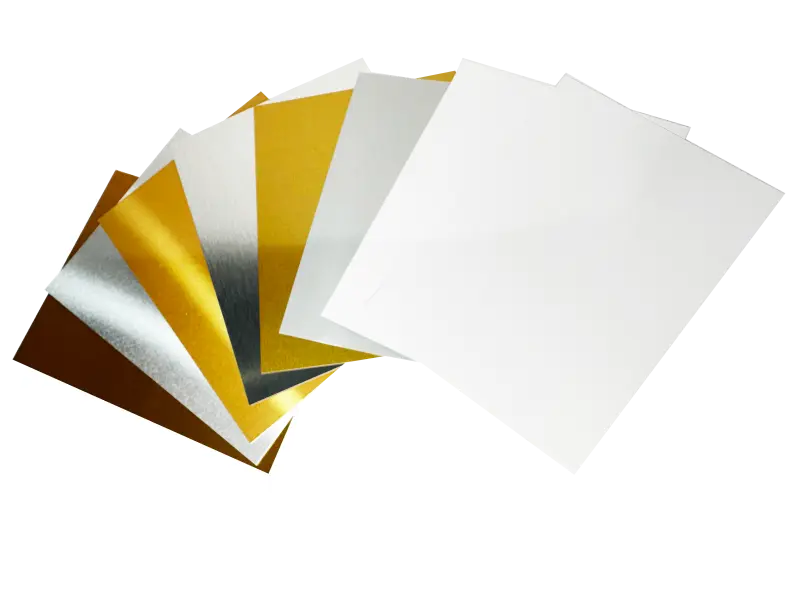
Buying the right sheet saves money. Ask suppliers the right questions before you order. The checklist below helps you compare offers.
| What to Check | Why It Matters |
|---|---|
| Alloy grade (1060) | Confirms purity and print quality |
| Temper (H14, H12, O) | Affects bending and stiffness |
| Coating type | Controls color and detail |
| Thickness tolerance | Keeps sizes consistent |
| Surface defects | Prevents wasted prints |
| Packaging | Stops scratches during shipping |
| Minimum order quantity | Helps you plan costs |
| Lead time | Keeps your schedule on track |
Sample Orders and Testing
Order samples before a large purchase. Test them in your own press and with your own inks. Samples show real color and finish. They also show how the sheet bends and cuts.
Packaging and Shipping
Good packaging protects the coating. Look for sheets with interleaf paper or film between layers. Ask for corner protection on large orders. Check that the box is strong enough for long shipping routes.
Frequently Asked Questions
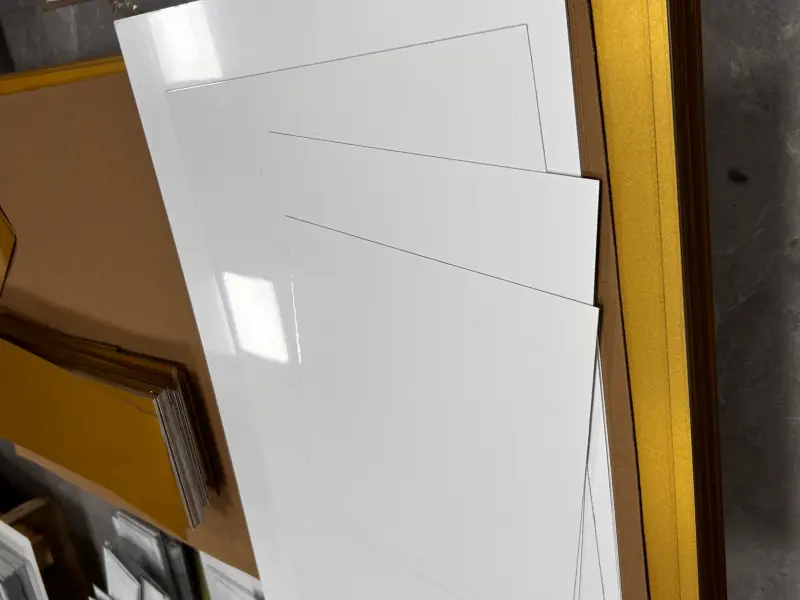
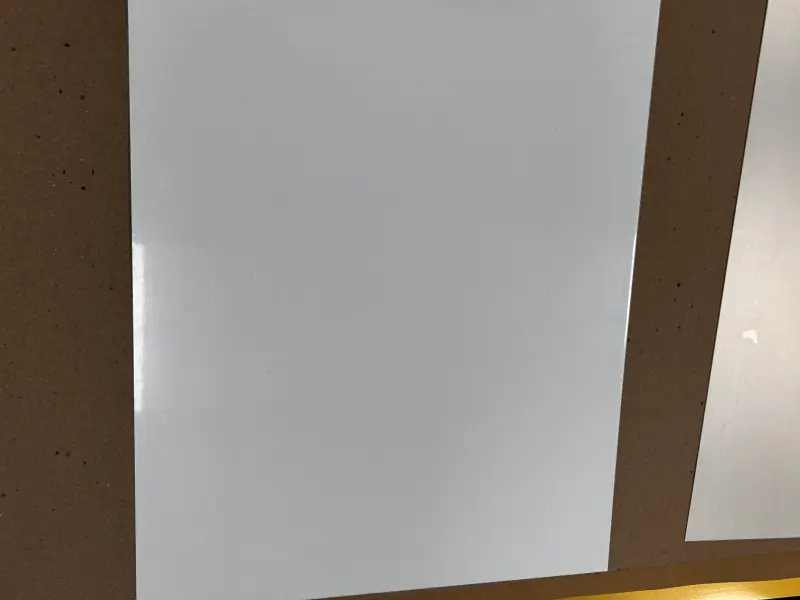
What is a 1060 aluminum sublimation sheet?
A 1060 aluminum sublimation sheet is a pure aluminum panel with a white coating. The coating holds sublimation dye. After pressing, the image becomes bright and durable. Many shops use it for photo panels, signs, and awards.
Why is 1060 aluminum good for sublimation?
The 1060 alloy has very high purity. It gives a smooth surface and even coating. This helps colors look clean and sharp. The alloy also bends easily and resists corrosion.
Which temper is best for printing?
H14 is a strong all-round choice. It stays flat and cuts well. O temper is best for deep curves. H12 works well for general flat printing. Choose the temper based on your product shape.
What thickness should I choose for photo panels?
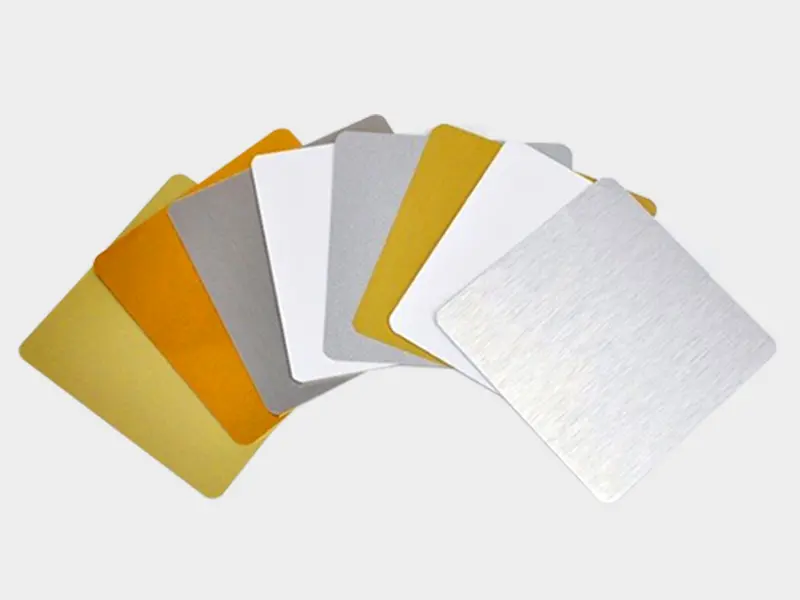
Most photo panels use 0.8 mm or 1.0 mm sheets. These thicknesses feel solid and stay flat. Thinner sheets, around 0.5 mm, suit ornaments and light tags.
Can I cut 1060 aluminum sublimation sheets myself?
Yes, you can. Use aluminum shears for thin sheets. A metal saw or a fine-tooth blade works for thicker sheets. Always deburr the edges after cutting. Cut before printing when possible to protect the coating.
Is a glossy or matte finish better?
It depends on the product. Glossy finish makes colors look bold and rich. Matte finish reduces glare and suits signs with text. Many buyers offer both so customers can choose.
Can I order small quantities for testing?
Many suppliers offer sample packs or small lots. This lets you test colors, pressing times, and finishes before a large order. Ask about minimum order quantities and sample costs.
Are these sheets safe for outdoor use?
Standard sublimation sheets are made mainly for indoor display. For outdoor use, ask your supplier for a weather-resistant coating. Outdoor sheets often cost more but last longer in sun and rain.
Final Thoughts on Choosing Your Sublimation Sheet
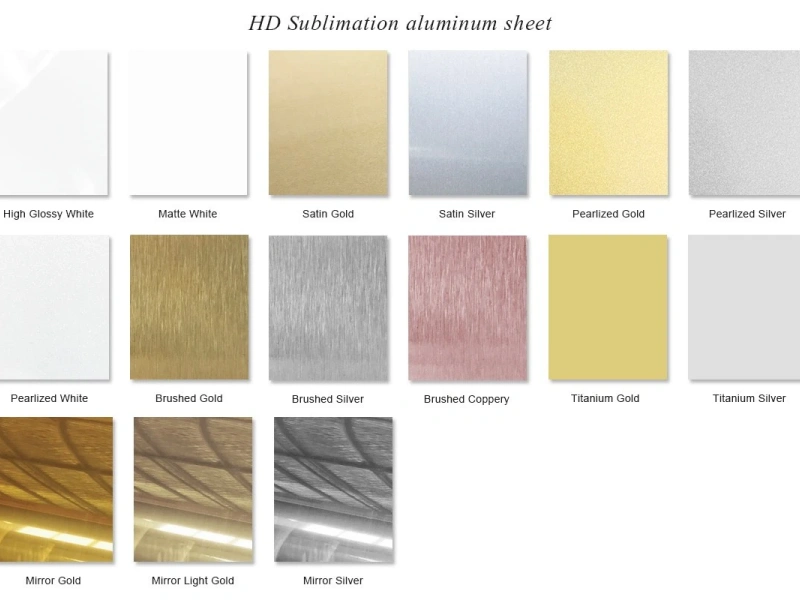
A 1060 aluminum sublimation sheet gives your customers clean, bright, and lasting prints. The pure alloy and smooth coating make it a reliable base for many products. Choose the right temper, thickness, and finish for each project.
Test samples before you buy in bulk. With the right supplier and a careful pressing process, you can offer photo panels, signs, awards, and custom gifts that stand out.
Leave a Reply
You must be logged in to post a comment.