
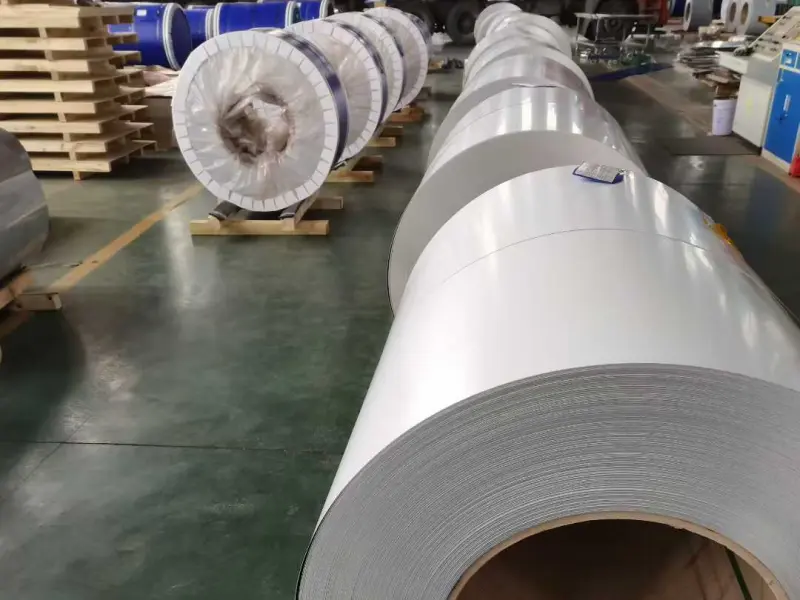
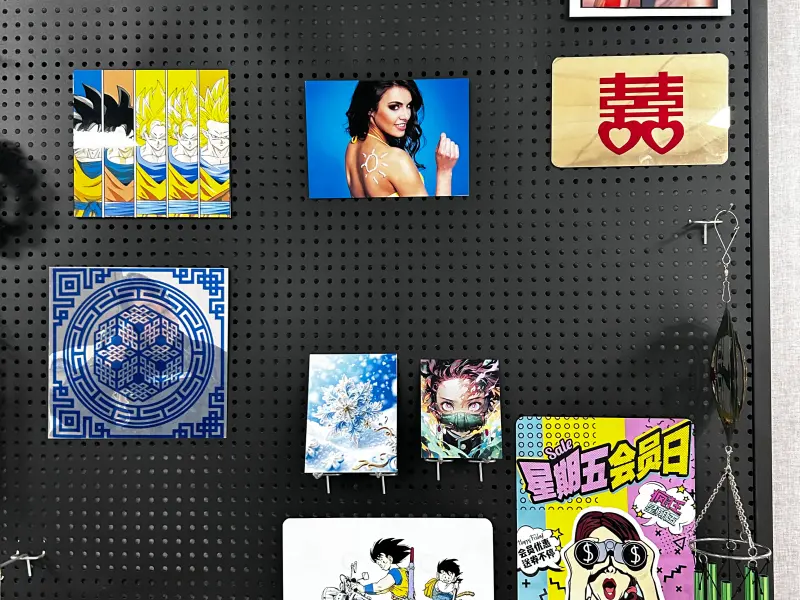
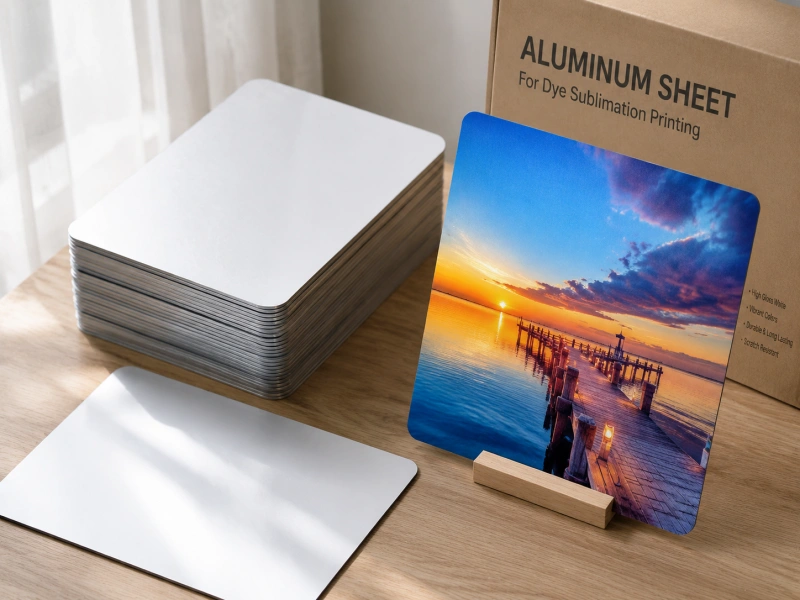
Aluminum Blanks for Photo Printing Metal prints look sharp, last for years, and hold up well in homes, offices, and shops. The starting point for most of these prints is a flat metal sheet with a special coating.
These sheets are called aluminum blanks for photo printing. A blank takes the ink, then the heat press fixes the image into the coating. The result is a bright photo panel with deep colors and a smooth feel.
What Makes a Photo Printing Blank Different
A photo printing blank is not plain metal. The surface has a coating that holds dye. Without this coating, the ink would not bond. The base metal also matters. It must be flat, clean, and easy to press.
The Core Parts of a Blank
Every blank has three main parts. Each part changes the final look.
- Base metal: Usually aluminum, chosen for light weight and flat shape
- Coating: A polymer layer that catches the dye during pressing
- Back finish: Plain, protected, or pre-drilled for hanging
Aluminum Blanks for Photo Printing
Why Aluminum Is the Top Choice
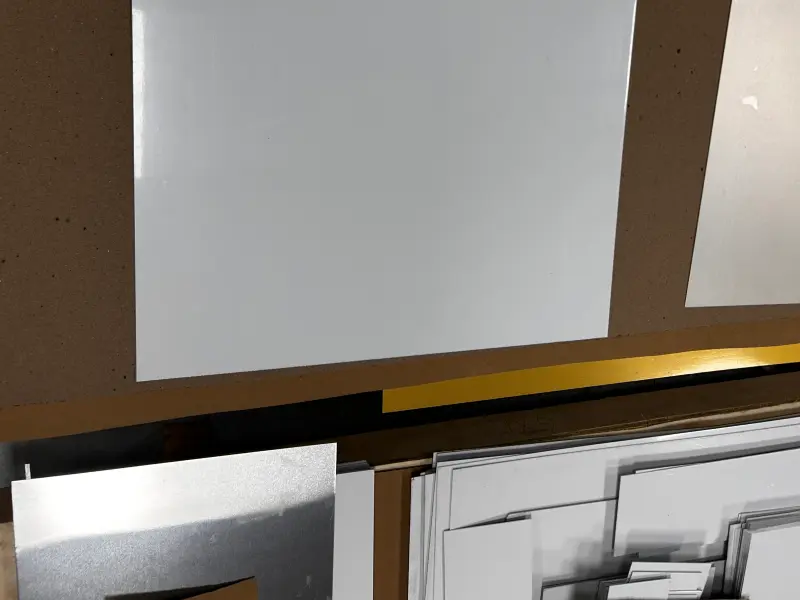
Aluminum is light and strong for its weight. It cuts easily and bends without much force. It also resists rust, so printed pieces stay clean in humid rooms. Heat moves through aluminum fast, which helps the dye set evenly during pressing.
Alloy Options for Photo Blanks
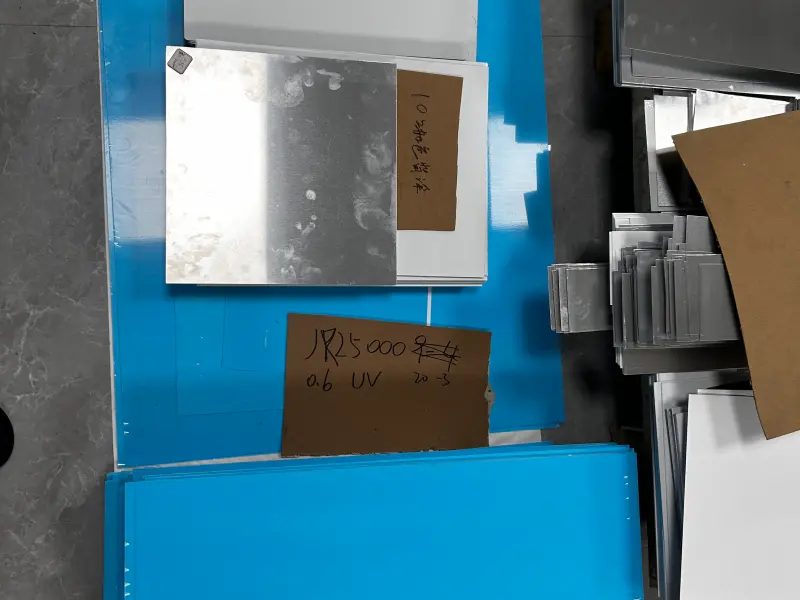
The alloy is the metal mix. Different alloys give different strength, bend ability, and print finish. Most photo printing blanks use one of three common grades. Each one has its own strengths.
Common Alloy Grades of Aluminum Blanks for Photo Printing
The table below compares the three most common alloys used for photo printing blanks.
| Alloy | Purity Level | Strength | Bend Ability | Print Surface | Common Use |
|---|---|---|---|---|---|
| 1060 | Very high | Lower | Excellent | Very smooth | Standard photo panels |
| 3003 | High | Medium | Very good | Smooth | Signs and curved pieces |
| 5052 | Lower | Higher | Good | Good | Heavy-duty displays |
Choosing the Right Alloy of Aluminum Blanks for Photo Printing

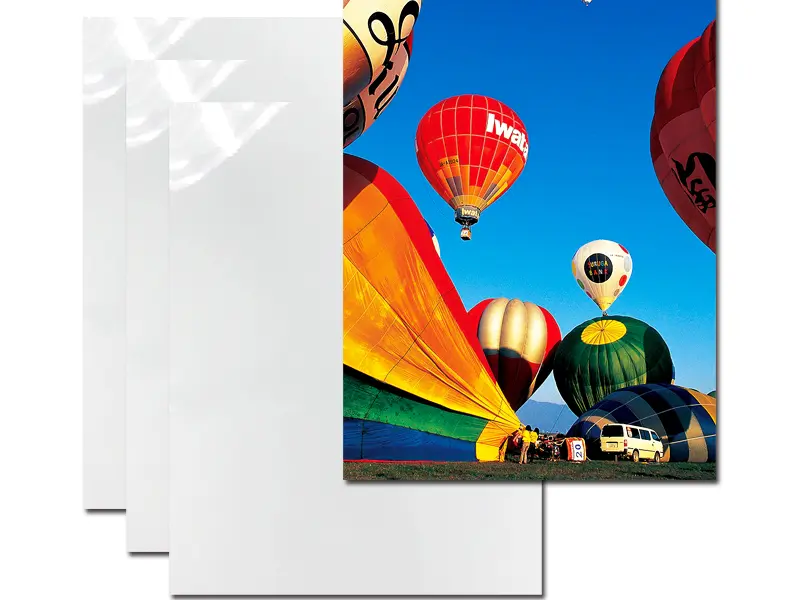
For most photo panels, 1060 is a solid choice. It gives a clean surface and good color. If your product must handle rough use or outdoor sun, consider 3003 or 5052. These alloys resist stress better. They are a little harder to bend, so plan your shapes with care.
Temper Types and What They Mean
Temper describes how the metal was worked or heat treated. The letter O means soft and fully annealed. The letter H means strain hardened. The number after H shows how hard the metal is. Temper affects how the blank cuts and how stiff it feels.
Temper Comparison Table
| Temper | Stiffness | Bending | Flatness After Press | Best For |
|---|---|---|---|---|
| O | Soft | Easy, tight curves | Can shift slightly | Curved and formed pieces |
| H12 | Light | Very good | Stable | Flat photo panels |
| H14 | Medium | Good | Very stable | Standard wall prints |
| H16 | Firm | Moderate | Very stable | Rigid displays |
| H18 | Very firm | Limited | Very stable | Thin frames and stands |
Which Temper Should You Pick
H14 is the usual choice for flat photo blanks. It stays flat and resists bending during handling. Choose O temper only if you need to form the metal into a curve. Always bend before printing, not after.
Thickness Choices for Photo Blanks
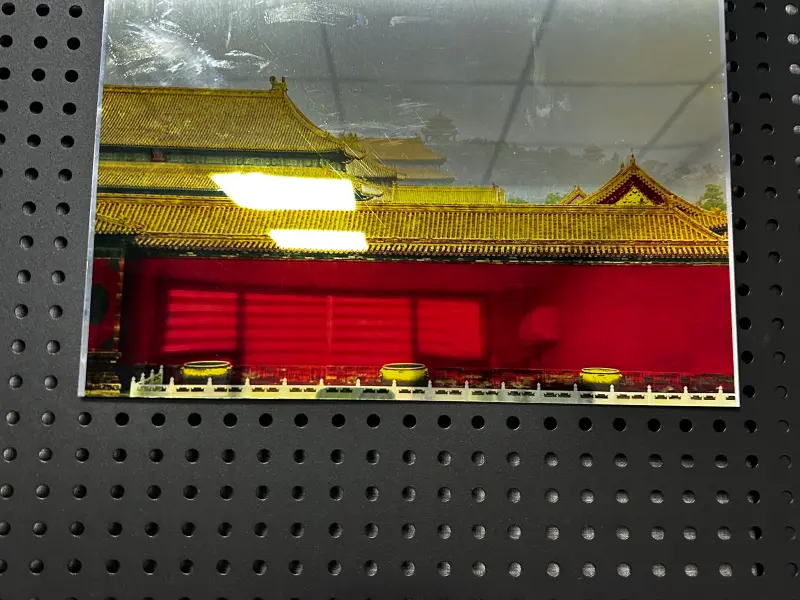
Thickness controls weight, stiffness, and cost. A thin blank is light and cheap. A thick blank feels solid and hangs well on a wall. Pick the thickness that fits the product and the shipping budget.
Thickness Chart of Aluminum Blanks for Photo Printing
| Thickness (mm) | Approximate Inch Size | Feel | Common Products |
|---|---|---|---|
| 0.3 | 0.012 | Very thin | Tags and small charms |
| 0.5 | 0.020 | Flexible | Ornaments and curved labels |
| 0.8 | 0.032 | Balanced | Photo panels and desk signs |
| 1.0 | 0.040 | Firm | Wall art and plaques |
| 1.5 | 0.060 | Rigid | Large displays |
| 2.0 | 0.080 | Very rigid | Heavy signs and standing panels |
Thickness and Press Time
Thicker blanks hold more heat. They need longer pressing time to reach the right temperature. Thin blanks heat fast, so they need shorter times. Run a test on each new thickness before you start a big order.
Coating Types for Photo Printing
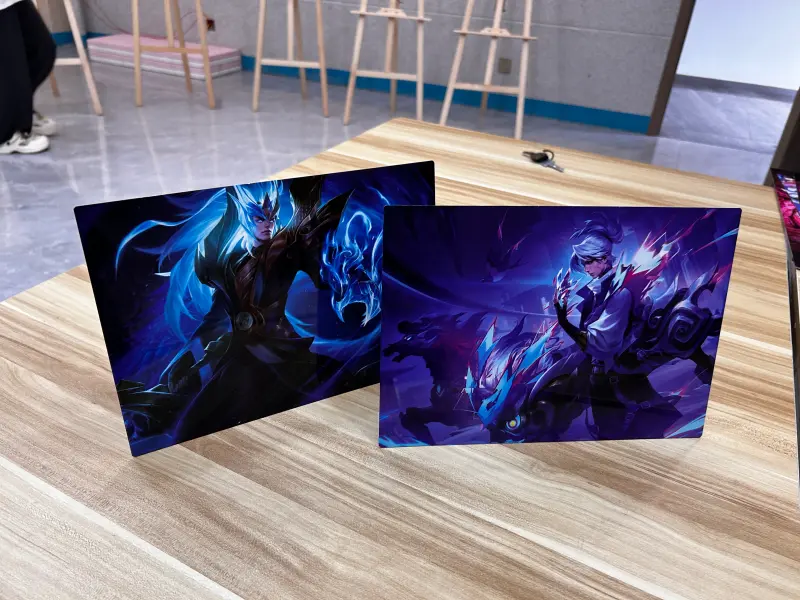
The coating is the most important part of the blank. It sets color strength, detail, and how the print looks under light. Many suppliers offer several coatings. Compare them before you decide.
Coating Comparison
| Coating | Color Strength | Detail | Scratch Resistance | Look |
|---|---|---|---|---|
| Standard white | Good | Good | Fair | Basic and clean |
| High-brightness white | Very good | Very good | Good | Bright and rich |
| Premium HD | Excellent | Excellent | Very good | Sharp and vivid |
| Silver metallic | Good | Good | Good | Shiny, metal look |
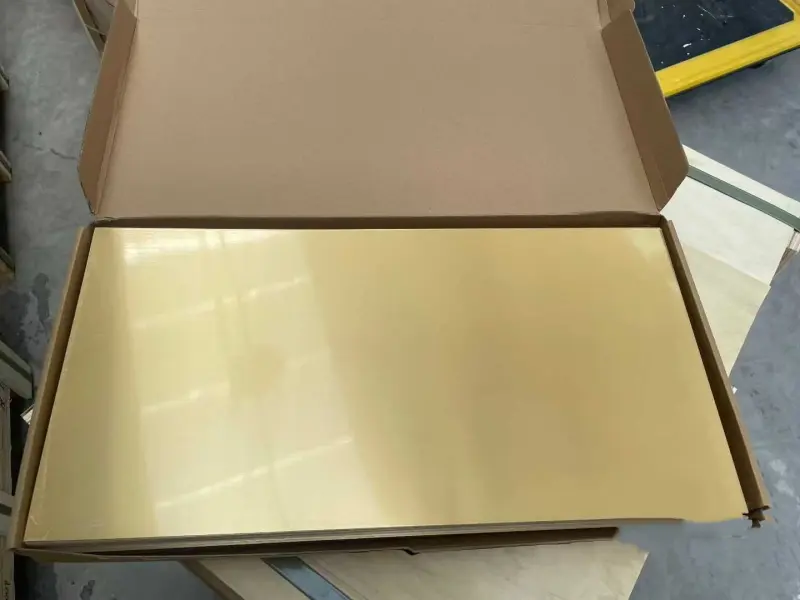
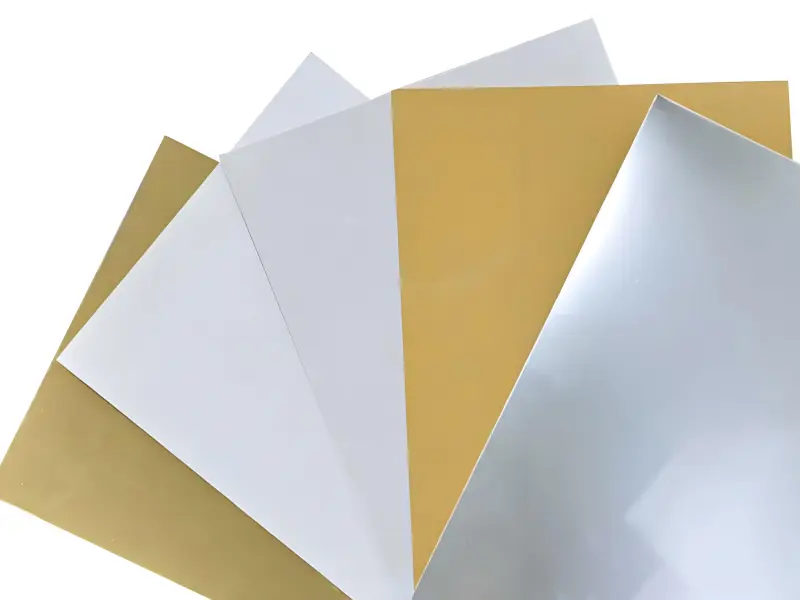
| Gold metallic | Good | Good | Good | Warm and luxury |
Finish Options of Aluminum Blanks for Photo Printing
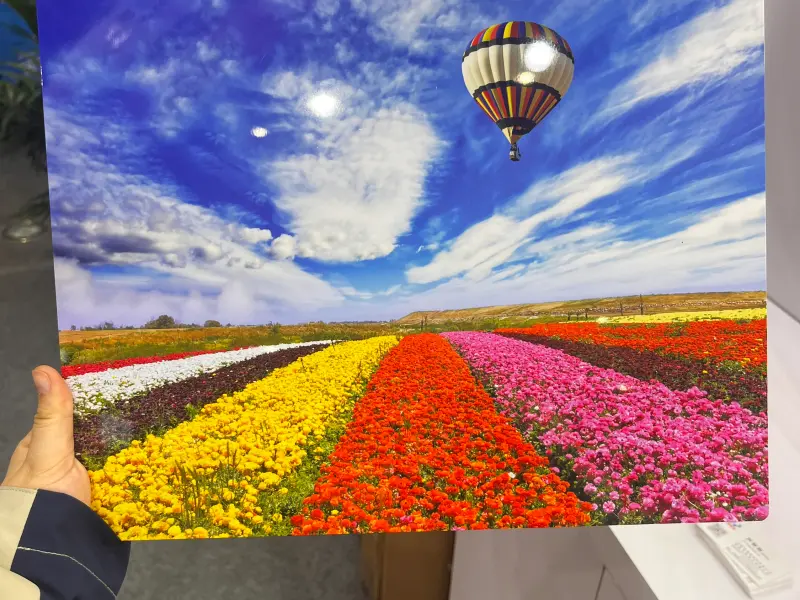
Finish changes how the print reflects light. Glossy finish makes colors pop. Matte finish reduces glare. Satin sits in the middle. Many buyers offer all three so customers can match their room or brand.
| Finish | Shine | Glare | Best Use |
|---|---|---|---|
| Glossy | High | Some | Family photos and bright art |
| Satin | Medium | Low | Home décor and offices |
| Matte | Low | Very low | Text signs and dark images |
Product Types for Photo Printing
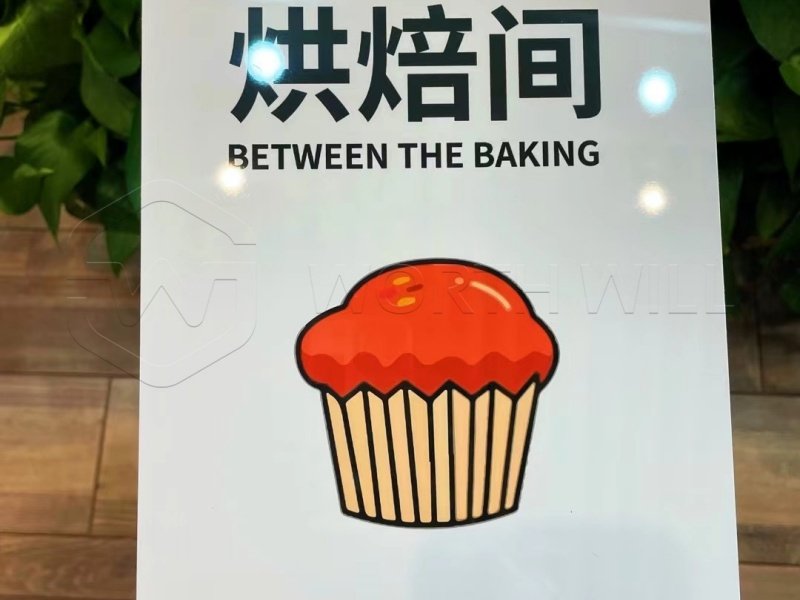
Customers buy many shapes and sizes. A shop that offers a range of blanks can serve more buyers. The sections below describe the main product types. Each one includes a small table to help you compare.
Standard Rectangular Blanks
Rectangular blanks are the most common form. They fit standard frames and photo sizes. They are easy to store and ship. Most shops keep these in stock for fast orders.
| Size (inches) | Size (cm) | Common Thickness | Typical Use |
|---|---|---|---|
| 4 x 6 | 10 x 15 | 0.8 mm | Small photo gifts |
| 5 x 7 | 13 x 18 | 0.8 mm | Desk and shelf prints |
| 8 x 10 | 20 x 25 | 1.0 mm | Wall photos |
| 11 x 14 | 28 x 36 | 1.0 mm | Living room art |
| 16 x 20 | 41 x 51 | 1.5 mm | Large wall prints |
Rounded and Shaped Blanks
Shaped blanks give a custom look. Circles, ovals, and hearts are popular for gifts and weddings. Shaped pieces often sell at a higher price than plain rectangles. They also suit seasonal sales, like Valentine’s Day or Mother’s Day.
| Shape | Common Size | Thickness | Gift Use |
|---|---|---|---|
| Circle | 6 inch | 0.8 mm | Round family portraits |
| Oval | 8 x 10 inch | 0.8 mm | Pet photos and keepsakes |
| Heart | 8 inch | 0.8 mm | Anniversary and wedding gifts |
| Square | 8 x 8 inch | 1.0 mm | Modern wall décor |
Blanks with Hanging Holes
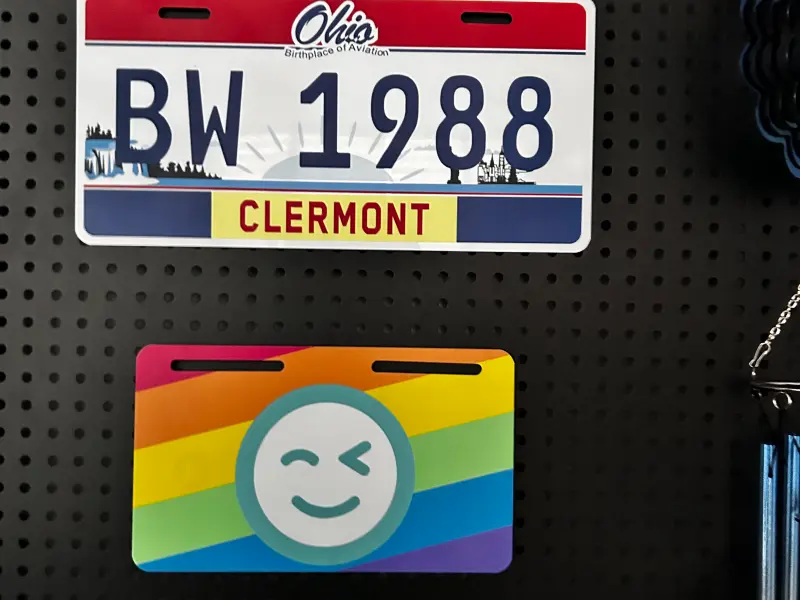
Hanging holes save time for the buyer. The piece can go on a hook right away. Holes can be placed at the top center or in each corner. Some shops add a small stand or easel option for desk use.
| Hole Type | Position | Hole Size | Best For |
|---|---|---|---|
| Top center | Single hole | 5 mm | Simple wall hang |
| Two holes | Top corners | 5 mm | Level display |
| Corner holes | Four corners | 4 mm | Framed-look layouts |
| No hole | None | None | Easel or tabletop use |
Double-Sided Blanks
Double-sided blanks have coating on both faces. They allow two prints on one piece. This suits hanging signs, window displays, and two-sided gift tags. Double-sided coating costs more, so price the product with care.
Metallic Coated Blanks
Metallic blanks give a shiny silver or gold base. The image sits on top of the metal look. These blanks suit luxury gifts, awards, and modern décor. The finish is strong, but dark photos can look flat on some metallic coatings, so test first.
Thin Gauge Blanks for Small Items
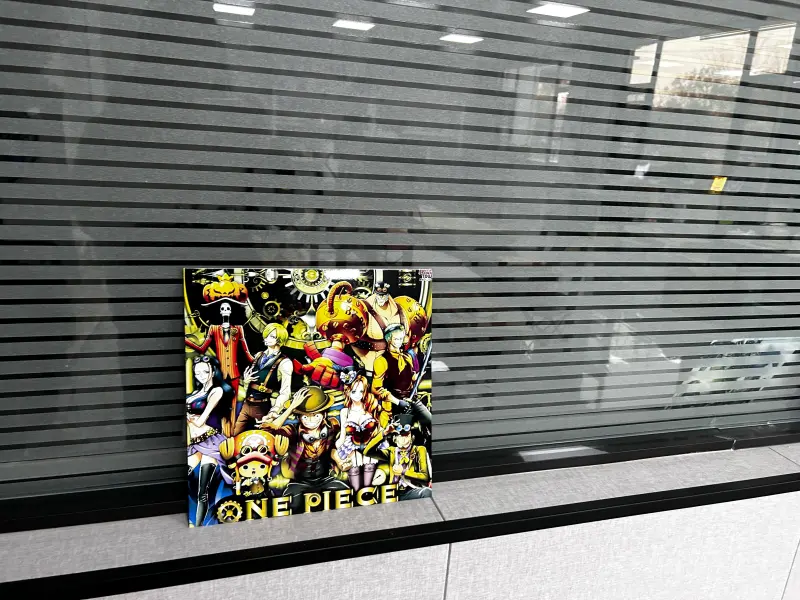
Thin blanks suit small items. These include keychains, ornaments, and small name tags. They cut easily with shears. They bend slightly, so they work well for curved charms. Keep the design simple on very small pieces to avoid lost detail.
Heavy Gauge Blanks for Standing Displays
Heavy blanks are strong and stiff. They stand on a base without bending. Retail stores use them for shelf signs and promotion panels. They also work for outdoor-style displays that need extra strength.
Blanks Compared with Other Printing Methods
Aluminum blanks are not the only way to print on metal. Some buyers choose UV printing or other methods. The table below shows how sublimation blanks compare with other options.
| Method | Base Needed | Color Quality | Setup Cost | Batch Size | Best For |
|---|---|---|---|---|---|
| Sublimation on blanks | Coated aluminum blank | Very bright | Low to medium | Small to large | Photo panels and gifts |
| UV direct printing | Raw or painted metal | Bright, wide range | High | Medium to large | Signs and detailed art |
| Dye transfer on paper | Paper and press | Good | Low | Small | Light, temporary prints |
| Laser engraving | Raw metal | Single color | Medium | Small to medium | Name plates and awards |
Why Sublimation Blanks Work Well for Photos
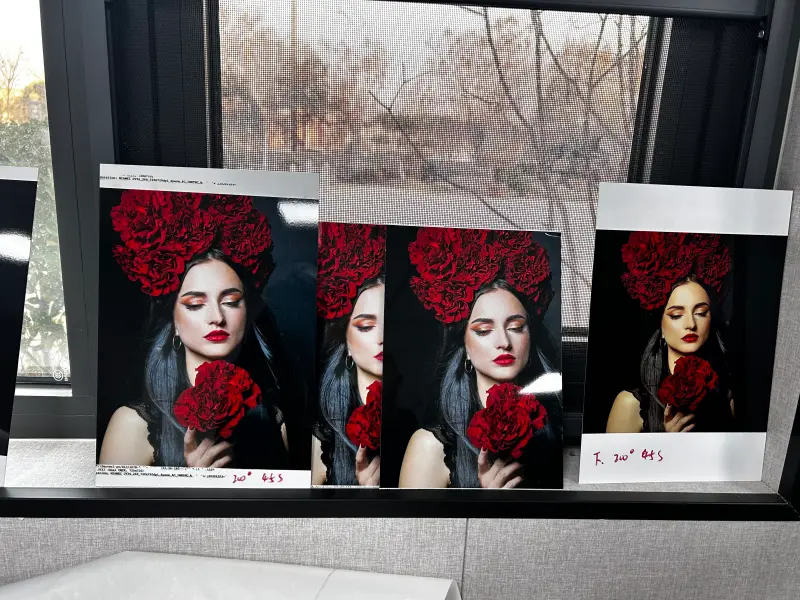
Sublimation gives smooth color blends. Skin tones look natural. Gradients stay soft. The method also works well for small orders. A shop can run one photo panel or fifty without big setup costs.
When UV Printing Makes More Sense
UV printing works well for bold graphics and very large runs. It can print on raw metal and many colors. The machine costs more, though. Small shops often start with blanks and add UV later.
Pressing and Printing Basics
Good results depend on careful steps. The process below shows the main workflow for a photo blank.
Photo File → Mirror Image → Print Dye Transfer → Pre-Press → Heat Press → Cool → Check → Pack
Heat Press Settings Table
Settings vary by machine and coating. Use the table below as a starting point. Always follow the supplier’s guide and run a test piece first.
| Thickness | Temperature | Time | Pressure |
|---|---|---|---|
| 0.5 mm | 175°C to 185°C (347°F to 365°F) | 60 to 90 seconds | Medium |
| 0.8 mm | 180°C to 195°C (356°F to 383°F) | 60 to 120 seconds | Medium to firm |
| 1.0 mm | 185°C to 200°C (365°F to 392°F) | 90 to 150 seconds | Firm |
| 1.5 mm and up | 190°C to 205°C (374°F to 401°F) | 120 to 180 seconds | Firm |
Tips for Clean Results of Aluminum Blanks for Photo Printing
- Preheat the press before you start
- Keep the platen clean and free of dust
- Hold the blank by the edges only
- Let the piece cool flat before stacking
- Test each new batch of blanks
Common Mistakes
Many print problems come from simple errors. Watch for these issues.
- Fingerprints on the coating
- Uneven pressure from a worn press
- Moving the blank while it is hot
- Skipping the test print
- Storing blanks in damp rooms
Who Buys Aluminum Blanks for Photo Printing
Many types of buyers use these blanks. Knowing your buyer helps you choose the right product line and price.
- Print shops: Need fast, steady supply and many sizes
- Gift shops: Want shaped blanks and ready-to-hang options
- Event vendors: Need quick turnaround for weddings and parties
- Home crafters: Buy small packs and thin blanks for personal projects
- Retail brands: Order large batches for promotions and displays
- Photographers: Offer metal prints as a premium product
Application Ideas by Use
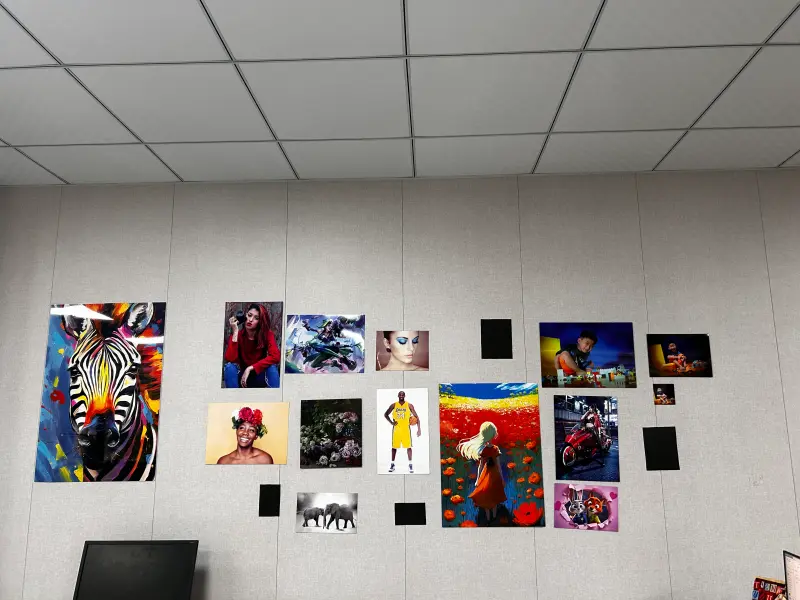
- Family photos: Standard rectangles in 8 x 10 or 11 x 14
- Pet portraits: Oval or round blanks for a soft look
- Wedding gifts: Heart-shaped or square blanks with a metallic coat
- Office décor: Satin matte blanks for calm, clean walls
- Baby room art: Thin or mid-weight blanks in soft sizes
- Holiday ornaments: Thin round blanks with hanging holes
- Store displays: Heavy blanks with a strong, stand-up base
Buying Guide: What to Check Before You Order
A clear checklist helps you compare suppliers. It also protects you from waste and returns.
| What to Check | Why It Matters |
|---|---|
| Alloy (1060, 3003, or 5052) | Sets strength and print finish |
| Temper (H12, H14, or O) | Controls bend ability and flatness |
| Thickness tolerance | Keeps all pieces the same |
| Coating type | Affects color and detail |
| Surface quality | Prevents spots and scratches |
| Edge finish | Keeps cuts smooth and safe |
| Packaging | Protects the coating during shipping |
| Minimum order | Helps plan your budget |
| Sample policy | Lets you test before you buy |
Ordering Samples First of Aluminum Blanks for Photo Printing
Samples show the real color, weight, and finish. Print a sample photo and test it in your own press. Check the colors under daylight and warm room light. Bend a sample if you plan to sell curved shapes.
Packaging and Shipping Tips
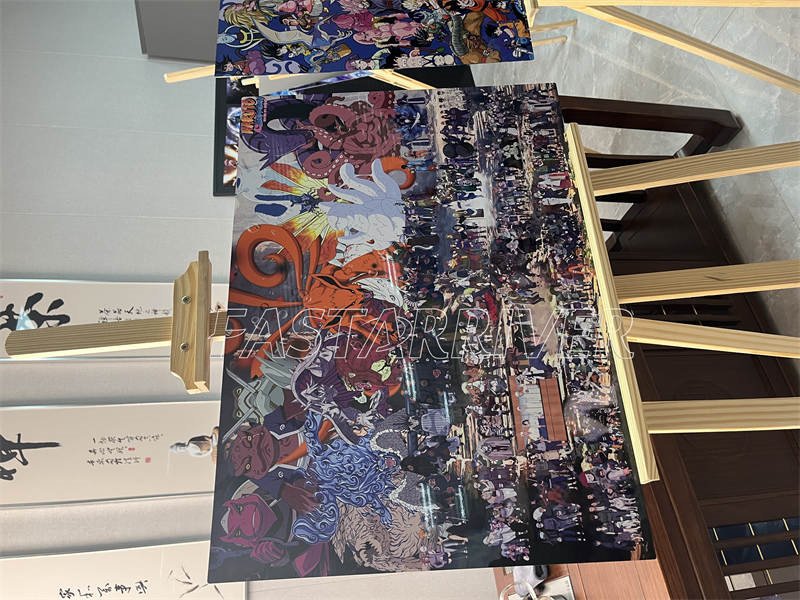
Blanks need protection during transport. Ask for film or paper between sheets. Corner guards help on large sizes. Check the box strength for long trips.
Frequently Asked Questions
What is an aluminum blank for photo printing?
An aluminum blank is a flat metal sheet with a special coating. The coating holds sublimation ink. After pressing, the photo becomes part of the surface. The result is a bright, durable metal print.
Why do many blanks use 1060 aluminum?
1060 has very high purity. It gives a smooth surface, which helps the coating take color evenly. It also bends well and resists corrosion. Many shops use it for standard photo panels.
Which temper is best for flat photo panels?
H14 is the most common choice for flat panels. It stays flat during handling and pressing. H12 also works well. Use O temper only for curved shapes that need tight bends.
How thick should a photo blank be?
Most photo panels use 0.8 mm or 1.0 mm. These sizes feel solid and hang well. Thin blanks, about 0.5 mm, suit ornaments and light tags. Thick blanks, 1.5 mm or more, suit large wall prints and stand-up displays.
Can I cut blanks to a custom size?
Yes. Use aluminum shears for thin blanks. A metal saw or fine-tooth blade works for thicker sheets. Cut before printing when you can. Always smooth the edges after cutting.
Is glossy or matte better for photos?
It depends on the photo and the room. Glossy finish makes colors look rich. Matte finish cuts glare and suits dark or text-heavy images. Many buyers offer both options.
Can I print on both sides of a blank?

Yes, if the blank has a double-sided coating. Standard single-side blanks only take one print. Double-sided blanks cost more, but they open up new product ideas, such as two-sided signs.
Are these blanks safe for outdoor use?
Standard blanks are made for indoor display. For outdoor use, ask your supplier for a weather-resistant coating and a suitable alloy, such as 3003 or 5052. These options last longer in sun and rain.
Can I order a small test batch?
Many suppliers offer sample packs or small lots. A test batch helps you check color, pressing time, and finish. Ask about sample costs and minimum order sizes before you buy.
Final Thoughts on Choosing Blanks for Photo Printing
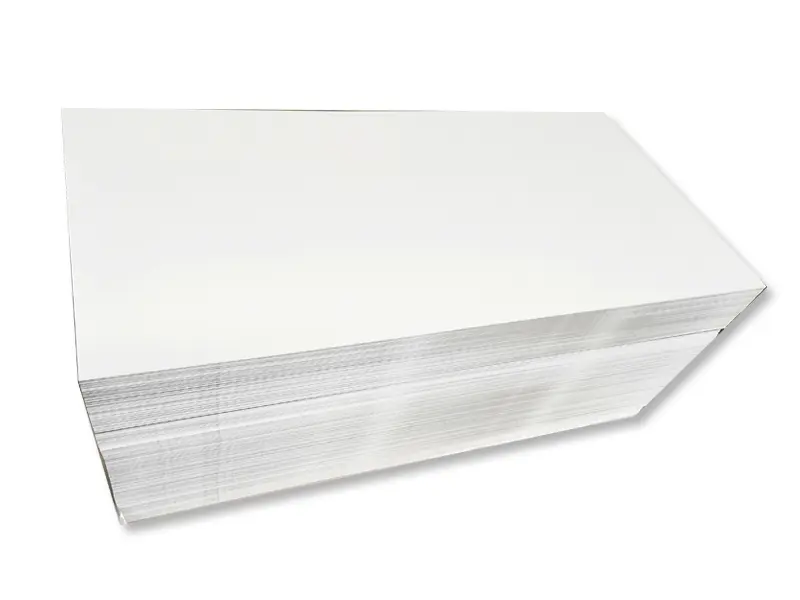
Aluminum blanks for photo printing give you a strong base for bright, lasting prints. The right alloy, temper, thickness, and coating depend on your product. Standard rectangles work for most photo panels. Shaped blanks and metallic finishes help you sell gifts and premium décor.
Order samples, run test prints, and check your press settings before a large order. With careful choices, you can offer customers metal photo products that look sharp and last for years.
Leave a Reply
You must be logged in to post a comment.