

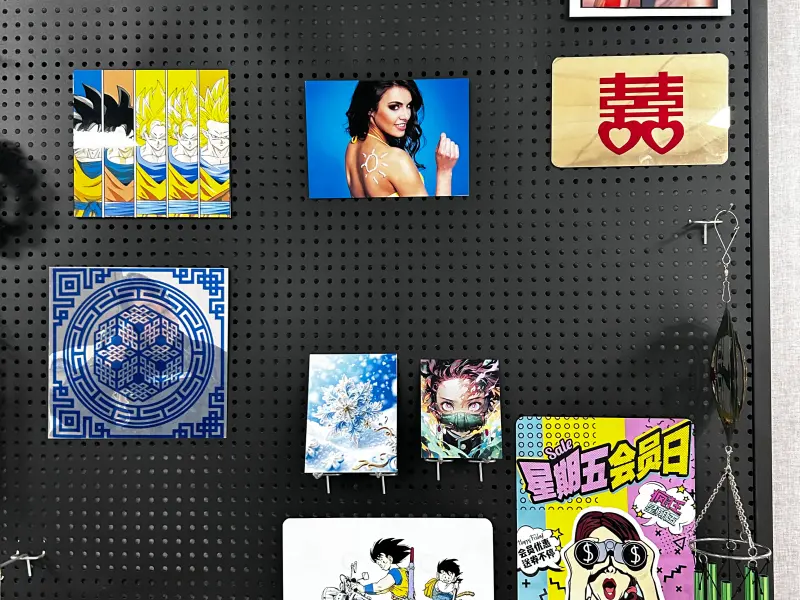
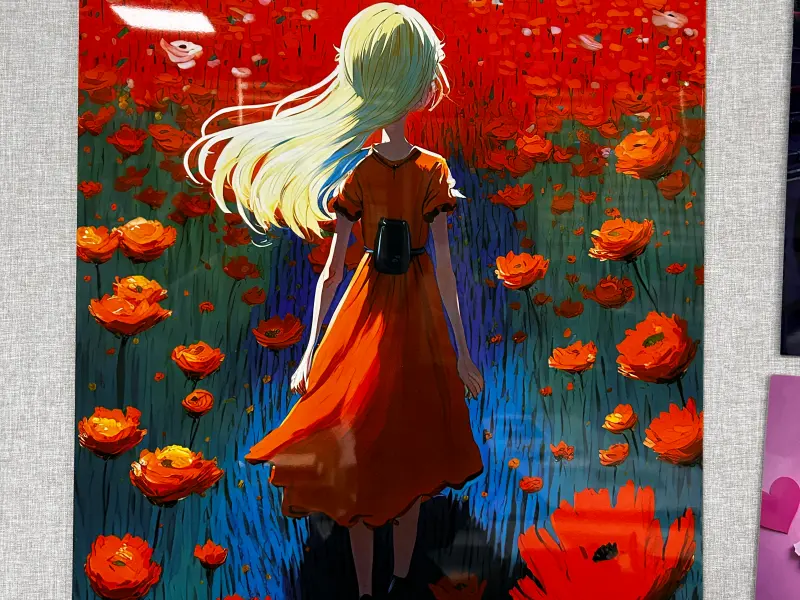
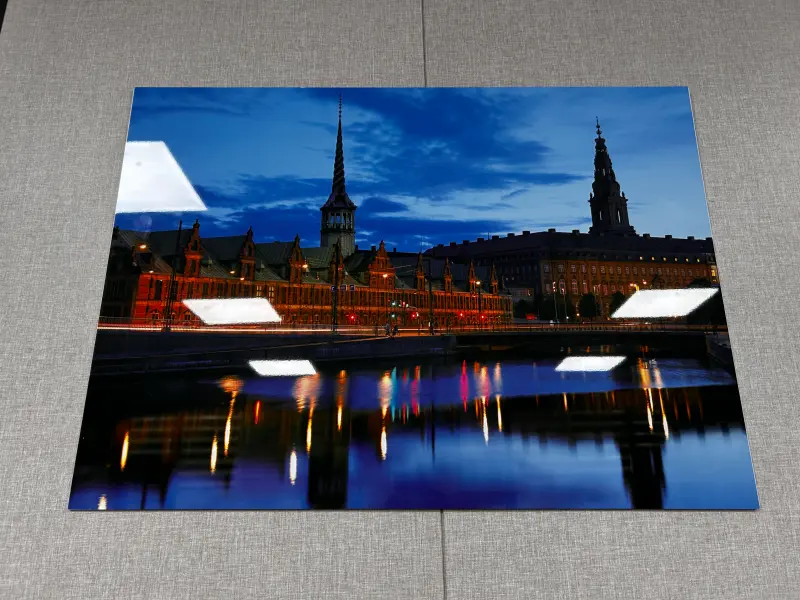
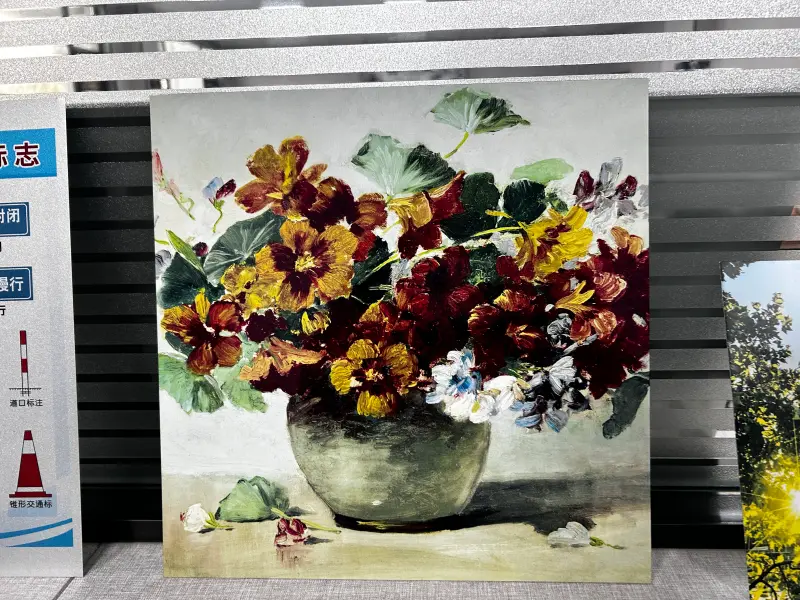
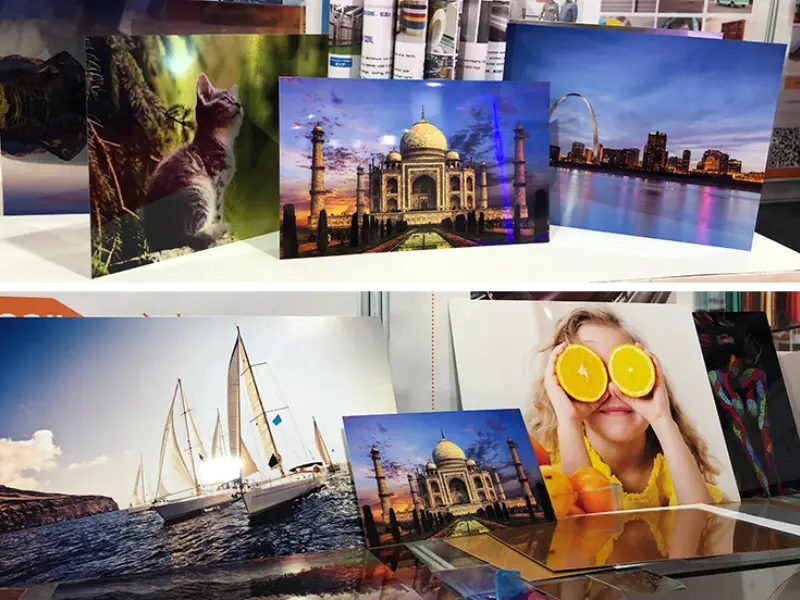
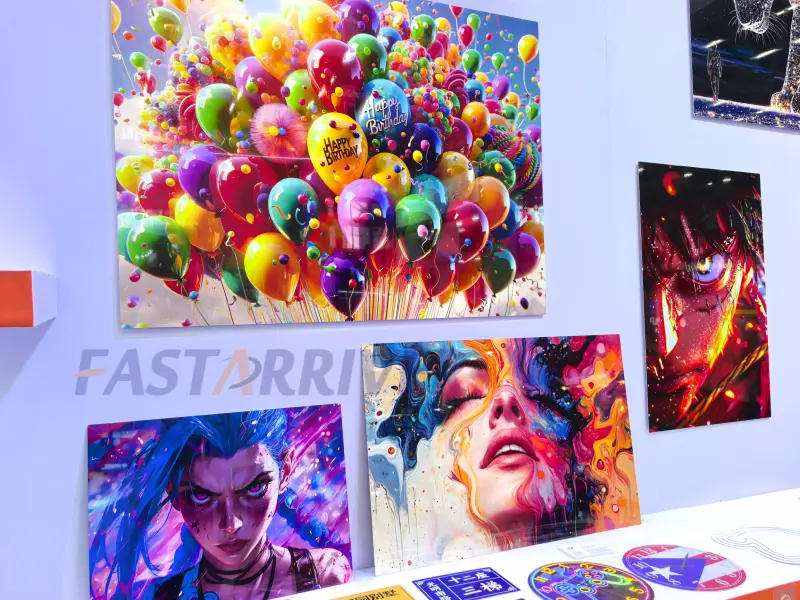
Aluminum dye sublimation prints are a popular way to turn photos, artwork, signs, and custom designs into durable metal products. The image is transferred onto a specially coated aluminum surface by heat and pressure.
Unlike paper prints, aluminum prints have a hard metal base. They can provide strong color, a clean surface, and a modern appearance. This makes them suitable for home decoration, photography, gifts, signage, commercial displays, and many custom printing projects.
For wholesalers, photo labs, printing companies, sign makers, and gift manufacturers, choosing the right aluminum sheet is important. Alloy, temper, thickness, coating, surface finish, size, and shape can all affect the final print.
What Are Aluminum Dye Sublimation Prints?
Aluminum dye sublimation prints are images printed onto coated aluminum sheets through a heat transfer process.
The aluminum sheet normally has a special polymer coating. The printed transfer paper is placed against the coated side. Heat causes the dye to change into gas and enter the coating.
After cooling, the image becomes part of the coated surface.
The basic process is:
Design → Print Transfer Paper → Position → Heat Press → Cool → Finished Aluminum Print
The result is a lightweight metal print with a smooth surface and strong visual effect.
Why Use Aluminum for Dye Sublimation Printing?
Aluminum offers several advantages over traditional printing materials.
It is thin and lightweight. It is also easy to cut into different shapes.
The coated surface can produce bright images. White coated aluminum is especially useful when accurate colors are required.
Aluminum also has a clean and modern look. It works well with photography, artwork, interior signs, personalized gifts, and decorative panels.
Main Benefits
- Lightweight metal base
- Good surface flatness
- Bright image reproduction
- Smooth printing surface
- Available in many sizes
- Easy to cut and process
- Good corrosion resistance
- Suitable for indoor applications
- Some finishes can be used for outdoor projects
- Custom shapes are available
- Suitable for wholesale production
- Easy to combine with frames and mounting systems
Popular Aluminum Dye Sublimation Print Types
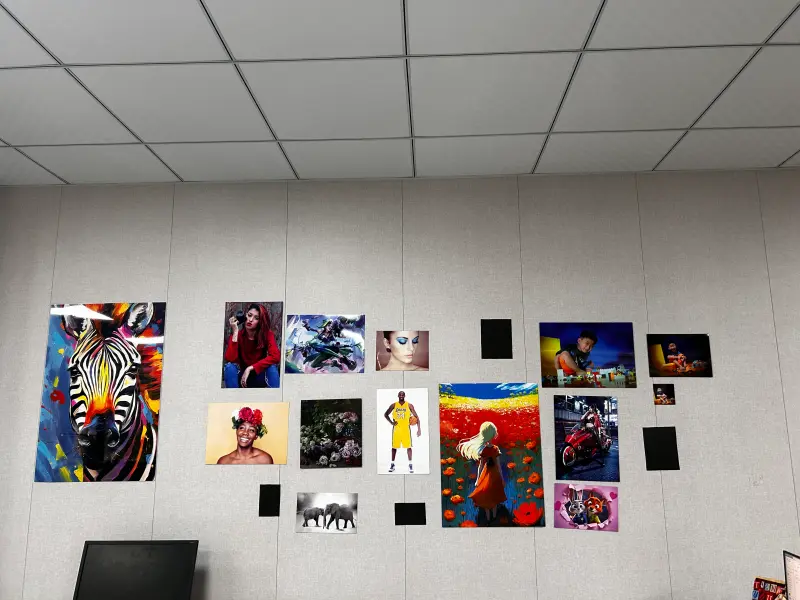
Different buyers need different sizes, surfaces, and finishes. There is no single aluminum blank for every project.
A4 Aluminum Sublimation Prints
A4 is one of the most common sizes for small photo products.
Typical size:
210 × 297 mm
A4 aluminum sheets are suitable for:
- Photo panels
- Small wall art
- Personalized gifts
- Home decoration
- Office displays
- Small signs
- Photography samples
A4 blanks are also convenient for small heat presses.
A3 Aluminum Sublimation Prints
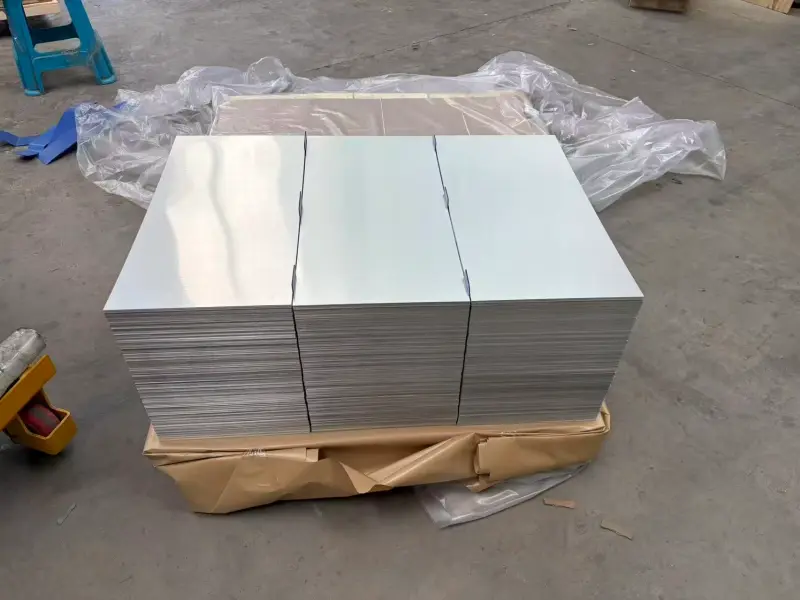
A3 provides a larger printing area.
Typical size:
297 × 420 mm
It is often used for:
- Photography
- Art prints
- Decorative panels
- Retail displays
- Personalized wall products
- Small advertising signs
For commercial printing companies, A3 can be a useful standard size.
8 × 10 Inch Aluminum Prints
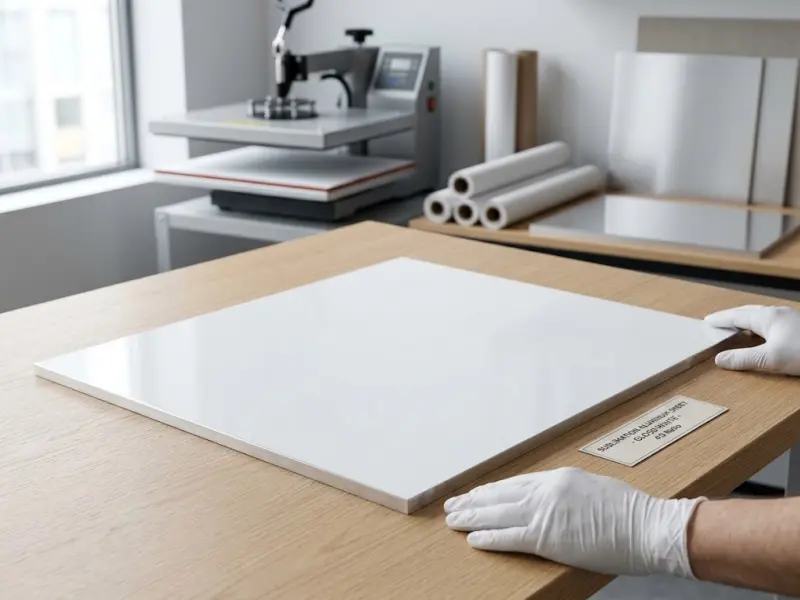
The 8 × 10 inch format is popular in the photography and gift market.
It is suitable for portraits, family photos, wedding photos, pet photos, and personalized decoration.
8 × 12 Inch Aluminum Prints
This size gives a wider image area than 8 × 10 inch.
It can be used for landscape photography, wall decoration, office artwork, and custom photo products.
Custom Shape Aluminum Prints
Not every project needs a rectangle.
Custom cutting can produce:
- Heart shapes
- Star shapes
- Arch shapes
- Pet silhouettes
- Logo shapes
- House shapes
- Car shapes
- Decorative patterns
For branding projects, custom shapes can make the finished product more recognizable.
Square Aluminum Photo Prints
Square formats are useful for modern interior decoration.
Common sizes include:
| Size | Typical Use |
|---|---|
| 6 × 6 in | Small gifts |
| 8 × 8 in | Home decoration |
| 10 × 10 in | Wall art |
| 12 × 12 in | Large photo display |
| 300 × 300 mm | Custom decoration |
Square aluminum prints can also be combined into photo wall collections.
Round Aluminum Prints
Round blanks provide a different visual style.
They can be produced for:
- Decorative signs
- Personalized gifts
- Photo ornaments
- Table decorations
- Promotional products
- Craft products
Diameter can be customized according to production needs.
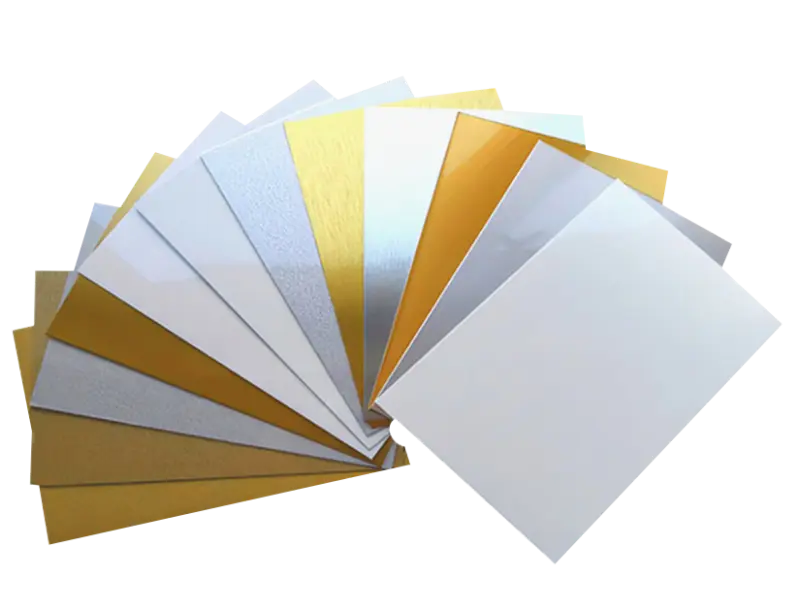
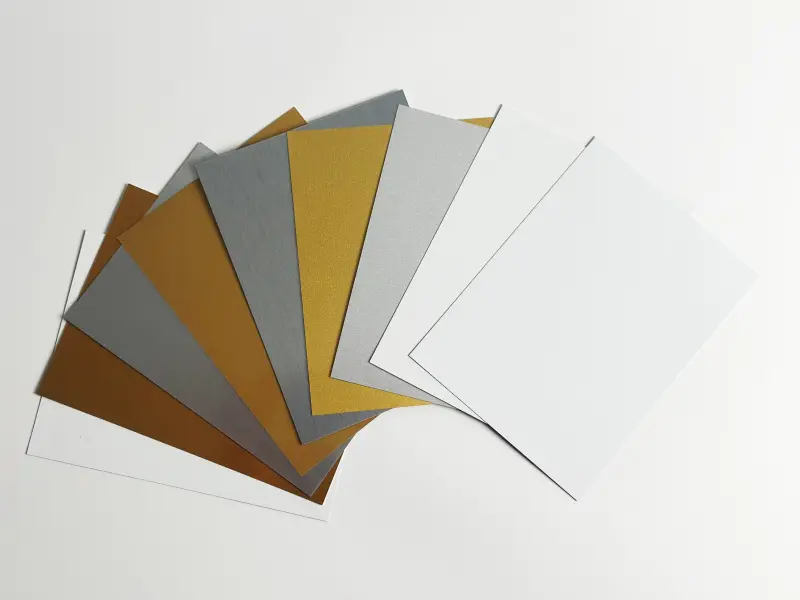
The white surface acts as the background of the printed image. It does not have the metallic appearance of natural aluminum.
This makes it suitable for colorful photographs and graphic designs.
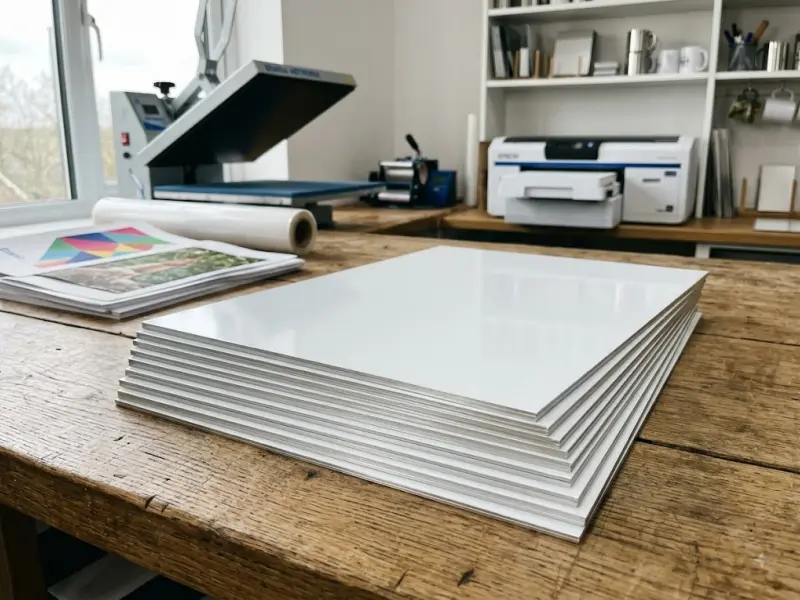
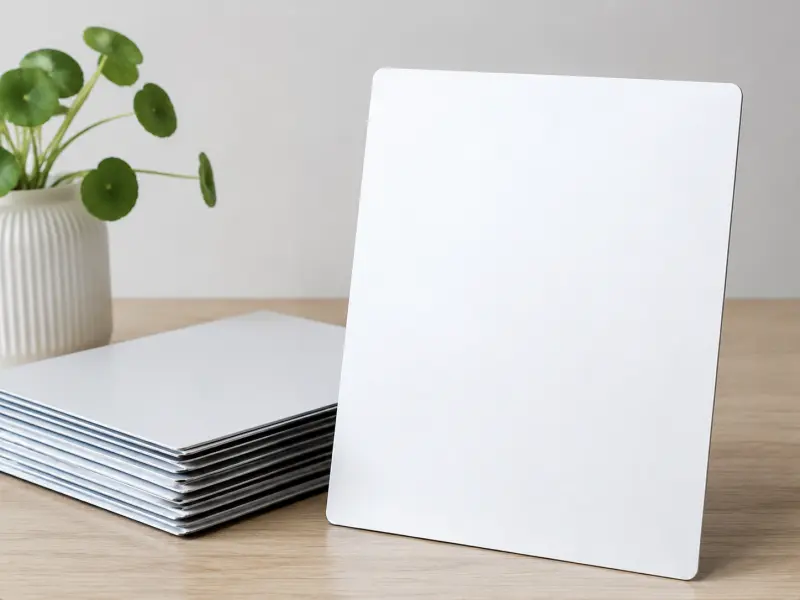
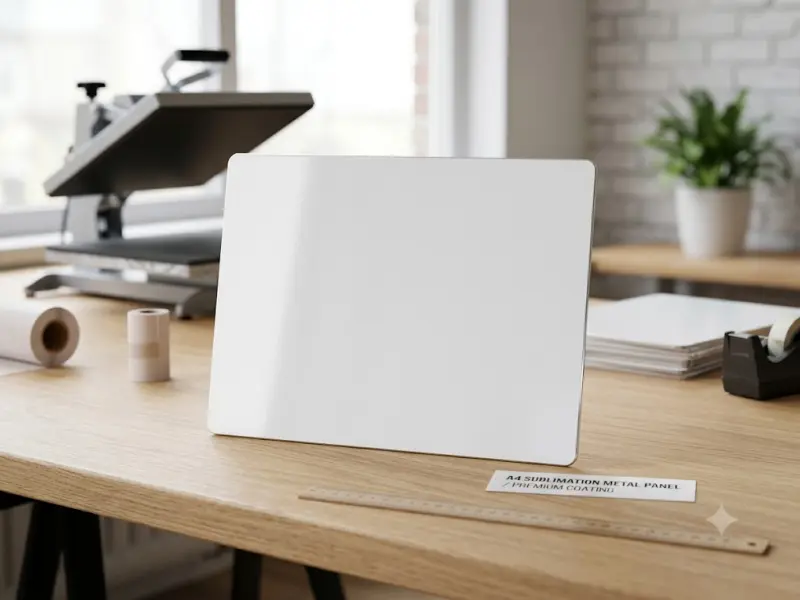
White Aluminum Sublimation Sheets
Glossy White Aluminum
Glossy white provides a smooth and reflective surface.
It can make colors look bright and clear.
Typical applications include:
- Photo panels
- High-resolution artwork
- Wedding photography
- Family portraits
- Decorative prints
- Commercial displays
Matte White Aluminum
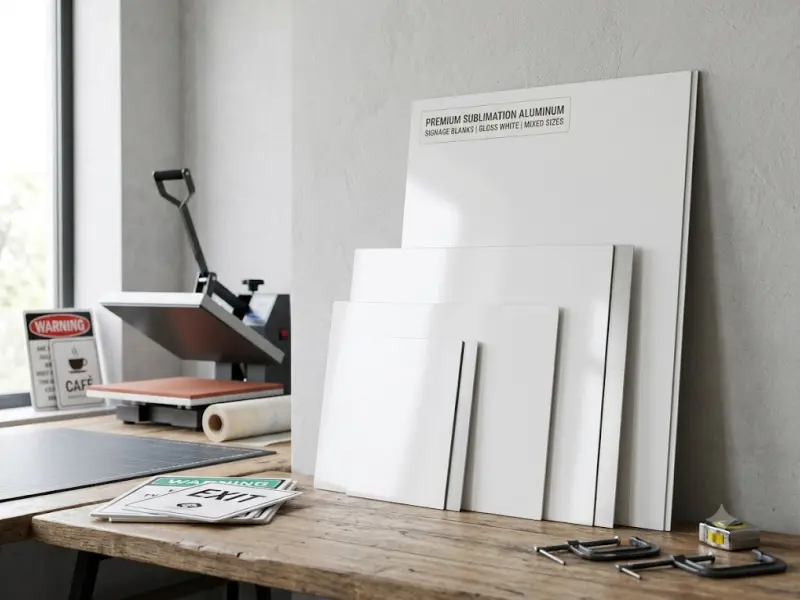
Matte white has less reflection.
It is useful when the product will be viewed under strong lighting.
Typical applications include:
Professional photography
Office decoration
Art displays
Interior signage
Museum-style prints
Satin White Aluminum
Satin finishes sit between glossy and matte.
They provide a softer appearance while maintaining good image clarity.
This can be a useful choice for premium decorative products.
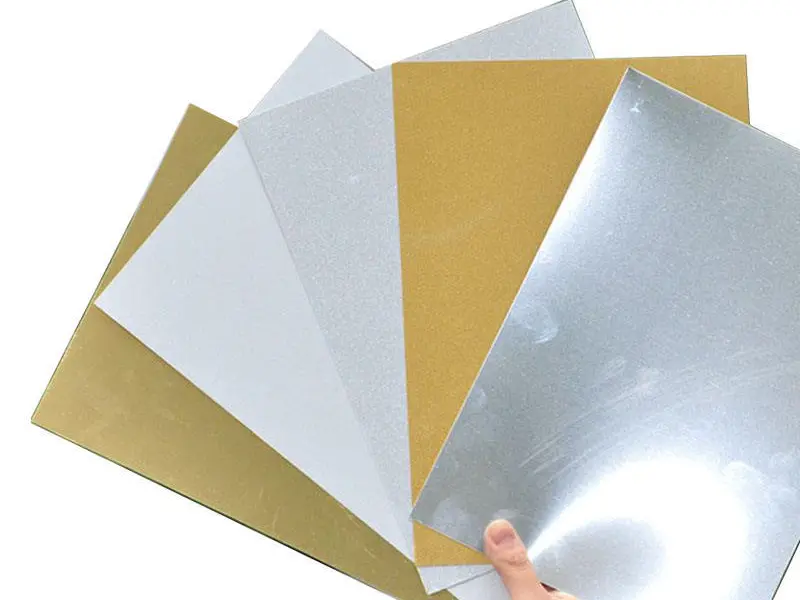
Silver and Brushed Aluminum Prints
Not every customer wants a white background.
Silver aluminum allows the natural metallic color to become part of the image.
Bright areas of the design can show the metal effect.
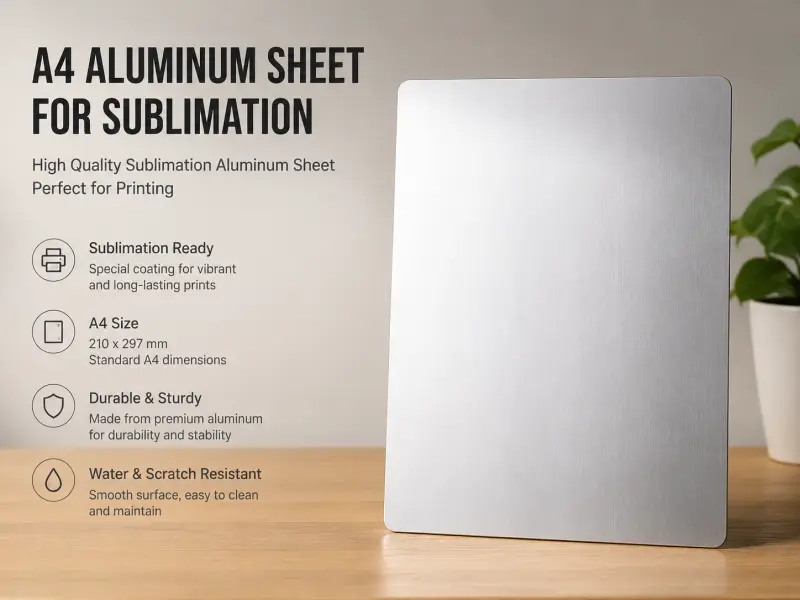
Brushed aluminum has fine directional lines on the surface. It can create a stronger industrial or modern appearance.
These materials are often selected for:
Premium gifts
Modern wall art
Brand signs
Automotive artwork
Industrial decoration
Restaurant decoration
Interior design
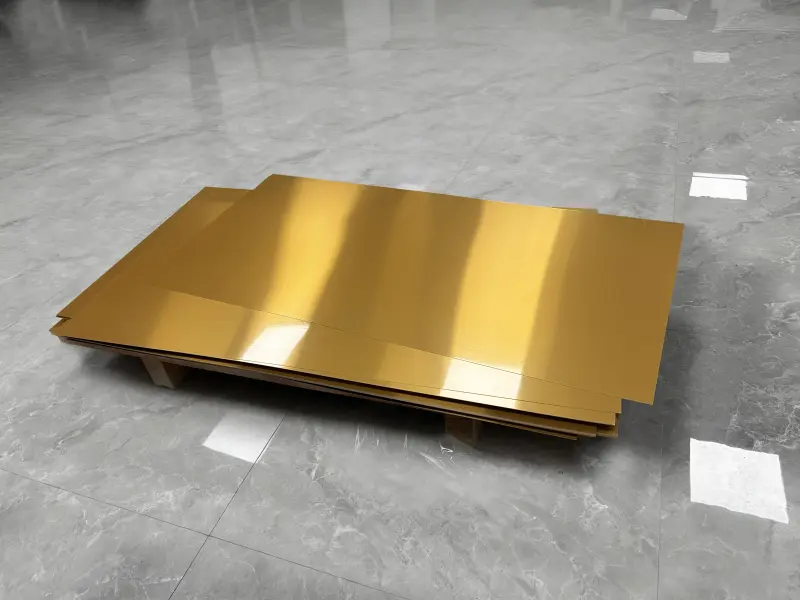
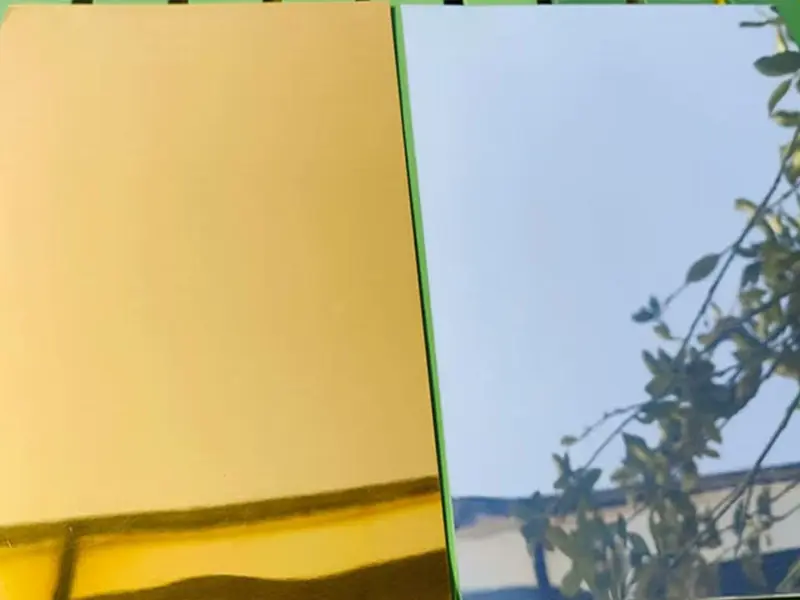
Mirror Aluminum Dye Sublimation Prints
Mirror gold and mirror silver surfaces can provide a more decorative appearance.
They are useful for projects where the metal finish is part of the design.
Possible products include:
- Luxury signs
- Decorative panels
- Event products
- Personalized gifts
- Premium displays
- Interior decoration
The final appearance depends on the coating, transfer paper, image design, and printing settings.
Aluminum Alloy Options for Dye Sublimation
The alloy affects forming, cutting, surface quality, and production performance.
For sublimation sheets, common options include 1050, 1060, 1100, and 3003.
| Alloy | Typical Feature | Common Use |
|---|---|---|
| 1050 | High aluminum content | Sublimation sheets |
| 1060 | Good surface quality | Photo printing |
| 1100 | Good workability | Printing blanks |
| 3003 | Higher strength | Larger panels and signs |
1050 Aluminum
1050 aluminum has high aluminum content and good formability.
It is often selected for lightweight sublimation blanks and decorative products.
1060 Aluminum
1060 offers good surface quality and easy processing.
It can be used for photo panels, signs, artwork, and custom blanks.
1100 Aluminum
1100 is known for good forming performance.
It is useful when the blank needs additional bending or processing.
3003 Aluminum
3003 provides higher strength than many 1xxx series grades.
It can be considered for larger panels and applications where additional strength is useful.
Aluminum Temper Options
Temper describes the condition of the aluminum after processing.
Common options include:
| Temper | General Character |
|---|---|
| O | Soft and highly formable |
| H12 | Slightly hardened |
| H14 | Medium hardness |
| H16 | Higher hardness |
| H18 | Hard condition |
| H24 | Strain hardened and partially annealed |
For flat printing blanks, H14, H16, and H18 can provide useful rigidity.
O temper can be useful when bending or forming is required.
The final choice should match the cutting, bending, printing, and installation requirements.
Aluminum Thickness for Sublimation Printing
Thickness is another important buying factor.
Common thickness options include:
| Thickness | Typical Application |
|---|---|
| 0.22 mm | Lightweight small products |
| 0.30 mm | Small photo panels |
| 0.45 mm | General sublimation blanks |
| 0.60 mm | Stronger decorative panels |
| 0.80 mm | Larger prints |
| 1.00 mm | Premium panels |
| 1.15 mm | Rigid photo products |
| 1.50 mm | Large or stronger panels |
A thinner sheet reduces weight and material cost.
A thicker sheet provides more rigidity.
How to Select Thickness
Small photo → 0.22–0.45 mm
General wall print → 0.45–0.80 mm
Large decorative panel → 0.80–1.15 mm
Heavy-duty or rigid panel → 1.0–1.5 mm
The actual thickness should also depend on the finished size and mounting method.
Aluminum Dye Sublimation Prints for Different Applications
The best material depends strongly on the final application.
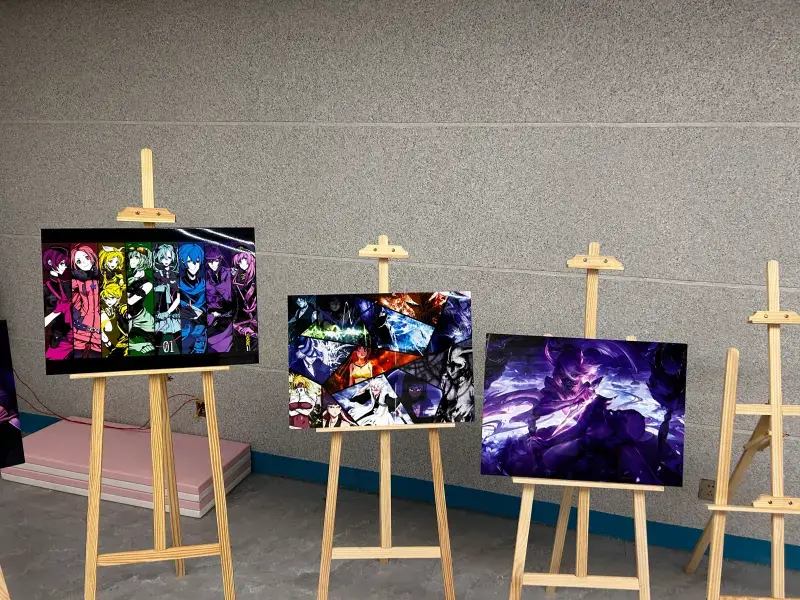
Photography and Photo Panels
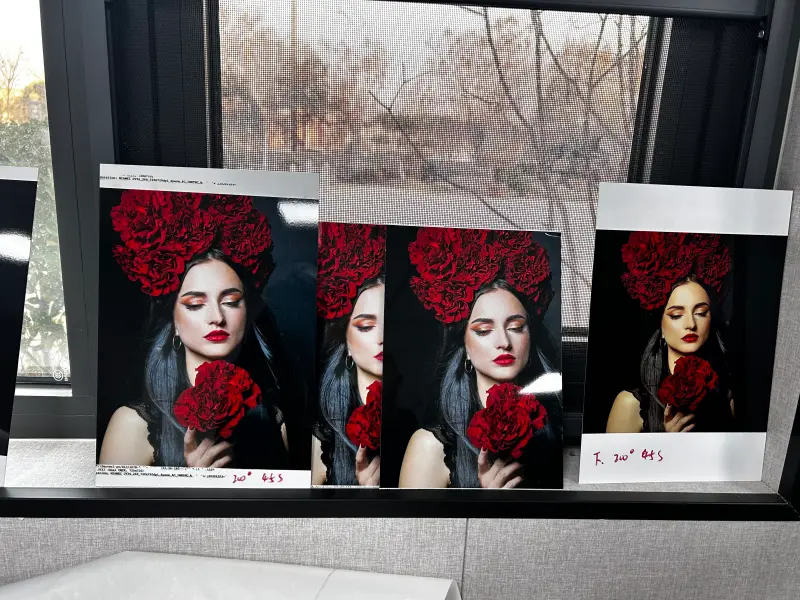
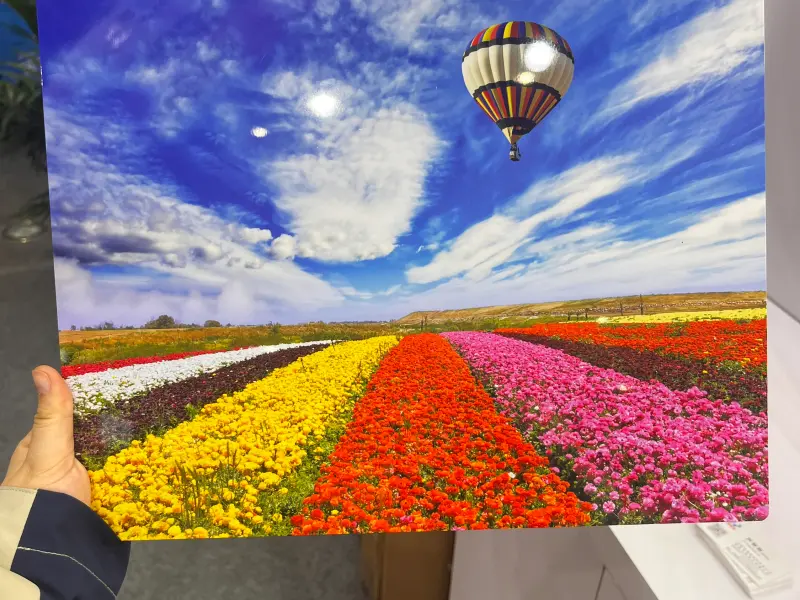
Aluminum photo panels are popular because they provide a clean metal surface and strong visual impact.
They can be used for:
- Wedding photography
- Family photos
- Portraits
- Pet photography
- Travel photos
- Landscape photography
- Professional photo displays
White glossy aluminum is often chosen when bright colors are the priority.
Home Decoration
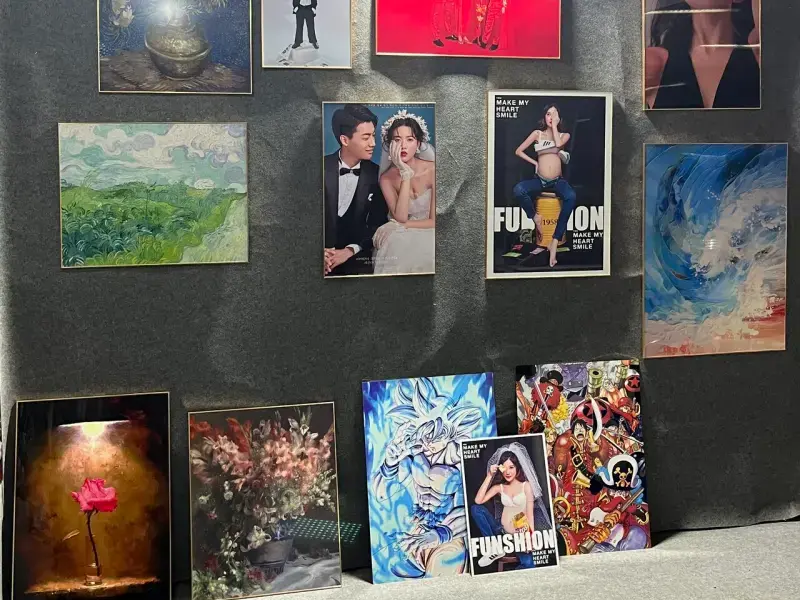
Aluminum prints can be used as wall decoration in homes.
Common products include:
Personalized signs
Photo wall panels
Family photo boards
Kitchen artwork
Bedroom decoration
Living room artwork
Children’s room decoration
Personalized Gifts
Custom aluminum printing is suitable for gift production.
Products can include:
- Photo gifts
- Anniversary gifts
- Wedding gifts
- Pet gifts
- Name plates
- Personalized plaques
- Memorial products
- Holiday gifts
Custom shapes can add more value to the finished product.
Commercial Signs
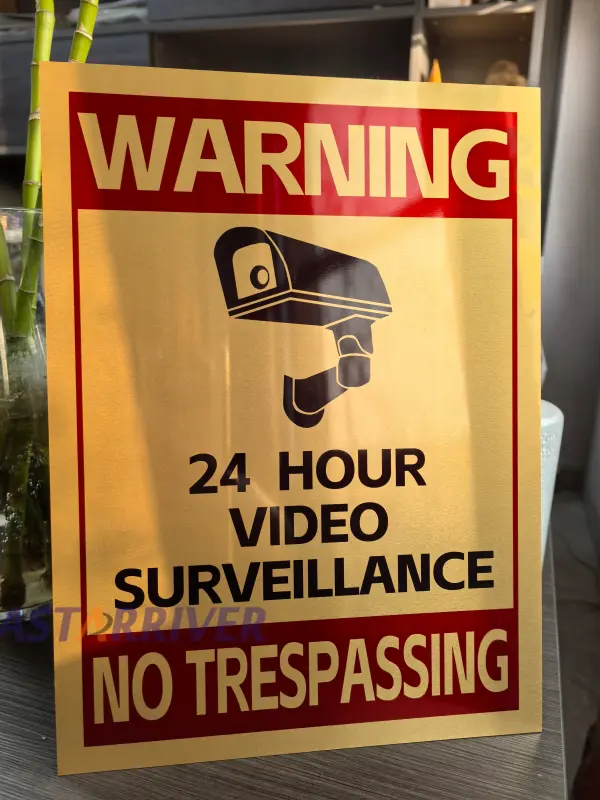
Dye sublimation aluminum can also be used for decorative signage.
Possible applications include:
- Restaurant signs
- Café decoration
- Office signs
- Retail displays
- Brand boards
- Promotional panels
- Indoor advertising
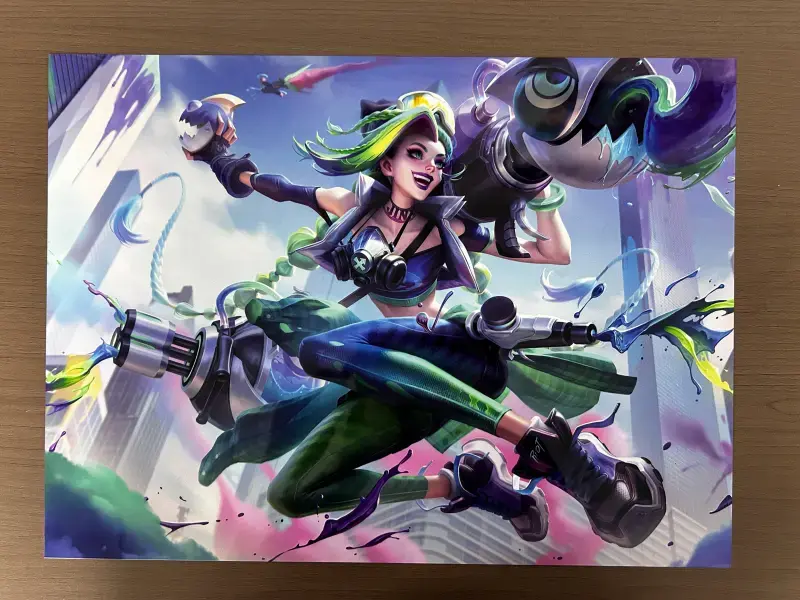
Art and Graphic Printing
Artists and designers can use aluminum as an alternative to canvas, paper, or MDF.
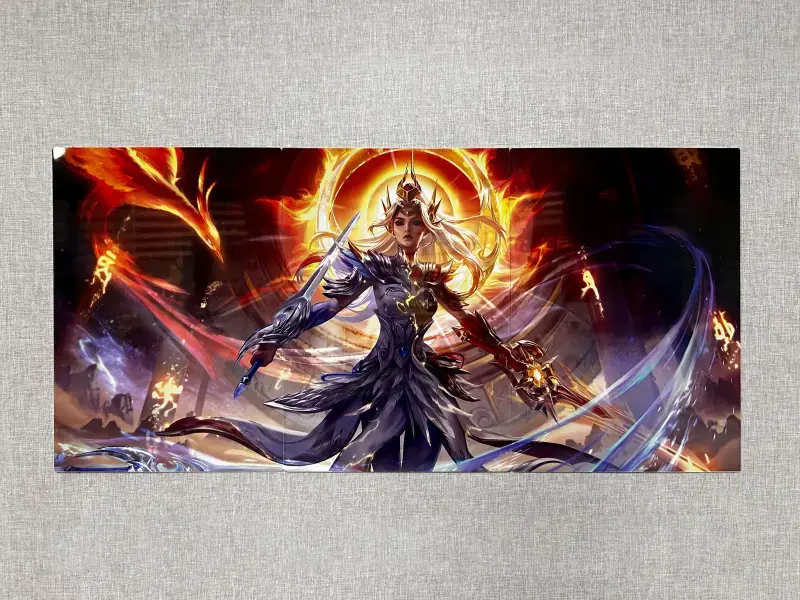
The smooth surface can provide a modern appearance.
It is suitable for:
Interior decoration
Digital artwork
Abstract art
Graphic design
Illustrations
Photography exhibitions
Aluminum Sublimation Prints vs MDF
Aluminum and MDF are both used for personalized printing, but they have different properties.
| Feature | Aluminum | MDF |
|---|---|---|
| Weight | Lightweight | Heavier |
| Water resistance | Good | Limited |
| Surface | Metal | Wood fiber |
| Thickness | Thin options | Usually thicker |
| Appearance | Modern | Wood-based |
| Shape cutting | Easy | Easy |
| Durability | High | Moderate |
| Outdoor potential | Better with suitable coating | Limited |
For a clean metal appearance and better resistance to moisture, aluminum can be a strong choice.
White Aluminum vs Silver Aluminum
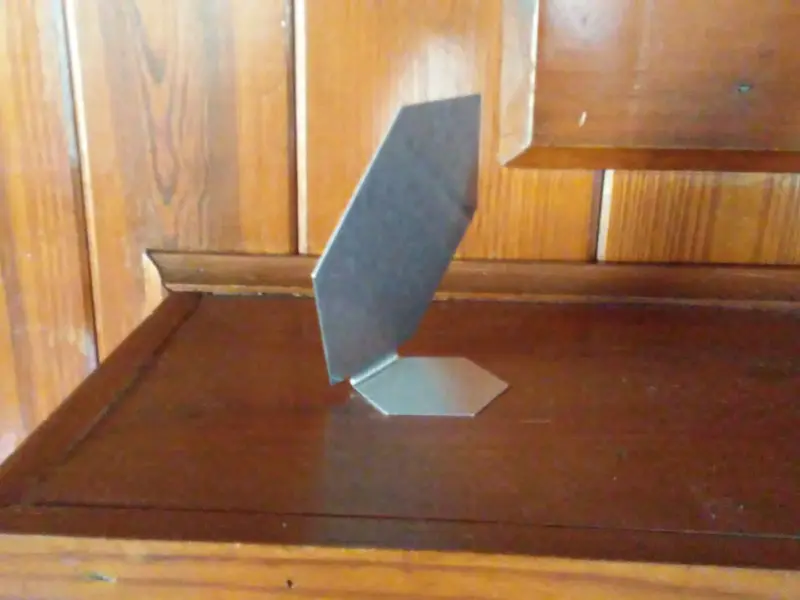
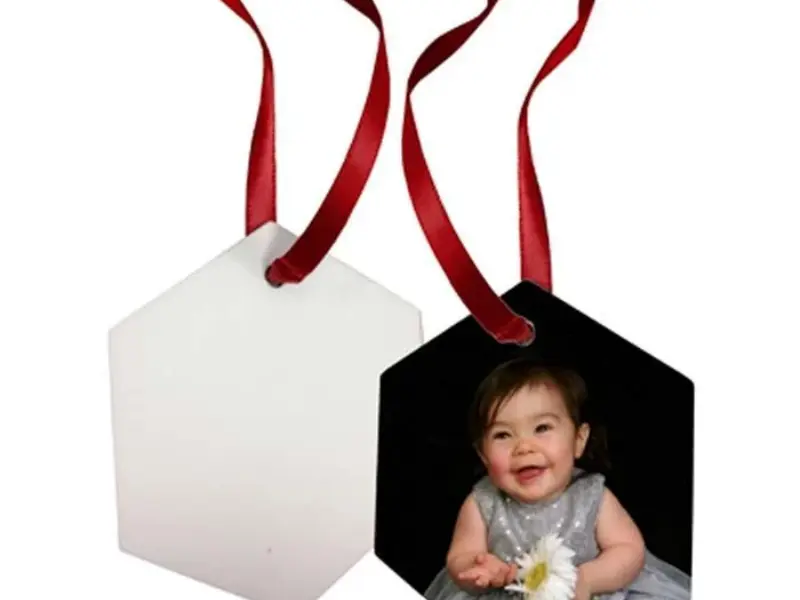
The background surface can change the final image.
| Feature | White | Silver |
|---|---|---|
| Background | White | Metallic |
| Color effect | Bright | Metallic |
| Photo reproduction | Excellent | Artistic |
| Metallic effect | Low | High |
| Best for | Photos | Decorative artwork |
Choose white when accurate and bright colors are important.
Choose silver when the natural aluminum effect is part of the design.
Glossy vs Matte Aluminum Prints
| Feature | Glossy | Matte |
|---|---|---|
| Reflection | Higher | Lower |
| Color appearance | Bright | Soft |
| Fingerprint visibility | Higher | Lower |
| Strong lighting | More reflection | Better viewing |
| Photo use | Excellent | Excellent |
| Art use | Excellent | Excellent |
There is no universal best finish.
The right choice depends on lighting, design, viewing distance, and customer preference.
Aluminum Sublimation vs UV Printing
These two printing methods are often compared.
| Feature | Dye Sublimation | UV Printing |
|---|---|---|
| Image transfer | Heat process | Direct ink |
| Special coating | Usually required | Depends on ink/system |
| Metal effect | Strong on suitable surfaces | Possible |
| Production process | Heat press | UV printer |
| Small custom orders | Suitable | Suitable |
| Product range | Coated blanks | Wider material range |
Dye sublimation is especially attractive for products designed around coated aluminum blanks.
UV printing may be more flexible when printing directly onto different materials.
How to Choose the Right Aluminum Print
A simple selection path can make purchasing easier.
Photo printing → White coated aluminum
Bright colorful image → Glossy white
Low-reflection environment → Matte white
Metallic design → Silver aluminum
Industrial appearance → Brushed aluminum
Small gift → 0.22–0.45 mm
General wall panel → 0.45–0.80 mm
Large rigid panel → 0.80–1.50 mm
Custom product → Custom size + custom shape
This approach helps buyers avoid choosing a material only by price.
What Determines the Price of Aluminum Dye Sublimation Prints?
The price depends on more than the aluminum alloy.
Important factors include:
- Aluminum alloy
- Temper
- Sheet thickness
- Sheet size
- Coating type
- Surface finish
- Cutting method
- Custom shape
- Printing requirements
- Order quantity
- Packaging
- Shipping distance
For wholesale buyers, larger production quantities can reduce the average processing cost.
Standard sizes are normally easier to produce than complex custom shapes.
Custom Aluminum Dye Sublimation Prints
A manufacturer can supply more than standard A4 and A3 blanks.
Custom production can include:
- Custom length
- Custom width
- Custom thickness
- Custom shape
- Custom coating
- Custom surface
- Custom packaging
- Custom logo
- Custom cutting
- Custom hole patterns
For printing companies, custom blanks can help create products that are different from standard retail items.
Custom Shape Production
Laser cutting, punching, CNC cutting, or other processing methods can be selected according to the design.
For larger quantities, optimized cutting layouts can reduce material waste.
Quality Points to Check Before Buying
Good sublimation printing starts with good aluminum blanks.
Buyers should check the following points.
Surface Quality
The surface should be clean and even.
Problems such as scratches, oil marks, dents, or coating defects may affect the final product.
Coating Quality
The coating needs to be suitable for dye sublimation.
A poor coating can lead to weak color, uneven image transfer, or poor adhesion.
Thickness Tolerance
Consistent thickness is important for stable production.
Large thickness differences can affect handling and heat transfer.
Flatness
Flat sheets are easier to print.
Warped blanks may cause uneven contact during heat pressing.
Cutting Edge
Edges should be clean after cutting.
For personalized products, clean edges improve the final appearance.
Heat Press Considerations
Different coatings and machines require different settings.
As a general starting point, many sublimation aluminum products use temperatures around 380–400°F and pressing times around 45–90 seconds.
These values are not universal.
Always test the specific coating, transfer paper, ink, and press before mass production.
Common Printing Problems
Pale Image
Possible causes include:
- Low temperature
- Short pressing time
- Poor transfer paper
- Incorrect ink
- Insufficient pressure
- Unsuitable coating
Uneven Color
Possible causes include:
- Uneven pressure
- Poor sheet flatness
- Contaminated surface
- Uneven heating
- Incorrect transfer positioning
Ghosting
Ghosting may happen when the transfer paper moves during pressing.
Good positioning and secure fixing can reduce this problem.
Packaging and Storage
Aluminum blanks should be protected during transportation.
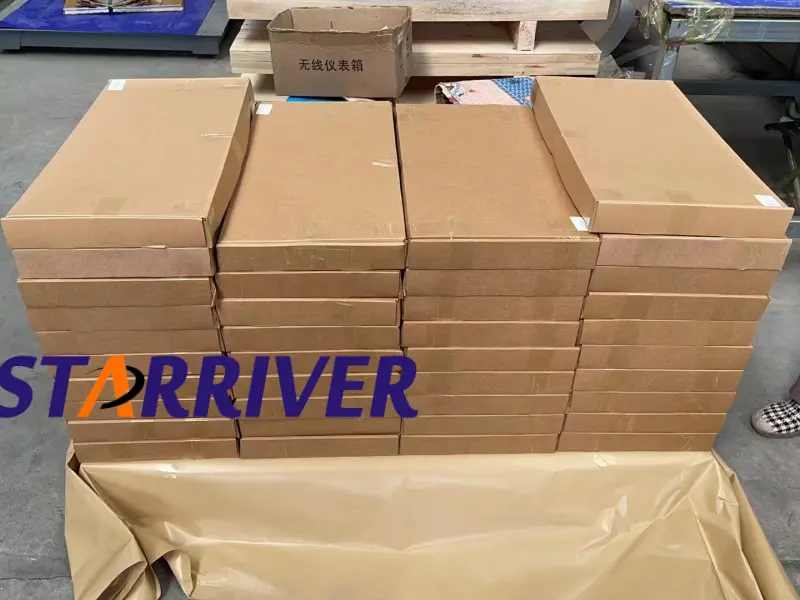
Recommended practices include:
- Use protective film when suitable
- Separate sheets with paper
- Use strong cartons or pallets
- Protect corners
- Keep products dry
- Avoid heavy pressure on thin sheets
- Prevent surface scratches
- Store away from chemicals and moisture
Good packaging is especially important for coated surfaces.
Wholesale Aluminum Dye Sublimation Prints
Wholesale buyers usually have different priorities from individual customers.
A printing company may need stable quality and regular sizes.
A gift manufacturer may need custom shapes.
A distributor may focus more on price, packaging, and repeat supply.
A useful wholesale specification can include:
| Item | Example |
|---|---|
| Alloy | 1050 / 1060 / 1100 / 3003 |
| Temper | O / H12 / H14 / H16 / H18 |
| Thickness | 0.22–1.50 mm |
| Size | A4 / A3 / 8×10 / 8×12 / Custom |
| Surface | Glossy / Matte / Satin |
| Color | White / Silver / Gold |
| Finish | Smooth / Brushed / Mirror |
| Processing | Cutting / Punching / Custom Shape |
| Packaging | Carton / Pallet / Custom |
The final specification can be adjusted to the customer’s printing equipment and product range.
Choosing an Aluminum Sublimation Sheet Supplier
A reliable supplier should be able to provide more than a low material price.
Check:
- Available aluminum alloys
- Temper options
- Coating performance
- Thickness range
- Size options
- Cutting accuracy
- Surface quality
- Production capacity
- Packaging method
- Sample availability
- Lead time
- Custom production ability
For long-term orders, consistency is especially important.
A supplier that can keep the same coating, thickness, and surface quality can make production easier.
A Simple Buyer Checklist
Before placing an order, confirm:
1. What will be printed?
Photo, artwork, sign, gift, or decoration?
2. What size is required?
A4, A3, 8×10, 8×12, square, round, or custom?
3. What surface is needed?
Glossy, matte, satin, silver, brushed, or mirror?
4. What thickness is suitable?
Thin for lightweight products or thicker for rigid panels?
5. Which alloy is suitable?
1050, 1060, 1100, or 3003?
6. Does the product need cutting?
Standard rectangle or custom shape?
7. What quantity is required?
Small trial order or regular wholesale production?
This checklist can make quotation and sampling faster.
FAQ About Aluminum Dye Sublimation Prints
What is an aluminum dye sublimation print?
It is an image transferred onto specially coated aluminum using heat and pressure. The process creates a durable printed surface suitable for photos, artwork, signs, and personalized products.
Which aluminum alloy is best for sublimation?
1050, 1060, 1100, and 3003 are common choices. The best option depends on thickness, forming requirements, surface quality, and final application.
What thickness is best for aluminum photo panels?
For many small and medium photo panels, 0.45–0.80 mm is a practical range. Larger panels may benefit from 0.80–1.50 mm for additional rigidity.
Is white aluminum better than silver aluminum?
It depends on the image. White aluminum is better for bright and accurate colors. Silver aluminum is useful when a metallic effect is wanted.
Can aluminum sublimation blanks be custom cut?
Yes. Aluminum sheets can be cut into rectangles, circles, squares, and many custom shapes.
Can aluminum sublimation prints be used outdoors?
Some coated aluminum products can be used for suitable outdoor applications. However, outdoor durability depends on the coating system, ink, installation, exposure, and product design.
Can I order A4 and A3 aluminum blanks in bulk?
Yes. A4 and A3 are common wholesale sizes. Custom dimensions can also be produced for larger orders.
What is the difference between glossy and matte aluminum?
Glossy surfaces provide stronger reflection and a brighter visual effect. Matte surfaces reduce reflection and can be more comfortable under strong lighting.
Can brushed aluminum be used for sublimation?
Yes, if the brushed aluminum has a suitable sublimation coating. It can create a metallic texture beneath the printed image.
What information should I provide when requesting a quotation?
Provide the alloy, temper, thickness, size, surface finish, coating type, quantity, cutting requirements, and packaging requirements.
Quick Product Selection Guide
| Customer Need | Recommended Option |
|---|---|
| Small photo gift | A4 / 0.22–0.45 mm |
| Professional photo | A3 / 0.45–0.80 mm |
| Wall decoration | 0.45–1.00 mm |
| Large artwork | 0.80–1.50 mm |
| Bright photo | Glossy white |
| Low-reflection display | Matte white |
| Metallic artwork | Silver |
| Modern industrial design | Brushed |
| Premium decoration | Mirror gold/silver |
| Custom gift | Custom shape |
| Wholesale blanks | 1050 / 1060 / 1100 |
| Stronger large panel | 3003 |
Final Thoughts
.

Aluminum dye sublimation prints combine metal strength with high-quality digital image reproduction. They can be used for much more than simple photo printing.
The choice of alloy, temper, thickness, coating, finish, size, and shape should match the final product.
For small photo products, A4 and 8×10 inch sheets are practical choices
For larger wall products, A3, 8×12 inch, and custom panels provide more printing space.
By colorful images, white glossy aluminum is a common choice. For creative designs, silver, brushed, and mirror surfaces can provide a different visual effect.
For wholesale buyers, stable coating quality and consistent dimensions are just as important as the aluminum price.
A well-selected aluminum blank can make the printing process easier and help create better finished products.
Leave a Reply
You must be logged in to post a comment.