
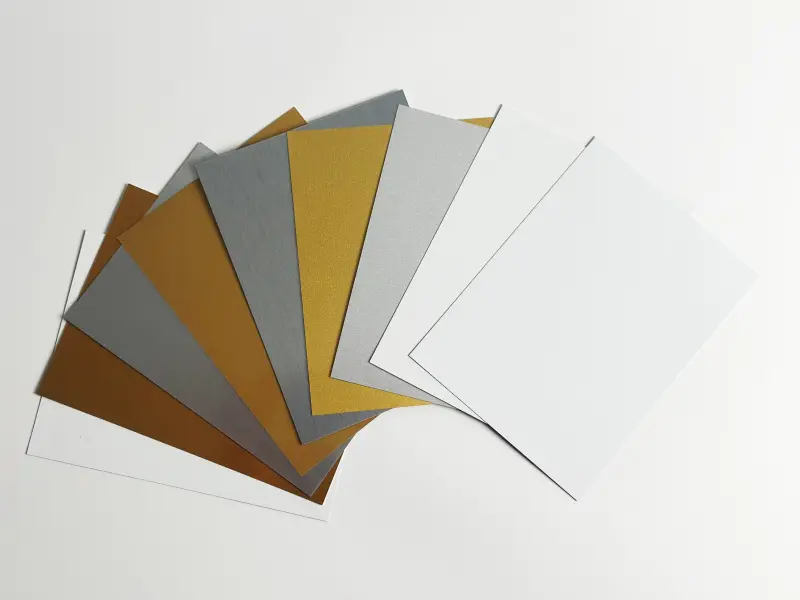
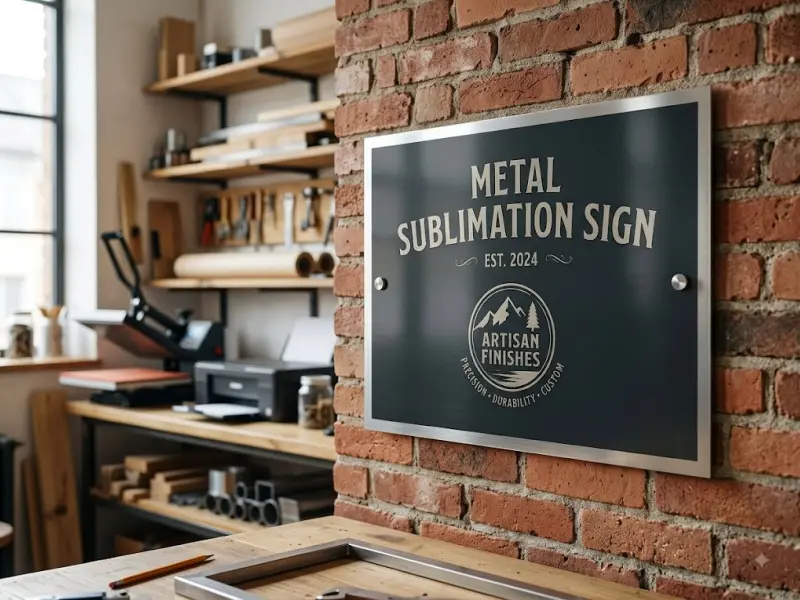
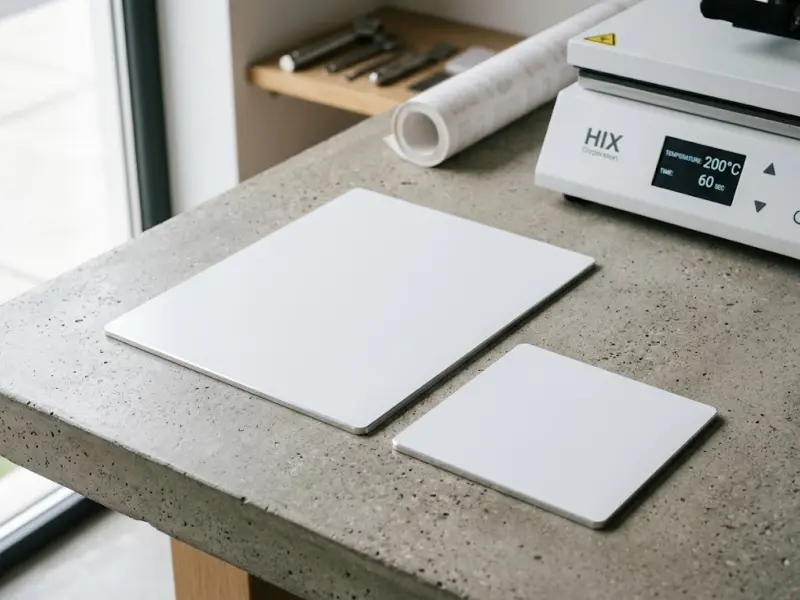
Sublimation Aluminium Sign Blanks are flat aluminum panels prepared for dye sublimation printing. They are commonly used to make personalized signs, photo panels, promotional boards, nameplates, decorative signs, and other custom products.
The basic idea is simple:
Aluminum Sheet → Surface Preparation → Sublimation Coating → Cutting → Inspection → Packing → Printing
A good blank needs more than the right size. The aluminum base, thickness, surface coating, flatness, and cutting quality all affect the final printed product.
For wholesalers, sign makers, printing companies, and distributors, the right specification can also reduce production waste.


Sublimation Aluminium Sign Blanks

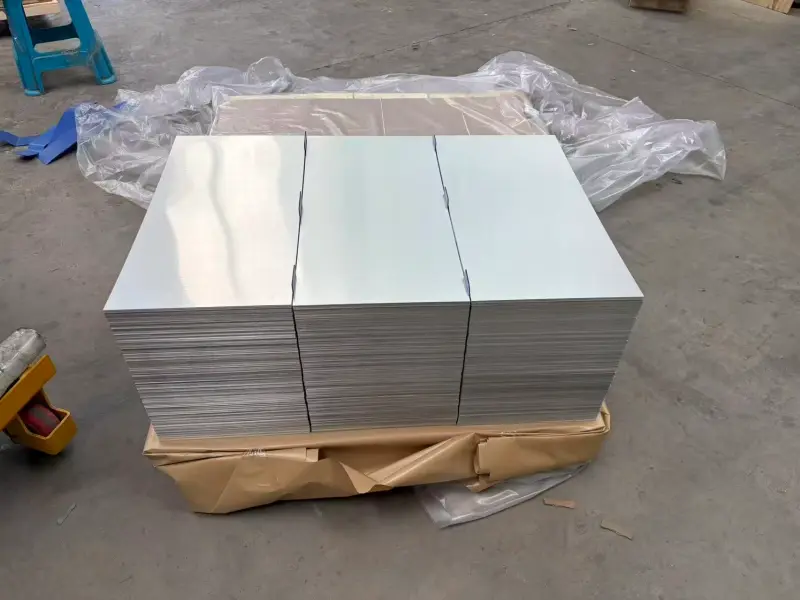
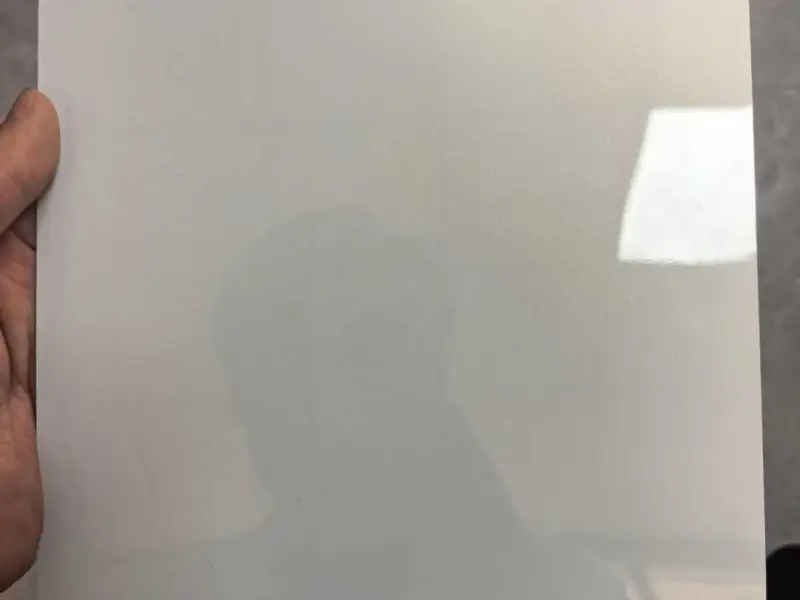
Common product formats include:
| Product Type | Typical Size | Common Use |
|---|---|---|
| Small Sign Blank | 4 × 6 in | Small signs |
| Photo Panel | 8 × 10 in | Photos |
| Door Sign | 8 × 12 in | Room signs |
| Medium Sign | 12 × 18 in | Indoor signs |
| Large Panel | 18 × 24 in | Wall graphics |
| Custom Blank | Custom | Special projects |
The exact size and thickness can be customized according to production requirements.
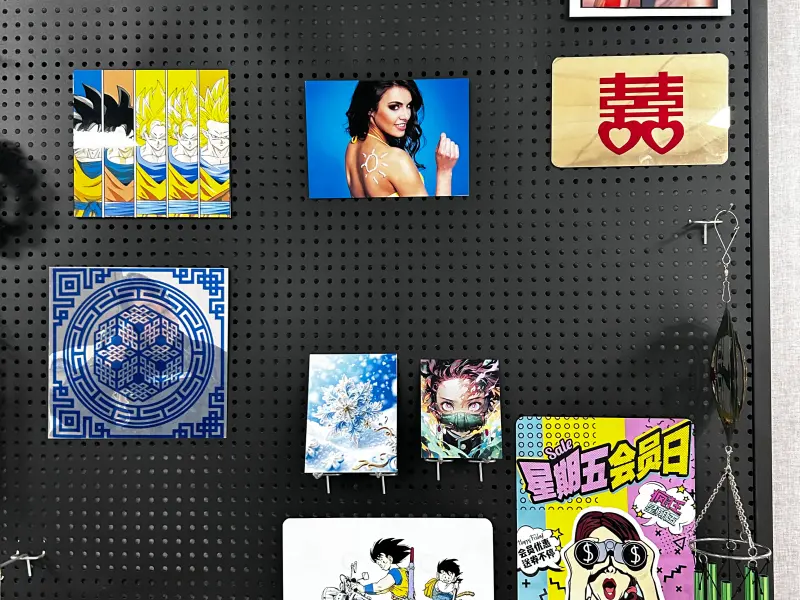
Why Use Aluminum for Sublimation Signs?
Aluminum is lightweight, flat, and easy to process.
It also provides a clean surface for a coated printing panel.
Compared with many plastic sign materials, aluminum offers a more rigid structure. It can also be cut into different shapes for custom signs.
For commercial production, aluminum blanks are useful because the same basic material can be supplied in many sizes.
Main Advantages
- Lightweight construction
- Good flatness
- Easy cutting
- Smooth printing surface
- Good image presentation
- Suitable for indoor signs
- Available in many sizes
- Available in different thicknesses
- Easy to package and ship
- Suitable for custom shapes
The final performance depends on the aluminum alloy, coating system, thickness, and manufacturing process.
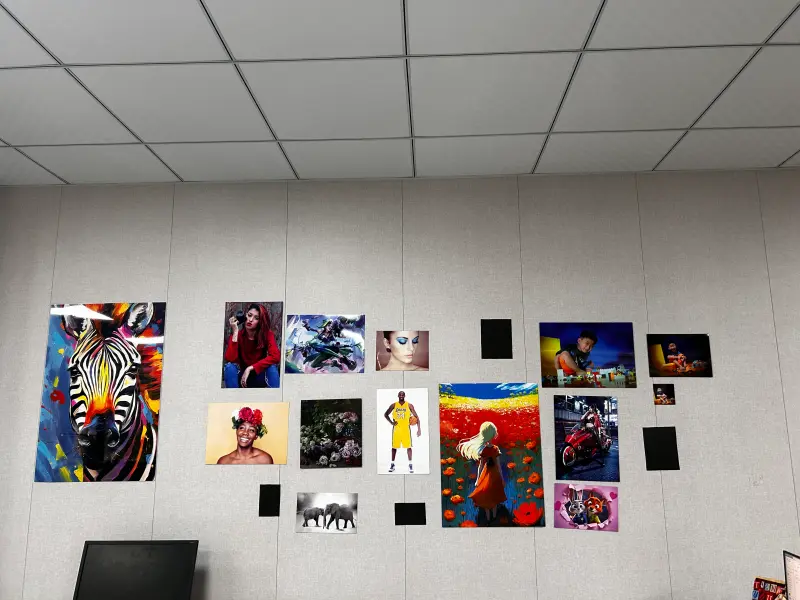
Sublimation Aluminium Sign Blanks by Thickness
Thickness is one of the first specifications buyers should confirm.
A thin panel can reduce material cost and shipping weight. A thicker panel provides more rigidity and a stronger feel.
0.020 Inch Sublimation Aluminum Blanks
0.020 inch aluminum is a lightweight option for small decorative signs and photo products.
It can be useful when low weight is more important than panel rigidity.
Typical applications include:
- Small photo signs
- Personalized gifts
- Indoor decorations
- Small promotional panels
- Craft products
0.025 Inch Aluminum Sign Blanks
0.025 inch provides a little more rigidity than 0.020 inch.
It is suitable for small and medium-size printing products where buyers want a balance between weight and strength.
0.032 Inch Sublimation Aluminum
0.032 inch is a practical thickness for many general sign applications.
It provides a more solid panel while keeping the product relatively lightweight.
0.040 Inch Sublimation Blanks
0.040 inch aluminum is better suited to applications that need additional stiffness.
It can be used for medium-size signs, wall panels, display boards, and decorative products.
0.050 Inch Aluminum Blanks
0.050 inch is a thicker option for buyers looking for a stronger aluminum panel.
It can be considered for larger signs or applications where a more substantial panel is preferred.
Thickness Comparison
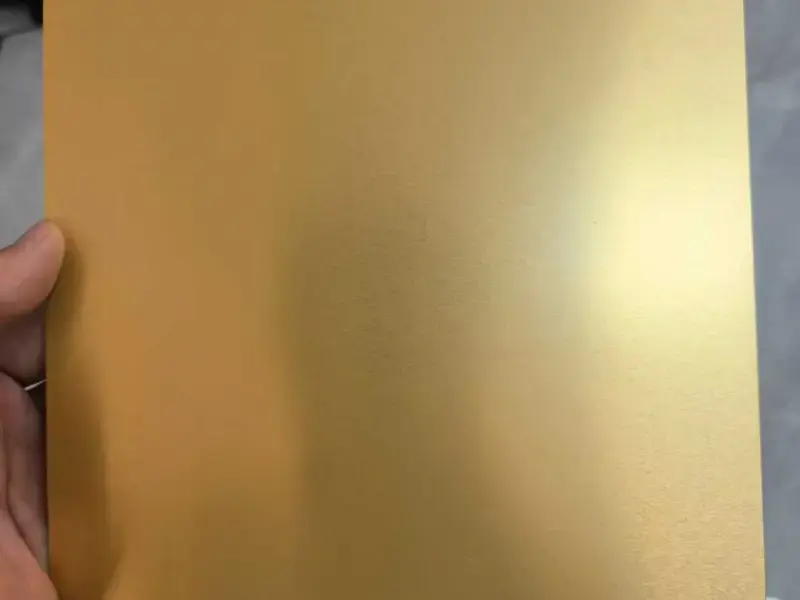
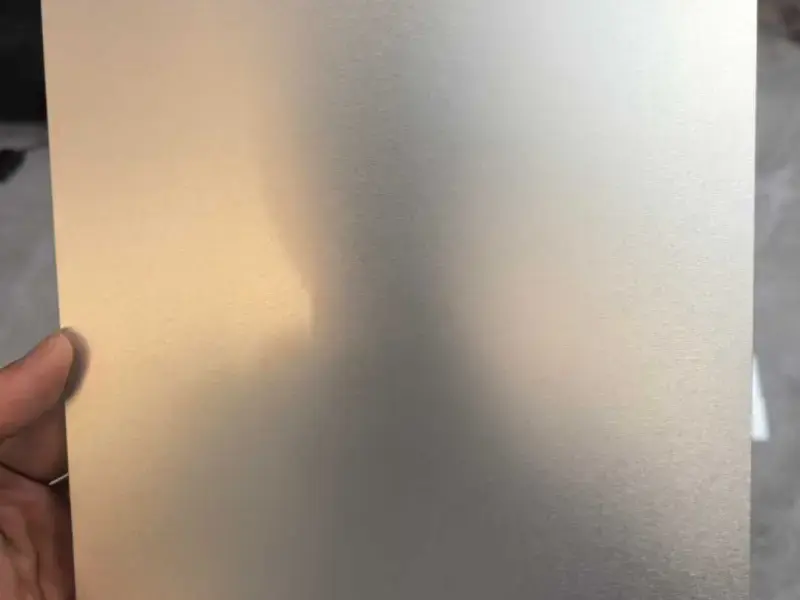
| Thickness | Approx. Metric | General Position |
|---|---|---|
| 0.020 in | 0.51 mm | Lightweight |
| 0.025 in | 0.64 mm | Light / medium |
| 0.032 in | 0.81 mm | General use |
| 0.040 in | 1.02 mm | More rigid |
| 0.050 in | 1.27 mm | Heavy-duty option |
| 0.063 in | 1.60 mm | High rigidity |
The best thickness depends on panel size, mounting method, shipping requirements, and final use.
Popular Sublimation Sign Blank Sizes
Standard sizes make production easier.
They can fit common heat presses and reduce the amount of cutting required.
| Size | Typical Application |
|---|---|
| 4 × 6 in | Small photo signs |
| 5 × 7 in | Photo products |
| 8 × 10 in | Photo panels |
| 8 × 12 in | Door signs |
| 10 × 12 in | Decorative panels |
| 12 × 12 in | Square signs |
| 12 × 18 in | Medium wall signs |
| 16 × 20 in | Large photo panels |
| 18 × 24 in | Large signs |
| 24 × 36 in | Display panels |
Custom sizes are also available.
For example:
Custom Size → Custom Shape → Edge Processing → Coating → Packing
This is useful for customers who already have a specific printing machine or heat press.
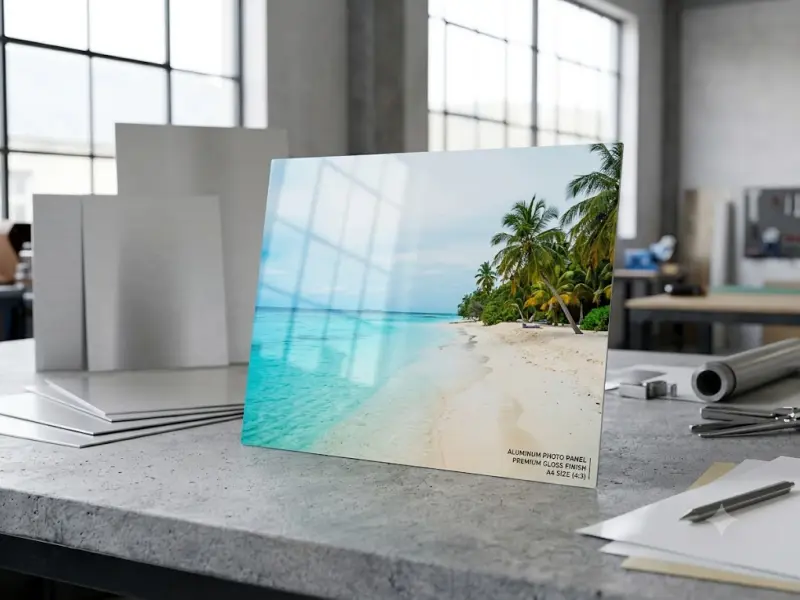
A4 Sublimation Aluminium Sign Blanks
A4 is one of the practical sizes for small and medium printing products.
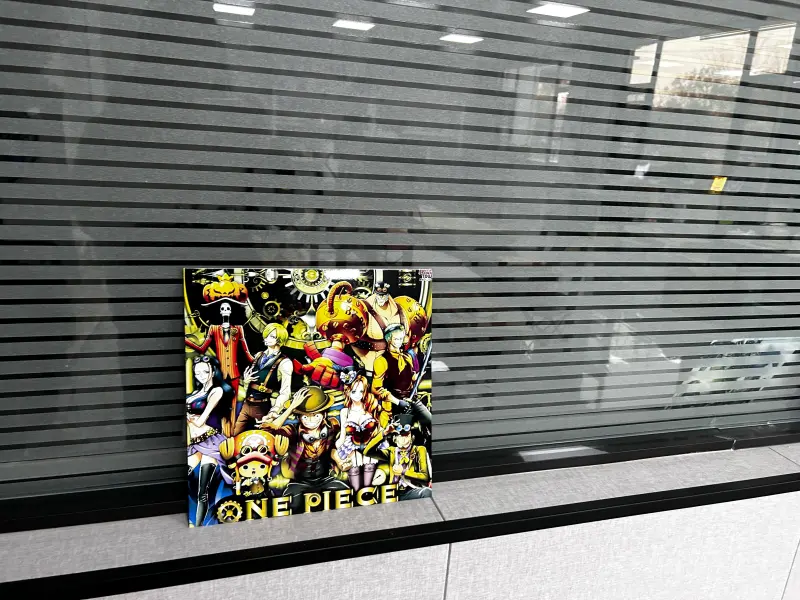
The standard A4 format is approximately 210 × 297 mm.
It can be used for:
- Photo panels
- Personalized signs
- Office signs
- Decorative artwork
- Small advertising panels
- Gift products
- Home decoration
A4 blanks are also easy to handle and pack.
A3 Sublimation Aluminum Blanks
A3 panels provide a larger printing area.
They are suitable for larger photos, artwork, signs, and promotional displays.
The larger surface makes coating quality especially important.
Any scratches, dents, coating defects, or flatness problems can become more visible after printing.
Round Sublimation Aluminum Sign Blanks
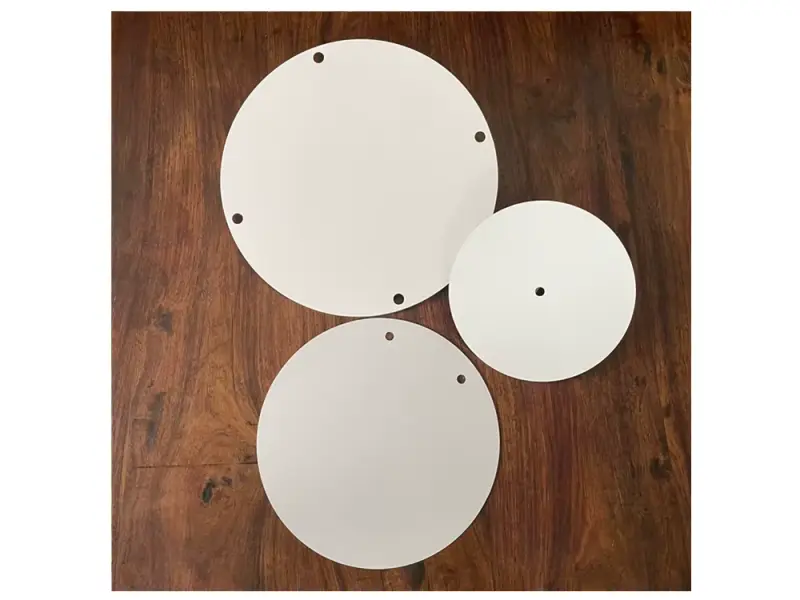
Round blanks are popular for decorative signs and personalized products.
Common diameters include:
| Diameter | Typical Use |
|---|---|
| 4 in | Small decorative sign |
| 6 in | Photo / gift products |
| 8 in | Wall decoration |
| 10 in | Medium sign |
| 12 in | Large decorative panel |
| 14 in | Custom wall sign |
Round panels can be supplied with smooth edges or additional edge processing.
Square and Rectangle Aluminum Blanks
Square and rectangular blanks are easier to use for many standard printing designs.
Common sizes include:
8 × 8 in → 10 × 10 in → 12 × 12 in → 12 × 18 in → 18 × 24 in
These formats work well for signs, photo panels, promotional products, and wall decoration.
Custom Shape Sublimation Blanks
Not every sign needs to be rectangular.

Custom cutting can create:
- Circles
- Ovals
- Arches
- Letters
- Numbers
- Logos
- Animals
- Special patterns
- Customer-designed shapes
For custom shapes, buyers should provide a drawing or CAD file when possible.
Aluminum Alloys for Sublimation Sign Blanks
The aluminum alloy affects strength, forming performance, surface quality, and processing.
Different manufacturers may use different aluminum grades depending on the product design.
1050 Aluminum
1050 has high aluminum content and is widely used for products where good surface quality and easy processing are important.
It can be considered for lightweight sublimation panels.
1060 Aluminum
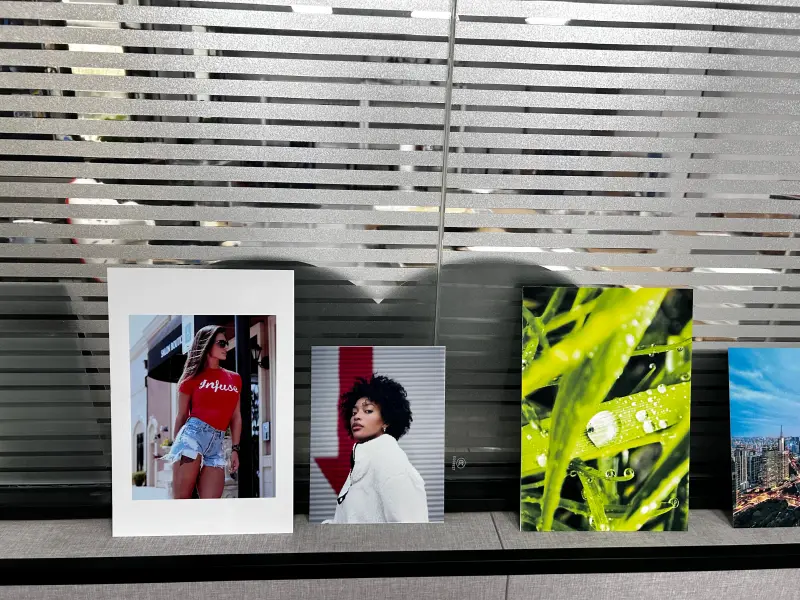
1060 aluminum also has high aluminum content.
It offers good electrical and thermal conductivity, but for printing blanks, buyers often focus more on surface quality, flatness, and coating performance.
3003 Aluminum
3003 contains manganese and generally provides higher strength than 1050 and 1060.
It can be considered when a stronger panel is needed.
Alloy Comparison
| Alloy | General Character | Possible Use |
|---|---|---|
| 1050 | High aluminum content | Lightweight blanks |
| 1060 | High purity aluminum | Printing panels |
| 3003 | Higher strength | Stronger sign blanks |
| 5052 | Higher strength | Special applications |
The suitable alloy should be selected together with thickness and panel size.
Aluminum Temper Options
The temper describes the condition of the aluminum after processing.
For sublimation blanks, common conditions may include annealed or work-hardened material depending on the production process.
| Temper | General Character |
|---|---|
| O | Softer condition |
| H12 | Lightly hardened |
| H14 | Medium hardness |
| H16 | Higher hardness |
| H18 | Hard condition |
Not every alloy is supplied in every temper.
For most sign applications, buyers should focus on the combination of flatness + thickness + strength + cutting quality rather than choosing temper alone.
Coating Quality Matters More Than the Aluminum Grade Alone
The aluminum base is only one part of the finished blank.
The printing surface is equally important.
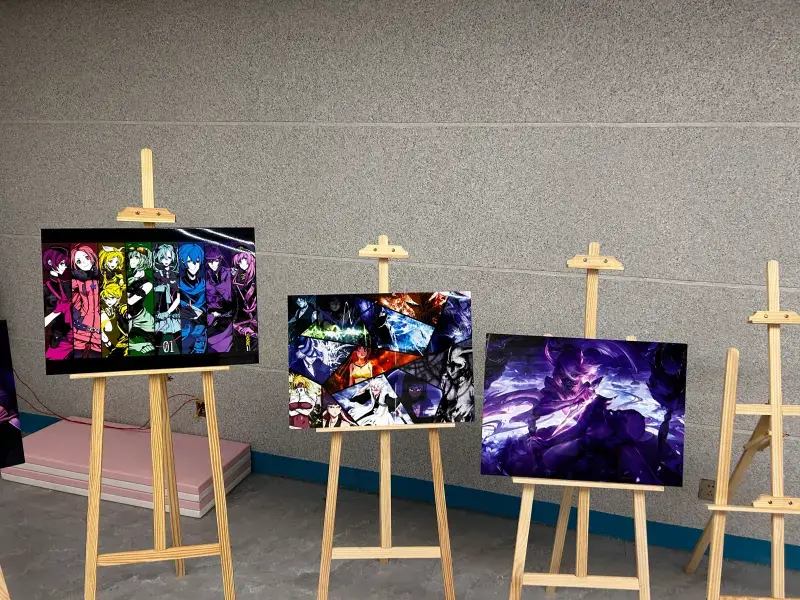
A sublimation coating should provide a consistent surface for image transfer.
Poor coating can lead to:
- Uneven color
- Weak image transfer
- Surface marks
- Different gloss levels
- Poor ink adhesion
- Inconsistent printing results
This is why buyers should test samples before placing a large order.
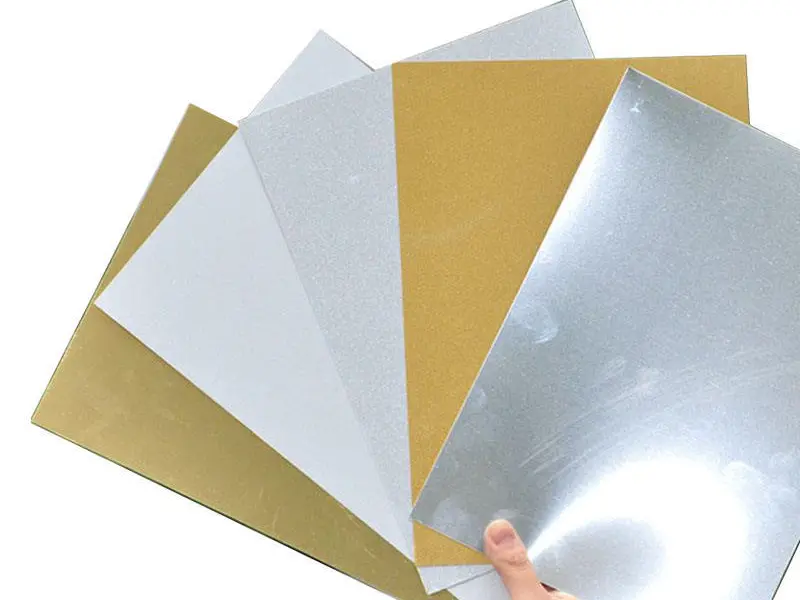
Glossy vs Matte Sublimation Aluminum
Different customers have different surface preferences.
| Surface | Appearance | Suitable Use |
|---|---|---|
| Glossy | Bright and reflective | Photos |
| Matte | Soft reflection | Signs |
| Semi-gloss | Balanced appearance | General products |
| Custom | Customer requirement | Special projects |
Gloss level can affect the appearance of printed images.
For photo products, glossy surfaces are often preferred.
For some signs, a matte surface may be easier to read under strong lighting.
White Coated vs Clear Coated Surface
A white sublimation surface is commonly used when the printed image needs a light background.
The white base can help the printed colors appear more clearly.
A clear surface has a different visual effect because the aluminum appearance can remain part of the final design.
The correct coating depends on the artwork and product design.
One-Side and Two-Side Coating
Most standard sign blanks are designed for printing on one side.
However, double-sided coated panels can be produced for certain applications.
| Coating | Suitable Situation |
|---|---|
| One side | Standard sign |
| Two sides | Double-sided display |
| One side + protective film | Transport protection |
| Custom coating | Special printing process |
Buyers should confirm whether printing is required on one or both sides.
Where Are Sublimation Aluminum Sign Blanks Used?
The application range is broader than simple wall signs.
Personalized Home Signs

These blanks can be printed with family names, house numbers, artwork, or decorative designs.
Typical products include:
Decorative wall panels
House signs
Family signs
Room signs
Kitchen signs
Garden signs
Business and Office Signs
Aluminum printing panels can also be used for commercial identification.
Examples include:
- Office nameplates
- Door signs
- Room numbers
- Business signs
- Reception signs
- Direction signs
- Promotional boards
Photo Panels

Photo printing is another important market.
Common products include:
Memorial artwork
Family photo panels
Wedding photos
Pet photos
Travel photos
Portrait panels
Advertising and Promotion
Printed aluminum blanks can be used for small promotional products.
Applications include:
- Promotional signs
- Brand displays
- Product boards
- Retail decoration
- Event signage
- Exhibition panels
Personalized Gifts
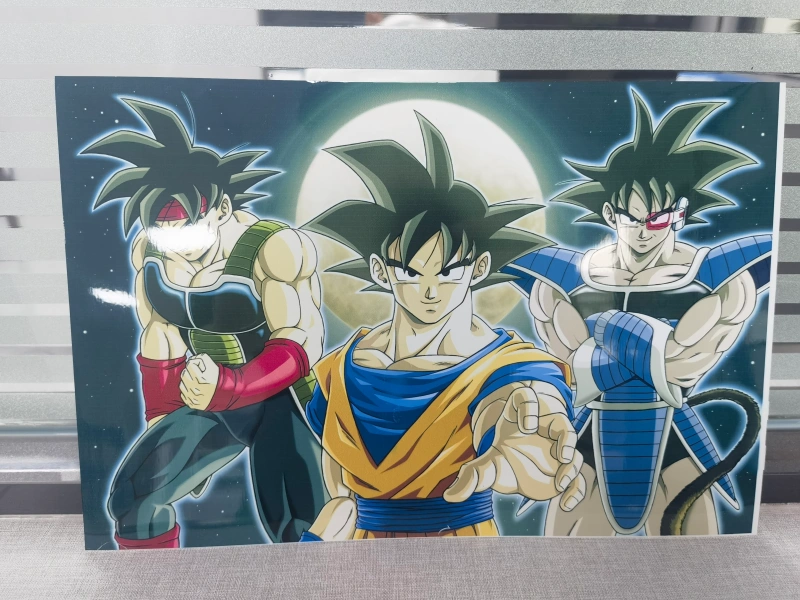
Small aluminum blanks are suitable for customized products.
Examples include:
Holiday gifts
Photo gifts
Name plaques
Memorial products
Decorative plaques
Personalized artwork
Sublimation Aluminum vs Ordinary Aluminum Sheet
Ordinary aluminum sheet is not automatically suitable for sublimation printing.
The surface is different.
| Feature | Sublimation Blank | Ordinary Aluminum Sheet |
|---|---|---|
| Printing surface | Coated | Usually uncoated |
| Sublimation use | Designed for it | Not normally ready |
| Surface consistency | Controlled | Depends on mill finish |
| Custom printing | Easy after preparation | Requires additional treatment |
| Typical use | Signs / photos | Fabrication / construction |
Using ordinary mill-finish aluminum for sublimation can produce poor printing results.
The coating system is an important part of the product.
Aluminum vs Steel Sign Blanks
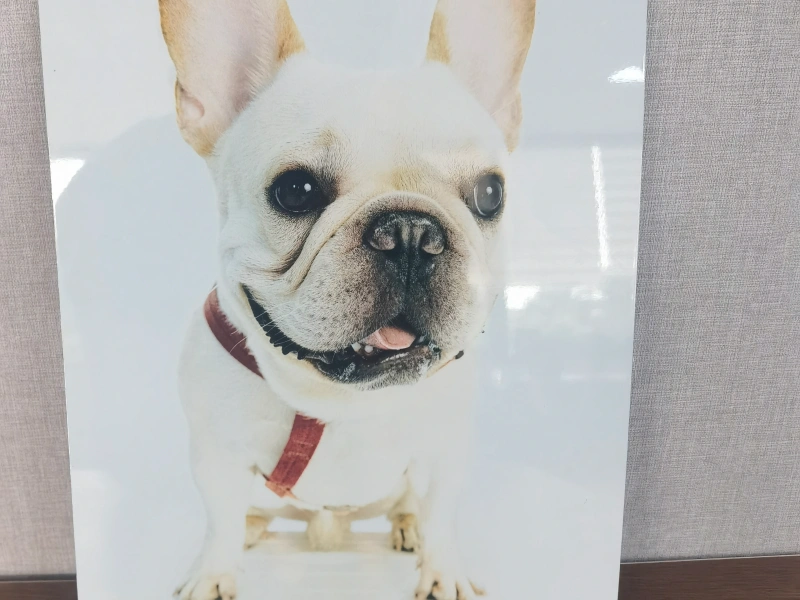
Aluminum is often selected when weight is important.
| Feature | Aluminum | Steel |
|---|---|---|
| Weight | Lower | Higher |
| Corrosion resistance | Good | Needs protection |
| Cutting | Easy | More demanding |
| Handling | Easy | Heavier |
| Shipping | Usually easier | Higher weight |
The right material depends on the application and installation environment.
Thin vs Thick Sublimation Panels
Choosing thickness is a balance.
Small Size + Indoor Use → Thin Panel
Large Size + Higher Rigidity → Thicker Panel
A thin blank may be more economical.
A thicker blank may provide better rigidity and a more premium feel.
There is no single thickness that works for every sign.
How to Choose the Right Blank
A simple specification path can help:
Application → Size → Shape → Thickness → Alloy → Temper → Coating → Printing Side → Quantity
For example:
Photo Panel → A4 → Rectangle → 0.5 mm → 1050 → O → White Glossy → One Side → 2,000 pcs
This gives a supplier enough information to prepare a useful quotation.
What Should Buyers Check Before Ordering?
A product sample should be checked before mass production.
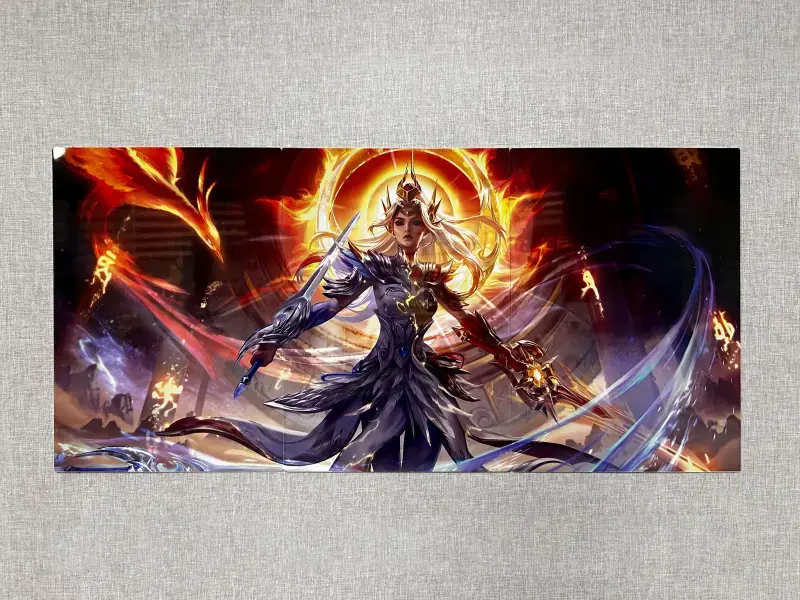
Surface
Check for:
- Scratches
- Dust
- Coating marks
- Uneven coating
- Color variation
- Pinholes
- Foreign particles
Dimensions
Check:
Shape tolerance
Length
Width
Diameter
Thickness
Edge quality
Flatness
The panel should remain reasonably flat.
Warping can make printing and heat pressing more difficult.
Coating
A test print is one of the most useful checks.
The customer can compare:
Color → Detail → Adhesion → Gloss → Surface → Repeatability
Bulk Sublimation Aluminum Sign Blank Supply
For wholesalers, quantity can change the best product configuration.
Large orders may use standard sizes to improve production efficiency.
Custom orders may require separate tooling or cutting arrangements.
Common supply formats include:
| Supply Type | Suitable Buyer |
|---|---|
| Individual blanks | Small businesses |
| Bundled blanks | Retailers |
| Carton packing | Wholesalers |
| Bulk pallets | Distributors |
| Custom-cut panels | Large projects |
Packaging should prevent scratches, bending, and surface damage during transportation.
Custom Manufacturing Options
A manufacturer can often provide more than a standard rectangular blank.
Possible options include:
- Custom dimensions
- Custom thickness
- Custom alloy
- Custom shape
- One-side coating
- Two-side coating
- Glossy finish
- Matte finish
- Protective film
- Custom packaging
- Private-label packaging
For large orders, it is useful to confirm all specifications before production.
Sublimation Blank Production Process
A typical production process can include:
Aluminum Coil → Leveling → Cutting → Cleaning → Surface Treatment → Coating → Curing → Cutting → Inspection → Packing
Each stage can influence the finished product.
The coating stage is especially important because the final panel needs a stable printing surface.
Quality Control for Printed Aluminum Blanks
Quality control should cover both the aluminum and the coated surface.
| Inspection Item | What to Check |
|---|---|
| Thickness | Thickness tolerance |
| Size | Length and width |
| Flatness | Panel deformation |
| Edge | Burrs and sharp edges |
| Surface | Scratches and dirt |
| Coating | Uniformity |
| Color | Coating consistency |
| Printing | Transfer performance |
| Packing | Protection during shipping |
A sample approval process can reduce problems in large orders.
What Affects the Price?
The price is not based only on aluminum weight.
Main factors include:
- Aluminum market price
- Alloy
- Thickness
- Blank size
- Shape
- Coating type
- Surface finish
- Cutting method
- Order quantity
- Packaging
- Custom requirements
- Shipping destination
A larger quantity can sometimes reduce the processing cost per piece.
However, the actual quotation depends on the complete specification.
How to Get a More Accurate Quote
Instead of asking only for the price of “sublimation aluminum blanks,” send a complete specification.
For example:
| Item | Requirement |
|---|---|
| Product | Sublimation aluminum sign blank |
| Size | 8 × 10 in |
| Thickness | 0.032 in |
| Alloy | 1050 |
| Temper | O |
| Shape | Rectangle |
| Coating | White glossy |
| Printing | One side |
| Quantity | 5,000 pcs |
| Packing | Export carton |
| Destination | Customer port |
This allows the supplier to calculate the material and processing cost more accurately.
Why Sample Testing Is Recommended
Different sublimation printers, inks, heat presses, temperatures, and transfer papers can produce different results.
A sample test can confirm compatibility before mass production.
A good testing process is:
Sample → Print Test → Heat Press → Check Color → Check Adhesion → Check Surface → Approve → Bulk Order
For custom products, sample approval is especially useful.
Choosing a Sublimation Aluminum Supplier
A supplier should be evaluated by more than price.

Look at:
- Aluminum material source
- Coating consistency
- Size accuracy
- Thickness tolerance
- Cutting quality
- Production capacity
- Sample service
- Packaging
- Export experience
- Communication
- Customization ability
For repeat orders, consistency is often more important than the lowest initial price.
Common Buying Combinations
Different customers need different combinations.
Lightweight Photo Panel
1050 / 1060 → O → 0.5 mm → Glossy White → A4
Good for photo products and small decorative panels.
Medium Business Sign
1050 / 3003 → 0.8 mm → 8 × 12 in → White Coating
Suitable for office and commercial signs.
Stronger Display Panel
3003 → 1.0–1.5 mm → Large Size → Matte or Glossy
Better when higher rigidity is needed.
Custom Decorative Sign
Custom Alloy → Custom Thickness → Custom Shape → Custom Coating
Useful for special designs and private-label products.
A Simple Buying Guide
Before contacting a manufacturer, prepare these details:
- Product name
- Size
- Thickness
- Alloy
- Temper
- Shape
- Coating
- Gloss level
- Printing side
- Quantity
- Packing requirement
- Delivery destination
Then the quotation process becomes much faster.
FAQ About Sublimation Aluminium Sign Blanks
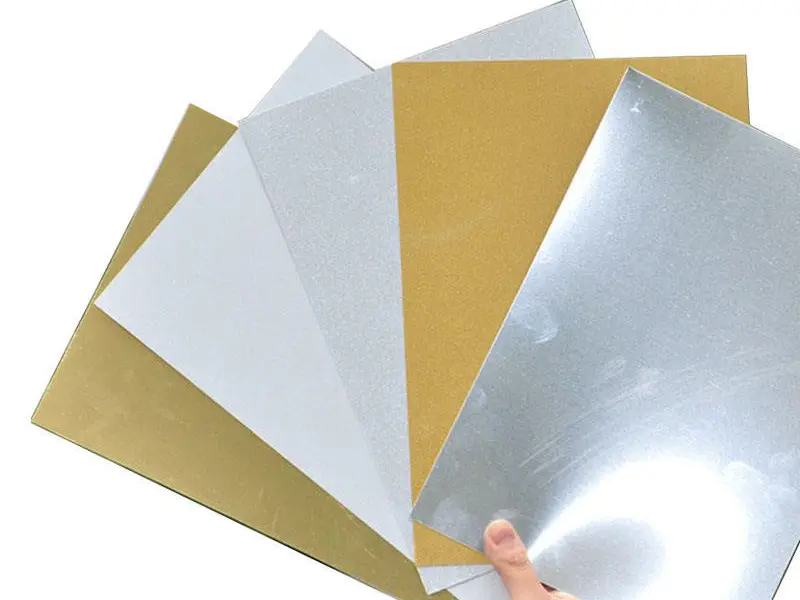
What are sublimation aluminium sign blanks?
They have aluminum panels with a special printable surface designed for dye sublimation printing.
What aluminum alloy is commonly used?
1050 and 1060 have for lightweight printing panels. 3003 may be selected when higher strength is needed.
What thickness should I choose?
For small signs, thinner material may be enough. For larger panels or products requiring more rigidity, a thicker specification may be better.
Can I order A4 sublimation aluminium blanks?
Yes. A4 is a common size for photo panels, signs, artwork, and personalized products.
Can the blanks be custom cut?
Yes. Custom rectangles, circles, ovals, letters, logos, and other shapes can be produced depending on the order.
Are sublimation blanks the same as ordinary aluminum sheets?
No. Ordinary aluminum sheets normally do not have the printing coating required for direct sublimation transfer.
Can the aluminum be coated on both sides?
Yes, double-sided coating can be considered for applications that require printing on both surfaces.
Can I choose glossy or matte?
Depending on the coating system, glossy, matte, semi-gloss, and other surface options may be available.
Can I request a custom thickness?
Yes. Custom thickness has discussed according to the alloy, size, production method, and application.
Is 0.032 inch aluminum suitable for signs?
0.032 inch, or about 0.81 mm, is a useful general-purpose thickness for many small and medium sign applications.
What is the difference between a sublimation blank and a sublimation aluminium sheet?
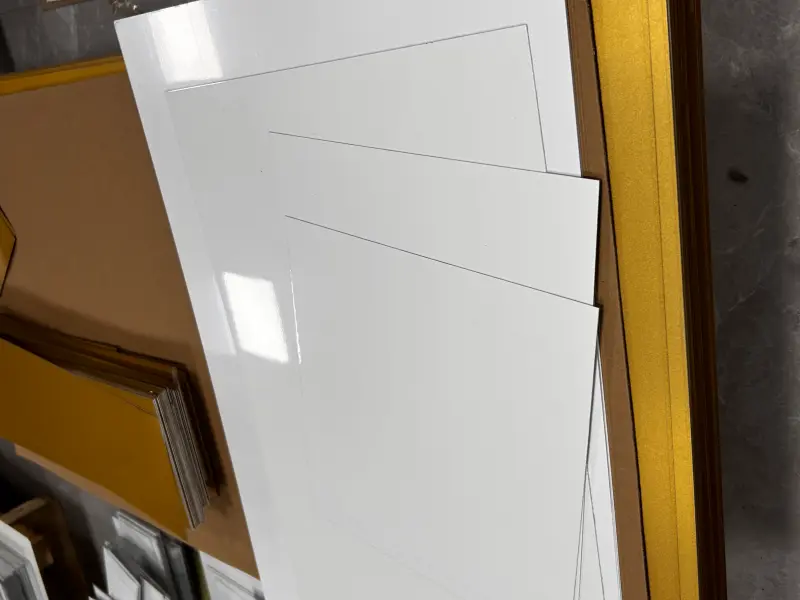
A sublimation blank has usually supplied as a finished cut piece, while a sublimation aluminum sheet can refer to larger sheets or material that still needs to be cut.
Can I buy sublimation aluminium blanks in bulk?
Yes. Bulk supply is suitable for wholesalers, printing companies, sign manufacturers, and distributors.
Should I test samples before a large order?
Yes. A printing and heat-press test can help confirm that the coating works with your printing process.
Request a Sublimation Aluminum Sign Blank Quote
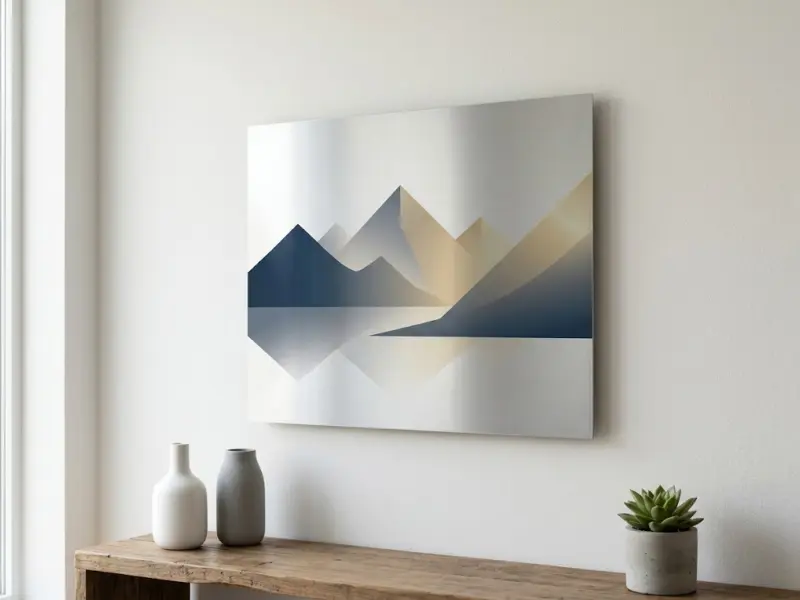
The best specification depends on your final product.
You can send the following information:
Size → Thickness → Alloy → Temper → Shape → Coating → Printing Side → Quantity → Packing → Destination
For example:
A4 → 0.5 mm → 1050 → O → Rectangle → White Glossy → One Side → 3,000 pcs
With these details, a supplier can recommend a suitable specification and prepare a more accurate quotation.
Sublimation aluminium sign blanks have supplied as standard panels or custom-made products. For long-term business, the most important points are stable coating quality, accurate dimensions, clean edges, good flatness, and consistent printing performance.
Leave a Reply
You must be logged in to post a comment.