
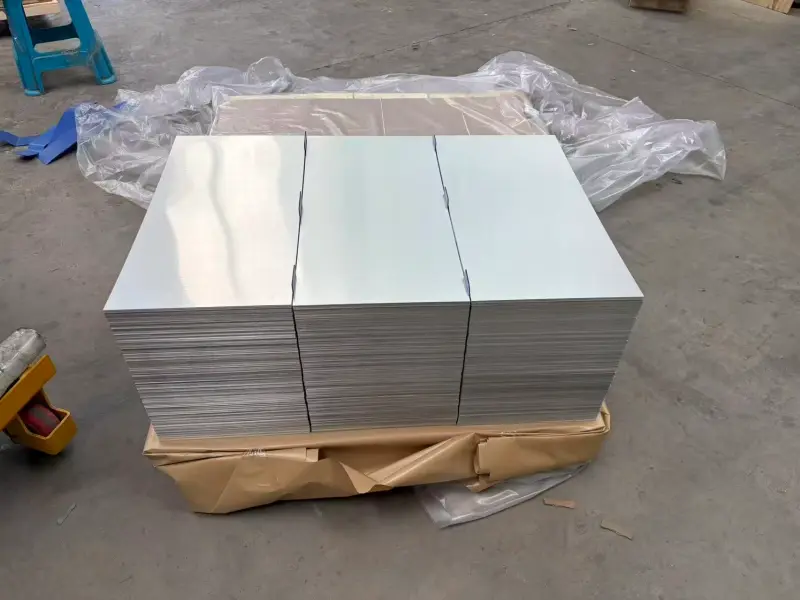
What Are Metal Sheet for Sublimation?
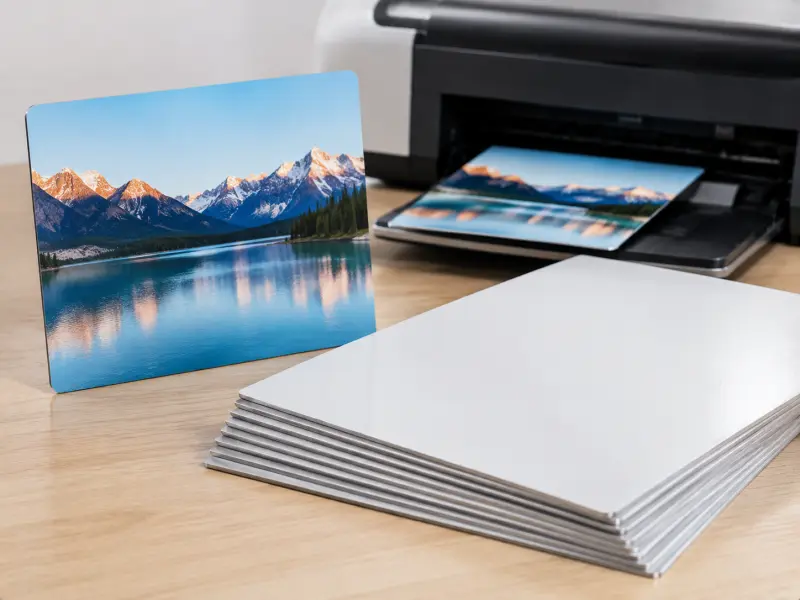
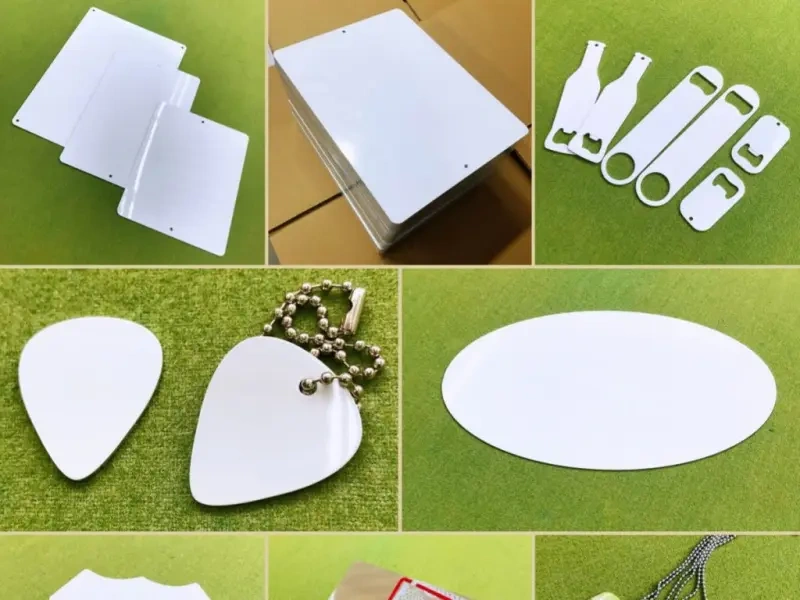
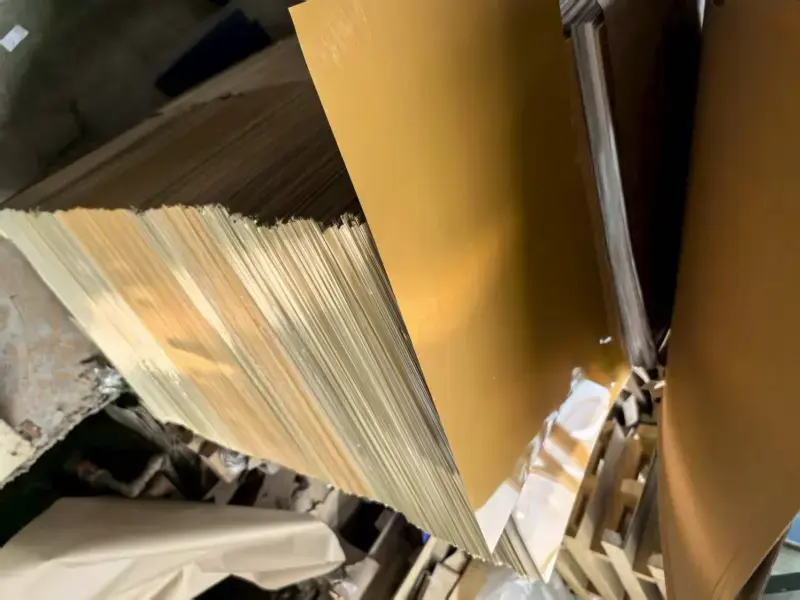
Metal sheet for sublimation have specially coated metal blanks made for heat transfer printing. They have uses to create photo panels, signs, plaques, personalized gifts, wall art, nameplates, and other printed products.
Unlike ordinary metal sheets, sublimation blanks have a printable coating on the surface. This coating allows sublimation ink to transfer into the surface when heat and pressure are applied.
The metal core is often aluminum because it is lightweight, easy to cut, and suitable for many printing applications.
A typical production process looks like this:
Aluminum Sheet → Surface Preparation → Sublimation Coating → Drying/Curing → Cutting → Inspection → Packaging
The final product of Metal Sheet for Sublimation have supplied as a full sheet, cut panel, or ready-to-use sublimation blank.

Why Aluminum Is Commonly Used for Sublimation
Aluminum is one of the most practical metals for sublimation printing.
It has a good combination of low weight, flatness, thermal conductivity, and corrosion resistance. It can also be processed into many shapes and sizes.
| Property | Aluminum for Sublimation |
|---|---|
| Weight | Lightweight |
| Surface | Flat and smooth |
| Heat transfer | Good |
| Cutting | Easy to process |
| Corrosion resistance | Good |
| Printing surface | Can be coated |
| Custom shapes | Available |
| Large sheets | Available |
| Small blanks | Available |
For photo printing and personalized products, a smooth coated surface is especially important.
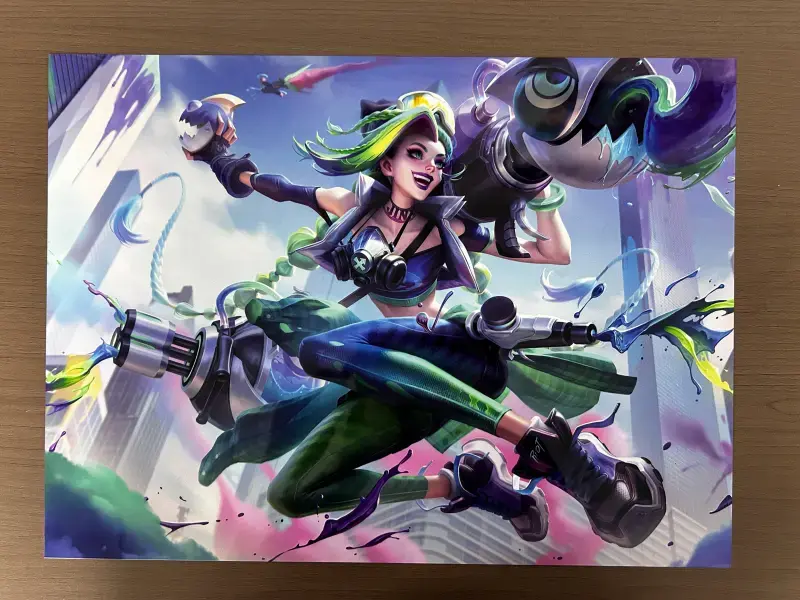
Main Types of Metal Sheets for Sublimation
Different sublimation projects require different sheet types.
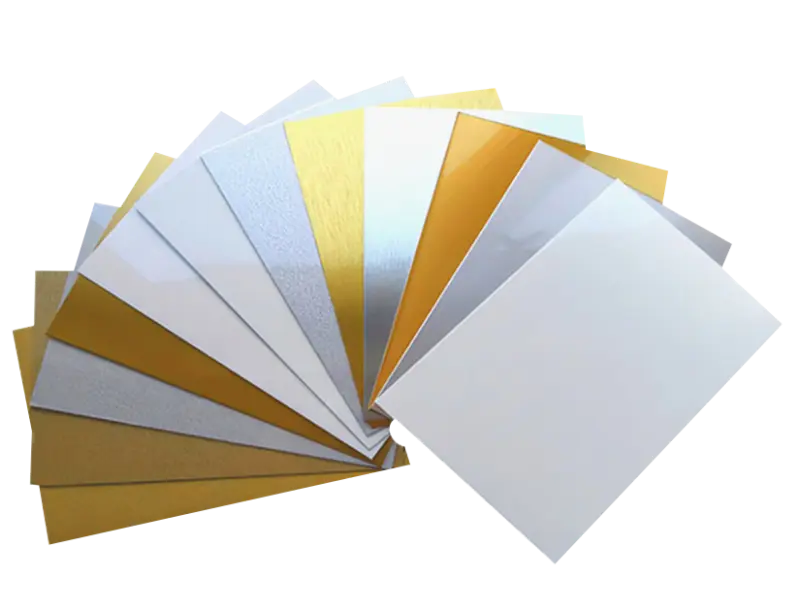
The most common options include coated aluminum sheets, white sublimation aluminum, brushed aluminum blanks, mirror-finish blanks, and pre-cut metal panels.
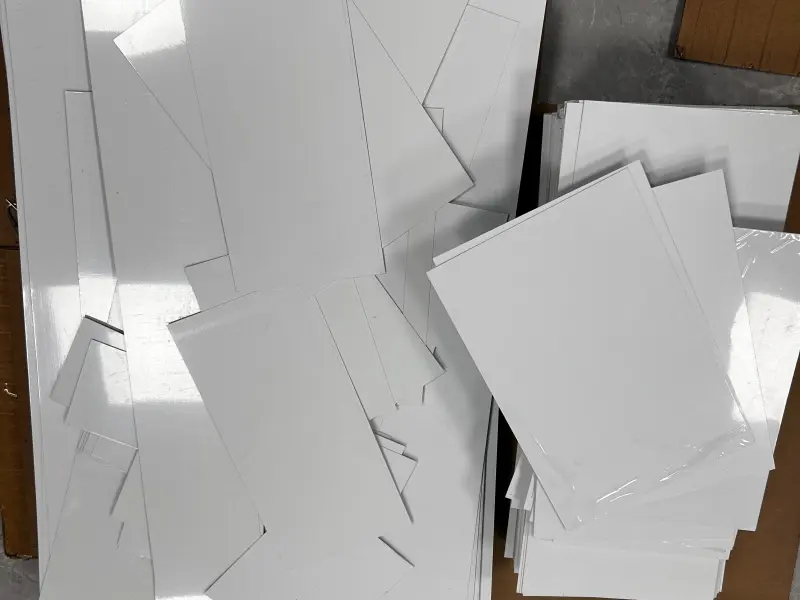
White Sublimation Aluminum Sheets
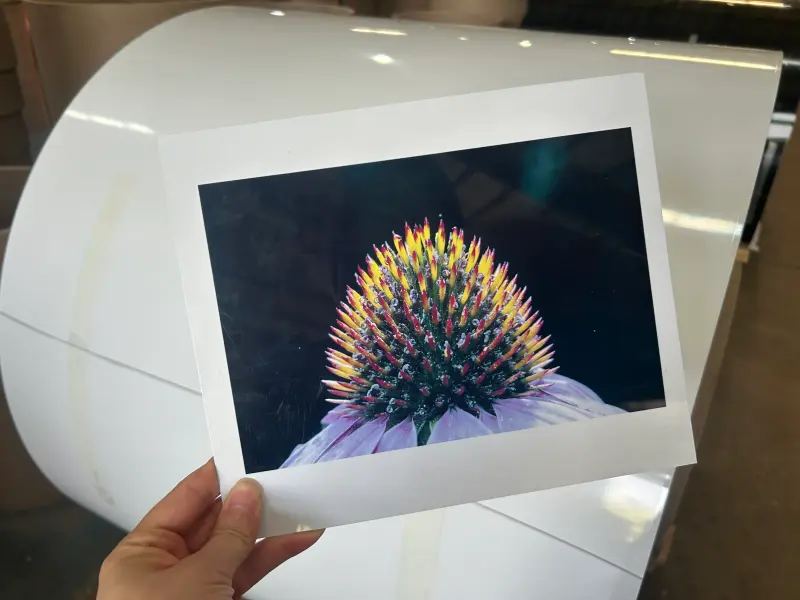
White coated aluminum is one of the most popular options for photo printing.
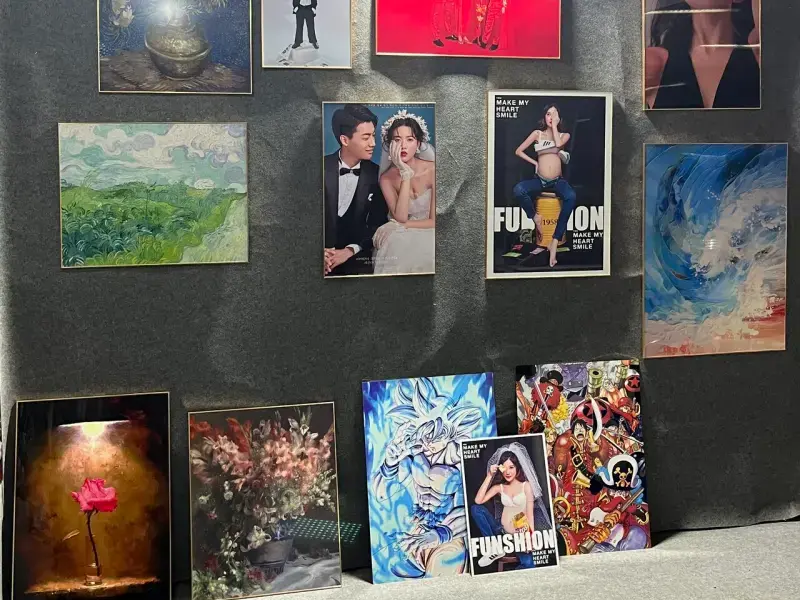
The white background helps printed colors appear bright and clear. It is suitable for photographs, signs, personalized gifts, and decorative panels.
Typical uses include:
- Photo panels
- Family portraits
- Wedding photography
- Pet photos
- Wall decorations
- Personalized signs
- Business signs
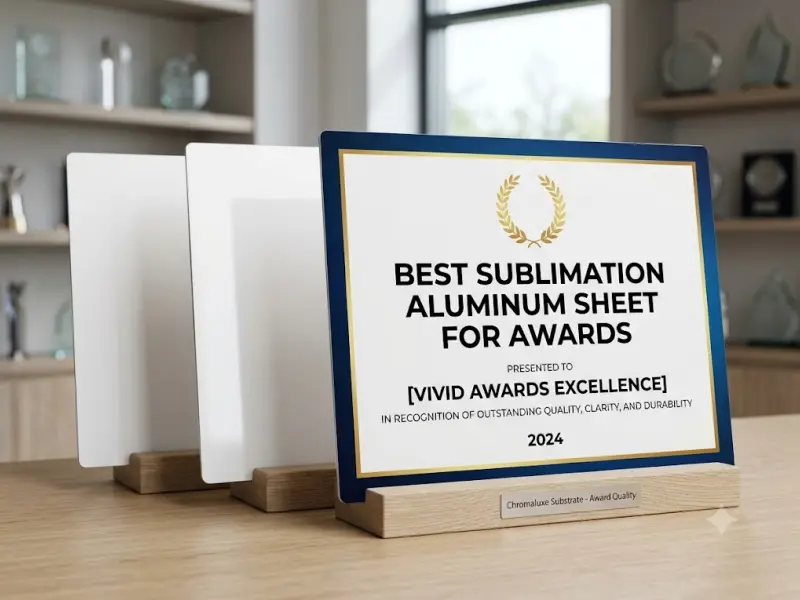
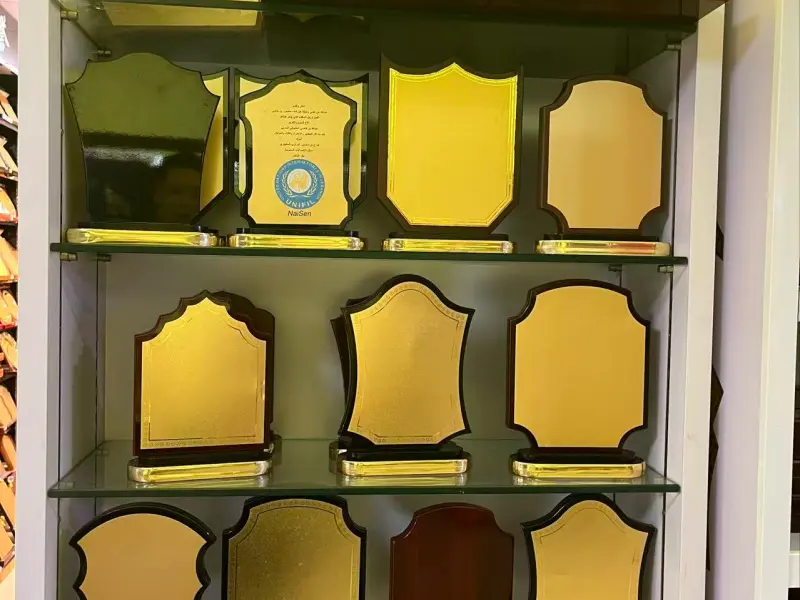
- Awards
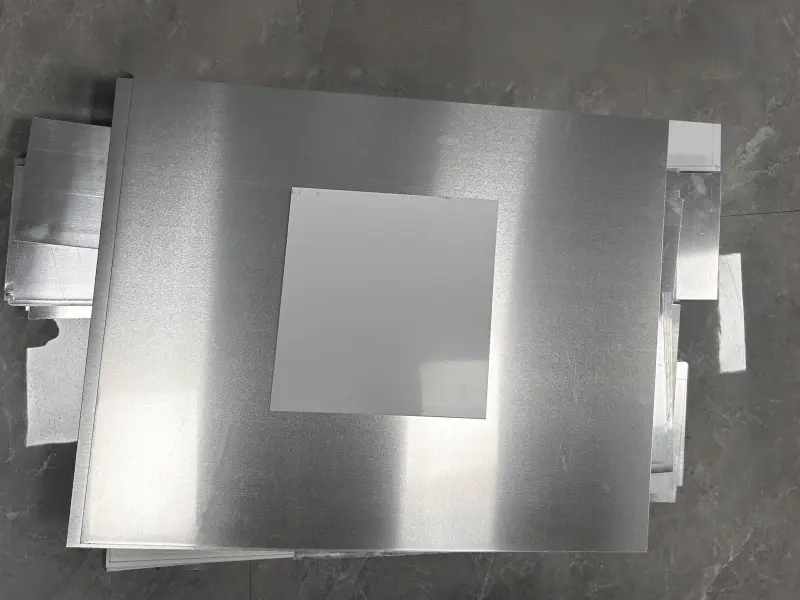
Brushed Aluminum Sublimation Blanks
Brushed aluminum has a visible metal grain.
It can create a different appearance from standard white sublimation sheets. The metallic texture may remain visible through lighter parts of the printed image.
This option is useful for modern signs, industrial-style decoration, nameplates, and premium personalized products.
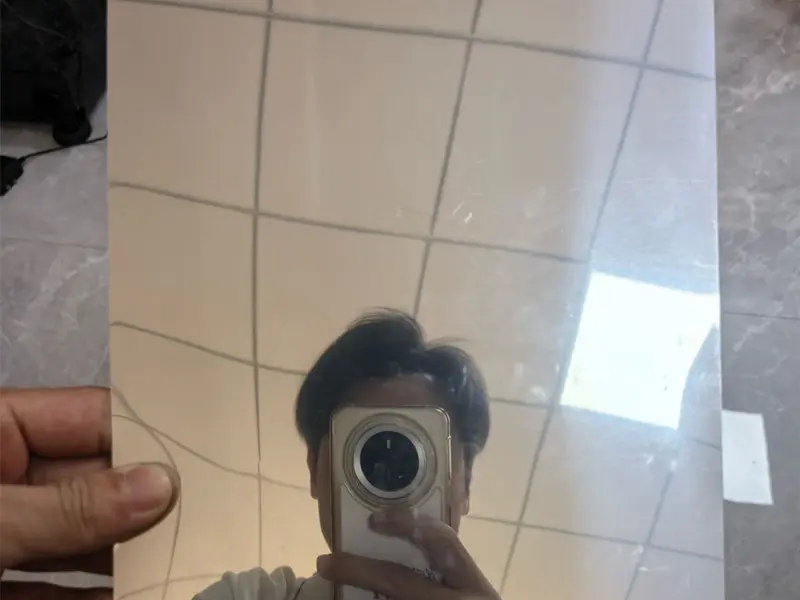
Mirror Finish Sublimation Sheets
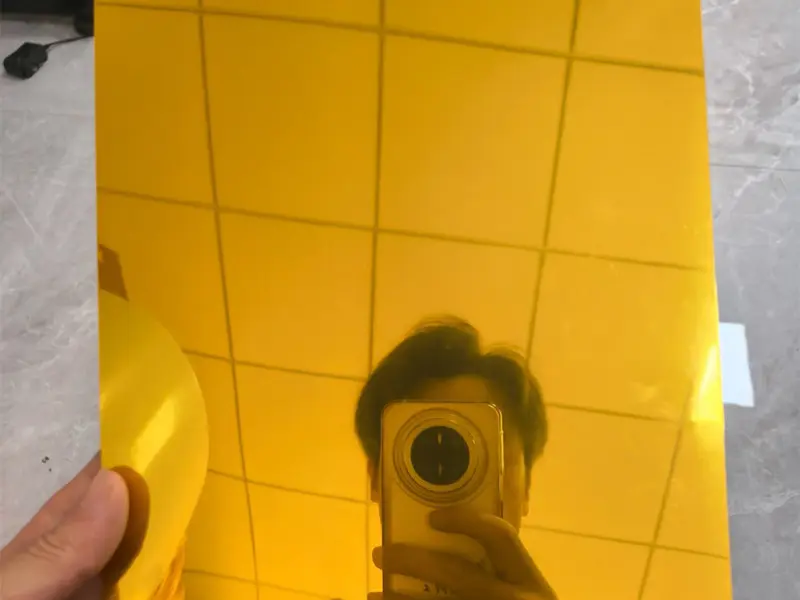
Mirror-finish aluminum provides a reflective appearance.
It has uses for decorative signs, special photo products, promotional products, and creative designs.
The final appearance depends on the coating and printing process, so testing is recommended before large production.
Glossy Sublimation Aluminum
Glossy surfaces can provide strong color and a smooth visual effect.
They have often selected for photo products where image clarity and surface appearance are important.
Matte Sublimation Aluminum
Matte surfaces have lower surface reflection.
They can be useful when the finished product needs a softer appearance or when strong reflections are not desired.
Common Aluminum Alloys for Sublimation Sheets
The coating is important, but the aluminum alloy also affects the sheet’s processing performance.
| Alloy | General Characteristic | Common Use |
|---|---|---|
| 1050 | High aluminum content, soft | Printing sheets and light fabrication |
| 1060 | High purity, good formability | Photo panels and decorative products |
| 1100 | Good formability | General sublimation blanks |
| 3003 | Better strength | Signs and fabricated panels |
| 5052 | Higher strength | Durable signs and specialty panels |
1050 Metal Sheet for Sublimation
1050 aluminum has high aluminum content and good formability.
It can be suitable for thin sublimation sheets and products that require easy cutting and forming.
1060 Aluminum Metal Sheet for Sublimation
1060 aluminum is another common choice for coated aluminum products.
It offers good surface quality and formability. It has considered for photo panels, signs, and decorative products.
1100 Aluminum Metal Sheet for Sublimation
1100 aluminum offers good formability and corrosion resistance.
It has used for different types of coated aluminum blanks and printed metal products.
3003 Aluminum Metal Sheet for Sublimation
3003 provides higher strength than many commercially pure aluminum grades.
It can be useful when the finished product needs more rigidity or better resistance to handling.
5052 Aluminum Metal Sheet for Sublimation
5052 is a stronger aluminum alloy with good corrosion resistance.
It has selected for outdoor signs, industrial nameplates, and products that need better mechanical performance.
Common Thickness Options
Thickness affects stiffness, weight, cutting, and the final appearance of the printed product.
| Thickness | Approx. Inch | Typical Use |
|---|---|---|
| 0.020″ | 0.51 mm | Lightweight photo products |
| 0.025″ | 0.64 mm | Small blanks |
| 0.032″ | 0.81 mm | Signs and photo panels |
| 0.040″ | 1.02 mm | General printing |
| 0.050″ | 1.27 mm | Stronger panels |
| 0.063″ | 1.60 mm | Durable signs |
| 0.080″ | 2.03 mm | Rigid panels |
| 0.100″ | 2.54 mm | Specialty applications |
For small personalized products, thin sheets can help reduce material cost.
For larger wall panels and outdoor signs, a thicker sheet may provide better rigidity.
Standard Sizes for Sublimation Metal Sheets
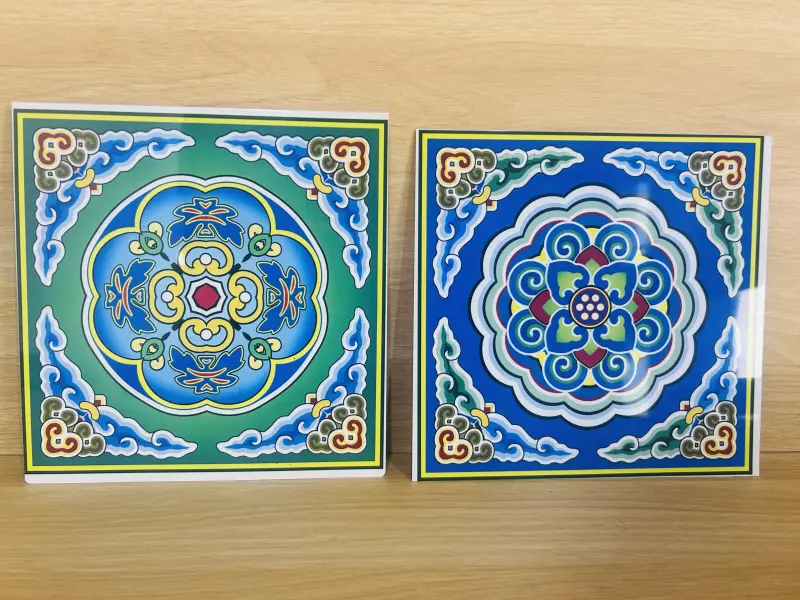
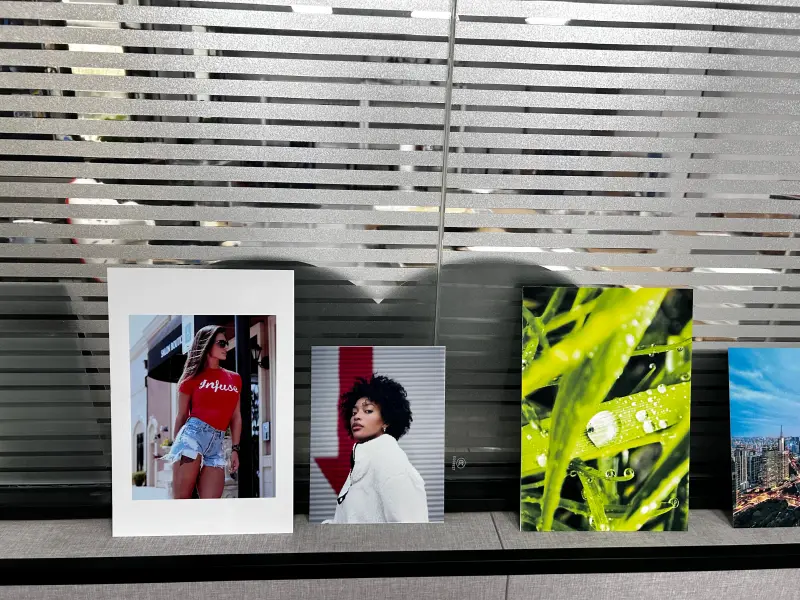
Sublimation sheets have produced in standard and custom sizes.
| Size | Approx. Metric Size | Possible Use |
|---|---|---|
| 4 × 4 in | 102 × 102 mm | Small gifts |
| 6 × 6 in | 152 × 152 mm | Photo products |
| 8 × 10 in | 203 × 254 mm | Photo panels |
| 10 × 12 in | 254 × 305 mm | Personalized signs |
| 12 × 12 in | 305 × 305 mm | Wall art |
| 12 × 18 in | 305 × 457 mm | Large photos |
| 16 × 20 in | 406 × 508 mm | Photo panels |
| 24 × 36 in | 610 × 914 mm | Large signs |
| 4 × 8 ft | 1219 × 2438 mm | Commercial production |
Custom sizes have cut according to the buyer’s artwork and production requirements.
Full Sheets vs Pre-Cut Sublimation Blanks
There are two basic purchasing methods.
| Option | Full Sheet | Pre-Cut Blank |
|---|---|---|
| Size | Large sheet | Finished size |
| Cutting required | Yes | Usually no |
| Material flexibility | High | Medium |
| Labor | Higher | Lower |
| Custom shapes | Easy to process | Can be customized |
| Suitable for | Large production | Small and medium production |
Full sheets are useful for manufacturers with their own cutting equipment.
Pre-cut blanks are convenient for printing companies, gift manufacturers, and online personalized product businesses.
Coating Types for Sublimation Aluminum
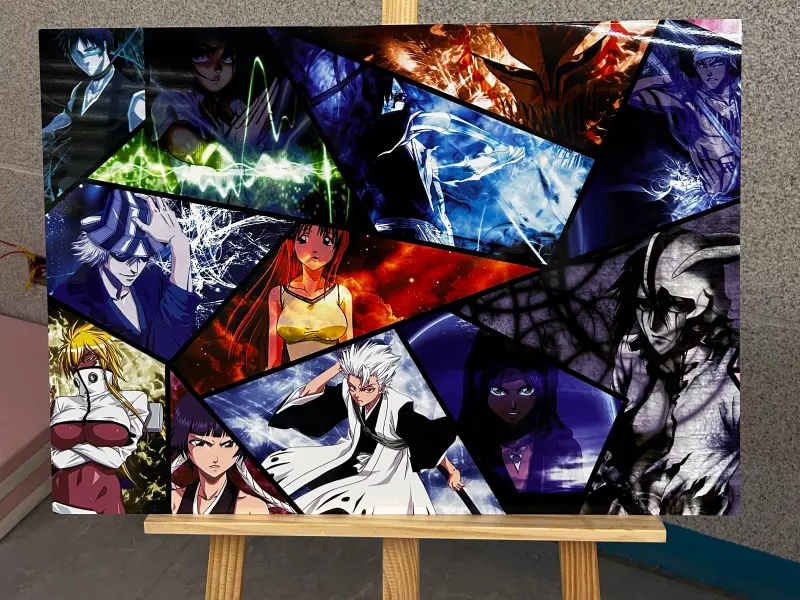
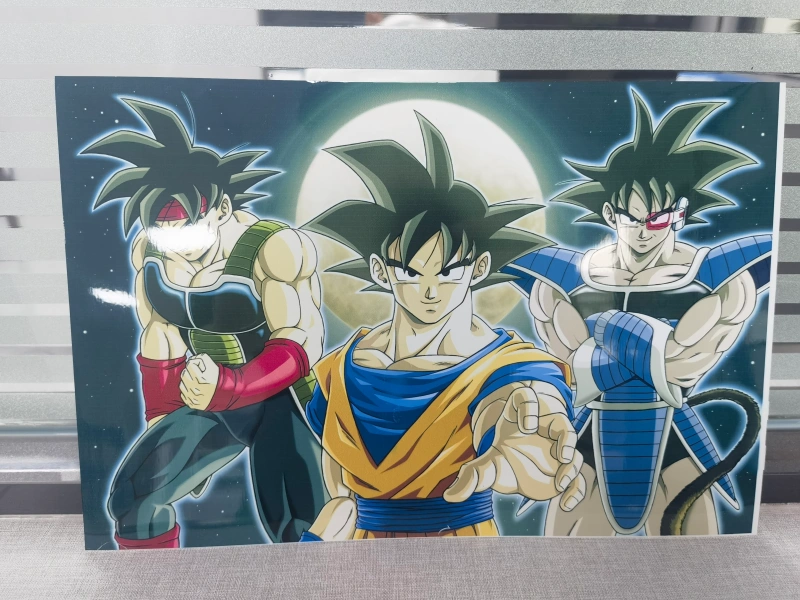
The sublimation coating directly affects print performance.
A good coating should provide a smooth and stable printing surface.
| Coating Type | Surface Appearance | Typical Use |
|---|---|---|
| Glossy white | Bright and smooth | Photo printing |
| Matte white | Low reflection | Signs and artwork |
| Clear coating | Metallic effect | Decorative products |
| Brushed coating | Metal texture | Premium signs |
| Specialty coating | Custom effect | Creative products |
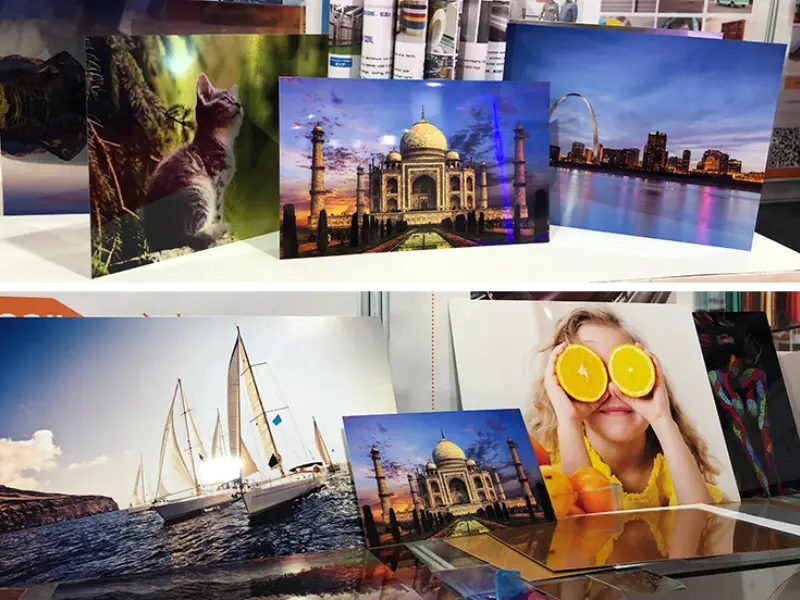
The coating thickness and curing process have controlled during production.
A coating that is too thin may affect image quality. A coating that is too soft may have problems during handling.
What Makes a Good Sublimation Coating?
A quality coating should work well with the buyer’s printing equipment and ink system.
Important points include:
→ Smooth surface
→ Even coating
→ Good ink adhesion
→ Stable color transfer
→ Good heat resistance
→ Consistent surface gloss
→ Low coating defects
→ Good scratch resistance
For large commercial orders, coating consistency is especially important.
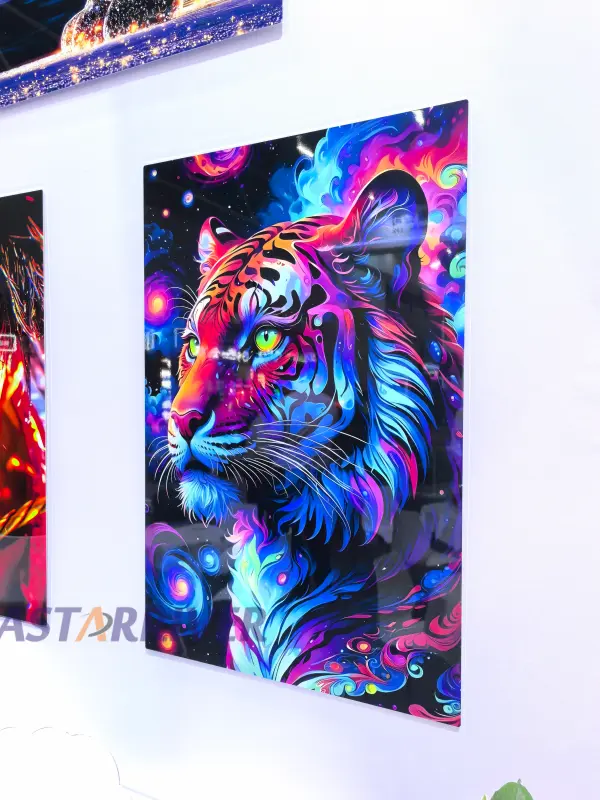

Sublimation Printing Process
The basic sublimation process is simple.
Step 1: Prepare the Artwork
The image has prepared using suitable graphic software.
The final size should match the metal blank.
Step 2: Print the Transfer Paper
Sublimation ink has printed onto sublimation transfer paper.
The printed side placed against the coated aluminum surface.
Step 3: Position the Sheet
The printed paper has aligned with the metal blank.
Heat-resistant tape has uses to keep the paper in position.
Step 4: Apply Heat and Pressure
The blank is placed in a heat press.
Temperature, pressure, and time depend on the coating system and equipment.
Step 5: Remove the Transfer Paper
After pressing, the transfer paper has removed according to the recommended process.
The printed aluminum is then allowed to cool.
Step 6: Inspect the Finished Product
The finished surface can be checked for:
Edge quality
Color consistency
Image sharpness
Coating defects
Scratches
Surface marks
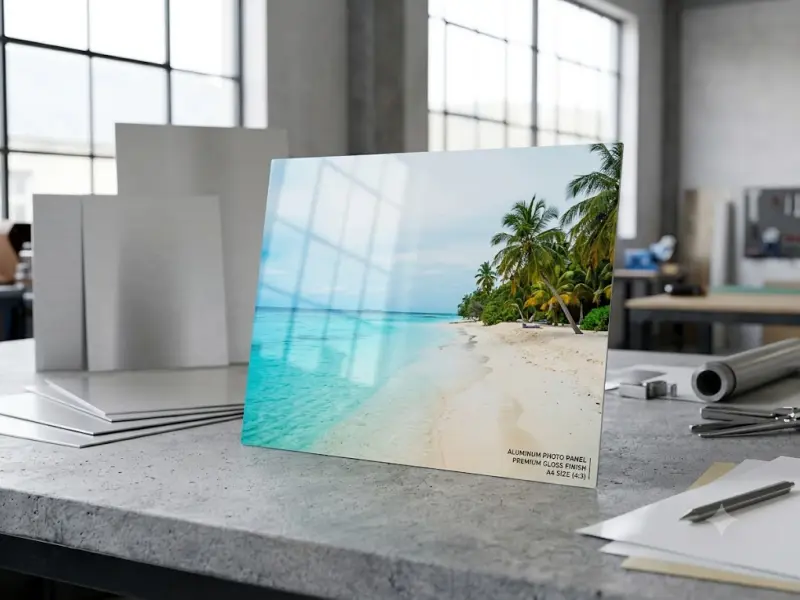
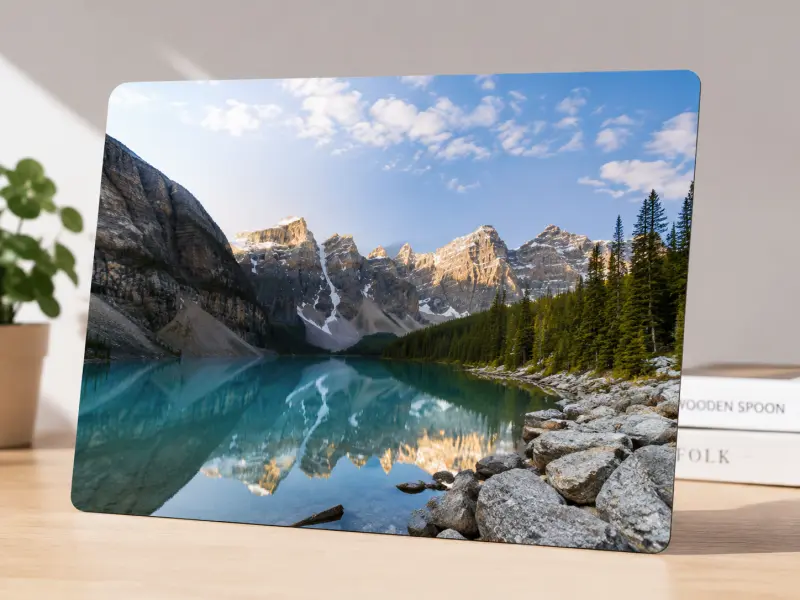
Metal Sheets for Photo Sublimation

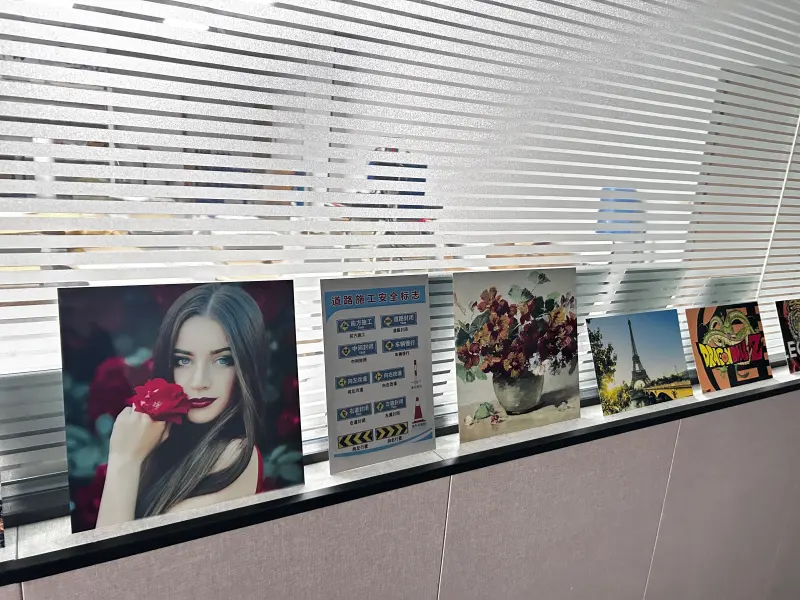
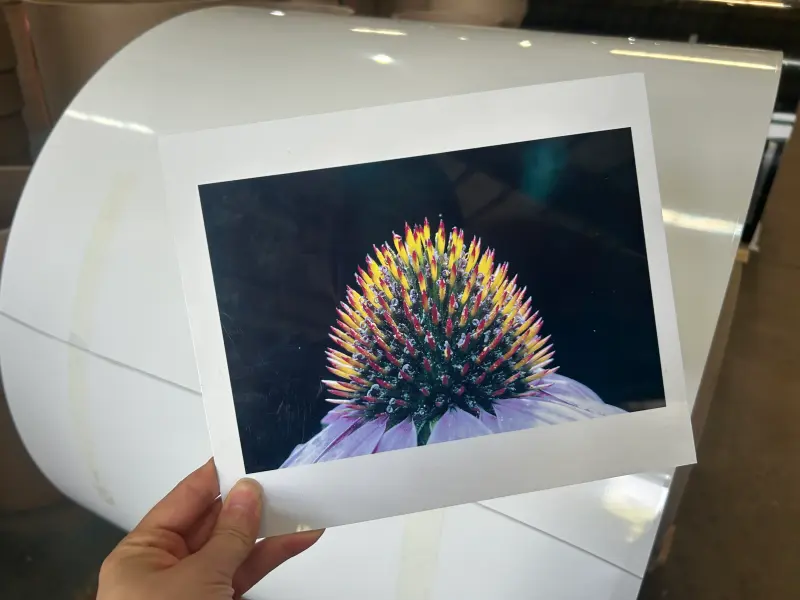
Photo printing is one of the most visible uses for sublimation aluminum.
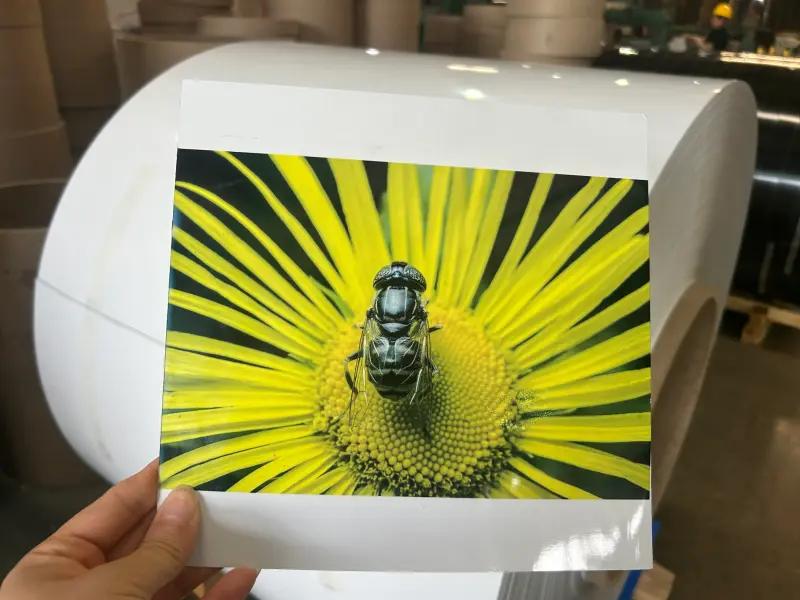
The smooth coated surface allows photographs to be transferred onto metal.
Popular photo products include:
- Family photo panels
- Wedding photos
- Pet portraits
- Baby photos
- Travel photos
- Memorial photo panels
- School photography
- Professional photography
- Landscape images
A white coated surface has selected when the goal is bright and accurate colors.
Sublimation Metal Sheets for Signs
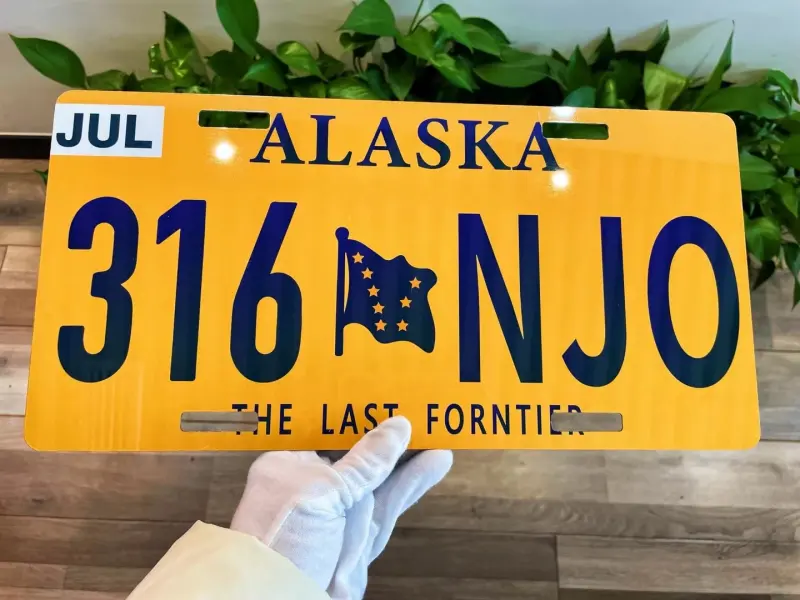
Sublimation technology has uses to create customized signs.
Metal signs are suitable for both personal and commercial projects.
Possible products of include:
→ House signs
→ Door signs
→ Room signs
→ Business signs
→ Parking signs
→ Warning signs
→ Office signs
→ Garden signs
→ Direction signs
→ Personalized nameplates
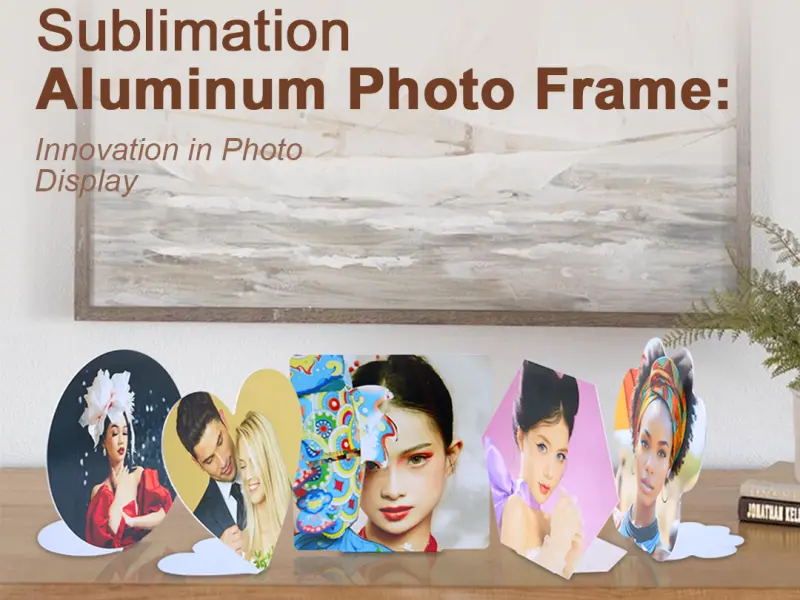
The sheet can be cut into rectangles, circles, squares, or custom shapes.
Sublimation Blanks for Personalized Gifts
Personalization is another important market.
Metal blanks can be turned into different gift products.
Examples include:
- Photo plaques
- Pet memorial plaques
- Family signs
- Decorative panels
- Nameplates
- Anniversary gifts
- Wedding gifts
- Promotional gifts
- Souvenir products
Small blanks are especially useful for online custom-product businesses.
Metal Sheets for Outdoor Sublimation Products
For outdoor use, material selection becomes more important.
The buyer should consider:
Aluminum Alloy + Thickness + Coating + Edge Treatment + Installation Method
A stronger alloy such as 5052 may be considered for applications where mechanical strength is important.
The coating should also be suitable for the expected environment.
Outdoor exposure can include sunlight, rain, humidity, temperature changes, and physical handling.
Indoor vs Outdoor Sublimation Metal
| Factor | Indoor | Outdoor |
|---|---|---|
| UV exposure | Low | Higher |
| Moisture | Lower | Higher |
| Coating requirement | Standard | More demanding |
| Thickness | Often thinner | Often thicker |
| Surface protection | Basic | More important |
| Typical products | Photo panels | Signs and plaques |
The final product has tested under the actual conditions when long service life is required.
Aluminum Sublimation Sheet vs Ordinary Aluminum Sheet
These two products should not be treated as the same material.
| Feature | Sublimation Sheet | Ordinary Aluminum Sheet |
|---|---|---|
| Printing surface | Coated | Usually uncoated |
| Direct sublimation | Designed for it | Not normally suitable |
| Surface | Controlled coating | Mill finish or other finish |
| Main purpose | Printing | Fabrication |
| Color printing | Suitable | Requires another process |
| Heat transfer | Designed for sublimation | Not optimized |
A standard mill-finish aluminum sheet may look similar to a sublimation blank, but the surface coating makes a major difference in printing performance.
Sublimation Aluminum vs Aluminum Composite Panel
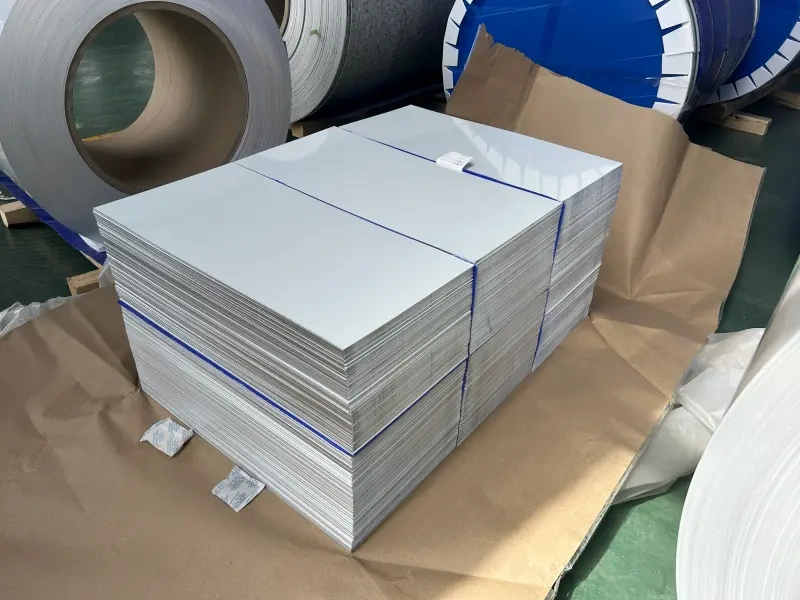
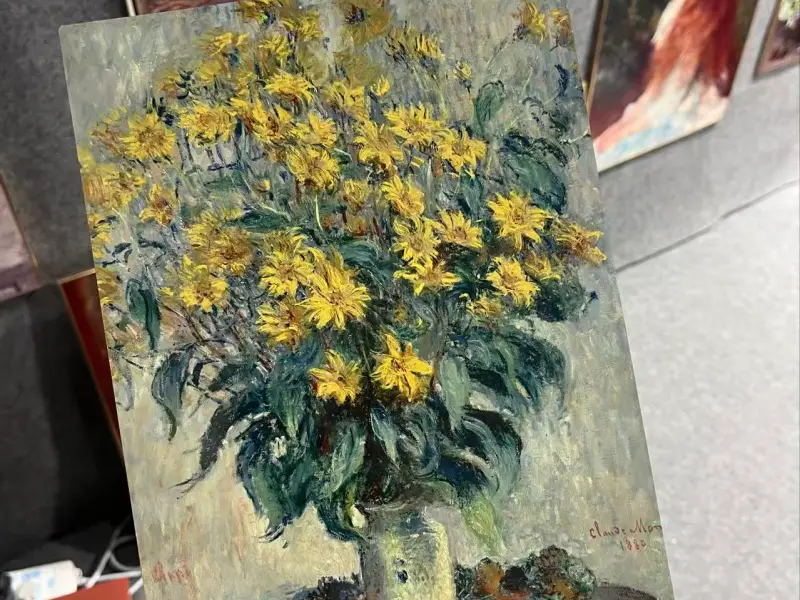
Aluminum composite panels and sublimation aluminum sheets have uses for different purposes.
| Feature | Sublimation Aluminum | Aluminum Composite Panel |
|---|---|---|
| Structure | Solid aluminum | Multi-layer panel |
| Printing | Sublimation coating | Usually other printing methods |
| Thickness | Thin to medium | Usually thicker overall |
| Weight | Low | Low |
| Photo products | Excellent | Limited |
| Signs | Excellent | Common |
| Personalized products | Excellent | Less common |
For photo gifts and personalized products, coated aluminum is generally more suitable.
For large architectural signage, composite panels may be considered.
Sublimation Metal Sheet Cutting Options
Sublimation sheets can be processed into different shapes.
Common methods include:
- Guillotine cutting
- Shearing
- Laser cutting
- CNC routing
- Punching
- Drilling
- Waterjet cutting
The cutting method should be selected according to sheet thickness and required edge quality.
For mass production, pre-cut blanks can help reduce labor.
Custom Shapes for Sublimation Blanks
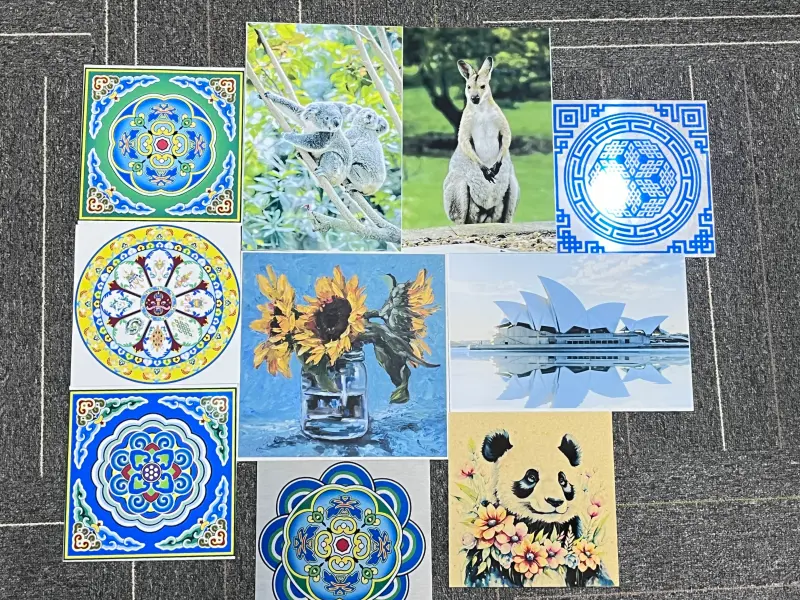
Not every product needs a rectangle.
Custom shapes can help create more unique products.
Possible shapes include:
Circle → Oval → Square → Rectangle → Arch → Heart → Star → Custom Logo Shape
Custom-shaped blanks have uses for personalized gifts, promotional products, ornaments, and decorative signs.
Surface Protection and Packaging
Sublimation coating can be sensitive to scratches before printing.
Proper packaging is therefore important.
A typical packing method may include:
Protective Film → Paper Separation → Inner Packing → Carton → Pallet
For export orders, packaging should also consider moisture, impact, stacking, and long-distance transportation.
How to Choose the Right Sublimation Metal Sheet
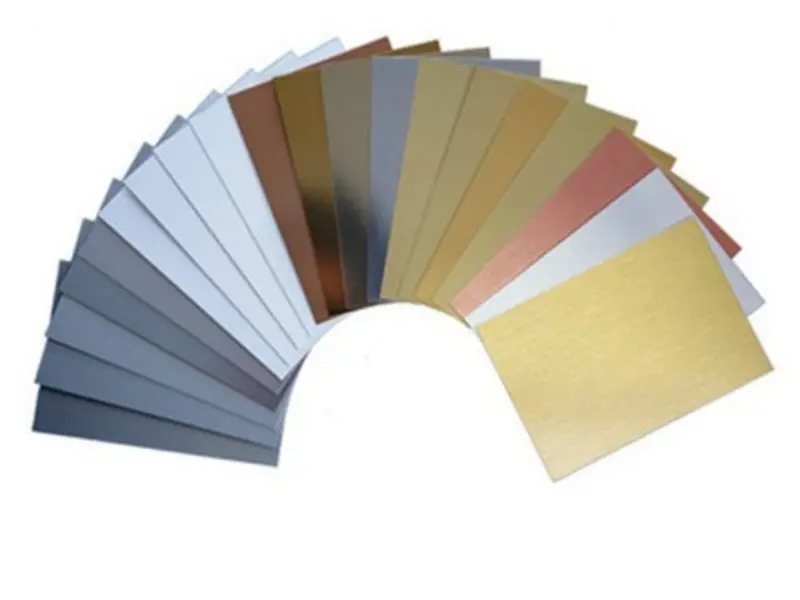
A buyer can start with six basic questions.
| Question | Specification to Confirm |
|---|---|
| What will be printed? | Photo, sign, gift, plaque |
| What size is required? | Standard or custom |
| How rigid should it be? | Thickness |
| What alloy is needed? | 1050, 1060, 1100, 3003, 5052 |
| What surface is required? | Glossy, matte, brushed, mirror |
| How will it be printed? | Heat press and sublimation system |
This approach helps avoid buying a product that looks correct but does not match the printing process.
Ordering Metal Sheets for Sublimation in Bulk
For wholesale orders, specifications should be written clearly.
A typical purchase specification may look like this:
| Item | Example |
|---|---|
| Product | Sublimation aluminum sheet |
| Alloy | 1060 |
| Temper | O |
| Thickness | 0.032 in |
| Size | 12 × 18 in |
| Coating | White glossy |
| Coating side | One side |
| Quantity | 5,000 pcs |
| Cutting | Pre-cut |
| Packaging | Carton + pallet |
| Application | Photo printing |
For repeated orders, keeping the same alloy, thickness, coating, and production process can help maintain product consistency.
What Affects the Price of Sublimation Metal Sheets?
The price is not based on size alone.
Important cost factors include:
→ Aluminum alloy
→ Sheet thickness
→ Sheet size
→ Coating type
→ Coating quality
→ Surface finish
→ Cutting method
→ Custom shape
→ Order quantity
→ Packaging
→ Shipping method
A small ready-to-print blank may have a higher processing cost per kilogram than a large full sheet.
For this reason, buyers should compare the complete specification rather than comparing price by piece alone.
How to Compare Two Sublimation Aluminum Suppliers
A lower price does not always mean a lower total cost.
When comparing suppliers, check:
| Item | What to Compare |
|---|---|
| Alloy | Same alloy grade |
| Thickness | Actual thickness |
| Coating | Same coating type |
| Color | Similar white background |
| Surface | Same gloss or matte level |
| Cutting | Same tolerance |
| Packaging | Same protection |
| Quantity | Same order volume |
| Sample | Test before bulk order |
A small sample order can help confirm printing performance before a large production run.
Quality Control for Sublimation Aluminum
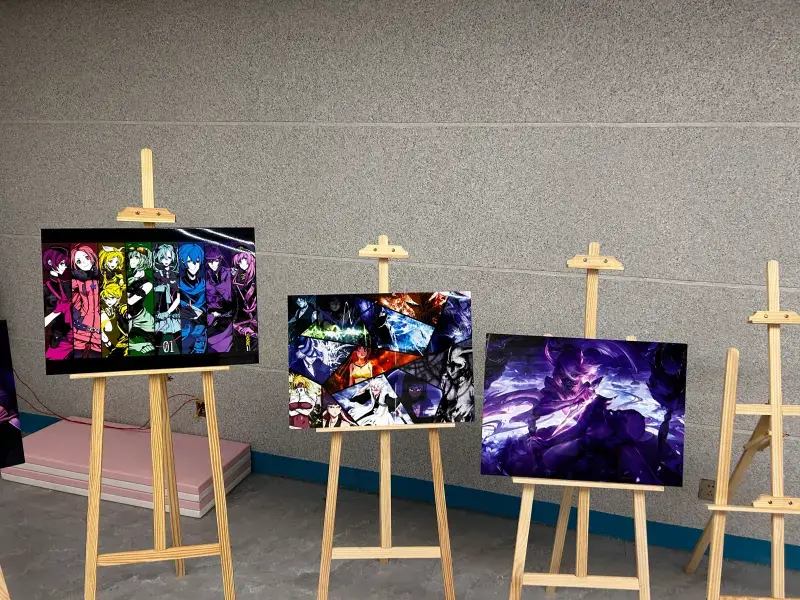
Quality control can be divided into several stages.
Incoming Aluminum Inspection
Check:
- Alloy
- Thickness
- Width
- Length
- Surface condition
- Flatness
Coating Inspection
Check:
- Coating uniformity
- Color
- Gloss
- Adhesion
- Surface defects
Finished Product Inspection
Check:
- Dimensions
- Edges
- Protective film
- Packaging
- Printing test results when required
For large orders, inspection records can provide useful production information.
Common Product Combinations
Different customers may need different combinations.
1060 + O + 0.032 Inch
A practical combination for photo panels and general sublimation blanks.
1050 + O + 0.025 Inch
A lightweight option for small personalized products.
3003 + H14 + 0.040 Inch
A stronger option for signs and fabricated products where additional rigidity has need.
5052 + H32 + 0.063 Inch
A stronger combination for applications where the finished product may experience more handling or outdoor exposure.
These are examples only. The final specification has choosen according to the actual application and printing system.
Popular Sublimation Metal Products
A sublimation manufacturer can offer more than flat sheets.
The product range can include:
| Product | Typical Use |
|---|---|
| Flat aluminum blank | Photo printing |
| Aluminum photo panel | Wall decoration |
| Metal sign blank | Sign making |
| Round blank | Gifts and signs |
| Square blank | Personalized products |
| Rectangle blank | Photo panels |
| Nameplate blank | Identification |
| Plaque blank | Awards and memorial products |
| Ornament blank | Seasonal gifts |
| Custom CNC blank | Special designs |
A wider product range can help printing companies source several products from one supplier.
Why Businesses Buy Pre-Coated Aluminum Blanks
Pre-coated blanks can simplify production.
Instead of buying raw aluminum and developing a coating process, a printing company can purchase a ready-to-print surface.
The production flow becomes:
Purchase Blank → Print → Heat Press → Cool → Inspect → Pack → Sell
This can reduce preparation work and make small-batch production easier.
Tips for Better Sublimation Results
Good printing depends on both the blank and the printing process.
Useful practices include:
- Use a clean printing surface.
- Keep the transfer paper flat.
- Align the artwork carefully.
- Use the recommended heat settings.
- Avoid moving the paper during pressing.
- Follow the coating supplier’s instructions.
- Test a small batch before mass production.
- Store blanks in a dry and clean area.
Different coating systems can require different temperature and pressing times. There is no single setting that works for every sublimation sheet.
Frequently Asked Questions
What metal is best for sublimation?
Aluminum is one of the most commonly using metals because it is lightweight, flat, easy to process, and can be supplied with a sublimation coating.
Can ordinary aluminum sheets be used for sublimation?
Ordinary uncoated aluminum is generally not the same as a sublimation blank. A suitable sublimation coating has uses for the ink transfer process.
What thickness is best for sublimation aluminum?
There is no single best thickness. Around 0.025 to 0.063 inch can cover many common products, while thicker material may be preferred for larger or more rigid panels.
What alloy is commonly used for sublimation blanks?
1050, 1060, 1100, 3003, and 5052 can have uses depending on the product design and required strength.
Can sublimation aluminum be used for photos?
Yes. White-coated aluminum has uses for photo panels, personalized pictures, portraits, and decorative photo products.
Can sublimation aluminum be cut into custom shapes?
Yes. It can be cut by shearing, laser, CNC, punching, or other suitable processes. Custom shapes can be produced according to drawings.
What size sublimation sheets are available?
Small blanks, standard photo sizes, large panels, and full aluminum sheets can all be supplied. Custom sizes are also possible for larger orders.
Is white or brushed aluminum better for sublimation?
White coated aluminum is usually preferred for bright photo colors. Brushed surfaces are useful when a metallic texture is part of the desired design.
Can sublimation aluminum be used outdoors?
It can be used for some outdoor products, but the alloy, coating, thickness, and installation method should be selected for the expected environment.
Can I buy sublimation aluminum sheets in bulk?
Yes. Wholesale orders can be supplied as full sheets, pre-cut blanks, or custom-shaped products. Large orders should confirm alloy, thickness, coating, dimensions, quantity, and packaging.
A Practical Specification Guide
For buyers who already know the final product, the specification can be selected quickly.
For photo panels
→ White coating
→ 1050 / 1060 / 1100
→ 0.025–0.050 inch
→ Glossy or matte
→ Flat rectangular shape
For personalized signs
→ White or specialty coating
→ 3003 / 5052
→ 0.040–0.063 inch
→ Custom size
→ Optional holes or rounded corners

For premium decorative products
→ Brushed or specialty finish
→ 1060 / 3003
→ 0.032–0.063 inch
→ Custom shape
→ High-quality surface protection
For commercial production
→ Full sheets or pre-cut blanks
→ Fixed alloy and thickness
→ Consistent coating
→ Controlled dimensions
→ Export packaging
→ Bulk quantity
Choosing a Reliable Sublimation Aluminum Supplier
A reliable supplier should be able to provide more than a basic aluminum sheet.
Important capabilities include:
Stable Aluminum Supply → Consistent Coating → Accurate Cutting → Quality Inspection → Safe Packaging → Bulk Production
For B2B buyers, production consistency is often more important than a very low initial price.
A supplier that can keep the same coating quality, thickness, dimensions, and packaging across repeated orders can be more useful for long-term production.
Final Thoughts on Metal Sheets for Sublimation
Metal sheets for sublimation are designed to combine the strength and light weight of aluminum with a printable coated surface.
The right product depends on the final application.
For photo products, a white glossy surface and a smooth aluminum sheet are common choices. For signs, a stronger alloy and thicker sheet may be useful. By premium products, brushed or specialty surfaces can create a different visual effect.
When purchasing, focus on the complete specification:
Alloy → Temper → Thickness → Size → Coating → Surface → Cutting → Quantity → Packaging
A clear specification makes it easier to compare suppliers, control product quality, and achieve stable printing results.
Leave a Reply
You must be logged in to post a comment.