
Sublimation Aluminum Wall Decoration Panels
What Makes Sublimation Aluminum Panels Different?
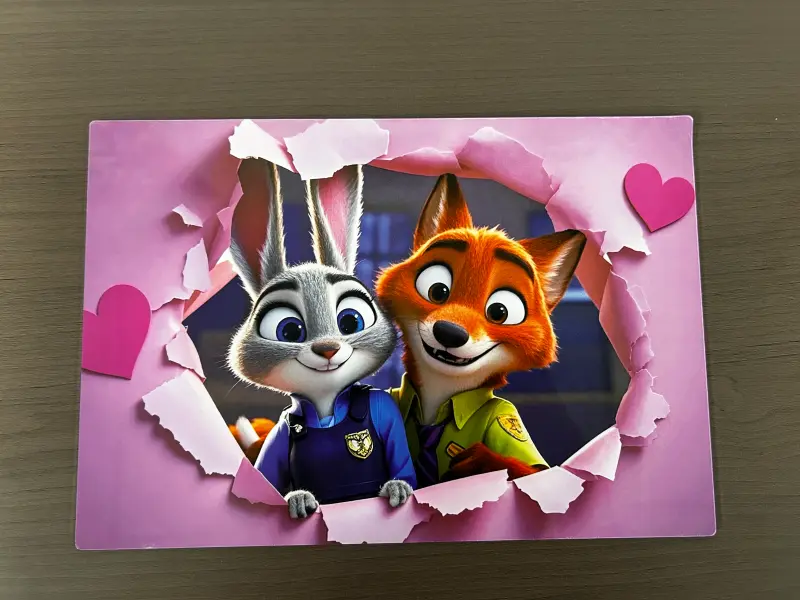
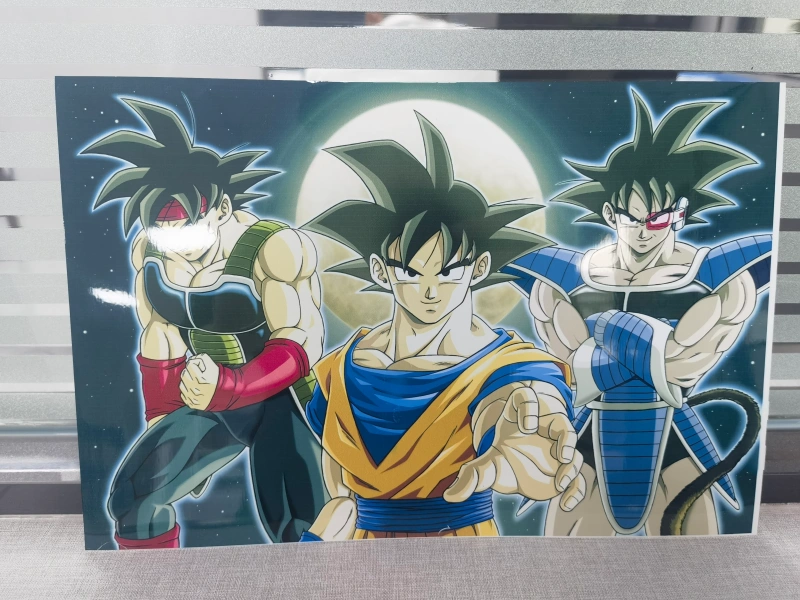
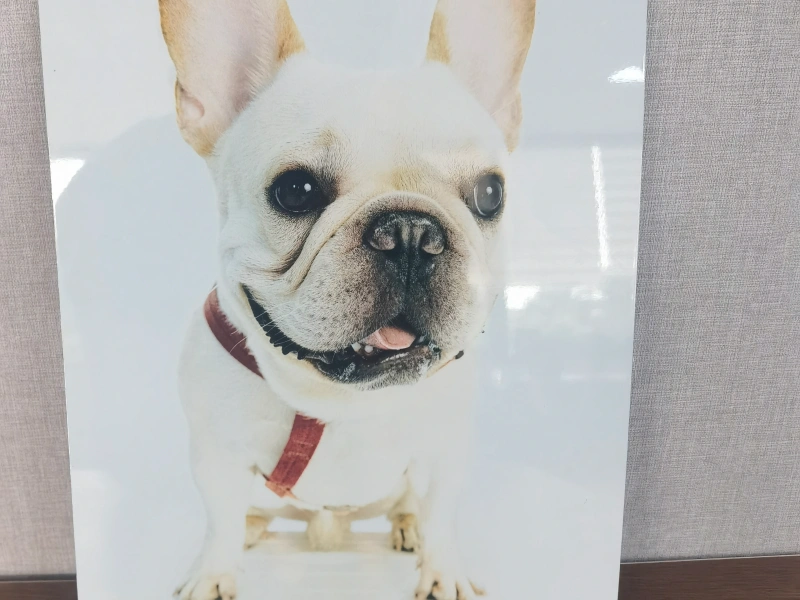
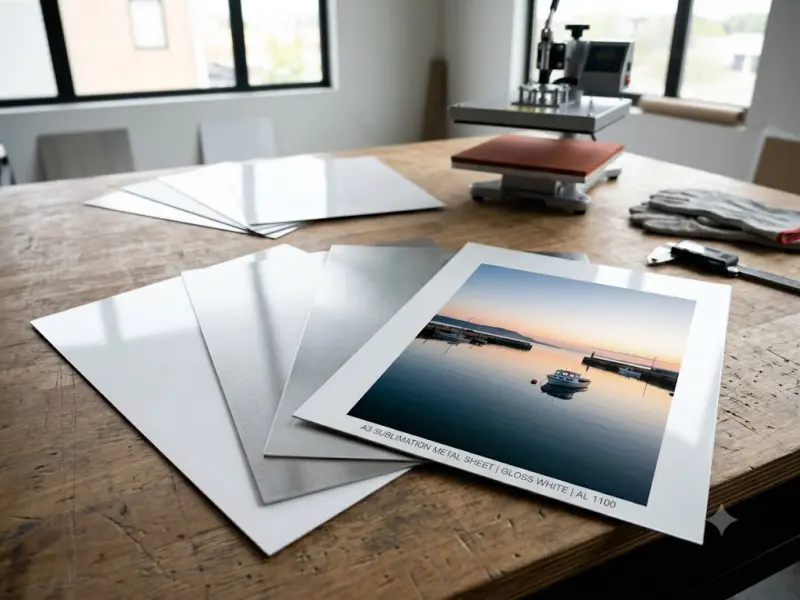
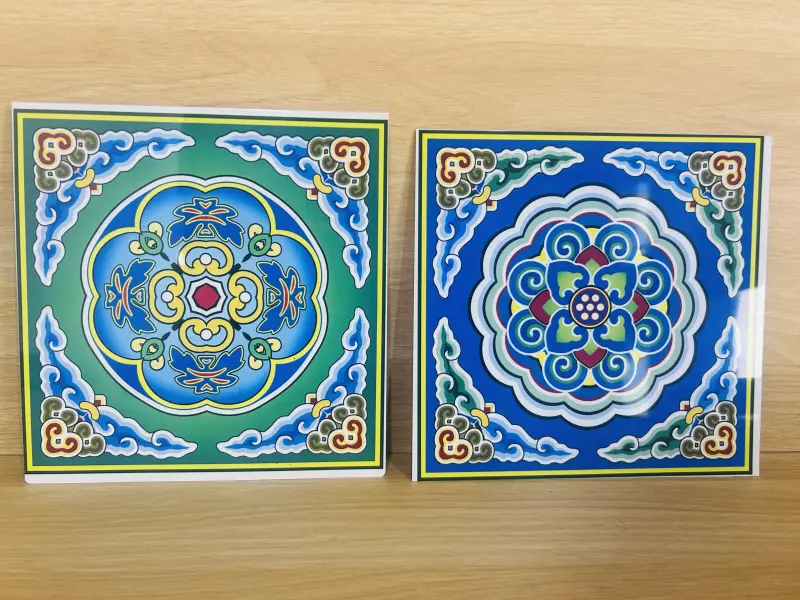
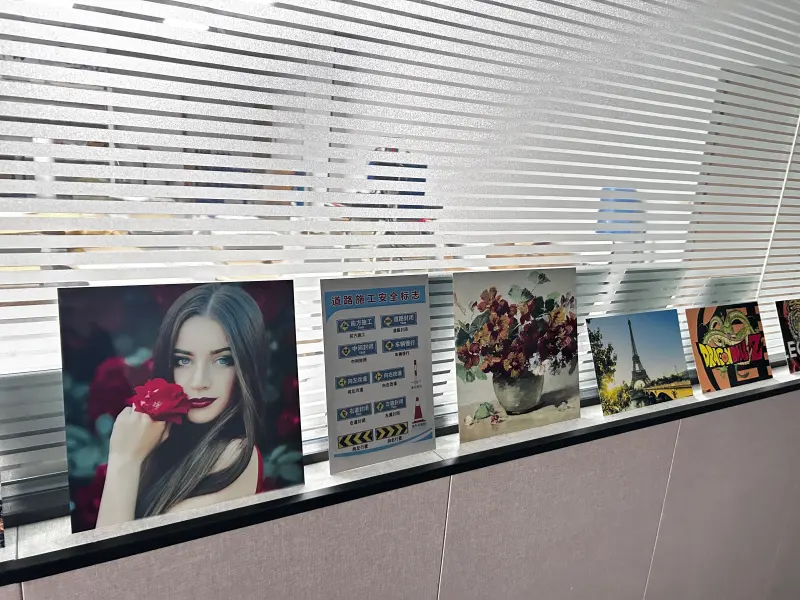
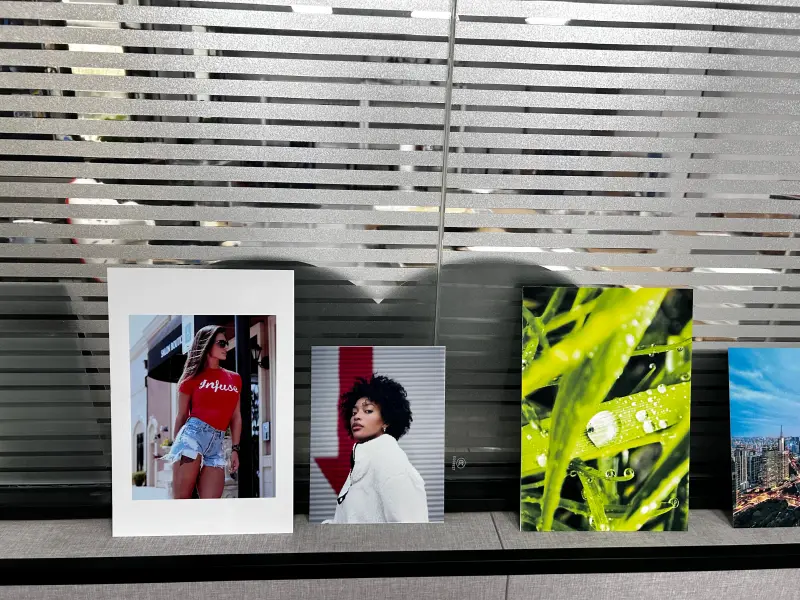
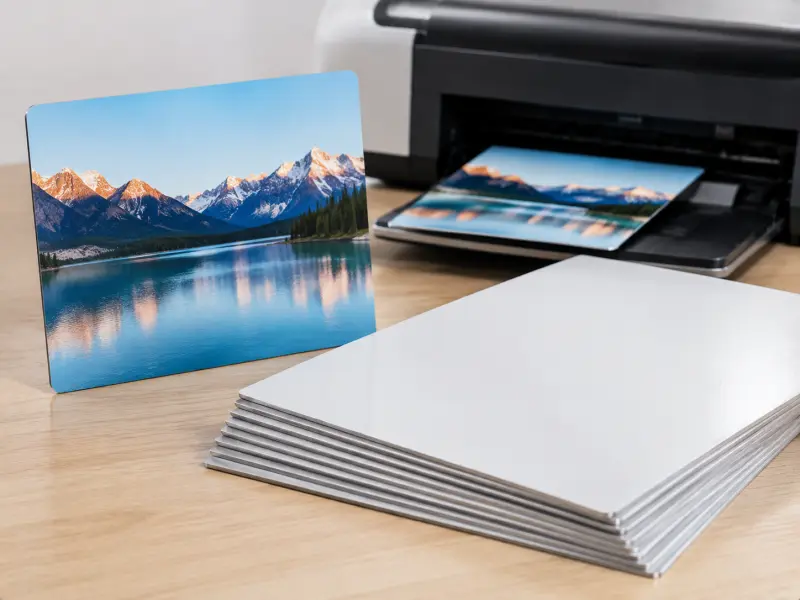
A Sublimation Aluminum Wall Decoration Panels are a specially coated sheet of aluminum. It receives images through a heat transfer process. The dye turns into gas under heat. The gas bonds with the polymer coating on the metal. The result is a permanent, vibrant picture that will not peel, fade, or scratch under normal use.
These panels are not regular raw aluminum. They carry a polyester-based coating. This coating opens its pores at high temperature. The dye enters those pores. When the panel cools, the pores close. The image becomes part of the surface.
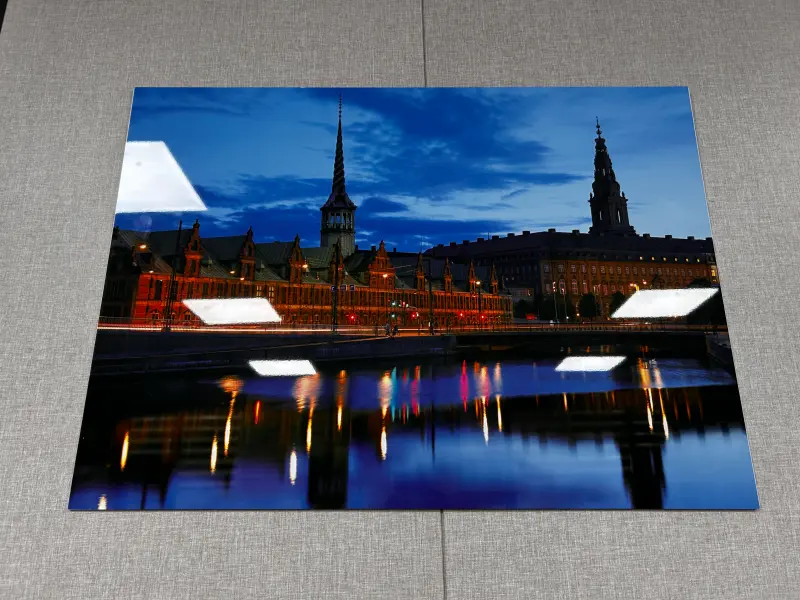
This process creates wall art that looks modern and lasts for years. The metal adds a slight shimmer. The image stays sharp. There is no glass to break. There is no paper to wrinkle.
Alloy Breakdown: Which Metal Works Best?
The base metal matters. It affects flatness, weight, and cost. Not every project needs the same alloy.
1000 Series: Pure Aluminum
These alloys contain 99% aluminum or more. They are soft and easy to press flat. They offer excellent image transfer because the surface stays very smooth.
| Property | 1050 Alloy | 1100 Alloy |
|---|---|---|
| Purity | 99.5% | 99.0% |
| Strength | Low | Low |
| Surface flatness | Excellent | Very good |
| Cost | Low | Very low |
| Best use | Budget photo panels, test prints |
3000 Series: Aluminum-Manganese
Manganese adds strength. These sheets resist bending during shipping. They are the most common choice for mid-range wall panels.
| Property | 3003 Alloy | 3105 Alloy |
|---|---|---|
| Key element | Manganese | Manganese |
| Strength | Medium | Medium |
| Formability | Very good | Good |
| Corrosion resistance | Good | Good |
| Best use | Standard wall art, gallery panels, retail displays |
5000 Series: Aluminum-Magnesium
Magnesium makes the sheet tougher. These alloys handle humid rooms and coastal air. They cost more but last longer in harsh spaces.
| Property | 5052 Alloy | 5005 Alloy |
|---|---|---|
| Key element | Magnesium | Magnesium |
| Strength | High | Medium-High |
| Marine resistance | Excellent | Good |
| Surface quality | Very smooth | Smooth |
| Best use | Outdoor displays, bathrooms, kitchens |
6000 Series: Heat-Treated Aluminum
These alloys go through heat treatment. They are harder and hold tighter tolerances. They work well for large structural panels that must stay flat.
| Property | 6061 Alloy |
|---|---|
| Key elements | Magnesium, Silicon |
| Strength | Very high |
| Machining | Excellent |
| Best use | Extra-large panels, rigid display boards |
Temper States and Bending Limits
Temper tells you how hard the metal is. For wall panels, you want a balance. The sheet must stay flat on the wall. But it should not crack if you need a slight curve.
| Temper | Name | Flatness | Bendability | Best Use |
|---|---|---|---|---|
| O | Annealed (soft) | Fair | Excellent | Curved displays, cylindrical prints |
| H12 | Quarter hard | Good | Good | Light panels, small signs |
| H14 | Half hard | Very good | Moderate | Standard wall panels |
| H16 | Three-quarter hard | Excellent | Low | Large flat murals |
| H18 | Full hard | Maximum | Very low | Rigid mounting boards |
| H24 | Half hard, annealed | Very good | Moderate | Most popular for sublimation |
Most suppliers stock H14 or H24 temper. These hold shape during shipping. They also allow slight edge bending if you want to float the panel off the wall.
Thickness Options and Weight Data
Thickness changes the feel of the panel. Thin sheets are light and cheap. Thick sheets feel premium and resist warping.
| Thickness | Weight (kg/m²) | Feel | Best Use |
|---|---|---|---|
| 0.45 mm | 1.22 | Very light, flexible | Small photo gifts, bookmarks, ornaments |
| 0.55 mm | 1.49 | Light | Standard photo panels up to 8×10 inches |
| 0.65 mm | 1.76 | Medium-light | Common for 11×14 to 16×20 prints |
| 0.80 mm | 2.16 | Medium | Professional wall art, galleries |
| 1.00 mm | 2.70 | Medium-heavy | Large prints, commercial displays |
| 1.20 mm | 3.24 | Heavy | Extra-large murals, high-traffic areas |
| 1.50 mm | 4.05 | Very heavy | Outdoor signs, rigid boards |
| 2.00 mm | 5.40 | Rigid | Floor stands, structural displays |
| 3.00 mm | 8.10 | Ultra-rigid | Heavy-duty industrial art |
For home wall art, 0.65 mm to 1.00 mm is the sweet spot. For commercial lobbies, 1.20 mm to 1.50 mm looks more substantial.
Surface Coatings That Define the Final Look
The coating is the most important part. It receives the dye. Different coatings create different effects.
Gloss White Coating

This is the most popular finish. It reflects light. Colors look bright and saturated.
| Feature | Detail |
|---|---|
| Finish | High gloss |
| Color pop | Maximum |
| Glare | Noticeable under direct light |
| Best for | Landscapes, product photos, vibrant art |
Matte White Coating
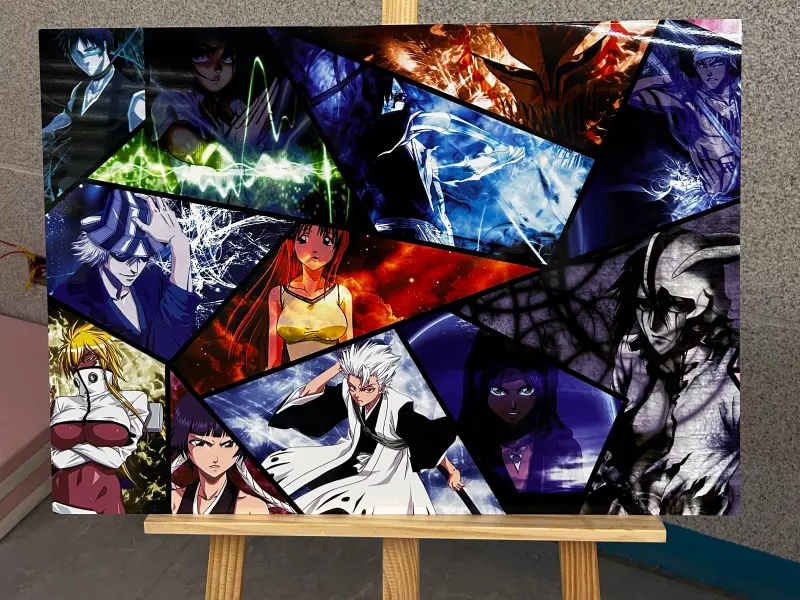
This coating has no shine. It reduces reflections. It looks like fine art paper on metal.
| Feature | Detail |
|---|---|
| Finish | Flat, non-reflective |
| Color pop | Soft, natural |
| Glare | None |
| Best for | Black-and-white photos, portraits, galleries |
Brushed Silver/Gold Base
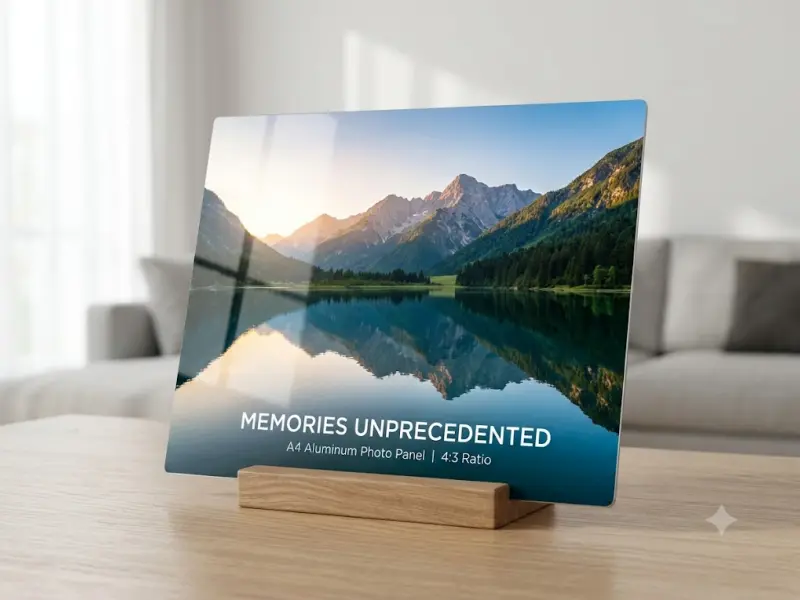
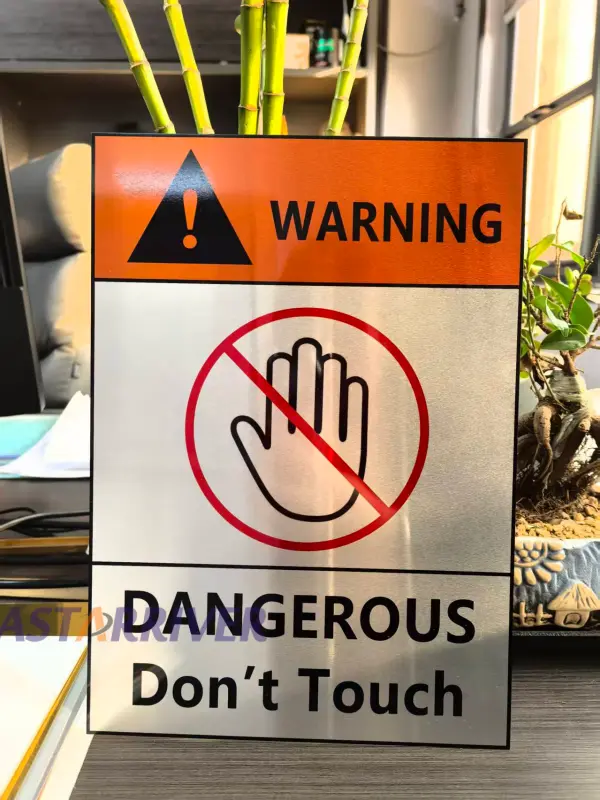
The image dyes bond to a clear coating over brushed metal. Areas with no ink show the metal texture. This creates a mixed-media look.
| Feature | Detail |
|---|---|
| Base visible | Yes, in white/blank areas |
| Effect | Metallic shimmer, industrial look |
| Best for | Architectural shots, automotive images, modern decor |
Clear Gloss Coating
This goes over bare or brushed aluminum. You print on it. The metal shows through everywhere. The image looks embedded in metal.
| Feature | Detail |
|---|---|
| Base visible | Full metal background |
| Durability | High |
| Best for | Industrial themes, monochrome prints |
Pearl/Chroma Base
Some coatings include pearlescent particles. The image shifts slightly as you move. It adds luxury.
| Feature | Detail |
|---|---|
| Effect | Iridescent glow |
| Cost | Higher |
| Best for | High-end retail, awards, premium gifts |
Product Types for Every Project Size

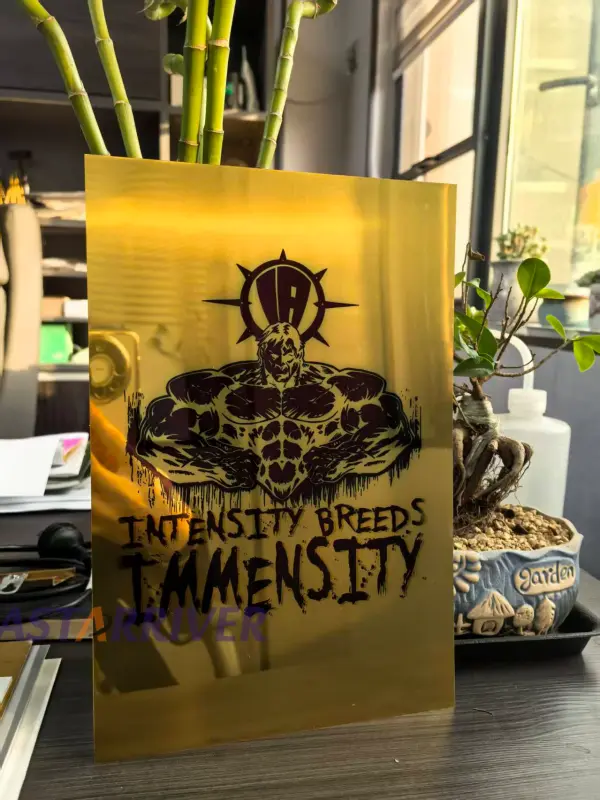
Suppliers divide panels into categories based on shape and edge treatment.
Flat Sheet Panels
These are simple rectangles. You mount them with double-sided tape, standoffs, or frames.
- No edge bend
- Clean, modern look
- Sizes from 4×6 inches to 48×96 inches
Radius Corner Panels
The corners are rounded. This prevents injury. It also looks softer.
- Corner radius: 3 mm to 10 mm
- Safer for public spaces
- Popular in hospitals and schools
Beveled Edge Panels
The edges are cut at an angle. Light catches the metal rim. This creates a floating effect.
- Edge angle: 30 to 45 degrees
- Premium appearance
- Common in galleries and hotels
Bend-to-Stand Panels
These have a small lip bent at the back. The lip acts as a stand. No frame needed.
- Lip height: 15 mm to 30 mm
- Self-supporting on desks or shelves
- Popular for desk photos and trade show displays
Block-Mount Panels
A thick block of MDF or foam bonds to the back. The panel stands away from the wall. It looks like a solid block.
- Block thickness: 10 mm to 25 mm
- Very rigid
- No visible mounting hardware
Multi-Panel Splits
One image prints across several panels. You hang them with gaps between. This creates a modern wall gallery.
- Usually 2, 3, or 5 panels per set
- Gaps of 20 mm to 50 mm
- Common in living rooms and offices
Side-by-Side Comparison: Gloss vs. Matte vs. Brushed
Choosing the right surface changes the mood of the room.
| Factor | Gloss White | Matte White | Brushed Silver |
|---|---|---|---|
| Brightness | Very high | Medium | Medium |
| Reflection | Mirror-like | None | Metallic |
| Fingerprints | Shows easily | Hides well | Hides well |
| Color accuracy | Excellent | Very good | Good (affected by base) |
| Room lighting | Needs control | Any lighting | Any lighting |
| Price | Standard | Standard | Slightly higher |
| Best room type | Modern, bright | Classic, soft | Industrial, urban |
| Photo style | Colorful, sharp | Soft, artistic | High contrast, moody |
Alloy Comparison for Wall Art Projects
Which alloy should you buy? This table helps you decide.
| Alloy | Cost Level | Strength | Weight | Best Panel Size | Indoor/Outdoor |
|---|---|---|---|---|---|
| 1050 | Low | Low | Light | Up to 12×18 in | Indoor |
| 1100 | Very low | Low | Light | Up to 12×18 in | Indoor |
| 3003 | Medium | Medium | Light-Medium | Up to 24×36 in | Indoor |
| 3105 | Medium | Medium | Light-Medium | Up to 24×36 in | Indoor/Outdoor |
| 5052 | Higher | High | Medium | Any size | Indoor/Outdoor |
| 6061 | Highest | Very high | Medium-Heavy | Large murals | Indoor/Outdoor |
For most photographers and print shops, 3003 H24 offers the best balance. It is flat enough for sharp images. It is strong enough to ship without damage.
Thickness vs. Application: What the Pros Use
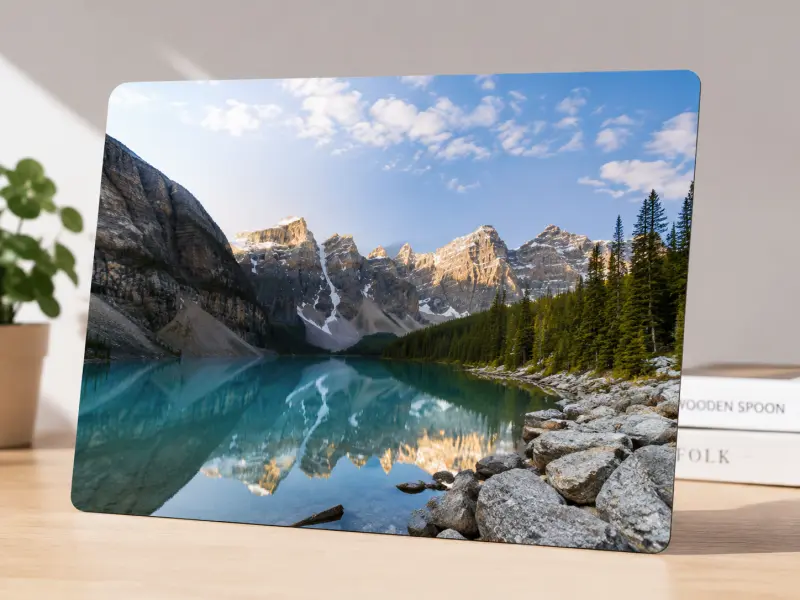
Not every job needs the thickest panel. Match thickness to use.
| Application | Recommended Thickness | Why |
|---|---|---|
| Small desk frames | 0.45 mm – 0.55 mm | Light, easy to stand |
| Home wall photos | 0.65 mm – 0.80 mm | Good rigidity, easy to hang |
| Wedding portraits | 0.80 mm – 1.00 mm | Premium feel, stays flat |
| Hospital corridor art | 1.00 mm – 1.20 mm | Impact resistant, safe edges |
| Retail store displays | 1.00 mm – 1.50 mm | Survives daily contact |
| Outdoor building signs | 1.50 mm – 3.00 mm | Wind load, weather proof |
| Elevator interiors | 1.20 mm – 2.00 mm | Heavy traffic, cleaning chemicals |
| Trade show backdrops | 0.80 mm – 1.20 mm | Light to ship, rigid enough |
Where These Panels Work Best
Sublimation aluminum wall decoration panels fit many spaces. Here are the top uses.
Residential Spaces
- Living room feature walls
- Bedroom photo collages
- Kitchen backsplash art
- Bathroom moisture-proof prints
- Nursery name signs and growth charts
Commercial Interiors
- Hotel lobby murals
- Restaurant menu boards
- Office brand walls
- Salon before-and-after displays
- Gym motivational graphics
Retail and Showrooms
- Product display backdrops
- Window signage
- Point-of-sale art
- Jewelry display boards
- Automotive showroom walls
Public and Institutional
- School hallway portraits
- Hospital healing art
- Museum exhibit panels
- Library wayfinding signs
- Airport advertising displays
Outdoor and Semi-Outdoor
- Patio wall art
- Pool area signage
- Building directory boards
- Park interpretive signs
- Real estate development billboards
Heat Press Settings by Panel Type
The transfer process needs the right heat and pressure. Wrong settings waste panels.
| Panel Type | Temperature | Time | Pressure |
|---|---|---|---|
| Standard gloss white | 200°C – 205°C | 60 – 90 seconds | Medium |
| Matte white | 195°C – 200°C | 70 – 100 seconds | Medium |
| Brushed silver/clear | 200°C – 205°C | 75 – 110 seconds | Medium-High |
| Thick panels (2 mm+) | 205°C – 210°C | 90 – 120 seconds | High |
| Small ornaments | 190°C – 195°C | 45 – 60 seconds | Light-Medium |
Always use a silicone pad or foam on the back. This evens out pressure. Always peel the transfer paper while hot for gloss panels. Peel cold for some matte coatings. Check your supplier sheet.
Common Mistakes to Avoid
Even good panels fail if you handle them wrong.
Using the wrong printer paper. Regular inkjet paper does not work. You need sublimation transfer paper with high release.
Not pre-pressing the panel. A quick 5-second press removes moisture. Moisture causes ghosting and spots.
Too much heat. Overheating turns whites yellow. It can also bubble the coating.
Dust on the surface. One speck of dust leaves a white dot in the image. Wipe the panel with a lint-free cloth before pressing.
Wrong image mirror. Always mirror your image before printing. The transfer paper flips during pressing.
Storing panels in humid rooms. The coating absorbs moisture over time. Store in a dry place. Seal unused panels in plastic.
Frequently Asked Questions
What is the best size for a first order?
Start with standard photo sizes. 8×10 inches, 11×14 inches, and 16×20 inches sell well. These sizes match common frames and wall spaces. Once you know your market, add panoramic sizes and multi-panel sets.
Can I use sublimation aluminum panels outdoors?
Yes, but choose the right product. Use 5052 or 5005 alloy with a marine-grade base. Add a clear protective overcoat after sublimation. Avoid placing unprotected gloss white panels in direct sun for years. UV rays will eventually fade any dye.
How do I clean a finished aluminum wall panel?
Use a soft, damp cloth. Add mild soap if needed. Do not use ammonia or alcohol. These can dull the coating over time. Do not scrub with abrasive pads. For brushed silver panels, wipe in the direction of the grain.
What is the difference between HD metal prints and regular sublimation panels?
HD metal prints usually refer to high-end panels with extra-thick coatings. They often use 6061 alloy for perfect flatness. Regular sublimation panels use 3003 alloy. Both use the same dye process. HD panels cost more but offer gallery-level results.
Do I need a special heat press?
You need a flat heat press. Clamshell and swing-away both work. The platen must be larger than your panel. For panels over 20×24 inches, you need a large-format press. Some suppliers offer vacuum presses for even pressure on big murals.
Why are my whites coming out dull?
Dull whites usually mean low heat or short press time. The coating needs enough energy to open fully. Check your press with a surface thermometer. Some cheap presses have cold spots. Also, make sure you are using gloss white panels. Matte and brushed bases never print pure white.
Can I cut these panels after printing?
Yes, but carefully. Use a metal shear for straight cuts. Use a CNC router for curves. Wear eye protection. Cutting after printing exposes bare metal at the edge. You may need to file and seal the edge to prevent corrosion.
Are these panels safe for nurseries and schools?
Yes. The finished surface is inert. For it has no sharp edges if you order radius corners. It will not off-gas after printing. It is also easy to disinfect. That is why hospitals and schools use them.
How do I mount a large panel to the wall?
For panels under 2 kg, use heavy-duty double-sided foam tape. For larger panels, use aluminum French cleats or standoff posts. Standoffs create a shadow gap. This makes the image look like it floats.
What file resolution do I need?
Use 300 dots per inch at final print size. For a 20×30 inch panel, your file should be 6000×9000 pixels. Lower resolution looks soft up close. Higher resolution does not hurt, but it increases file size.
Sublimation aluminum wall decoration panels for sale
Sublimation aluminum wall decoration panels offer a modern way to display images. They beat canvas and paper in durability. They beat glass in safety and weight. The key is picking the right alloy, thickness, and coating for each job.
A small desk photo needs only 0.55 mm 1050 alloy with gloss white. A hotel lobby mural needs 1.50 mm 5052 alloy with a brushed finish. The dye process stays the same. The base metal changes the impact.
Print shops and artists who understand these differences deliver better work. They waste fewer panels. They charge the right price. Their customers get wall art that stays beautiful for years.
Leave a Reply
You must be logged in to post a comment.