
What Makes Aluminum Ideal for Dye Sublimation Printing
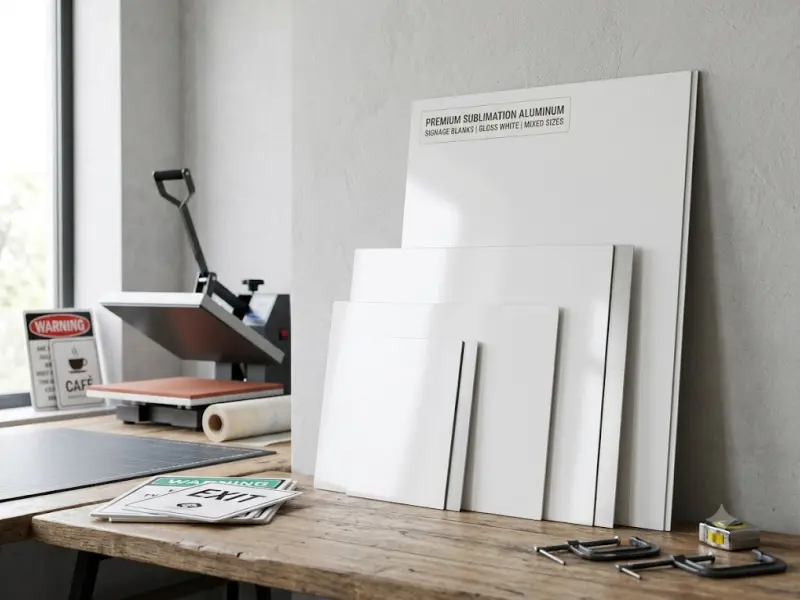
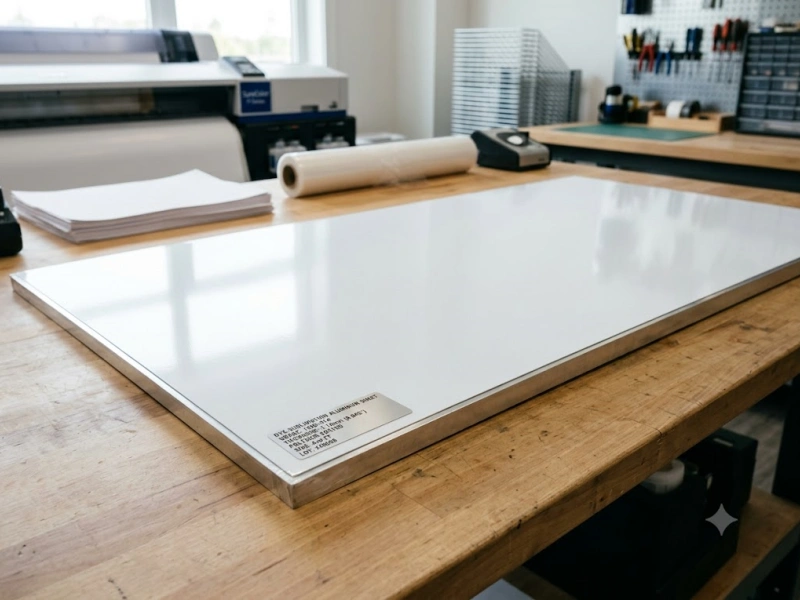
An aluminum sheet for dye sublimation printing is not ordinary metal. It carries a thin layer of polyester coating on the surface. This coating is the key. When you apply heat and pressure, sublimation ink turns into gas.
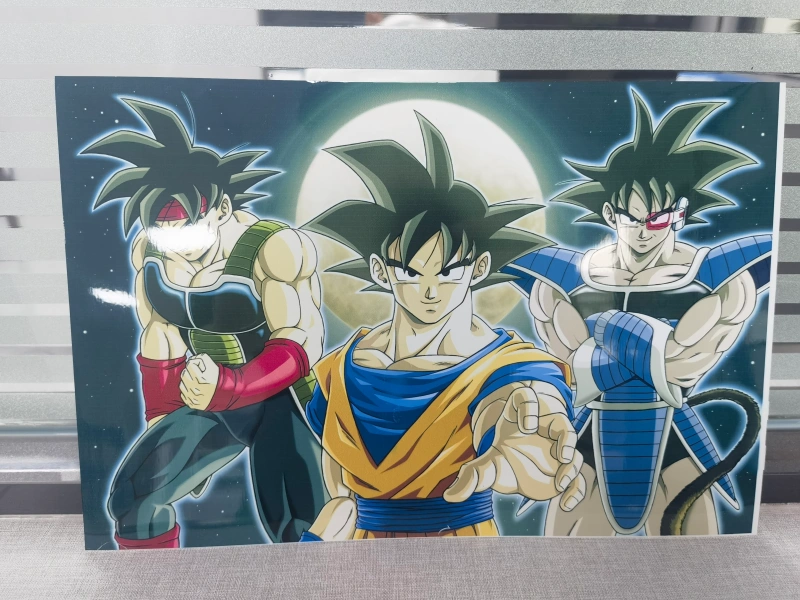
The gas penetrates the coating and bonds with it. When the metal cools, the image becomes part of the surface. It does not sit on top like a sticker. It will not peel, crack, or wash away.
Aluminum is the most popular base for this process. It is light, strong, and conducts heat evenly.
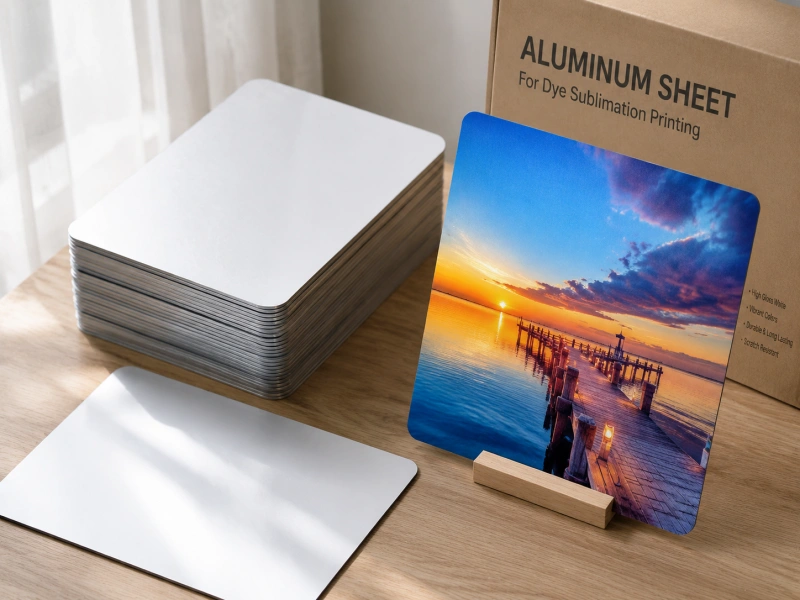
The metal spreads temperature across the whole sheet during pressing. This helps the ink transfer at the same rate from edge to edge. Other metals like steel or brass can also work, but aluminum is easier to cut, cheaper to ship, and simple to handle in a small shop.
The result is a print that looks like a photograph but feels like metal. It resists water, scratches, and fading from sunlight. These traits make it a smart choice for gifts, signs, awards, and art.
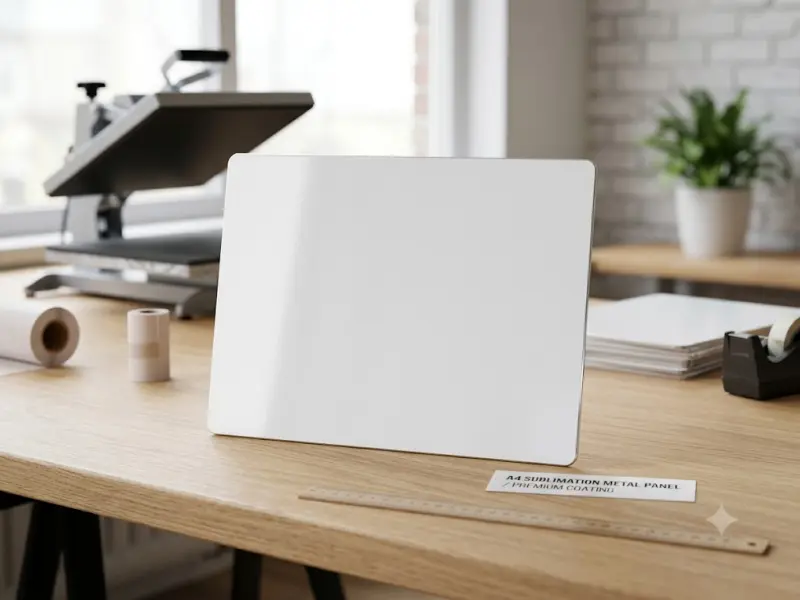
Alloy Options That Change the Print Result
The alloy is the foundation. It decides how flat the sheet stays, how it handles heat, and how long it lasts.
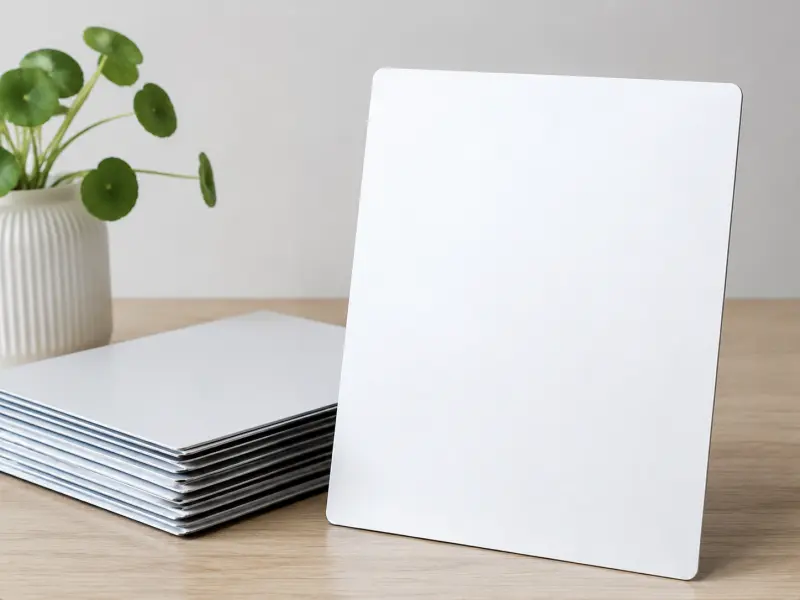
1050 Aluminum Alloy
This alloy is nearly pure aluminum. It contains about 99.5% aluminum.
| Property | Value |
|---|---|
| Purity | ~99.5% Al |
| Temper | H14, H24 |
| Strength | Low |
| Surface | Very smooth |
| Cost | Low |
| Best use | Photo panels, gifts, light signs |
1050 is soft and affordable. The smooth surface takes coating evenly. Colors print true and bright. It is the standard choice for most indoor photo work. Do not use it for large outdoor panels. It can dent and warp more easily than harder alloys.
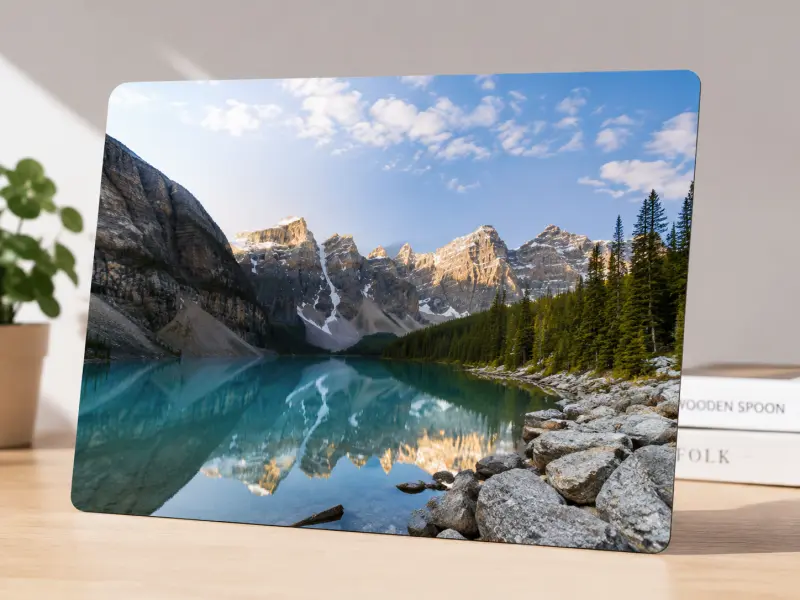
1060 Aluminum Alloy
This grade pushes purity up to 99.6%.
| Property | Value |
|---|---|
| Purity | ~99.6% Al |
| Temper | H14, H24 |
| Surface | Extremely smooth |
| Cost | Low to medium |
| Best use | Premium portraits, gallery prints |
1060 offers a cleaner surface than 1050. The coating adheres with fewer flaws. For high-end photo gifts where every detail matters, this alloy is worth the small extra cost.
Compose a captivating title for this section.
1100 Aluminum Alloy
This is the general-purpose pure grade.
| Property | Value |
|---|---|
| Purity | ~99.0% Al |
| Temper | H14, H24 |
| Strength | Slightly higher than 1050 |
| Weldability | Excellent |
| Best use | General signage, decorative trim |
1100 is a safe middle choice. It is a bit stronger than 1050 but still easy to press. Many shops keep this in stock for mixed jobs.
3003 Aluminum Alloy
This alloy adds manganese. It is stronger and more heat-stable.
| Property | Value |
|---|---|
| Manganese | 1.0–1.5% |
| Temper | H14, H24 |
| Strength | Medium |
| Heat resistance | Very good |
| Best use | Large panels, outdoor signs, heat-intensive work |
3003 resists warping during long press cycles. If you print big sheets or run a high-volume shop, this alloy stays flatter. It is also the better pick for signs that face temperature swings.
5052 Aluminum Alloy
This grade contains magnesium. It is the strongest common option.
| Property | Value |
|---|---|
| Magnesium | 2.2–2.8% |
| Temper | H32, H34 |
| Strength | High |
| Corrosion resistance | Excellent |
| Best use | Marine signs, license plates, heavy-duty displays |
5052 costs more but survives salt air, rain, and physical abuse. Use it when the printed panel must live outside or handle rough treatment.
5005 Aluminum Alloy
This alloy sits between 3003 and 5052 in strength.
| Property | Value |
|---|---|
| Magnesium | 0.8–1.1% |
| Temper | H14, H34 |
| Anodizing response | Excellent |
| Best use | Anodized-look panels, architectural trim |
5005 is often chosen when the sheet will be anodized after printing or when a colored metal look is needed.
Alloy Comparison at a Glance
Choosing the right base metal saves rejects and money. This table breaks down the key differences.
| Feature | 1050 | 1060 | 1100 | 3003 | 5005 | 5052 |
|---|---|---|---|---|---|---|
| Purity | High | Very high | High | Medium | Medium | Medium |
| Strength | Low | Low | Low-medium | Medium | Medium | High |
| Heat stability | Good | Good | Good | Very good | Good | Excellent |
| Outdoor use | No | No | Limited | Yes | Yes | Excellent |
| Cost | $ | $$ | $ | $$ | $$$ | $$$$ |
| Best product | Photo gifts | Premium prints | General signs | Large panels | Trim, anodized | Marine, outdoor |
Quick guide:
- Budget indoor photos → 1050
- Premium portraits → 1060
- General mixed work → 1100
- Large or outdoor panels → 3003
- Anodized or colored trim → 5005
- Harsh weather or heavy use → 5052

Temper States and Press Behavior
Temper tells you how hard the metal is. This affects how the sheet acts under heat and pressure.
| Temper | Description | Best For |
|---|---|---|
| O | Fully annealed, very soft | Deep drawing, spinning |
| H14 | Half-hard | General blanks |
| H24 | Half-hard, stabilized | Most sublimation work |
| H32 | Quarter-hard, 5000 series | 5052 blanks |
| H34 | Half-hard, 5000 series | Rigid 5052 panels |
For an aluminum sheet for dye sublimation printing, H24 is the most common temper. The stabilization step reduces internal stress. This means less warping when the sheet heats and cools. O temper is too soft. H18 is too stiff and may not seat flat in the press.
Thickness Guide for Every Project
Thickness changes the feel, weight, and how the sheet handles the press.
| Thickness | Weight per m² | Typical use | Warp risk | Press tip |
|---|---|---|---|---|
| 0.3 mm | ~0.81 kg | Keychains, tags, bookmarks | Higher | Light pressure, short time |
| 0.45 mm | ~1.22 kg | Small signs, thin panels | Moderate | Standard craft setting |
| 0.5 mm | ~1.35 kg | Photo panels, desk displays | Low | Industry standard |
| 0.65 mm | ~1.76 kg | Premium awards, wall art | Very low | Handles higher pressure |
| 0.8 mm | ~2.16 kg | Outdoor signs, large frames | Minimal | Longer press time |
| 1.0 mm | ~2.70 kg | Industrial plates, big installs | None | High heat and pressure |
| 1.5 mm | ~4.05 kg | Structural signs, heavy duty | None | Very high pressure |
Thinner sheets need care. Thicker sheets forgive mistakes. If you are starting out, 0.5 mm is the safest choice. It works for most images and presses.
Surface Finishes and How They Look
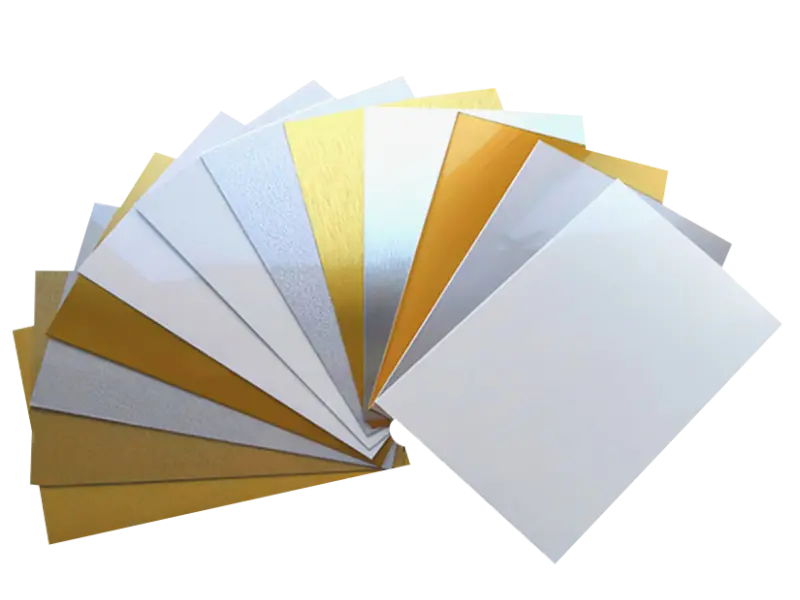
The coating finish changes the final image. Each style serves a different purpose.
Glossy White Finish
This is the most popular choice. The bright white background makes colors pop.
| Feature | Detail |
|---|---|
| Reflection | High |
| Color output | Vivid and saturated |
| Best for | Photos, artwork, vibrant graphics |
| Care note | Shows fingerprints |
Glossy white is the default for wedding photos, family portraits, and product displays.
Matte White Finish
Matte reduces glare. It gives a softer, more professional look.
| Feature | Detail |
|---|---|
| Reflection | Low |
| Color output | Subtle and smooth |
| Best for | Office signs, text-heavy designs |
| Care note | Hides fingerprints |
Use matte when the panel sits under bright lights or near windows.
Brushed Silver Finish
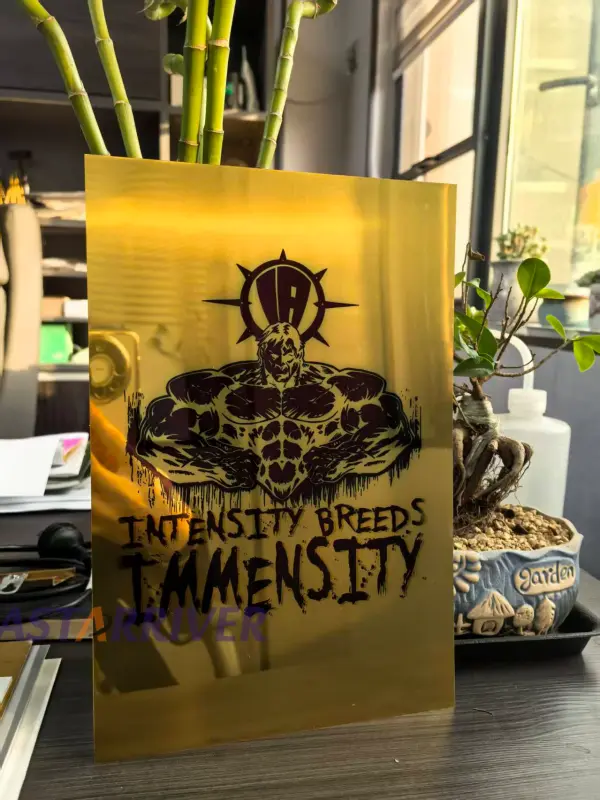
The metal texture shows through the image. This creates a modern, industrial feel.
| Feature | Detail |
|---|---|
| Base visible | Yes, in light areas |
| Style | Contemporary |
| Best for | Nameplates, corporate plaques, logos |
Brushed silver works well for awards and business signage where the metal itself is part of the design.
Brushed Gold Finish
Similar to brushed silver but with a warm gold tone.
| Feature | Detail |
|---|---|
| Tone | Warm metallic |
| Style | Premium, classic |
| Best for | High-end awards, commemorative plaques |
This finish adds perceived value to recognition products.
Clear Coated Finish
Clear coating lets the natural aluminum show through.
| Feature | Detail |
|---|---|
| Base visible | Full metallic look |
| Effect | Translucent in light areas |
| Best for | Creative designs, metal art |
Designers use clear panels when they want the raw metal to become part of the artwork.
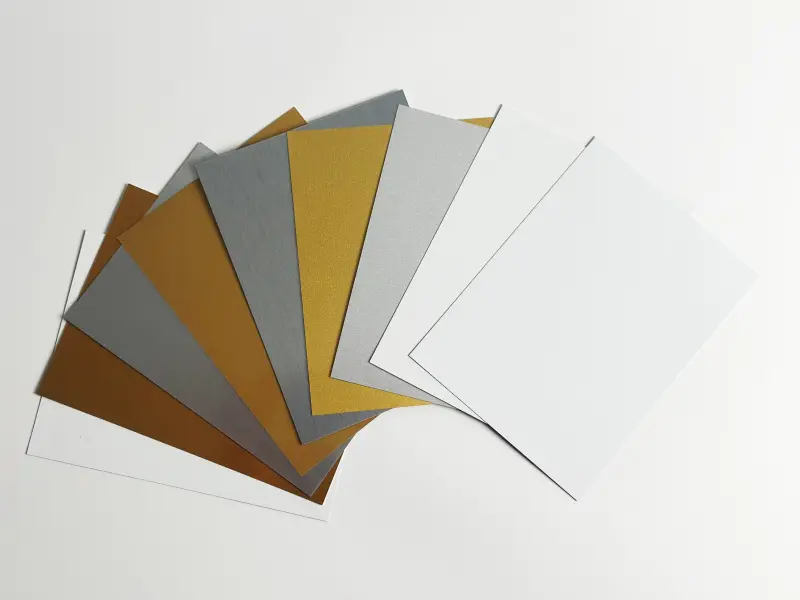
Finish Comparison Table
| Property | Glossy White | Matte White | Brushed Silver | Brushed Gold | Clear |
|---|---|---|---|---|---|
| Brightness | Highest | Medium | Medium | Medium | Low |
| Glare | High | Low | Medium | Medium | Medium |
| Fingerprint visibility | High | Low | Medium | Medium | Medium |
| Best for photos | Yes | Sometimes | No | No | No |
| Best for text/logos | Yes | Yes | Yes | Yes | Limited |
| Typical cost | Standard | Standard | Slightly higher | Higher | Standard |
Heat Press Settings by Sheet Type
Wrong temperature ruins the print. Use this guide as a starting point. Always test first.
| Sheet type | Temperature | Time | Pressure |
|---|---|---|---|
| Glossy white 0.5 mm | 190–200°C | 45–60 sec | Medium |
| Matte white 0.5 mm | 185–195°C | 45–55 sec | Medium |
| Brushed silver 0.5 mm | 180–190°C | 50–60 sec | Medium |
| Thick panel 0.8 mm+ | 195–205°C | 60–90 sec | Medium-high |
| Thin panel 0.3 mm | 180°C | 40–45 sec | Light-medium |
| 3003 alloy sheet | 185–195°C | 50–70 sec | Medium |
| 5052 alloy sheet | 190–200°C | 60–80 sec | Medium-high |
Always remove the protective film before pressing. Let the sheet cool flat. Do not blow air on it. Rapid cooling can curve the metal.
Where These Sheets Show Up
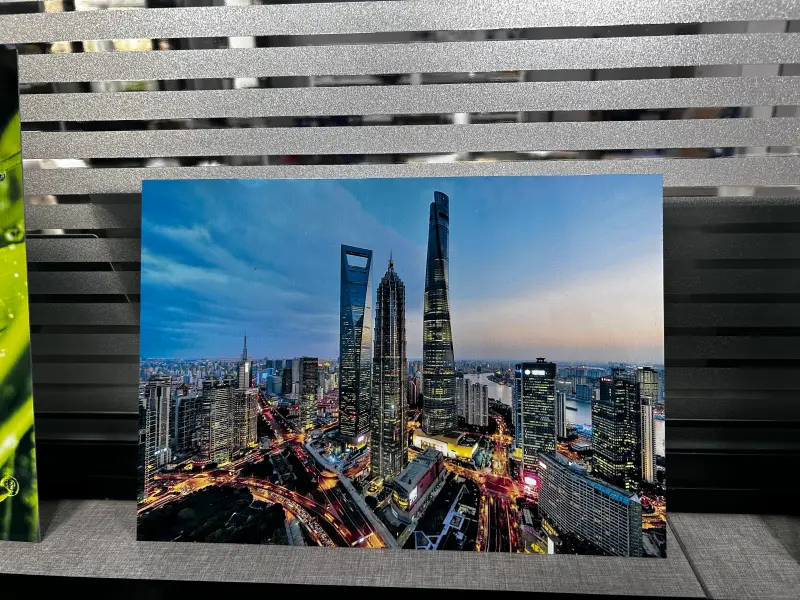
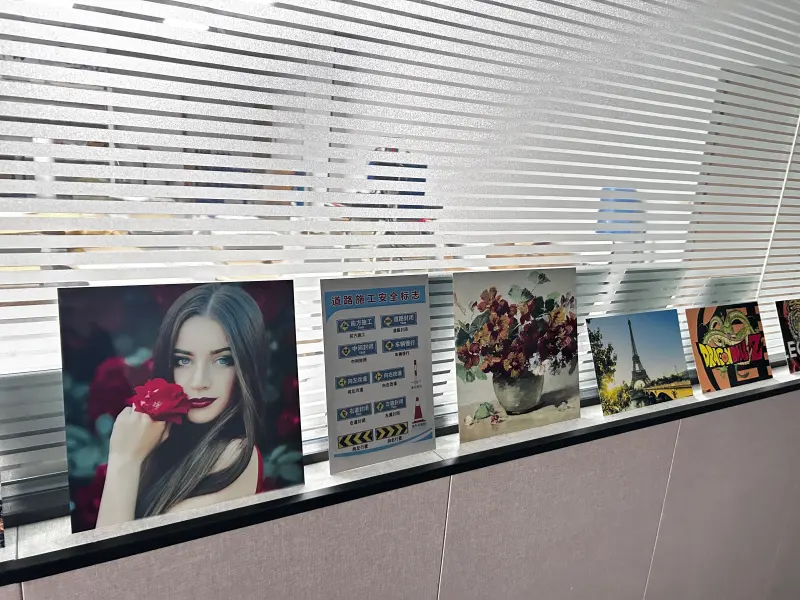
An aluminum sheet for dye sublimation printing fits many industries. Here is where it performs best.
Photography and Home Decor
Photographers print portraits and landscapes on metal for a modern gallery look.
- Family portraits
- Wedding photos
- Pet portraits
- Travel prints
- Gallery mini-prints
Awards and Recognition
Companies use metal panels for plaques and certificates. The durable surface means the award lasts for years.
- Employee of the month plaques
- Service anniversary awards
- Sales achievement boards
- Retirement keepsakes
- Team recognition panels
Signage and Branding
Small businesses need affordable, professional signs.
- Reception desk nameplates
- Office door signs
- Menu boards
- Price lists
- Safety notices
Promotional Products
Marketers use printed metal for giveaways and branded items.
- Trade show handouts
- Event souvenirs
- Branded keychains
- Loyalty program gifts
- Limited edition prints
Industrial Labels
Factories and warehouses need labels that survive heat, chemicals, and abrasion.
- Equipment nameplates
- Control panel overlays
- Asset tags
- Barcode plates
- Warning signs
Education and Museums
Schools and museums use metal panels for displays and donor recognition.
- Exhibit labels
- Donor walls
- Graduation mementos
- Science fair awards
- Historical markers
How to Pick the Right Sheet for Your Job
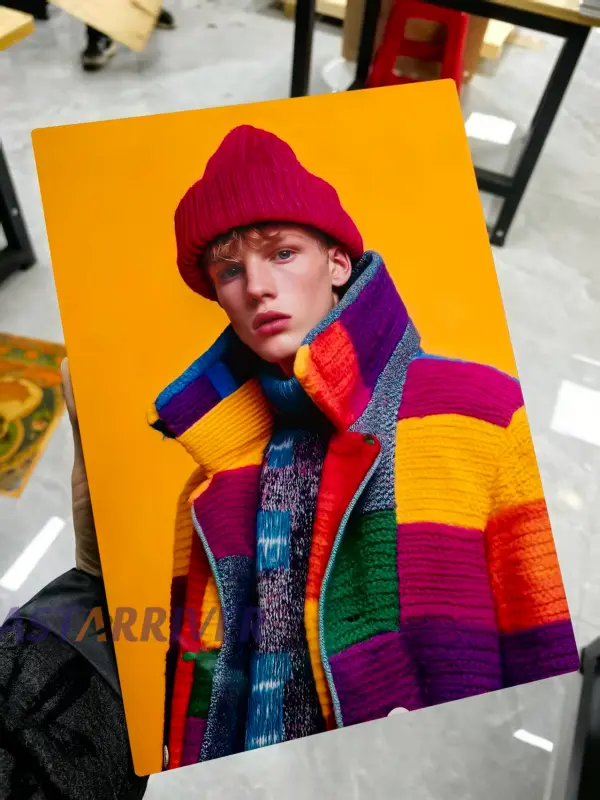
Not every project needs the same blank. Ask yourself these questions before ordering.
Will the panel stay indoors?
→ Choose 1050 or 1060 in 0.4–0.5 mm.
Does it face sunlight or weather?
→ Move up to 3003 or 5052 in 0.65 mm or thicker.
Is the image photo-heavy or text-heavy?
→ Photos love glossy white. Text and logos look sharp on matte white.
Do you need a metallic effect?
→ Pick brushed silver or brushed gold.
Will you bend or shape the panel after printing?
→ Use O temper or H14. Avoid H18.
Is weight a concern for shipping?
→ Thinner sheets save postage but need careful packing.
Common Mistakes to Avoid
Even experienced printers make errors. Here is how to avoid the big ones.
- Forgetting to mirror the image: Sublimation ink transfers face-down. If you do not flip the design in your software, text reads backward.
- Leaving the protective film on: The film melts onto the coating and ruins the sheet. Peel it off before every press.
- Using too much pressure: Excess pressure can squeeze ink out from under the paper. This creates blurry edges. Medium pressure is usually enough.
- Skipping the test print: Every press behaves slightly differently. Run a small scrap piece before committing a full batch.
- Cooling too fast: Placing a hot sheet in front of a fan causes warping. Let it cool naturally on a flat surface.
Frequently Asked Questions
Can I sublimate on plain aluminum without coating?
No. Raw aluminum cannot accept sublimation ink. The metal needs a polyester coating. Without it, the ink has nothing to bond with. The result will be a faded ghost image that wipes off.
Which alloy is best for beginners?
1050-H24 is the safest start. It is affordable, easy to press, and gives good color. Once you master the process, try 1060 for smoother results or 3003 for larger panels.
Why does my sheet warp after pressing?
Warping usually means too much heat, too long a press time, or too thin a sheet. Try lowering the temperature by 5°C. Use 3003 alloy if warping persists. Always let the sheet cool flat.
What temperature works best for dye sublimation on aluminum?
Most sheets press well between 180°C and 200°C. Thinner sheets use the lower end. Thick panels need the higher end. Never exceed 218°C. That can damage the coating.
Can sublimated aluminum sheets go outside?
Yes, if you use the right alloy. 3003 and 5052 handle outdoor conditions. Add a UV-resistant clear coat for extra protection in direct sun. 1050 and 1060 should stay indoors.
How thick should my sheet be for wall art?
0.5 mm to 0.65 mm is standard for wall art. It is rigid enough to stay flat but light enough to hang with simple hooks. For very large pieces, go up to 0.8 mm or 1.0 mm.
Do brushed finish sheets need different press settings?
Brushed panels often need slightly lower heat. The metallic base reflects some energy. Test a small corner before running a full batch. Reduce temperature by 5°C if colors look too hot.
Can I cut the aluminum sheet after printing?
Yes, but use a metal shear or CNC router. Avoid hand tools that scratch the coating. Always wear eye protection when cutting metal. The cut edge will show raw aluminum, so plan your design to hide it.
What is the shelf life of blank sublimation sheets?
Stored flat and dry, coated panels last 12–24 months. High heat or humidity can degrade the coating. Use older stock first. Keep blanks away from direct sunlight before printing.
How do I clean a finished sublimation print on aluminum?
Use a soft microfiber cloth. For glossy panels, a small amount of glass cleaner works. Do not use abrasive pads or ammonia on matte finishes. The coating is tough but not indestructible.
Leave a Reply
You must be logged in to post a comment.