
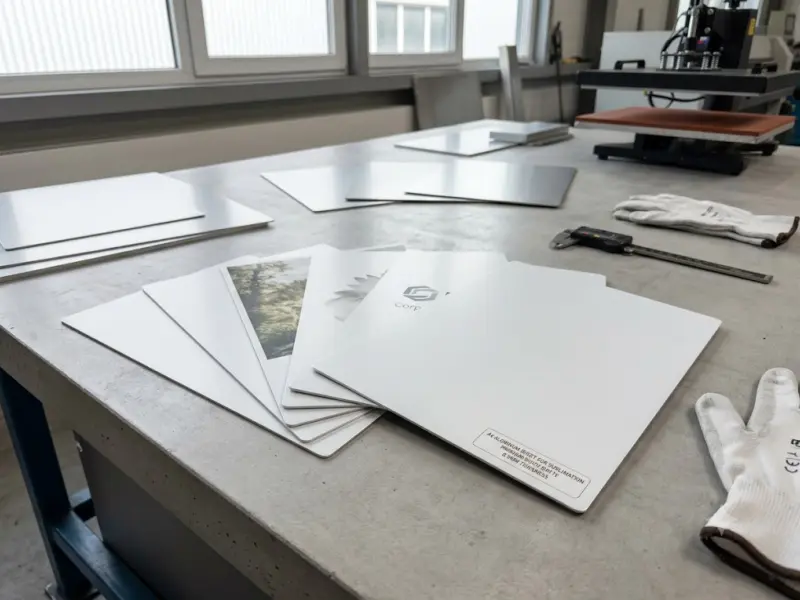
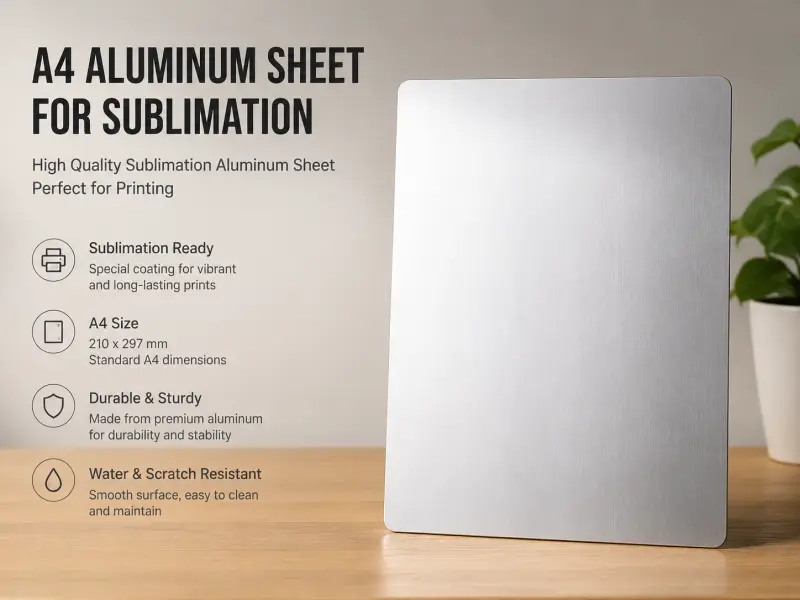
A4 Aluminum Sheet for Sublimation.
An A4 aluminum sheet for sublimation is one of the most popular blanks on the market. It fits standard printers. It fits standard heat presses. And it delivers a look that paper and canvas cannot match.
What Makes A4 Sublimation Aluminum Sheets Special?
An A4 aluminum sheet for sublimation is not just a piece of metal. It carries a thin polyester coating on the surface. That coating grabs dye-sublimation ink during heat pressing.
The result is a permanent image that will not peel, fade under normal indoor light, or wash away. The A4 size measures 210 mm by 297 mm.
That is roughly 8.3 inches by 11.7 inches. It matches the paper size used in most of the world. This makes design work simple. You do not need to resize templates or buy special trays for your printer.
Why A4 Size Fits So Many Projects
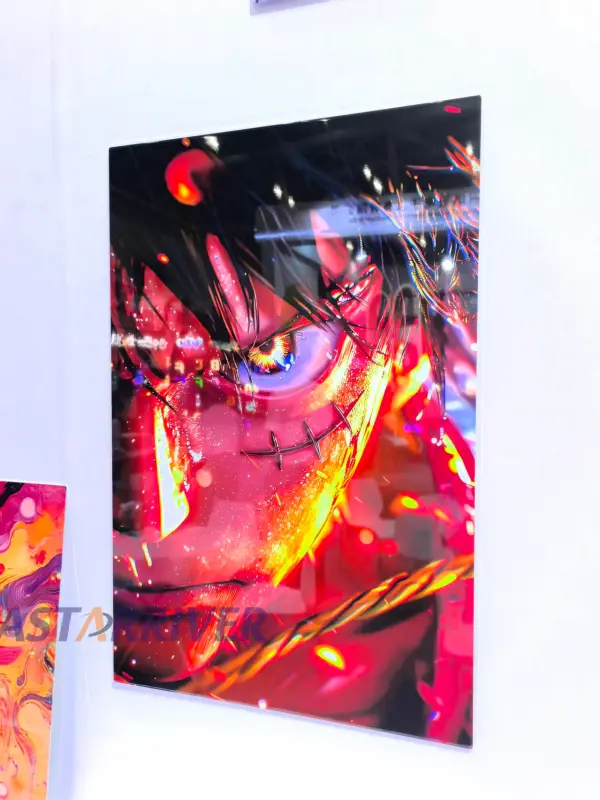
A4 is large enough for photo panels, award plaques, and wall signs. It is small enough to fit inside a standard clamshell heat press. You can also cut it down for smaller items like keychains or luggage tags. Many suppliers sell A4 blanks with rounded corners.
Others leave the corners square. Some even pre-drill hanging holes.
Because the size is universal, you can buy A4 sublimation aluminum sheets from factories in Asia, Europe, or North America and know the dimensions will match your setup.
Alloy Breakdown: What Metal Is Under the Coating?
The alloy number tells you what elements mix with the aluminum. That mix changes how the sheet behaves under heat and pressure. Not all A4 blanks use the same alloy. Here is what you will see when you shop.
Pure Aluminum Grades: 1050, 1060, and 1100
These are 1000-series alloys. They contain almost pure aluminum. 1050 and 1060 are the most common for sublimation blanks. They have a smooth, even surface.
The coating cures uniformly on these grades. Colors print true to your digital file. 1100 is also pure, but slightly less common for photo panels. Pure grades cost less. They work well for indoor gifts, desk plaques, and decorative prints. The downside is softness. A thin 1050 sheet can warp if your heat press runs too hot or too long.
Manganese Alloy: 3003
3003 adds a small amount of manganese. This makes the sheet stiffer than 1050 at the same thickness. If you press at 200 °C or run long cycles, 3003 resists warping better.
It still accepts coating well. Many suppliers use 3003 for thicker blanks or for outdoor signs that need to stay flat. The price sits a little above 1000-series grades. For buyers who want fewer rejected prints from bent corners, 3003 is a smart upgrade.
Magnesium Alloy: 5052
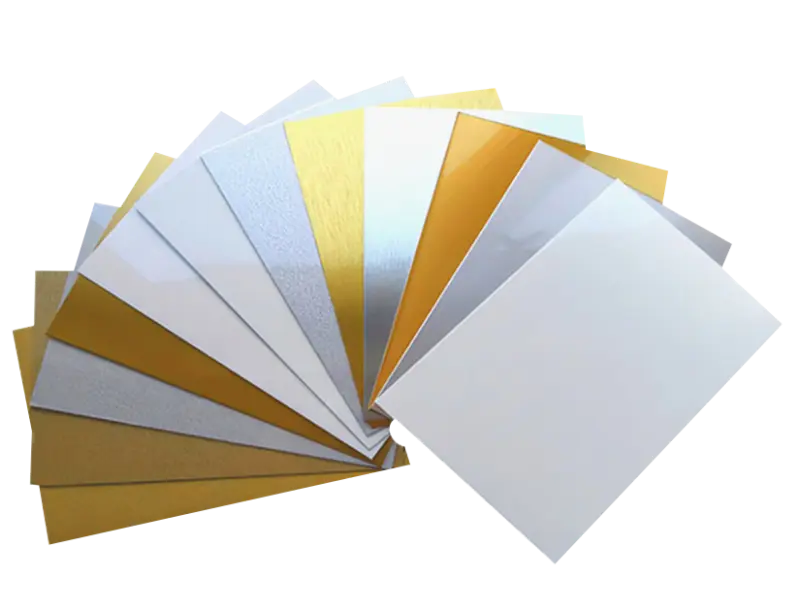
5052 belongs to the 5000 series. It is stronger and harder than both 1050 and 3003. It also handles moisture better. If your finished product will hang outside or sit in a humid room, 5052 lasts longer. The trade-off is cost.
It also needs proper surface prep before coating. Premium suppliers etch or anodize 5052 first to make sure the polyester layer sticks. For heavy-duty A4 signage or industrial nameplates, 5052 is worth the extra money.
| Alloy | Series | Strength | Best Use | Warp Risk at 200 °C |
|---|---|---|---|---|
| 1050 | 1000 | Low | Indoor photos, gifts | Moderate |
| 1060 | 1000 | Low | Fine art prints | Moderate |
| 1100 | 1000 | Low | Decorative panels | Moderate |
| 3003 | 3000 | Medium | Awards, outdoor signs | Very low |
| 5052 | 5000 | High | Marine signs, heavy labels | Very low |
Temper Codes: H24, H32, and Why They Matter
Alloy is only part of the story. Temper tells you how the metal was treated after rolling. The wrong temper can ruin your print run.
- O temper: Fully soft. Easy to bend by hand. It warps badly under a heat press. Avoid O temper for sublimation.
- H14: Strain hardened. Some suppliers list H14 for 1000-series blanks. It holds shape better than O, but H24 is still preferred.
- H24: The standard for sublimation. It is strain hardened and partially annealed. The sheet stays flat during pressing. 1050-H24 and 3003-H24 are the most common combos you will find.
- H32: Used for 5000-series alloys like 5052. It offers the same stability as H24 but for harder metals.
| Temper | Alloy Type | Stability Under Heat | Recommended |
|---|---|---|---|
| O | Any | Poor | No |
| H14 | 1000 series | Fair | Borderline |
| H24 | 1000 / 3000 series | Excellent | Yes |
| H32 | 5000 series | Excellent | Yes |
Thickness Guide: How Millimeters Change the Feel

A4 sublimation aluminum sheets come in many thicknesses. Thinner sheets cost less and ship cheaper. Thicker sheets feel premium and resist bending. Pick the right gauge for your end product.
| Thickness | Weight per A4 Sheet | Feel | Best For |
|---|---|---|---|
| 0.3 mm | ~150 g | Very light, flexible | Bookmarks, tags, small magnets |
| 0.4 mm | ~200 g | Light, slight bend | Test prints, thin photo panels |
| 0.45 mm | ~225 g | Standard | General photo panels, desk plaques |
| 0.5 mm | ~250 g | Medium | Popular all-around choice |
| 0.55 mm | ~275 g | Medium-rigid | Awards, signs that stand on easels |
| 0.65 mm | ~325 g | Rigid | Premium photo panels |
| 0.7 mm | ~350 g | Very rigid | Large hanging prints |
| 1.0 mm | ~500 g | Heavy plate | Outdoor signage, industrial labels |
| 1.15 mm | ~575 g | Extra heavy | High-end wall art, durable plaques |
A 0.45 mm or 0.5 mm A4 blank is the sweet spot for most beginners. It feeds easily into flat heat presses. It cools fast. And it gives a solid feel without adding shipping costs.
Surface Finishes: The Look Behind the Ink
The coating on top of the alloy determines how your image appears. Not all whites are the same. Not all metallics behave the same under a press.
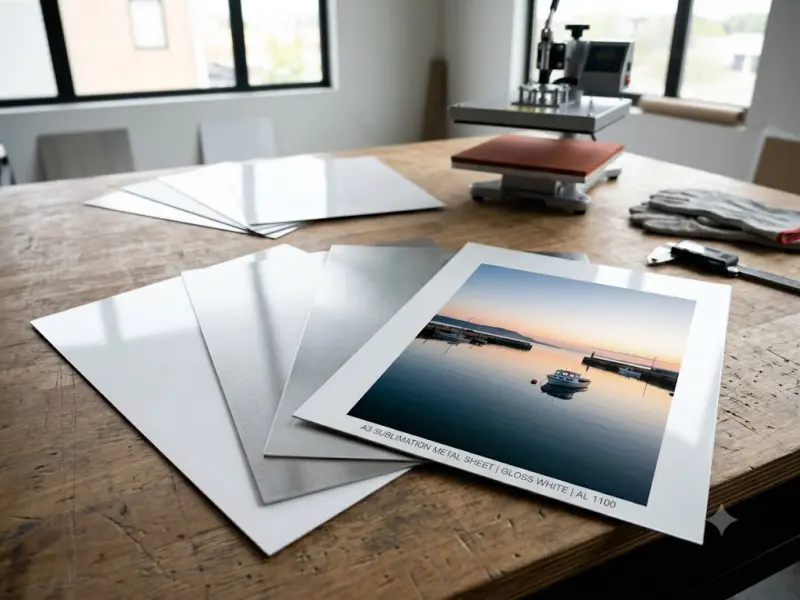
Glossy White A4 Aluminum Sheet for Sublimation
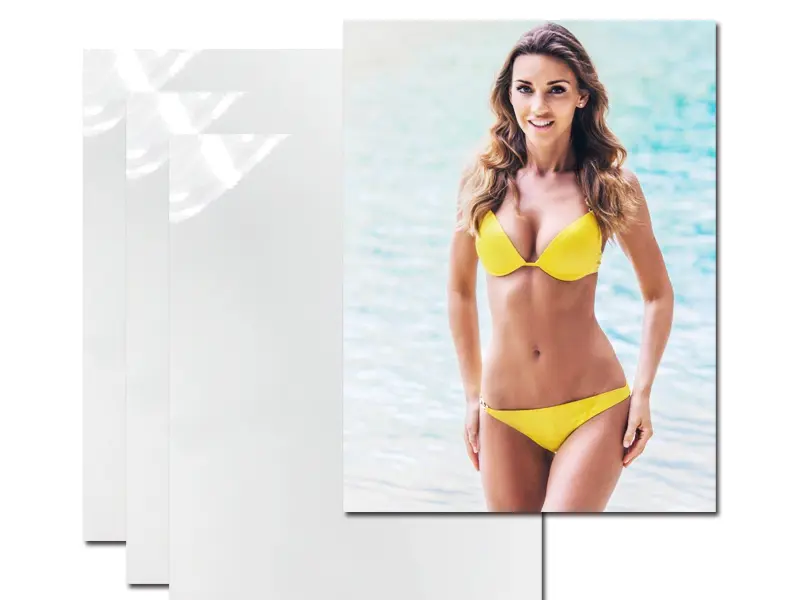
This is the most common finish. The bright white base reflects light. Colors pop. Blacks look deep. Glossy white A4 blanks are perfect for family photos, product shots, and vibrant graphics. The downside is glare. Under direct sunlight or harsh office lights, the surface reflects like glass.
Matte White A4 Aluminum Sheet for Sublimation
Matte white cuts the glare. It gives a softer, more artistic look. Art reproductions and gallery prints often use matte. The colors are slightly less punchy than glossy, but the viewing experience is easier on the eyes. Matte also hides fingerprints better.
Brushed Silver A4 Aluminum Sheet for Sublimation
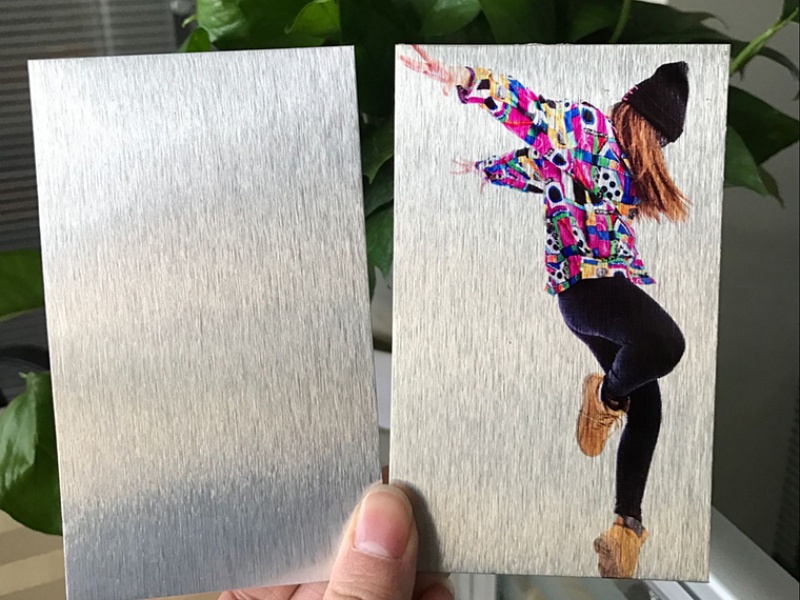
Brushed silver has fine lines scratched into the metal. A clear coating sits on top. When you print on it, the unprinted areas show the brushed metal texture. This creates a mixed-media effect. The image looks like it floats on metal. Brushed silver is popular for awards, modern home decor, and corporate plaques.
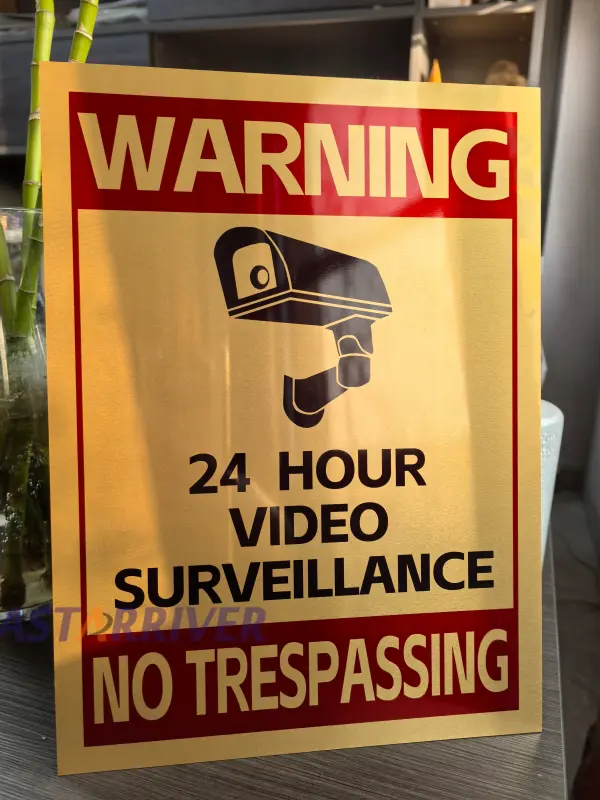
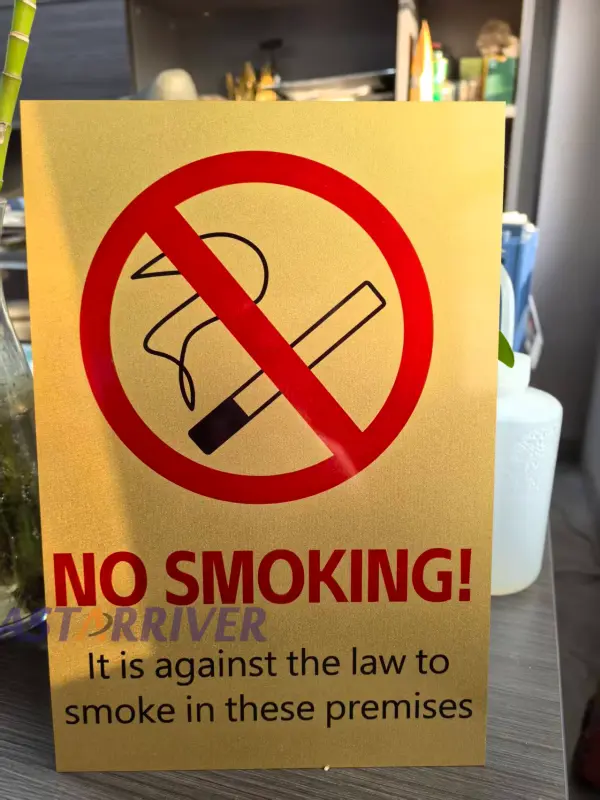
Brushed Gold and Champagne A4 Aluminum Sheet for Sublimation
These finishes work like brushed silver but with a warm tone. Gold adds elegance. Champagne adds subtle warmth. They are favorites for wedding gifts, anniversary plaques, and high-end nameplates. Some suppliers also offer pearl white and copper tones.
Mirror and Wood Grain A4 Aluminum Sheet for Sublimation
Mirror finish is rare but available. It gives a reflective, chrome-like background. Wood grain coating mimics natural timber. Both are niche options. They cost more and need careful handling to avoid scratches before pressing.
| Finish | Base Color | Best For | Glare Level |
|---|---|---|---|
| Glossy white | Bright white | Photos, vivid art | High |
| Matte white | Soft white | Gallery prints, text | Low |
| Brushed silver | Metallic gray | Awards, modern decor | Medium |
| Brushed gold | Metallic gold | Premium gifts | Medium |
| Pearl white | Shimmer white | Elegant signage | Medium |
| Mirror | Reflective silver | Special effects | Very high |
Heat Press Settings for A4 Aluminum Blanks
Temperature and time depend on the coating brand. Always check the supplier sheet first. If no sheet is available, these settings work for most standard polyester-coated A4 blanks.
| Step | Temperature | Time | Notes |
|---|---|---|---|
| Pre-heat press | 180 °C | 10–15 seconds | Removes moisture, smooths surface |
| Main press | 180–200 °C | 45–75 seconds | Use medium pressure |
| Peel | Immediate or warm | — | Follow coating instructions |
| Cool down | Room temperature | 1–2 minutes | Handle with gloves |
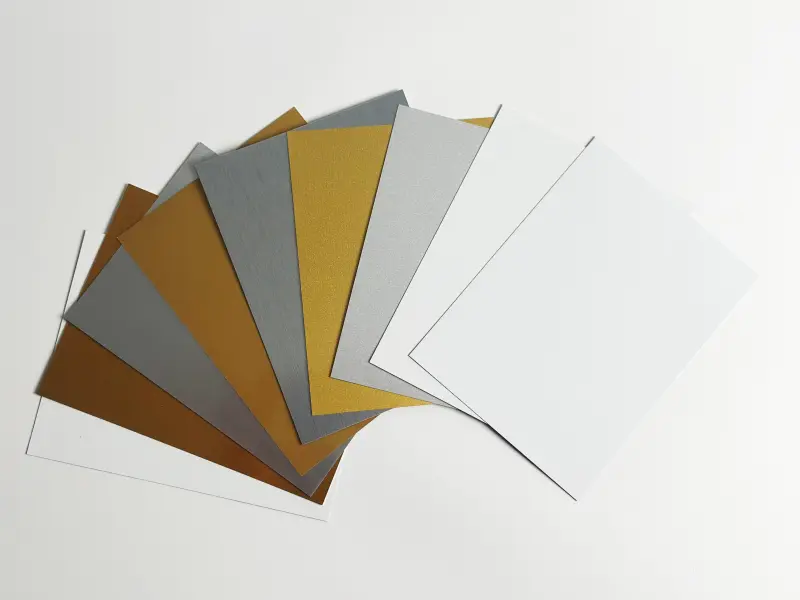
Most suppliers recommend 180 °C to 200 °C. 1050 blanks should stay closer to 180 °C to avoid warping. 3003 and 5052 blanks can handle 200 °C without trouble. Never exceed 210 °C unless the manufacturer confirms the coating can take it. High heat can yellow the white base or bubble the polyester layer.
A4 vs. Other Sublimation Sheet Sizes
A4 is not the only size on the market. Here is how it stacks up against common alternatives.
| Size | Dimensions | Best For | Press Needed |
|---|---|---|---|
| A6 | 105 × 148 mm | Keychains, jewelry, small tags | Small craft press |
| A5 | 148 × 210 mm | Bookmarks, coasters, small plaques | Standard craft press |
| A4 | 210 × 297 mm | Photo panels, awards, signs | Standard clamshell press |
| A3 | 297 × 420 mm | Large posters, wall art | Large format press |
| A2 | 420 × 594 mm | Commercial signage | Large swing-away press |
| 4″ × 8″ | 102 × 203 mm | US craft market, test prints | Small to standard press |
A4 hits the balance. It is big enough for serious work. It is small enough to fit the heat press that most small businesses already own.
Real-World Uses for A4 Sublimation Aluminum
A4 aluminum sheets for sublimation show up in many industries. Here are the top places you will see them:
- Photo panels: Families print portraits on glossy white A4 blanks and hang them without glass.
- Awards and trophies: Companies use brushed silver or gold A4 sheets for employee recognition plaques.
- Signage: Retail stores print directional signs and product info boards on matte white A4 metal.
- Nameplates: Desk nameplates and door plates use 0.5 mm to 0.7 mm A4 blanks.
- Industrial labels: Equipment tags and asset labels are printed on thick 1.0 mm A4 sheets for durability.
- Personalized gifts: Wedding photos, pet portraits, and baby prints on A4 metal sell well online.
- Art reproductions: Artists sell limited runs on matte or brushed A4 aluminum instead of canvas.
- Memorial plaques: Cemeteries and funeral homes use weather-resistant A4 blanks for headstone photos.
- Kitchen and bathroom decor: Decorative tiles and backsplash panels use sublimation A4 sheets sealed for moisture.
- Refrigerator magnets: Thin 0.3 mm A4 sheets are cut down and backed with magnetic strips.
- Jewelry and bookmarks: Small strips cut from A4 blanks become pendants, earrings, and reading markers.
A4 Sublimation Aluminum vs. Paper and Acrylic
Buyers often wonder if metal is worth the extra cost. Here is a direct comparison.
| Feature | A4 Sublimation Aluminum | Photo Paper | Acrylic Print |
|---|---|---|---|
| Durability | Very high, scratch resistant | Low, tears and creases | High, but can crack |
| Waterproof | Yes | No | Yes |
| UV resistance | Good | Poor | Moderate |
| Weight | Light to medium | Very light | Heavy |
| Color pop | Excellent on glossy | Good | Good |
| Cost per sheet | $1.20–$3.50 | $0.50–$1.00 | $4.00–$6.00 |
| Premium feel | High | Low | Medium |
Aluminum wins on durability and weight. Paper wins on cost for disposable items. Acrylic wins on depth but costs more and ships heavier. For a product that lasts years on a wall, A4 sublimation aluminum is the smart middle ground.
How to Choose the Right A4 Blank for Your Job
Picking the perfect sheet means matching specs to the end use. Ask yourself these questions before you order.
Will the product hang outdoors?
If yes, choose 5052 alloy or at least 3003. Use a thickness of 0.7 mm or more. Ask the supplier if the coating is rated for UV exposure.
Is this a budget gift line?
If yes, 1050 alloy at 0.45 mm keeps costs down. Glossy white gives the brightest colors for the lowest price.
Does the client want a modern, metallic look?
Brushed silver or brushed gold is the answer. The metal shows through in the unprinted areas. No white background blocks the effect.
Do you need to cut the sheet after printing?
Cutting after pressing exposes raw metal edges. That ruins the look. Cut the blank to size before you print. Use a metal shear or CNC cutter. Thinner sheets cut easier.
How will you mount or display the finished piece?
Thin sheets need backing or frames. Thick sheets can stand alone or use easels. Pre-drilled holes save time if you plan to screw the panel to a wall.
Frequently Asked Questions
Can I use a regular aluminum sheet for sublimation printing?
No. Standard aluminum has no polyester coating. Sublimation ink will not bond to bare metal. You must buy A4 aluminum sheets that are pre-coated for sublimation. The coating is what traps the dye and locks the image in place.
What temperature should I use for an A4 aluminum sublimation blank?
Most blanks press best at 180 °C to 200 °C. Time ranges from 45 to 75 seconds. Pure aluminum grades like 1050 should stay near the lower end. Harder alloys like 3003 and 5052 can take the higher end without warping. Always test one sheet before you run a full batch.
Why do my A4 metal prints come out warped?
Warping usually means the sheet is too thin, too soft, or the press is too hot. Switch from 1050 to 3003. Or move from 0.3 mm to 0.5 mm. Also check your pressure. Uneven pressure creates hot spots that bend the metal.
Is a glossy or matte finish better for photos?
Glossy makes colors brighter and blacks deeper. It is best for vibrant portraits and product images. Matte reduces glare and fingerprints. It is best for art prints and text-heavy signs. There is no single right answer. Offer both if you sell to customers.
How thick should an A4 sublimation blank be for wall art?
For wall art that hangs without a frame, 0.7 mm to 1.0 mm feels premium and stays flat. For framed pieces or items backed with wood, 0.45 mm to 0.5 mm is enough. Thicker sheets also handle outdoor mounting better.
Can I sublimate on both sides of an A4 aluminum sheet?
Most blanks are coated on one side only. The back is usually bare metal or painted white. Double-sided coated blanks exist but are rare. If you need a two-sided product, print two sheets and bond them back to back.
Do A4 sublimation aluminum sheets need a sealant after printing?
No. The image sits inside the polyester coating, not on top of it. The coating itself is the seal. Adding a spray or epoxy can actually damage the finish. Simply peel the transfer paper, cool the sheet, and wipe with a soft cloth.
What is the difference between 1050 and 3003 A4 blanks?
1050 is pure aluminum. It is cheaper and gives a very consistent print surface. 3003 is stronger and resists heat warping. If you run a high-volume shop or press large batches, 3003 reduces rejects. For hobby use, 1050 works fine.
Can I cut A4 blanks into smaller shapes?
Yes, but cut before printing. Use a shear, guillotine, or laser cutter. Round the corners if you want a finished look. Cutting after printing leaves raw metal edges and can chip the image near the cut line.
Where should I store unused A4 sublimation blanks?
Keep them flat in a dry place. Stack them horizontally to prevent bending. Leave the protective PE film on until just before printing. Dust and oil from fingers can cause spots on the final image.
Leave a Reply
You must be logged in to post a comment.