
Aluminum Photo Panel A4 For Photographers, artists, and print shops all face the same problem. Paper prints fade. Canvas warps. Acrylic scratches. Customers want something better.
The aluminum photo panel A4 delivers exactly that. It turns ordinary photos into gallery-worthy pieces that resist time, moisture, and UV damage
What Is an Aluminum Photo Panel A4?
An aluminum photo panel A4 is a rigid photo display made from a thin aluminum sheet cut to A4 size. The standard A4 dimensions are 210 mm by 297 mm, or about 8.27 by 11.69 inches.
The panel receives a special white coating on one side. This coating accepts dye-sublimation ink or UV-cured ink. The result is a vibrant, high-resolution image fused directly onto metal.
Unlike paper or canvas, the image does not sit on top. It bonds with the coating at a molecular level. The aluminum base provides rigidity. The coating provides color brilliance. Together they create a product that looks premium and lasts for decades.
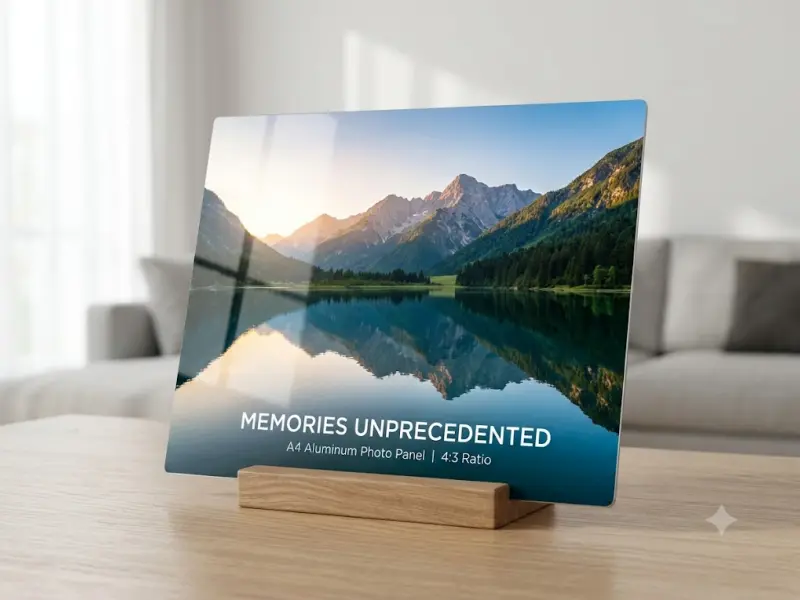
Key advantages of the A4 aluminum photo panel:
- Rigid and flat — no warping, curling, or sagging over time
- Waterproof — the image will not run or stain if splashed
- UV resistant — colors stay vivid even in direct sunlight
- Scratch resistant — harder surface than paper or canvas
- Lightweight — easy to hang with simple mounting hardware
- Modern look — the metal edge adds a sleek, contemporary frame
- No glass needed — the image sits flush with the surface
The Metal Base: What Alloy Works Best?
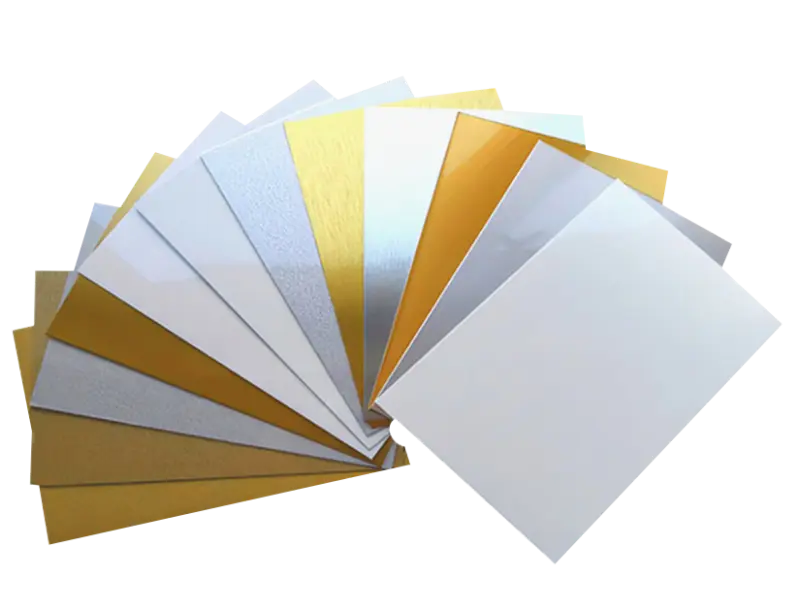
Not every aluminum sheet works for photo panels. The alloy affects flatness, coating adhesion, and cost. Here is what the best manufacturers use.
Alloy Comparison for Photo Panel Base
| Alloy | Flatness | Coating Bond | Cost | Best For |
|---|---|---|---|---|
| 1050 | Very good | Excellent | Low | Budget photo panels, indoor use |
| 1060 | Very good | Excellent | Low | Standard photo panels, high volume |
| 1100 | Good | Very good | Low-Medium | Premium flatness, consistent results |
| 3003 | Good | Good | Medium | Slightly stiffer, better dent resistance |
| 5052 | Excellent | Fair | Higher | Marine or outdoor display panels |
Why 1050 and 1060 Dominate the Market
Most aluminum photo panel A4 products use 1050 or 1060 alloy. These are nearly pure aluminum grades. They offer several advantages for photo applications:
- Exceptional flatness after rolling — critical for even coating
- Very smooth surface — no grain lines that show through the image
- Excellent electrical conductivity — helps with electrostatic coating adhesion
- Low cost — keeps the final product affordable
- Easy to cut and edge-finish — clean, burr-free edges
The softness of these alloys is actually a benefit. The panel can be die-cut or router-trimmed to exact A4 dimensions without cracking.
Temper Matters for Photo Panels
| Temper | Hardness | Edge Quality | Flatness Stability | Typical Use |
|---|---|---|---|---|
| O (Annealed) | Very soft | Cleanest cut | May warp slightly | Custom shapes, deep embossing |
| H14 | Soft | Clean cut | Good balance | Standard photo panels |
| H18 | Hard | Slightly rougher edge | Very stable | Large panels, minimal handling |
| H24 | Soft, stabilized | Clean cut | Excellent | Premium photo panels |
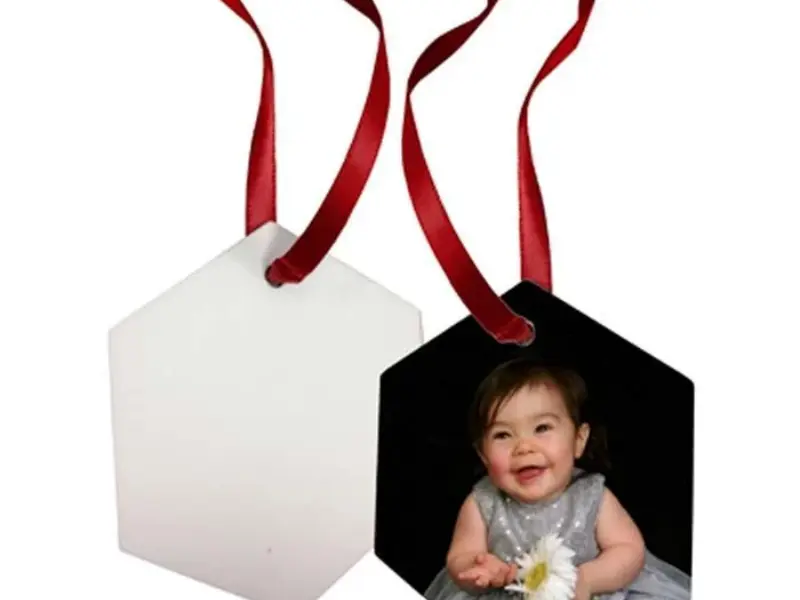
H14 is the most common temper for aluminum photo panel A4 production. It offers enough stiffness for handling while staying soft enough for clean cutting.
Thickness Options: Finding the Right Feel
The thickness of the base metal changes the weight, rigidity, and perceived quality of the panel. Most A4 photo panels fall into a narrow range.
Standard Thickness Guide
| Thickness (mm) | Thickness (inch) | Weight per A4 Panel | Feel and Use |
|---|---|---|---|
| 0.45 | 0.018 | ~80 grams | Very thin, flexible, budget option |
| 0.50 | 0.020 | ~90 grams | Thin, lightweight, economy panels |
| 0.60 | 0.024 | ~105 grams | Standard thickness, good balance |
| 0.80 | 0.032 | ~140 grams | Mid-range, solid feel |
| 1.00 | 0.040 | ~175 grams | Premium weight, substantial feel |
| 1.20 | 0.047 | ~210 grams | Heavy, very rigid, luxury option |
| 1.50 | 0.059 | ~265 grams | Extra thick, stand-up display base |
| 2.00 | 0.079 | ~350 grams | Maximum rigidity, custom displays |
Thickness vs Application
| Application | Recommended Thickness | Why |
|---|---|---|
| Wall-mounted home decor | 0.6 – 1.0 mm | Light enough for picture hooks, rigid enough to stay flat |
| Desktop photo frames | 1.0 – 1.5 mm | Self-supporting with easel back |
| Gallery exhibition prints | 1.0 – 1.2 mm | Premium feel, professional presentation |
| Trade show displays | 0.8 – 1.2 mm | Durable for transport and repeated setup |
| Outdoor signage | 1.0 – 1.5 mm | Wind resistance, impact durability |
| Point-of-sale displays | 0.6 – 0.8 mm | Cost-effective for high-volume runs |
| Award plaques and trophies | 1.2 – 2.0 mm | Heft and permanence |
| Kitchen and bathroom art | 0.8 – 1.2 mm | Moisture resistance, easy cleaning |
The White Coating: Where the Magic Happens
The coating layer is what separates a photo panel from a plain metal sheet. This layer must be perfectly white, perfectly smooth, and perfectly receptive to ink.
Coating Types Compared
| Coating Type | Base Chemistry | Print Method | Color Brilliance | Durability | Cost |
|---|---|---|---|---|---|
| Polyester white | PET-based | Dye-sub | Very high | Good | Low |
| Epoxy white | Epoxy resin | UV ink | High | Very good | Medium |
| Acrylic white | Acrylic polymer | UV or latex | High | Good | Medium |
| Nano-ceramic white | Inorganic ceramic | Dye-sub or UV | Excellent | Excellent | Higher |
| ChromaLuxe style | Proprietary polymer | Dye-sub only | Exceptional | Excellent | Premium |
Dye-Sublimation vs UV Printing
These are the two main ways to print on aluminum photo panels. Each has strengths.
| Factor | Dye-Sublimation | UV Printing |
|---|---|---|
| Process | Heat transfers dye into coating | UV light cures ink on surface |
| Image depth | Dye penetrates coating — embedded | Ink sits on surface — layered |
| Color vibrancy | Exceptional, especially reds and blues | Very good, improving rapidly |
| Scratch resistance | Excellent — dye is inside | Good — ink forms hard film |
| Fade resistance | Very good to excellent | Good to very good |
| Detail sharpness | Excellent for photographic images | Excellent for graphic designs |
| Cost per print | Higher (special paper and heat press needed) | Lower (direct print, no transfer) |
| Setup complexity | Higher (heat press, timing critical) | Lower (direct from file to panel) |
| Best for | Fine art, portraits, landscapes | Signage, graphics, text-heavy designs |
Gloss Level Options
| Finish | Gloss Level | Best For | Notes |
|---|---|---|---|
| High gloss | 90+ GU at 60° | Vibrant colors, modern look | Shows fingerprints, very reflective |
| Semi-gloss | 50-70 GU at 60° | Balanced, versatile | Most popular choice |
| Satin | 20-40 GU at 60° | Reduced glare, elegant | Good for bright rooms |
| Matte | 5-15 GU at 60° | No glare, museum look | Slightly muted colors |
| Pearl/metallic | Variable | Artistic effect, shimmer | Specialty applications |
Edge Finishes: The Detail Customers Notice
The edge of an aluminum photo panel A4 is visible. A clean edge elevates the product. A rough edge ruins it.
Edge Treatment Options
| Edge Type | Process | Appearance | Cost | Best For |
|---|---|---|---|---|
| Raw cut | Shear or saw cut | Slightly sharp, silver metal visible | Lowest | Budget products, hidden edges |
| Deburned | Cut then edge cleaned | Smooth but still silver | Low | Standard products |
| Anodized edge | Edge anodized after cutting | Colored edge matching or contrasting | Medium | Premium products, color coordination |
| Painted edge | Edge spray-painted | Color-matched to image or frame | Medium | Gallery-style presentation |
| Rounded edge | CNC router with radius bit | Smooth rounded profile, safe | Higher | High-end retail, children’s rooms |
| Polished edge | Edge polished to mirror | Reflective, jewelry-like finish | Premium | Luxury art, awards |
| Beveled edge | Angled cut, 30-45 degrees | Sophisticated, catches light | Higher | Contemporary decor |
Mounting and Display Options
An aluminum photo panel A4 needs a way to hang or stand. The back matters as much as the front.
Hanging Hardware
| Hardware Type | Weight Capacity | Installation | Best For |
|---|---|---|---|
| Keyhole slot (routered) | Up to 2 kg | Single screw, self-leveling | Standard wall mounting |
| Sawtooth hanger | Up to 3 kg | Two small nails, easy adjustment | Gallery walls, changing displays |
| Wire cable system | Up to 5 kg | Two D-rings with steel wire | Heavy panels, professional hanging |
| French cleat | Up to 10 kg | Interlocking aluminum strips | Large panels, perfect alignment |
| Magnetic mount | Up to 1 kg | Magnetic disc on back | Easy swap, retail displays |
| Velcro strips | Up to 0.5 kg | Adhesive strips | Temporary, lightweight |
Standing Display Options
| Stand Type | Angle | Stability | Best For |
|---|---|---|---|
| Easel back (cardboard) | 15-20° | Fair | Economy desktop frames |
| Easel back (metal) | 15-20° | Good | Premium desktop displays |
| Acrylic L-stand | 75-90° | Very good | Counter displays, trade shows |
| Wood block base | 90° | Excellent | Gallery presentation, awards |
| Acrylic block base | 90° | Excellent | Modern minimalist look |
Aluminum Photo Panel A4 vs Traditional Photo Media
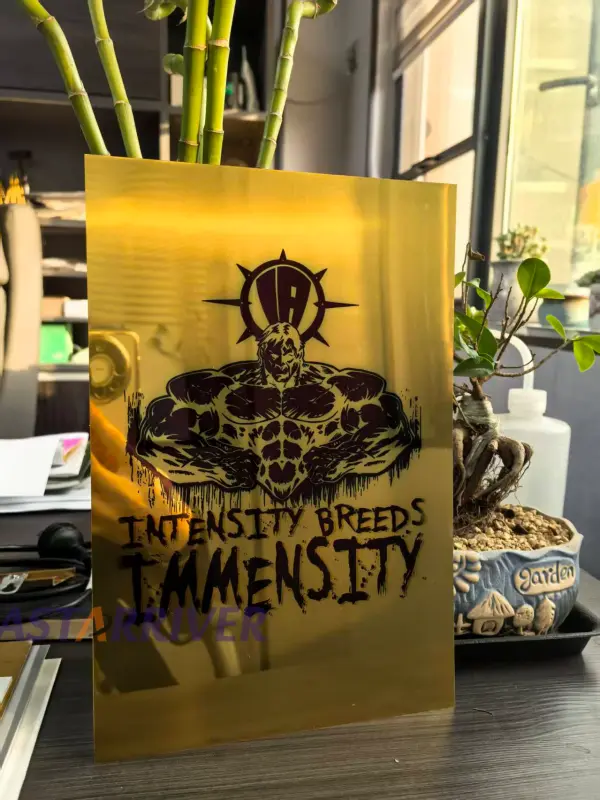

Customers often ask why they should choose metal over paper or canvas. Here is the honest comparison.
Durability Comparison
| Factor | Aluminum Photo Panel | Glossy Photo Paper | Canvas Print | Acrylic Face Mount |
|---|---|---|---|---|
| Water resistance | Excellent | Poor | Poor | Good |
| UV fade resistance | Excellent (50+ years) | Moderate (10-20 years) | Moderate (15-25 years) | Good (20-30 years) |
| Scratch resistance | Excellent | Poor | Moderate | Moderate |
| Warp resistance | Excellent | N/A (flexible) | Poor | Good |
| Impact resistance | Good | Poor | Moderate | Poor (acrylic cracks) |
| Cleaning ease | Excellent (damp cloth) | Poor (delicate) | Difficult | Moderate |
Visual Impact Comparison
| Factor | Aluminum Photo Panel | Glossy Photo Paper | Canvas Print | Acrylic Face Mount |
|---|---|---|---|---|
| Color vibrancy | Exceptional | Very good | Muted, artistic | Exceptional |
| Detail sharpness | Excellent | Excellent | Soft, painterly | Excellent |
| Depth perception | Slight metallic depth | Flat | Textured | High depth (3D effect) |
| Modern aesthetic | Very high | Low | Medium | Very high |
| Traditional feel | Low | Medium | High | Low |
| Weight (A4 size) | Light (100-200g) | Very light | Medium | Heavy |
Cost Comparison (A4 Size, Retail)
| Product Type | Low End | Mid Range | Premium |
|---|---|---|---|
| Aluminum photo panel A4 | $8-12 | $15-25 | $30-50 |
| Framed photo print | $10-20 | $25-40 | $50-100 |
| Canvas gallery wrap | $15-25 | $30-50 | $60-120 |
| Acrylic face mount | $20-35 | $40-70 | $80-150 |
The aluminum photo panel A4 sits in the sweet spot. It costs less than acrylic face mount but delivers comparable durability and visual punch. It costs more than basic paper prints but lasts far longer.
Applications That Shine on Aluminum Photo Panel A4
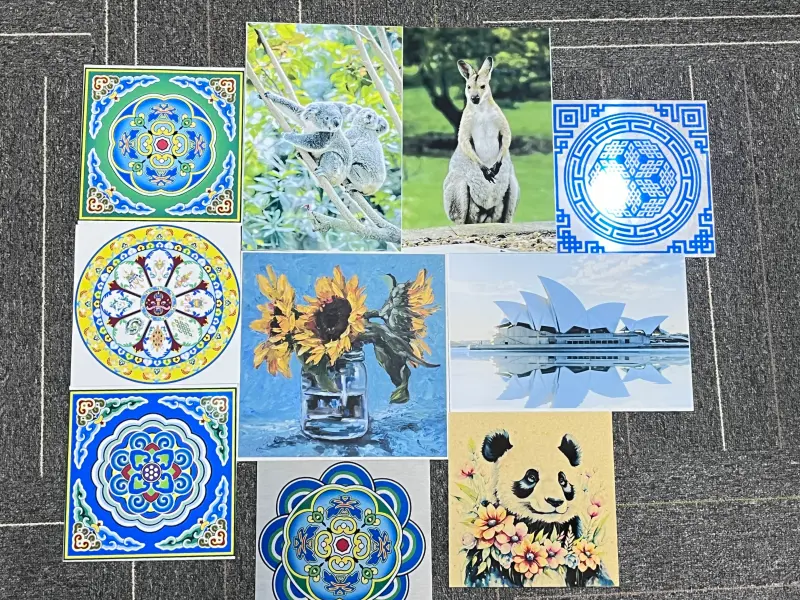
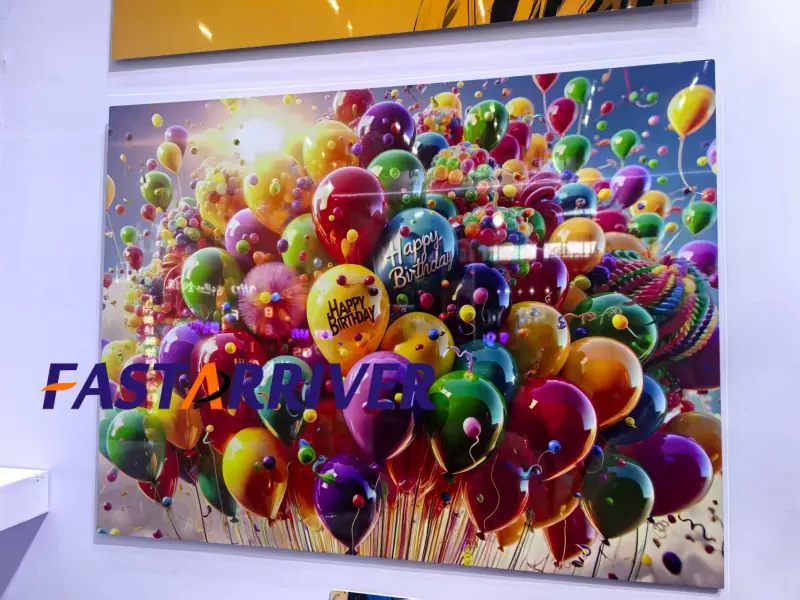
Professional Photography
Wedding photographers, portrait studios, and fine art photographers use aluminum panels for client deliverables. The rigid, frameless look commands higher prices than paper prints.
- Wedding album accent pieces
- Senior portrait wall art
- Newborn photography keepsakes
- Landscape and nature prints
- Black and white fine art series
Corporate and Commercial
Businesses need displays that look sharp and stay sharp.
- Office lobby artwork
- Conference room displays
- Employee recognition plaques
- Product photography for showrooms
- Brand imagery for retail spaces
- Menu boards for restaurants
Personal and Home Decor
Homeowners want art that survives real life.
- Kitchen and bathroom wall art (humidity proof)
- Family photo galleries
- Children’s room decorations (wipeable surface)
- Vacation memory displays
- Pet portrait keepsakes
Events and Awards
The premium feel of metal elevates any recognition piece.
- Sports team photo plaques
- Academic achievement awards
- Corporate milestone commemorations
- Race and marathon finisher displays
- Music and performance recital mementos
Retail and Point of Sale
Stores need signage that catches eyes and survives handling.
- Product feature displays
- Price and promotion signs
- Brand story panels
- Seasonal decoration pieces
- Countertop photo displays
Sizing Beyond A4: The Full Range
While this guide focuses on aluminum photo panel A4, most suppliers offer a full range of standard sizes.
| Size | Dimensions (mm) | Dimensions (inch) | Common Use |
|---|---|---|---|
| A5 | 148 x 210 | 5.8 x 8.3 | Desk photos, small gifts |
| A4 | 210 x 297 | 8.3 x 11.7 | Standard wall art, documents |
| A3 | 297 x 420 | 11.7 x 16.5 | Statement wall pieces |
| A2 | 420 x 594 | 16.5 x 23.4 | Large format art |
| A1 | 594 x 841 | 23.4 x 33.1 | Gallery exhibitions |
| A0 | 841 x 1189 | 33.1 x 46.8 | Oversized displays |
| 4×6 inch | 102 x 152 | 4 x 6 | Small desk frames |
| 5×7 inch | 127 x 178 | 5 x 7 | Standard photo size |
| 8×10 inch | 203 x 254 | 8 x 10 | Classic portrait size |
| 11×14 inch | 279 x 356 | 11 x 14 | Large portrait format |
| 12×18 inch | 305 x 457 | 12 x 18 | Panoramic landscapes |
| 16×20 inch | 406 x 508 | 16 x 20 | Oversized statement |
| 20×30 inch | 508 x 762 | 20 x 30 | Maximum standard size |
| Custom | Any dimensions | Any dimensions | Special projects |
Many suppliers also offer square formats (8×8, 10×10, 12×12 inch) and panoramic ratios (1:2, 1:3, 2:3).
Frequently Asked Questions
What File Resolution Do I Need for A4 Photo Panels?
For sharp results at A4 size, provide images at 300 DPI minimum. That means approximately 2480 x 3508 pixels. Higher resolution (400-600 DPI) yields even better detail. Lower resolution (150-200 DPI) may look acceptable from a distance but will show pixelation up close. Always work from the original camera file, not a compressed social media download.
Can I Clean an Aluminum Photo Panel with Water?
Yes. The dye-sublimated image is waterproof because the dye sits inside the coating, not on top. Wipe the surface with a soft, damp microfiber cloth. For stubborn marks, use a tiny amount of mild dish soap. Avoid abrasive cleaners, scouring pads, or ammonia-based products. These can scratch the coating or dull the gloss.
Will the Colors Fade in Sunlight?
Dye-sublimated aluminum photo panels resist UV damage far better than paper prints. Under normal indoor conditions, colors remain vibrant for 50+ years. In direct outdoor sunlight, expect 10-20 years before noticeable fading. For maximum outdoor life, choose panels with UV-protective overcoat or specify outdoor-grade coating from your supplier.
Is the Metal Edge Sharp or Dangerous?
Standard panels have a clean-cut edge that is not razor-sharp but can feel firm to the touch. For homes with small children or high-traffic areas, request rounded or deburred edges. These cost slightly more but eliminate any risk of scratches. Most suppliers offer edge finishing as an add-on service.
How Do I Hang an Aluminum Photo Panel A4 Without Damaging the Wall?
For lightweight panels (under 200g), a single picture hook or adhesive strip works well. For heavier panels, use a keyhole slot or sawtooth hanger with a proper wall anchor. On drywall, a small toggle bolt or plastic anchor supports up to 5 kg easily. The panel itself needs no frame or glass, so hanging is simpler than traditional framed prints.
Can I Print Black and White Photos on Aluminum?
Absolutely. Black and white images look stunning on aluminum. The metallic base adds subtle depth to shadow areas that paper cannot match. For a cooler, more dramatic look, choose high-gloss coating. For a softer, more traditional feel, choose satin or matte. Many photographers prefer aluminum specifically for monochrome work.
What Is the Difference Between White Base and Silver Base Panels?
White base panels have an opaque white coating. Colors print exactly as they appear in your file. Silver base panels have a clear or metallic coating. White areas in your image become silver/metallic, creating a unique shimmering effect. Silver base works beautifully for high-contrast images, silhouettes, and artistic effects. It does not work well for photos with subtle skin tones or large white areas.
How Thick Should I Choose for a Gift Photo Panel?
For gifts, 0.8 mm to 1.0 mm hits the sweet spot. It feels substantial in the hand without being heavy. It ships easily without bending. This hangs on standard picture hooks without issue. Thinner panels (0.5-0.6 mm) feel flimsy for gifts. Thicker panels (1.2 mm+) feel luxurious but cost more and weigh more for shipping.
Can I Write on an Aluminum Photo Panel?
With a permanent marker, yes. The surface accepts most permanent inks. This makes aluminum panels useful for autographed photo prints, commemorative signatures, or custom message additions. For erasable writing, dry-erase markers work on some gloss finishes but may leave ghosting. Test on a sample first.
Do Aluminum Photo Panels Work with LED Backlighting?
Standard white-base panels do not transmit light. For backlighting, you need a special translucent or “HD” aluminum panel. These have a thinner white coating or a diffused base that allows LED light to shine through. The effect is dramatic — similar to a lightbox but with the rigidity and durability of metal. Specify “backlit” or “translucent” when ordering.
The Modern Choice for Stunning Photo Prints That Last
The aluminum photo panel A4 represents a genuine step forward in photo display technology. It combines the emotional power of a printed image with the permanence of metal. For photographers, it offers a premium product that commands premium prices. For consumers, it delivers wall art that survives kitchens, bathrooms, sunrooms, and decades of family life.
When choosing a supplier, look beyond the price per panel. Ask about the base alloy, the coating type, the edge finish, and the printing process. Request samples. Compare gloss levels. Test the mounting hardware. The small details separate a product that looks good from a product that looks exceptional.
For your next photo project — personal or professional — consider the aluminum photo panel A4. It is modern. It is durable. This is the future of photo display.
Leave a Reply
You must be logged in to post a comment.