
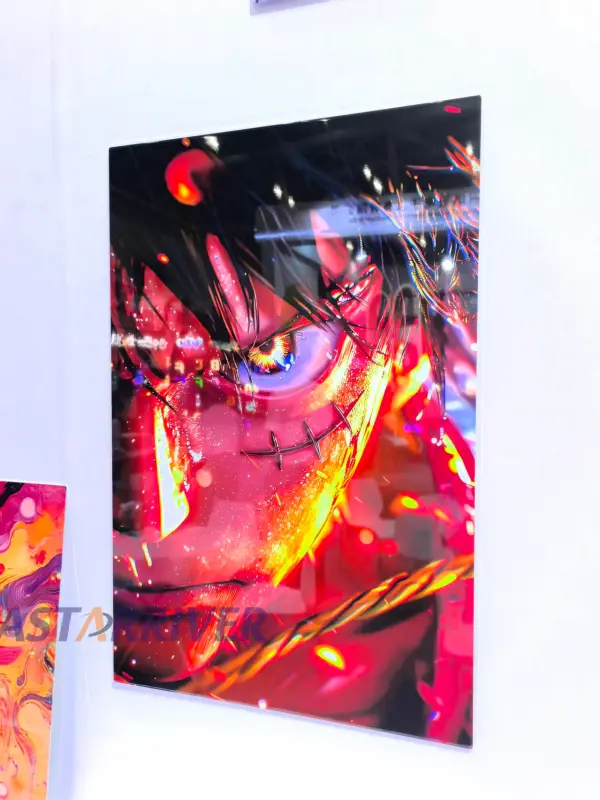
White vs Silver Sublimation Aluminum Sheet
Sublimation aluminum sheets have become essential materials for businesses looking to create custom products with vibrant, long-lasting designs. These sheets offer a smooth surface that accepts dye sublimation perfectly, making them ideal for various applications. The choice between white and silver sublimation aluminum sheets can significantly impact your final product’s appearance and performance.
When you select sublimation aluminum sheets, you’re investing in a material that can transform your creative vision into reality. The coating on these sheets is specially designed to hold dye molecules, creating permanent, fade-resistant colors that won’t peel or crack over time.
What Sets White Sublimation Aluminum Apart
Brightness and Color Vibrancy
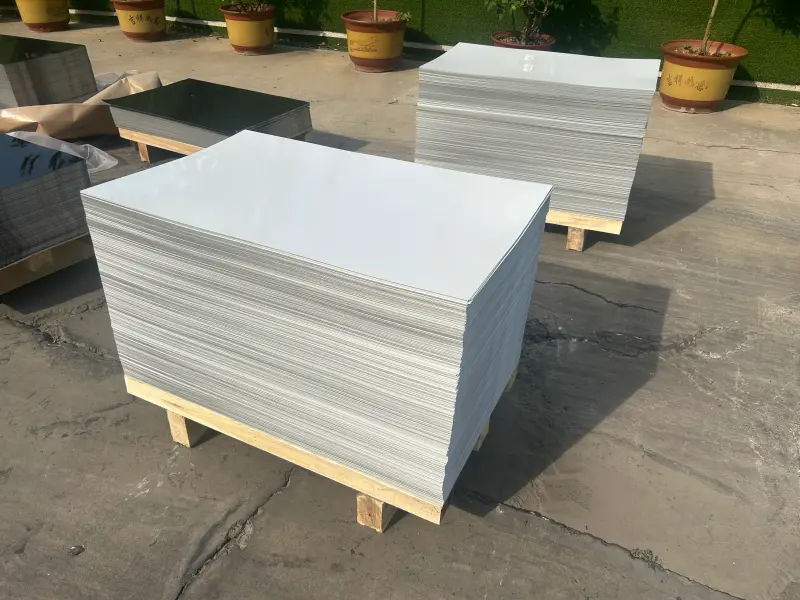
White sublimation aluminum sheets provide a pristine, bright base that makes colors pop. This coating reflects light uniformly, which means your printed images will have maximum color saturation and brightness. Designers and print shops prefer white aluminum sheets when they need the most vivid color reproduction possible.
The white coating on these sheets is typically created using a polyester-based layer that bonds permanently to the aluminum base. This ensures that even with heavy use, the colors remain vibrant and protected.
Best Uses for White Aluminum Sheets
- Photography prints and fine art displays
- Custom mouse pads and desk accessories
- Personalized awards and recognition plaques
- Home décor items like wall panels
- Promotional merchandise with full-color graphics
- Interior signage and displays
Ideal Industries and Applications
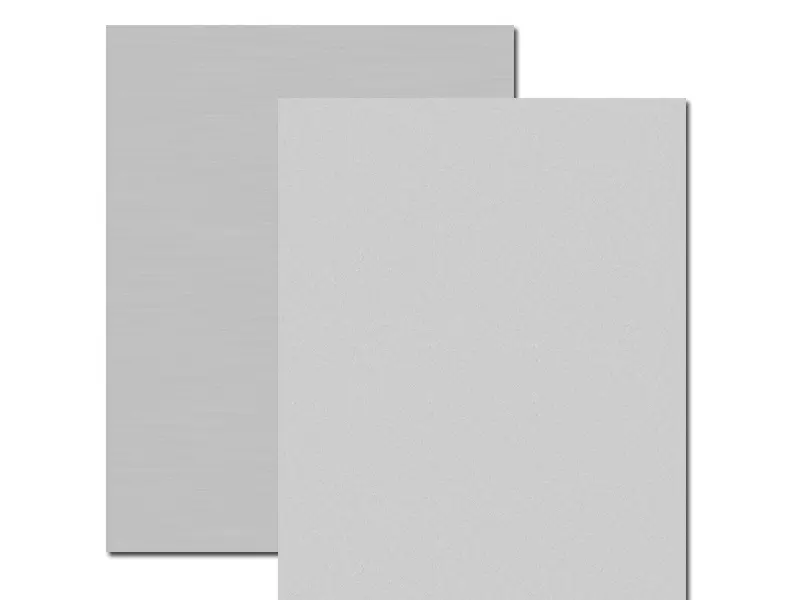
White sublimation aluminum works exceptionally well in industries where color accuracy matters most. Photo labs, custom gift shops, and corporate award manufacturers rely on these sheets to deliver outstanding results. The material’s ability to reproduce fine details and subtle color gradations makes it perfect for professional applications.
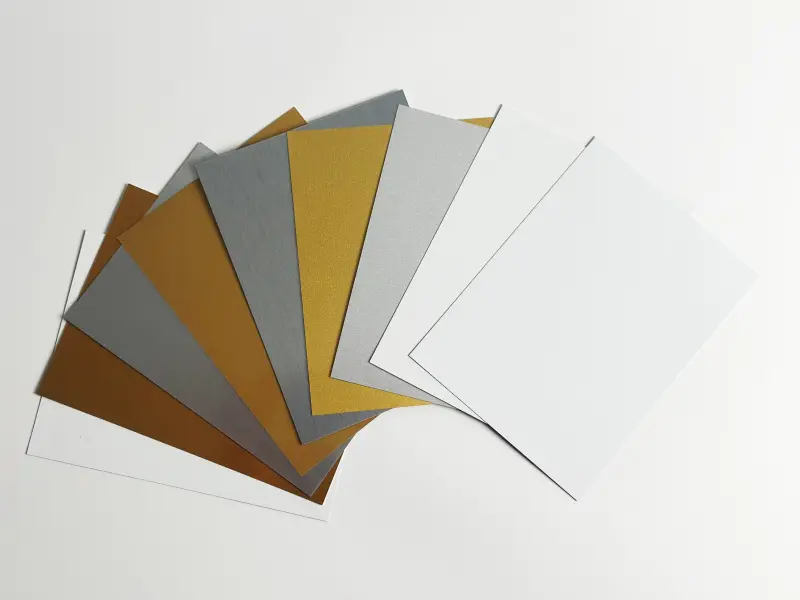
The Advantages of Silver Sublimation Aluminum Sheets
Reflective Properties and Modern Aesthetics
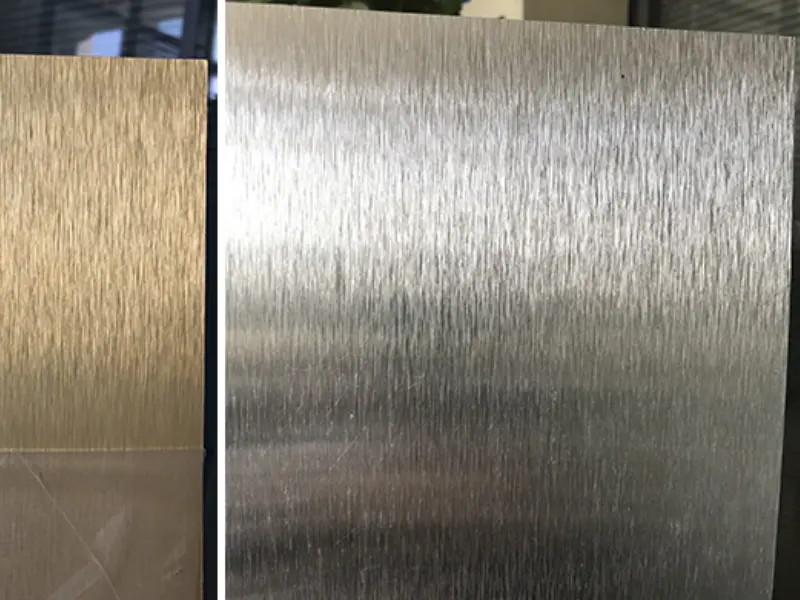
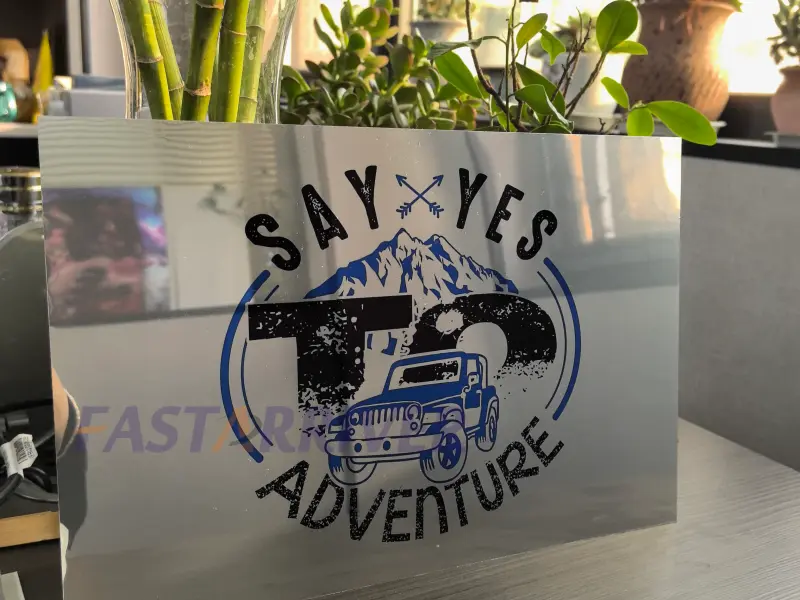
Silver sublimation aluminum sheets offer a sleek, contemporary look that appeals to modern consumers. The reflective surface creates a mirror-like finish that adds sophistication and depth to designs. When light hits a silver aluminum sheet, it produces a subtle shine that enhances the overall visual impact of the printed image.
Why Choose Silver Over White
The silver coating provides several technical advantages beyond aesthetics. The reflective nature means colors may appear slightly different than on white, with deeper, more dramatic tones. For certain applications, this unique appearance is exactly what customers are seeking.
Common Applications for Silver Aluminum
- Modern home décor and metal art
- High-end business signage
- Luxury gift items and premium merchandise
- Restaurant and retail displays
- Fashion and lifestyle product photography
- Professional jewelry and product displays
Sublimation Aluminum Sheet Specifications Comparison
Standard Thickness Options
| Thickness | Best For | Durability | Cost Range |
|---|---|---|---|
| 0.5mm | Light decorative items | Good | Budget-friendly |
| 1.0mm | Most common applications | Excellent | Standard |
| 1.5mm | Heavy-duty use | Superior | Premium |
| 2.0mm | Industrial applications | Maximum | High |
Size Variations Available
Popular sublimation aluminum sheet sizes accommodate different project needs:
- A4 size (210 x 297mm) – Perfect for small projects and samples
- A3 size (297 x 420mm) – Medium prints and personalized gifts
- 8×10 inches – Standard photo size for framing
- 12×12 inches – Ideal for decorative wall panels
- 16×20 inches – Large photo displays and artwork
- Custom sizes – Available for bulk orders and specific requirements
Alloy Composition Details
| Alloy Type | Properties | Applications |
|---|---|---|
| 5005-H32 | Good formability, corrosion resistant | Decorative items, indoor displays |
| 5052-H32 | Higher strength, marine resistant | Outdoor signage, weather-exposed items |
| 6061-T6 | Excellent strength-to-weight ratio | Heavy-duty applications, structural needs |
Coating Types and States
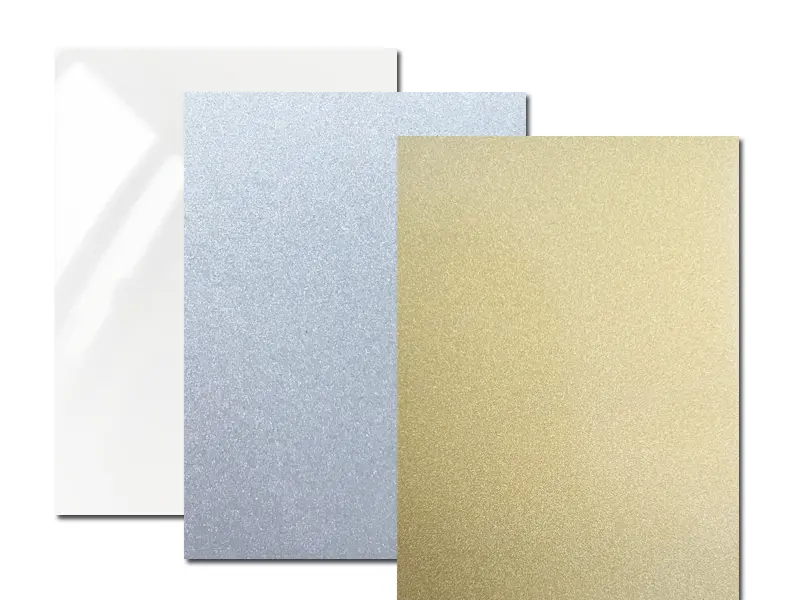
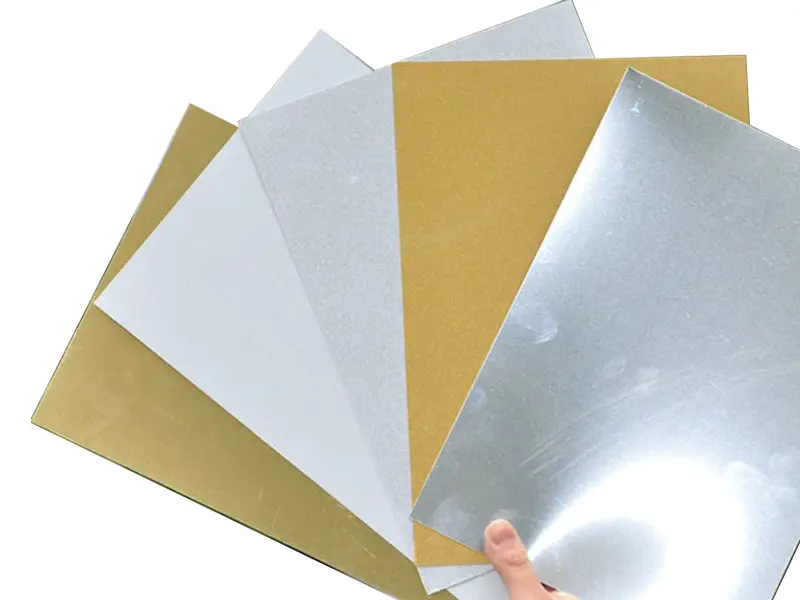
Polyester Coating Systems
The polyester white and silver coatings used on sublimation aluminum sheets come in different states. Most manufacturers offer pre-coated sheets ready for immediate use. The coating thickness typically ranges from 20 to 40 microns, providing adequate protection while allowing proper dye absorption.
Anodized vs. Polyester-Coated Options
Polyester-coated sheets dominate the sublimation market because they offer superior color reproduction. Anodized aluminum, while more durable for outdoor use, doesn’t provide the same color vibrancy for sublimation printing.
Storage and Handling Conditions
Sublimation aluminum sheets should be stored in a controlled environment. Keep them away from moisture, direct sunlight, and excessive heat. Proper storage ensures the coating remains in perfect condition before printing.
Color Profile and Print Quality Comparison
White Aluminum Sheet Performance
| Characteristic | Rating | Details |
|---|---|---|
| Color Vibrancy | Excellent | Maximum saturation and brightness |
| Detail Resolution | Superior | Fine lines and gradients reproduce perfectly |
| Contrast | High | Dark and light areas show distinct separation |
| Fade Resistance | Excellent | Colors remain bright for years |
| Gloss Level | 50-60 | Semi-gloss to satin appearance |
Silver Aluminum Sheet Performance
| Characteristic | Rating | Details |
|---|---|---|
| Color Depth | Very Good | Rich, dramatic tones with reflection |
| Detail Resolution | Excellent | Similar to white, with added dimension |
| Contrast | Very High | Enhanced by reflective surface |
| Fade Resistance | Excellent | Protective coating shields from UV |
| Gloss Level | 80-90 | High gloss, mirror-like finish |
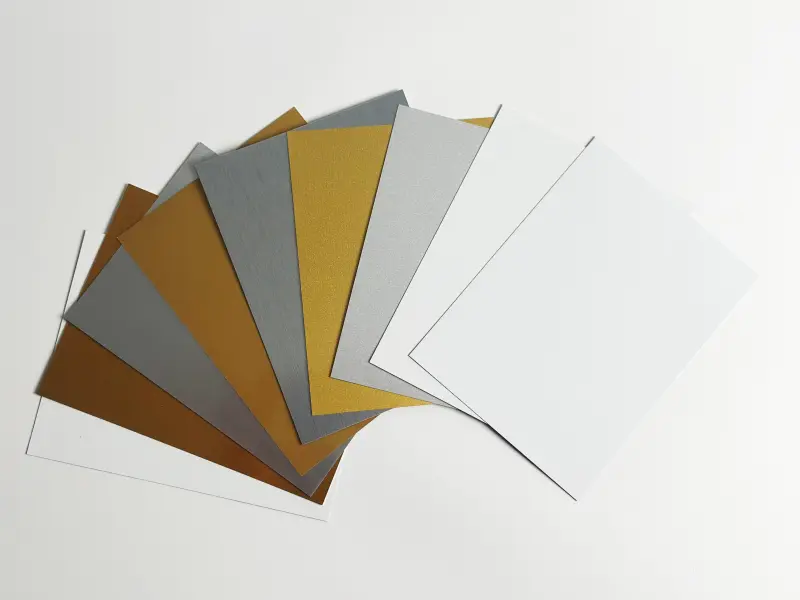
Production Methods and Surface Preparation
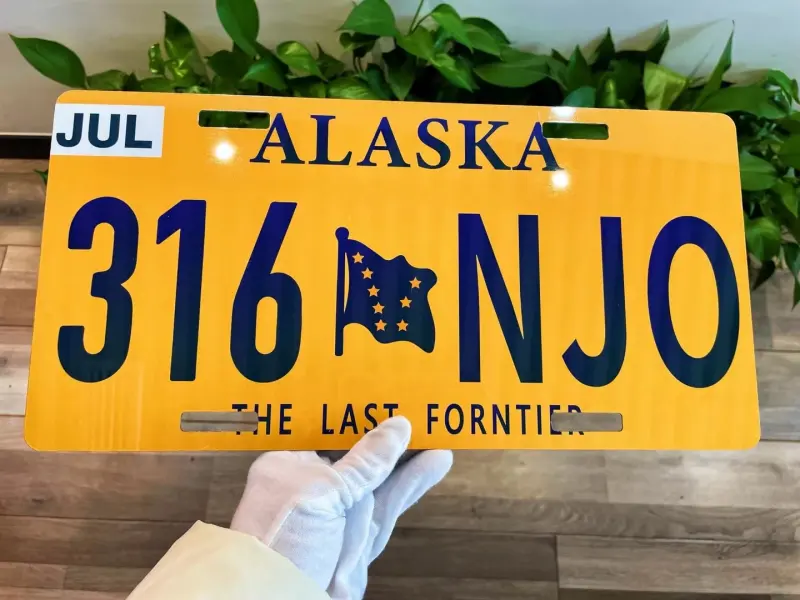
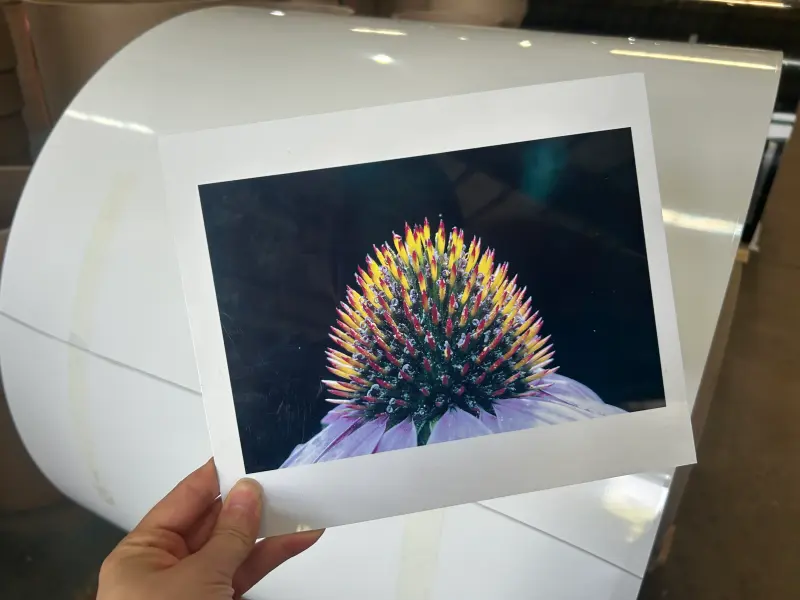
Pre-Coating Process
Manufacturers prepare aluminum sheets through several stages before they reach you. The aluminum base is first cleaned to remove any contaminants, then a primer layer is applied. The polyester coating is then applied using industrial spray or roller systems, creating an even, consistent surface.
Quality Control Standards
Top-quality sublimation aluminum sheets undergo rigorous testing. Surface smoothness, coating adhesion, and color consistency are measured before packaging. This ensures every sheet meets industry standards for sublimation printing.
Temperature and Humidity Considerations
The manufacturing process accounts for different environmental conditions. Sheets produced for tropical climates may have different coating formulations than those made for temperate regions. This ensures optimal performance regardless of your location.
Practical Applications Across Industries
Promotional Products and Corporate Gifting
Sublimation aluminum sheets transform ordinary items into memorable branded products. Companies use white sheets for maximum color impact when creating personalized awards, desk accessories, and promotional merchandise. Silver sheets add elegance to premium gift items that command higher prices.
Photography and Fine Art
Professional photographers increasingly turn to sublimation aluminum for print production. The material’s ability to preserve fine details and color nuances makes it superior to traditional paper prints. White sheets are standard for professional galleries and exhibitions, while silver provides an artistic, contemporary alternative.
Home Decoration and Interior Design
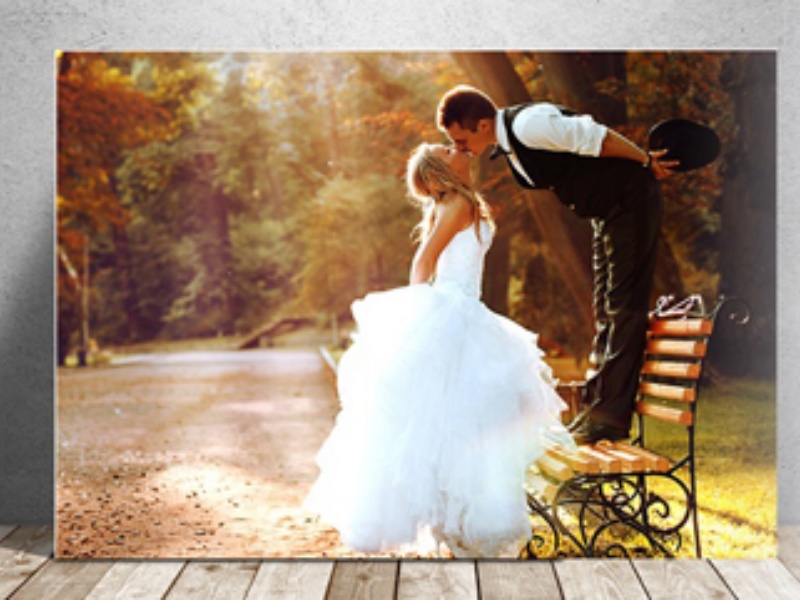
Interior designers specify sublimation aluminum sheets for modern home projects. Custom wall panels, kitchen backsplashes, and accent walls feature vibrant images printed on these materials. Both white and silver options create stunning visual effects when combined with proper lighting.
Retail and Point-of-Sale Displays
Retail environments benefit from sublimation aluminum’s durability and visual impact. Product displays, promotional signs, and brand messaging come to life with crisp, clear images. The material’s resistance to wear ensures displays maintain their appearance despite frequent handling and traffic.
Personalized Gifts and Keepsakes
The sublimation printing process on aluminum creates lasting keepsakes that customers treasure. Photo gifts, custom ornaments, and commemorative items printed on these sheets become heirloom-quality products that resist fading and damage.
Event and Exhibition Graphics
Trade shows and exhibitions require materials that look professional and withstand handling. Sublimation aluminum sheets provide the durability and visual quality needed for booth displays, banners, and signage that draws attention and represents brands effectively.
Technical Specifications for Printing
Heat Press Settings
Successful sublimation printing requires precise temperature control:
White Aluminum Sheets
- Temperature: 385-400°F (196-204°C)
- Pressure: 50-60 PSI
- Time: 45-60 seconds
Silver Aluminum Sheets
- Temperature: 385-400°F (196-204°C)
- Pressure: 45-55 PSI
- Time: 45-60 seconds
Printer and Ink Compatibility
Sublimation inks work with specific printer models designed for dye sublimation. The ink formulation differs from standard inkjet inks, creating more vibrant, permanent colors on aluminum surfaces.
Pre-Printing Preparation Steps
Before printing, ensure your aluminum sheets are clean and dry. Some operators use a lint-free cloth to wipe the surface, removing any dust particles. Never use solvents or harsh chemicals, as these can damage the coating.
Cost Analysis and Value Proposition
Price Comparison by Sheet Type
| Product Type | White Sheet | Silver Sheet | Price Difference |
|---|---|---|---|
| 8×10 single sheet | $3-5 | $4-6 | 15-20% more |
| 100-sheet bulk | $2.50-4 | $3.50-5 | 20-25% more |
| Custom sizes | Variable | Variable | 10-15% markup |
| Wholesale quantities | $1.50-3 | $2.50-4 | Market dependent |
Return on Investment
Businesses often recoup costs quickly when using sublimation aluminum sheets. The durability means fewer replacements compared to paper-based alternatives. Higher perceived value allows businesses to charge premium prices for finished products.
Environmental Considerations
Recyclability of Aluminum Substrates
Aluminum is infinitely recyclable without loss of quality. When your sublimation aluminum sheets reach end-of-life, they can be melted down and reformed into new products. This makes aluminum a more sustainable choice than many alternatives.
Coating Disposal and Environmental Impact
The polyester coating is durable enough that most end-of-life sheets still have intact coatings. Proper recycling programs handle the coating removal during the aluminum recycling process, minimizing environmental impact.
Manufacturing Sustainability
Modern manufacturers implement sustainable practices in sublimation aluminum production. Energy-efficient equipment, water recycling systems, and waste minimization programs reduce the environmental footprint of these products.
Quality Assurance and Standards
Industry Certifications
Reputable sublimation aluminum sheet manufacturers meet international standards. ISO certifications, ASTM standards, and industry-specific guidelines ensure consistent quality. Always verify certifications when selecting suppliers.
Testing Protocols
Quality testing includes:
- Surface smoothness measurement
- Coating adhesion tests
- Color fastness verification
- Dimensional accuracy checks
- Batch consistency analysis
Warranty and Guarantee Information
Most quality suppliers guarantee product performance for sublimation printing. If sheets don’t meet specifications, replacement or refund options are typically available. Read warranty details carefully when comparing suppliers.
Selection Guide for Your Specific Needs
Decision Factors
Choose White Sublimation Aluminum When:
- Maximum color brightness is your priority
- Fine details and photo quality matter most
- Budget is a consideration
- Applications are primarily indoor
- Color accuracy is critical
Choose Silver Sublimation Aluminum When:
- Modern, sophisticated appearance is desired
- Products command premium pricing
- Reflective effects enhance your design
- Display lighting is available
- You want a contemporary aesthetic
Customization Options
Many suppliers offer customization beyond standard white and silver options. Textured finishes, matte coatings, and specialty colors are available through custom orders. These options typically require minimum quantities and longer lead times.
Bulk Ordering Considerations
Volume purchases provide significant cost savings. Suppliers offer tiered pricing for orders of 100+ sheets, 500+ sheets, and larger quantities. Building relationships with suppliers can unlock additional benefits and priority access to new products.
Frequently Asked Questions
Can sublimation aluminum sheets be used outdoors?
Sublimation aluminum sheets work well for outdoor applications when properly protected. While the coating is durable, UV exposure gradually fades colors. Using clear protective coatings or applying products in shaded locations extends the lifespan significantly. Silver sheets sometimes perform better outdoors due to their reflective nature and superior UV protection in premium coatings.
How long do sublimation prints on aluminum last?
High-quality sublimation prints on aluminum last 10-15 years indoors without significant fading. The dye bonds permanently with the coating, creating fade-resistant prints that maintain vibrancy better than many alternatives. Outdoor prints may last 5-8 years depending on sun exposure and weather conditions.
What thickness should I choose for my project?
Thickness selection depends on your application’s requirements. Lightweight items like mouse pads use 0.5-1.0mm sheets. Heavier applications requiring structural integrity need 1.5-2.0mm thickness. For most custom gifts and decorative items, 1.0mm provides the best balance of durability and cost.
Are there differences in image quality between white and silver sheets?
Image quality differs primarily in appearance rather than technical sharpness. White sheets provide brighter, more traditional photographic quality. Silver sheets show more dramatic contrast and depth due to their reflective surface. Both reproduce fine details excellently when using quality sublimation equipment.
How should I store sublimation aluminum sheets?
Store sheets flat in a climate-controlled environment with relative humidity between 30-50%. Keep them away from direct sunlight and heat sources. Excessive moisture can damage the coating, while dry conditions may cause warping. Proper storage extends shelf life and maintains coating quality.
Can I customize sheet sizes for bulk orders?
Yes, most manufacturers offer custom sizing for large orders. Minimum order quantities typically start at 50-100 sheets for custom dimensions. Pricing increases slightly for custom sizes, but the additional cost is often minimal for substantial orders.
What printer settings work best for sublimation?
Sublimation printers require specific settings to achieve optimal results. Temperature precision (within 2-3 degrees) is critical for consistent color reproduction. Pressure settings depend on your specific heat press and should be tested with sample prints. Most manufacturers provide detailed setting recommendations with their sheets.
Is the coating food-safe for dining applications?
Standard polyester coatings on sublimation aluminum sheets meet food-contact requirements in most jurisdictions. However, verify compliance with local regulations if creating dining products. Always confirm food-safety certifications with your supplier before marketing products for food use.
How does humidity affect the printing process?
Humidity significantly impacts sublimation printing. Ideal working conditions maintain 35-65% relative humidity. Excessive humidity can cause dyes to spread unpredictably, while very dry conditions may prevent proper dye penetration. Maintaining stable humidity produces consistent, professional results.
What causes color variations between white and silver prints?
Color variations stem from different base reflectivity and coating formulations. White sheets absorb light uniformly, producing consistent colors. Silver sheets reflect light, creating depth and dimension that makes colors appear more saturated and dramatic. These differences aren’t defects but inherent characteristics of each material.
Can damaged sheets be repaired or refinished?
Minor surface scratches on the coating can sometimes be buffed with fine-grit sandpaper, though this may affect printability. Deep damage requires replacement sheets. The coating cannot be easily re-applied in small quantities, making replacement more practical than repair.
Which sheet type offers better value for money?
Value depends on your application and market. White sheets cost less upfront, making them ideal for budget-conscious operations. Silver sheets command premium prices, allowing higher profit margins on finished products. Calculate your specific cost-benefit ratio based on production volume and target market pricing.
Product Range and Specifications Available
Standard Bright White Collection
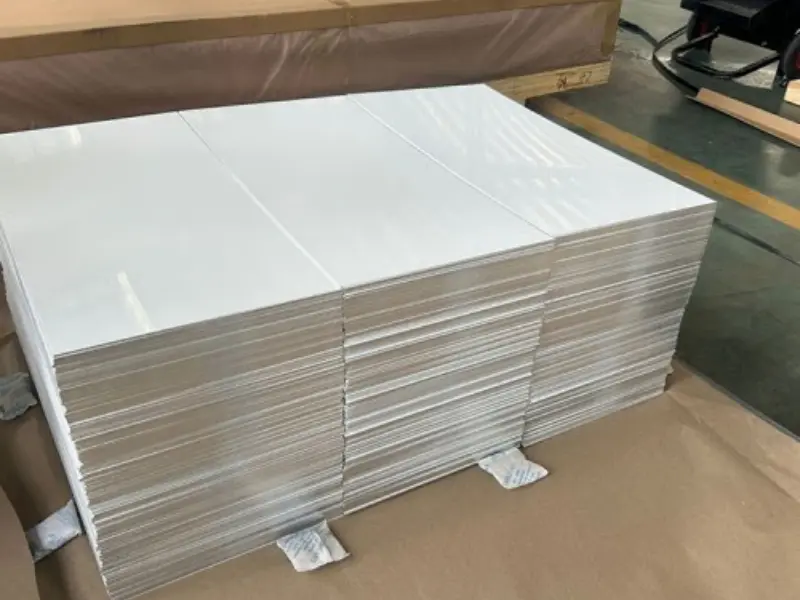
This collection represents the most popular choice for sublimation printing. Sheets offer consistent brightness and excellent color reproduction. The coating provides smooth printable surface that accepts dyes uniformly, ensuring professional results across every sheet in a batch.
Bright white sheets come in standard sizes and are readily available from multiple suppliers. Bulk discounts make them economical for high-volume production. Lead times are typically 1-2 weeks for standard orders.
Premium Silver Finish Range
Premium silver sheets feature enhanced reflective properties and upgraded coating formulations. These sheets appeal to customers seeking contemporary, high-end products. The coating provides superior UV protection compared to standard white options.
Silver sheets may have longer lead times than white alternatives, particularly for bulk orders. However, the premium appearance justifies the wait time for quality-conscious businesses. Custom colors and finishes can be ordered through specialty suppliers.
Specialty Texture and Matte Options
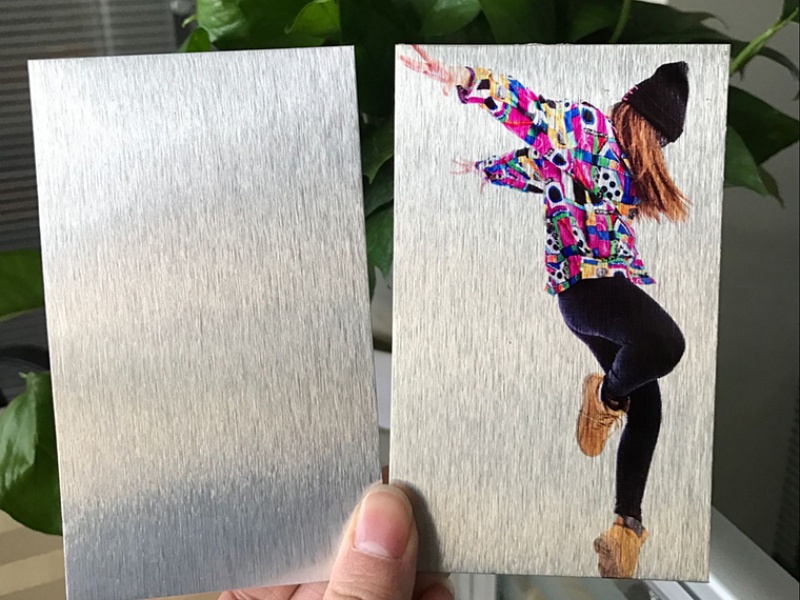
Beyond standard white and silver, manufacturers offer textured and matte finish alternatives. These specialty options create unique visual effects and appeal to specific market segments. Texture options include brushed metal, linen, and canvas finishes.
Matte finish sheets reduce glare and provide a more sophisticated, understated appearance. They work particularly well for professional applications like certificates and awards. Specialty finishes require minimum order quantities and advance ordering.
Mirror Finish Premium Series
Mirror-finish sublimation aluminum represents the top tier of available options. These ultra-reflective sheets create dramatic visual effects and are preferred for luxury applications. Mirror finishes command the highest prices but create stunning, gallery-quality finished products.
Mirror sheets are typically available only through premium suppliers and may require custom orders. Their superior coating durability ensures lasting performance in high-traffic commercial environments.
Supplier Selection and Partnership Building
Evaluating Potential Suppliers
Quality suppliers demonstrate consistency, reliability, and customer service excellence. Request sample sheets before committing to large orders. Test prints on samples reveal coating quality and ensure compatibility with your equipment.
Check supplier certifications, customer reviews, and industry reputation. Long-established suppliers with positive track records provide greater reliability than newer companies. Ask for references from other businesses in your industry.
Building Long-Term Relationships
Developing supplier partnerships provides numerous benefits. Established customers often receive priority access to new products, special pricing, and assistance with technical issues. Regular communication about your needs helps suppliers serve you better.
Providing feedback about product performance helps suppliers improve their offerings. Suggesting improvements demonstrates your investment in partnership success. Many suppliers offer incentives for loyalty and referrals.
Negotiating Volume Discounts
Volume purchases unlock significant savings. Even small businesses can negotiate better pricing by combining orders with other users or committing to regular purchases. Seasonal buying patterns can be leveraged to plan larger orders during slower periods.
Payment terms and delivery schedules also influence pricing. Early payment or standing orders may qualify for additional discounts. Transparent communication about your business needs helps suppliers structure competitive offers.
Troubleshooting Common Issues
Color Bleeding and Uneven Coverage
Color bleeding occurs when dyes spread beyond intended boundaries, typically from excessive heat or moisture. Reduce pressure slightly and verify temperature accuracy with a calibrated meter. Use quality sublimation paper for transfers to prevent dye migration.
Uneven coverage usually indicates insufficient pressure or inconsistent contact between heat press and sheet. Clean the heat press platen and ensure it’s perfectly level. Place a thin silicone pad beneath sheets to ensure even pressure distribution.
Fading and Discoloration Over Time
Premature fading suggests either inadequate heat during printing or coating quality issues. Verify heat press temperature matches specifications exactly. Ensure dwell time is sufficient for complete dye penetration.
Discoloration can result from improper storage or environmental exposure. Store sheets away from sunlight and moisture. For outdoor applications, apply clear protective coatings to shield prints from UV damage.
Coating Peeling and Delamination
Peeling indicates coating adhesion problems, usually from manufacturing defects or rough handling. High-quality suppliers minimize these issues through quality control. If peeling occurs with every sheet from a batch, request replacements.
Prevent delamination by avoiding sharp impacts and scratches during storage and handling. Store sheets flat with protective separators between them. Handle edges carefully, as impact damage may compromise coating adhesion.
Poor Dye Acceptance and Printing Problems
Poor dye acceptance suggests coating incompatibility or contamination. Ensure you’re using genuine sublimation inks in compatible printers. Clean the sheet surface with a lint-free cloth before printing.
If problems persist across multiple sheets, test with a different supplier’s product. Compatibility issues sometimes arise from subtle differences in coating composition between manufacturers.
Leave a Reply
You must be logged in to post a comment.