
Thin vs Thick Sublimation Aluminum Sheets have transformed the printing industry. These coated metal panels accept dye-sublimation inks to create vibrant, permanent images that resist fading, scratching, and water damage. From photo panels hanging in living rooms to signage lighting up storefronts, sublimated aluminum delivers a premium look that paper and plastic cannot match.
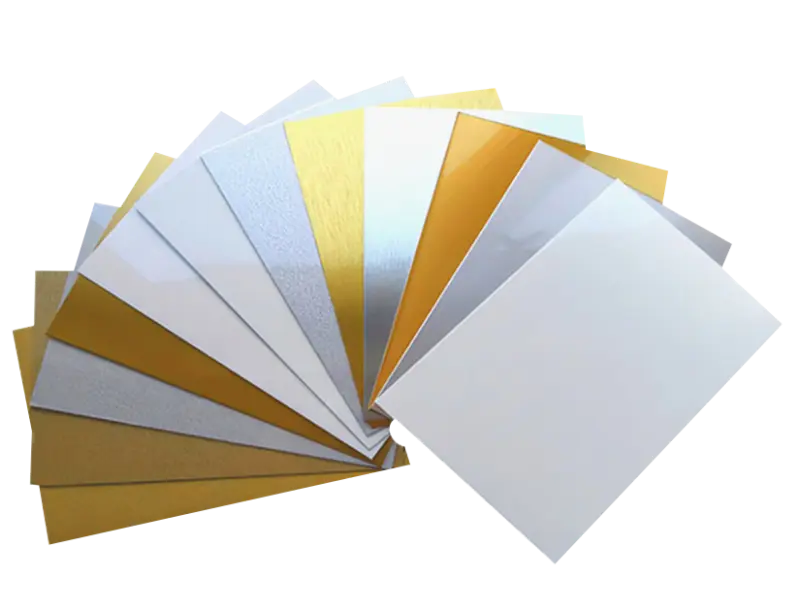
One decision matters more than any other when buying sublimation aluminum sheets: thickness. Thin sheets offer flexibility and low cost. Thick sheets provide rigidity and durability. The wrong choice leads to bent panels, wasted money, or disappointed customers.
What Makes Sublimation Aluminum Sheets Different
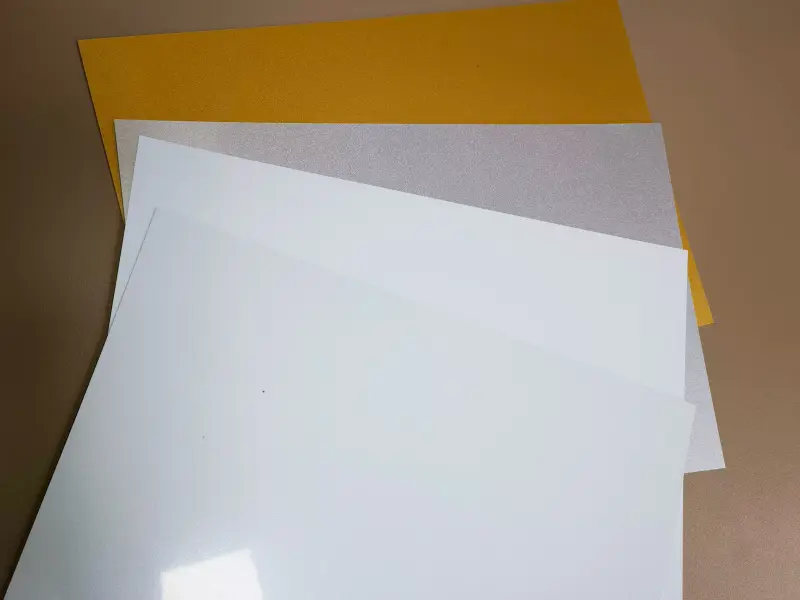
Standard aluminum sheets will not accept sublimation ink. The surface needs a special polyester-based coating that bonds with dye-sublimation inks under heat and pressure. During the heat press process, the ink turns into gas and penetrates this coating. When cooled, the image becomes part of the sheet itself. It cannot peel, scratch, or wash away.
Key benefits of Thin vs Thick Sublimation Aluminum Sheets:
- Vibrant, photo-quality color reproduction
- Scratch-resistant and waterproof surface
- UV-resistant for long-term outdoor use
- Lightweight and easy to mount
- Fire-resistant aluminum base
- 100% recyclable material
- 7 to 20+ years of service life
- No fading, peeling, or cracking over time
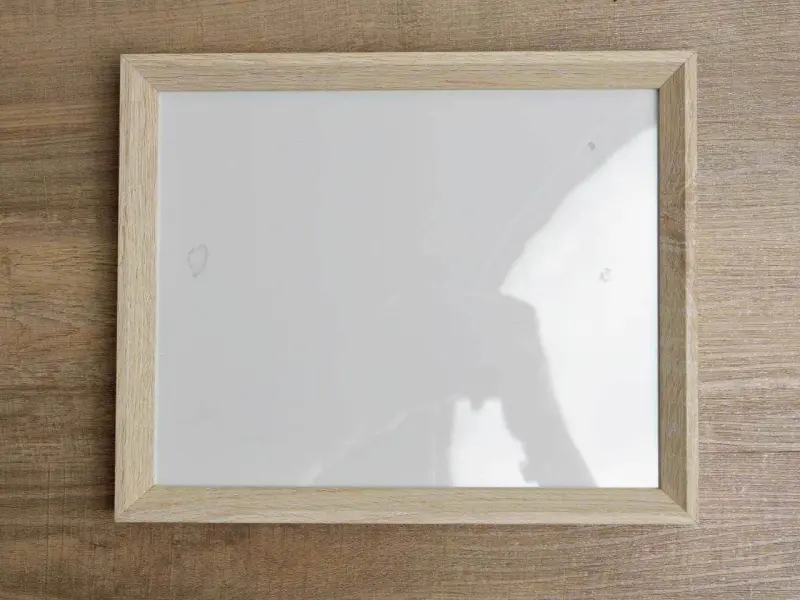
The coating quality determines print results. Top manufacturers use German coating technology that creates a compact honeycomb oxide layer on the aluminum surface. This layer ensures strong adhesion between the paint and the metal.
Sublimation Aluminum Sheet Thickness Options Explained
Thickness ranges from 0.22 mm to over 2.0 mm. Each thickness serves different purposes. Understanding these ranges helps you match the sheet to your project needs.
Ultra-Thin Sublimation Sheets (0.22 – 0.35 mm)
Ultra-thin sheets are the lightest option available. They bend easily and work best for flexible applications or projects where weight matters most.
Typical specifications:
| Property | Value |
|---|---|
| Thickness | 0.22 – 0.35 mm |
| Weight | Very light |
| Rigidity | Low |
| Flexibility | High |
| Best Use | Small ornaments, tags, bookmarks |
| Cost | Lowest |
These sheets suit small promotional items, keychains, and craft projects. They are not suitable for wall-mounted displays because they warp easily. Most suppliers offer 0.22 mm and 0.35 mm options in satin and pearlized finishes.
Thin Sublimation Sheets (0.45 – 0.55 mm)
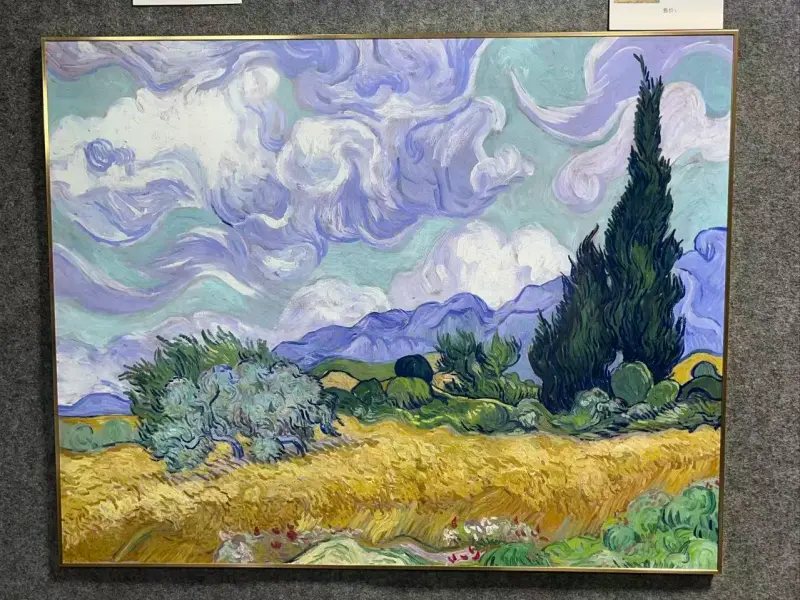
Thin sheets represent the most popular entry-level thickness. They balance cost and performance for small to medium-sized projects.
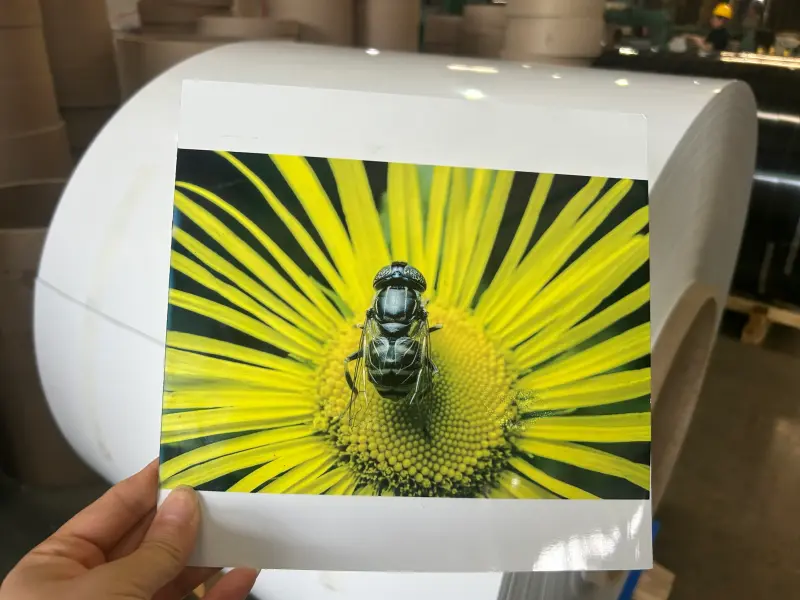
Typical specifications:
| Property | Value |
|---|---|
| Thickness | 0.45 – 0.55 mm |
| Weight | Light |
| Rigidity | Moderate |
| Flexibility | Moderate |
| Best Use | Photo panels up to 8×10 inches, nameplates, small signs |
| Cost | Low |
The 0.45 mm thickness is the industry standard for budget photo panels and promotional gifts. It works well for desk displays and small wall art. However, panels larger than 8×10 inches may bend over time without backing support. The 0.55 mm option offers slightly better stability for a small price increase.
Medium Sublimation Sheets (0.65 – 0.75 mm)
Medium thickness sheets step up in rigidity. They handle larger sizes without warping and feel more substantial in the hand.
Typical specifications:
| Property | Value |
|---|---|
| Thickness | 0.65 – 0.75 mm |
| Weight | Medium |
| Rigidity | Good |
| Flexibility | Low |
| Best Use | Photo panels up to 16×20 inches, awards, signage |
| Cost | Moderate |
The 0.65 mm thickness is widely used for awards, plaques, and medium-sized photo panels. It offers enough strength for most indoor applications without the weight of thicker options. This thickness works well for trade show displays and retail signage.
Thick Sublimation Sheets (1.0 – 1.15 mm)
Thick sheets provide professional-grade rigidity. They stay flat even at large sizes and deliver a premium feel that customers notice.
Typical specifications:
| Property | Value |
|---|---|
| Thickness | 1.0 – 1.15 mm |
| Weight | Moderate |
| Rigidity | Excellent |
| Flexibility | None |
| Best Use | Large photo panels, professional displays, outdoor signage |
| Cost | Higher |
The 1.0 mm and 1.15 mm thicknesses are the top choices for professional photo panels and large-format displays. These sheets remain perfectly flat without backing support. They are ideal for gallery-quality metal prints, architectural signage, and any application where presentation quality matters.
Extra-Thick Sublimation Sheets (1.5 – 2.0 mm)
Extra-thick sheets serve specialized applications requiring maximum strength or structural support.
Typical specifications:
| Property | Value |
|---|---|
| Thickness | 1.5 – 2.0 mm |
| Weight | Heavy |
| Rigidity | Maximum |
| Flexibility | None |
| Best Use | License plates, structural panels, heavy-duty signage |
| Cost | Highest |
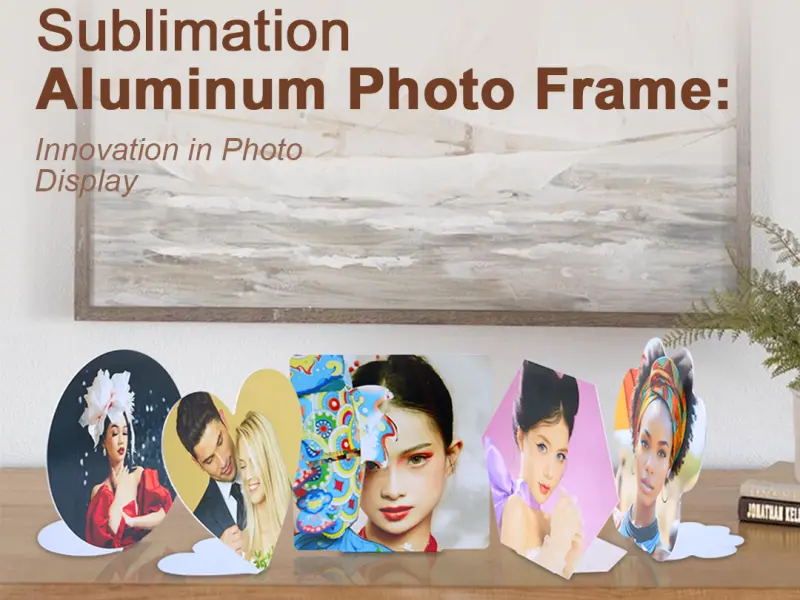
These thicknesses are used for license plates, industrial nameplates, and applications where the sheet must withstand physical impact. The 1.5 mm option is common for vehicle license plates. The 2.0 mm option serves heavy industrial marking needs.
Thin vs Thick Sublimation Sheets: Side-by-Side Comparison
This comparison table shows how thickness affects every aspect of performance.
| Factor | Thin (0.45 mm) | Medium (0.65 mm) | Thick (1.0 mm) | Winner Depends On |
|---|---|---|---|---|
| Panel Rigidity | Low, may bend | Good, stable | Excellent, perfectly flat | Display size and mounting method |
| Weight | Very light | Light | Moderate | Shipping costs and wall load |
| Cost per Sheet | Lowest | Moderate | Higher | Budget constraints |
| Print Quality | Same | Same | Same | No difference in image output |
| Durability | Moderate | Good | Excellent | Handling frequency and environment |
| Size Limit | Up to 8×10 in | Up to 16×20 in | Any size | Project dimensions |
| Premium Feel | Basic | Good | Excellent | Target market expectations |
| Outdoor Use | Not recommended | Limited with coating | Best with UV coating | Exposure conditions |
| Mounting Ease | Very easy | Easy | Requires stronger hardware | Installation setup |
| Backing Needed | Yes for larger sizes | Sometimes | Rarely | Panel size and display method |
When to Choose Thin Sheets
Thin sublimation aluminum sheets work best for:
- Small photo gifts and desk frames
- Promotional items and trade show giveaways
- Budget-conscious projects
- Projects under 8×10 inches
- Items that will be handled gently
- Indoor display with backing support
- Craft and hobby applications
- Name badges and small signs
When to Choose Thick Sheets
Thick sublimation aluminum sheets are the right choice for:
- Large wall art and gallery prints
- Professional photography displays
- Outdoor signage and building directories
- Awards and recognition plaques
- High-end retail displays
- Projects over 16×20 inches
- Applications requiring long-term durability
- Premium product lines where quality perception matters
Sublimation Aluminum Sheet Alloy Types
The base alloy affects surface quality, coating adhesion, and cost. Most sublimation sheets use 1000 series or 3000 series alloys.
Alloy 1050 Sublimation Sheets
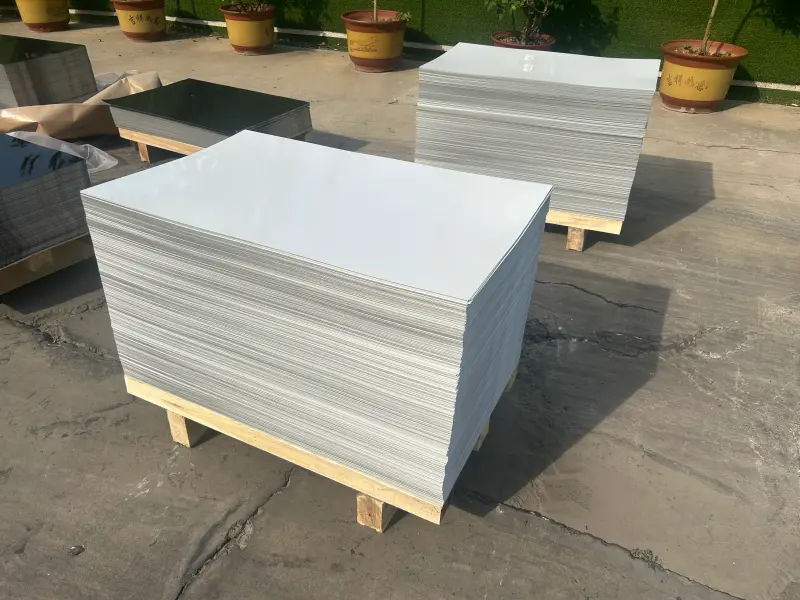
Alloy 1050 is a pure aluminum grade with 99.5% aluminum content. It offers excellent surface quality and is the most common choice for sublimation printing.
Typical composition:
| Element | Specification (%) |
|---|---|
| Aluminium | ≥ 99.50 |
| Iron (Fe) | ≤ 0.40 |
| Silicon (Si) | ≤ 0.25 |
| Copper (Cu) | ≤ 0.05 |
| Others | ≤ 0.15 |
Alloy 1050 provides the smoothest surface for coating application. It is soft, easy to cut, and accepts the sublimation coating uniformly. This alloy is ideal for photo panels, awards, and decorative items where surface perfection matters.
Alloy 1100 Sublimation Sheets
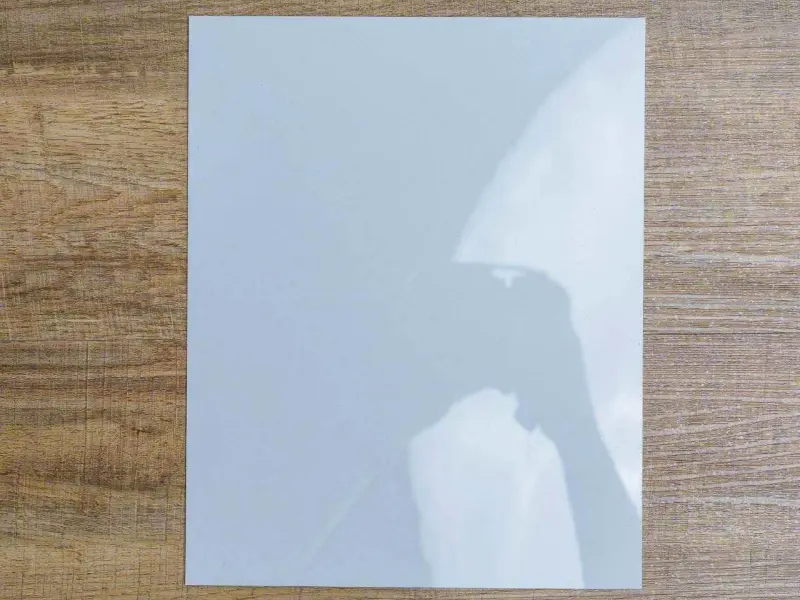
Alloy 1100 is another pure aluminum grade with 99.0% minimum aluminum content. It is slightly harder than 1050 but still offers excellent formability.
Typical composition:
| Element | Specification (%) |
|---|---|
| Aluminium | ≥ 99.00 |
| Iron (Fe) | ≤ 0.70 |
| Silicon (Si) | ≤ 0.95 |
| Copper (Cu) | ≤ 0.20 |
| Others | ≤ 0.15 |
Alloy 1100 is widely used for sublimation blanks because it balances cost and performance. It is available in all standard thicknesses and finishes. This alloy works well for general signage, nameplates, and promotional products.
Alloy 3003 Sublimation Sheets
Alloy 3003 contains manganese as the primary alloying element. It offers higher strength than pure aluminum grades.
Typical composition:
| Element | Specification (%) |
|---|---|
| Aluminium | Balance |
| Manganese (Mn) | 1.00 – 1.50 |
| Iron (Fe) | ≤ 0.70 |
| Silicon (Si) | ≤ 0.60 |
| Copper (Cu) | 0.05 – 0.20 |
Alloy 3003 is recommended for license plates and structural applications. Its higher strength withstands bending and impact better than 1050 or 1100. The 1.0 mm thickness in 3003 alloy is the standard for vehicle license plates.
Alloy 5052 Sublimation Sheets
Alloy 5052 is a marine-grade aluminum with magnesium as the primary alloying element. It offers excellent corrosion resistance.
Typical composition:
| Element | Specification (%) |
|---|---|
| Aluminium | Balance |
| Magnesium (Mg) | 2.20 – 2.80 |
| Iron (Fe) | ≤ 0.40 |
| Silicon (Si) | ≤ 0.25 |
| Chromium (Cr) | 0.15 – 0.35 |
Alloy 5052 is used for outdoor signage and marine applications. Its corrosion resistance makes it suitable for coastal environments. However, the magnesium content can affect coating adhesion, so proper surface preparation is critical.
Alloy Comparison for Sublimation Use
| Property | 1050 | 1100 | 3003 | 5052 |
|---|---|---|---|---|
| Aluminum Purity | 99.5% | 99.0% | 97.0% | 97.0% |
| Surface Quality | Excellent | Very Good | Good | Good |
| Strength | Low | Low | Medium | High |
| Corrosion Resistance | Good | Good | Good | Excellent |
| Cost | Lowest | Low | Moderate | Higher |
| Best For | Photo panels, awards | General signage | License plates, structural | Outdoor marine |
| Coating Adhesion | Excellent | Excellent | Very Good | Good |
Surface Finishes for Sublimation Aluminum Sheets
The surface finish determines the final look of the printed image. Different finishes create different visual effects.
Glossy White Finish
Glossy white provides the brightest base for sublimation printing. Colors appear vivid and saturated. The mirror-like shine makes images pop.
| Property | Specification |
|---|---|
| Gloss Level | 80 – 90 GU at 60° |
| Color Accuracy | Maximum |
| Best For | Photos, vibrant graphics, retail displays |
| Glare | High |
| Fingerprint Visibility | High |
Glossy white is the most popular finish for photo panels. It delivers the highest color saturation and contrast. However, glare can be an issue in brightly lit environments.
Matte White Finish
Matte white reduces reflections and glare. It provides a softer, more professional appearance.
| Property | Specification |
|---|---|
| Gloss Level | 10 – 20 GU at 60° |
| Color Accuracy | Very Good |
| Best For | Art prints, professional settings, reading areas |
| Glare | Minimal |
| Fingerprint Visibility | Low |
Matte white is preferred for corporate signage, art reproductions, and any application where glare reduction matters. The softer appearance feels premium and sophisticated.
Brushed Silver Finish
Brushed silver features fine parallel lines that create a metallic texture. The aluminum base shows through lighter areas of the image.
| Property | Specification |
|---|---|
| Texture | Fine to coarse brush patterns |
| Metallic Effect | Strong |
| Best For | Industrial design, awards, modern décor |
| Fingerprint Hiding | Good |
| Unique Look | Yes |
Brushed silver is popular for awards, nameplates, and contemporary wall art. The metallic texture adds depth and character that solid color finishes cannot match.
Brushed Gold Finish
Brushed gold offers the same texture as brushed silver but with a warm gold tone. It creates an elegant, luxurious appearance.
| Property | Specification |
|---|---|
| Texture | Fine brush patterns |
| Color Tone | Warm gold |
| Best For | Premium awards, trophies, recognition items |
| Premium Feel | Excellent |
| Cost | Slightly higher |
Brushed gold is the top choice for high-end awards and commemorative plaques. The warm tone conveys prestige and achievement.
Pearlized Finish
Pearlized finish adds shimmer and depth. The surface changes appearance with viewing angle.
| Property | Specification |
|---|---|
| Effect | Subtle sparkle, three-dimensional depth |
| Light Interaction | Changes with viewing angle |
| Best For | Decorative items, gifts, special occasions |
| Unique Look | Yes |
| Color Options | White, gold, silver |
Pearlized finishes create visual interest that draws attention. They are popular for wedding gifts, anniversary panels, and decorative home items.
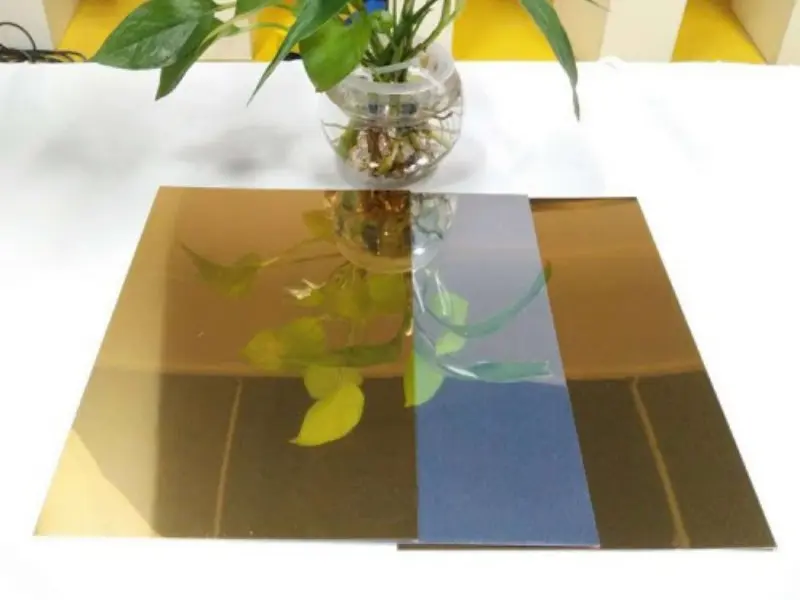
Mirror Finish
Mirror finish provides high reflectivity similar to chrome. It creates a dramatic, luxury appearance.
| Property | Specification |
|---|---|
| Reflectivity | 85 – 95% |
| Shine | Maximum |
| Best For | Luxury items, high-end awards, decorative pieces |
| Scratch Visibility | High |
| Care Requirements | High |
Mirror gold and mirror silver are used for premium products where maximum visual impact is desired. The reflective surface doubles the visual effect of the printed image.
Satin Finish
Satin finish offers a balanced texture between matte and glossy. It provides soft sheen without high glare.
| Property | Specification |
|---|---|
| Gloss Level | 30 – 50 GU at 60° |
| Feel | Smooth, silky |
| Best For | Professional signage, corporate awards |
| Glare | Moderate |
| Fingerprint Resistance | Good |
Satin finishes are versatile and work well across many applications. They offer a middle ground for buyers who want some shine without excessive reflection.
Finish Comparison Summary
| Finish | Color Pop | Glare | Fingerprints | Premium Feel | Best Application |
|---|---|---|---|---|---|
| Glossy White | Maximum | High | Visible | Good | Photos, retail |
| Matte White | Very Good | None | Hidden | Excellent | Art, corporate |
| Brushed Silver | Good | Low | Hidden | Very Good | Awards, modern |
| Brushed Gold | Good | Low | Hidden | Excellent | Premium awards |
| Pearlized | Good | Low | Hidden | Very Good | Gifts, décor |
| Mirror | Good | High | Visible | Maximum | Luxury items |
| Satin | Very Good | Low | Hidden | Very Good | Professional |
Sublimation Printing Parameters by Thickness
Heat press settings vary slightly by sheet thickness. Thicker sheets need more time for heat to penetrate through the metal.
Recommended Heat Press Settings
| Thickness | Temperature | Time | Pressure | Preheat |
|---|---|---|---|---|
| 0.22 – 0.35 mm | 180 – 190°C | 45 – 60 sec | Medium | Optional |
| 0.45 – 0.55 mm | 185 – 195°C | 50 – 70 sec | Medium | 30 sec |
| 0.65 – 0.75 mm | 190 – 200°C | 60 – 80 sec | Medium-Firm | 30 sec |
| 1.0 – 1.15 mm | 195 – 200°C | 70 – 90 sec | Firm | 30 – 60 sec |
| 1.5 – 2.0 mm | 200 – 205°C | 80 – 120 sec | Firm | 60 sec |
Important Printing Tips
- Always mirror the image before printing
- Use high-quality sublimation ink for best results
- Preheat the sheet to remove moisture
- Use heat-resistant tape to prevent paper shifting
- Place butcher paper above and below to prevent ink bleed
- Do not exceed 205°C or the coating may yellow
- Allow the sheet to cool completely before handling
- Clean the surface with a lint-free cloth before pressing
Applications of Thin vs Thick Sublimation Aluminum Sheets
Different industries and projects demand different thicknesses. This section breaks down the best thickness for each application.
Photography and Wall Art
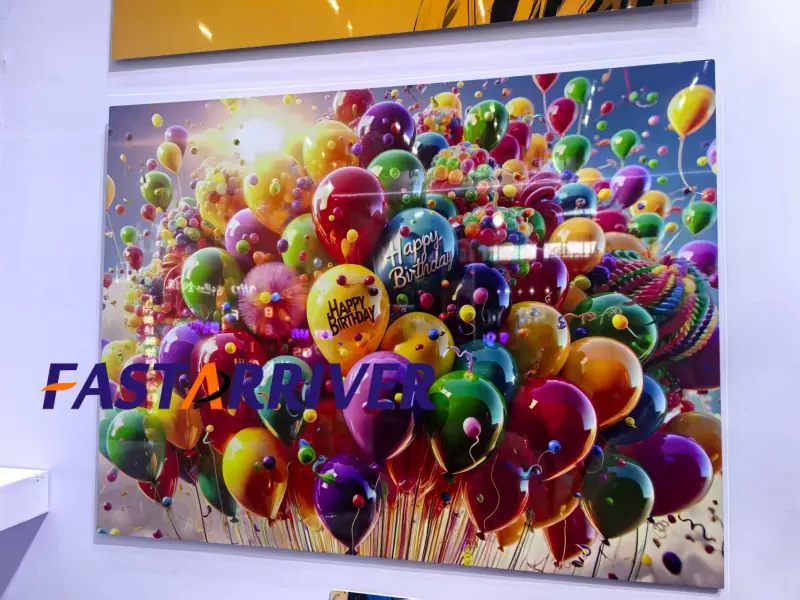
Metal photo prints have become a premium alternative to canvas and paper. The rigidity of the sheet affects how the image presents on the wall.
- Small prints (4×6 to 8×10 inches): 0.45 mm works well
- Medium prints (11×14 to 16×20 inches): 0.65 mm recommended
- Large prints (20×30 to 30×40 inches): 1.0 mm or thicker required
- Gallery displays: 1.0 mm or 1.15 mm for professional presentation
Thin sheets for small prints keep costs down. Thick sheets for large prints prevent sagging and maintain a flat appearance over time.
Awards and Recognition Plaques
Awards need to feel substantial in the hand. The thickness affects perceived value.
- Budget awards and participation certificates: 0.45 mm
- Standard recognition plaques: 0.65 mm
- Premium corporate awards: 1.0 mm
- Trophy plates and hall of fame plaques: 1.0 mm or thicker
Thicker sheets add weight and rigidity that signal quality. Most award shops stock 0.65 mm as their standard and 1.0 mm for upgrades.
Signage and Wayfinding
Signage must withstand handling, weather, and time.
- Indoor directional signs: 0.65 mm
- Office nameplates and door signs: 0.45 – 0.65 mm
- Retail point-of-purchase displays: 0.65 – 1.0 mm
- Outdoor building signage: 1.0 mm with UV coating
- Trade show displays: 0.65 mm for portability
- Menu boards and information panels: 1.0 mm for durability
Outdoor signage always benefits from thicker sheets. The extra strength resists wind and physical impact.
Thin vs Thick Sublimation Aluminum Sheets Promotional Products and Gifts
Promotional items need low cost but still look professional.
- Keychains and bag tags: 0.22 – 0.35 mm
- Coasters and small desk items: 0.45 mm
- Ornaments and holiday decorations: 0.35 – 0.45 mm
- Business card substitutes: 0.45 mm
- Personalized phone stands: 0.65 mm
- Corporate gift sets: 0.65 – 1.0 mm
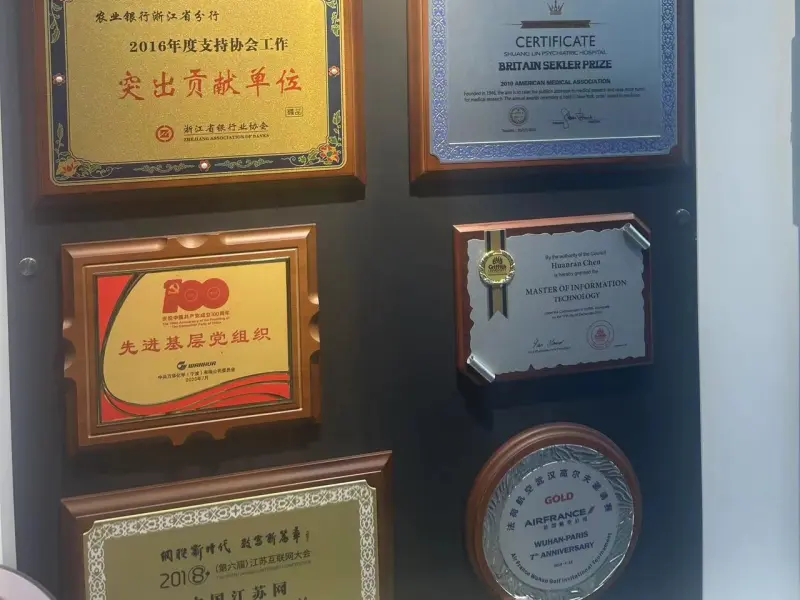
Thin sheets dominate the promotional market because price sensitivity is high. However, premium gift lines increasingly use 0.65 mm and thicker for better perceived value.
Industrial and Commercial Marking
The industrial applications demand durability above all else.
- Equipment nameplates: 1.0 mm
- Control panel overlays: 0.65 – 1.0 mm
- Asset tags and inventory labels: 0.45 – 0.65 mm
- Safety signs and warnings: 1.0 mm or thicker
- Serial number plates: 0.65 – 1.0 mm
- Architectural signage: 1.0 – 1.5 mm
Industrial buyers prioritize thickness because these panels face harsh conditions. Chemical exposure, physical abrasion, and temperature extremes all favor thicker sheets.
License Plates and Vehicle Tags
Vehicle applications need specific thickness standards.
- Standard license plates: 1.0 mm in 3003 alloy
- Decorative front plates: 0.65 – 1.0 mm
- Motorcycle plates: 0.65 mm
- Temporary tags: 0.45 mm
- Fleet vehicle marking: 1.0 mm
The 1.0 mm thickness in 3003 alloy is the global standard for license plates. It provides enough strength to withstand road vibration and weather while remaining lightweight.
Thin vs Thick Sublimation Aluminum Sheets: Cost Analysis
Price differences between thicknesses affect project budgets. Understanding the cost structure helps you make profitable decisions.
Price Comparison by Thickness
| Thickness | Relative Cost | Cost Driver | Best Value For |
|---|---|---|---|
| 0.22 mm | Base price | Material savings | Crafts, tags |
| 0.45 mm | +20% | More aluminum | Small panels, gifts |
| 0.65 mm | +40% | More aluminum, better rigidity | Awards, medium signs |
| 1.0 mm | +80% | Significantly more aluminum | Large panels, professional |
| 1.5 mm | +120% | Maximum material, structural | License plates, industrial |
Cost Factors Beyond Thickness
Other factors affect the final price:
- Alloy type (pure aluminum costs less than alloyed grades)
- Surface finish (mirror and pearlized cost more than white)
- Coating quality (premium coatings add 10-20%)
- Order quantity (bulk orders reduce per-unit cost by 30-50%)
- Custom cutting (pre-cut shapes add processing cost)
- Protective film (PE film adds minimal cost but prevents scratches)
When Thin Sheets Save Money
Choose thin sheets when:
- The project budget is tight
- The panel size is small
- The display is temporary or short-term
- The item will not be handled frequently
- Weight matters for shipping
- A backing board will provide support
When Thick Sheets Are Worth the Cost
Invest in thick sheets when:
- The panel size exceeds 16×20 inches
- The display is permanent or long-term
- The item will be handled by customers
- Outdoor exposure is expected
- Premium positioning is required
- Returns or replacements would be costly
Quality Standards for Sublimation Aluminum Sheets
Not all sublimation sheets meet the same quality standards. Reputable suppliers test their products rigorously.
Coating Quality Tests
| Test | Standard | Requirement |
|---|---|---|
| Coating Adhesion | Cross-cut test | ≥ 4B rating |
| Color Fastness | Exposure test | ≥ 4 grade |
| Heat Resistance | 200°C for 60 seconds | No blistering or yellowing |
| UV Resistance | Outdoor exposure | 5+ years with proper coating |
| Scratch Resistance | Pencil hardness test | ≥ 2H hardness |
| Water Resistance | Immersion test | No coating separation |
Dimensional Tolerances
| Parameter | Tolerance |
|---|---|
| Thickness | ± 0.02 mm |
| Length | ± 1 mm |
| Width | ± 1 mm |
| Flatness | ≤ 2 mm per meter |
| Coating Thickness | 8 – 15 microns |
Certifications to Look For
- ISO 9001 quality management
- ISO 14001 environmental management
- RoHS compliance for hazardous substance restriction
- REACH compliance for chemical safety
- FDA approval for food-contact applications (if applicable)
Buying Guide: How to Choose the Right Sublimation Aluminum Sheet
Selecting the correct sheet requires matching thickness, alloy, and finish to your specific project.
Step 1: Define Your Application
Answer these questions before shopping:
- What is the panel size?
- Will it hang on a wall or sit on a desk?
- Is it for indoor or outdoor use?
- How long must it last?
- Will customers handle it?
- What is your budget per piece?
- Does it need to look premium or functional?
Step 2: Select the Right Thickness
Use this decision matrix:
| If Your Project Is… | Choose This Thickness |
|---|---|
| Small craft or tag | 0.22 – 0.35 mm |
| Budget photo panel under 8×10 in | 0.45 mm |
| Standard award or sign | 0.65 mm |
| Large photo panel over 16×20 in | 1.0 mm |
| Outdoor signage | 1.0 mm or thicker |
| License plate | 1.0 mm in 3003 alloy |
| Premium gallery display | 1.0 – 1.15 mm |
| Heavy industrial marking | 1.5 – 2.0 mm |
For Step 3: Pick the Right Alloy
| If Your Priority Is… | Choose This Alloy |
|---|---|
| Lowest cost and best surface | 1050 |
| General purpose and availability | 1100 |
| Strength for license plates | 3003 |
| Outdoor corrosion resistance | 5052 |
Step 4: Choose the Surface Finish
| If Your Image Is… | Choose This Finish |
|---|---|
| A vibrant photo | Glossy white |
| Fine art or professional | Matte white |
| Modern or industrial | Brushed silver |
| Premium or luxurious | Brushed gold or mirror |
| Decorative or unique | Pearlized |
| Corporate or balanced | Satin |
Step 5: Verify Supplier Quality
Request these items from your supplier:
- Sample sheets for testing
- Coating adhesion test report
- Heat press parameter recommendations
- Batch consistency data
- Warranty or quality guarantee
- Customer references
- Lead time and minimum order information
Frequently Asked Questions About Thin vs Thick Sublimation Aluminum Sheets
Does thickness affect print quality?
No. Print quality depends on the coating, not the metal thickness. A 0.45 mm sheet and a 1.0 mm sheet from the same manufacturer will produce identical image quality. The difference is in rigidity, durability, and feel.
What is the best thickness for photo panels?
For professional photo panels, 1.0 mm to 1.15 mm is the best choice. It stays perfectly flat, feels substantial, and presents a premium appearance. For budget photo gifts, 0.45 mm to 0.65 mm works well for smaller sizes.
Can thin sublimation sheets be used outdoors?
Thin sheets are not recommended for outdoor use. They lack the rigidity to withstand wind and temperature changes. For outdoor applications, use 1.0 mm or thicker sheets with UV-resistant coating.
What alloy is best for sublimation printing?
Alloy 1050 is the most popular choice because its high purity creates an excellent surface for coating. Alloy 1100 is also widely used and offers good availability. For structural applications like license plates, alloy 3003 provides better strength.
How do I prevent thin sheets from bending?
You have three options: choose a thicker sheet, add a backing board, or use a mounting system that supports the edges. For wall displays, a float mount or shadow box frame can hide bending while adding visual appeal.
What is the difference between glossy and matte white finishes?
Glossy white reflects more light, making colors appear brighter and more saturated. Matte white absorbs light, reducing glare and creating a softer, more professional look. Glossy works best for photos. Matte works best for art and text.
Can I cut sublimation aluminum sheets myself?
Yes. Thin sheets (0.22 to 0.45 mm) can be cut with metal shears or a guillotine. Medium sheets (0.65 mm) require a saw or CNC cutter. Thick sheets (1.0 mm and above) need professional cutting equipment. Always cut before sublimation printing.
How long do sublimated aluminum prints last?
Indoor prints last 7 to 20 years or more without fading. Outdoor prints with UV-resistant coating last 5 to 7 years depending on sun exposure. The image is embedded in the coating, so it will not peel or crack like vinyl or paper prints.
What temperature should I use for sublimation on aluminum?
Most sheets require 180°C to 200°C for 45 to 90 seconds. Thicker sheets need the higher end of the temperature range and longer press times. Always follow the supplier’s specific recommendations for your sheet type.
Are sublimation aluminum sheets recyclable?
Yes. Aluminum is 100% recyclable. The sublimation coating is a thin polymer layer that does not prevent recycling. The metal can be melted and reused without quality loss. This makes sublimation aluminum an environmentally friendly choice compared to plastic substrates.
Matching Thickness to Your Sublimation Project Goals
The choice between thin and thick sublimation aluminum sheets comes down to three factors: size, durability, and budget. Thin sheets excel at small sizes and low costs. Thick sheets dominate large displays and premium applications.
For most print shops, stocking two thicknesses covers 90% of projects. Keep 0.65 mm on hand for standard awards and signs. Keep 1.0 mm for photo panels and premium work. Add 0.45 mm only if you serve the budget gift market.
Remember that thickness does not affect image quality. The coating quality determines how vibrant and durable your prints will be. Invest in high-quality coated sheets from reputable suppliers, then match the thickness to your project needs.
Work with a supplier who understands sublimation printing. They can recommend the right alloy, thickness, and finish for your specific application. Request samples, test your heat press settings, and build your product line with confidence.
Contact an experienced sublimation aluminum sheet supplier to discuss your project requirements. Share your typical panel sizes, target markets, and quality standards to receive accurate pricing and technical support.
Leave a Reply
You must be logged in to post a comment.