
Why Artists and Print Shops Choose Sublimation Aluminum for Wall Art
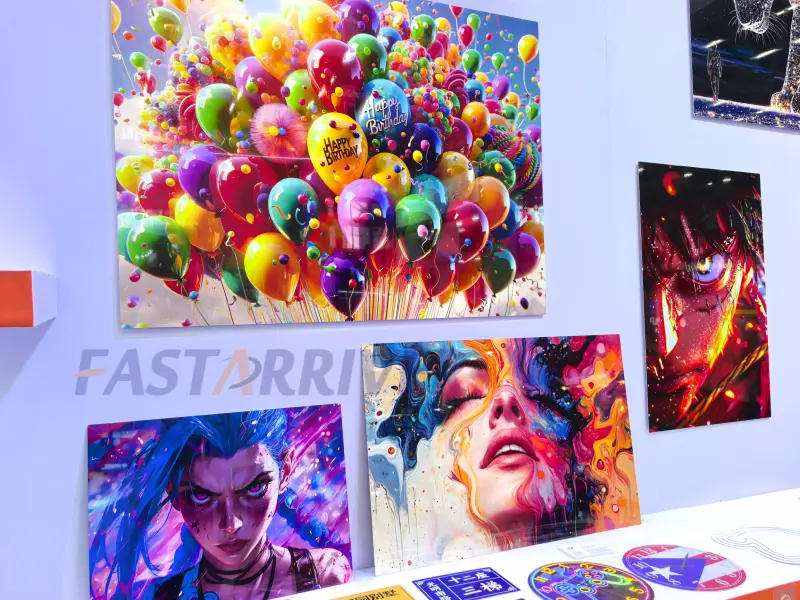
Sublimation aluminum sheet has become a go-to medium for fine art prints, photography reproductions, and gallery-style wall pieces.
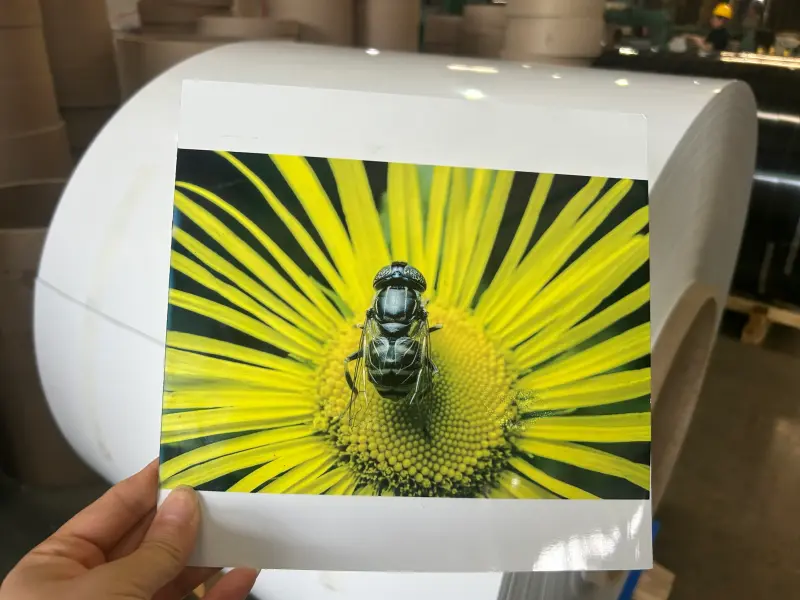
A white polymer coating bonds with dye-sublimation ink under heat, so color sits embedded inside the surface instead of printed flat on top.
This gives wall art a depth and richness that paper or canvas often can’t match.
Print shops, photographers, and artists use this material because it reproduces fine detail accurately, holds vivid color for years, and produces a clean, modern presentation without needing glass or a traditional frame.
Alloy Types for Wall Art Production
| Alloy | Weight | Best Trait | Typical Wall Art Use |
|---|---|---|---|
| 1100 | Light | Soft, cuts into fine detail | Small art prints, custom cutouts |
| 3003 | Medium | Holds shape under heat press | Standard gallery prints |
| 5052 | Medium-heavy | Maximum flatness, strongest | Large-scale art and murals |
1100 Aluminum for Detailed Art Prints
1100 is nearly pure aluminum, soft enough to cut into fine, detailed shapes. Artists working with intricate cutout designs or small limited-edition prints often choose this alloy. It’s lightweight, which also keeps shipping costs lower for small art pieces.
3003 Aluminum for Standard Art Prints
3003 has added manganese for strength. It performs reliably under the heat and pressure of the sublimation press without warping. This is the most common alloy for standard-size fine art and photography prints sold through galleries or online shops.
5052 Aluminum for Large-Scale Art
5052 contains magnesium, giving it the best resistance to bowing or curving over time. Large murals and oversized gallery pieces rely on this alloy to stay perfectly flat across wide spans, which matters most when the art is the centerpiece of a room.
Coating Finishes and Their Effect on Art Style
| Finish | Visual Effect | Best Art Style |
|---|---|---|
| High-gloss white | Saturated, vivid, museum-quality | Bold color photography, abstract art |
| Matte white | Soft, painterly, non-reflective | Fine art reproductions, portraits |
| Satin white | Balanced, subtle sheen | Mixed media, landscape photography |
| Brushed metal | Metallic undertone, textured | Industrial and contemporary art |
High-Gloss for Maximum Color Depth
Gloss coating is the standard choice for museum-style reproductions because it produces the deepest blacks and most vivid color range. This finish is popular for landscape photography, abstract art, and bold graphic prints meant to command attention.
Matte for a Painterly Feel
Matte coating softens reflections and gives prints a more traditional, painterly look. Fine art reproductions, classical portraits, and pieces meant for softly lit rooms often use this finish to avoid harsh glare.
Brushed Metal for Contemporary Pieces
A brushed texture beneath the coating lets a subtle metallic tone show through lighter parts of an image. This works well for contemporary or industrial-style art where a raw, modern aesthetic is part of the design.
Thickness Options for Wall Art Display
| Thickness (mm) | Art Size Range | Notes |
|---|---|---|
| 0.45 | Small prints (under 12 in) | Lightweight, ideal for limited editions |
| 0.6 | Small-medium prints | Most common thickness for standard art prints |
| 1.0 | Medium (12–24 in) | Strong rigidity, easy to mount |
| 1.5–2.0 | Large gallery pieces (24–40 in) | Stays flat across wide panels |
| 3.0+ | Murals and oversized installations | Maximum strength for large formats |
Thinner panels suit smaller editions and keep production and shipping costs down. Thicker panels are reserved for gallery centerpieces and large installations where flatness over a big surface area really matters.
Full Technical Specifications
| Parameter | Value |
|---|---|
| Alloy | 1100 / 3003 / 5052 |
| Temper | H14, H16, H18, H24 |
| Thickness | 0.45–3.0 mm |
| Width | 600–1,600 mm |
| Length | 1,000–4,000 mm (or coil) |
| Surface | White polymer coated |
| Standards | ISO, ASTM, SGS |
Standard Fine Art Print Panels
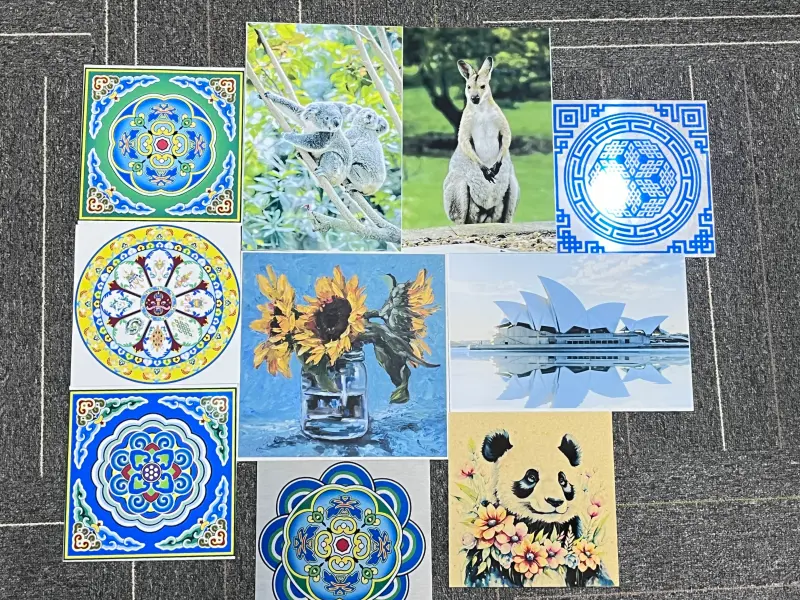
This is the most common format for reproducing photography and digital art. One image is sublimated onto a single panel, ready for direct wall mounting. Standard sizes match common print and gallery dimensions.
Limited Edition Art Series
Artists producing numbered, limited-run prints often choose smaller panel sizes (0.45–0.6 mm) for cost efficiency across a series, while keeping consistent quality and finish across every piece.
Wall Art Product Types
Triptych and Multi-Panel Art
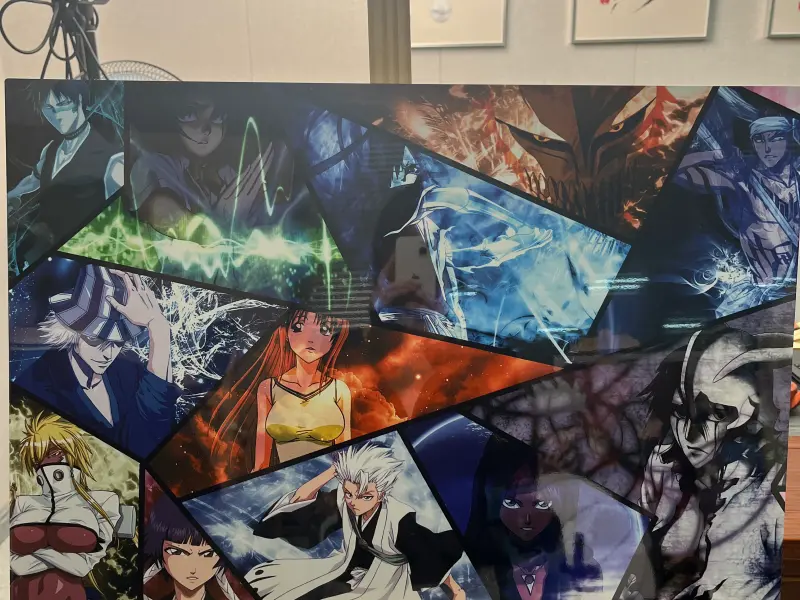
A single image is split across two or three panels, hung with spacing between them. This format is popular in galleries and modern interiors for creating a large visual impact from a single composition. Medium thickness (1.0–1.5 mm) keeps each panel flat and aligned.

Frameless Floating Art
These panels use hidden standoff mounts, creating a “floating” presentation with a shadow gap behind the piece. This frameless look is widely used in contemporary galleries and minimalist interiors. Medium-to-thick sheet (1.0–2.0 mm) supports the unframed edges well.
Oversized Mural Panels
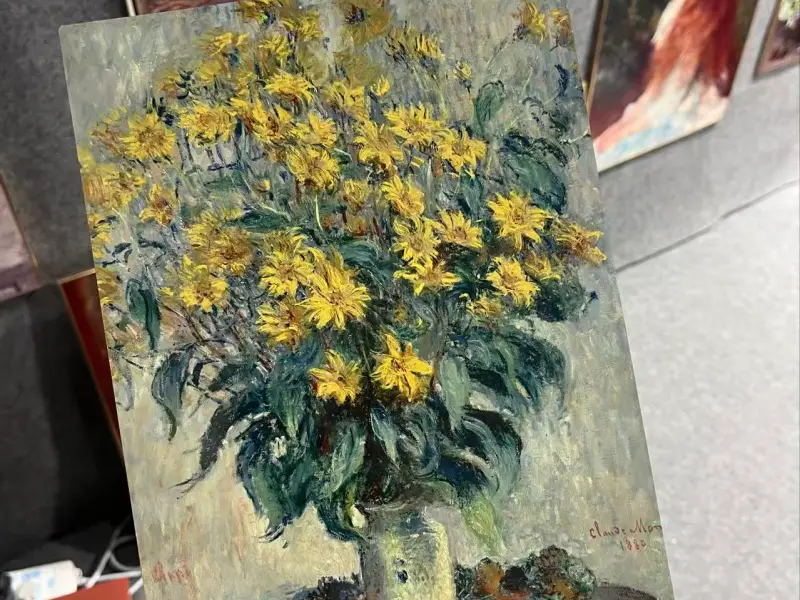
For wall-spanning art installations, multiple large panels are pieced together to form a mural. 5052 alloy at 2.0–3.0 mm thickness is the standard here, since it resists bowing across the largest surface areas.
Custom-Cut Art Pieces
Beyond standard rectangles, sublimation sheet can be cut into circles, abstract shapes, or layered cutout designs. Thinner 1100 alloy works best for detailed or intricate custom shapes.
Alloy Comparison for Art Production
| Feature | 1100 | 3003 | 5052 |
|---|---|---|---|
| Weight | Lightest | Medium | Heaviest |
| Flatness over large sizes | Fair | Good | Excellent |
| Cost | Lowest | Medium | Higher |
| Best art size | Small, detailed | Standard prints | Large gallery pieces |
| Cutting custom shapes | Easiest | Good | Moderate |
Sublimation Aluminum vs Traditional Wall Art Mediums
| Feature | Sublimation Aluminum | Canvas Print | Framed Print Under Glass |
|---|---|---|---|
| Color depth | Very high | Medium | Medium-High |
| Glare | None (matte option) | None | High (under glass) |
| Weight | Light | Light | Heavy |
| Fade resistance | High | Medium | Low-Medium |
| Modern presentation | Frameless, clean edges | Textured, traditional | Classic, needs frame and glass |
| Breakage risk | None | Low | High (glass) |
Sublimation aluminum stands out for galleries and collectors who want a frameless, modern presentation with strong color accuracy and zero risk of glass breakage during shipping or display.
Key Properties for Wall Art Use
- Rich color depth: dye bonds inside the coating, not printed on the surface
- Frameless presentation: clean edges fit minimalist and contemporary spaces
- Lightweight: easier to ship and hang than framed glass pieces
- Fade and scratch resistant: image is protected within the coating layer
- Scales to any size: from small editions to oversized murals
- No glass, no breakage risk: safer for shipping art internationally

Application Areas for Wall Art
Galleries & Exhibitions
- Fine art photography reproductions
- Limited edition art series
- Gallery centerpiece installations
- Traveling exhibition pieces
Art Print Shops & Online Stores
- Print-on-demand wall art
- Custom photo-to-art conversions
- Artist storefront product lines
- Subscription art print services
Corporate & Hospitality Spaces
- Hotel lobby and room art
- Office reception wall pieces
- Restaurant and café decor
- Conference room feature walls
Private Collectors & Designers
- Custom commissioned art pieces
- Interior designer feature walls
- Architectural firm presentation art
- Private gallery and studio displays
How Sublimated Art Prints Are Made
Step One: Image Preparation
The artwork or photograph is color-corrected and printed in reverse onto sublimation transfer paper.
Step Two: Heat Press Application
The transfer paper is pressed against the coated aluminum panel under heat, typically around 200°C, for a controlled amount of time.
Step Three: Dye Penetration
Heat turns the ink into a gas, which penetrates the coating and bonds with the polymer layer at a molecular level.
Step Four: Cooling and Finishing
As the panel cools, the coating seals the color inside permanently.
Thickness vs. Art Display Quick Reference
| Application | Recommended Thickness | Recommended Alloy |
|---|---|---|
| Limited edition small prints | 0.45 mm | 1100 |
| Standard gallery prints | 0.6 mm | 1100 / 3003 |
| Medium fine art (12–24 in) | 1.0 mm | 3003 |
| Large gallery centerpiece (24–40 in) | 1.5–2.0 mm | 5052 |
| Mural and oversized installation | 3.0 mm | 5052 |
Frequently Asked Questions
Why Do Artists Prefer Aluminum Over Canvas for Wall Art?
Aluminum sublimation produces sharper detail and more vivid color than canvas printing. The image sits embedded in the coating rather than soaking into fabric fibers, which keeps colors brighter and prevents the texture distortion that canvas sometimes shows in fine detail areas.
Can Sublimation Aluminum Art Be Shipped Safely Internationally?
Yes. Since there’s no glass involved, the risk of breakage during shipping is much lower than framed prints. The aluminum panel is also lightweight, which helps reduce shipping costs for galleries and online art sellers shipping internationally.
Does Sublimation Wall Art Need a Frame?
No. Most sublimation aluminum art is designed to hang frameless, using a float mount or standoff hardware on the back. This gives a clean, modern look that fits well in contemporary galleries and minimalist interior design.
How Long Does the Color Last on Sublimated Art Prints?
Indoors and away from direct sunlight, sublimated color typically holds strong for many years without noticeable fading. Galleries and collectors looking for long-term display usually keep pieces away from direct sun exposure to maximize this lifespan.
What’s the Best Finish for Photography Reproductions?
Gloss finish works best for vivid, high-contrast photography that benefits from deep blacks and bright highlights. Matte finish suits softer, more painterly images, like portraits or muted landscape photography, where reduced glare matters more than maximum vibrancy.
Can I Print a Triptych or Multi-Panel Piece on This Material?
Yes. Many artists split a single large image across two or three panels for a triptych-style display.
Is Sublimation Aluminum Suitable for Large Mural-Sized Art?
Yes, with the right alloy and thickness. 5052 alloy at 2.0 to 3.0 mm thickness is the standard choice for mural-sized pieces, since it resists bowing across large surface areas better than thinner or softer alloys.
How Do I Clean a Sublimation Art Panel Without Damaging It?
Wipe gently with a soft, dry or slightly damp microfiber cloth. Avoid abrasive cleaners, scrub pads, or harsh chemicals, since these can dull the coating’s finish over time. Light, regular dusting is usually enough to keep the art looking fresh.
Leave a Reply
You must be logged in to post a comment.