
Why Choosing the Right Sublimation Aluminum Sheet Matters
How to Choose Sublimation Aluminum Sheet? Sublimation aluminum sheet has become one of the most popular materials for photo printing, personalized gifts, signage, awards, interior decoration, and promotional products.

However, not all sublimation aluminum sheets are the same. Surface finish, alloy, thickness, temper, coating quality, and application requirements can all affect the final printing result.
Choosing the correct product helps improve image quality, durability, customer satisfaction, and production efficiency.
Sublimation Aluminum Sheet For sale
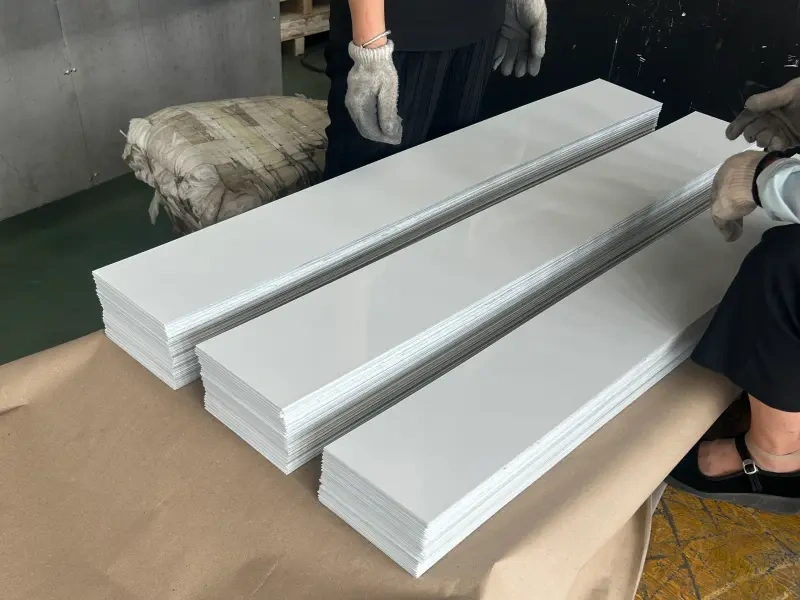
Sublimation aluminum sheet is an aluminum panel coated with a special polyester layer that allows dye sublimation transfer.
When heat and pressure are applied, sublimation ink becomes part of the coating surface, creating vibrant and long-lasting images.
Main Features
| Feature | Description |
|---|---|
| Material | Aluminum Alloy |
| Surface | Sublimation Coating |
| Printing Method | Dye Sublimation |
| Image Quality | High Resolution |
| UV Resistance | Good |
| Water Resistance | Excellent |
| Indoor Life | 10+ Years |
| Outdoor Life | 3-8 Years |
Start with the Final Application
The first step is understanding where the sublimation aluminum sheet will be used.
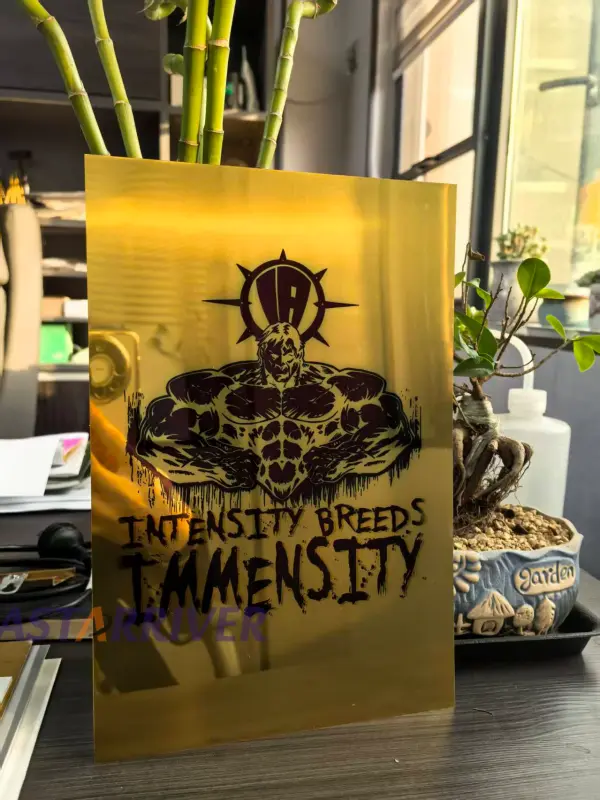
Photo Panels
Recommended:
- Gloss White Surface
- 0.45 mm – 0.63 mm thickness
- 1060 Aluminum
Typical products:
Wall art
Family photos
Wedding pictures
Studio photography
Signage

Recommended:
- Matte White Surface
- 0.63 mm – 1.0 mm thickness
- 3003 Aluminum
Typical products:
Commercial signage
Direction signs
Information boards
Personalized Gifts
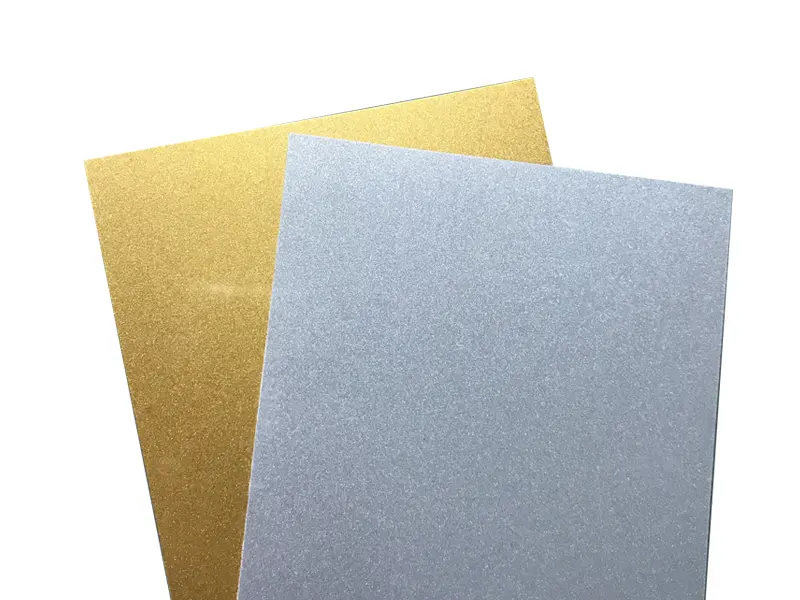
Recommended:
- Gloss White
- Brushed Silver
- Brushed Gold
Typical products:
Promotional products
Custom gifts
Souvenirs
Interior Decoration
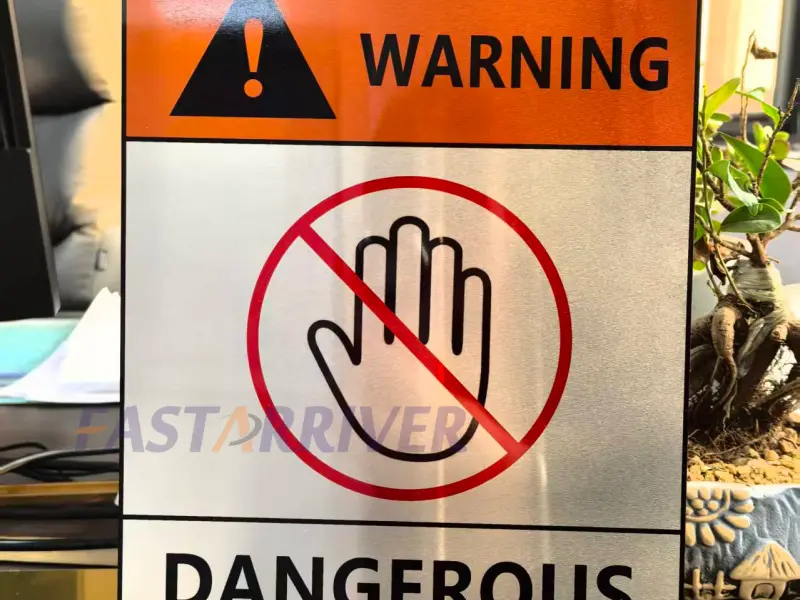
Recommended:
- Satin White
- Brushed Silver
- Mirror Silver
Typical products:
Office walls
Hotel decoration
Restaurant decoration
Choosing the Right Surface Finish
The surface finish has the biggest impact on image appearance.
Surface Finish Comparison
| Surface | Color Performance | Reflection | Popular Application |
|---|---|---|---|
| Gloss White | Excellent | High | Photos |
| Matte White | Very Good | Low | Signs |
| Satin White | Excellent | Medium | Decoration |
| Brushed Silver | Good | Medium | Awards |
| Brushed Gold | Good | Medium | Gifts |
| Mirror Silver | Special Effect | High | Artwork |
Selecting the Best Aluminum Alloy
Many buyers focus on coating quality but ignore alloy selection.
Different alloys provide different mechanical properties.
1050 Aluminum Sheet
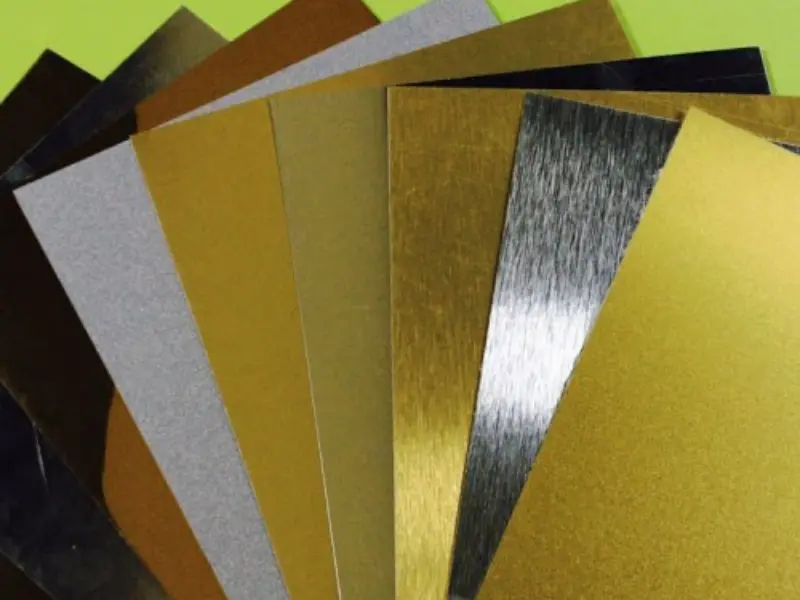
Characteristics:
- High purity
- Excellent flatness
- Cost-effective
Applications:
Decorative products
Indoor photo panels
1060 Aluminum Sheet
Characteristics:
- Most common sublimation alloy
- Excellent corrosion resistance
- Consistent printing quality
Applications:
- Photo printing
- Sublimation blanks
1100 Aluminum Sheet
Characteristics:
- Smooth surface
- Easy fabrication
Applications:
- Promotional products
- Decorative panels
3003 Aluminum Sheet
Characteristics:
- Higher strength
- Better durability
Applications:
- Commercial signs
- Wall panels
5052 Aluminum Sheet
Characteristics:
- Marine-grade corrosion resistance
- High strength
Applications:
- Outdoor graphics
- Long-term installations
Alloy Comparison
| Alloy | Strength | Corrosion Resistance | Cost Level | Typical Use |
|---|---|---|---|---|
| 1050 | Low | Excellent | Low | Decoration |
| 1060 | Low | Excellent | Low | Photo Panels |
| 1100 | Low | Excellent | Medium | Gifts |
| 3003 | Medium | Very Good | Medium | Signage |
| 5052 | High | Excellent | Higher | Outdoor Use |
How to Choose Thickness
Thickness affects durability, rigidity, and installation.
Thin Sublimation Aluminum
| Thickness | Applications |
|---|---|
| 0.30 mm | Nameplates |
| 0.40 mm | Promotional Items |
| 0.45 mm | Photo Panels |
Advantages:
- Lightweight
- Lower cost
- Easy shipping
Medium Thickness
| Thickness | Applications |
|---|---|
| 0.50 mm | Sublimation Blanks |
| 0.63 mm | Wall Art |
| 0.80 mm | Signage |
Advantages:
- Better rigidity
- Professional appearance
Thick Aluminum Panels
| Thickness | Applications |
|---|---|
| 1.00 mm | Commercial Displays |
| 1.20 mm | Architectural Graphics |
| 1.50 mm | Outdoor Signage |
Advantages:
- Higher durability
- Better impact resistance
Understanding Temper Options
Temper affects hardness and formability.
| Temper | Description |
|---|---|
| O | Fully Annealed |
| H14 | Semi Hard |
| H16 | Hard |
| H18 | Full Hard |
| H24 | Stabilized Hard |
Recommended Tempers
For photo panels:
- H14
- H16
With signage:
- H18
- H24
For decorative products:
- H14
Choosing the Right Size
The correct size depends on production efficiency and project requirements.
Small Panels
| Size | Common Use |
|---|---|
| 100 × 150 mm | Gifts |
| 150 × 200 mm | Awards |
| 200 × 300 mm | Souvenirs |
Medium Panels
| Size | Common Use |
|---|---|
| 300 × 400 mm | Photo Panels |
| 400 × 500 mm | Wall Art |
| 500 × 700 mm | Commercial Displays |
Large Panels
| Size | Common Use |
|---|---|
| 610 × 915 mm | Interior Decoration |
| 1220 × 2440 mm | Architectural Projects |
Choosing by Market Segment
Photography Market
Recommended:
- Gloss White
- 1060 Alloy
- 0.45 mm–0.63 mm
Sign Market
Recommended:
- Matte White
- 3003 Alloy
- 0.80 mm–1.0 mm
Gift Market
Recommended:
- Brushed Silver
- Brushed Gold
- 1100 Alloy
Hotel Decoration Market
Recommended:
- Satin White
- Mirror Silver
- 3003 Alloy
Outdoor Market
Recommended:
- 5052 Alloy
- Premium Coating
- 1.0 mm+ Thickness
Comparing Popular Sublimation Aluminum Products
Gloss vs Matte
| Feature | Gloss | Matte |
|---|---|---|
| Color Brightness | Higher | Lower |
| Reflection | Higher | Lower |
| Photo Effect | Excellent | Good |
| Readability | Good | Excellent |
White vs Brushed Silver
| Feature | White | Brushed Silver |
|---|---|---|
| Color Accuracy | Excellent | Good |
| Metallic Effect | No | Yes |
| Photography | Excellent | Good |
| Awards | Good | Excellent |
1060 vs 3003
| Feature | 1060 | 3003 |
|---|---|---|
| Strength | Lower | Higher |
| Flatness | Excellent | Good |
| Printing Quality | Excellent | Very Good |
| Signage Use | Good | Excellent |
Alloy Grades and Tempers
Aluminum is available in various chemical compositions called alloys. Each alloy behaves differently when subjected to the high heat and pressure of a sublimation press.
Alloy and Temper Specifications
| Alloy Grade | Common Temper | Relative Strength | Formability | Typical Sublimation Product |
|---|---|---|---|---|
| Alloy 1050 | H14 (Half Hard) | Low | Excellent | Pet tags, small luggage tags, business cards |
| Alloy 3003 | H14 (Half Hard) | Medium | Good | Car vanity plates, standard indoor signs |
| Alloy 5052 | H32 (Stabilized) | High | Fair | Heavy-duty industrial labels, marine signs |
Evaluating Thickness Options for Different Uses
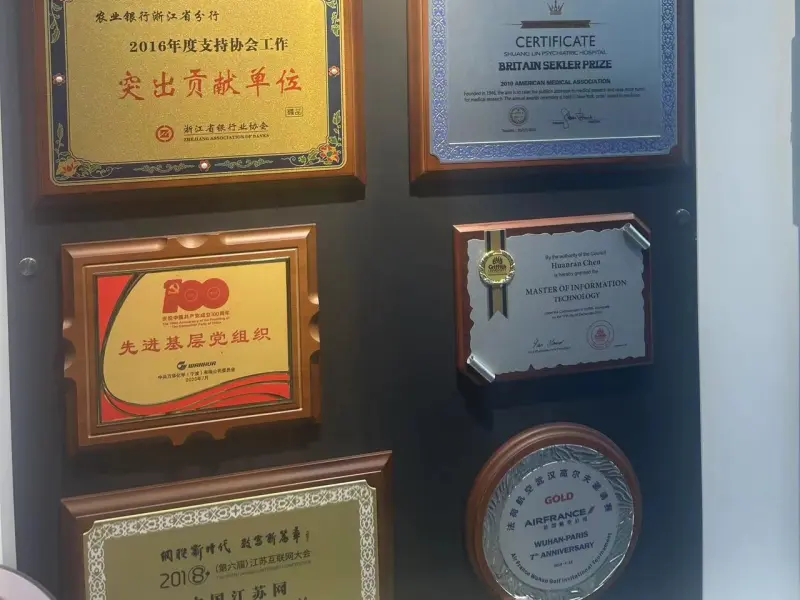
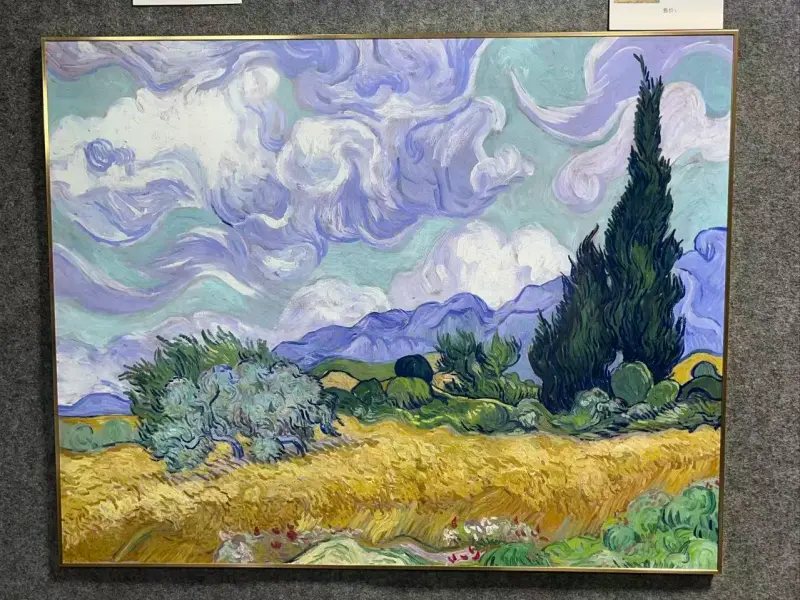
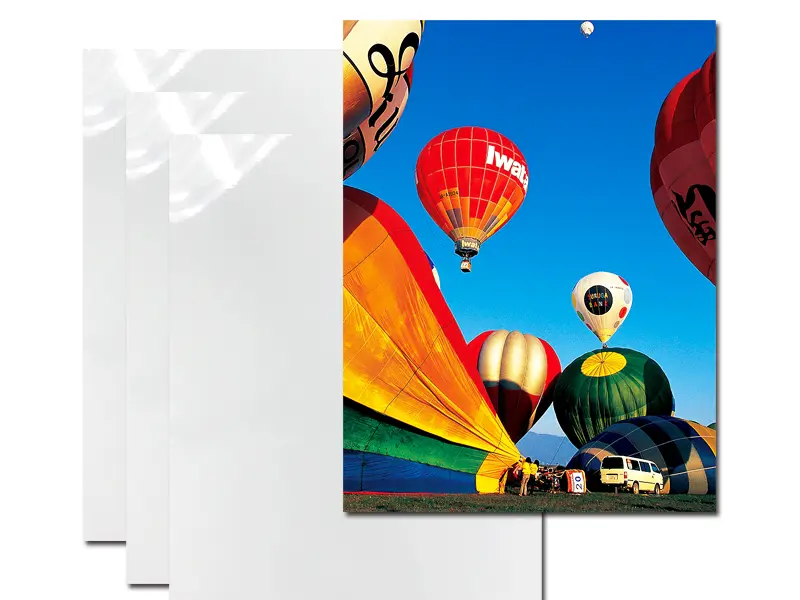
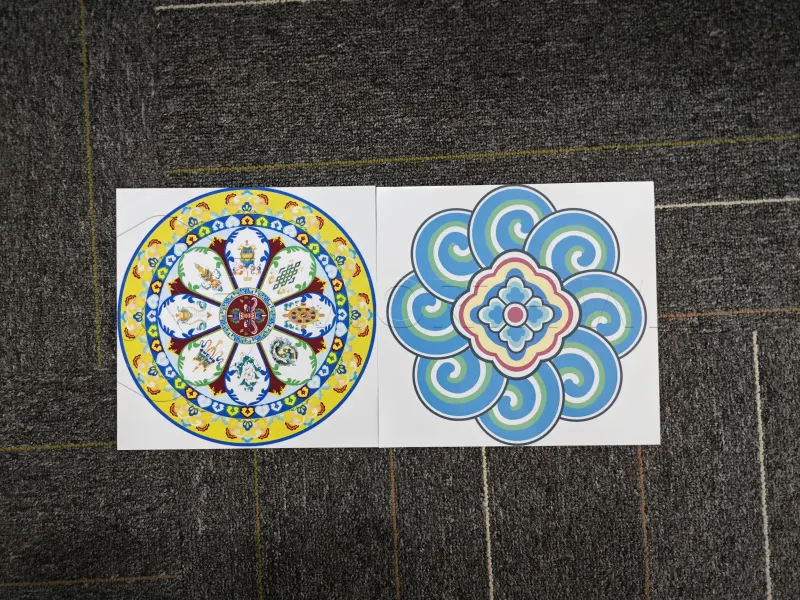
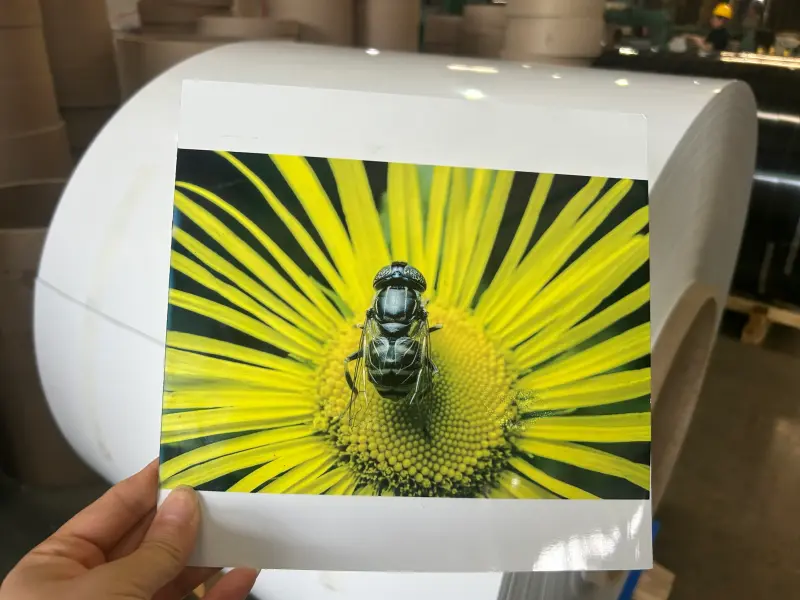
The thickness of your sublimation aluminum sheets is represented by the variable t. Selecting the correct thickness ensures your prints remain flat and rigid without adding unnecessary weight and shipping costs.
Ultra-Thin Sheets
These sheets range from t=0.22 mm to t=0.35 mm.
Because they are so thin, they heat up very quickly in a press, usually requiring only 40 seconds to 50 seconds of heating. They are highly flexible and can even be wrapped around slightly curved surfaces. These are standard for metal business cards, thin labels, and decorative box inserts.
Standard Thickness Sheets
These sheets range from t=0.45 mm to t=0.70 mm.
This is the standard range for the sublimation industry. These sheets are rigid enough to hang flat on walls but thin enough to cut easily with simple manual metal shears. This thickness is ideal for indoor promotional signs, standard office nameplates, and small-format photo prints.
Heavy-Duty Sheets
These sheets range from t=0.80 mm to t=1.15 mm.
These plates offer high structural integrity. They require longer pressing times—typically 70 seconds to 90 seconds—to allow the heat to penetrate the thicker metal. This thickness is used for car license plates, high-end photographic wall panels, and directories.
Structural Grade Boards
These boards range from t=1.50 mm to t=2.00 mm or thicker.
These are extremely stiff and heavy plates. They are designed for self-supporting outdoor signs and heavy machinery tags. They require professional CNC routing or laser cutting equipment to shape.
Thickness Selection Guide
| Thickness (t) | Weight Class | Rigidity Class | Pressing Time (190∘C) | Common Print Products |
|---|---|---|---|---|
| 0.22 mm−0.35 mm | Ultra Light | Low (Flexible) | 40−50 seconds | Business cards, curved trim, trophy plates |
| 0.45 mm−0.70 mm | Light | Moderate | 50−70 seconds | Small signs, desk plates, indoor decorations |
| 0.80 mm−1.15 mm | Medium | High | 70−95 seconds | Custom license plates, photo panels, outdoor tags |
| 1.50 mm−2.00 mm | Heavy | Extremely High | 100−130 seconds | Large hanging signs, industrial panels |
Coating and Finish Comparison
| Finish Type | Reflectivity | Color Accuracy | Glare Level | Best Visual Use |
|---|---|---|---|---|
| Gloss White | High | Excellent | High | Family portraits, high-contrast photos |
| Matte White | None | Very Good | None | Directional signs, office maps, texts |
| Brushed Silver | Moderate | Moderate (Metallic shift) | Low | Corporate logos, industrial labels |
| Brushed Gold | Moderate | Moderate (Golden shift) | Low | Premium plaques, recognition awards |
| Mirror Finish | Extreme | Low (Highly reflective) | Extreme | Novelty plates, decorative mirrors |
Different Product Types to Match Your Business
We offer sublimation aluminum sheets in many configurations. This variety helps you meet the demands of different retail and industrial markets.
Bulk Sheet Stocks
We supply full-size sheets, typically measuring 600 mm×1200 mm or 1200 mm×2400 mm.
If you own a workshop with metal shearing machines or a CNC router, buying bulk sheets is highly cost-effective. You can cut the exact sizes you need for each order, minimizing scrap material.
Pre-Cut Sublimation Blanks
If you want to save time and reduce labor costs, pre-cut blanks are the ideal choice.
These blanks are cut to standard commercial dimensions. They have perfectly straight edges and smooth, rounded corners that prevent injuries during shipping and handling.
Custom Cut-to-Size Blanks
If you have a unique product design, we can manufacture custom blanks to your exact specifications.
Using precision laser cutters and hydraulic punches, we can cut custom lengths (l), widths (w), and shapes. We can also add pre-drilled holes in any diameter, slots for mounting straps, or custom corner curves.
Common Mistakes When Choosing Sublimation Aluminum
Choosing Based Only on Price
Lower-cost products may have inconsistent coating quality.
Ignoring Surface Finish
Different finishes produce completely different visual effects.
Using Indoor Products Outdoors
Outdoor projects require stronger alloys and higher-quality coatings.
Choosing the Wrong Thickness
Very thin panels may bend during installation.
Ignoring Customer Expectations
Photo customers usually prefer gloss surfaces, while signage customers often prefer matte finishes.
Direct Comparisons: Making the Final Choice
To help you make your final purchasing decision, we have created side-by-side comparisons of key specifications.
Alloy Performance Comparison
When choosing your alloy, compare these crucial environmental and mechanical properties.
- Alloy 1050: Low strength, very high flexibility, excellent thermal conductivity, low relative cost. Best for indoor tags.
- Alloy 3003: Medium strength, good flexibility, good thermal conductivity, moderate relative cost. Best for street signs and license plates.
- Alloy 5052: High strength, low flexibility, moderate thermal conductivity, high relative cost. Best for industrial panels and marine environments.
| Feature Comparison | Alloy 1050 | Alloy 3003 | Alloy 5052 |
|---|---|---|---|
| Tensile Strength | 105−145 MPa | 140−180 MPa | 210−260 MPa |
| Bending Ease | Very Easy | Moderate | Difficult (Requires tools) |
| Marine Salt Resistance | Good | Very Good | Outstanding |
| Relative Material Cost | Low (\) | Medium (\$$) | High (\$$$$) |
Coating Grade Comparison: Indoor vs. Outdoor
The chemistry of the polyester coating determines how long your print will last under different lighting conditions.
- Standard Indoor Coating: Designed for maximum gloss and color vibrance. It is highly affordable but can fade within 6 to 12 months if exposed to direct sunlight. Use this for family photos, indoor awards, and office signs.
- Outdoor UV-Resistant Coating: Formulated with special chemical UV blockers. This coating protects the underlying ink from ultraviolet radiation, keeping colors vibrant for up to 3 to 5 years outdoors. Use this for exterior signs, parking boards, and vehicle license plates.
| Performance Metric | Indoor Standard Coating | Outdoor UV-Resistant Coating |
|---|---|---|
| UV Resistance | Low | High |
| Color Depth | Maximum | Good |
| Gloss Level | Highly Glossy (≥90% reflection) | Semi-Glossy to Glossy (80%−85%) |
| Price Point | Budget-Friendly | Premium |
| Outdoor Lifespan | Less than 1 year | 3−5 years (Varies by sunlight) |
Key Factors to Keep in Mind When Ordering
Before you place an order with a manufacturer, pay close attention to these technical and quality standards.
Dimensional and Flatness Tolerances
During the manufacturing of aluminum sheets, cold rolling can introduce slight thickness variations.
Make sure your supplier guarantees a tight thickness tolerance, such as ±0.02 mm. If the sheet thickness varies too much across its surface, your heat press will not apply even pressure, resulting in faded or blurry areas on your print.
Similarly, the sheet must be completely flat. Any slight warp or curl will prevent proper contact with your transfer paper, causing “ghosting” defects.
PE Protective Film Quality
Sublimation coatings are delicate before they are heated. To prevent scratches, dirt, and fingerprints during handling and shipping, a high-quality polyethylene (PE) protective film must be applied to the coated side of the sheet.
- The film should adhere firmly to the edges so it does not peel off accidentally during cutting.
- It must peel off cleanly in one piece without leaving any sticky adhesive residue on the sublimation coating.
- Always ensure you remove this film immediately before printing.
Packaging for Safe Transit
Aluminum is a soft metal, and its corners can bend easily during shipping.
When ordering in bulk, ensure your supplier uses robust packaging. This includes thick cardboard corner protectors, moisture-resistant plastic wrapping, and heavy-duty wooden crates or pallets. Safe packaging ensures that every single sheet arrives in perfect, ready-to-print condition.
Why Professional Buyers Choose Worthwill Aluminum
Worthwill Aluminum supplies a complete range of sublimation aluminum sheet products.
Available options include:
- Gloss White
- Matte White
- Satin White
- Brushed Silver
- Brushed Gold
- Mirror Silver
Additional services:
- Custom dimensions
- OEM packaging
- Protective film
- Wholesale supply
- Fast production
With stable coating quality and multiple alloy choices, Worthwill Aluminum helps customers meet the requirements of photo printing, signage, decoration, and promotional product markets.
FAQ
Which sublimation aluminum sheet is best for photos?
Gloss white sublimation aluminum usually provides the best color performance and image sharpness.
What alloy is most commonly used?
1060 aluminum is the most popular alloy because of its flatness, corrosion resistance, and printing consistency.
Is matte or gloss better?
Gloss is preferred for photos. Matte is preferred for signs and information displays.
What thickness should I choose?
0.45 mm to 0.63 mm is common for photo panels, while 0.80 mm to 1.0 mm is common for signage.
Can sublimation aluminum be used outdoors?
Yes. Products made with 5052 alloy and high-quality coating perform well outdoors.
Are custom shapes available?
Yes. Round, rectangular, square, heart-shaped, hexagonal, and custom-cut panels can be supplied.
How long does sublimation aluminum last?
Indoor applications can last more than 10 years. Outdoor lifespan depends on coating quality and environmental conditions.
Leave a Reply
You must be logged in to post a comment.