
Aluminum Sheet Plate for Sublimation Printing with Perforated Design
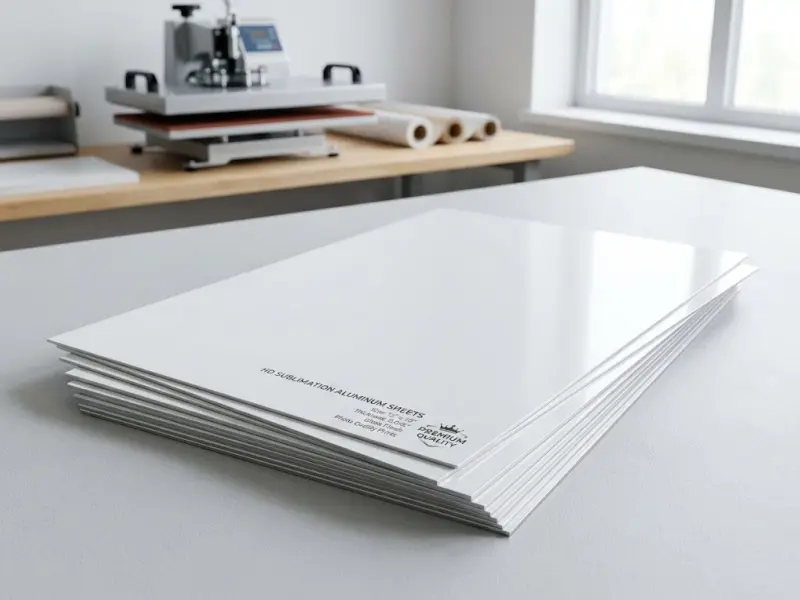
Perforated plate sublimation customized aluminum sheet plates are specially designed metal panels used for heat transfer printing.
These aluminum sheet plates combine sublimation coating, custom hole patterns, and lightweight aluminum material, making them ideal for decorative, functional, and industrial applications.
With precise perforation and high-quality sublimation coating, these aluminum plates allow vibrant image transfer while maintaining airflow, weight reduction, and modern aesthetics.
What Is a Perforated Sublimation Aluminum Sheet Plate?
A perforated sublimation aluminum sheet plate is an aluminum panel that features:
- A sublimation-ready coating on the surface
- Customized perforated hole patterns
- Smooth, flat aluminum sheet structure
- High heat resistance for sublimation printing
These plates are commonly used where visual design, ventilation, or weight reduction is required together with durable printed graphics.
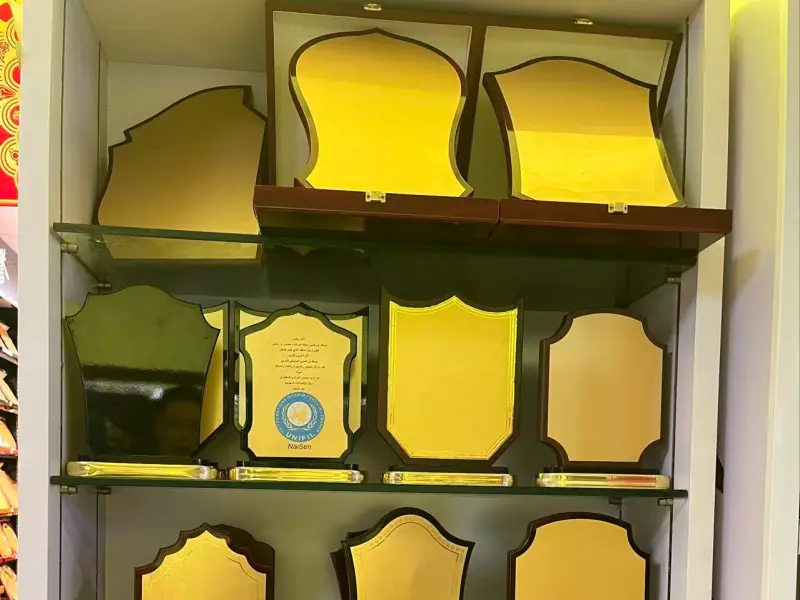
Key Features of Perforated Sublimation Aluminum Plates
Excellent image clarity after sublimation printing
Lightweight and corrosion-resistant aluminum material
Customizable hole size, shape, and layout
Stable performance under heat press conditions
Suitable for indoor and outdoor applications
The perforated structure does not affect color transfer when properly coated and pressed.

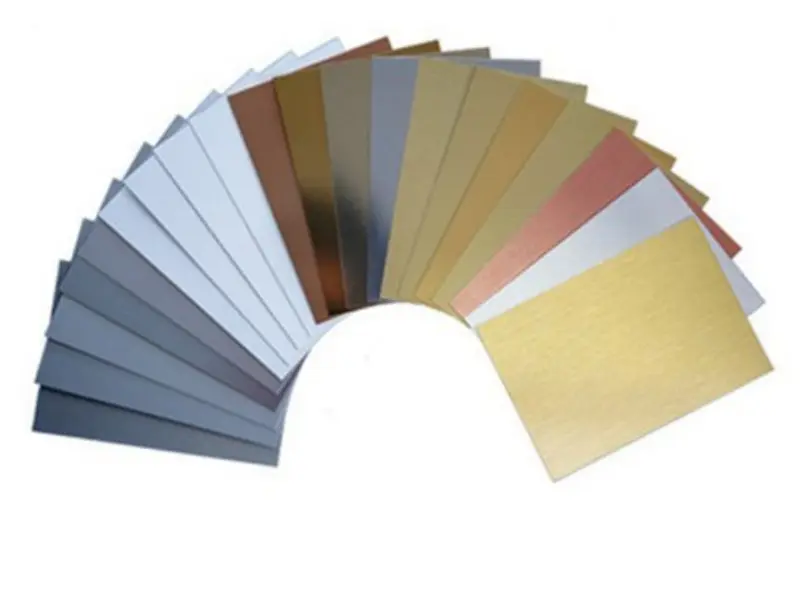
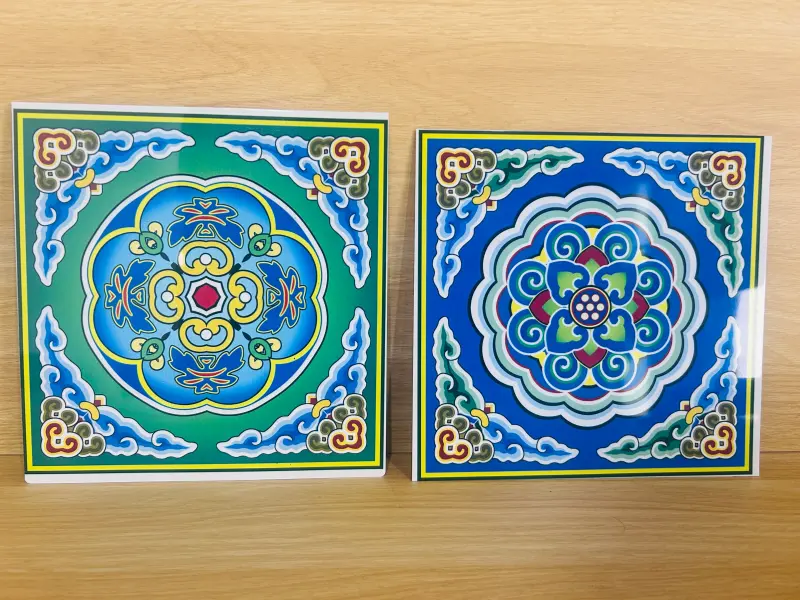
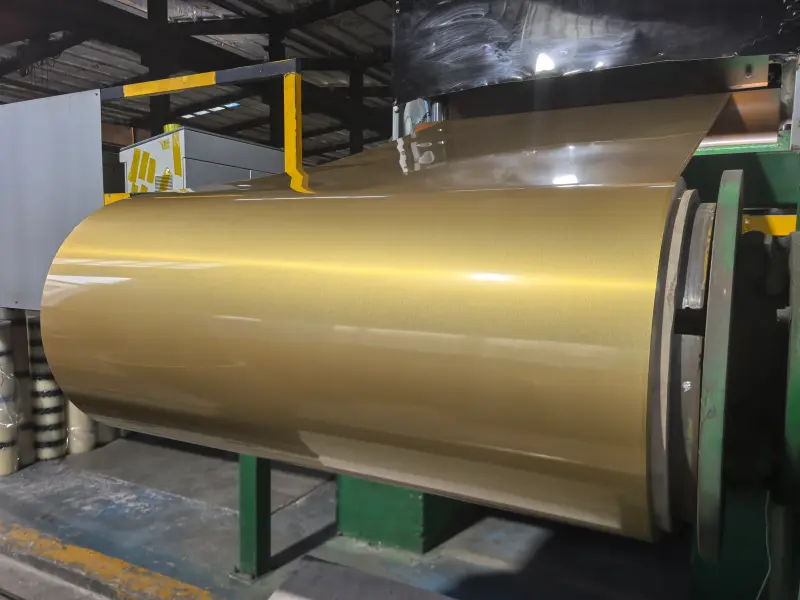
Common Aluminum Alloys for Perforated Sublimation Plates


| Alloy | Purity / Strength | Typical Use |
|---|---|---|
| 1050 | High purity | Decorative panels, signage |
| 1060 | Excellent formability | Custom perforated designs |
| 3003 | Higher strength | Architectural and industrial use |
| 5052 | Strong corrosion resistance | Outdoor panels |
Standard Thickness Options
Thin to medium thickness aluminum sheets are commonly used for sublimation and perforation.
| Thickness (mm) | Application |
|---|---|
| 0.6 – 0.8 | Lightweight decorative panels |
| 1.0 – 1.2 | Signage and wall panels |
| 1.5 – 2.0 | Structural decorative use |
| 2.5 – 3.0 | Industrial and outdoor panels |
Perforation Types and Hole Specifications
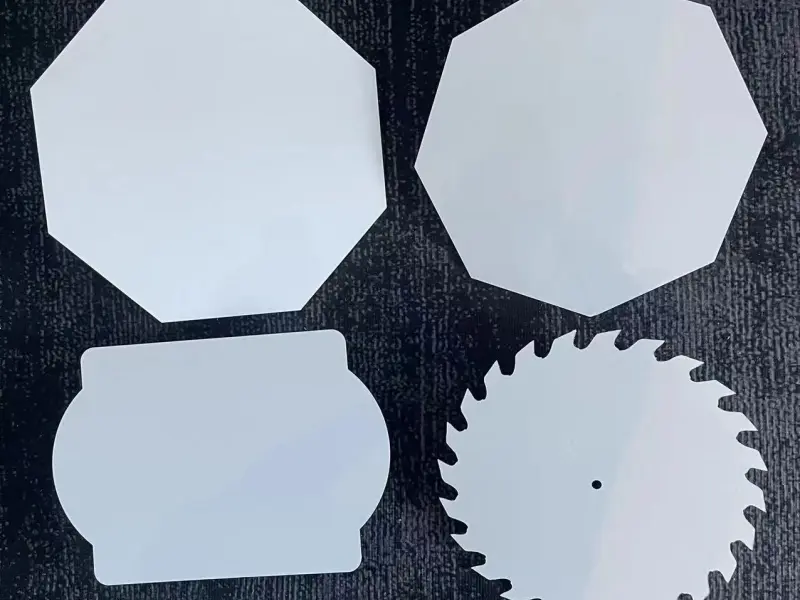
Hole Shape Options
Decorative patterns
Round holes
Square holes
Slotted holes
Hole Size Range
| Hole Diameter | Typical Use |
|---|---|
| 2–4 mm | Fine decorative designs |
| 5–8 mm | Ventilation panels |
| 10–15 mm | Architectural features |
Open Area Ratio
| Open Area (%) | Function |
|---|---|
| 10–20% | Visual focus, strength |
| 20–40% | Balanced airflow and design |
| 40–60% | High ventilation |
Sublimation Coating Types
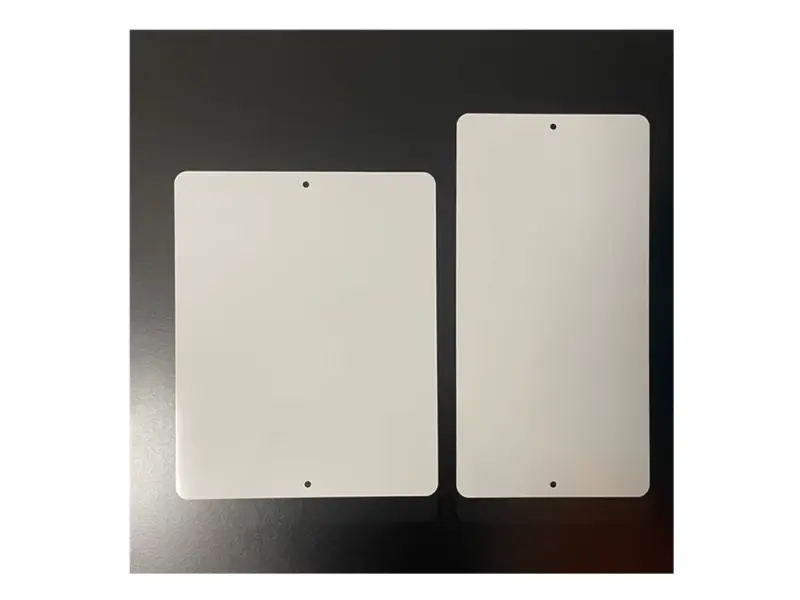
The coating quality directly affects printing results.
| Coating Type | Surface Finish | Printing Effect |
|---|---|---|
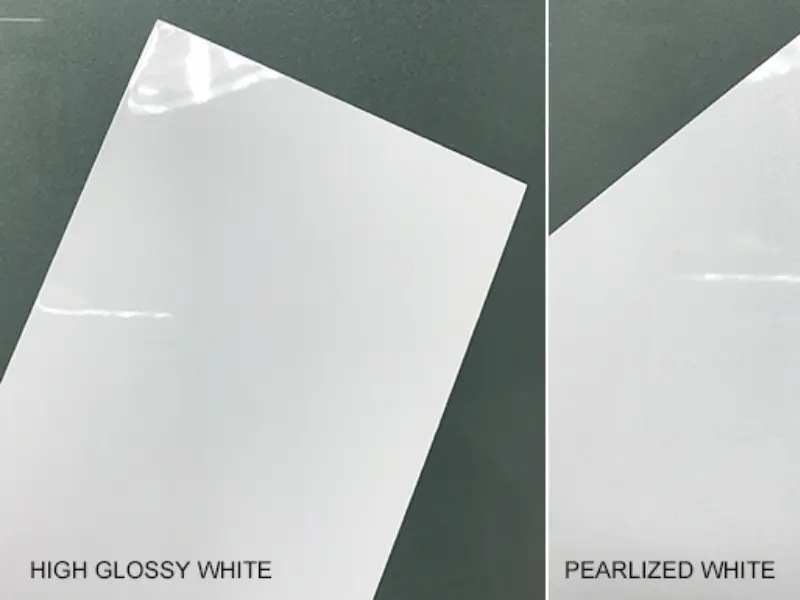
| Glossy White | High gloss | Vivid colors, photos |
| Matte White | Low reflection | Soft color tone |
| Satin White | Semi-gloss | Balanced appearance |
All coatings are optimized for heat press sublimation printing.
Recommended Sublimation Printing Parameters
| Parameter | Recommended Value |
|---|---|
| Temperature | 190–205°C |
| Time | 45–60 seconds |
| Pressure | Medium |
| Cooling | Natural air cooling |
Correct parameters ensure consistent image transfer on perforated aluminum sheets.
Applications

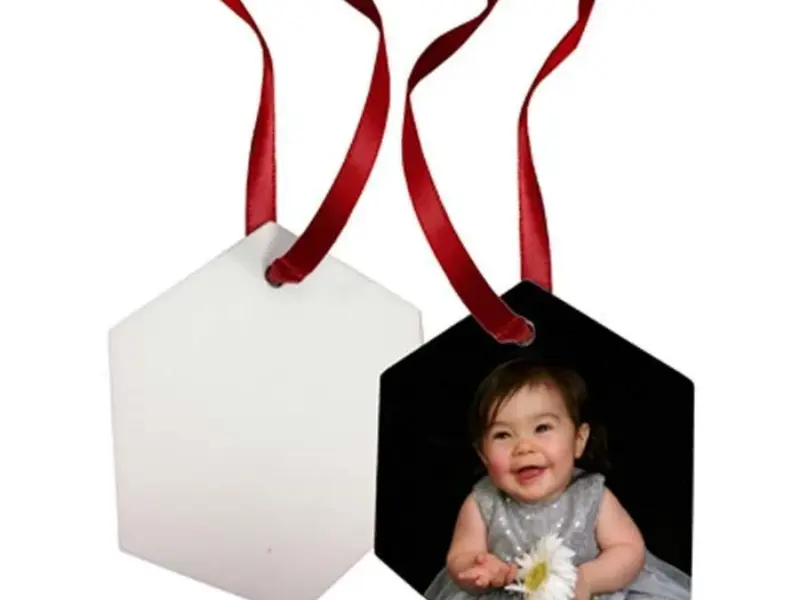
- Architectural decorative panels
- Interior wall art and partitions
- Advertising and signage boards
- Ventilated display panels
- Custom photo metal panels
- Furniture decorative surfaces
- Exhibition and retail displays
Perforation adds both functionality and visual appeal.
Advantages Over Solid Sublimation Aluminum Sheets
| Feature | Perforated Plate | Solid Plate |
|---|---|---|
| Weight | Lighter | Heavier |
| Airflow | Excellent | None |
| Design Flexibility | High | Limited |
| Visual Depth | Strong | Flat |
| Customization | High | Medium |
Customization Options Available
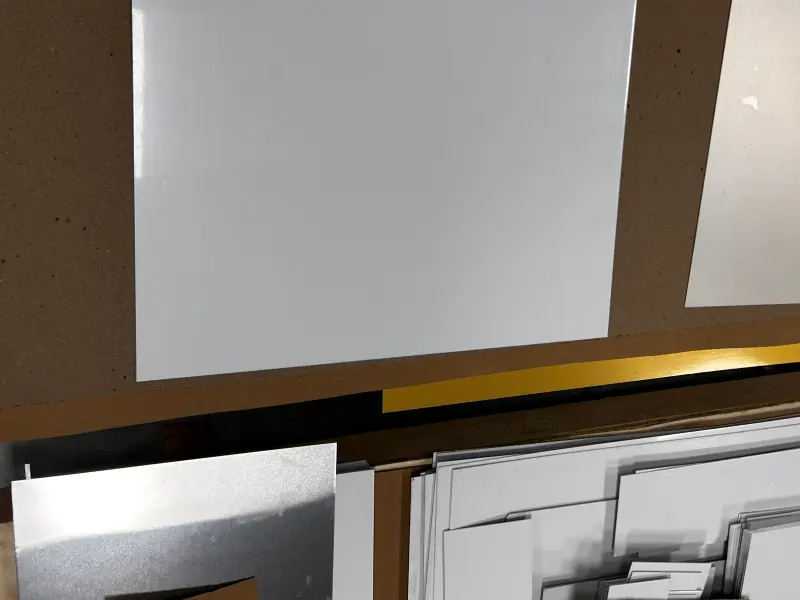
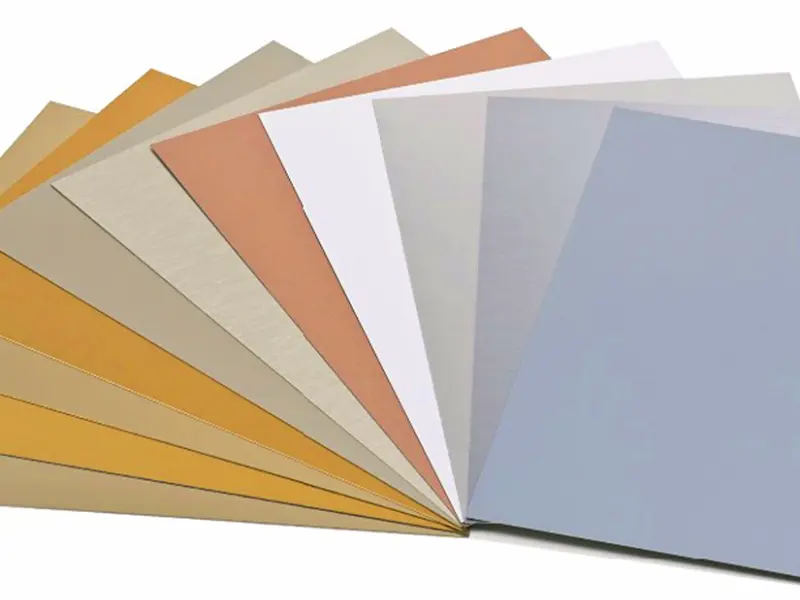
- Sheet size (A4, A3, 4×8, custom)
- Hole pattern and spacing
- Alloy and thickness
- Surface coating type
- Edge treatment (rounded or straight)
This flexibility makes them suitable for both small batch and large-scale projects.
Why Choose Customized Perforated Sublimation Aluminum Plates?
- Combines printing and functionality
- Enhances airflow and reduces weight
- Supports modern architectural design
- Durable and long-lasting material
- Suitable for both decorative and industrial use
These aluminum sheet plates offer a perfect balance between design freedom and performance.
Sublimation Aluminum Sheet Plates
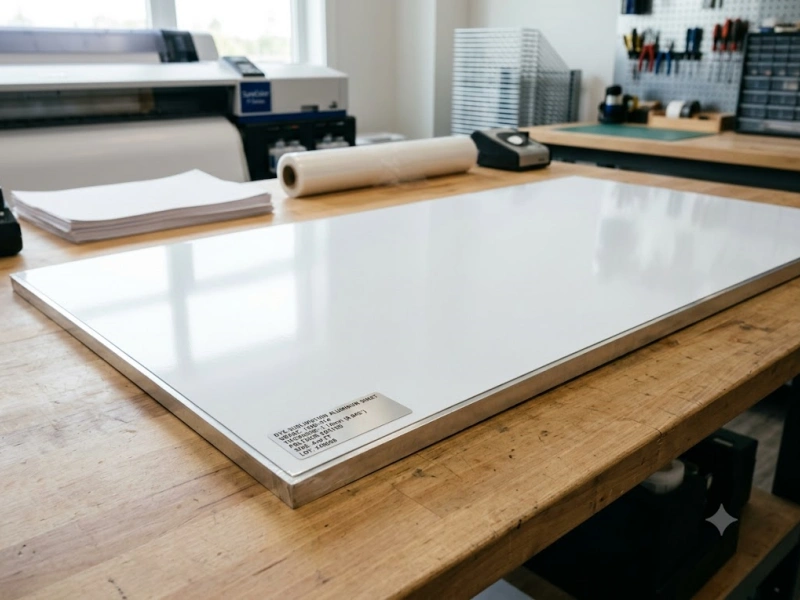
Perforated plate sublimation customized aluminum sheet plates are an advanced solution for modern printing and decorative applications.
With customizable perforation patterns, high-quality sublimation coating, and durable aluminum alloys, they provide excellent performance for signage, architecture, and creative projects.
Choosing the right specifications ensures optimal printing results and long-term durability.
Perforated Plate Sublimation Customized Aluminum Sheet Plate
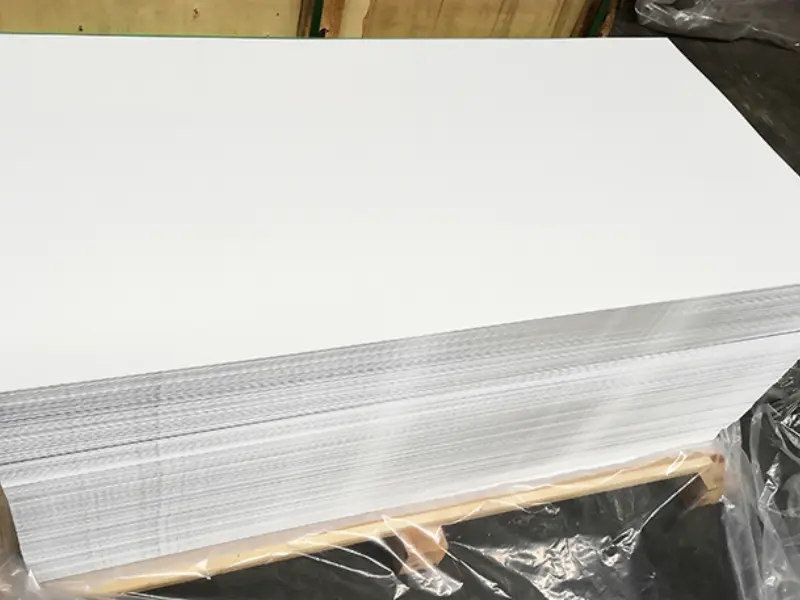
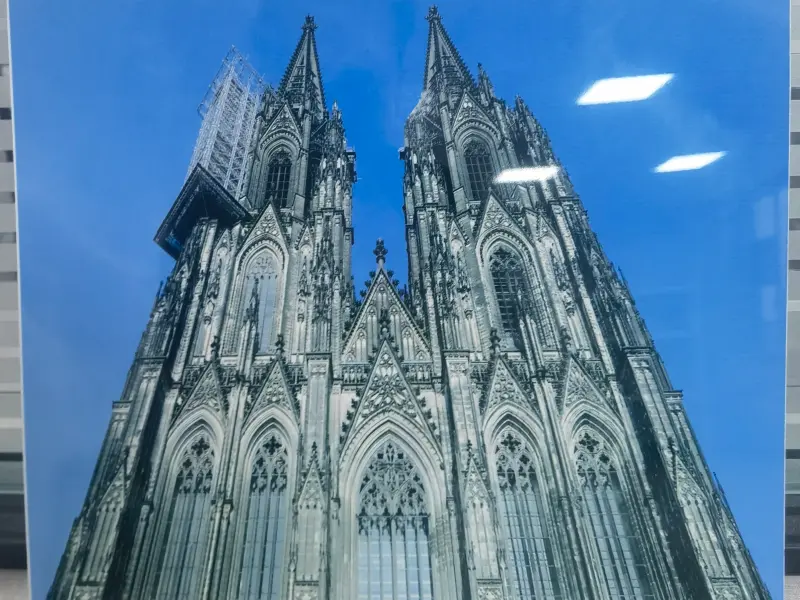
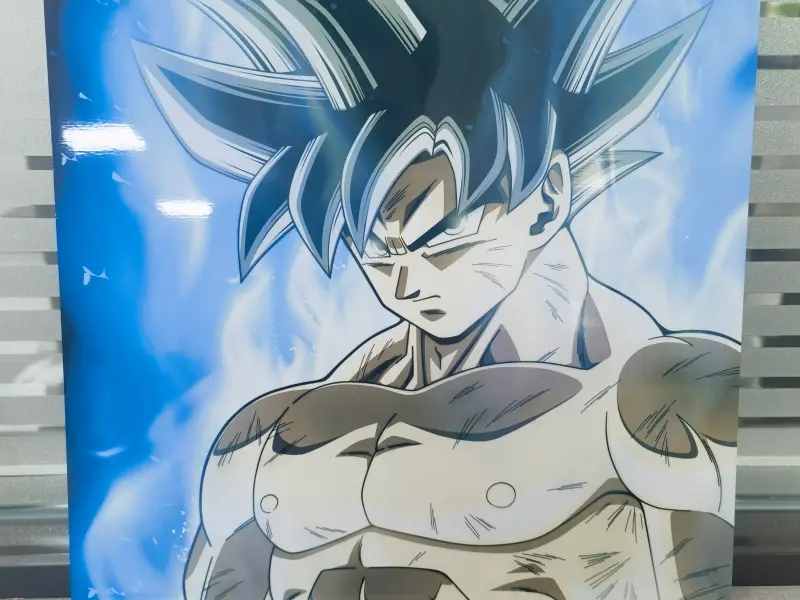
A perforated sublimation aluminum sheet is a coated metal plate with holes in it. You can print a full-color image on the surface. The holes let in light, air, or sound. This mix of print and pattern is why more shops now ask for custom perforated plates.
→ Print on metal and keep the holes open
→ Choose hole size, pitch, and shape to fit your design
→ Order in your own size, finish, and pattern
What Is a Perforated Sublimation Aluminum Plate?
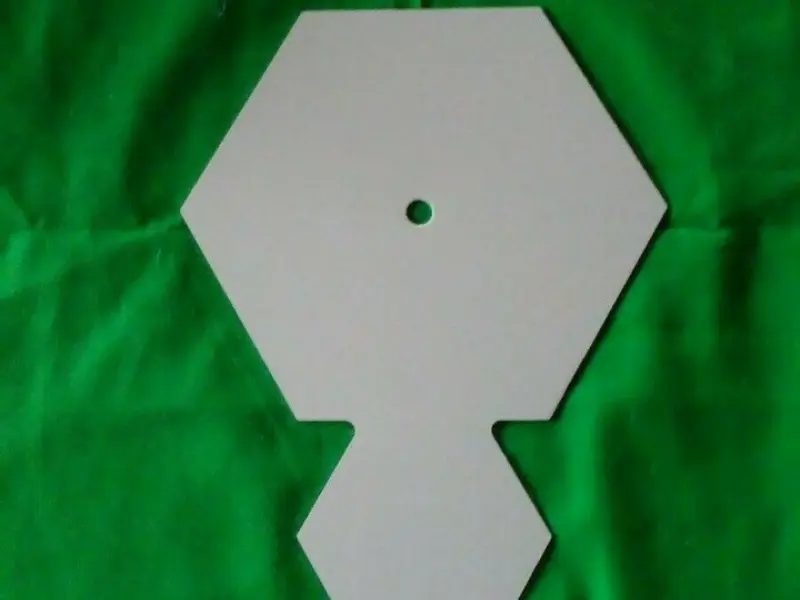
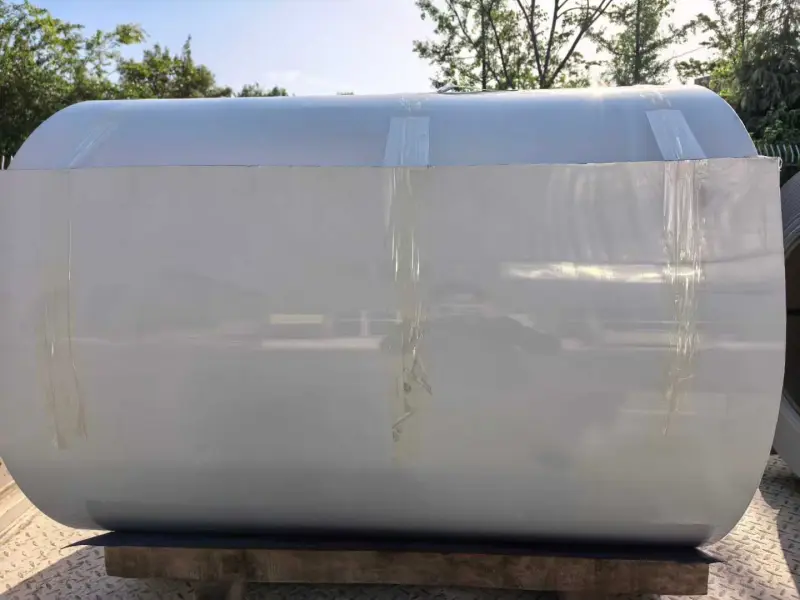
It is an aluminum sheet with a polymer coating. The coating accepts sublimation ink under heat. A pattern of holes is punched or cut through the sheet. After printing, the image shows on the solid areas. The holes stay open.
The result looks light and modern. It is also lighter than a solid plate.
How It Differs From a Solid Sheet
| Point | Solid Sublimation Sheet | Perforated Sublimation Sheet |
|---|---|---|
| Image area | Full surface | Surface between holes |
| Weight | Higher | Lower |
| Light and air | Blocked | Pass through holes |
| Sound | Reflected | Can be partly absorbed with backing |
| Rigidity | Higher | Lower for the same thickness |
| Look | Flat, clean | Textured, layered |
How the Print Works
- The design is printed on sublimation paper.
- The paper is placed on the plate.
- Heat and pressure move the ink into the coating.
- Ink does not stick to the holes because there is no coating there.
Hole Shapes You Can Choose
The hole shape changes the look and the strength. Each shape has its own uses.
Round Holes
The most common type. Easy to make, strong, and clean looking. Good for general decoration and screens.
Square Holes
A modern, graphic look. Good for architectural and display panels.
Slotted Holes
Long, narrow openings. Often used for vents, grilles, and linear designs.
Hexagonal Holes
A honeycomb look. Gives a strong, balanced pattern.
Decorative Shapes
Stars, flowers, logos, and custom cutouts. Usually made by laser or CNC.
| Shape | Look | Strength | Typical Use |
|---|---|---|---|
| Round | Classic | High | Screens, sound panels |
| Square | Modern | Medium | Architecture, displays |
| Slot | Linear | Medium | Vents, grilles |
| Hexagon | Honeycomb | High | Decor, partitions |
| Custom shape | Unique | Varies | Signs, branding |
Hole Size, Pitch, and Open Area
Three numbers define a perforated pattern. Hole diameter, pitch, and open area.
- Hole diameter (d): the size of one hole.
- Pitch (p): the center-to-center distance between holes.
- Open area: the percent of the sheet that is open.
Typical Round Hole Patterns (Staggered 60°)
| Hole Diameter | Pitch | Approx. Open Area | Look |
|---|---|---|---|
| 1.5 mm | 3.5 mm | 17% | Fine, subtle |
| 2.0 mm | 4.0 mm | 23% | Light, delicate |
| 3.0 mm | 6.0 mm | 23% | Medium, clear |
| 4.0 mm | 6.0 mm | 40% | Open, airy |
| 5.0 mm | 8.0 mm | 35% | Bold |
| 6.0 mm | 10.0 mm | 33% | Large, graphic |
Quick Formula
For staggered round holes, open area is about 90.7 × (d ÷ p)² in percent. For straight (square grid) holes, it is about 78.5 × (d ÷ p)² in percent.
Staggered or Straight Layout?
| Layout | Look | Strength | Notes |
|---|---|---|---|
| Staggered 60° | Dense, even | Higher | Most popular |
| Straight 90° | Grid, formal | Slightly lower | Good for modern designs |
Alloy and Temper for Perforated Plates
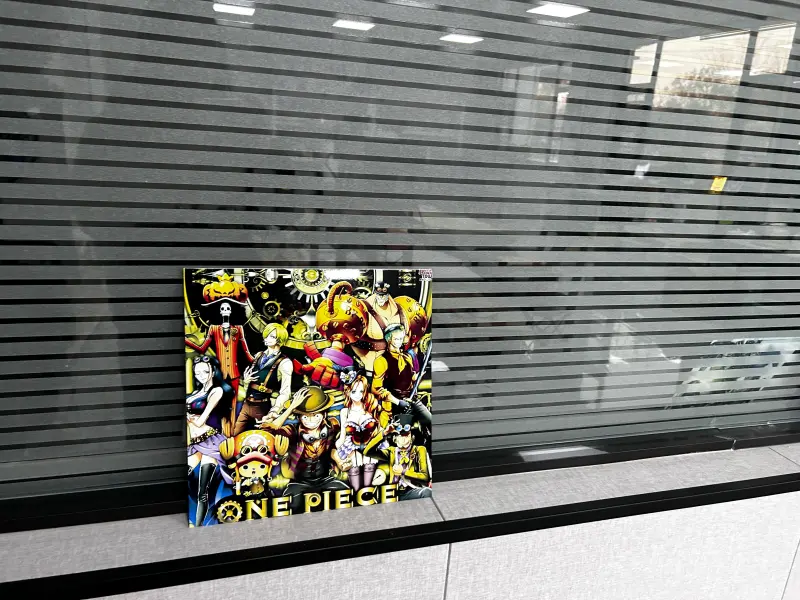
The alloy must stay flat after punching and pressing. Soft metal can warp. Stronger metal holds shape.
| Alloy | Temper | Features | Best For |
|---|---|---|---|
| 1050 | H24 | Very flat, soft, easy to punch | Fine patterns, light use |
| 1060 | H24 | Good surface, low cost | General perforated plates |
| 3003 | H24 | Stronger, holds shape | Larger plates, signs |
| 5052 | H32 | Strong, corrosion resistant | Outdoor and coastal use |
Which Alloy to Choose?
- Small indoor items: 1060 H24.
- Bigger screens and panels: 3003 H24.
- Outdoor or humid places: 5052 H32.
Thickness Guide
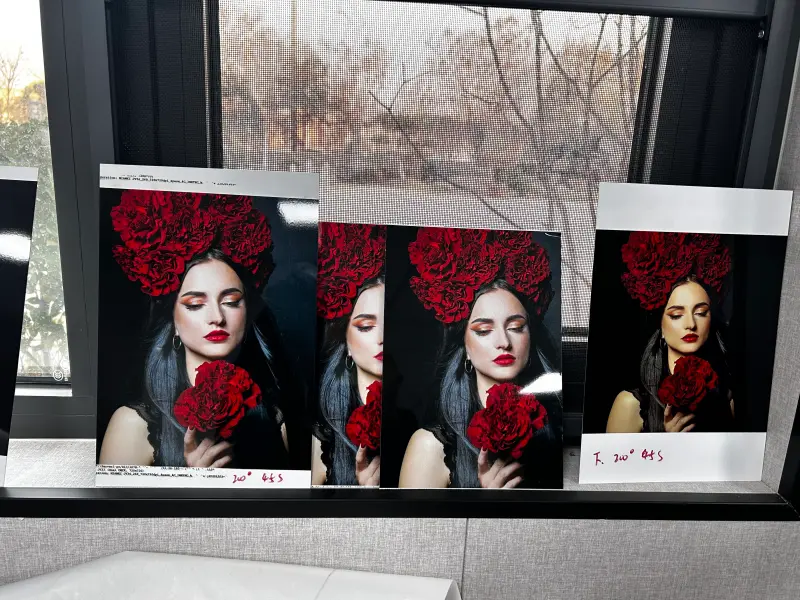
Holes reduce strength. A thicker plate helps keep it flat and firm.
| Thickness | Feel | Common Use |
|---|---|---|
| 0.5 mm | Light, flexible | Small decor, tags |
| 0.8 mm | Firm | Signs, small screens |
| 1.0 mm | Rigid | Wall panels, lamp shades |
| 1.5 mm | Very rigid | Screens, partitions |
| 2.0 mm | Heavy duty | Large panels, outdoor use |
Thickness and Open Area Together
| Open Area | Suggested Minimum Thickness |
|---|---|
| Under 20% | 0.5–0.8 mm |
| 20–35% | 0.8–1.0 mm |
| 35–50% | 1.0–1.5 mm |
Larger open areas need thicker plate or a frame.
Finish and Coating Options
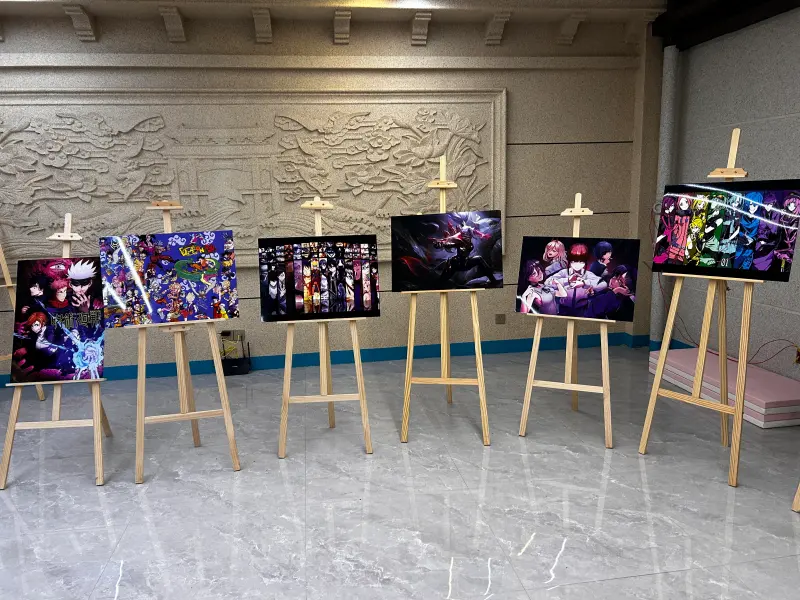
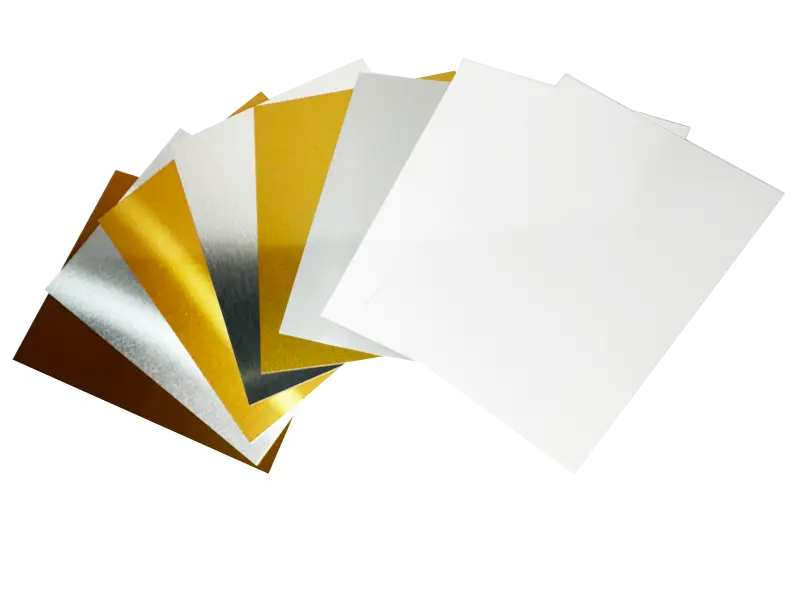
The coating gives the print its color. You can choose from many looks.
| Finish | Look | Best For |
|---|---|---|
| Gloss white | Bright, vivid color | Photos, bright art |
| Matte white | Soft, low glare | Art, interiors |
| Brushed silver | Metallic lines | Modern signs |
| Gold or pearl | Warm shine | Gifts, premium items |
| Wood grain | Natural look | Decor |
| Clear or frosted | Shows the metal | Special designs |
Single Side or Double Side Coated
| Option | Use |
|---|---|
| Single side coated | Most common, lower cost |
| Double side coated | Print both faces, good for screens and partitions |
Custom Options You Can Order
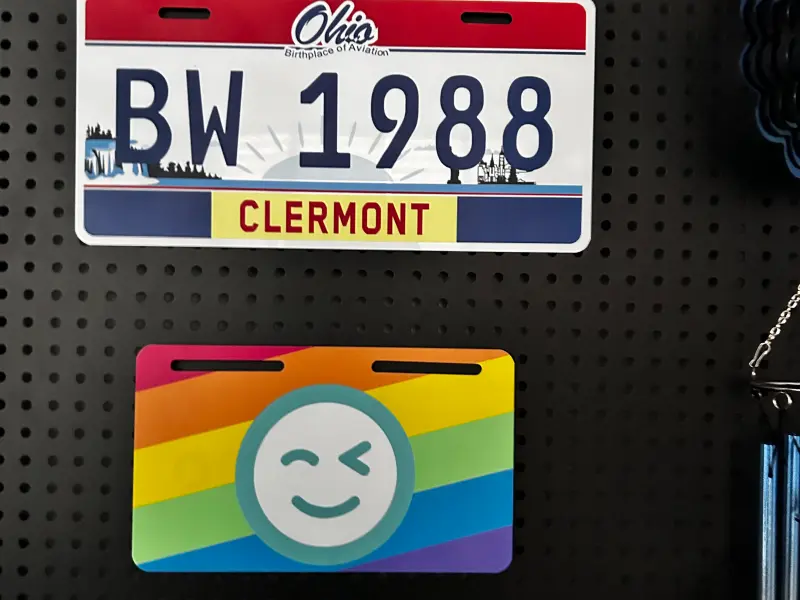
One of the main strengths of this product is customization. Here is what can be changed.
| Option | Examples |
|---|---|
| Size | Any size from small tags to large panels |
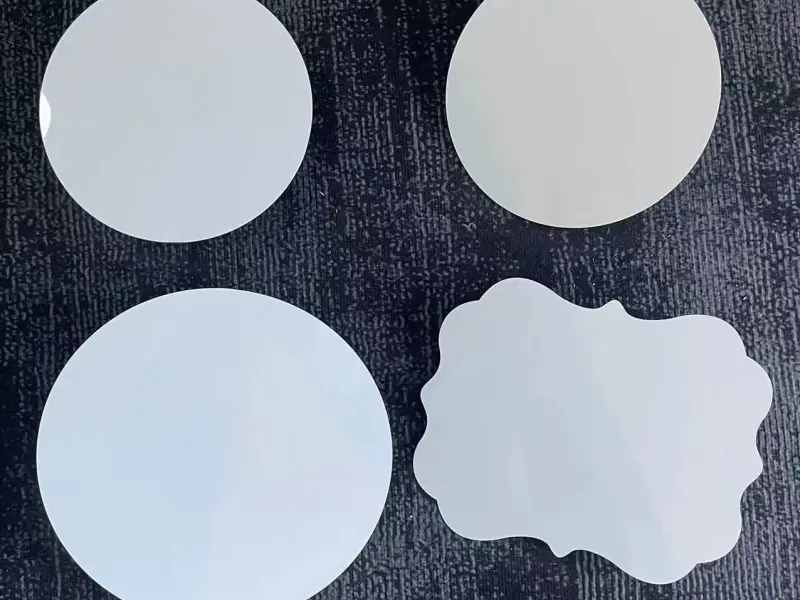
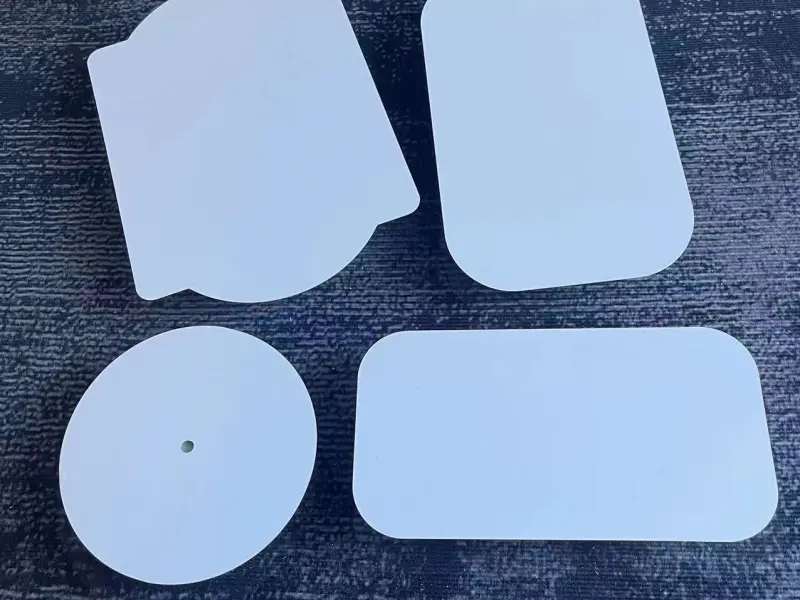
| Shape | Rectangle, circle, oval, custom outline |
| Hole pattern | Round, square, slot, hex, logo |
| Hole size and pitch | Fine to large patterns |
| Thickness | 0.5–2.0 mm and more |
| Corners | Square or rounded |
| Edges | Plain, smooth, folded |
| Mounting holes | Two, four, or special layout |
| Color and finish | White, silver, gold, wood grain |
| Backing | Black fleece, acoustic pad |
Custom Artwork Files
Many factories accept DXF, DWG, or AI files for cutting patterns. Send a clear drawing with sizes in millimeters.
Standard Size Examples
These sizes are common starting points. Custom sizes can be made on request.
| Size | Millimeters | Typical Use |
|---|---|---|
| 4″ × 8″ | 102 × 203 | Small signs |
| 8″ × 10″ | 203 × 254 | Decor plates |
| A4 | 210 × 297 | Display panels |
| A3 | 297 × 420 | Wall art |
| 12″ × 12″ | 305 × 305 | Tile panels |
| 600 × 600 mm | 600 × 600 | Ceiling and wall modules |
| 600 × 1200 mm | 600 × 1200 | Large screens |
Where Perforated Sublimation Plates Are Used
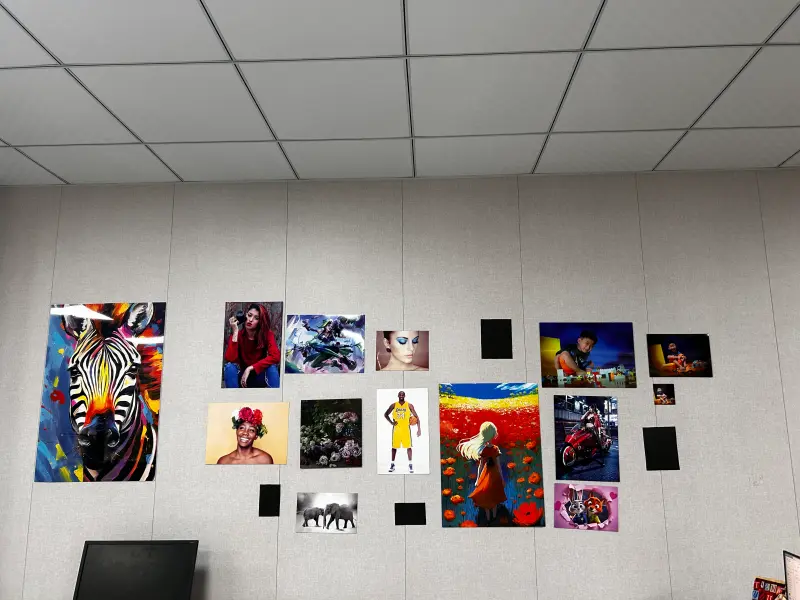
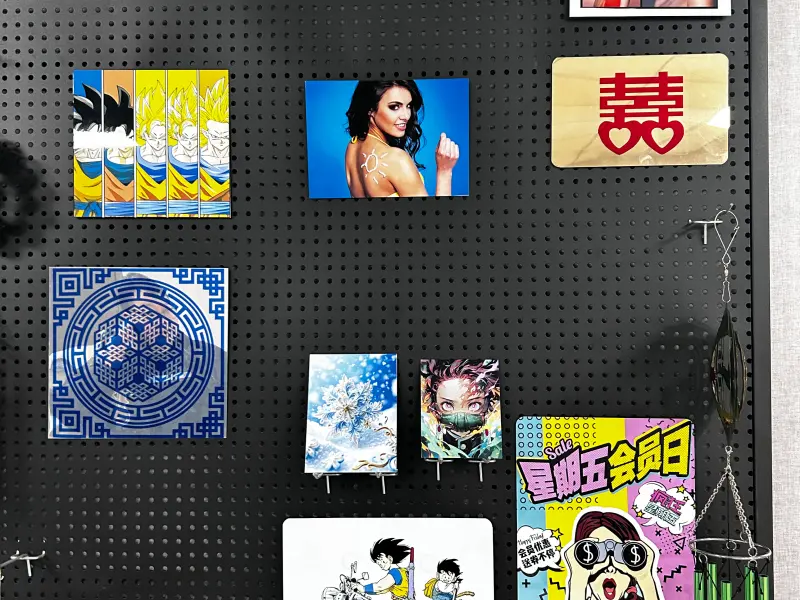
This product fits many projects.
- Decorative wall panels
- Room dividers and screens
- Ceiling panels with printed patterns
- Lamp shades and light covers
- Speaker and sound panels
- Signs with air or light flow
- Store displays and shelving backs
- Furniture panels and cabinet fronts
- Sunshade and privacy screens
- Event and exhibition booths
- Gift and award plates
- Vent covers with a printed look
Matching Product to Project
| Project | Suggested Spec |
|---|---|
| Wall decoration | 1.0 mm, 3003 H24, round holes, 20–30% open |
| Room divider | 1.5 mm, 3003 H24 or 5052, hex or round holes |
| Lamp shade | 0.8–1.0 mm, 1060 H24, small holes |
| Sound panel | 1.0 mm, round holes, black fleece backing |
| Outdoor screen | 1.5–2.0 mm, 5052 H32, strong coating |
| Small gift plate | 0.5 mm, 1060 H24, decorative holes |
Design Tips: Make the Print and the Holes Work Together
Holes break up the image. A smart design uses this to its advantage.
Image Tips
- Use bold images. Fine details can get lost at the holes.
- Avoid small text near holes.
- Use large shapes, patterns, and strong color blocks.
- Keep key parts of the image on solid areas.
Pattern Tips
- Smaller holes with tight pitch keep more of the image.
- Larger holes make a stronger pattern but cut the image more.
- Keep a clear solid border around the edge for strength and mounting.
Hole Size vs Image Clarity
| Hole Pattern | Image Clarity |
|---|---|
| Fine holes, low open area | Very good |
| Medium holes, medium open area | Good |
| Large holes, high open area | Pattern led, less image detail |
Pressing a Perforated Sheet: Step by Step
Pressing is not the same as a solid sheet. Ink can pass through the holes and mark the pad.
→ Step 1: Clean the plate and remove dust and burr dust from the holes.
→ Step 2: Print the design in mirror mode.
→ Step 3: Fix the paper with heat tape.
→ Step 4: Place a clean sheet of paper or a Teflon sheet under the plate.
→ Step 5: Press with heat and medium pressure.
→ Step 6: Peel the paper while it is warm.
→ Step 7: Cool the plate flat.
Suggested Starting Settings
| Plate | Temperature | Time | Pressure |
|---|---|---|---|
| 0.5 mm, small holes | 190–195°C | 50–70 s | Medium |
| 0.8 mm, medium holes | 190–200°C | 60–80 s | Medium |
| 1.0 mm, medium holes | 195–200°C | 70–90 s | Medium |
| 1.5–2.0 mm | 195–205°C | 90–120 s | Medium to firm |
These are guides. Always test a plate first.
Protect the Press and Pad
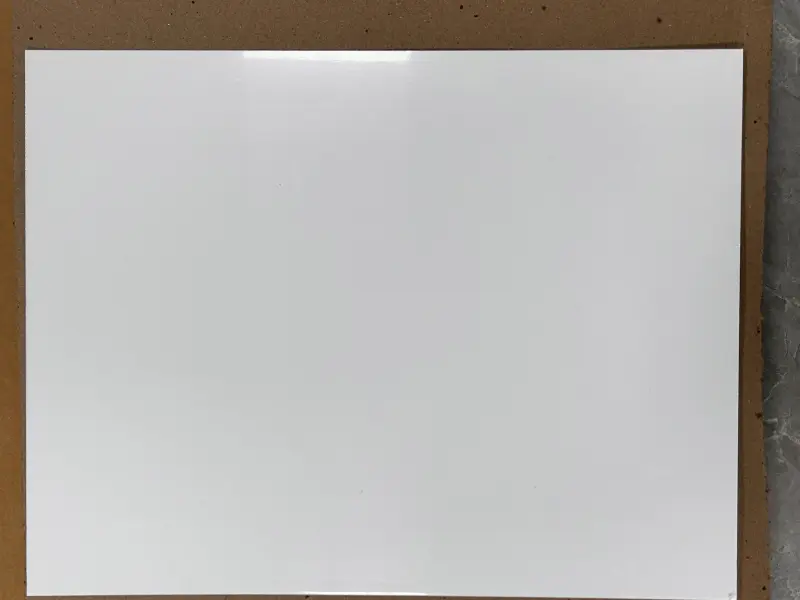
Ink gas can pass through the holes and mark the pad. Use a clean cover sheet under the plate. Change it often.
Common Problems and Fixes
| Problem | Likely Cause | Fix |
|---|---|---|
| Ink marks around the holes | Ink passing through the holes | Use a cover sheet below, check paper size |
| Burr scratches the paper | Rough hole edges | Request deburred holes |
| Plate warps after pressing | Thin plate, large open area | Use thicker plate, cool flat |
| Pattern does not match the image | Paper shifted | Use tape and register marks |
| Dull color | Heat too low | Raise heat by 5°C, add time |
| Ghosting | Paper moved | Fix the paper well, peel quickly |
| Coating chips at hole edges | Punching after coating | Ask for a coating suited for punching |
| Uneven color | Pressure uneven | Check pad and press |
A Note on Hole Edges
When holes are cut after coating, the edge shows bare aluminum. This is normal. For a cleaner look, ask about edge sealing or a matching edge color.
Perforated Plate vs Other Ways to Decorate Metal
| Method | Detail Level | Durability | Perforation Friendly | Cost |
|---|---|---|---|---|
| Sublimation print | Very high | High indoors | Yes | Medium |
| Powder coat | Solid color only | Very high | Yes | Low to medium |
| Screen print | Medium | High | Yes | Medium |
| Vinyl wrap | High | Medium | Limited | Medium |
| Direct UV print | High | Medium to high | Yes | Higher |
| Anodized | Limited colors | Very high | Yes | Higher |
Sublimation gives full-color photo quality that powder coat cannot match. It also lasts longer than vinyl on most indoor surfaces.
Quality Checks Before You Accept an Order
| Check | What to Look For |
|---|---|
| Hole size | Within tolerance of your drawing |
| Pitch | Even and aligned |
| Edge burrs | Smooth or deburred |
| Flatness | No wave or twist |
| Coating | No chips, scratches, or marks |
| Color | Matches the sample |
| Dimensions | Correct length, width, and thickness |
| Packing | Protected with film and paper |
Typical Tolerances
| Item | Common Range |
|---|---|
| Hole diameter | ±0.05–0.10 mm |
| Hole position | ±0.10–0.20 mm |
| Sheet size | ±0.3–0.5 mm |
| Thickness | ±0.02–0.05 mm |
Tolerance depends on the process and the sheet size. Confirm with your supplier.
How to Order a Custom Perforated Sublimation Sheet
A clear process saves time.
→ Step 1: Send a drawing or sketch with size and hole pattern.
→ Step 2: Choose alloy, thickness, and finish.
→ Step 3: Approve a sample or drawing proof.
→ Step 4: Confirm price, quantity, and lead time.
→ Step 5: Production and inspection.
→ Step 6: Packing and shipping.
Typical Time Frame
| Stage | Common Time |
|---|---|
| Drawing check and sample | 3–10 days |
| Production | 15–30 days |
| Shipping | Depends on route |
Inquiry Template
Product: Perforated sublimation aluminum plate
Size: ______ mm
Alloy and temper: ______
Thickness: ______ mm
Finish: gloss white / matte white / brushed silver / other
Hole shape: round / square / slot / hex / custom
Hole size and pitch: ______
Open area target: ______ %
Corners and mounting holes: ______
Quantity: ______ pieces
Destination port: ______
Please send a quote and sample details.
Frequently Asked Questions
Product Questions
What is a perforated sublimation aluminum sheet?
It is a coated aluminum plate with holes. You can print a full-color image on it with sublimation. The holes stay open.
What alloy is best for perforated sublimation plates?
For most indoor items, 1060 H24 or 3003 H24 works well. For outdoor use, 5052 H32 is a stronger choice.
What thickness should I pick?
Use 0.5–0.8 mm for small decor and signs. Use 1.0–1.5 mm for screens and wall panels. Use 2.0 mm for large or outdoor panels.
Can I order a custom hole pattern?
Yes. You can choose the hole shape, size, pitch, and layout. Send a drawing or sketch.
Printing Questions
Does the image print over the holes?
No. The image prints only on the solid areas. The holes stay open.
What temperature do I use?
Most sheets work at 190–200°C for 60–90 seconds. Thicker plates may need a little more time. Test a plate first.
How do I stop ink from marking the press?
Place a clean cover sheet under the plate. Change it when it gets marked.
Can I print a photo on a perforated plate?
Yes. Small holes with low open area keep more of the photo. Large holes turn the plate into a pattern led design.
Order Questions
Do you offer custom sizes and shapes?
Yes. Plates can be cut to your size. Round, oval, and custom outlines are possible.
Can I get a sample?
Yes. Samples help you test the print and the pattern before a bulk order.
What is the lead time?
Many orders take 15–30 days. Custom patterns may take longer.
Can you supply double side coated plates?
Yes, on request. This is good for screens and room dividers where both sides are visible.
Leave a Reply
You must be logged in to post a comment.